The Impacts of Habitat Loss
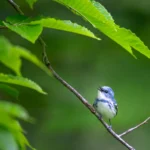
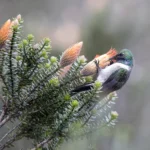
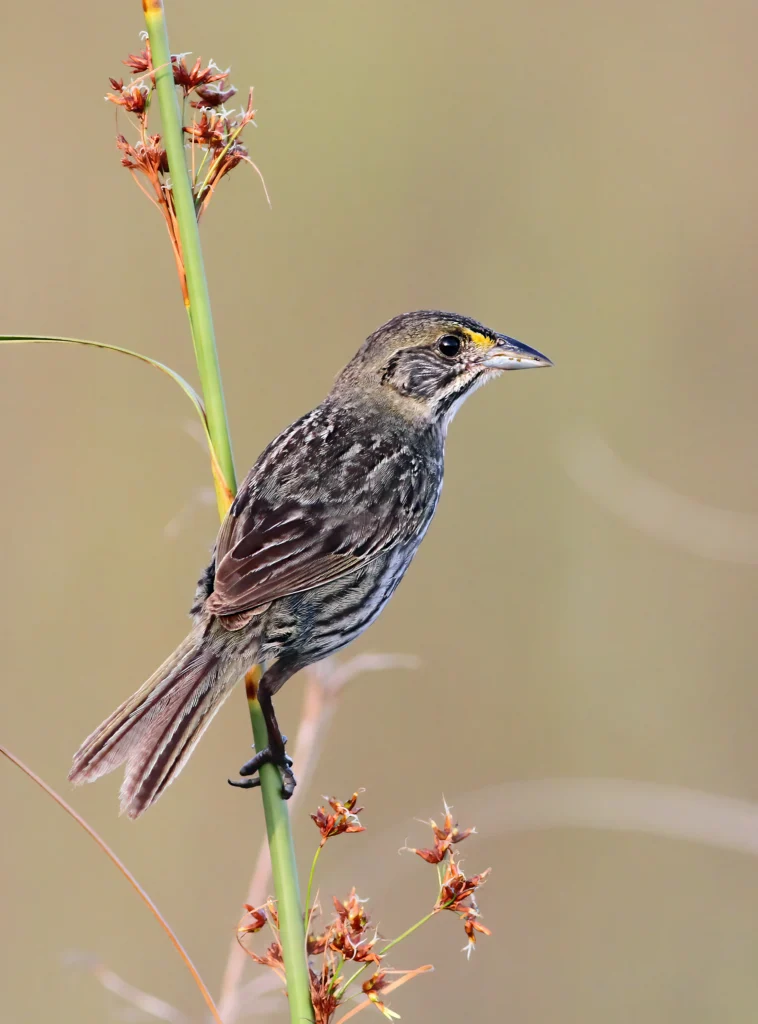
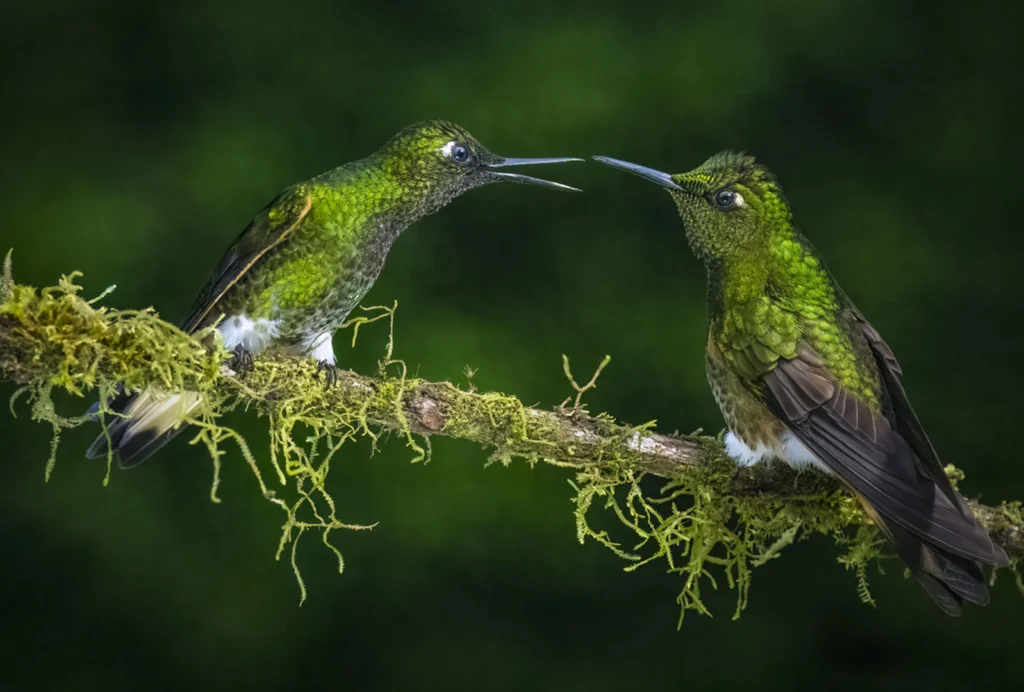
At any point in its annual cycle, arriving on breeding territory in the Appalachian Mountains or returning to the forests of northern South America, a Golden-winged Warbler might find the land has been cleared. This can just as easily happen at stopover habitats along its migratory route. More than 85 percent of globally threatened birds in Latin America have been affected by unsustainable, large-scale clearing and agricultural operations. Those with extremely small populations and restricted ranges, like the Antioquia Brushfinch, are especially vulnerable to habitat loss.
The habitats of grassland birds, which have experienced sharp population declines in recent decades, contract and shrink as land is converted for agriculture and replaced by single crops or cattle grazing. Valuable stopover sites for shorebirds on islands and coasts are degraded by storms and other severe weather events or lost to sea level rise.
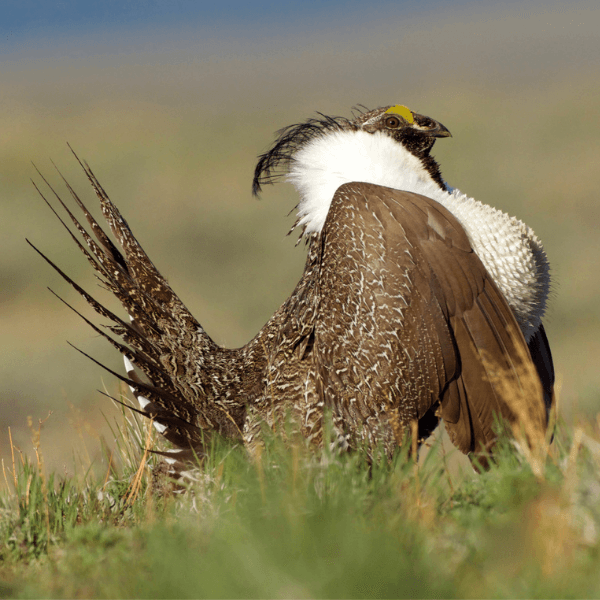
It doesn’t take the wholesale clearing of habitat to harm birds. For many species, the fragmentation of their habitat can be just as damaging, restricting movement between areas used at different times throughout the year and reducing the space available for foraging or nesting. The imperiled Greater Sage-Grouse, an iconic species of the sagebrush steppe, hangs on in the disconnected pockets of land that have not yet been opened to energy development.
Habitat loss has a tremendous impact on birds, but ABC is finding solutions. We’re working with our partners to revive land that has been degraded and restore connectivity between fragmented habitats. We engage landowners in the conservation of their land and support initiatives that harvest resources like timber sustainably. Throughout Latin America, our network of reserves protects the land some of the most endangered birds need for their survival. We’re exploring new tactics and taking bold action wherever we can in our efforts to get results for birds.
Explore Our Solutions
ABC never stops searching for solutions to the challenges birds are up against. Our team develops science-backed approaches for conserving birds throughout their full annual cycles, advocates for policies that enable research and support collaborative conservation initiatives, and helps to grow an inclusive, international bird conservation movement.