
A Change of Heart: Stories of Responsible Cat Care
Many people are coming to the realization that cats are safer inside. Read moving, first-hand accounts from cat owners about their journeys toward responsible pet ownership.
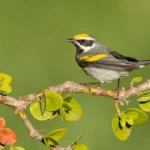
Working the Land to Work for Birds
In the most recent iteration of the Farm Bill, about $20 billion was dedicated to conservation efforts. That makes the Farm Bill the single biggest piece of conservation legislation in the world.
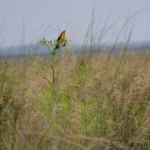
New Argentina Reserve Will Help Protect Grassland Home of Rare Saffron-cowled Blackbird
American Bird Conservancy (ABC), Aves Argentinas, and BirdLife International announce the acquisition of a section of Estancia La Rosita in northeastern Argentina, a vital sanctuary for the Saffron-cowled Blackbird and other threatened species. The newly protected area, 12 miles from the town of Alv...
Collective Inspiration Through Birds
ABC and Re:wild announced a new initiative called the Afrofuturism Collective. While different people define Afrofuturism in different ways, one succinct explanation (via UCLA Magazine) is that it’s “a wide-ranging social, political, and artistic movement that dares to imagine a world where Afri...
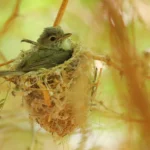
The Global Importance of Restoring the Amargosa River Basin
American Bird Conservancy (ABC) and a team that includes Amargosa Conservancy and River Partners are now in the planning stages of an ambitious effort to restore the Amargosa Basin. The Amargosa River Riparian Restoration project, funded by the California Wildlife Conservation Board, will restore ap...
Despite Headwinds, a Year of Results for Bird Conservation
Despite uncertainties with federal funding and ongoing environmental rollbacks in 2025, American Bird Conservancy (ABC) stayed focused on our mission, steadfast in our principles, and achieved heartening progress for birds and their habitats across the Americas — helping endangered birds avoid ext...

Forests at Work for People and Birds
For many birds, forests are nest sites and nurseries, territories, and rest stops. They provide the abundant resources that help birds survive and raise their young successfully.
They do much of the same for people. Forests perform many essential ecosystem services that go unnoticed, like absorb...