Overview
Marine habitats — oceans, seas, and coral reefs — make up most of the vast majority of the planet’s water and provide irreplaceable habitat for seabirds. Freshwater habitats like rivers, lakes, and wetlands are also essential, providing foraging areas and nearby nest sites. Whether they spend most of their lives on the open ocean like seabirds or breed near streams and creeks, birds need water and aquatic habitats, and so do people. Water shapes our world.
Gallery
Variations of Aquatic Habitats
Marine
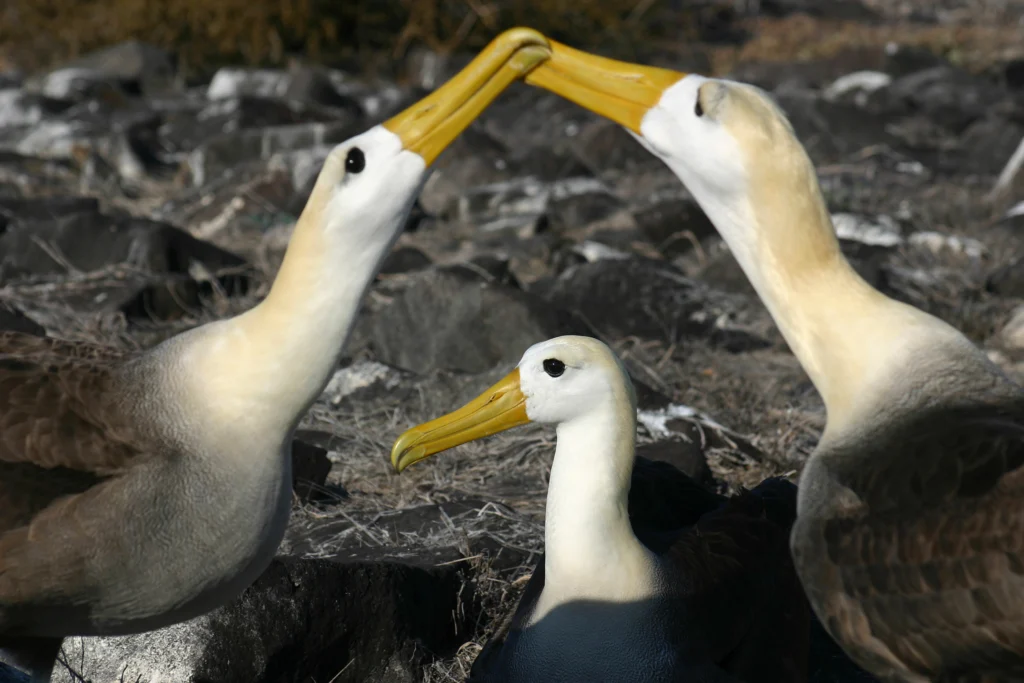
Ocean environments can be harsh. Birds that soar over the open seas, like albatrosses and petrels, are well-adapted to a life of whipping winds and salty water. The ocean is teeming with life throughout its depths. Often, birds forage here by scooping up prey from the water’s surface and diving dozens of feet below the waves. The islands and atolls of the marine environment boast incredible biodiversity and provide invaluable habitat for nesting seabirds.
Coastal
Not all coastal habitats are sandy beaches (though many are). Rocky shorelines, mangroves, seagrass meadows, coral reefs, mud flats, and salt marshes are also important coastal environments where land meets the ocean’s tides and freshwater and saltwater meet. These areas can be hotspots for hungry shorebirds, offering up prime foraging opportunities that emerge with the ebb and flow of the tides. They are also essential nesting sites and can harbor great biodiversity.
Freshwater
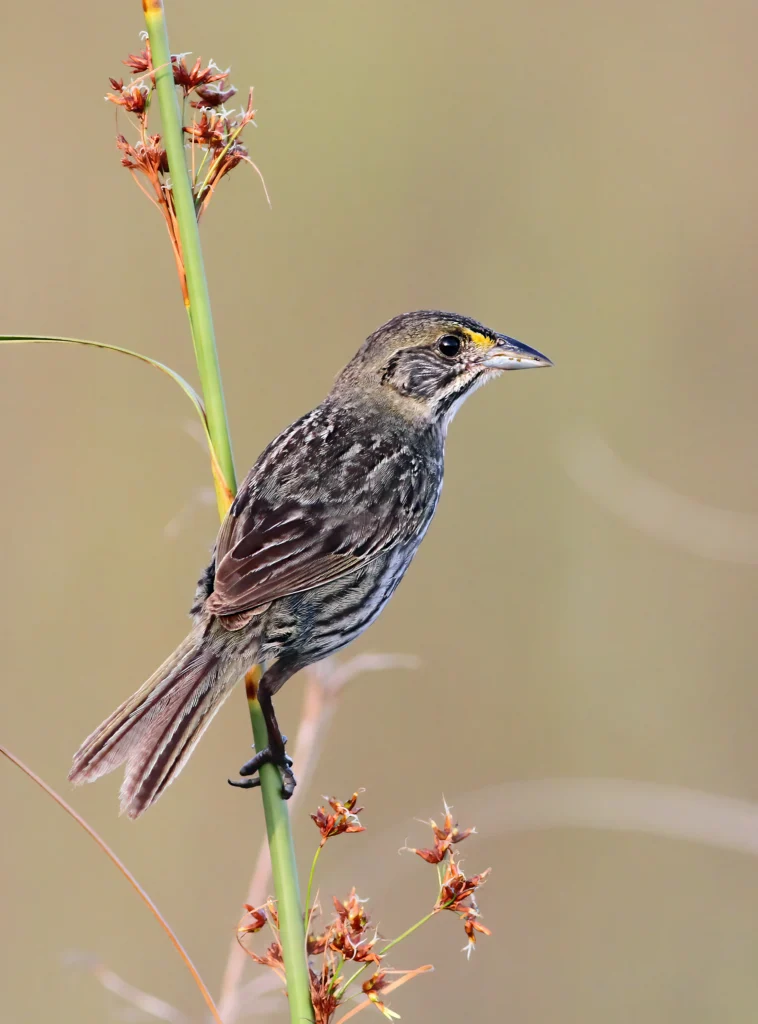
Rivers, lakes, streams, and wetlands are all freshwater habitats that support a wide variety of birdlife. These aquatic environments are rich in biodiversity and often have high degrees of endemism, meaning many species found in these habitats are found nowhere else. They are characterized by the low salinity of their waters. Freshwater habitats are home to birds throughout the year and play an important role in sustaining migrating birds.
Threats to Aquatic Habitats
Oceans affect the weather, wetlands protect communities from flooding, and rivers and lakes help purify water. A world without water would be a world without life. Protecting aquatic habitats from threats safeguards not only birds, but our collective future.
Plastic Pollution & Marine Debris
Plastics are virtually everywhere, including in the stomachs of 90 percent of all seabirds. Birds mistakenly ingest them, feed them to their young, or become entangled in marine debris. Billions of pounds of plastic enter waterways each year, posing risks to bird and human health.
Climate Change
As global temperatures climb, so do sea levels, threatening coastal areas where birds nest and people live. Climate change is leading to storms and droughts that are increasing in frequency, severity, and unpredictability. Temperature rises also lead to declines in fish populations and less food for seabirds.
Pesticides & Pollutants
Pesticides from agricultural operations, chemicals from businesses, and even pollutants from our homes leach, runoff, and are dumped into waterways, often with catastrophic effects on human health and harm to birds, both direct and indirect.
Wind Turbines
Climate change is a threat to birds that is upending ecosystems and pushing many bird species further towards a tipping point. Wind energy represents a powerful and promising tool in the transition to clean energy, but without proper siting, birds will pay the price.
Conservation Efforts
We form, join, and support collaborations to mitigate threats to aquatic environments and the birds relying on them. Our work stems from public engagement and cleanup efforts like SPLASh (Stopping Plastics and Litter Along Shorelines) on the Texas Gulf Coast, to connecting with folks in the fisheries industry to find solutions to overfishing and bycatch, the accidental capture of seabirds during fishing operations.
Birds from this Habitat
Aquatic habitats are some of the most biodiverse places on the planet, and that includes the birds that live in and stop by shorelines, rivers, and islands. Explore our Birds of the Americas Library to learn more about birds in aquatic habitats.