Overview
About
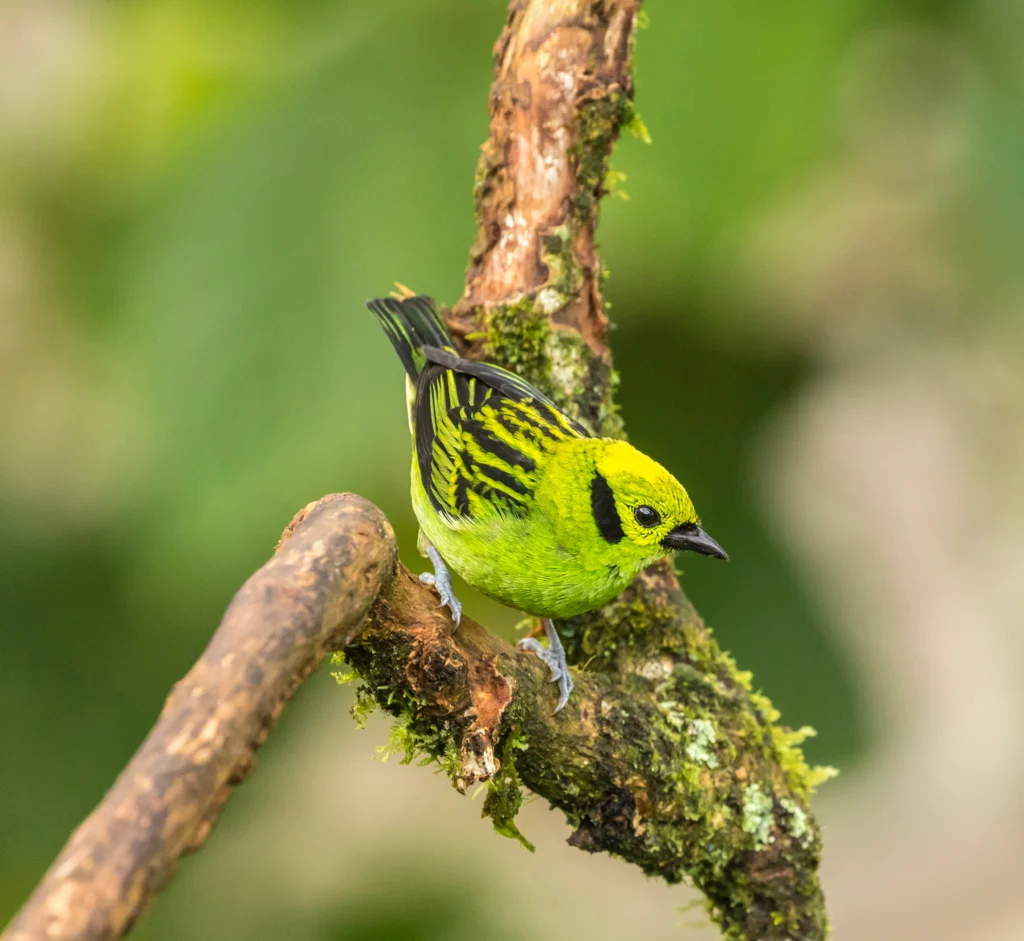
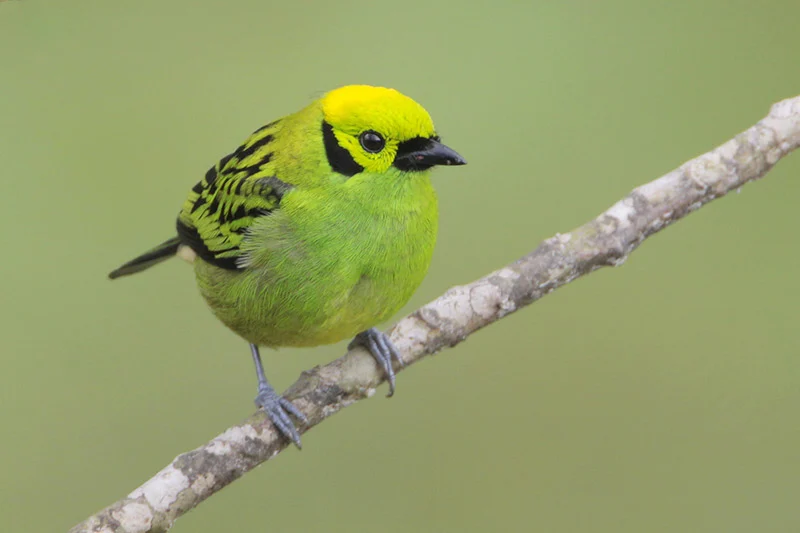
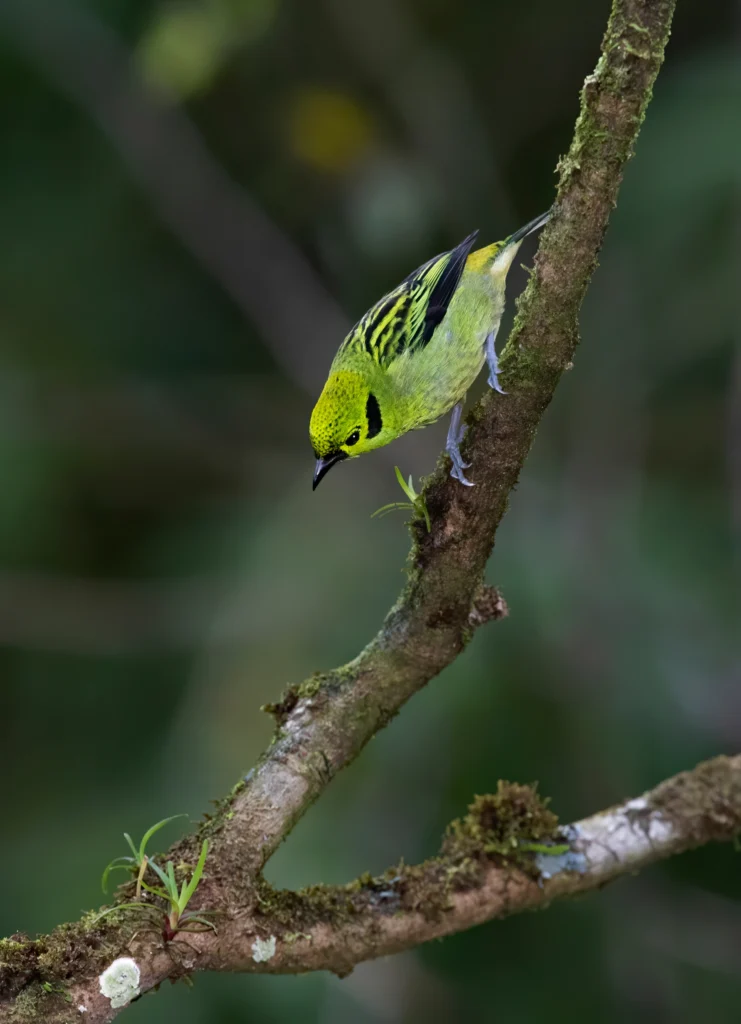
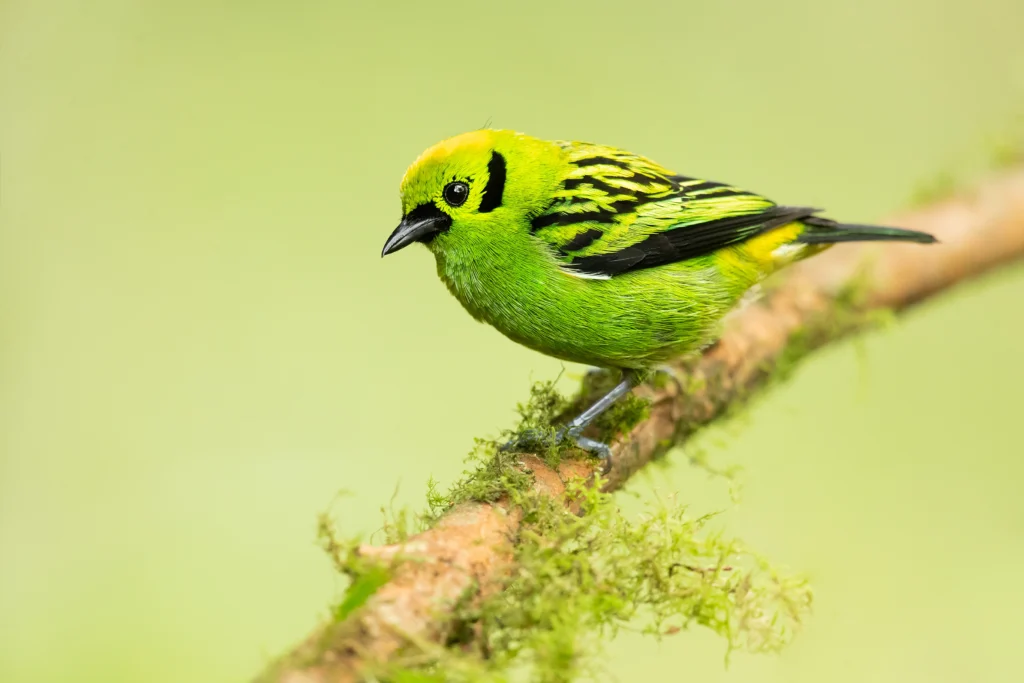
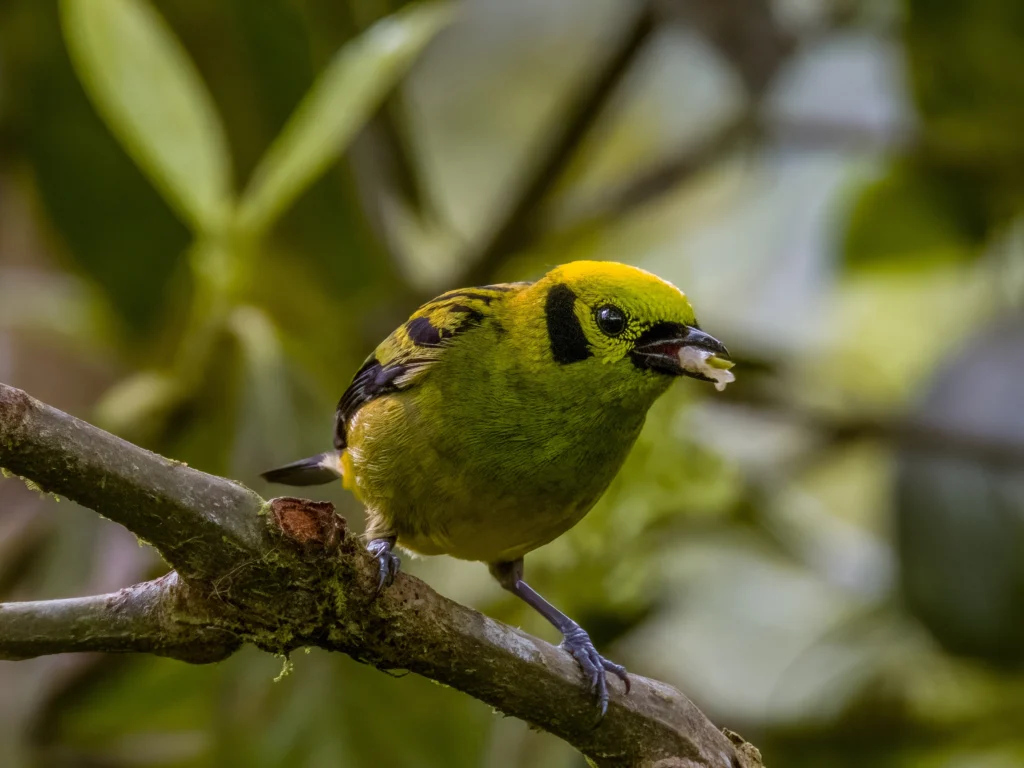
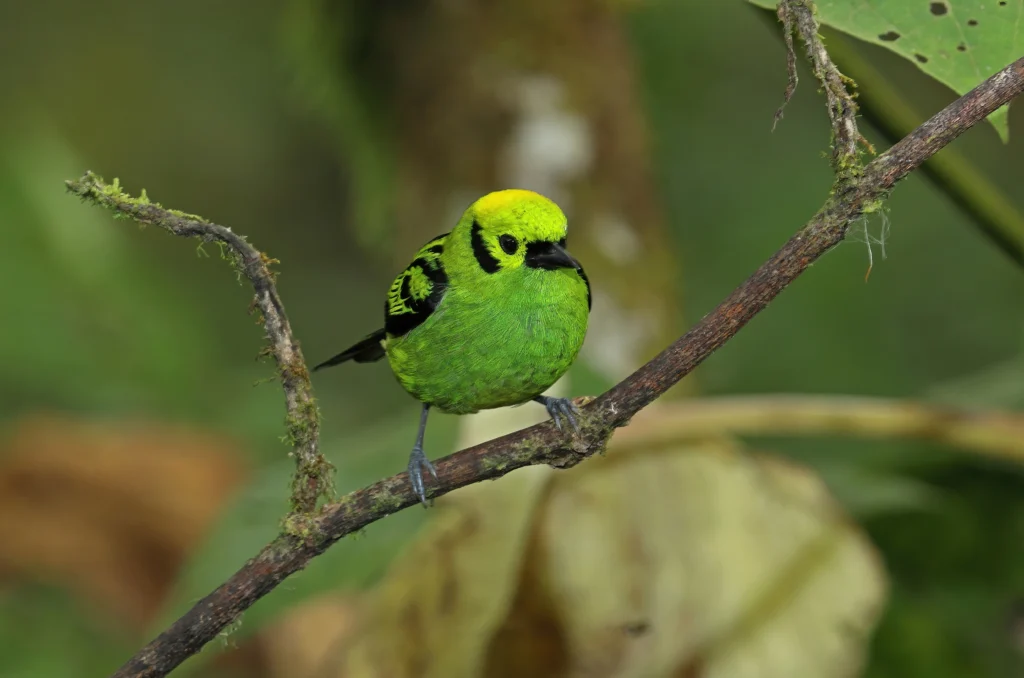
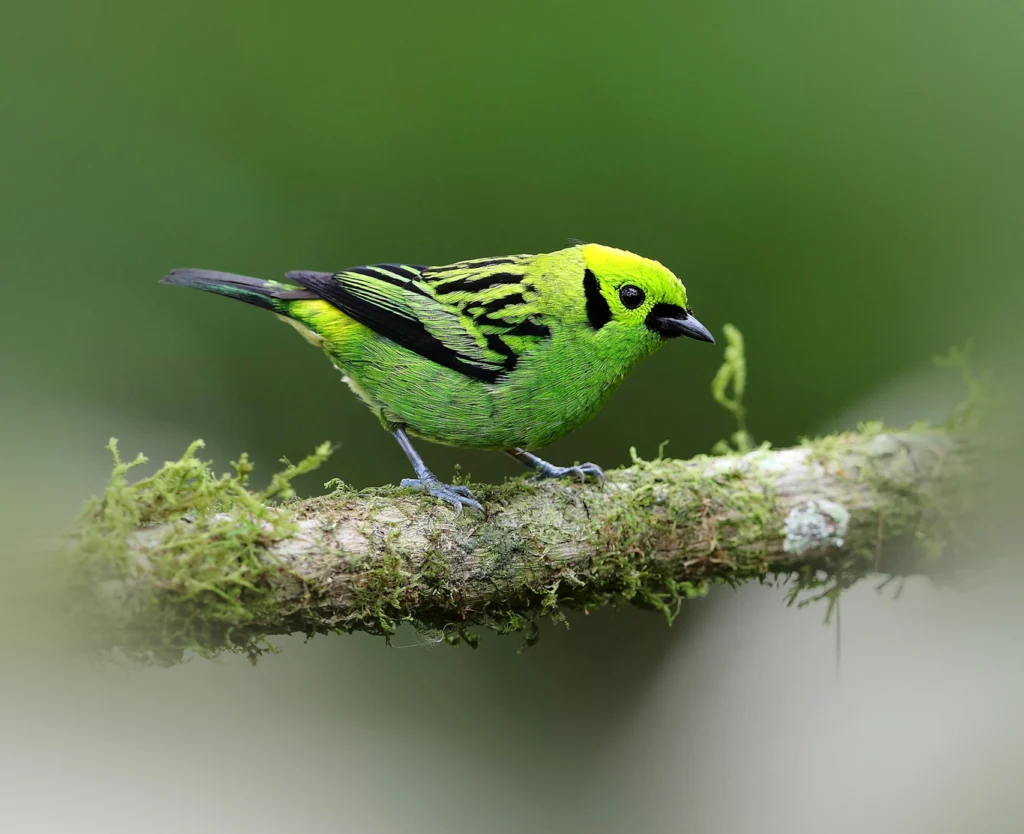
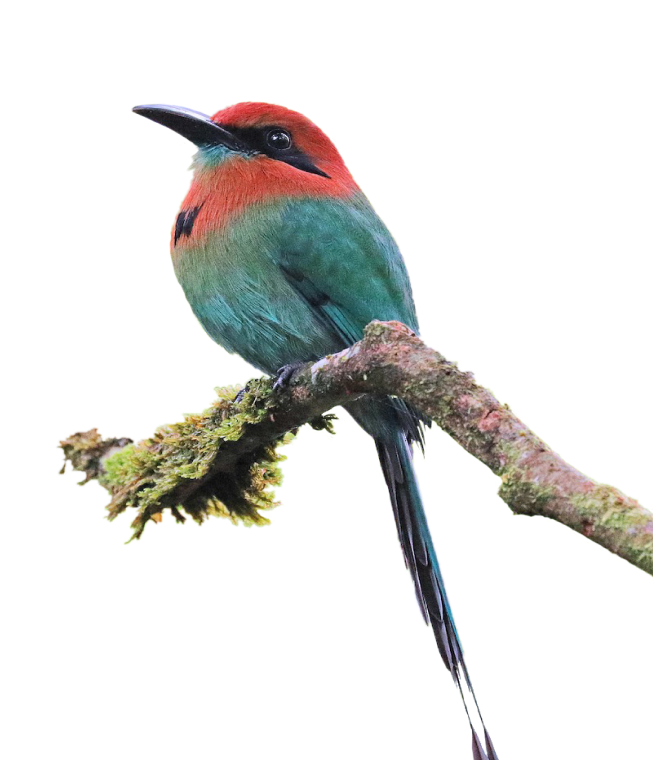
The Emerald Tanager is truly a gem of the forest, roaming through the canopy in search of fruiting trees in the humid montane forests of Central and northern South America. Although primarily a fruit-eater, this species is also adept at hunting insects and other invertebrates on tree branches, deftly manipulating mosses with its bill in search of prey. This behavior sets it apart from other tanager species it often flocks with, but outside of the Emerald Tanager’s range, other specialized tanager species may fill this niche.
The Emerald Tanager’s relationship with moss extends beyond its foraging habits. Though their breeding biology is largely undescribed in peer-reviewed literature, the nests that have been observed have either been made of moss entirely or thoroughly covered in it. This, of course, provides good camouflage on the mossy branches where these tanagers build their nests.
Threats
Birds around the world are declining, and many of them face urgent threats. The Emerald Tanager lives primarily in old-growth forest, and healthy populations depend on the persistence of this habitat throughout this species’ range in Central and South America. Though not currently considered a species of conservation concern, this bird is declining, and deforestation is probably the primary cause.
Tropical Deforestation
Emerald Tanagers are mostly found in old-growth, or “primary,” forests — forests which have not been severely disturbed by human activities. These forests are truly ancient, and, at least in the short term, their loss is irreplaceable. As such, Emerald Tanagers are particularly vulnerable to habitat loss, as the forests they depend on are cleared to make way for agricultural operations, which often aren’t managed in ways that benefit birds.
Conservation Strategies & Practices
Birds like the Emerald Tanager need our help to overcome the threats they face. To ensure that this and other species have the habitat they need to survive, ABC and our partners create and maintain reserves throughout Central and South America, and work with local communities to encourage bird-friendly land use. With science as our foundation, and with inclusion and partnership at the heart of all we do, we take bold action for birds across the Americas.
Create & Maintain Reserves
Protecting tropical forest habitat is necessary for the survival of this species and many others. Working with dozens of partners and local communities throughout Latin America and the Caribbean, ABC supports a growing network of protected areas in more than a dozen countries. Totaling more than 1.3 million acres, nearly one-third of the world’s birdlife (more than 3,000 species) is protected by an ABC-supported reserve.
Improve Habitat
Although Emerald Tanagers prefer old-growth, they will also use recovering forest with fruiting trees. Agricultural land can be managed in a way that supports farmers and communities as well as birds and other wildlife. ABC supports bird-friendly stewardship by incentivizing farmers, ranchers, and companies in Latin America and the Caribbean to adopt practices that restore the land and maintain habitat so that bird populations can thrive.
Bird Gallery
Sounds
The Emerald Tanager gives a variety of simple, brief call notes, including a hard, sharp chip; a sibilant, high-pitched tsit; and other high-pitched, burry calls. Some researchers suspect that one of these burry calls may be this species’ song.
Credit: Tayler Brooks, XC112234. Accessible at https://xeno-canto.org/112234.
Credit: Jerome Fischer, XC775758. Accessible at https://xeno-canto.org/775758.
Credit: Jonas Nilsson, XC262997. Accessible at https://xeno-canto.org/262997.
Habitat
Emerald Tanagers spend most of their time in the canopy of humid old-growth tropical forests, from lowlands into the mountains.
- Occasionally forages in isolated fruit trees with forest close by
- Will also use younger, recovering forest and somewhat open habitats
Range & Region
Range & Region
Specific Area
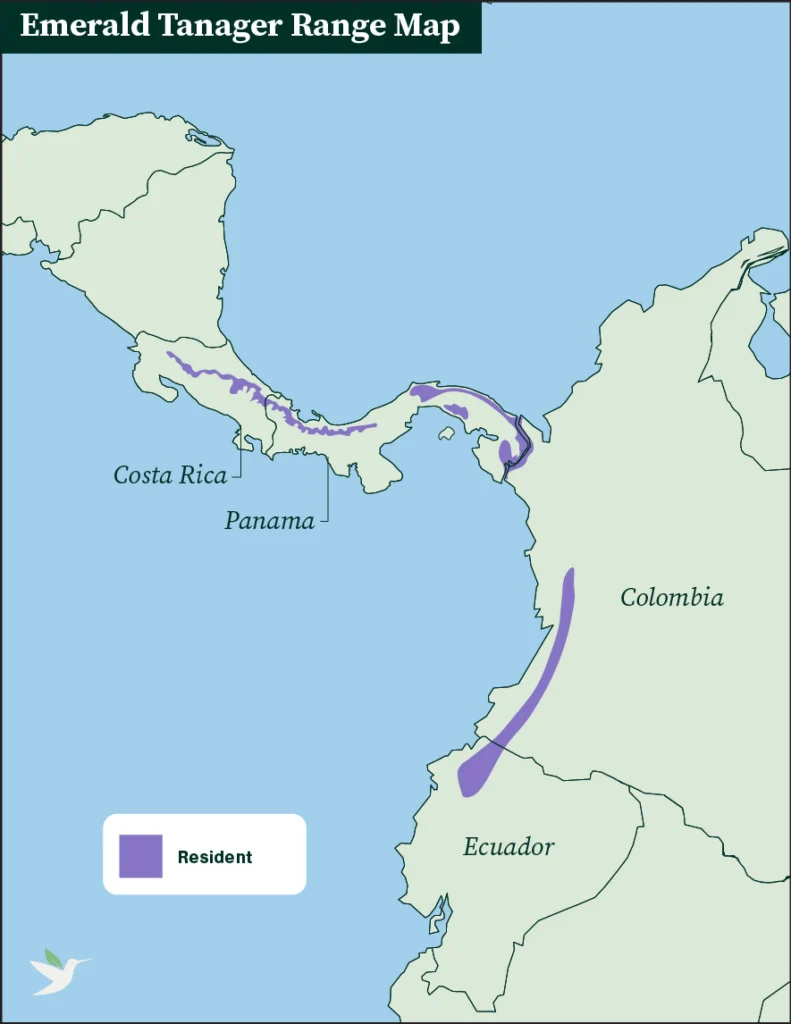
Costa Rica through Panama, Colombia, and Ecuador
Range Detail
The Emerald Tanager’s range follows the American Cordillera from Costa Rica through Panama and into Colombia. In South America, the Emerald Tanager can be found along the Cordillera Occidental into Ecuador. There are several apparent gaps in this species’ distribution, aligning with the lowlands between adjacent mountain ranges.
Did you know?
When birds forage together in large flocks, as Emerald Tanagers often do, there is a risk of competition over food and foraging space. One strategy to avoid excessive competition is for different species to specialize in foraging on specific parts of their habitat, a phenomenon known as resource partitioning. Though a fruiting tree doesn’t offer many opportunities for partitioning, insects can be found in many microhabitats in the canopy. Emerald Tanagers prefer to forage for invertebrates within the moss on slender branches, while others may prefer to forage on leaves, bare branches, or by catching insects midair.
Life History
Like many of their tropical relatives, Emerald Tanagers often forage together in groups along with other birds, especially other closely-related tanager species, moving through the canopy in search of fruits and insects. While the Emerald Tanager is poorly represented in peer-reviewed scientific literature, descriptive accounts and comparisons to related species allow us to piece together some aspects of this bird’s life history.
Diet
While small fruits and berries make up the great majority of the Emerald Tanager’s diet in the nonbreeding season, these birds take invertebrates almost as often as fruit in the breeding season. Presumably this is to meet the dietary needs of females producing eggs and of young, growing birds.
Courtship
The sexual behavior of this species, including courtship behavior and specifics of the mating system, has not been thoroughly studied. However, most of the tropical tanagers are assumed to be monogamous. Details of courtship and pair bond behavior are undocumented.
Nesting
Only four nests have been described in the literature, but all were on mossy tree branches and made of or covered in moss themselves. Three of these four nests were open cups, while one was described as a burrow in the moss.
Eggs & Young
Only a few observers have described a nest with eggs, and while the eggs themselves were not described, each nest had only two. The most closely-related species, the Silver-throated Tanager (Tangara icterocephala), lays two eggs which are white or pale gray overall with dark blotches concentrated at the wide end.