In good news for birds and other wildlife, on January 23, 2026, a funding package for essential conservation programs was passed with overwhelming bipartisan support in both the House and Senate. The bill, H.R.6938, “Commerce, Justice, Science; Energy and Water Development; and Interior and Environment Appropriations Act, 2026,” requires funding for the U.S. Department of Interior, which oversees agencies critical to bird conservation such as the U.S. Fish and Wildlife Service (FWS), U.S. Geological Survey (USGS), and Environmental Protection Agency (EPA).
“Funding certainty will ensure that federal agencies and programs have consistent resources to propel their conservation work,” said Steve Holmer, Vice President of Policy for American Bird Conservancy (ABC). “ABC is grateful for federal funding that sustains cooperative work between agencies, nongovernmental organizations, landowners, and citizens because this is necessary for bird conservation to succeed.”
Federal funding has helped ABC achieve impressive results that contribute to the recovery of bird populations and improve habitat quality. Many of ABC’s conservation priorities will retain or see modest increases in their funding in the 2026 Interior, Environment, and Related Agencies appropriations bill.
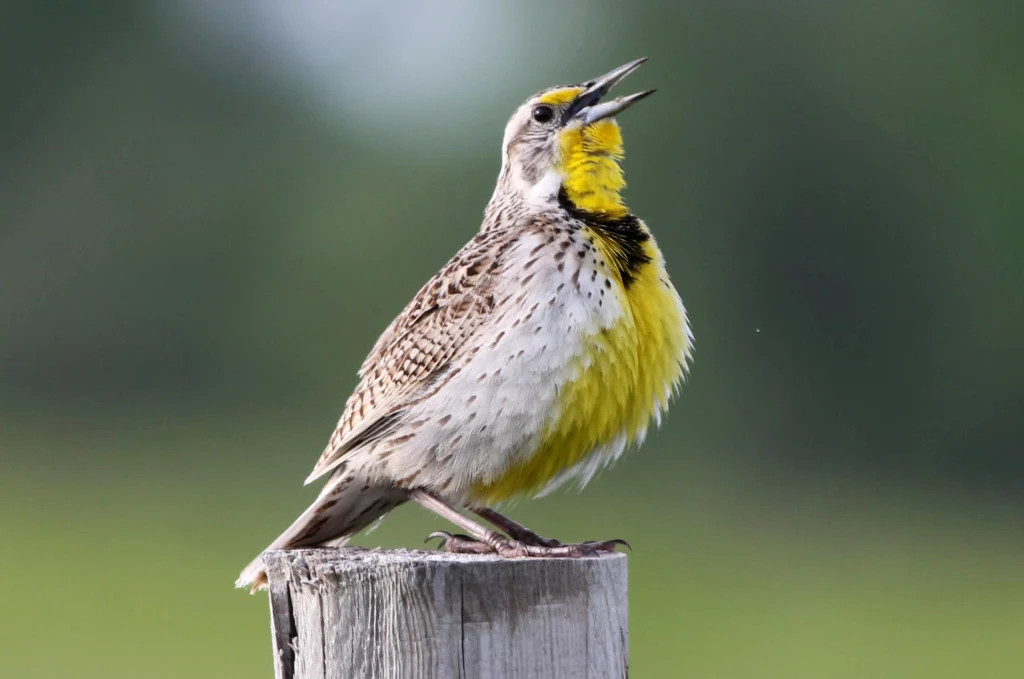
Migratory Bird Joint Ventures, collaborative regional initiatives that work to improve habitat for birds and people, are slated for additional funding under the appropriations bill. This includes work by ABC and partners across the Northern Great Plains that improved nearly 100,000 acres of vitally important grassland habitat in 2025, bringing our all-time total in the region to 600,000 acres of habitat improved for birds. Conducted in partnership with the U.S. Department of Agriculture’s Natural Resources Conservation Service (NRCS), this work benefits the Long-billed Curlew, Chestnut-collared Longspur, Western Meadowlark, and other declining grassland birds.
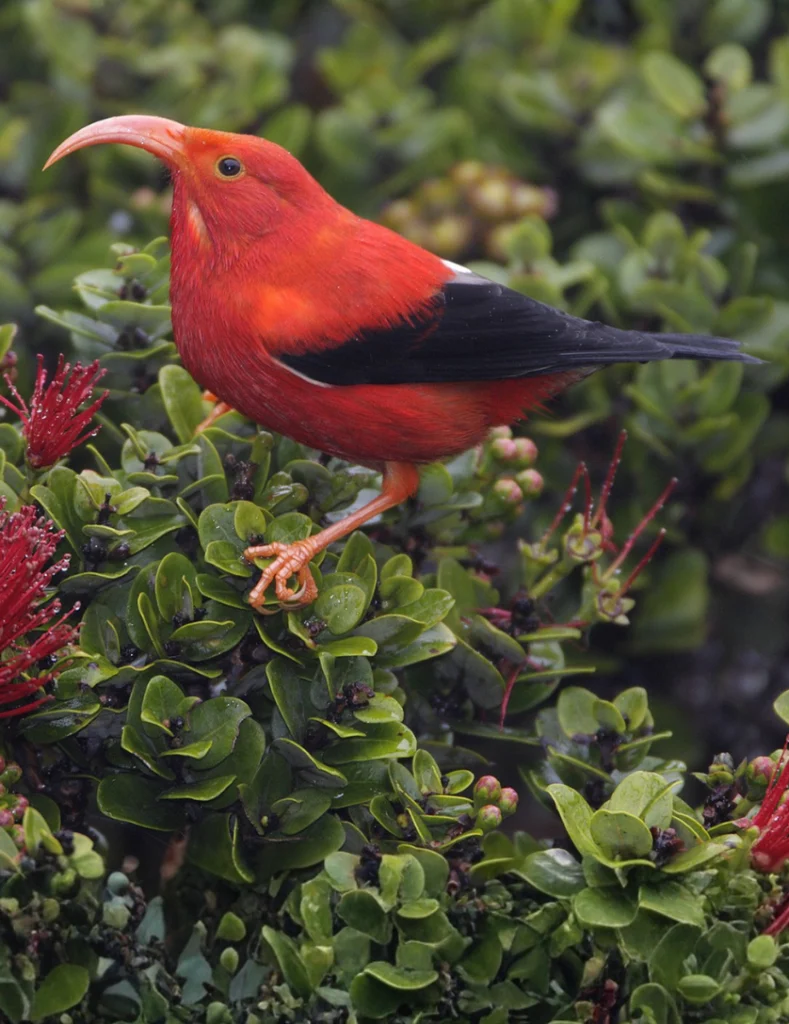
Programs that benefit the conservation of endemic Hawaiian forest birds facing the threat of extinction, like the ‘I’iwi, were funded at existing levels. This work — led by USGS, FWS, and the National Parks Service (NPS) in partnership with state, private, and nonprofit partners — is focused on combating avian malaria, which has decimated many Hawaiian bird species. In addition, the funding package includes $3.1 million to expand on-the-ground work in Hawai’i.
Other key programs that drive bird conservation across the United States will maintain their funding, including Neotropical Migratory Bird Conservation grants, the U.S. Geological Survey’s Cooperative Research Units, and EPA grants to enforce and implement pesticide safety rules.
“ABC thanks the government for finalizing annual funding that will advance bird conservation in 2026 and beyond,” said Holmer. “We look forward to working closely with all partners to implement these important conservation and habitat restoration efforts.”