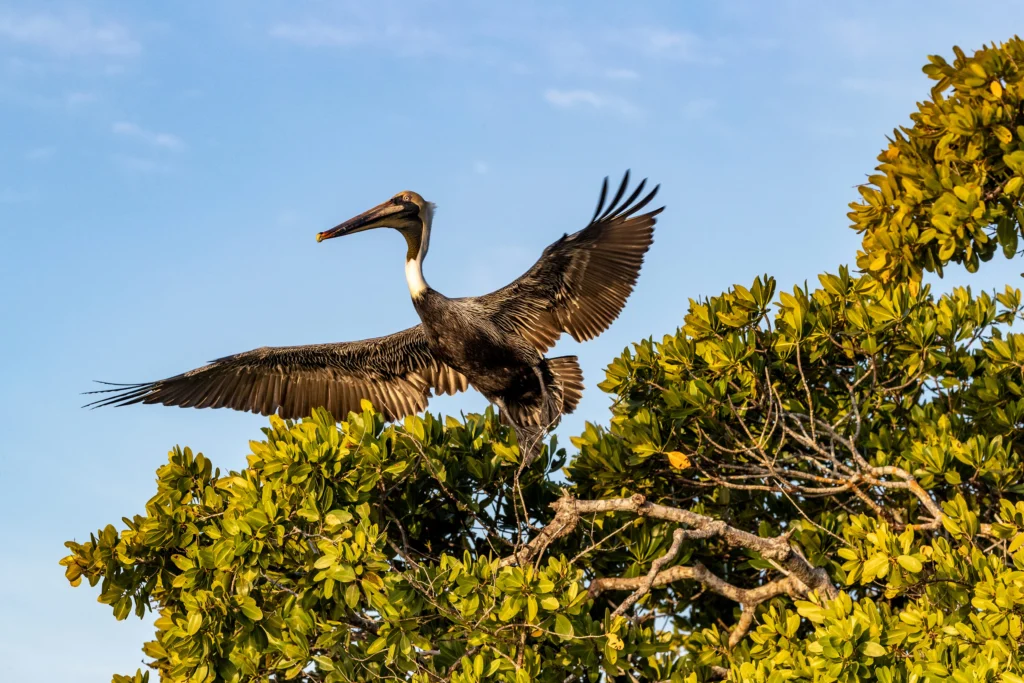
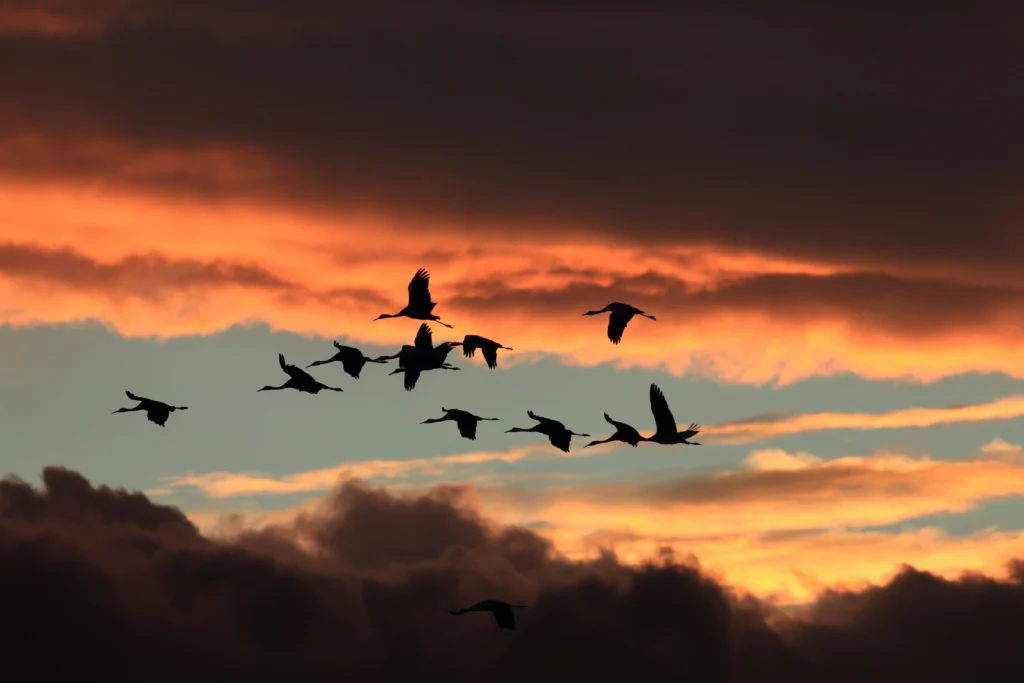
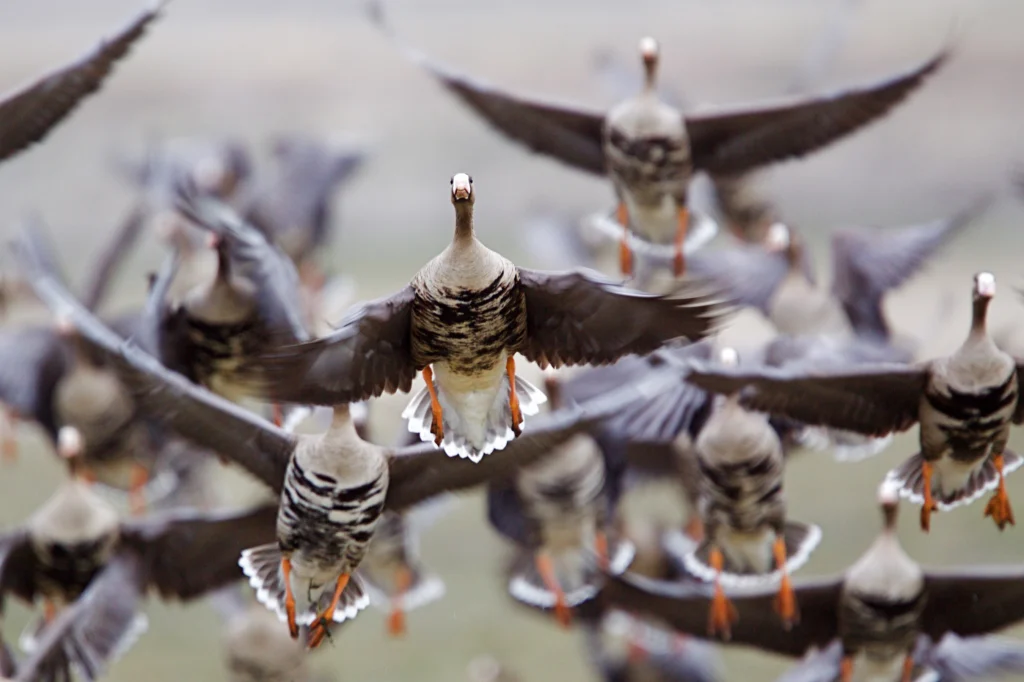
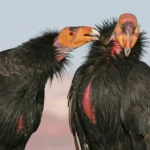
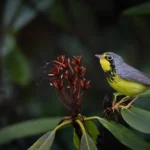
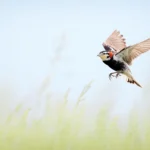
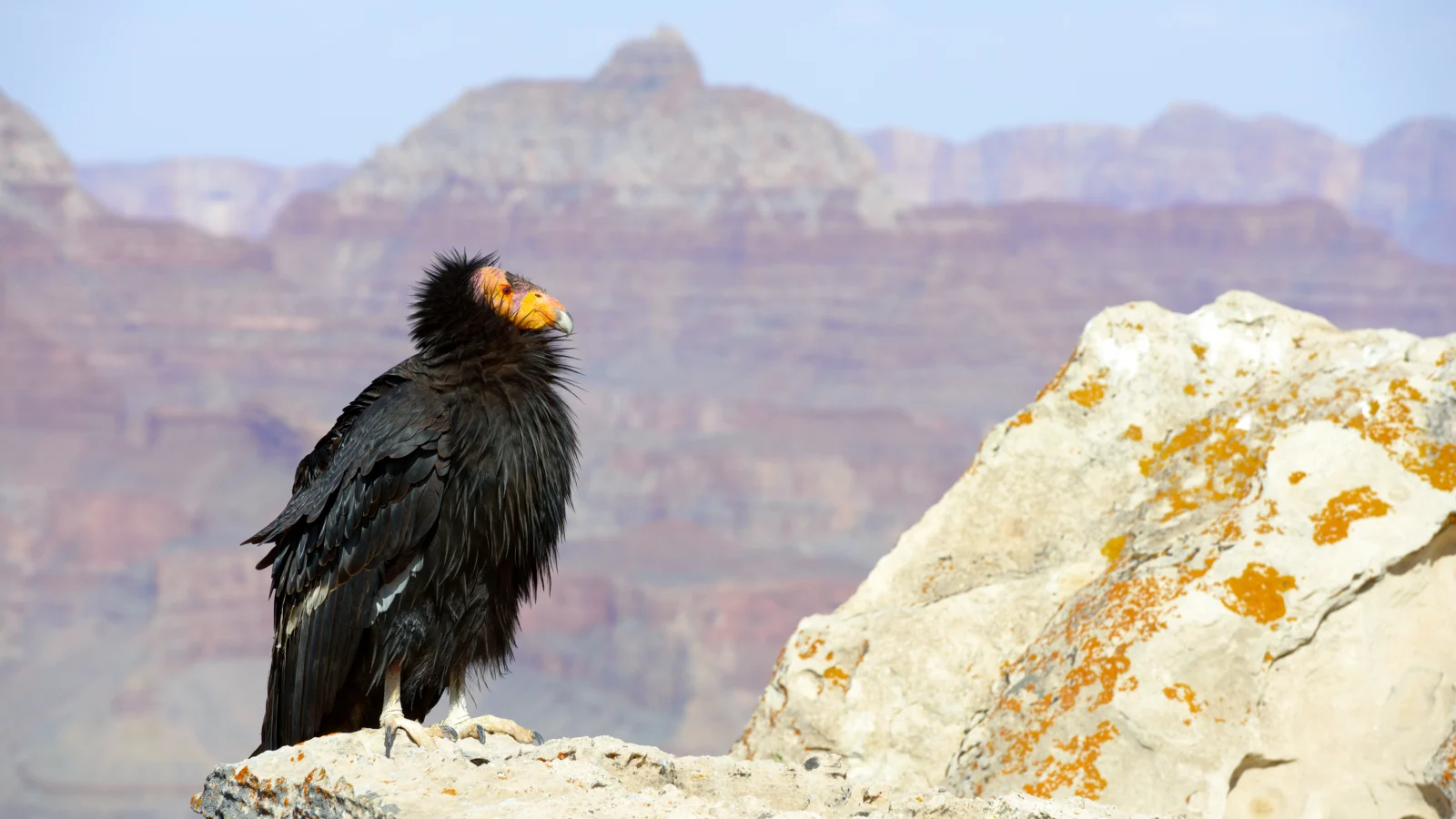
Some of the world’s most spectacular conservation stories aren’t playing out in pristine parcels of habitat, hidden from view. From Hawaiʻi to New Hampshire, public lands welcome all to experience the rare and remarkable — California Condors soaring over sandstone cliffs at Zion National Park, striking ʻIʻiwi maneuvering among flowering plants at Haleakalā National Park, and Whooping Cranes wading through marshes at Aransas National Wildlife Refuge. These precious spaces are an open invitation to delight in the spectacle of beloved birds in healthy habitats: the chattering of chickadees, the joy of catching migratory warblers cutting through the treetops, the thrill of a Great Horned Owl’s deep, resonant call.
Public lands are places offering equal access to the awe and wonder of birds, wildlife, and our planet, and a reminder of our connection to the wider world. Ranging from vast national forests and Bureau of Land Management (BLM) sagebrush country to local national wildlife refuges, these areas serve as critical sanctuaries for billions of birds. In many cases, they protect the remnants of fragile habitats and represent the last strongholds of vulnerable species. Conservation is happening on public lands in every U.S. state, and everyone is welcome to witness it.
That is why American Bird Conservancy (ABC) is a major supporter of H.R. 9250, the Great American Outdoors Act (GAOA250). This landmark legislation represents a vital lifeline for birds, a cornerstone of environmental resilience, and a profound victory for outdoor equity. With broad bipartisan support, the Great American Outdoors Act 250 will modernize public lands in the U.S., address desperately needed infrastructure improvements, support crucial habitat restoration and stewardship initiatives through its Legacy Restoration Fund, and promote wider access to some of the country’s most treasured places.
A Lifeline for Feathered Friends and More
Decades of underfunding have left public lands across the country with a massive backlog of deferred maintenance and a growing need for habitat restoration. Crumbling infrastructure doesn’t just impact visitors; it degrades ecosystems.
GAOA250 addresses the multi-billion-dollar backlog of deferred maintenance and wildlife recovery projects by establishing America’s Legacy Restoration Fund. Utilizing alternative funding streams such as onshore energy royalties, the Fund requires no new taxpayer funding.
Funding in public lands is a direct investment in the survival of birds. GAOA250 directly addresses this by funding essential repairs and habitat restoration across public lands to the benefit of ecosystems:
- Restoring Crucial Habitats: Funding would help repair failing water control systems in wetlands, manage invasive species that outcompete native plants, and restore degraded grasslands.
- Ensuring Cleaner Watersheds: Fixing outdated wastewater systems and preventing erosion on public lands will stop toxic runoff from entering pristine lakes and rivers, ensuring safe environments for waterfowl, shorebirds, and fish.
- Preserving Safe Migratory Pitstops: For birds embarking on grueling twice-a-year migrations across the hemisphere, a well-maintained wildlife refuge can be the difference between a successful journey and starvation.
Take Action
Encourage your representatives to vote yes on the Great American Outdoors Act 250!
Making Good on the Promise of Public Lands
GAOA250 also represents a critical investment in the promise of public lands: that they will be open and accessible to all. Public lands ensure that a person’s ability to experience the wonder of the outdoors isn’t determined by socioeconomic status. For millions of families, public lands are their gateway to the outdoors for hiking, camping, fishing, birding, or simply enjoying time spent in nature. By upgrading trails, building ADA-accessible boardwalks, and maintaining free or low-cost recreational areas, GAOA250 breaks down barriers to accessing nature.
Birds Connect Us, from City Centers to Secluded Forests
Public lands might feel like a distant reality to those in urban centers, hundreds of miles from the nearest national park. But, as they so often do, birds connect the dots.
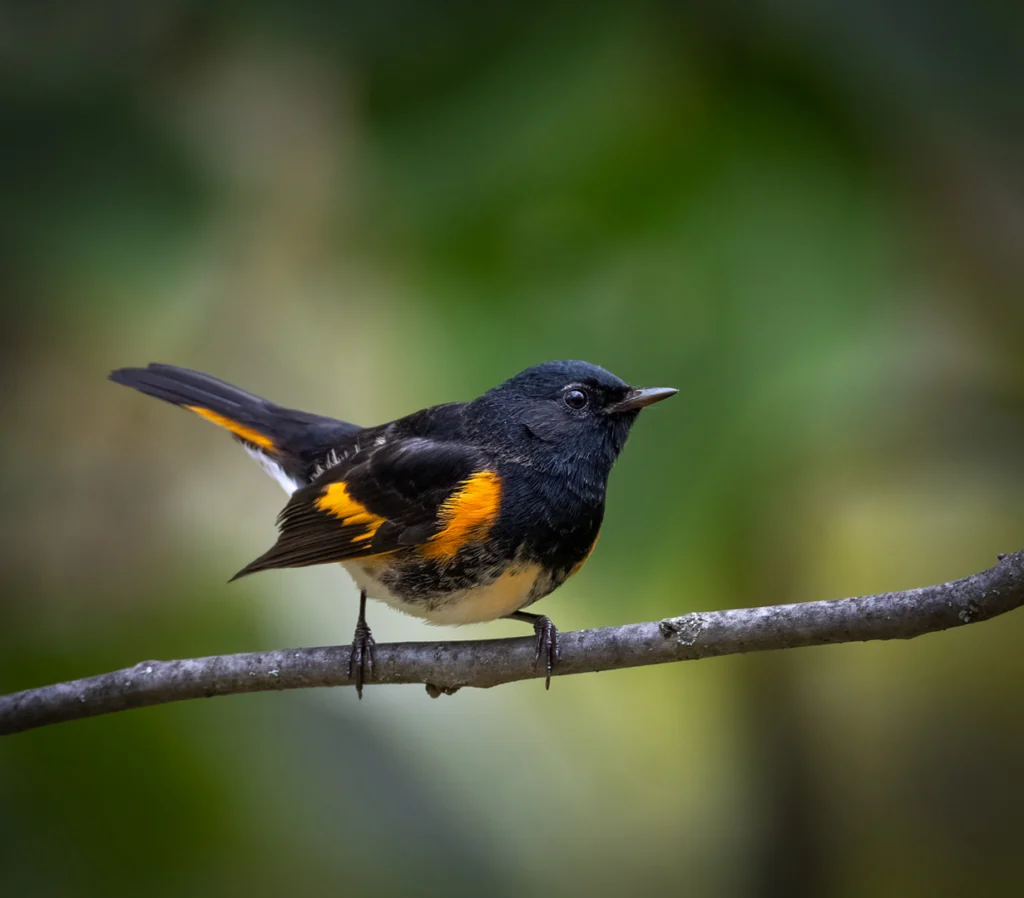
Many of the colorful songbirds that grace city parks, community gardens, and backyard feeders don’t live there year-round. These migratory birds rely on the massive, interconnected network of public forests and refuges to nest and raise their young. If those distant habitats fracture or degrade due to neglect, birds disappear from neighborhood skies, too.
Public lands act as North America’s giant green lungs. Large, protected forests and wetlands filter the air we breathe and purify the massive watersheds that supply drinking water to our cities. What happens in the wilderness directly impacts the environmental health of metropolitan areas.
GAOA250 funding isn’t just for deep wilderness. It also supports national wildlife refuges, public parks, and historical sites right on the doorsteps of major cities. These urban green spaces are vital, providing crucial stopover points for wildlife and giving people who live in cities an accessible escape to connect with the natural world.
The Flight Path Forward
The Great American Outdoors Act 250 represents a promise that we will take care of the places that take care of us. It acknowledges that our nation’s natural heritage is a shared treasure that requires active stewardship.
American Bird Conservancy stands behind this legislation because it bridges the gap between wildlife conservation and human well-being. By ensuring our public lands are funded, well-maintained, and accessible, we secure a future where both birds and people can soar.
We urge lawmakers to continue robustly supporting and expanding these public land investments. It’s good for our habitats, it’s necessary for communities, and it’s a lifeline for our feathered families.
Act Now for Public Lands
Tell your representatives to take bold action for public lands.