Overview
Birds are everywhere, on every continent, in every habitat imaginable, including in the places we have built. We may not think of the space around us as habitat, but the built environments of our cities and suburbs are home to birds all year round. These places can even provide habitat for migratory species. Built environments take different forms — from sprawling suburbs with expansive lawns to crowded city blocks — but all present challenges to birds. They can also, with some adjustments, become habitats that support a variety of birdlife.
Habitat Description
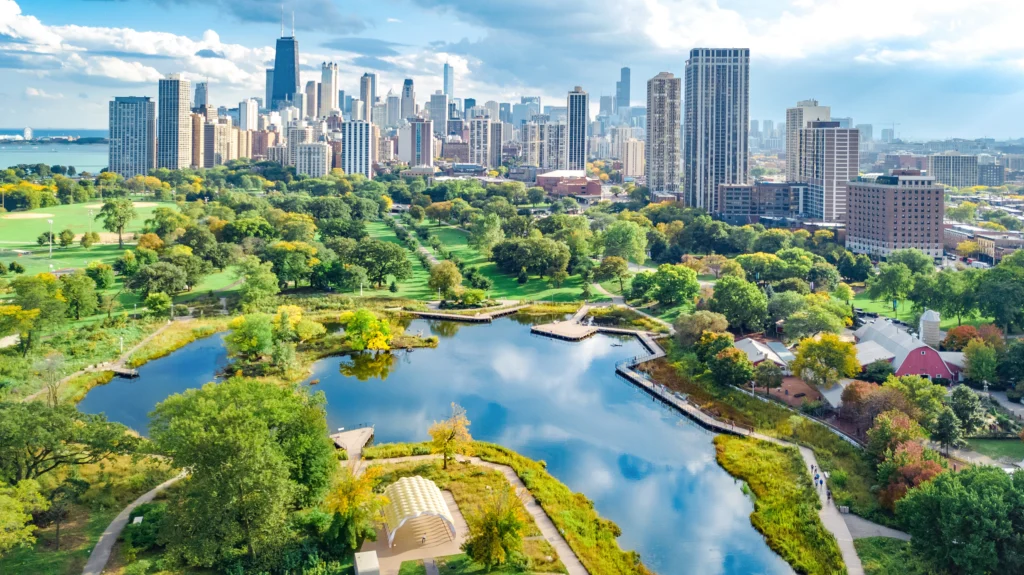
Urban environments tend to be closely packed with multi-story buildings in a concrete-dominated landscape, while suburbs typically offer more breathing room, with more space between structures. Suburbs often have more vegetation, usually grass on well-manicured lawns. In many cities and suburbs, “nature” exists in designated spots: the acreage of parks, backyard and balcony gardens, and pollinator gardens on top of bus stops or along roadsides.
Some bird species have managed not only to survive but thrive in the built environment and have learned to exploit the resources that do exist. Even the most densely built and heavily populated areas can support a greater abundance of birds when threats like reflective windows and free-roaming cats are minimized, and when the resources birds need are made available.
Gallery
Habitat Variations
Urban
Soaring skyscrapers, big windows, bright lights, concrete and asphalt, and close quarters come to mind when thinking about cities. Green space in an urban setting may be sparse and relegated to small lots and gardens with appealing landscaping, or concentrated in city parks where stands of trees offer shade and places to recreate. During migration, the lights of cities at night and in the early morning hours can draw birds off course and lead to window collisions (surprisingly, shorter buildings, not skyscrapers, cause the most collisions).
Suburbs
Suburbs tend to be greener than cities, but greener doesn’t necessarily mean better for birds. The hallmark of the suburbs is the lawn: vast seas of uniform green grass with ornamental landscaping that features non-native plants, which don’t offer many of the benefits birds get from native plants. Structures in suburbs are spread out and smaller, but they still possess the reflective windows that prove so deadly to birds. Some homes are built on wooded lots where stands of trees have been retained. Community parks might boast small trail systems and access to lakes and rivers.
Threats to Urban & Suburban Habitats
We may not readily think of the built environment around us as habitat in need of conservation, but cities and suburbs are vulnerable to threats, too.
Habitat Loss
The built environment is habitat for birds and people. Clearing forested areas, filling or draining wetlands, and replacing open land with concrete and asphalt reduces the environment’s capacity for storing carbon, diverting floodwaters, and filtering water. It also offers less protection from high temperatures.
Climate Change
Climate change is increasing the severity and frequency of storms, wildfires, and extreme weather events like tornadoes and snowstorms while also raising temperatures. Many cities and suburbs lack resilience in the face of these and other threats related to global climate change.
Plastics & Pollution
Because they host higher numbers of people, cities and suburbs tend to experience greater levels of a variety of pollutants, including plastic, air, noise, water, and light pollution. All can reduce quality of life and have dangerous impacts on the environment.
Conservation Efforts
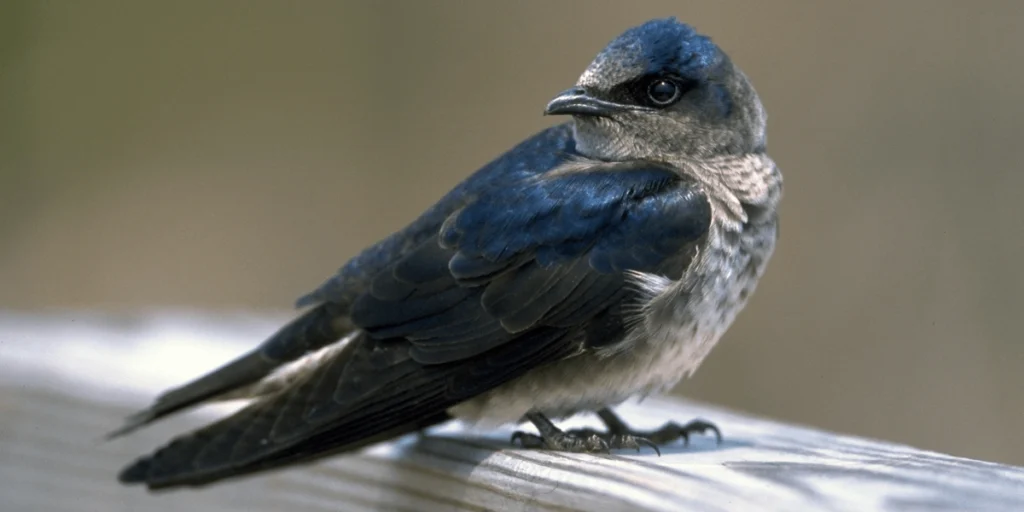
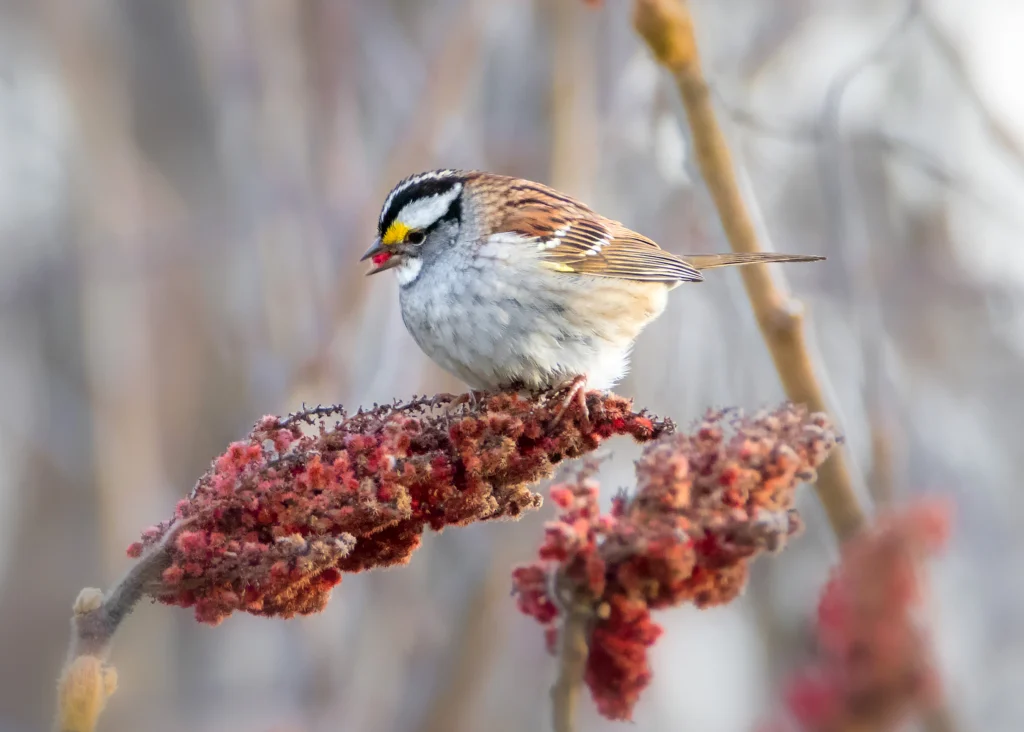
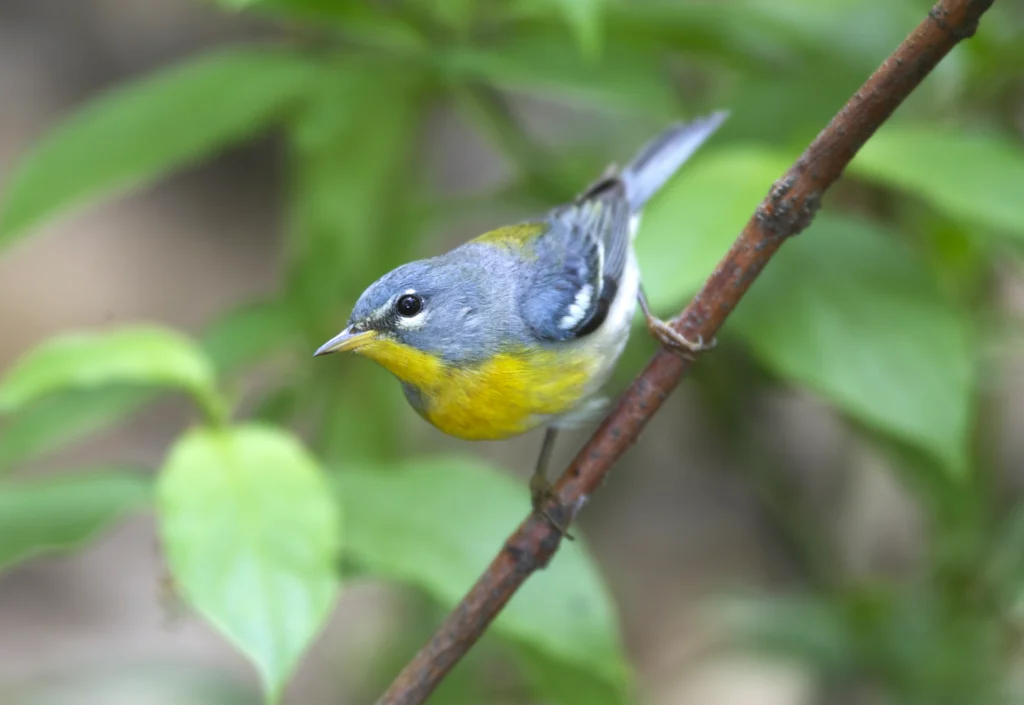
There can be a surprising amount of variety among the birds in our backyards and city parks! Meet some birds commonly spotted in built environments.