Overview
About
The Bell’s Vireo is a small, active species that birder and author Pete Dunne describes as “a brush-hugging gremlin in vireo’s clothing.” Widely distributed across the central and southwestern United States, this busy denizen of the underbrush, like its close relative the White-eyed Vireo, is more often heard than seen, betraying its presence with incessant, chattering songs and calls. A quick glimpse of the singer reveals a drab-colored, short-winged little bird with a relatively long tail that always seems to be in motion.
Four subspecies of Bell’s Vireo are recognized. The westernmost, the Least Bell’s Vireo, is federally listed as Endangered in the United States. The subspecies faces continued threats from habitat loss and brood parasitism by the Brown-headed Cowbird, whose range expansion due to human alteration of the landscape has put it in conflict with other native species.
Threats
In general, the Bell’s Vireo’s large range and increasing population make it a species of low conservation concern, but one subspecies, the Least Bell’s Vireo of California and Baja California, faces an uncertain future.
Habitat Loss
The Bell’s Vireo is threatened by loss and fragmentation of riparian habitat due to agriculture, urbanization, firewood cutting, grazing, flood control projects, and reservoir construction. Uncontrolled wildfires and non-native insects are also threats to riparian habitat in some breeding areas.
Pesticides & Toxins
Pesticides and chemicals can negatively impact birds in a variety of ways. Several studies have tied these substances to eggshell thinning and reduced hatching success in Bell’s Vireos.
Collisions
Collisions take an enormous toll on birds, both migratory and resident. More than one billion birds, including Bell’s Vireos, die in the U.S. each year from collisions with glass windows, buildings, towers, turbines, and vehicles.
Conservation Strategies & Projects
Birds like the Bell’s Vireo need our help to overcome the threats they face. At ABC, we’re inspired by the wonder of birds and driven by our responsibility to find solutions to meet their greatest challenges. With science as our foundation, and with inclusion and partnership at the heart of all we do, we take bold action for birds across the Americas.
Manage Habitat
ABC’s BirdScapes program cooperates with partners in the Rio Grande Joint Venture and California Central Coast Joint Venture to protect and restore southwestern riparian areas. These conservation measures create and protect habitat for the Bell’s Vireo and other bird species, such as the Threatened western Yellow-billed Cuckoo.
Avoid Pesticides & Toxins
ABC works with partners at the state and federal levels in the U.S. to call for the regulation or cancellation of the pesticides and toxins most harmful to birds. We develop innovative programs (like working directly with farmers to use neonicotinoid coating-free seeds), advance research into pesticides’ toll on birds, and encourage millions to pass on using harmful pesticides.
Avoid Collisions
ABC has been a leader in the effort to reduce the devastating toll of collisions on birds. We’ve developed innovative methods for evaluating the effectiveness of collision deterrents, created resources to elevate our collective understanding of collisions and make solutions readily accessible, and advocated for bird-friendly policies in the U.S.
Bird Gallery
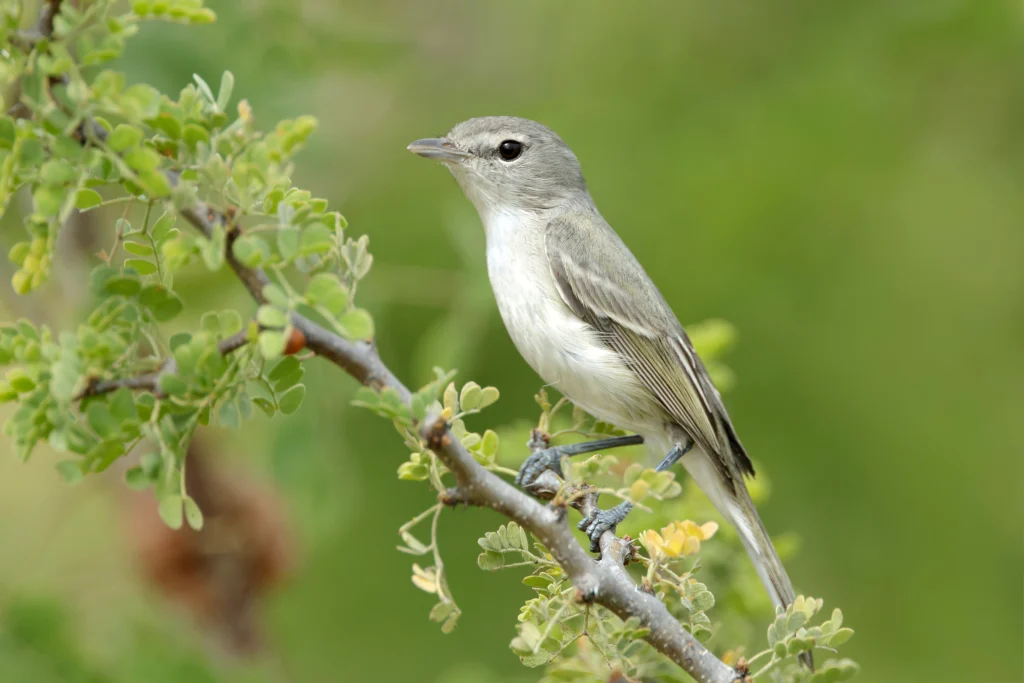
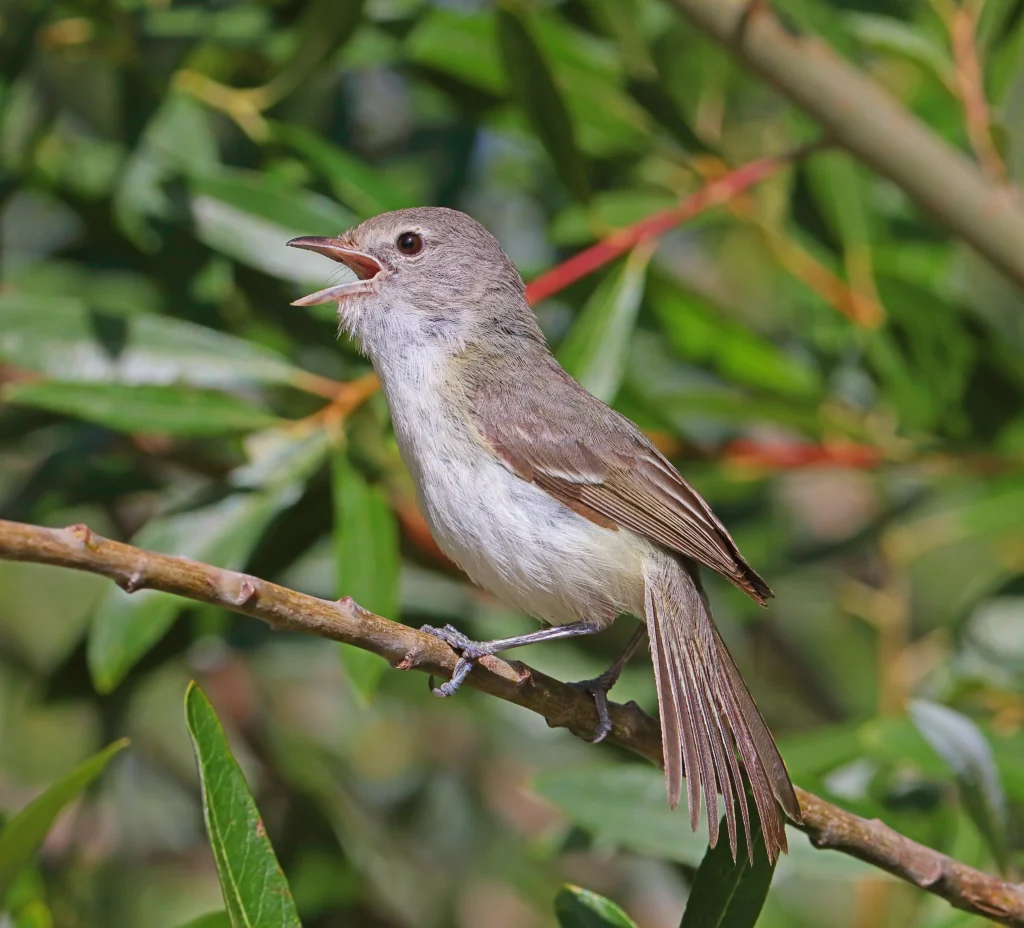
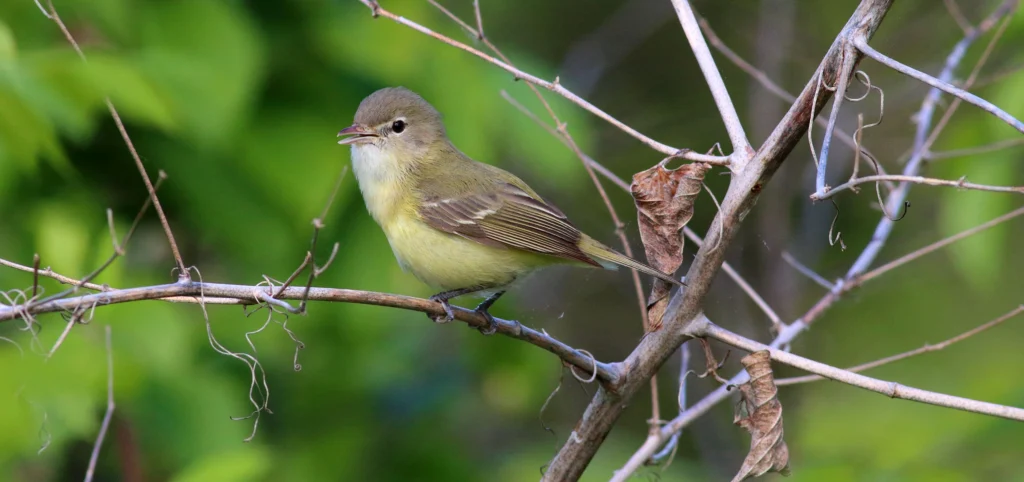
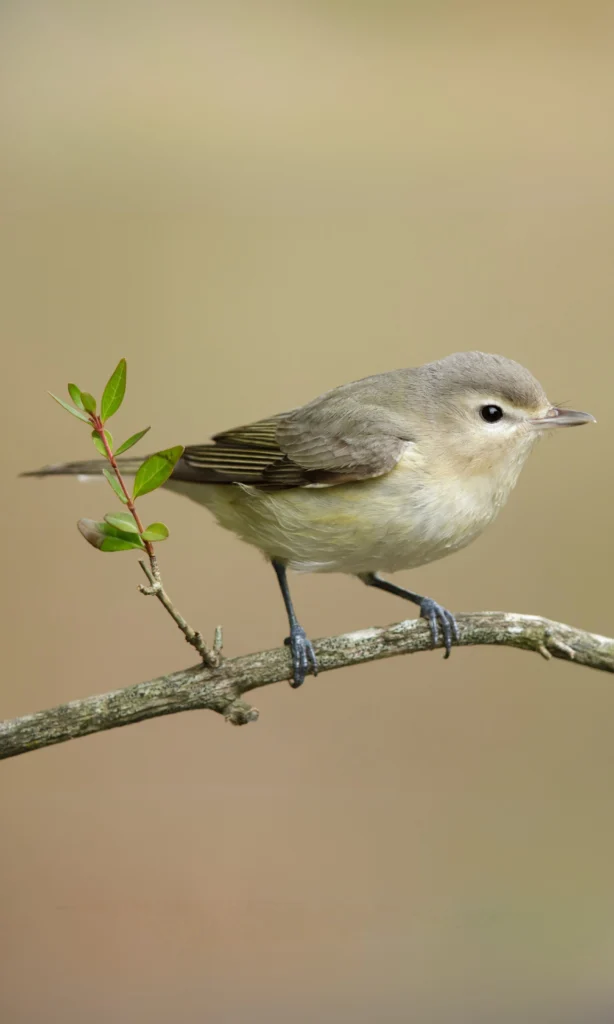
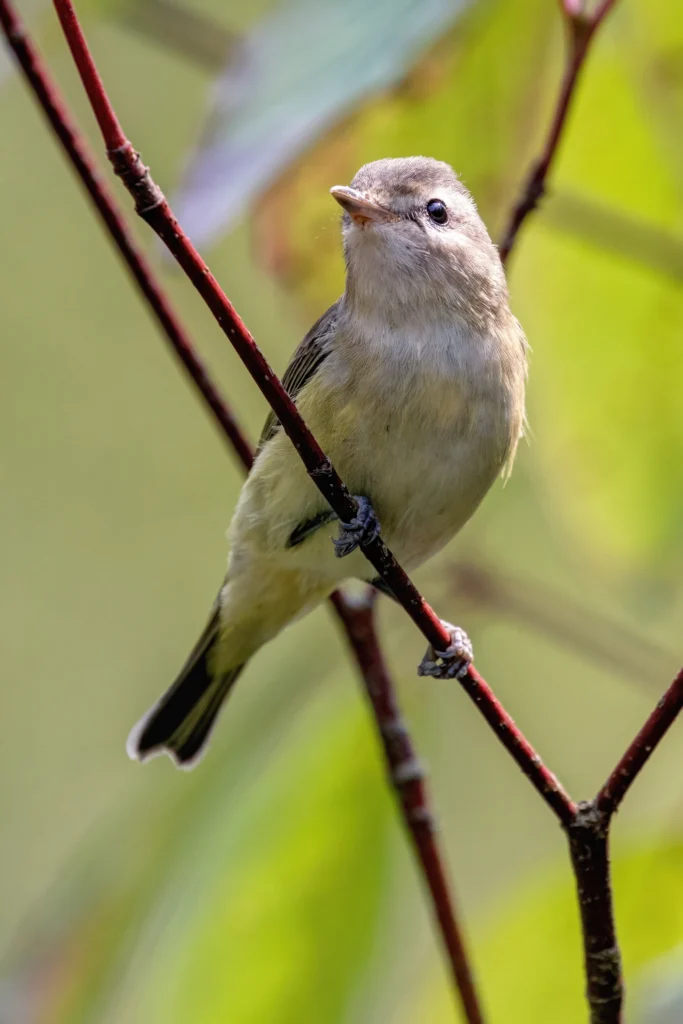
The Bell’s Vireo is a small, drab-looking songbird, ranging from dull gray to greenish above and white to yellow below, sometimes with a brownish-gray wash on the breast. It has one bright wingbar and faint white “spectacles” (eyering and connecting eyeline). Males and females look alike, and juveniles are similar to adults.
Plumage color in the Bell’s Vireo varies regionally from west to east, with the drabbest, grayest birds found on the West Coast and the brightest birds in easternmost populations.
Like other vireos, the Bell’s has a short, stout, blunt-tipped bill with a tiny hook at the end of the upper mandible. Its most distinguishing field mark is its animated tail, which always seems to be in motion — in western Bell’s Vireos, it flicks from side to side like a Blue-gray Gnatcatcher’s, and bobs up and down in the eastern subspecies.
Sounds
The Bell’s Vireo has a variable song of jumbled, scratchy notes, usually given in couplets described as cheedle-ee and cheedle-ew, ending with ascending or descending notes. It makes a variety of raspy-sounding calls.
Credit: Paul Marvin, XC779110. Accessible at www.xeno-canto.org/779110.
Credit: Bobby Wilcox, XC717636. Accessible at www.xeno-canto.org/717636.
Credit: Bill Pyle, XC995433. Accessible at www.xeno-canto.org/995433.
Habitat
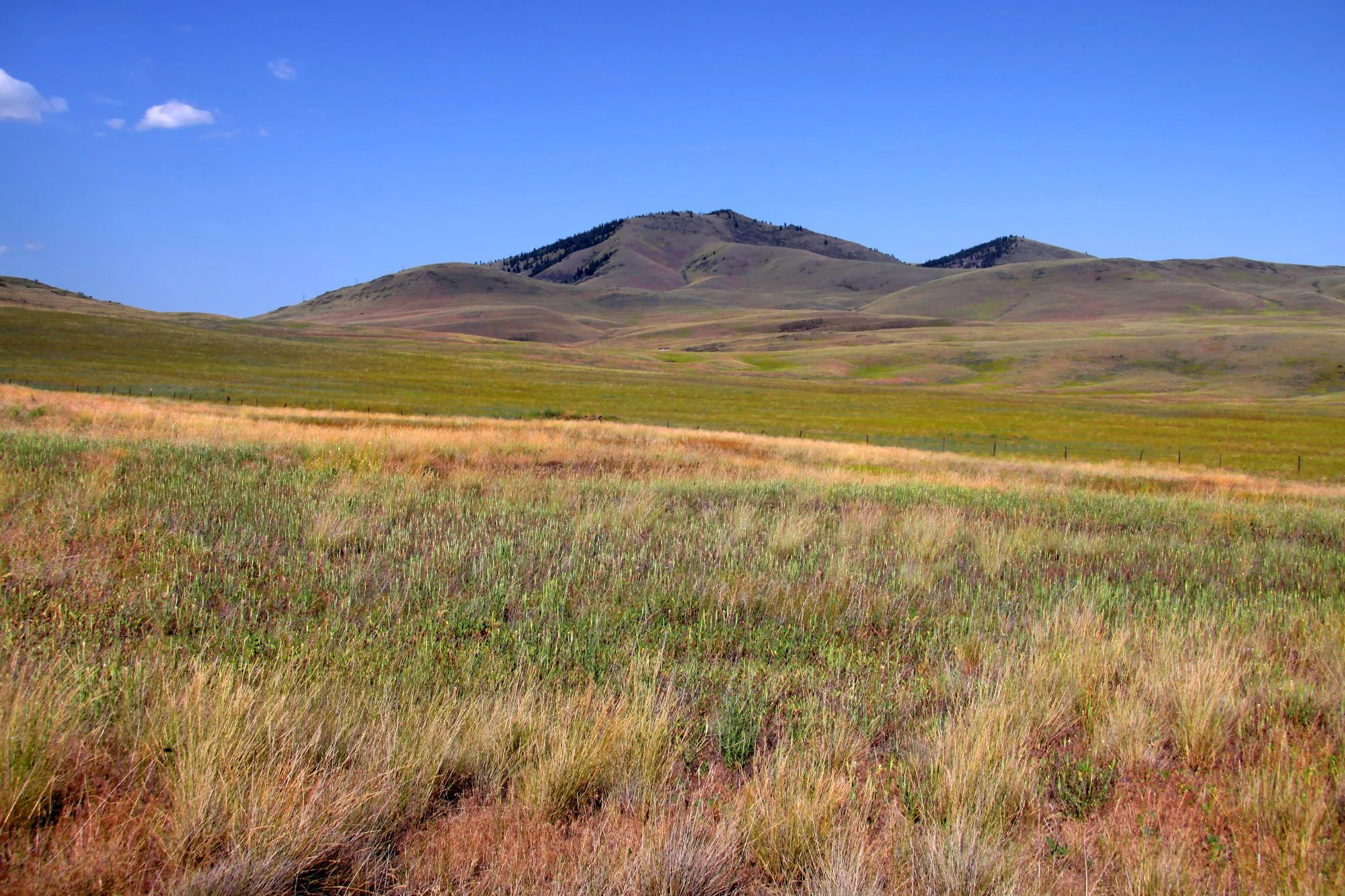
Energetic and noisy, the Bell’s Vireo favors low, dense shrubby vegetation all year, often staying well within thickets but clearly announcing its presence through its song.
- Found in thickets in riparian areas (land situated along bodies of water like streams and rivers)
- Inhabits scrub oak, coastal chaparral, mesquite brush, thorn scrub, and young second-growth forest
Range & Region
Specific Area
North America
Range Detail
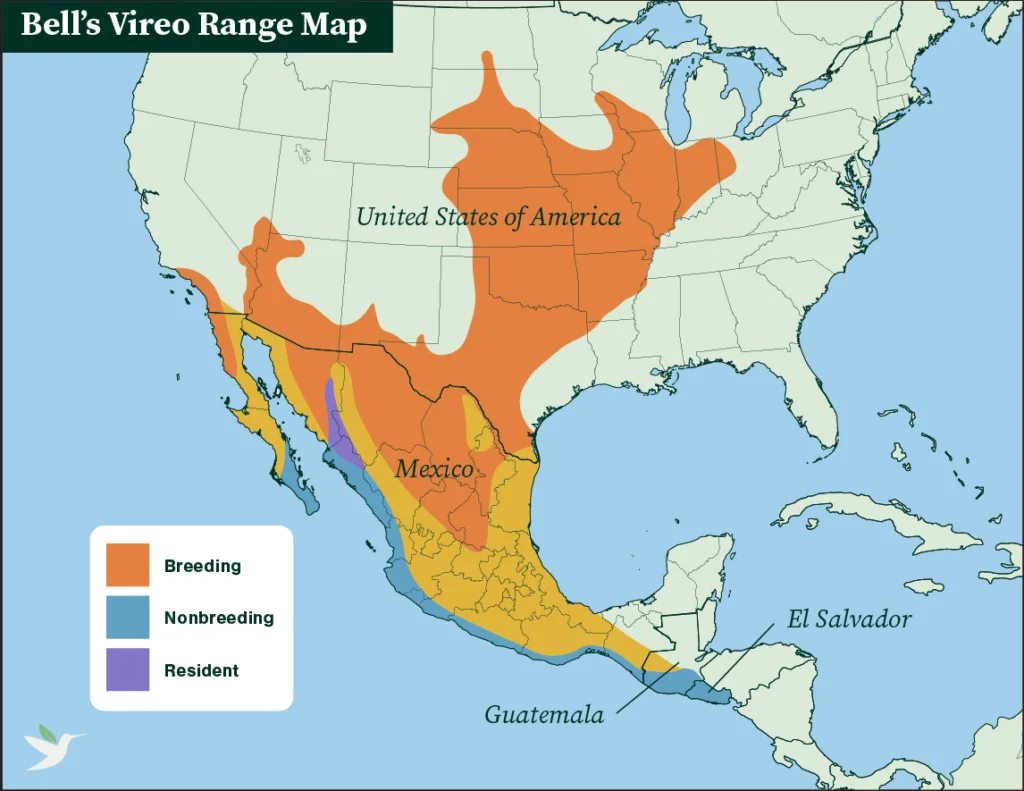
The Bell’s Vireo breeds in the central and southwestern U.S. and northern Mexico, and in the nonbreeding season is found from southern Baja California along the west coast of Central America, through Mexico, El Salvador, Guatemala, Nicaragua, and Honduras.
Did you know?
Bell’s Vireos favor brushy habitats near water. These riparian habitats make up only a small portion of the arid and semiarid lands in the western U.S., but some of the most diverse bird communities can be found in them.
Life History
The Bell’s Vireo is heard more often than seen, singing vigorously from thick cover as it hops about. It stays low in the underbrush and rarely descends to the ground. Its flight is a quick, undulating dash between patches of concealing shrubbery.
Diet
The Bell’s Vireo chiefly feeds on insects such as beetles, grasshoppers, caterpillars, bees, wasps, flies, and spiders. It sometimes eats small berries. This vireo forages by gleaning insects from leaves and small branches, but may also hover-glean from leaves or hawk insects in midair.
Courtship
Male Bell’s Vireos aggressively court females through vigorous chases and elaborate displays that include leaping, hovering, and wing and tail flicking. A male will maintain a territory of up to 5 acres through song; it will also assail intruders, attacking them in midair if initial threat displays are not effective.
Nesting
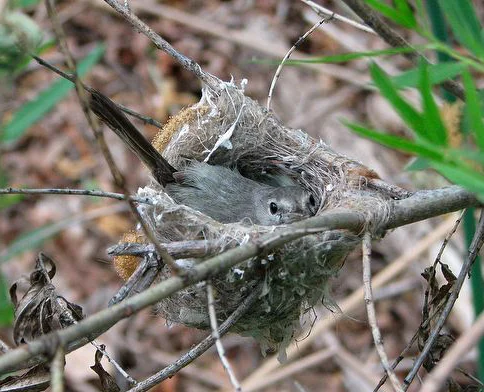
Both members of a Bell’s Vireo pair select a nest site, typically a small fork in a tree or shrub about 3 feet above the ground. The pair also cooperates on building their pouch-like, suspended cup nest of grass, stems, plant fibers, paper, and bark strips, bound with spider silk and lined with finer grasses.
Eggs & Young
The female Bell’s Vireo lays a clutch of two to four sparsely spotted white eggs. Both parents take turns incubating for about two weeks. After the young hatch, the parents also share brooding and feeding duties. Young fledge in 10 to 12 days but remain with adults for 25 to 30 days more.
Although Bell’s Vireos aggressively defend their nests, this species is still heavily parasitized by the Brown-headed Cowbird. Bell’s Vireo pairs may abandon nests in the face of excessive cowbird parasitism and attempt to start a new clutch.