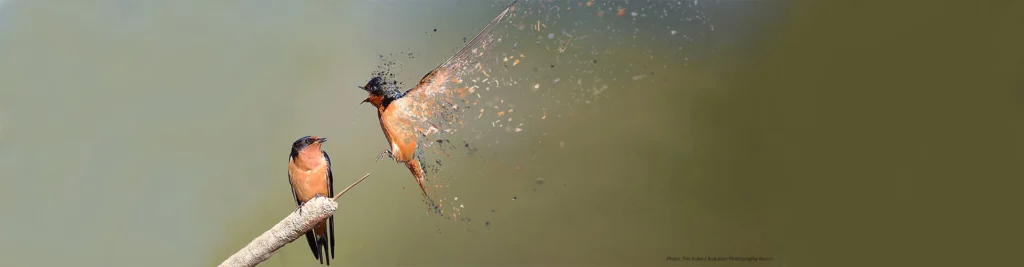
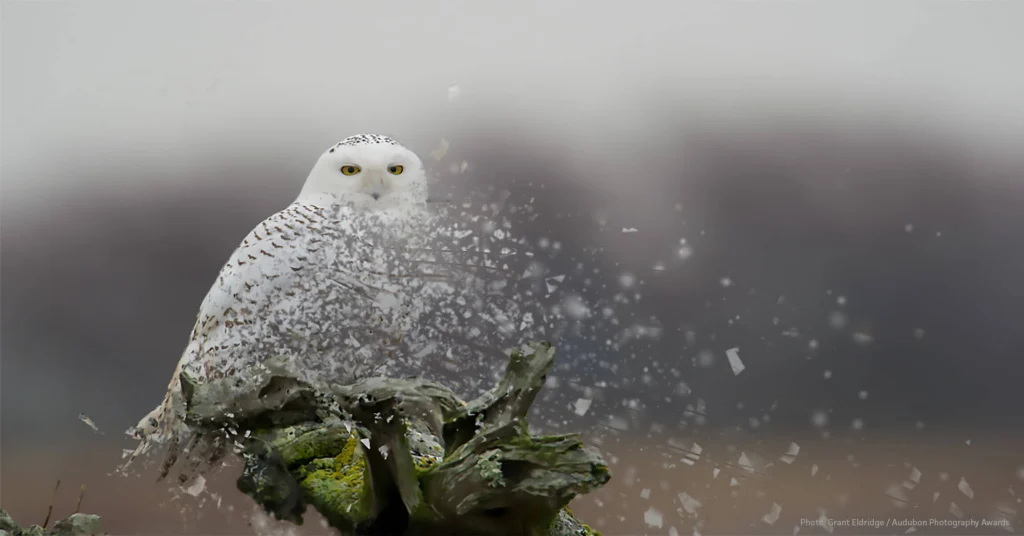
The biodiversity crisis has come to our backyards. In less than a single human lifetime, 2.9 billion breeding adult birds have been lost from the United States and Canada, across every ecosystem and including familiar birds: The Dark-eyed Junco has lost an incredible 175 million individuals from its population. The White-throated Sparrow has lost 93 million. Learn how you can get involved to bring back the birds.
To put it another way, we’ve lost more than a quarter of our birdlife since 1970. These findings were reported in the world’s leading scientific journal, Science, by researchers at seven institutions, including American Bird Conservancy. Get the details of the study, or see and share our short video.
Learn More about the Numbers
Birds are signaling a broader crisis in the natural world — one that is echoed by global losses in insects, amphibians, and other wildlife. The disappearance of even common bird species indicates a shift in our ecosystems’ ability to support basic birdlife.
Of the nearly 3 billion birds lost, 90% came from just 12 bird families, including sparrows, warblers, finches, and swallows. These common, widespread species play influential roles in ecosystems. If they’re in trouble, the wider web of life, including us, is in trouble, too.
This is the first study to undertake an accounting of the net population changes across a total of 529 breeding bird species in the United States and Canada. The researchers analyzed birds on a group-by-group basis, allowing them to identify declines among species that use similar habitats. The findings included 48 years of data from multiple independent sources, including the North American Breeding Bird Survey and the Christmas Bird Count. A comprehensive analysis of 11 years of data from 143 NEXRAD radar stations showed a similarly steep decline in the magnitude of migration.
2.9 birds have disappeared. Courtesy of the Cornell Lab of Ornithology. Source: Science, 2019. Forest by Nicholas Tonelli/Creative Commons. Map from Birds of America, birdsna.org
A number as big as 2.9 billion is hard to fathom. It can help to view it as a balance sheet. Each year, many birds produce young while many others die. But since 1970, on balance, many more birds have died than have survived, resulting in 2.9 billion fewer breeding birds today.
Some ecosystems show steeper losses than others. For example:
Forests alone have lost 1 billion birds since 1970.
Grassland birds are also hard hit, with a 53% reduction in population — more than 720 million birds.
Aerial insectivores — birds like swallows, nighthawks, and flycatchers — are down by 32%, or 160 million.
Coastal shorebirds, already at dangerously low numbers, lost more than one-third of their population.
The volume of spring migration, measured by radar in the night skies, has dropped by 14% in just the past decade.
Understand the Drivers of Bird Declines
Although the study did not investigate causes, scientists have identified that habitat loss is the biggest overall driver of bird declines. Habitat loss occurs when land is converted for agriculture, development, resource extraction, and other uses. Habitat degradation is a second cause of losses. In this case, habitat doesn’t disappear outright but becomes less able to support birds, such as when habitat is fragmented, altered by invasive plants, or when water quality is compromised. Learn more about threats to birds.
Climate change is expected to exacerbate these threats, as well as creating new challenges; for example, by changing habitat distributions and shifting the timing of peak food supplies for birds.
Take Action to Help Bring Birds Back
7 simple actions. Wood Thrush by John Petruzzi/Macaulay Library.
Reversing such a massive decline in birds will require action at all scales, from landscape-level land-use changes and national policies affecting birds, to individual actions. If you’re ready to help, here are seven things you can start (and share) today.
1. Make Windows Safer, Day and Night: Simple adjustments to your windows can save birds’ lives. Get ideas here.
2. Keep Cats Indoors (or Contained): Indoor cats, and those kept contained when outside, live longer, healthier lives. See our cats and birds solutions page.
3. Reduce Lawn by Planting Native Species: The U.S. has 63 million acres of lawn. That’s a huge potential for supporting wildlife. Find out more about how you can help birds through landscaping.
4. Avoid Pesticides: Look for organic food choices. Learn more about neonicotinoids: the world’s most commonly used pesticides are toxic to birds — and they may be in products that you unknowingly buy.
5. Drink Bird-Friendly Coffee: Bird-friendly coffee is delicious, economically beneficial to farmers, and helps more than 42 species of North American songbirds. Look for bird-friendly certified coffee in your store or ask the store to stock certified products.
6. Protect Our Planet From Plastics: Avoid single-use plastics. Unfortunately, 91% of plastics are not recycled, and they take 400 years to degrade. Seabirds are among the birds most at risk from plastic pollution.
7. Watch Birds, Share What You See: Birders are one of science’s most vital sources of data on how the ecological world is faring. Make sure you contribute your data to eBird and other Citizen Science efforts.
About the Study
Citation: Rosenberg, K. V. et al. 2019. Decline of the North American Avifauna. Science 365(6461). doi: 10.1126/science.aaw1313
Contributors: Cornell Lab of Ornithology, American Bird Conservancy, Environment and Climate Change Canada, U.S. Geological Survey, Bird Conservatory of the Rockies, Smithsonian Migratory Bird Center, Georgetown University.
Data were contributed by citizen-science participants in the Audubon Christmas Bird Count, Breeding Bird Survey, and other bird-monitoring initiatives. The Partners in Flight Avian Conservation Assessment Database was a critical source for the data.
About the Graphics
The photo treatment for the 3 Billion Birds campaign was created by Beaconfire and provided courtesy National Audubon Society, one of American Bird Conservancy’s campaign partners.
Today, the Farm Bill impacts conservation actions across millions of acres, and is a vital resource in the effort to address the crisis facing North American birds.
Throughout the summer months, hummingbirds can be found across almost all of North America. The vast majority of hummingbirds fly to Mexico or Central America for the nonbreeding season.
The Pine Warbler is an aptly named species, rarely seen away from its namesake trees, where it gleans rather sluggishly among the foliage and sings its dreamy-sounding song from the canopy.