Prairie Pothole Wildlife Area Photo by: Joesboy, Getty Images

Prairie Potholes

Prairie Potholes

Prairie Pothole Wildlife Area Photo by: Joesboy, Getty Images

Overview

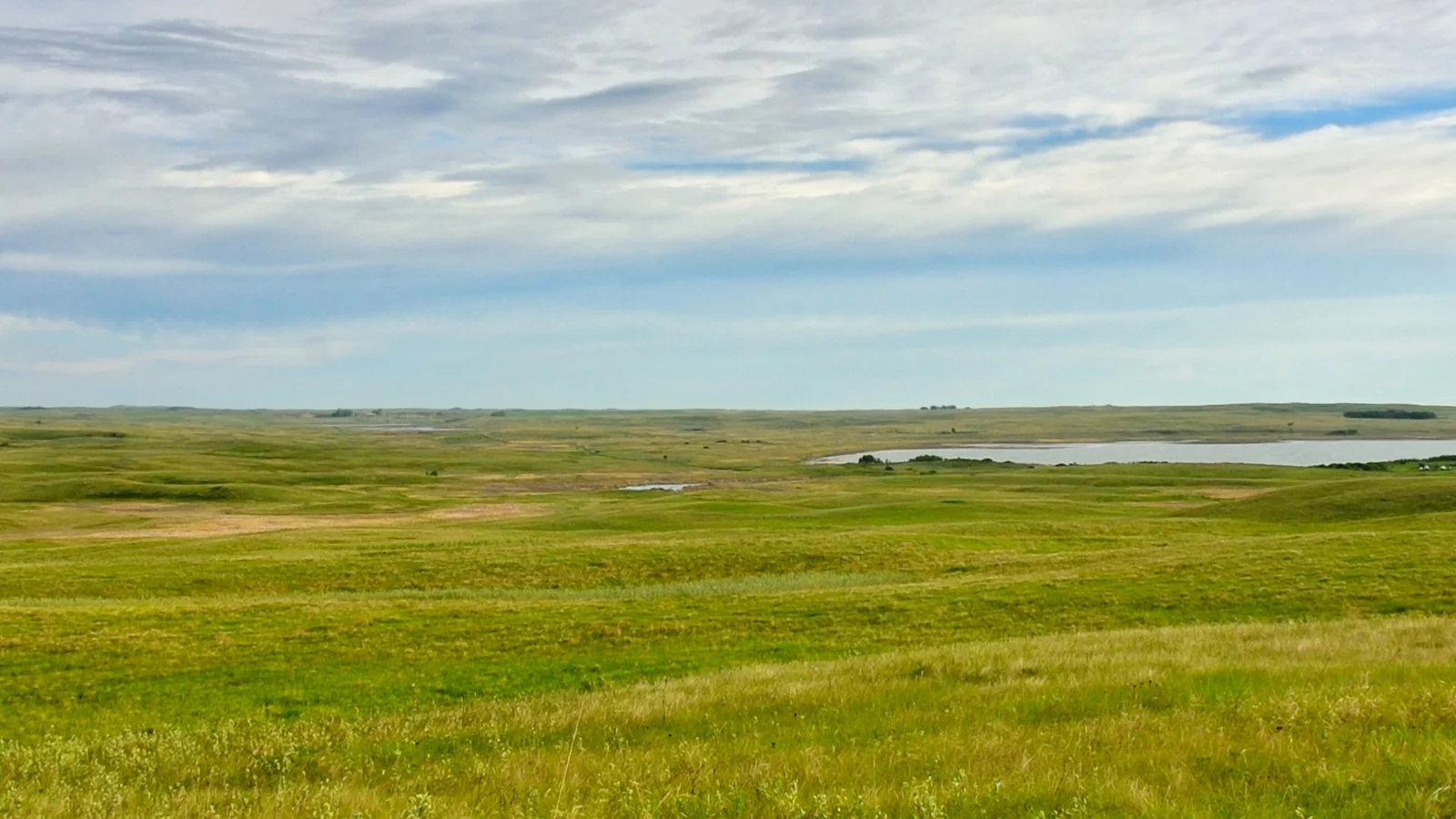
The Prairie Pothole Region is named for the innumerable wetlands and lakes scattered across the northern Great Plains. These isolated waterbodies vary in size, but are distinctive in that they have no connection to surface rivers or streams. Instead, they are maintained by snow and rain. This landscape is vital habitat for a wide range of birds, providing water and a boon of insects to prairie species, while also making space for wetland birds like the Yellow Rail and aquatic species like ducks and coots. Migratory ducks are particularly reliant on the Prairie Pothole Region, as it provides some of their most important breeding habitat. For this reason, the region is sometimes referred to as North America’s “duck factory.”

Primary Foods for Birds
Flower Nectar
Insects
Plants
Seeds
Small Rodents
Primary Predators of Birds
Coyote
Fox
Humans
Raccoons
Raptors
Weasels
Vegetation Examples
Aquatic plants
Broad-leaved plants
Cattails
Grasses
Sedges
Wildflowers

Habitat Description

The Prairie Pothole Region was shaped during the Ice Ages by the movements of massive, continent-spanning glacial ice sheets. As these ice sheets retreated, giant chunks were left to melt on the open prairie, and as they did, they formed the profusion of lakes and wetlands that define this unique landscape.

Many bird species are attracted to potholes, which serve as oases for wetland birds and waterfowl. More than half of North America’s migratory waterfowl breed here; researchers estimate about 10 million ducks nest in the Prairie Potholes Region annually. Redhead, Canvasback, Northern Pintail, Northern Shoveler — all breed here in profusion. Meanwhile, the reeds ring with Marsh Wrens, Common Yellowthroats, Virginia Rails, and Yellow-headed Blackbirds. Though a given pothole may not be large, it can still support a huge diversity of birds.

Threats to the Prairie Pothole Region

With the Prairie Pothole Region’s glacial past and history of Indigenous fire management, the soil in this biome is remarkably rich, and humans have cultivated food crops on this landscape for millennia. However, agriculture has spread exponentially in the few hundred years since European colonization, as has urban expansion, resulting in the large-scale destruction of the crucial habitats that this landscape holds.

Habitat Loss

The biggest challenge facing the Prairie Pothole Region is agricultural conversion and development. The rich soils in grasslands make the land ideal for farming crops and grazing cattle. In the 200 years since European colonists made their way to the region, more than half of its life-sustaining potholes have been filled, and almost 70 percent of the prairie has been replaced by intensive farming. In addition, with agriculture comes pesticides, nutrient runoff, and soil erosion, all of which can impact birds.

Learn More

Pesticides & Pollutants

Pesticides from agricultural operations, as well as chemicals from businesses and even pollutants from our homes, make their way into the surrounding soil and waterbodies. This can have catastrophic effects on human health and cause harm to birds and other wildlife, both directly and indirectly.

Learn More

Non-Native Species

The effects of non-native species, both plant and animal, can be devastating for delicate ecosystems like the Prairie Potholes. All across the Great Plains, invasive plants like smooth brome (Bromus inermis) can outcompete native species for nutrients, sunlight, and space. The success of non-native plants often comes at the expense of natives and can have a cascading effect on the birds, insects, and other wildlife that have evolved to rely on native species.

Learn More

Conservation Efforts

ABC recognizes how vital this region is to the birds of the Western Hemisphere both for breeding and stopover habitat during migration. We advocate for strong funding for habitat restoration, partner with farmers and ranchers to implement bird-friendly agricultural practices, conserve and improve habitat, and more.

Preserving Habitat

Although little of this region is protected from development, large patches of potholes and prairie still exist. ABC’s Northern Great Plains team, along with our partners in the Prairie Pothole Joint Venture, work to maintain the vitality and continuity of this landscape. We support sustainable agricultural practices and create the tools and resources that land stewards need to keep this crucial biome of the Western Hemisphere rich in birds.

Reducing Pesticide Use

Across the United States, ABC works with partners at the state and federal levels to call for the regulation or cancellation of the pesticides and toxins most harmful to birds. We develop innovative programs, like working directly with farmers to use neonicotinoid coating-free seeds, advancing research into pesticides’ toll on birds, and encouraging millions to pass on using harmful pesticides.

Removing Invasive Plants

Invasive plant species are one of the greatest threats to the remaining grassland habitat in the Prairie Pothole Region. Non-native woody shrubs and trees convert open prairie to savanna and woodland, habitats that don’t support native prairie birds like Bobolink, LeConte’s Sparrow, and Greater Prairie-Chicken. Along with partners, ABC is helping to monitor for and remove invasive plants that are degrading the prairie landscape.
Birds from this Habitat

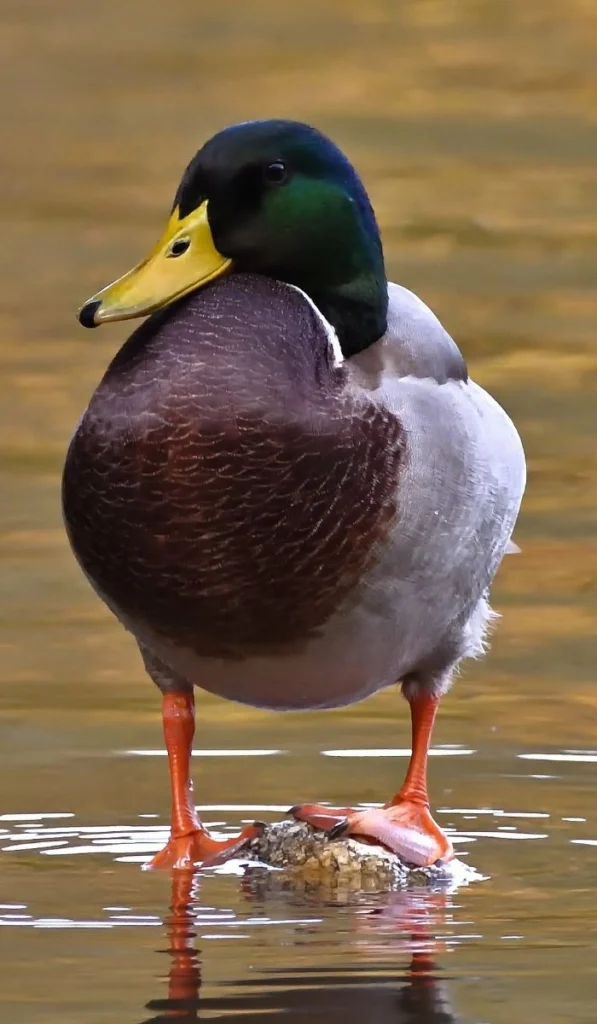
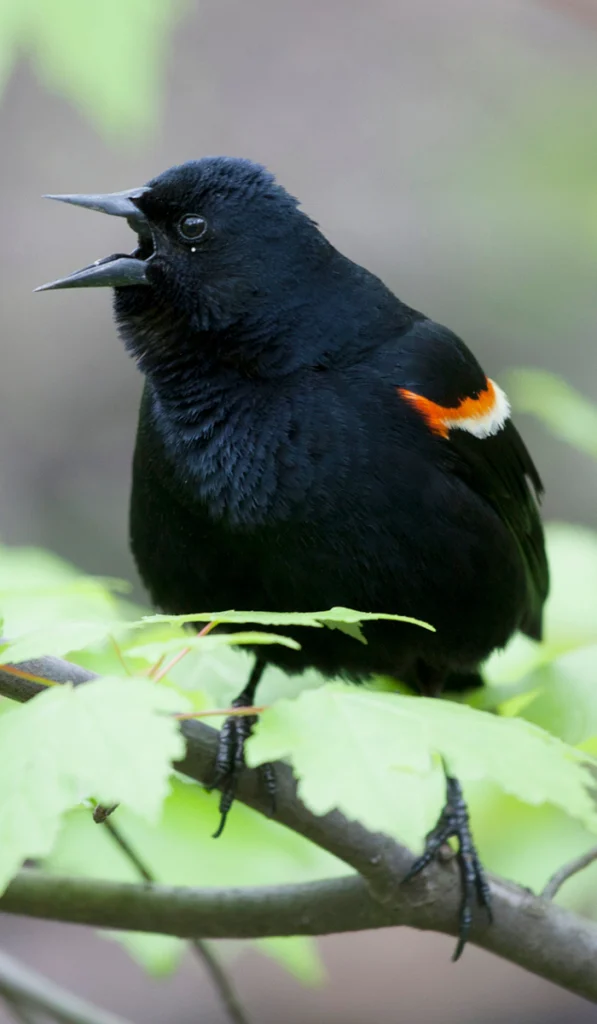
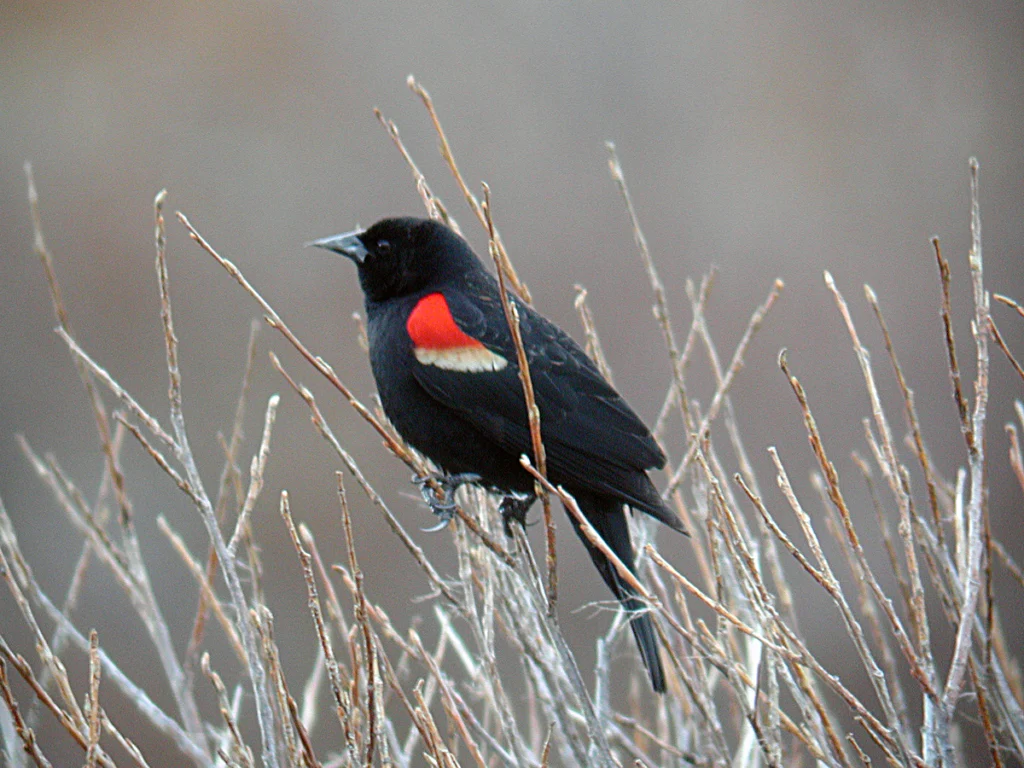
A wide variety of wetland and grassland birds use the prairie pothole landscape, and the isolated waterbodies that give this region its name are crucial to the migratory waterfowl that breed here.