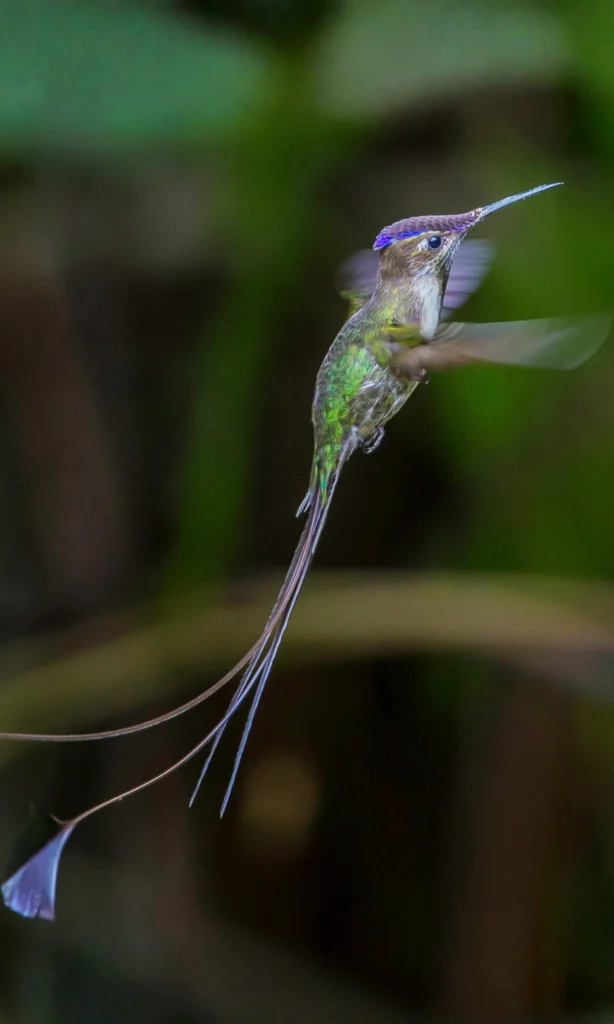
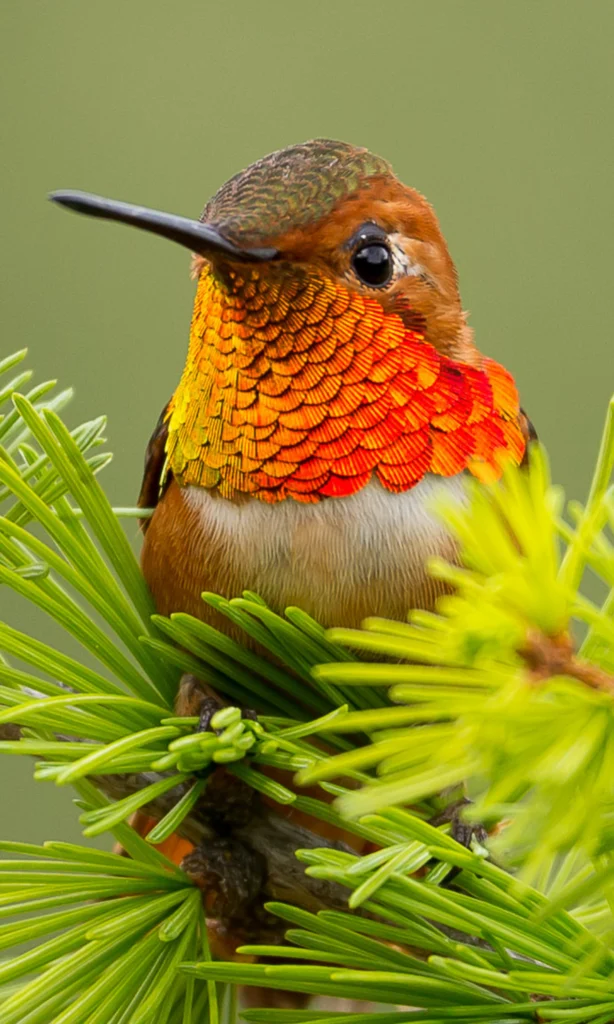
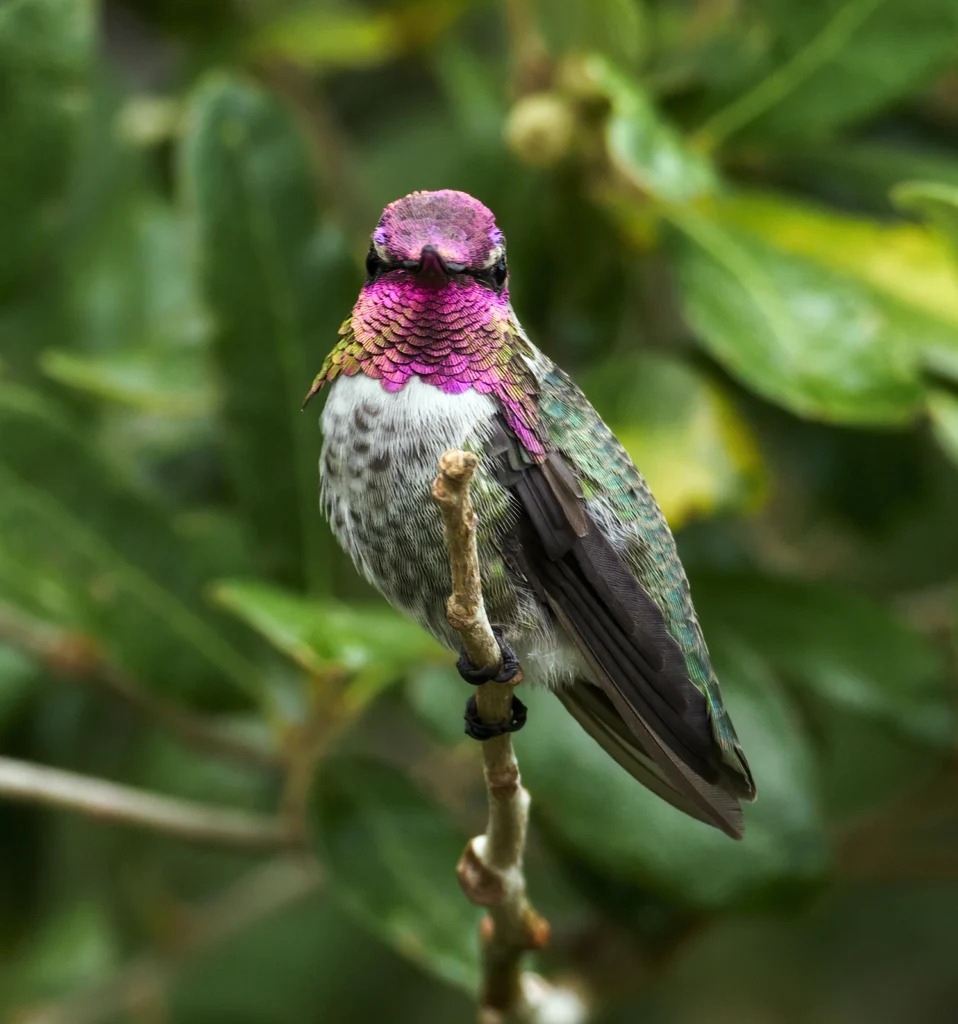
Do Hummingbirds Migrate?
Throughout the summer months, hummingbirds can be found across almost all of North America. The vast majority of hummingbirds fly to Mexico or Central America for the nonbreeding season.
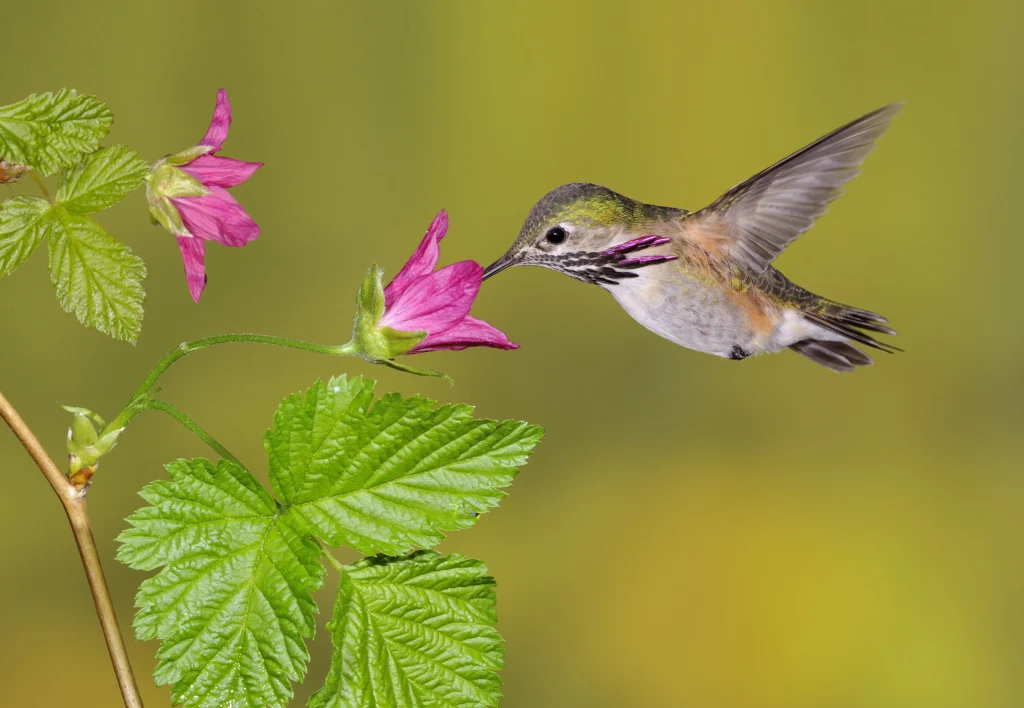
Hopped up on sugar, wings moving too fast to see, hummingbirds are winging their way to your part of the United States, if they’re not there already. In the East, the Ruby-throated Hummingbird prevails, but out West, more than a dozen species occupy a range of habitats.
Feeders stocked with sugar water usually attract hummingbirds, but they require frequent cleaning and filling to keep the birds coming. If neglected, feeders can pose a health threat to the birds.
Below you will find ways to make your backyard attractive to hummingbirds by supplying natural elements they require. At the end, we also provide a list of great hummingbird plants and some important hummingbird feeder tips. Ready to create your hummingbird paradise? Read on!
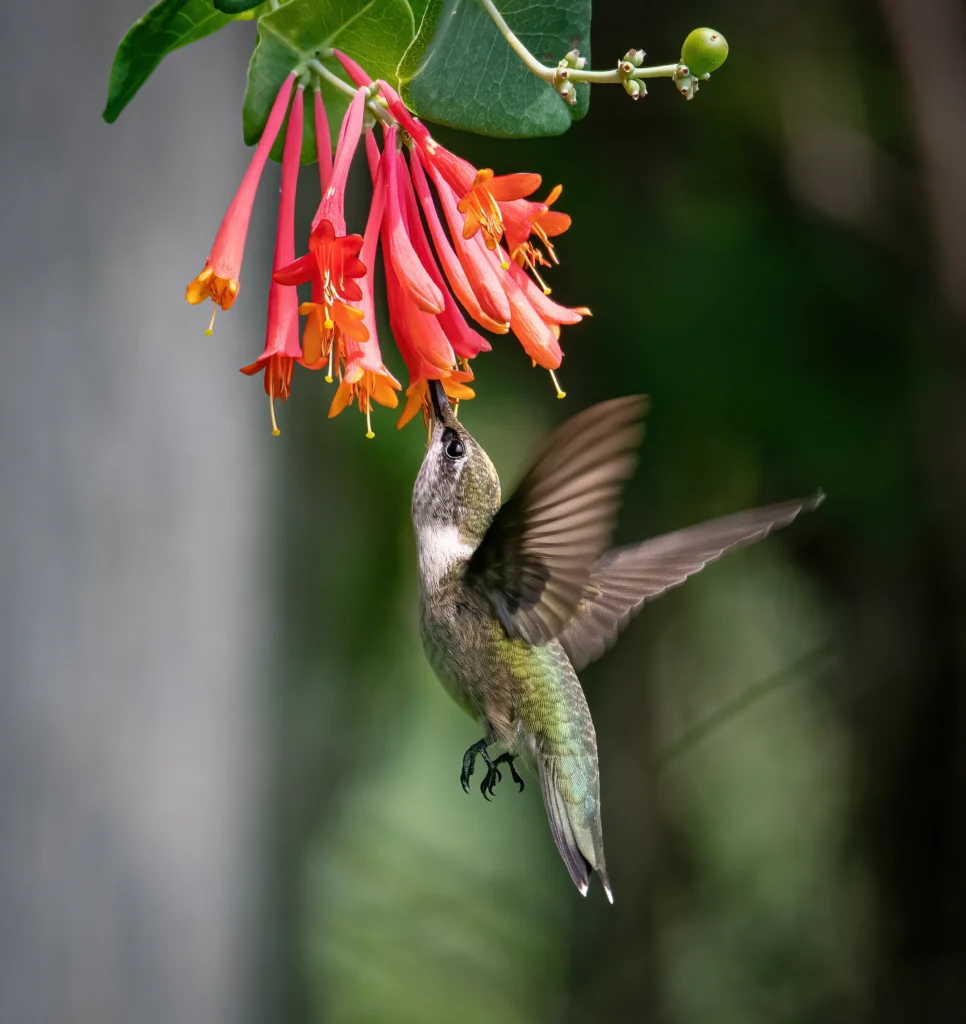
Hummingbirds feed on a variety of nectar-producing flowering plants, from mighty tulip trees to clumps of coral bells. But they don’t feed at all flowering plants, so be sure to select plants known to lure hummingbirds to home gardens.
Native plants will not only make your yard look more natural — they will replace some of the native vegetation lost in so many places to development and rampant invasive exotic plants.
Never dig up native plants from wild places; instead, order or buy them from the many nurseries, including online companies such as Prairie Moon and Toadshade Wildflower Farm, that now sell them. In late summer and fall, you can also collect some seeds for next year’s planting. (Look for assurances that seeds and plants are free of neonicotinoids. These pesticides, known to be toxic to bees, are also lethal to birds.)
Do not assume that nurseries will only sell you non-invasive plants. For example, although attractive to hummingbirds and butterflies, the tall or purple-top vervain (Verbena bonariensis), a South America native, is invasive in the southeastern U.S. and California, as are a few other vervains.
Hummingbirds are fast, but so are cats. Site any feeders, water features, or flowering plants away from, or well above, where sit-and-wait predators might pounce. Practice and advocate for treating cats like dogs — that is, providing safe and enriching places for pet felines to live indoors full time or supervised and contained outdoors. Other sit-and-wait predators that have on occasion been seen catching hummingbirds at feeders and water features include bullfrogs and the Chinese mantis (an exotic praying mantis species).
Window collisions can be deadly for birds. Birds don’t see glass the way humans do — they see habitat through or reflected in glass. Treating glass helps to prevent birds from colliding with windows. A number of options exist for making your windows safer for birds, from etched glass to no-cost solutions such as tempera paint.
Hummingbirds are always on the alert — for food resources, for predators, and for the presence of other hummingbirds. Dead branches provide great lookouts. You can place a large dead branch or leave some dead branches in living trees to provide these lookout points. You may be surprised how quickly hummingbirds, flycatchers, and other birds adopt these “stick” perches.
Because they are combative, hummingbirds can use some space when possible. If you plant flower patches in several parts of your yard, or separate your feeder locations, this may give less aggressive hummingbirds the space they need.
Hummingbirds eat small insects and feed many of them to their young. Just as you wouldn’t want children or pets to ingest chemicals and pesticides, the same should hold true for neighborhood wildlife.
You can try to create the breeding habitat hummingbirds need by researching the natural history of species found in your area. If you can draw these birds to nest, you are truly providing a little reserve in your garden.
Note: In many areas, letting a part of your yard “grow wild” may require that you manage that habitat to ensure that invasive exotic plants don’t take over. In the eastern U.S., for example, watch for and remove rampant vines such as Japanese honeysuckle (Lonicera japonica) and Amur honeysuckle (L. maackii) shrubs. Although hummingbirds may visit these from time to time, these species will overtake a woodlot if not controlled. They can be replaced with native honeysuckles, such as the trumpet honeysuckle mentioned below.
A mister or dripper over your birdbath may be just the bathing opportunity hot hummingbirds need this summer. Hummingbirds won’t normally visit a regular birdbath. Do some online research to see what works for other hummingbird aficionados.
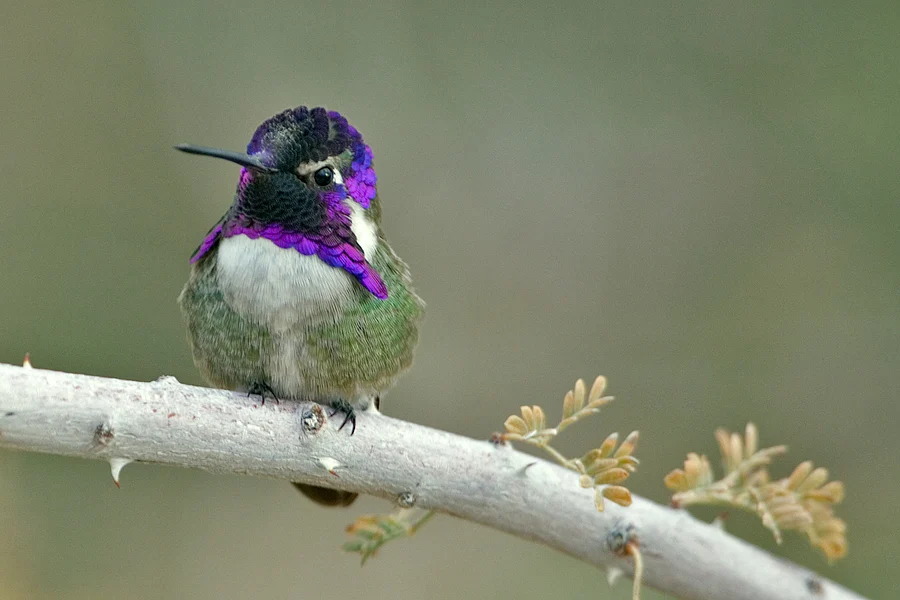
Among the widespread hummingbird favorites growing native in the eastern U.S. are two flowering vines: trumpet honeysuckle (Lonicera sempervirens) and trumpet creeper (Campsis radicans). (Trumpet creeper is also native in parts of the West. Be careful not to plant this near a home’s foundation due to its mighty roots.) Two other widespread and important species are cardinal flower (Lobelia cardinalis), which also occurs in riparian areas of the Southwest, and spotted jewelweed (Impatiens capensis), also found in the Pacific Northwest.
Agastaches, also called hummingbird mints, draw in these smallest of birds, plus bees, and also goldfinches, which eat the seeds. Native species include A. foeniculum in northern states from coast to coast, and A. scophulariifolia in the East and Midwest. Generally, agastaches favor sunny, dry locations with fast-draining soils.
In both the eastern and western parts of North America, columbines are a hummingbird favorite, including wild or eastern red columbine (Aquilegia canadense) in the east and western columbine (A. formosa) in the Pacific Northwest.
With names like bee balm, wild bergamot, and Oswego tea, many plants in the genus Monarda are hummingbird-attracting plants. M. fistulosa is one, and also M. didyma. With their dazzling blooms, Monardas send a splash of color rippling across the garden. Some native lilies are also nice additions, including Canada lily (Lilium canadense) in the East and Columbia lily (L. columbianum) in the West. Native penstemon, or beardtongue, species and native salvias (sage) are also great choices.
The U.S. Southwest is hummingbird heaven. There, a well-planted yard will no doubt be an oasis, especially if graced with such native plants as ocotillo (Fouquieria splendense), bearded penstemon (Penstemon barbatus), and hummingbird trumpet (Zauschneria californica).
In the West, red-flowering currant (Ribes sanguineum) and golden currant (Ribes aureum) are versatile shrubs alluring to hummingbirds. Avoid planting in the East, however; golden currant has escaped cultivation outside its normal range and is not recommended for Eastern gardeners.
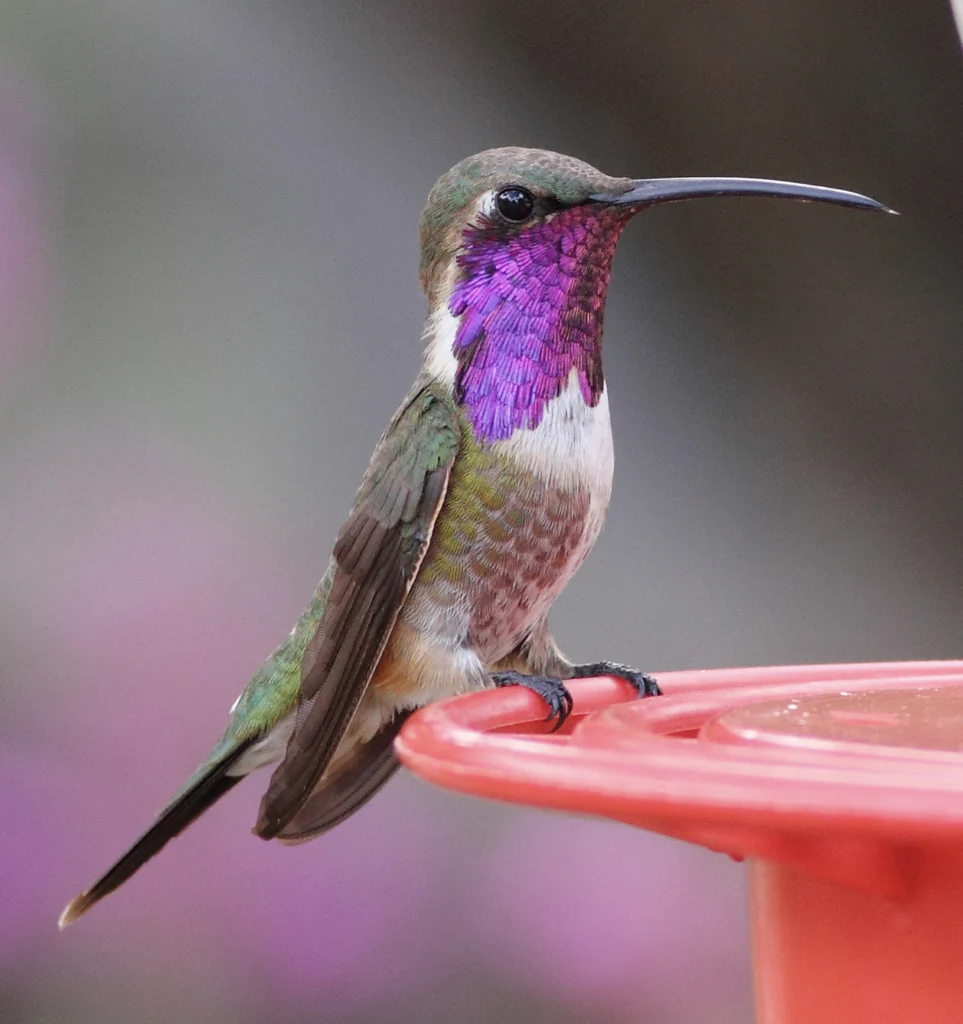
If you do decide to put out hummingbird feeders, here are tips for keeping them safe and productive:
Even a small patch of your property can support hummingbirds and other birdlife.
Related News & Stories


Mi abuelita stood in front of her colorful ofrenda for Día de Muertos. Her long black braid swayed to the rhythm of her favorite song, "El Sirenito," by Rigo Tovar. She sang along as she carefully moved around the jarritos filled with atole, casuelas full of mōlli, and photos of her f...