The Amargosa Basin, located in the Northern Mojave Desert, is a harsh landscape marked by extremes. Temperatures routinely soar above 120 degrees in summer and dip below freezing in winter. Water is scarce, with annual rainfall barely topping 4 inches. Despite these extremes, the Amargosa Basin, among the hottest and driest environments on Earth, is critical habitat where water is a precious resource.
The water that does exist in the Amargosa Basin comes from an intricate system of springs and seeps that support the 185-mile-long Amargosa River, which nurtures riparian habitats that support astounding biodiversity. The ancient waterway in the desert allows unique and rare species to flourish. But this irreplaceable habitat is under critical threat from environmental and climate extremes as well as exploratory drilling and mining operations.
American Bird Conservancy (ABC) and a team that includes Amargosa Conservancy and River Partners are now in the planning stages of an ambitious effort to restore the Amargosa Basin. The Amargosa River Riparian Restoration project, funded by the California Wildlife Conservation Board, will restore approximately 1,000 acres in the basin.
The 185-mile-long Amargosa River makes life possible for a number of species that are otherwise missing from this extreme and inhospitable landscape. Intermittent, yet flowing year-round from Nevada into Death Valley National Park in California, the Amargosa River is a river of groundwater that is largely unseen except at a few points along its course where it surfaces. But the lush “islands” of riparian habitat that dot the river’s route through the valley make the Amargosa River’s presence — and importance — visible.
“People call the Amargosa the Galápagos of the desert, because we have that same kind of effect with these constrained isolated habitat areas — in this case, our springs and wetlands are isolated by the surrounding Mojave Desert,” said Mason Voehl, Amargosa Conservancy’s Executive Director. “Instead of islands of land in an ocean, we have islands of water in an ocean of desert.”
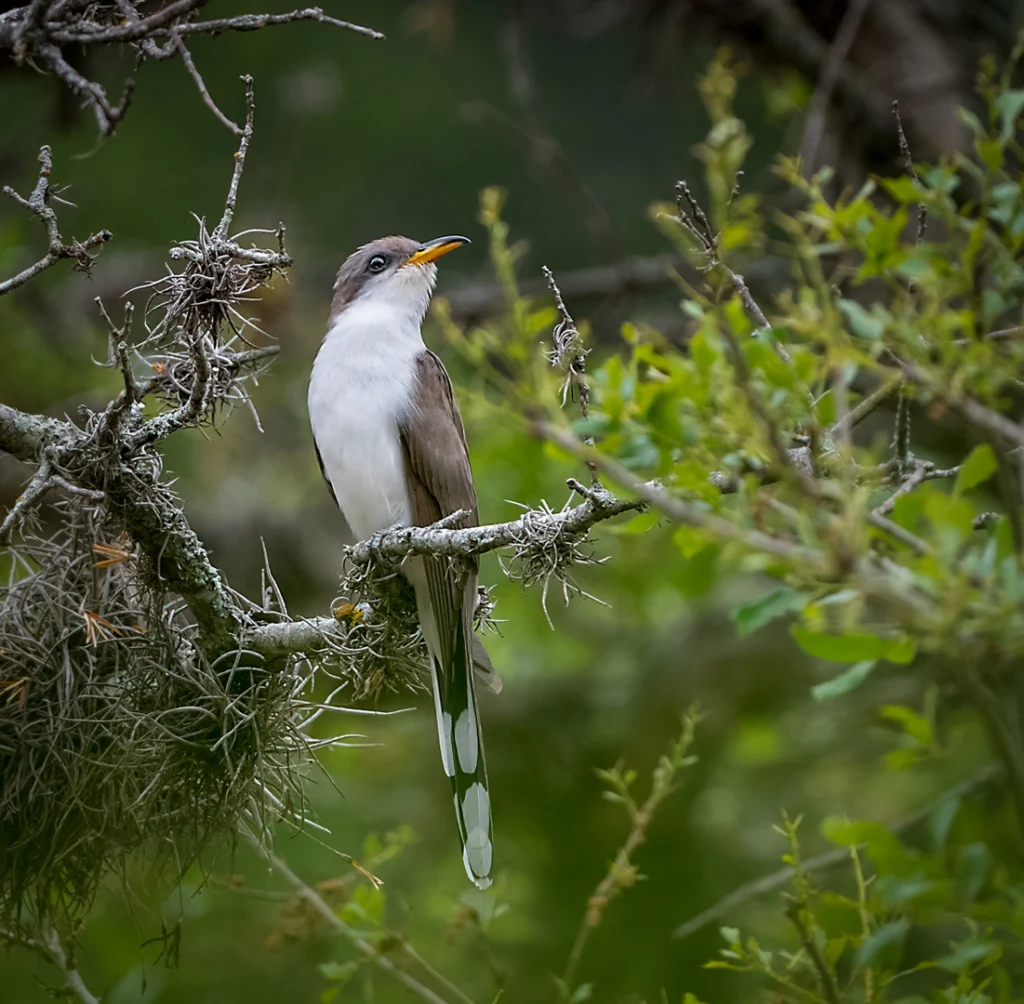
It’s in these “islands” of verdant trees and marshes surrounded by desert that birds and other wildlife can thrive. Researchers have tallied more than 100 endemic species that evolved in relative isolation and are found nowhere else. Endemic species in restricted ranges often have small populations, making them especially vulnerable. Among these species is the Amargosa vole, one of North America’s most endangered mammals.
“The challenge of managing them is pretty clear on the face of it—these are just very delicate, isolated wet environments where these species have endured for millennia and the threats to them are growing,” River Partners Senior Restoration Ecologist Mike Davis said. “They have nowhere to go if, for example, their habitat becomes degraded or is eliminated by any number of threats.”