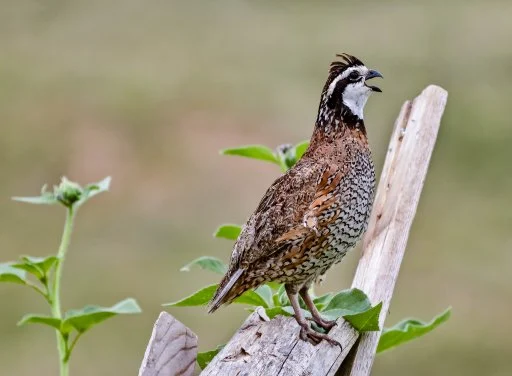
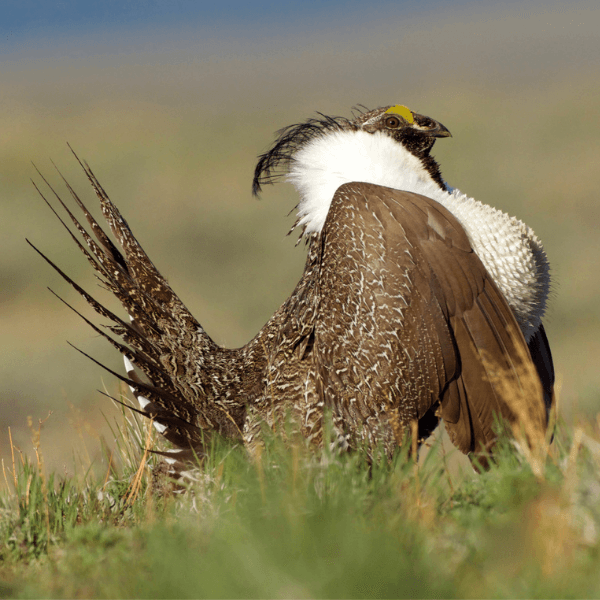
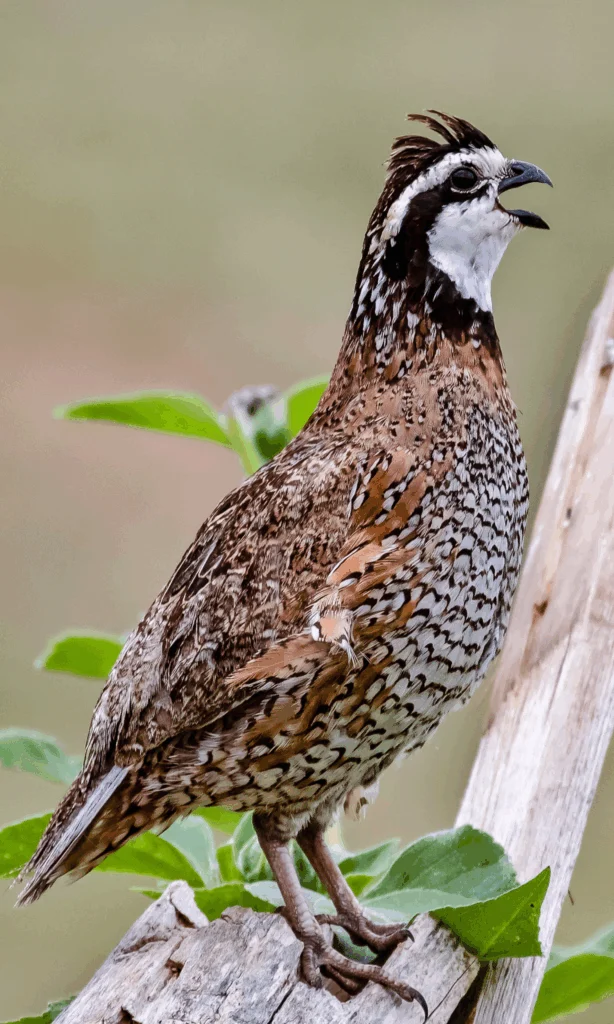
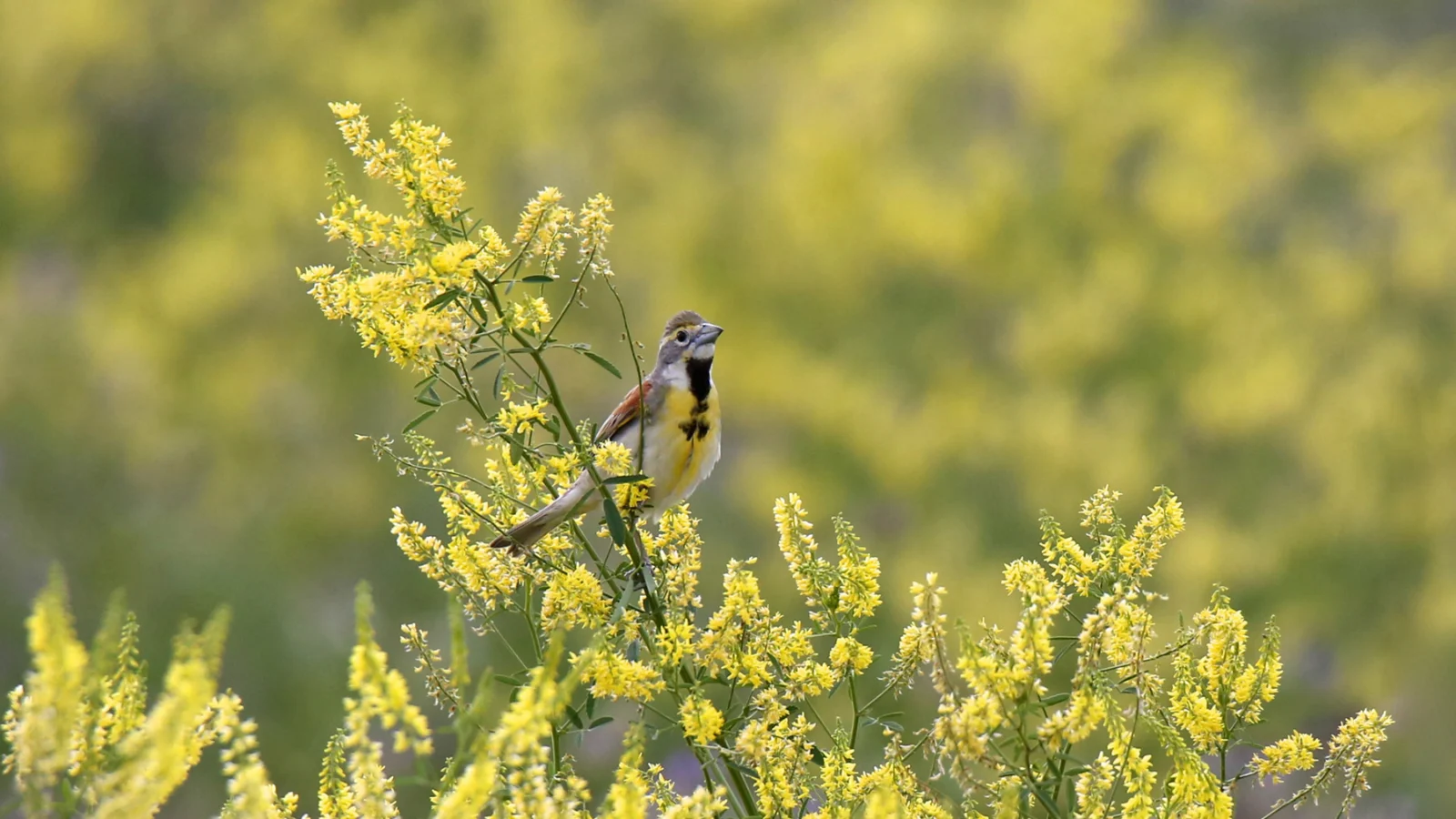
A Dickcissel perched in a field of flowers. Grassland birds stand to benefit from ABC’s recommendations for the Farm Bill.

Bird Saver: Conservation Priorities for the 2025 Farm Bill

American Bird Conservancy encourages bold policy solutions in the Farm Bill to conserve birds, restore habitats, and benefit people.

Photo by vagabond54/Shutterstock.

American Bird Conservancy (ABC) will work with Congress and the Administration to pass a 2025 Bird-Friendly Farm Bill that:

  • Encourages broader conservation easements use to protect key habitats for birds.
  • Incentivizes rangeland rest in grazing systems to conserve birds, and expand grassland-conserving policies.
  • Encourages partnership-driven, incentive-based conservation.
  • Increases partner technical assistance capacity.
  • Reinforces that wildlife will continue to be a co-equal priority in the Farm Bill, along with soil and water conservation.
  • Prioritizes diverse stands of native plants, limits the use of non-native plants, and reinforces the National Seed Strategy.
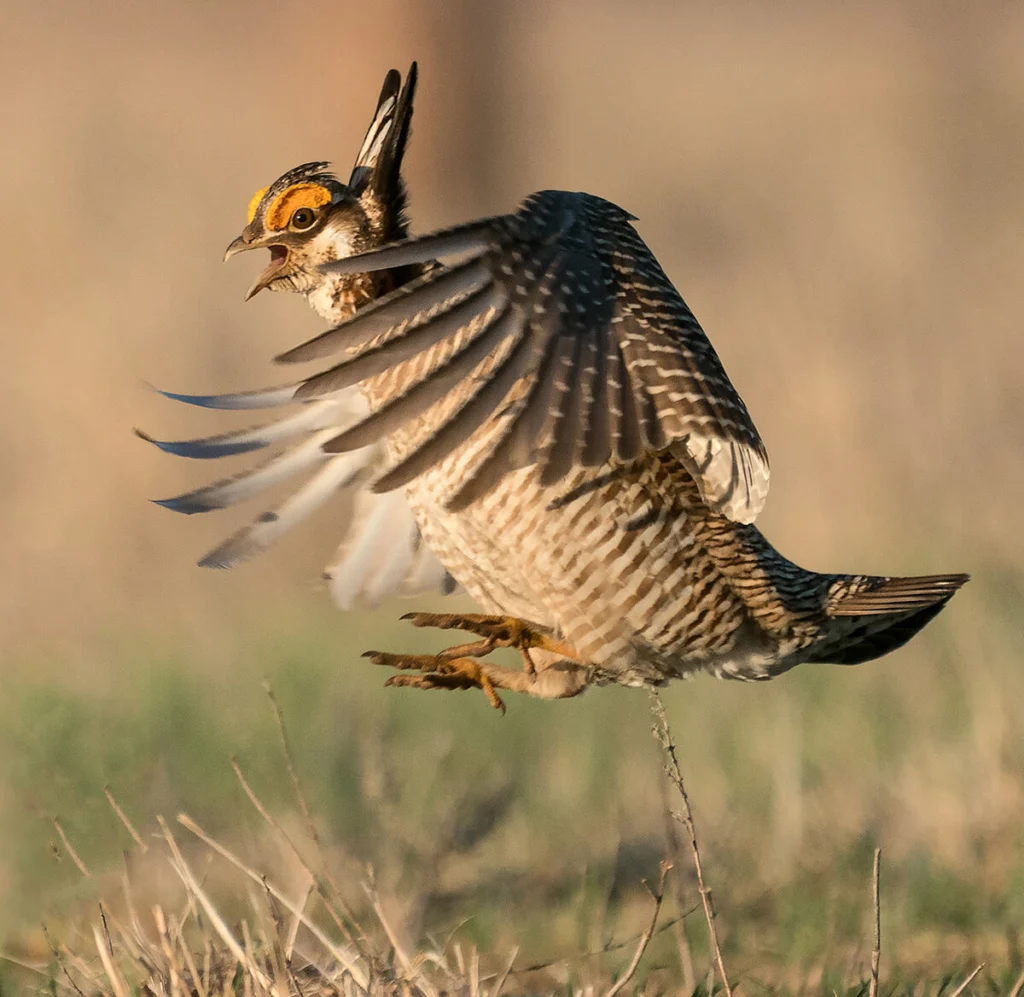
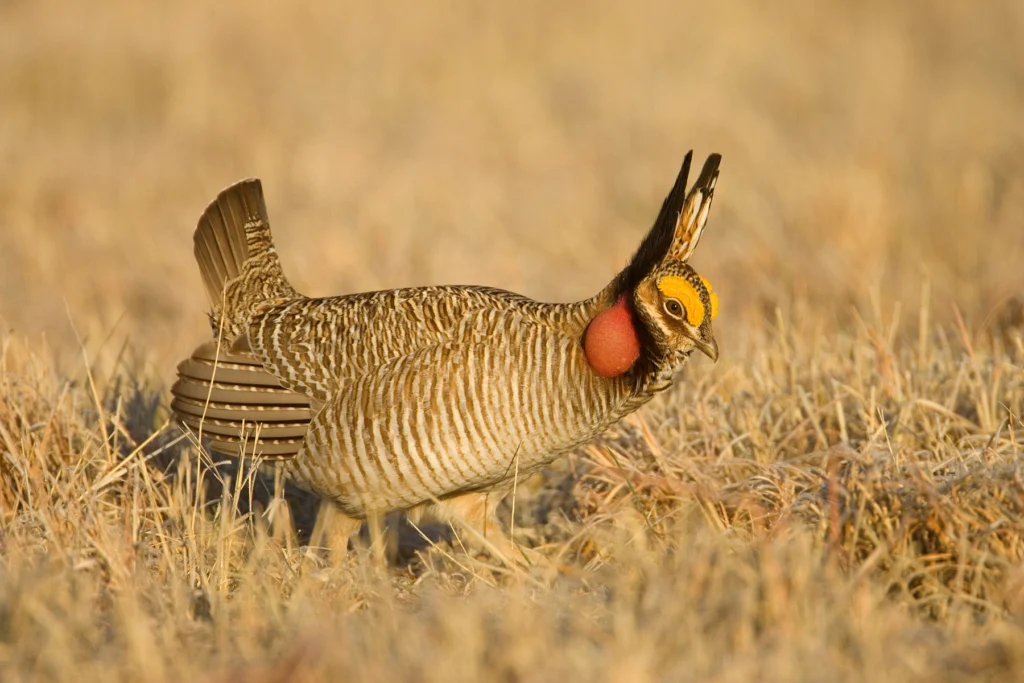
A male Lesser Prairie-Chicken displaying. Farm Bill programs can restore and revitalize habitat for these and other grassland birds.
Lesser Prairie-Chicken. Photo by Eleanor Briccetti.

Healthy rangelands provide conservation services, including water filtration and storage, erosion control, air quality, and nutrient cycling. They are vital to recovering grassland bird populations.

Top Priorities

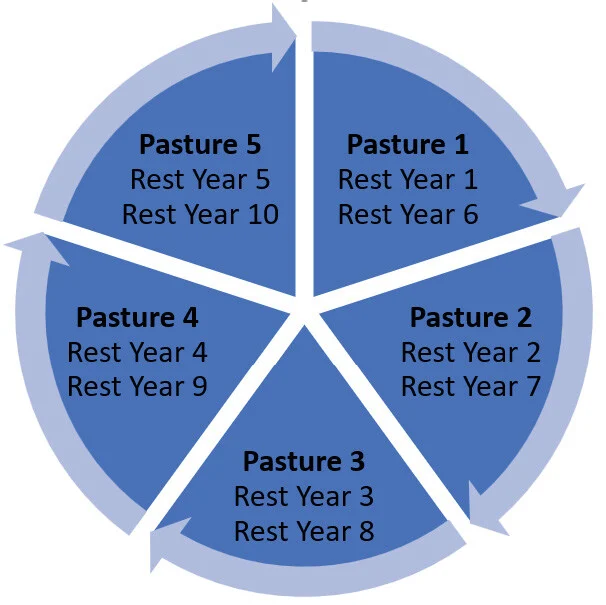
Rest-Recover-Recapture — We are fostering legislation to better incentivize grazing rest. Periodic rest improves plant species diversity; ecosystem heterogeneity, stability, resilience, and sustainability; soil health; and increases forage production.

Approximately 30 percent of the U.S. is rangeland (~770 million acres), mostly in the West. Rangelands are highly diverse, and provide livestock forage and habitat for many wildlife species. Healthy rangelands provide conservation services, including carbon storage, water filtration, erosion control, and nutrient cycling. They are vital to recovering grassland bird populations.

We support two options to provide expanded incentives for conservation that will store carbon while adding substantial habitat quality for grassland birds:

Option A authorizes the use of Rest-Recover-Recapture scenarios for Natural Resources Conservation Service (NRCS) programs and mandates short- to intermediate-term contracts to rest/recover specific pastures undergoing conservation improvement to compensate for foregone income.

Option B authorizes the Grassland CRP Improvement Act to provide options within contracts to annually and sequentially rest pastures in a qualifying grazing system.

Helping Hands — We recommend increasing and stabilizing partner conservation delivery capacity in the Regional Conservation Partnership Program (RCPP). Producers need NGOs and other partners to provide technical assistance, which requires predictable funding. ABC seeks to modify the administrative cap and expand the overall partner Technical Assistance (TA) limit from 25% to 30%.

Strengthening the Conservation Reserve Program — We recommend reauthorizing and increasing Conservation Reserve Program (CRP) enrollment to 70 million acres. CRP provides far-reaching benefits. It has improved conditions for ground-nesting birds by increasingin-creasing nesting and brood-rearing success. We also recommend the above-mentionedabove mentioned G-CRP Improvement Act. Finally, we recommend requiring the Farm Service Agency (FSA) to adjust rental rates annually to encourage more enrollment.
Example of a 10-year contract and cycle for RCP.

Program Recommendations

Regional Conservation Partnership Program 

  • Reauthorize at the current funding level as a stand-alone program; include Rest-Restore-Recapture options.
  • Authorize and mandate NRCS to use a simplified grant process.
  • Eliminate the arbitrary administrative cap on partner Technical Assistance (TA) and increase to 30%.

Agricultural Conservation Easement Program (ACEP)

  • Authorize funding for restoration and management activities to maintain taxpayer investment and authorize USDA to hold Agricultural Land Easements (ALE) in certain circumstances.
  • Encourage the restoration of native wetland and grassland vegetation and hydrology.

Forest Conservation Easement Program

  • Authorize and fund — separate from ACEP —a Forest Conservation Easement Program.
  • Include native forest plant community restoration and working forest components.

Environmental Quality Incentives Program

  • Include Rest-Restore-Recapture options.
  • Maintain 10% minimum funding for wildlife; ensure that practices achieve State Wildlife Action Plan objectives.

Forestry Title 

  • Expand the Healthy Forest Reserve Program to encourage landowners to engage in climate-friendlyclimate friendly management activities to sequester carbon and benefit wildlife.

Grassland Conservation, Sodsaver, and Conservation Compliance

  • Establish a federal grant program similar to the North American Wetland Conservation Act to support grassland conservation if that act does not become law.
  • Expand the Sodsaver provision nationwide.
  • Strengthen disincentives for breaking native sod in all programs and titles.

Crop Insurance

  • Create a level playing field for organic and innovative farmers.
  • Discourage the preemptive use of insecticides (especially seed coatings).