Cat Abandonment Bill Halted in Virginia

Cats & Trap, Neuter, Release

Outdoor cats are a conservation and public health challenge — one that Trap, Neuter, Release (TNR) programs won’t fix.

What is Trap, Neuter, Release?

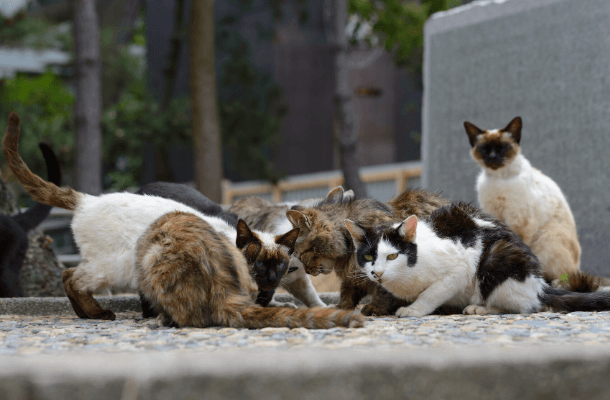
Trap, Neuter, Release (TNR) is a program by which feral cats are trapped, spayed or neutered, and then released back into the environment. Rather than immediately reducing feral cat numbers through removal, TNR practitioners hope to slowly reduce populations over time.

The scientific evidence regarding TNR clearly indicates that TNR programs are not an effective tool to reduce feral cat populations. Rather than reducing populations, studies have shown that feral cat colonies persist and may actually increase in size even with TNR programs in place.

Why TNR Programs Fail

TNR programs fail because they do not operate in an enclosed system and cannot spay or neuter a sufficient number of cats to affect feral cat numbers at the population level. Despite the good intentions of many involved in TNR programs, TNR has been found to be an ineffective use of time, money, and resources.

For example, one evaluation of two long-term TNR programs in California and Florida indicated that “any population-level effects were minimal.” The team of researchers concluded that “no plausible combination of [conditions] would likely allow for TNR to succeed in reducing population size.”

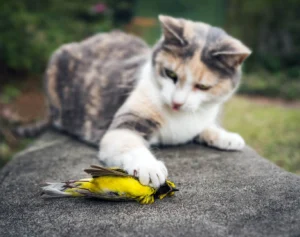
Once feral cats are spayed or neutered, they are then abandoned back into the environment to continue a feral existence. Feral cats continue to pose a risk to birds, other native wildlife, and public health.

TNR is Bad for Cats, Too

While they may receive veterinary treatment and vaccination when they are first captured as part of a TNR program, feral cats typically do not receive the ongoing care that helps them live long, healthy lives. TNR programs may lack the resources for testing and vaccination, and recapturing cats is extremely difficult. Any ongoing illnesses, such as ticks, respiratory infections, or ringworm, can’t be treated on a one-time basis, and cats may not be re-vaccinated.

Not only is this systematic abandonment inhumane to the cats, but it also perpetuates numerous problems, such as wildlife predation, transmission of disease, and property destruction.

Scientific Literature on TNR

More Resources on Cats, Birds, and TNR