Dual Threat: Overfishing & Bycatch
Marine birds rely on many of the same resources that we do. In fact, it was seabirds that first led humans out to sea as we followed them to rich sources of fish. While we once shared that abundance, decades of unsustainable fishing practices have resulted in overfishing. Not only are we catching ever-larger quantities of fish like tuna for human consumption, but we’re now harvesting smaller fish such as anchovies and sardines to supply feed for cattle and pigs. Overfishing makes scarce the primary food sources that seabirds rely on.
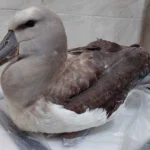
The process of fishing can be deadly for seabirds in another way: they can be caught themselves. Hundreds of thousands of seabirds become victims of bycatch each year when they become entangled in mile-long gillnets or ensnared on hooked longlines used by many fisheries. Though unintentional, losing birds to bycatch is a blow to species that are already experiencing declines. Many seabirds are long-lived — the world’s oldest known wild bird is a Laysan Albatross well into her 70s — and slow to reproduce. It is difficult to reverse a downward population trend for a species that may be losing more individuals than it’s gaining.
We’re advancing new technologies and solutions that reduce the threats fisheries pose to seabirds, working directly with fisheries to find ways to avoid seabird bycatch. We are engaging the public, encouraging people to seek out and build demand for sustainably harvested, seabird-friendly seafood. Seabirds are struggling, and they can’t afford to be a group of birds we simply don’t see. We are working to make these birds visible and highlight the deep-rooted kinship we share with them.
Explore ABC's Solutions
To reduce the risks of accidental bycatch and overfishing, ABC develops innovative tools that make small-scale fisheries safer for seabirds and advocates for policy change and consumer action.