Overview
About
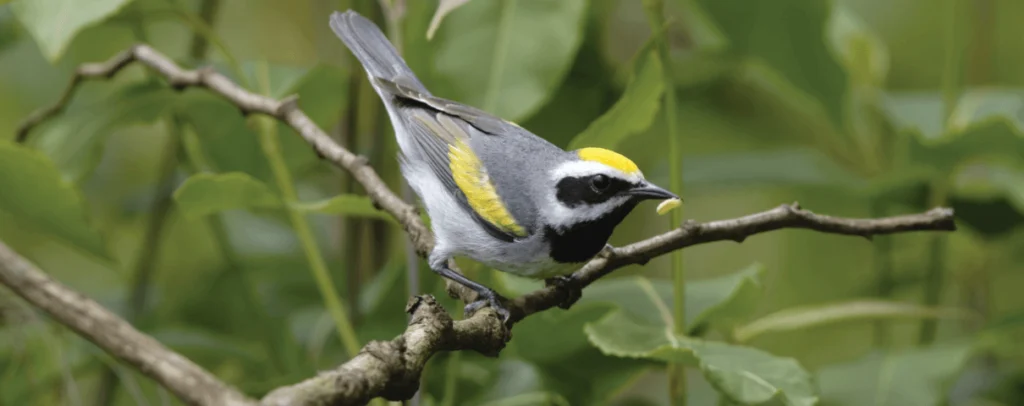
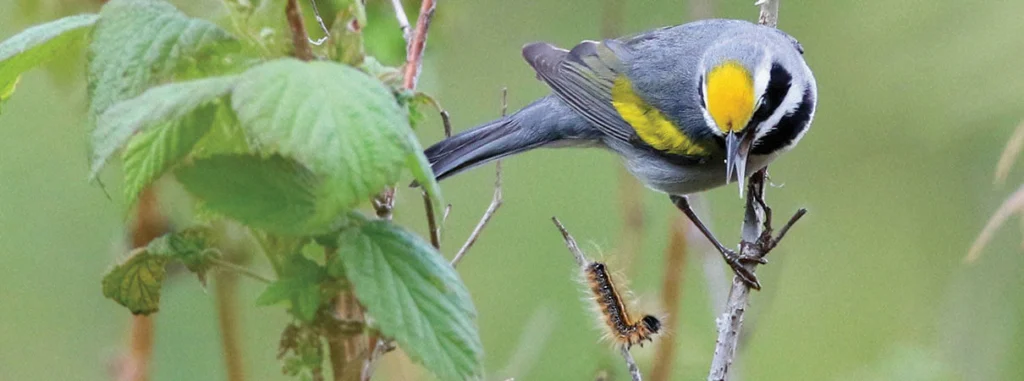
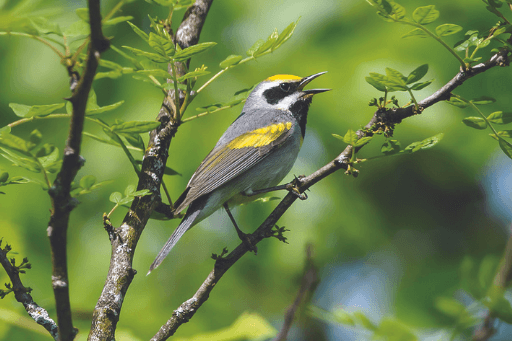
Tiny, nimble, and sporting a bold black mask and “bib” under its bill, the Golden-winged Warbler might be mistaken for a Black-capped Chickadee at first glance. But it’s the long, thin bill and the splashes of vivid golden-yellow on its crown and wings that distinguish this long-distance migratory warbler.
Though they are denizens of shrubby, early successional habitats (areas that are in the early stages of regenerating following a disturbance, such as a fire or a clearcut) in the nesting season, Golden-winged Warblers and their recently fledged young relocate to nearby mature forests that provide adequate cover for fledglings from predators. The loss of quality brushy, young forest habitat across much of its breeding range has contributed to sharp declines in an already uncommon warbler.
Another threat comes from a close relative, the Blue-winged Warbler, which shares more than 99 percent of its genetic material with the Golden-winged Warbler. The two species regularly hybridize, and the once-uncommon Blue-winged Warbler has surged northward into the Golden-winged’s range. The Golden-winged Warbler has become much scarcer and is at risk of being genetically “swamped” by its more numerous and widespread relative where their ranges meet.
To gain a foothold and begin to recover from the loss of more than 60 percent of its population, the Golden-winged Warbler needs active habitat conservation throughout its annual life cycle, from the shrubby, early successional habitats where it nests to the open forests of Latin America and the Caribbean, where it spends its nonbreeding season.
Threats
Birds around the world are facing threats, and many species are declining. The Golden-winged Warbler has experienced a drop in its population of more than 60 percent, including a loss of nearly all of its population in the Appalachians. In addition to competition and hybridization with the Blue-winged Warbler, the Golden-winged Warbler faces challenges throughout its full annual cycle from habitat loss and degradation, and collisions.
Habitat Loss
The Golden-winged Warbler has suffered one of the steepest declines of any songbird, losing upwards of 60 percent of its population since 1966. The early successional habitat it needs for breeding has become scarcer as natural processes such as fire that prompt forest regeneration have been suppressed. On the nonbreeding grounds, the open forests used by Golden-winged Warblers are sometimes cleared and converted for other uses.
Collisions - Communication Towers
Golden-winged Warblers have an exceptionally high mortality rate from collisions with communication towers. Every year, Golden-winged Warblers, along with an estimated 7 million other birds collide with communication towers in North America.
Conservation Strategies & Projects
ABC works in the places birds like the Golden-winged Warbler need us most, engaging our partners to implement science-backed conservation solutions on both the breeding grounds and nonbreeding grounds. ABC is a member of the Golden-winged Warbler Working Group, which has released conservation blueprints with the goal of boosting the warbler’s numbers by 50 percent within the next 50 years.
Restoring Habitat
ABC is working with partners to restore habitat through forest stewardship on public, tribal, and private lands in Wisconsin, Michigan, Minnesota, Pennsylvania, Maryland, Tennessee, and North Carolina. We participate in the Appalachian Regional Reforestation Initiative, a coalition working to restore forests on reclaimed mine sites in association with the ABC-supported Appalachian Mountains Joint Venture. The Golden-winged Warbler is also one of nine focal species for the USDA Natural Resources Conservation Services’ (NRCS’s) Working Lands For Wildlife (WLFW) program. Between 2012 and 2020, ABC assisted NRCS with enrolling more than 23,500 acres of private forest land in WLFW.
Creating & Maintain Reserves
We collaborate with partners throughout Central and South America to protect habitat in places like Nicaragua, Colombia, and Honduras. Our network of ABC-supported reserves encompasses more than 1.1 million acres of protected land in 15 countries throughout Latin America and the Caribbean. More than 3,000 species, from the rarest range-restricted birds to Neotropical migratory birds, benefit from ABC-supported reserves.
Protecting Migration
ABC’s BirdsPlus program helps working lands in Latin America and the Caribbean become better bird habitat by incentivizing landowners to adopt bird-friendly practices. Companies, local communities, and owners of working lands can access funding streams to start their work or scale up habitat conservation on coffee and cacao plantations, ranches, and more.
Bird Gallery
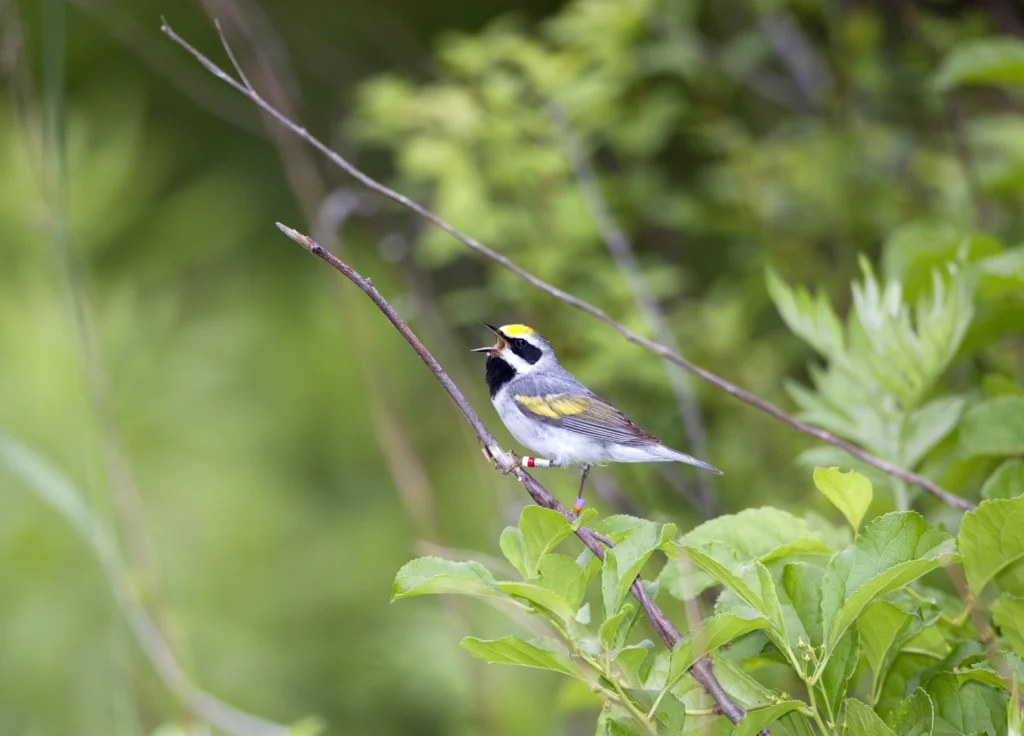
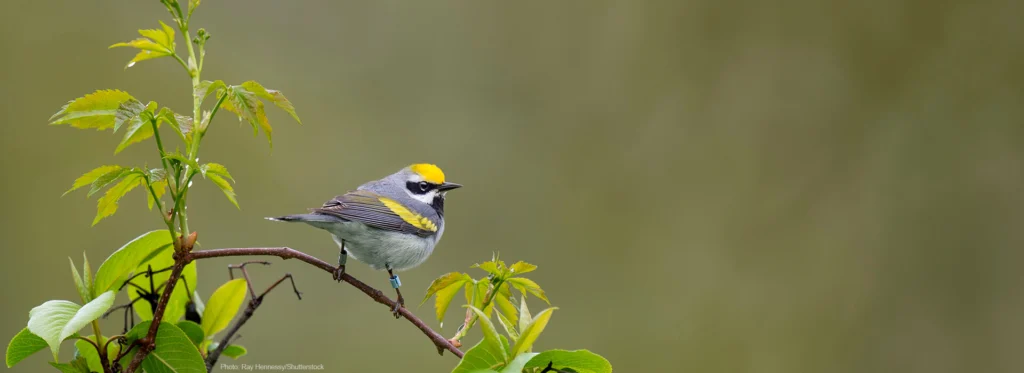
The Golden-winged Warbler is a small, slender, and active bird. The male is gray above and white below, with a striking black mask and throat set off by a golden cap and patches on the wings. The female boasts the same pattern of markings, but subtler, with the black mask and neck of the male showing as a dusky gray on the female. The golden patches on the female take on a greenish tint, but are still striking.
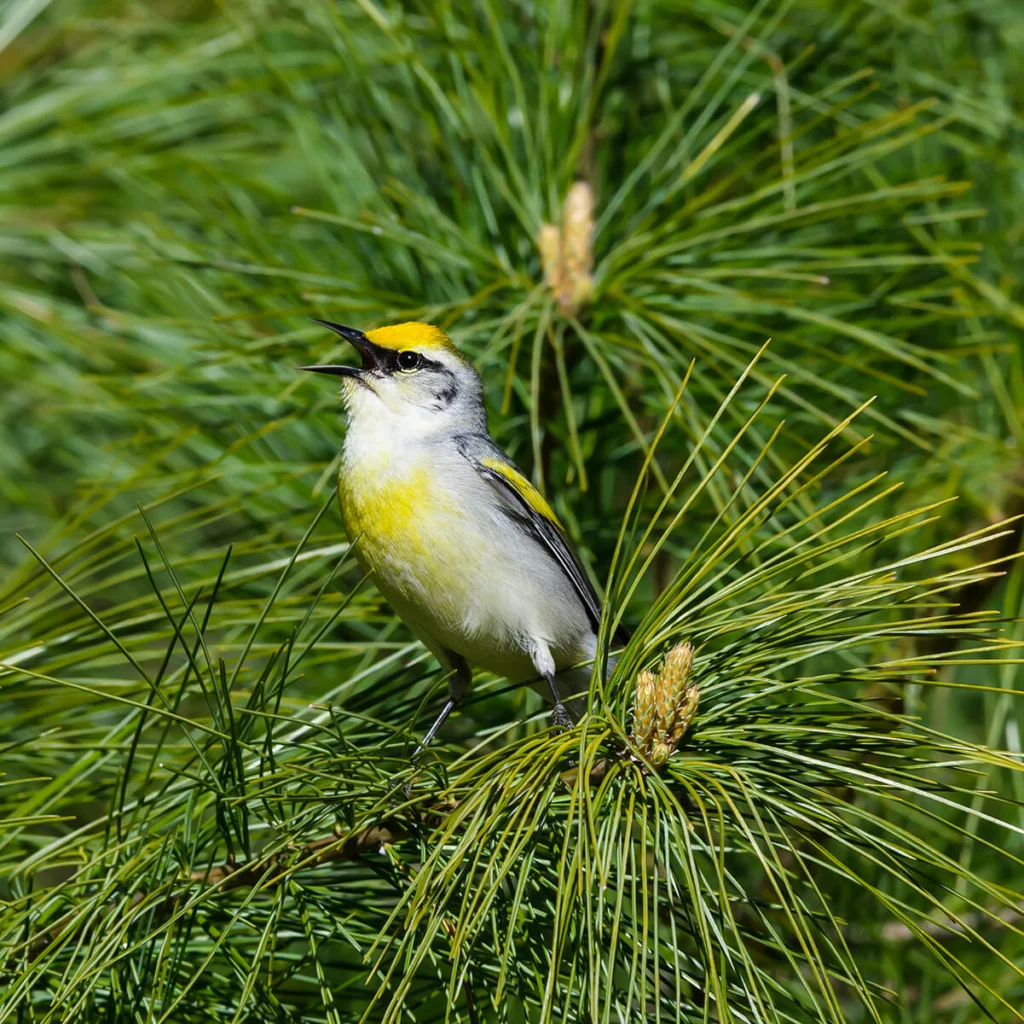
Hybrids of Golden- and Blue-winged Warblers include two distinctive forms known as “Brewster’s” and “Lawrence’s” Warblers. These birds, which may sing the song of either parent or variations of both, challenge and confuse birders. Brewster’s Warblers have the golden wing patches and white belly characteristic of a Golden-winged, but the white throat of a Blue-winged Warbler. Lawrence’s Warblers, on the other hand, have a Golden-winged’s black throat and a Blue-winged’s white wing patch and yellow belly.
Sounds
The male Golden-winged Warbler sings two distinct songs. The first is a rather quiet, buzzy series of 5–7 thin notes: bee-buzz buzz buzz buzz buzz, sometimes followed by shorter notes. The second song type is a buzzy series of trills.
In general, males sing the first song type after arriving on the breeding grounds but before finding a mate; the second song type is heard more often during the nesting season, when the male is defending his territory.
Andrew Spencer, XC48305. Accessible at www.xeno-canto.org/48305.
Andrew Spencer, XC48269. Accessible at www.xeno-canto.org/48269.
Habitat
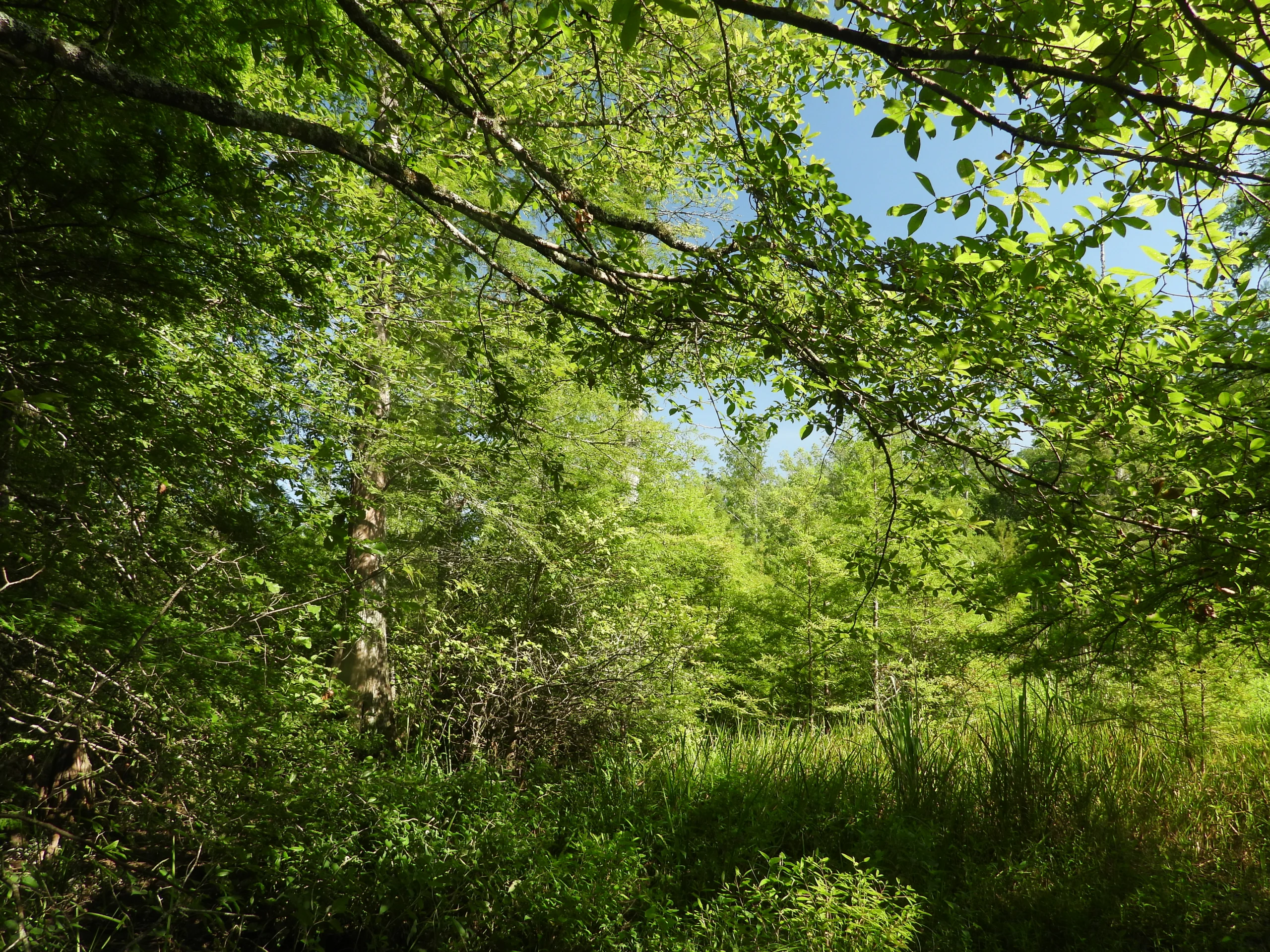
The Golden-winged Warbler requires a mosaic of habitat throughout its annual cycle, nesting in shrubby, early successional habitats and raising young under the cover of an adjacent mature forest, which also offers access to a bounty of caterpillars and other insects.
- Breeds in forested landscapes interspersed with dense, early successional habitats shared by bird species such as the Prairie Warbler, Common Yellowthroat, Indigo Bunting, and American Woodcock. These habitats may include old fields and orchards, open scrubland and marshes with scattered trees, and young forest resulting from natural disturbance or timber harvesting.
- Winters in mid-elevation forests and edges, and shade coffee plantations
Range & Region
Specific Area
Eastern North America, South America
Range Detail
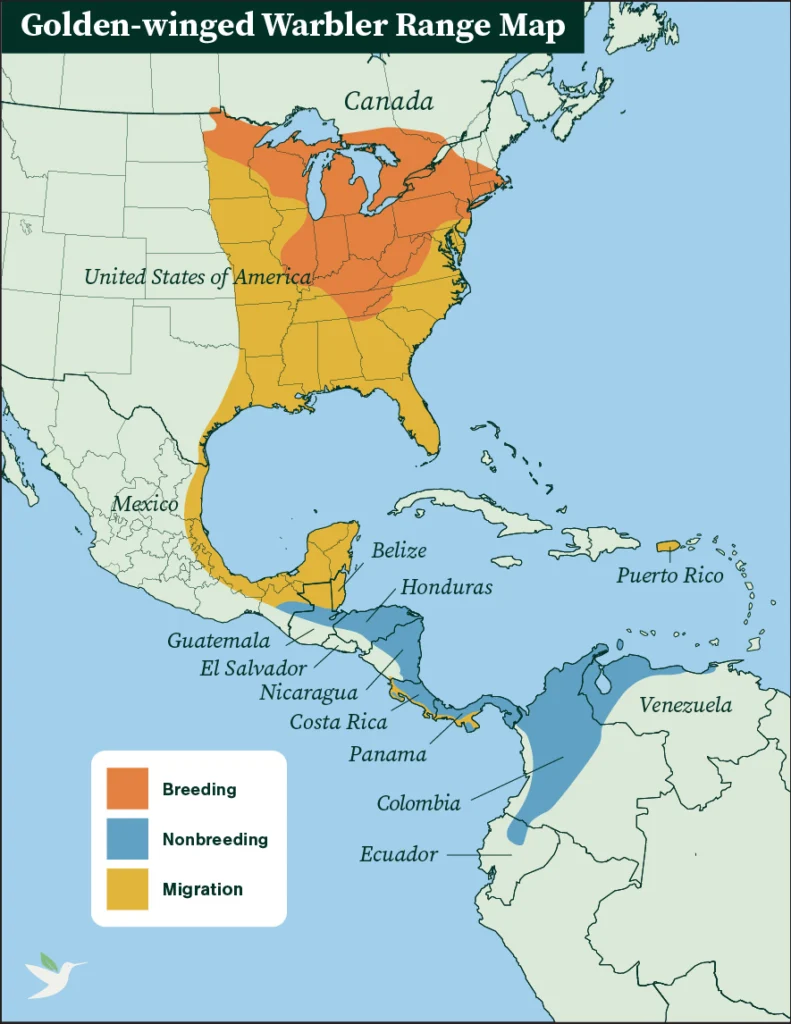
The Golden-winged Warbler’s breeding range covers the Great Lakes region and includes much of the Upper Midwest and the Appalachians, with about 95 percent of all Golden-winged Warblers breeding in the Upper Great Lakes (primarily in Wisconsin, Minnesota, and Manitoba). It undertakes a lengthy migration to southern Central America and northern South America for the nonbreeding season, where it’s primarily found from Guatemala to Colombia.
Did You Know?
Golden-winged Warblers may migrate faster or slower, depending on the conditions of the forest habitat when they depart. A study found that Golden-wings in drier, less forested areas left their nonbreeding grounds earlier but traveled more slowly than those in wetter, more forested areas. The latter group tended to depart later but were quicker on the wing, even bypassing those that took off earlier. Why? It might come down to wetter forests having more abundant resources that let birds store more energy reserves and stop less frequently while they migrate.
Life History
Golden-winged Warblers are nimble, moving with chickadee-like speed and agility, sometimes dangling acrobatically from branches as they inspect leaves for insects. Fittingly, they are known to forage alongside Black-capped Chickadees. Males are bold, loud, and conspicuous when setting up their territories at the beginning of the breeding season. That changes once a male finds his mate and they quietly and furtively go about the business of nest building and raising young.
Diet
Insects make up the bulk of the Golden-winged Warbler’s diet. They use their thin, sharp bills to access caterpillars, moths, other insects, and spiders in curled leaves.
Courtship
Males zealously defend their territories and pursue their mates, chasing after females, performing flight displays, and flicking their tails. For the most part, Golden-winged Warblers are monogamous.
Nesting
The female Golden-winged Warbler selects a hidden nest site on the ground at the base of a small woody stem or in a thick clump of vegetation, often along a forest edge. She builds a cup-shaped nest of leaves, bark, and grasses and lines it with soft hair or animal fur. This species is sensitive to disturbance while nest-building, and may abandon a site during construction or even while eggs are being laid.
Eggs & Young
The female incubates a clutch of 3 to 6 eggs (an average of 5) for approximately a week and a half. She and her mate feed the hatchlings and protect the nest, drawing potential predators away by repeatedly chipping loudly and carrying food to another spot. Young Golden-winged Warblers fledge after about nine days, and once they are all out of the nest, the parents split the brood, each taking them in different directions. They move into sapling stands and older forests with dense understory, which provide greater protection and abundant caterpillar prey. The parent birds continue to accompany and feed their young for about a month after they fledge.