Overview
About
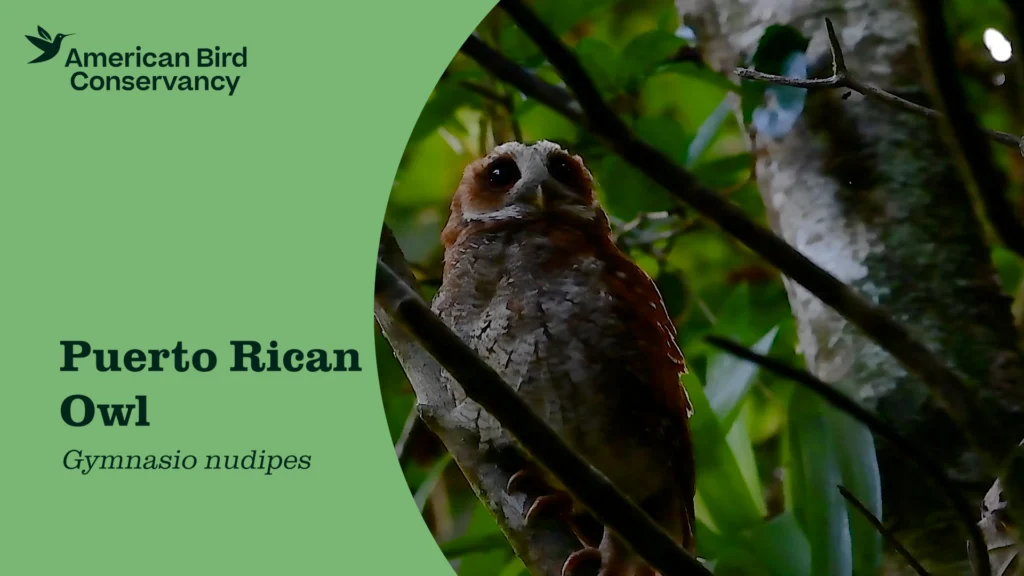
The Puerto Rican Owl has the distinction of being the island’s only endemic owl. At dusk, the owl’s guttural trilling call can be heard ringing out from forests as well as urban environments. The Puerto Rican Owl is known locally as múcaro, a name derived from the Indigenous Taíno word múcuru, translated as “eagle of the night.”
Though common and widespread in Puerto Rico, the natural history of this endemic species remains mysterious. Once thought to be a member of the scops-owls of the Eastern Hemisphere, and later of the screech-owls found throughout the Americas, this species has recently been recognized as the sole member of its own genus, Gymnasio. The Puerto Rican Owl’s closest relative is the Flammulated Owl of western North America, itself another unique species in its own monotypic genus. These two sister species are thought to have diverged from the screech-owls about 20 million years ago.
Unusual among owls, the Puerto Rican Owl’s feet and lower legs are completely bare of feathers. This accounts for both its genus and species names — “gumnos” is Greek for “naked,” and “Asio” is the genus name of the “eared owls,” a similar-looking group that includes the cosmopolitan Short-eared Owl. Nudipes comes from the Latin words “nud” for naked and “pes” for feet. Taken together, this is the “Naked-footed Naked Eared Owl”!
Threats
Birds around the world are declining, and many of them are facing urgent, acute threats. Endemic island species like the Puerto Rican Owl are often among the most vulnerable to threats such as habitat loss and harmful invasive species. As a primarily insectivorous bird, the Puerto Rican Owl is also vulnerable to the impacts of insecticides.
Habitat Loss
Though once found on several of the Virgin Islands, the Puerto Rican Owl has since become extinct outside of Puerto Rico, likely due to the clearing of old-growth forests in favor of plantation crops. In Puerto Rico, loss of habitat due to development remains a threat.
Cats & Invasive Species
Invasive species, including domestic cats, are the leading human-caused driver of bird population declines. In Puerto Rico, wildlife rehabilitators note that outdoor cats and the invasive small Indian mongoose will prey on Puerto Rican Owls, particularly young that have recently left the nest.
Pesticides & Toxins
With their diet consisting primarily of insects, Puerto Rican Owls are highly susceptible to the negative effects of insecticides, especially where forest edges meet agricultural areas. Pesticides may reduce the amount of available insect prey, or owls may be poisoned directly by eating poisoned insects.
Conservation Strategies & Projects
Endemic island birds like the Puerto Rican Owl need our help. At ABC, we’re inspired by the wonder of birds and driven by our responsibility to find solutions to meet their greatest challenges. For instance, ABC works with partners to call for the regulation or cancellation of the pesticides and toxins most harmful to birds. With science as our foundation, and with inclusion and partnership at the heart of all we do, we take bold action for birds across the Americas.
Creating & Maintaining Reserves
Habitat is the foundation for birds’ survival. Working with partners and local communities throughout the Caribbean, ABC supports a growing network of protected areas in more than a dozen countries. Totaling more than 1.3 million acres, nearly one-third of the world’s birdlife (more than 3,000 species) is protected by an ABC-supported reserve.
Keep Cats Indoors
Cats make wonderful companions, but they’re safest (and birds are, too) when they’re kept indoors or under the control of their owners. ABC advocates for responsible cat ownership, encouraging millions of pet owners to take steps to keep their cats contained and advocating for policies that benefit birds, cats, and human health.
Bird Gallery
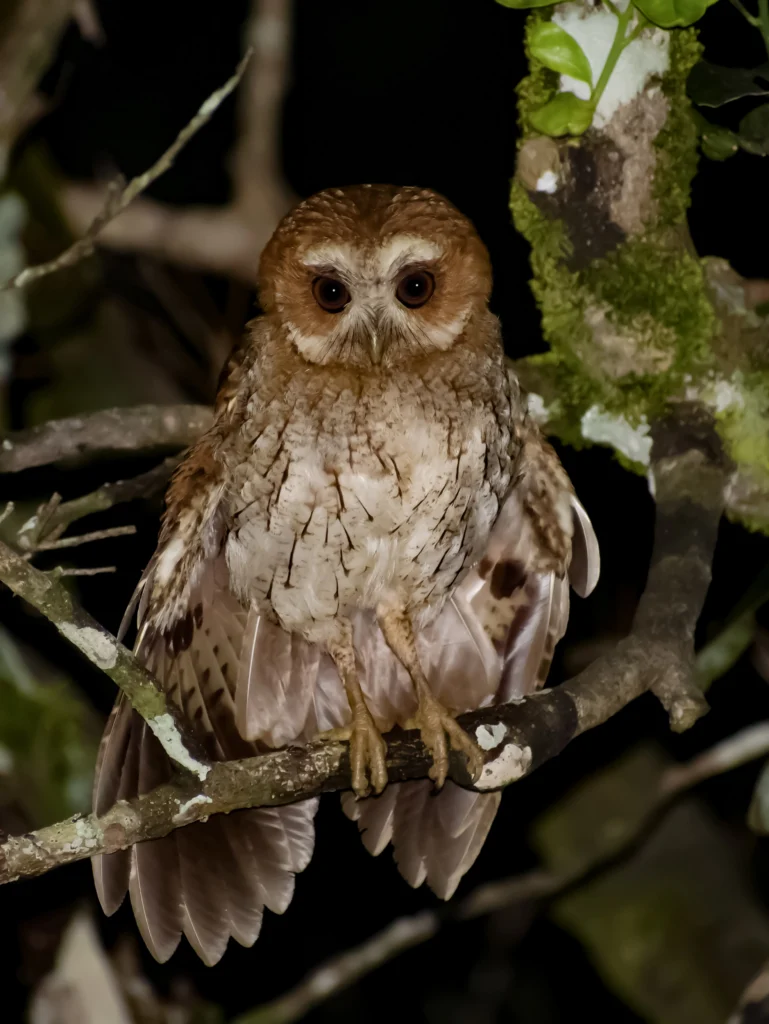
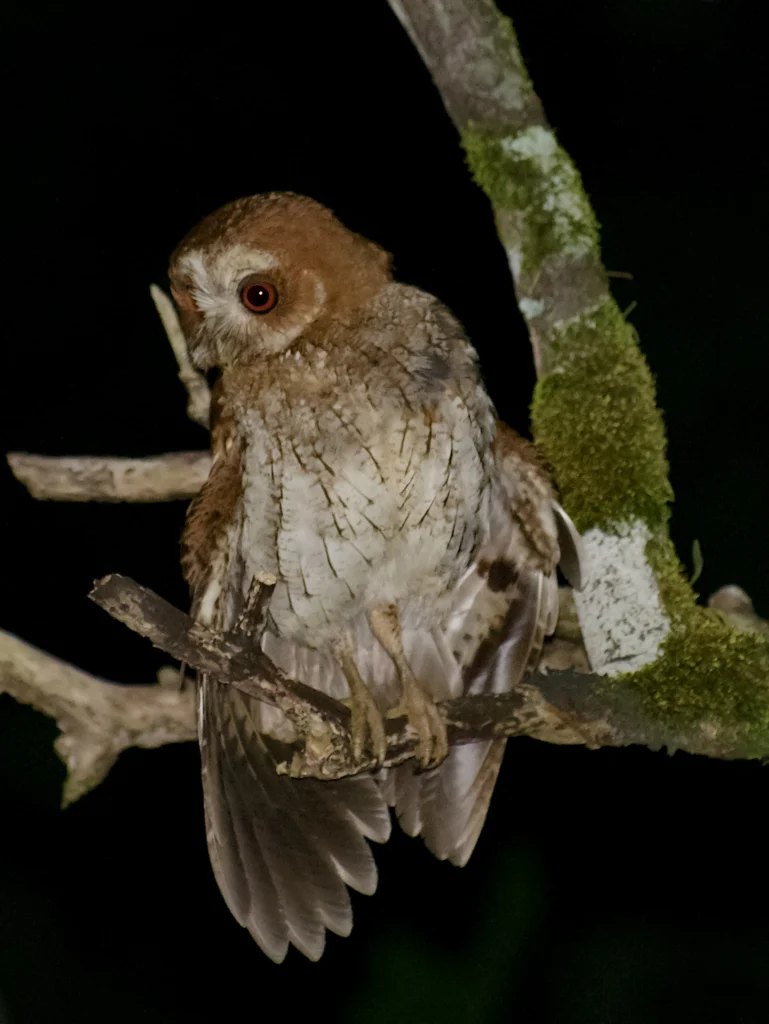
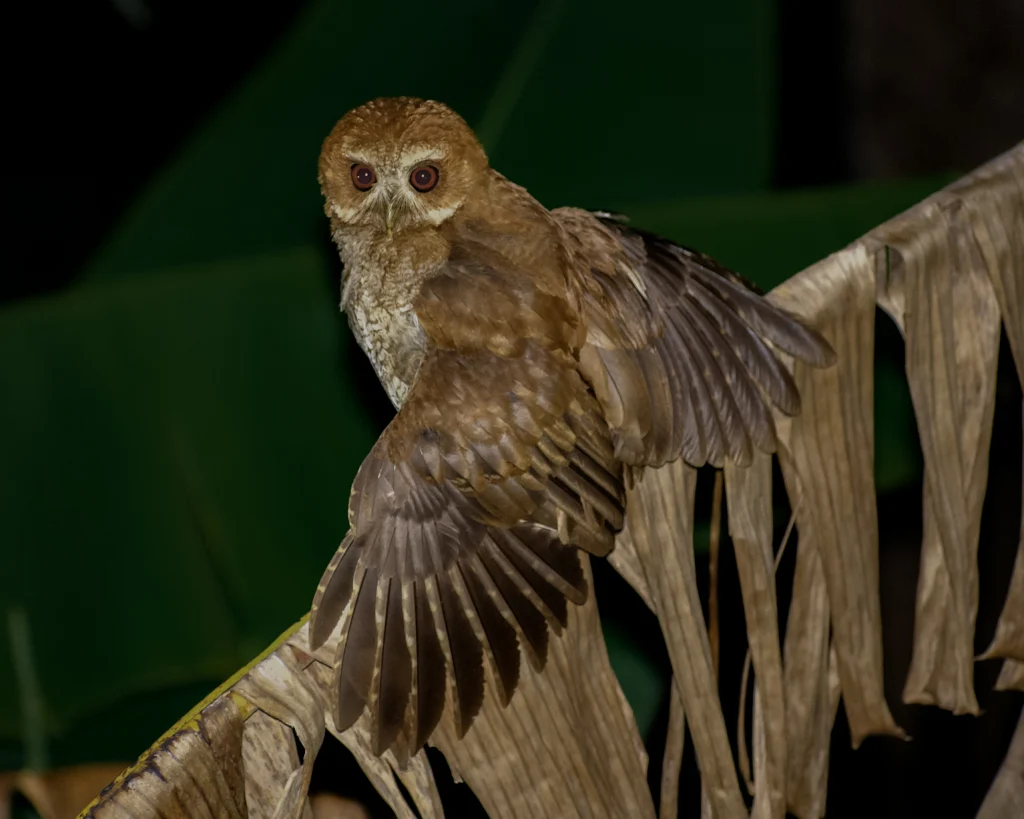
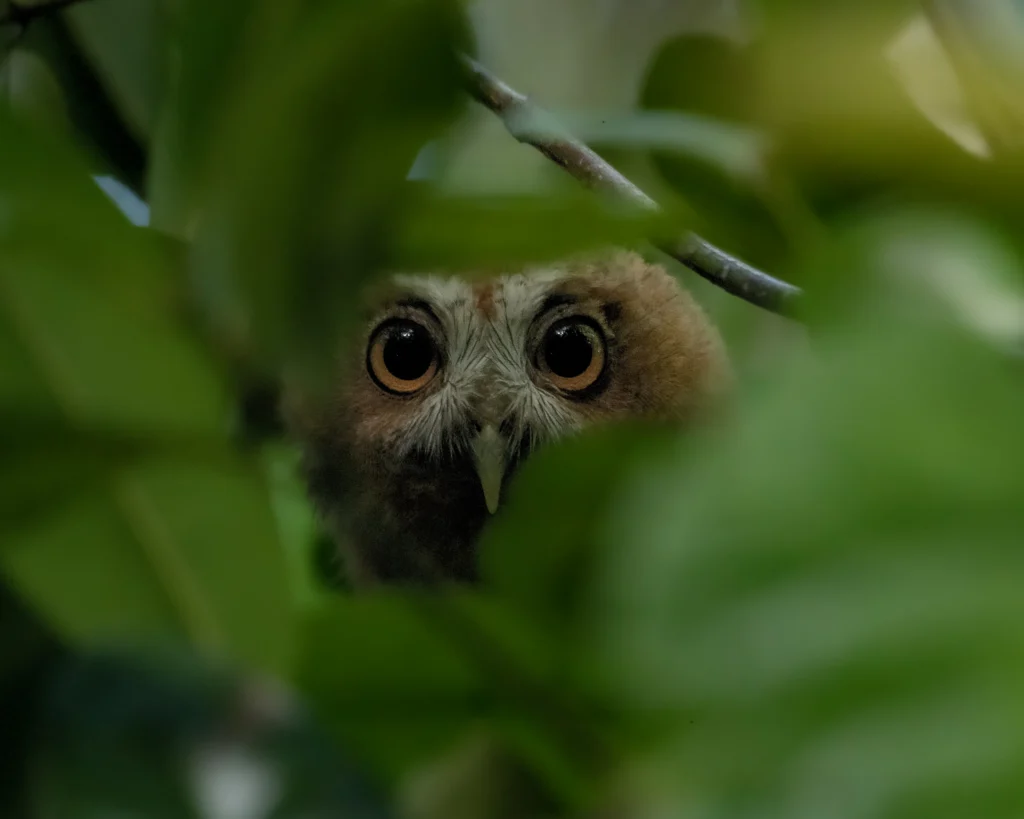
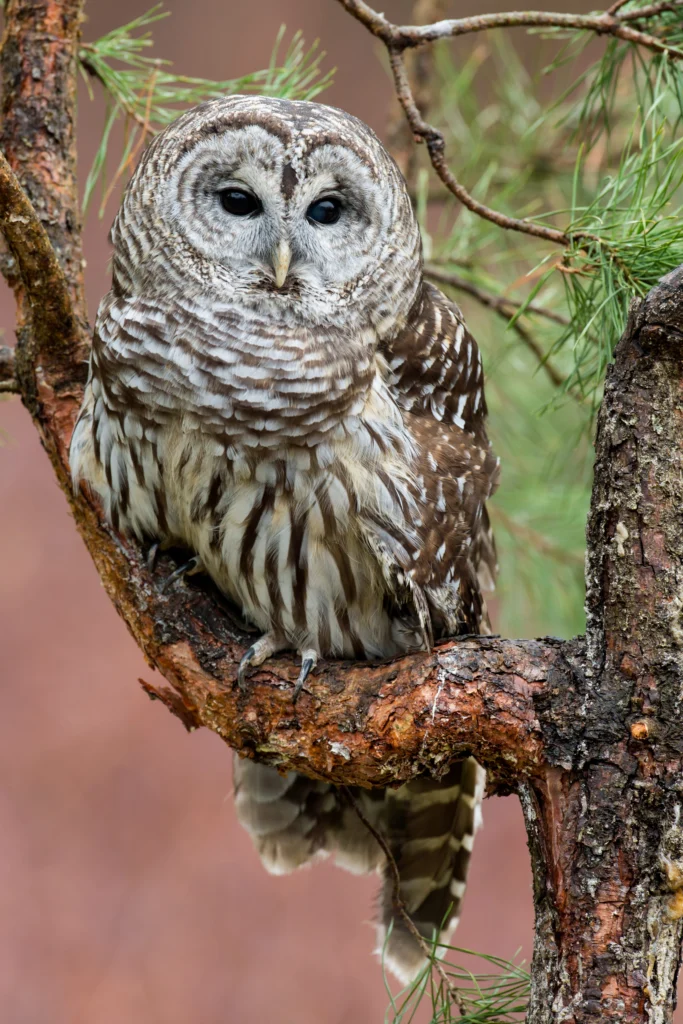
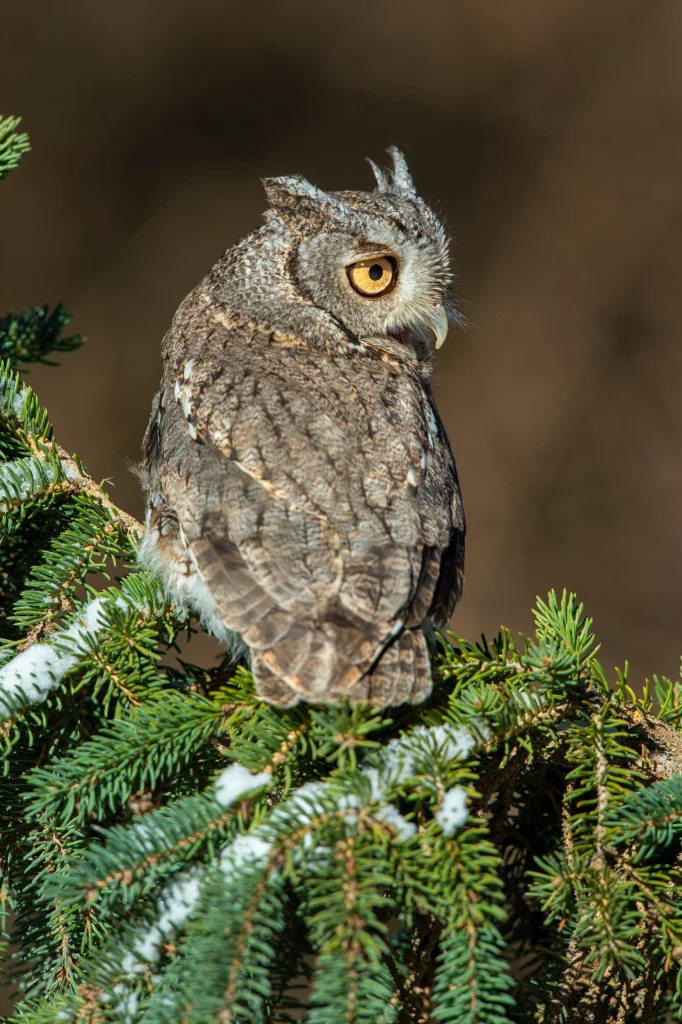
The Puerto Rican Owl is similar in size and shape to the North American screech-owls, but lacks the characteristic ear tufts. Like these other medium-sized owls, there are both brown and rufous color morphs. Both morphs have orange to yellow irises, a uniformly colored head, and a white belly and flanks broken by a pattern of dark vertical streaks with intricate crosshatching. Prominent white crescents outline the edges of the facial disk, running from above to below the eye, past the bill. Unusual among owls, the Puerto Rican Owl’s feet and lower legs have no feathers.
Sounds
As with many nocturnal birds, the Puerto Rican Owl is easier heard than seen. The solo territorial song is a 3-5 second trill, fairly low-pitched and with a hollow wooden quality somewhat reminiscent of a toad. An alternative song type is used in duets between the male and female of a mated pair. These songs are similar to the solo territorial song, except that owls open and close their beaks while singing, adding a maniacal quality reminiscent of Australia’s Laughing Kookaburra. Owls also give a variety of calls in various contexts, including a loud coo-coo call, from which the English colloquial name “Cuckoo Bird” is derived.
Credit: Hans Matheve, XC962759. Accessible at www.xeno-canto.org/962759.
Credit: Ross Gallardy, XC308530. Accessible at www.xeno-canto.org/308530.
Habitat
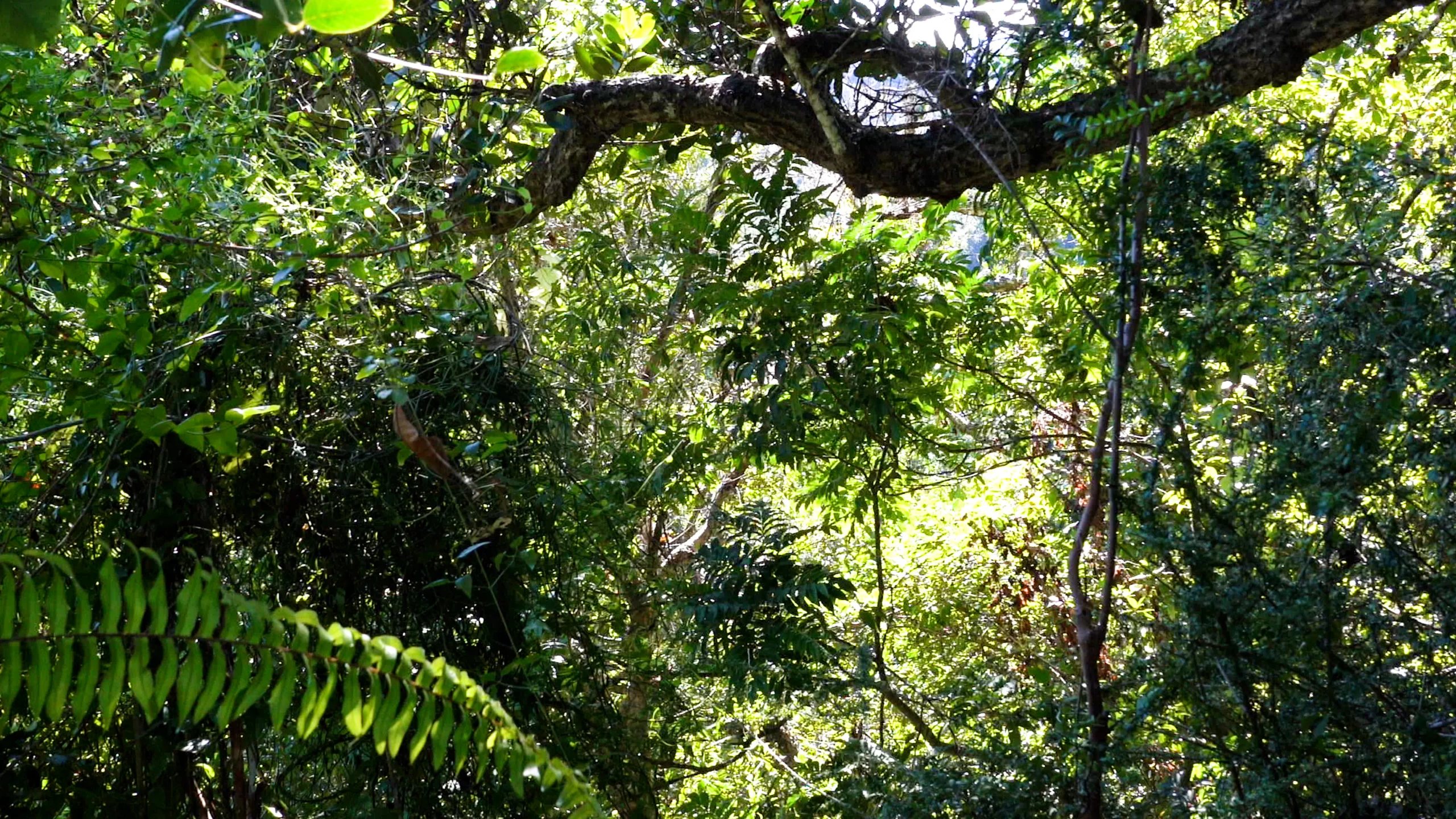
The Puerto Rican Owl prefers humid lowland forest, but will occupy essentially any forested habitat within its range, including urban areas.
- Found in forests from sea level to mountains, up to 900 meters elevation
- Requires tree cavities for nesting
Range & Region
Range & Region
Specific Area
Puerto Rico
Range Detail
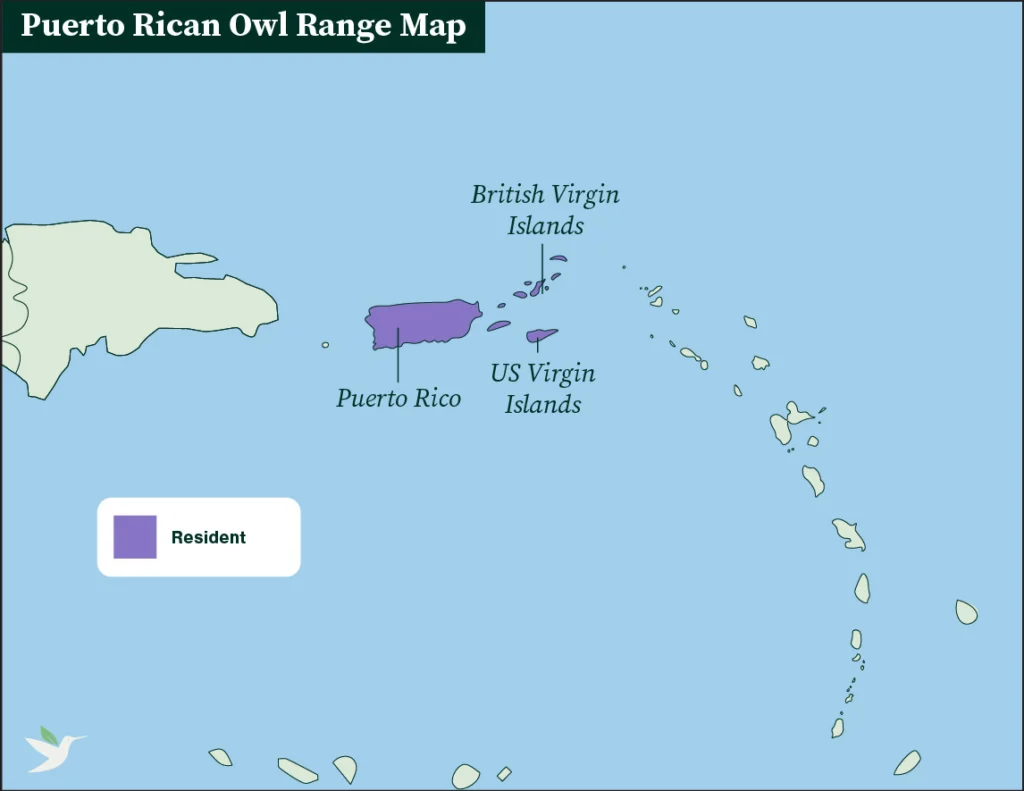
The Puerto Rican Owl is endemic to Puerto Rico, and can be found island-wide in appropriate habitat. It was previously found in the Virgin Islands but has not been sighted since the 1970s and is presumed to be extinct there.
Did you know?
Though unusual, the Puerto Rican Owl is not the only owl species with bare legs and feet. In fact, two other Caribbean species have independently evolved unfeathered lower legs and toes. In a phenomenon that has been referred to as the “Bermuda shorts effect,” the naked legs of these owls may aid in heat dissipation, avoid the weight of soggy leg feathers, be easier to clean, or simply avoid using resources required to grow feathers that aren’t needed in the tropics!
Life History
The Puerto Rican Owl is poorly known and has rarely been the subject of dedicated study. As such, the details of its life history are relatively unknown, though much appears to be similar to other related species of owls.
Diet
This small owl primarily eats insects and arachnids, including scorpions. The Puerto Rican Owl will also eat small vertebrates as well, including lizards and songbirds.
Courtship
The courtship behavior of this species is largely undescribed by science. Duets between the male and female of a pair may play a role in courtship or pair bond maintenance. This owl, like the closely related screech-owls, is assumed to be monogamous.
Nesting
Similar to screech-owls, the Puerto Rican Owl nests in tree cavities. As such, it is reliant on naturally occurring holes in older or dead trees and those created by woodpeckers. In Puerto Rico, this means specifically the abandoned nest cavities of the endemic Puerto Rican Woodpecker, the only woodpecker resident on the island.
Eggs & Young
The Puerto Rican Owl lays one to three white eggs. While other aspects of the Puerto Rican Owl’s nesting behaviors and the lives of young birds are poorly known, closely related species like the Flammulated Owl and the screech-owls have an incubation period of 20-30 days, with young fledging after an additional 20-30 days. The male may provide food to the female during incubation and to the nestlings as well during brooding, with the female contributing to feeding nestlings after a week or two.