Pyrrhuloxia

Cardinalis sinuatus

Male Pyrrhuloxia by Dennis W Donohue, Shutterstock

Pyrrhuloxia

Male Pyrrhuloxia by Dennis W Donohue, Shutterstock

Cardinalis sinuatus

Overview

Conservation Status
Population Trends
Decreasing
Population Size
1.5 million
Family
Buntings
Cardinals
Grosbeaks
Location
North America
Migration Pattern
Latitudinal
Nonmigratory
Migration Distance
Medium Distance
Nonmigratory
Also Known As
  • Cardenal Desértico (Spanish)
  • Parrot-billed Cardinal

About

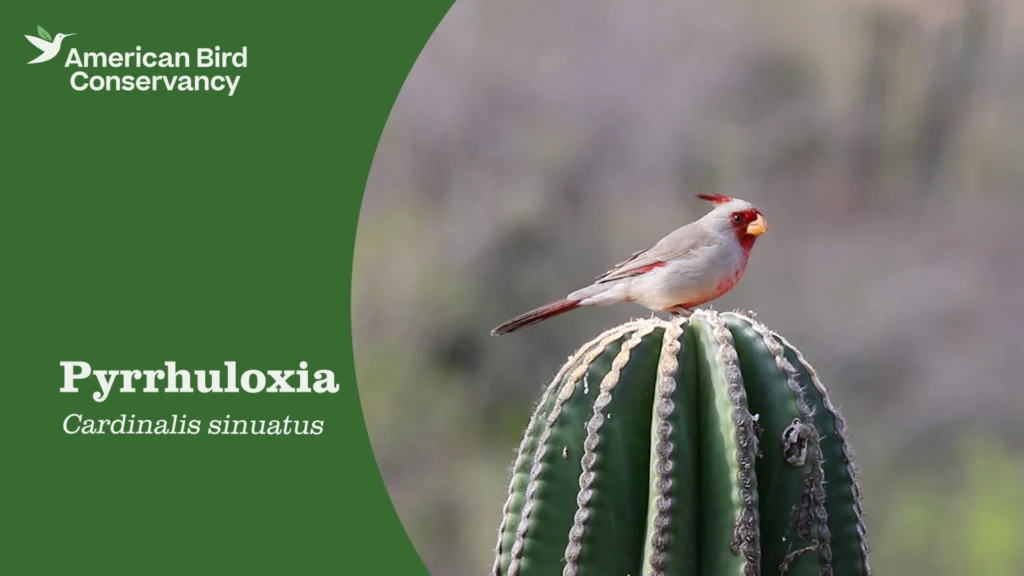
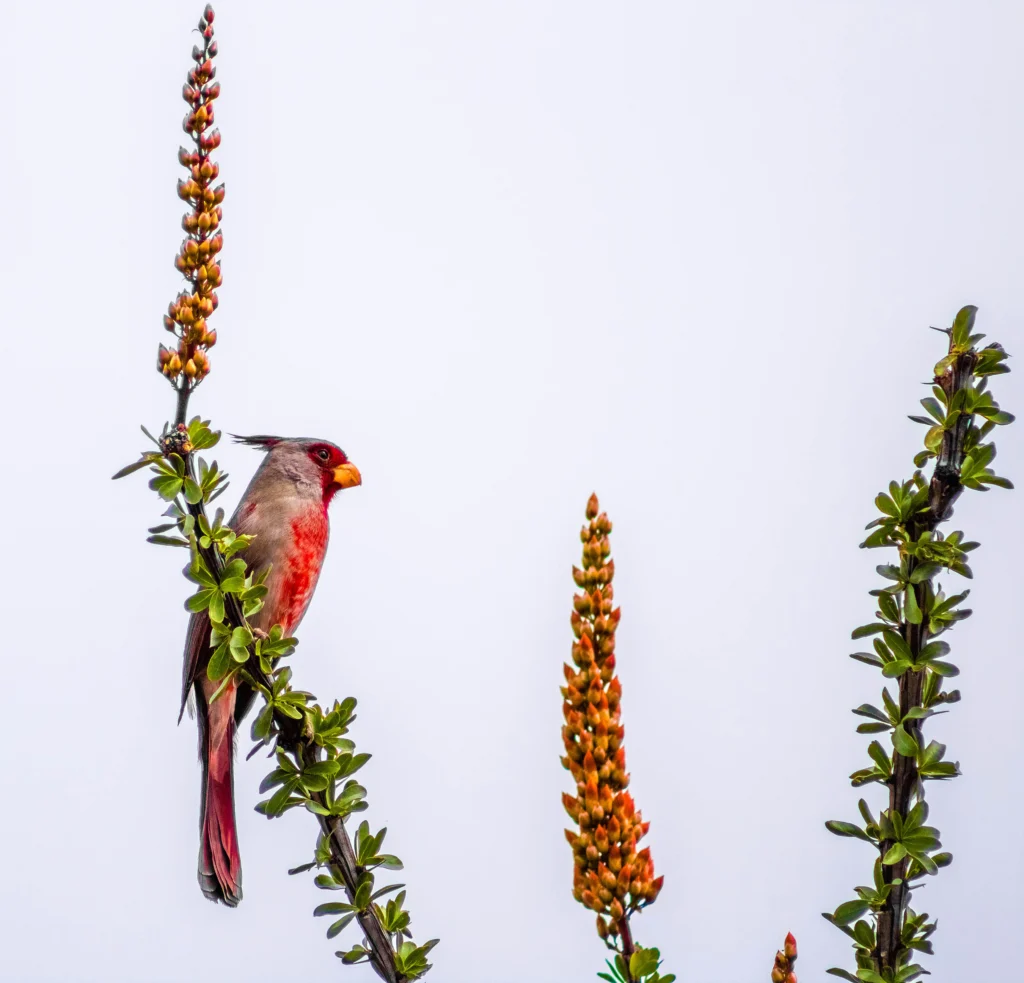
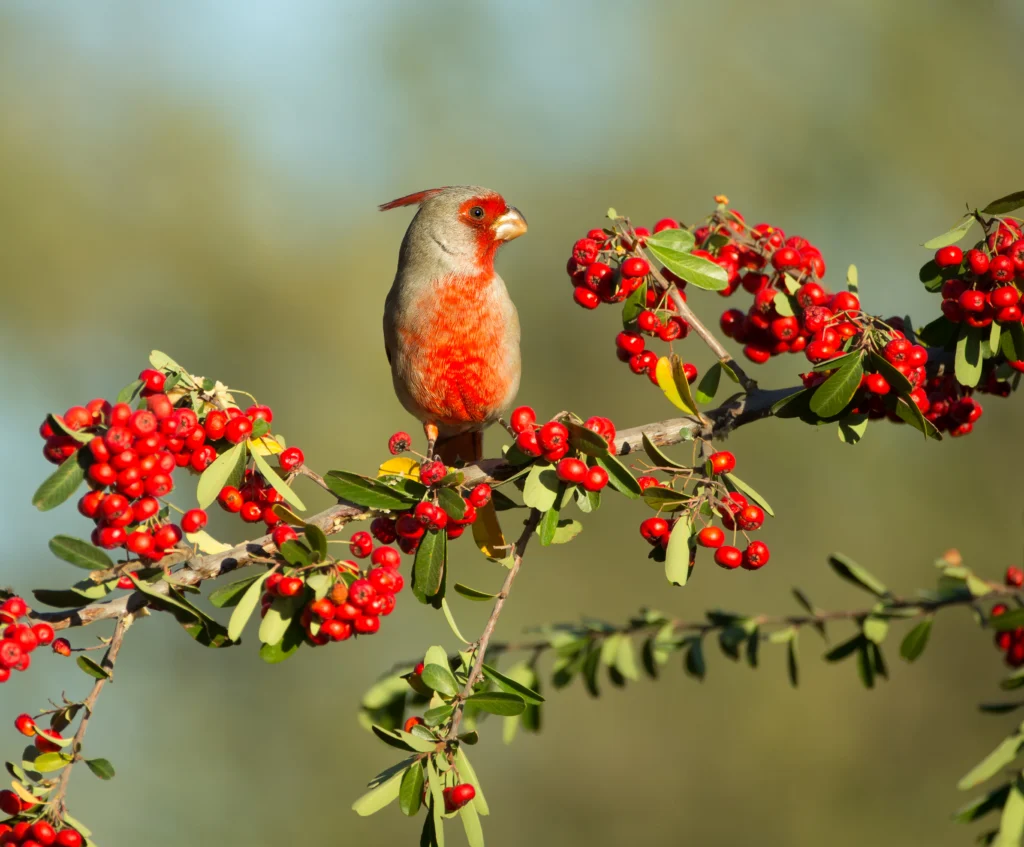
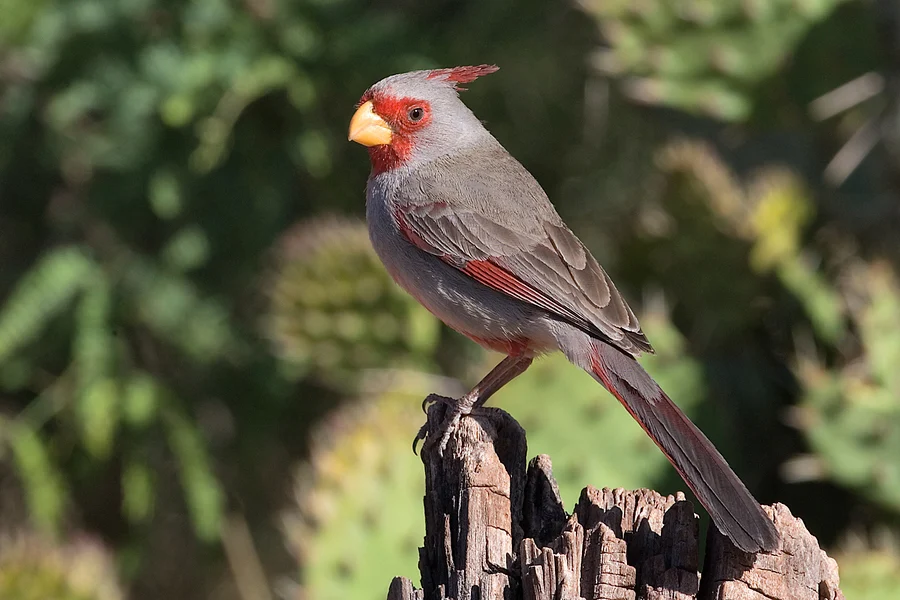
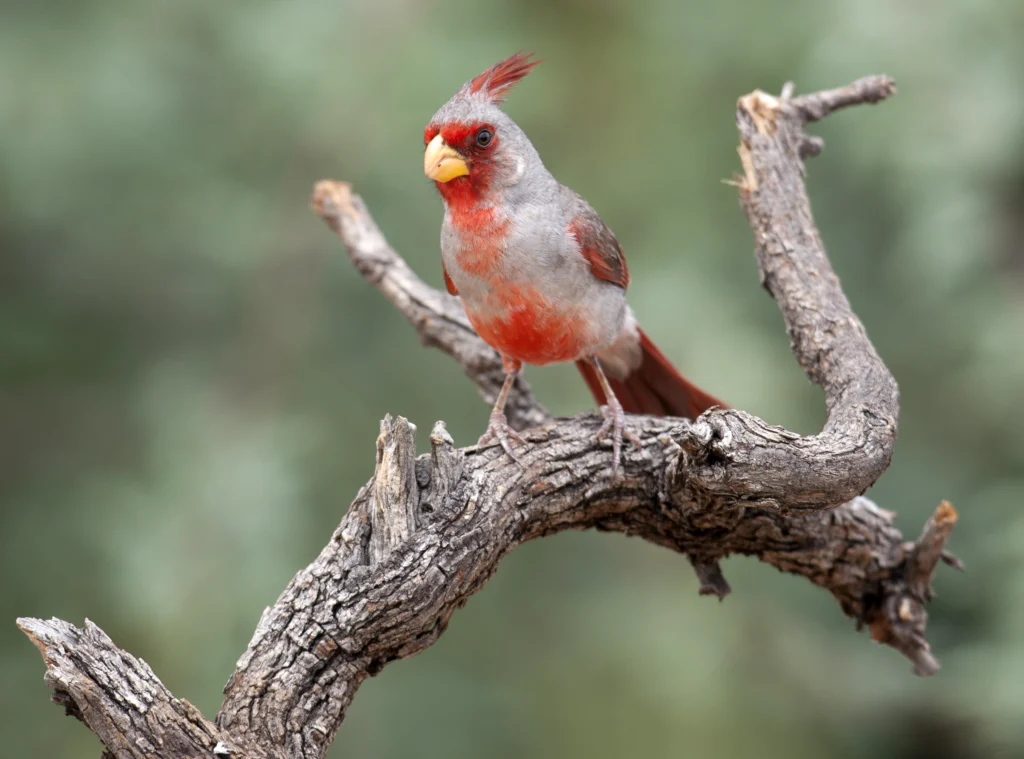
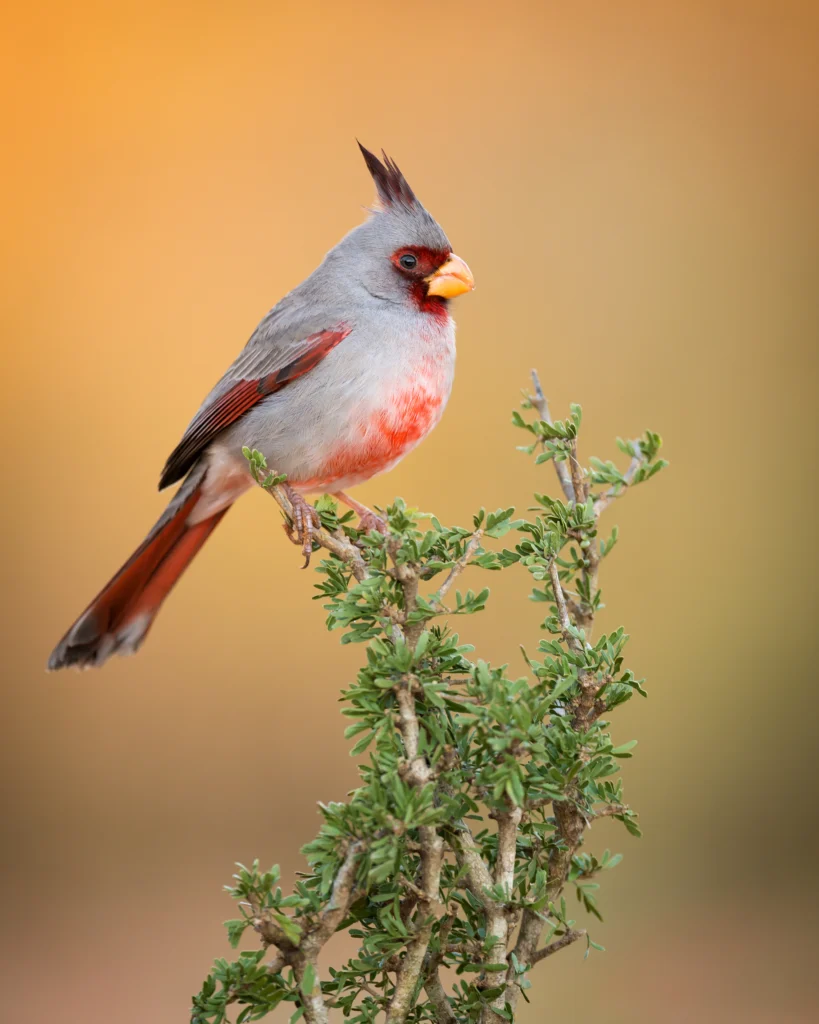
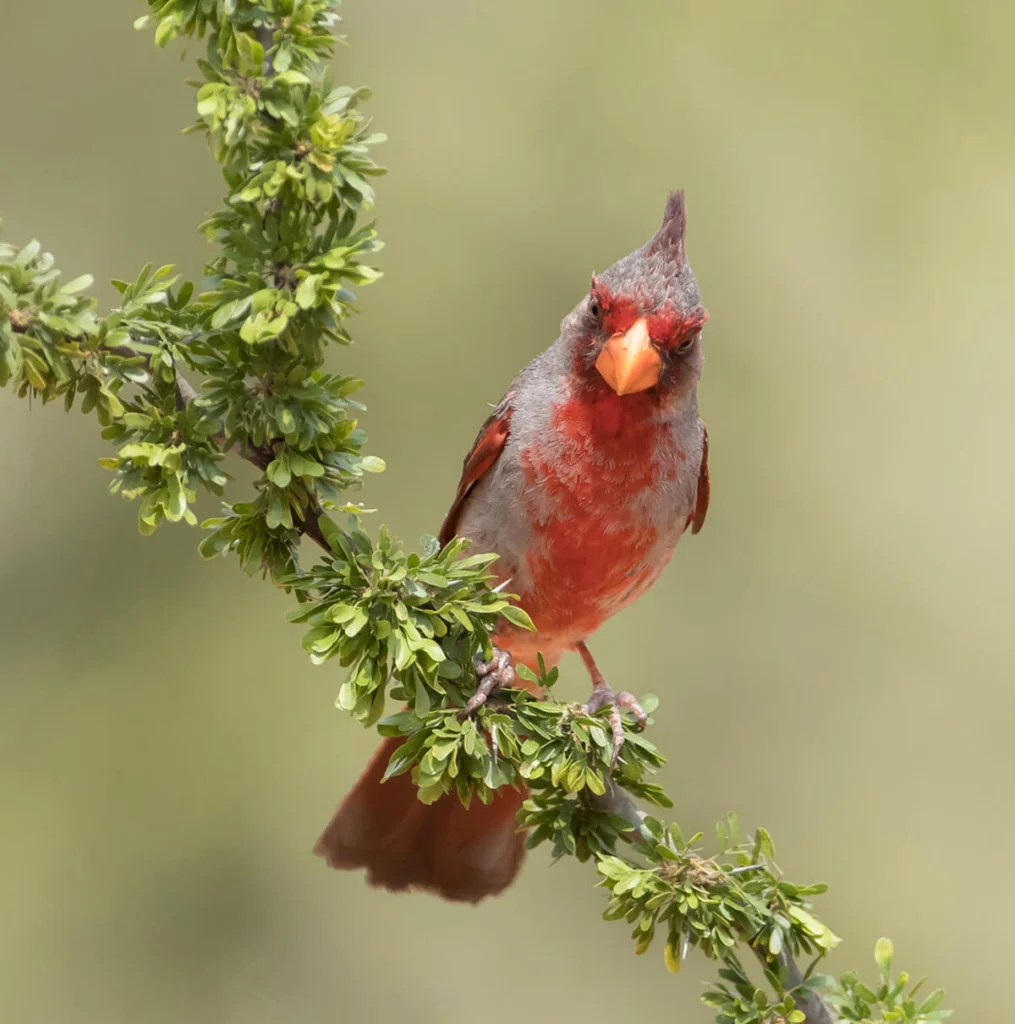
Birders visiting the arid deserts of the southwestern U.S. and northwestern Mexico could easily dismiss the Pyrrhuloxia as just a dull version of its close relative, the Northern Cardinal. The male is plain brownish-gray, with splashes of bright red on its face, underside, wings, and tail and a red-tipped gray crest. The female resembles her Northern cousin even more closely.

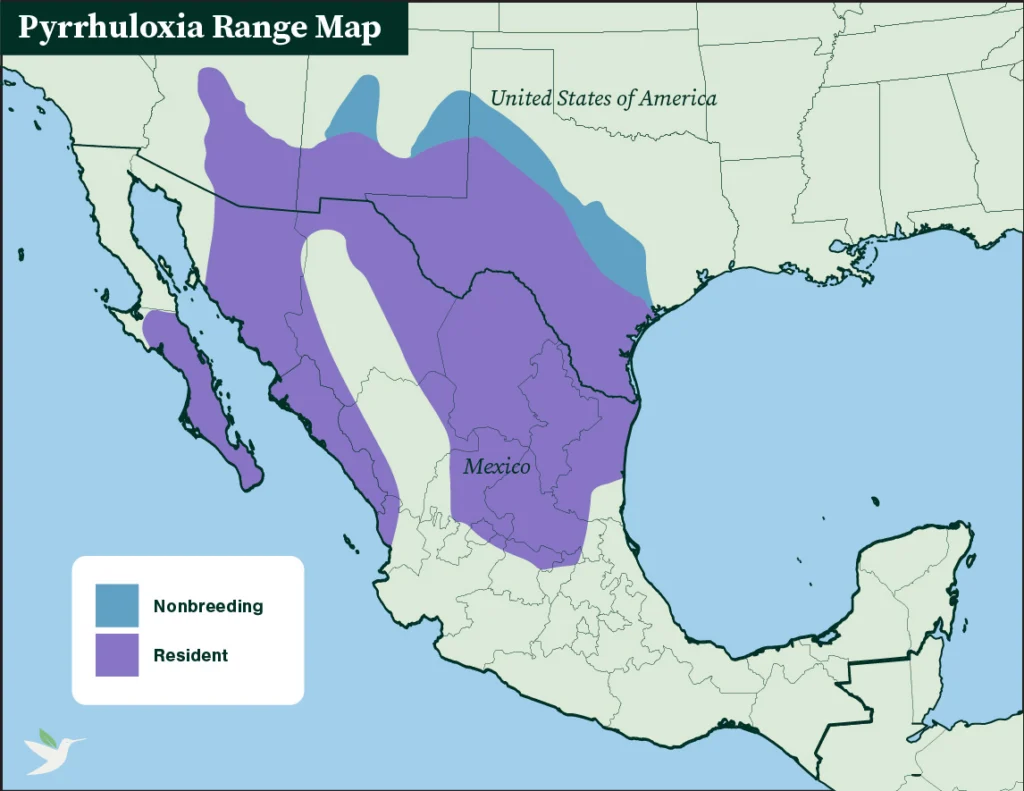
The “desert cardinal” is a year-round resident from central Mexico north into the southwestern United States, from Arizona to Texas. In each of the three separate regions this species inhabits (Sonoran Desert, Chihuahuan Desert/Mexican Plateau, and Baja California), biologists have recognized a separate subspecies, based on differences in plumage and body structure.

The Pyrrhuloxia’s common name is based on its former genus name, which was derived from two Greek words: pyrruos (flame-colored) and loxuos (crooked). The latter term refers to this bird’s stout, yellow, rather parrot-like bill, which has a sharply curved upper mandible. This unique bill shape makes identification of even a dull-colored juvenile Pyrrhuloxia easy.
Threats

Birds around the world are declining, and the Pyrrhuloxia is no exception. It’s considered an Orange Alert Tipping Point species in the State of the Birds, having lost upwards of 50 percent of its population in the past 50 years, with declines increasing in the last 10 years. Though the Pyrrhuloxia is still widespread and common, habitat loss, climate change, and invasive species make this beautiful “desert cardinal” more vulnerable.

Loss of Scrubland Habitat

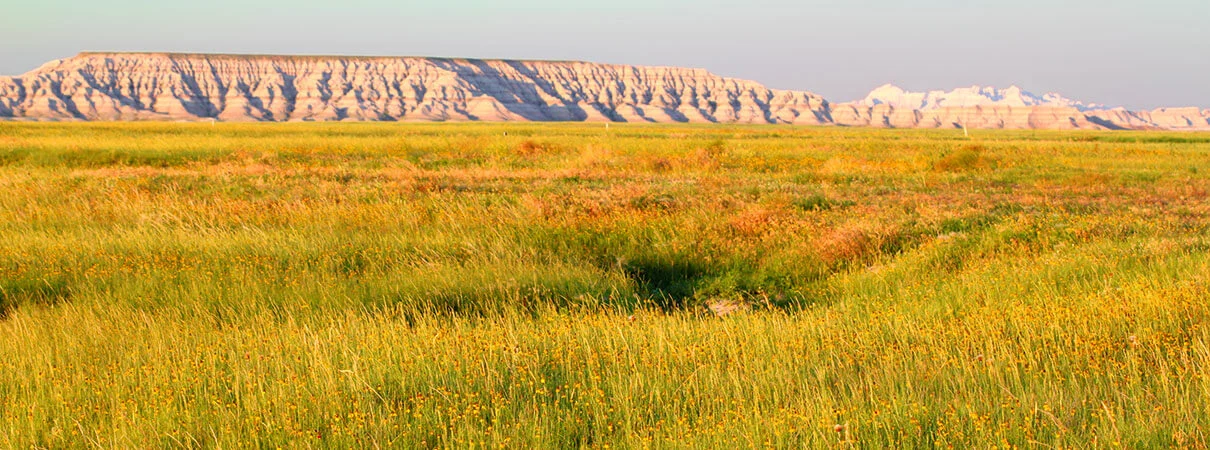
Like many species in the American Southwest, the Pyrrhuloxia is threatened by habitat loss. The population of the “desert cardinal” declined in the 20th century, likely due to the conversion of millions of acres of scrubland for agriculture and development.

Habitat Loss

Climate Change Impacts

Desert habitats face mounting pressures from rising temperatures and other impacts associated with our changing climate. Drier conditions and elevated temperatures lead to intense, prolonged droughts and extreme heat can put wildlife at risk and affect vegetation that birds need to survive.

Climate Change

Conservation Strategies & Projects

Birds like the Pyrrhuloxia need our help to overcome the threats they face. At ABC, we’re inspired by the wonder of birds and driven by our responsibility to find solutions to meet their greatest challenges. With science as our foundation, and with inclusion and partnership at the heart of all we do, we take bold action for birds across the Americas.

Improve Habitat

Through our work with the Rio Grande Joint Venture, ABC engages a range of partners, including private landowners, to restore and enhance priority habitat, and implement conservation practices on ranches and other working lands.

Restoring Habitat

Bird Gallery

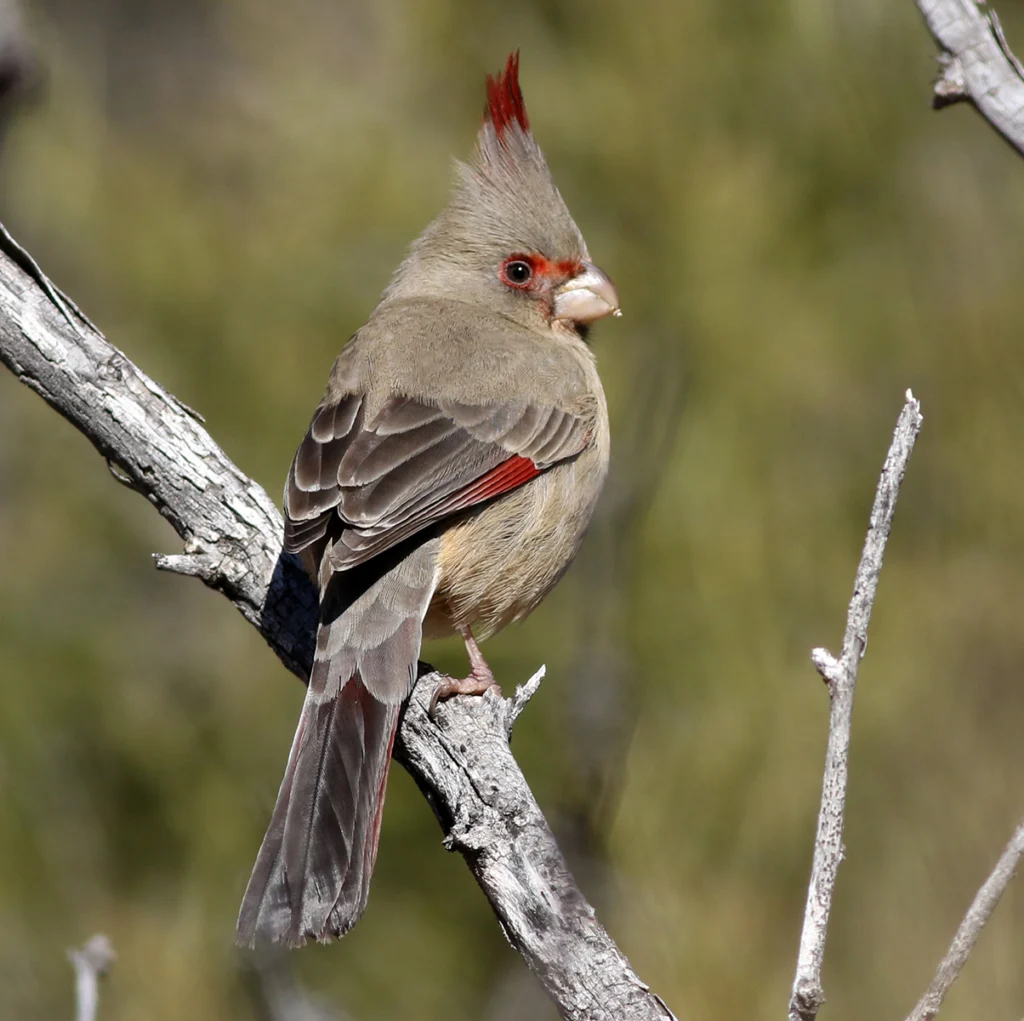
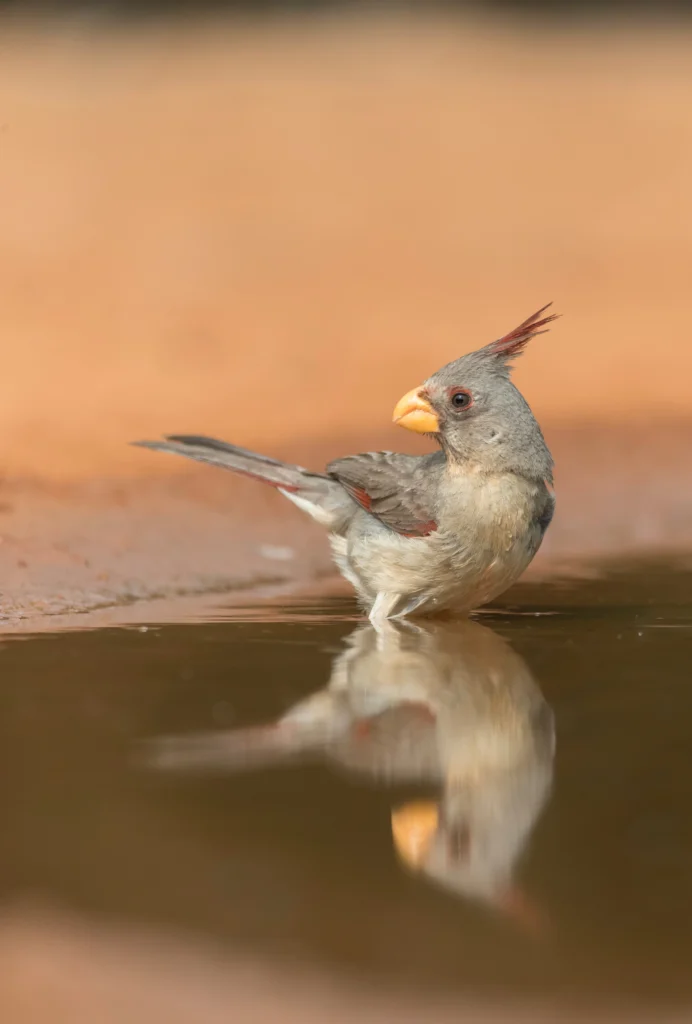
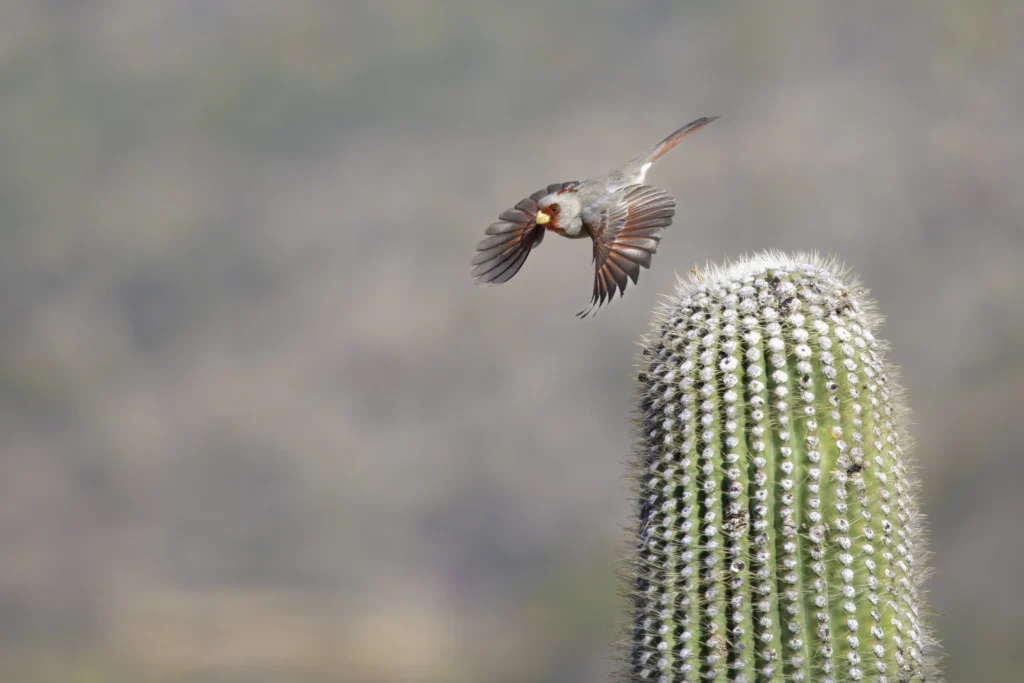
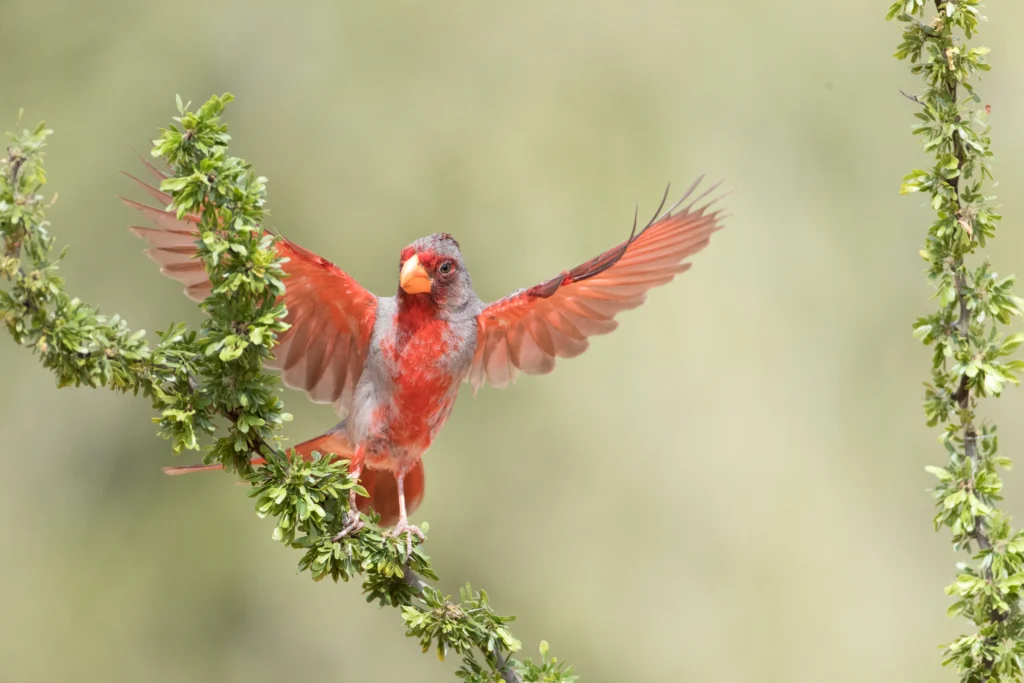
The Pyrrhuloxia has an overall stocky appearance, accented by the large (but short) orange-yellow bills of mature birds. The male Pyrrhuloxia is brownish-gray with splashes of bright red on his face, underside, wings, and tail and a prominent red-tipped gray crest. Females show less of the vibrant scarlet of the male, but these more subtle red highlights give her brown-gray feathers a warm hue. Juveniles more closely resemble females, but have even less red in their plumage and sport darker bills.

Sounds

The Pyrrhuloxia doesn’t just resemble the Northern Cardinal in its appearance — the two species sound quite similar, too! They both use clear, whistled songs, but the Pyrrhuloxia’s is softer. Similar to the Cardinal, both male and female birds are known to sing. The Pyrrhuloxia’s “chip” call note has the sharp and abrupt quality of the Northern Cardinals, but in a lower register.

Song

Credit: Mary Beth Stowe, XC374800. Accessible at www.xeno-canto.org/374800.

Call

Credit: Peter Boesman, XC220413. Accessible at www.xeno-canto.org/220413.

Habitat

The Pyrrhuloxia is a denizen of upland deserts, mesquite savannas, and scrublands, but it also visits riparian areas and agricultural fields with hedgerows.

  • Primarily found in dry, scrubby areas with dense brush and riparian woods
  • Flocks may visit urban habitats, farmlands, and open woodlands outside of the breeding season

Range & Region

Range & Region


Specific Area
Southwestern U.S., northwestern Mexico

Range Detail
In the U.S., the Pyrrhuloxia is found in the southern portions of Arizona, New Mexico, and Texas. Its distribution extends into Mexico on the Atlantic slope and Mexican Plateau. It is also occasionally found in Baja California Sur.

Did you know?
Pyrrhuloxia sometimes breed with Northern Cardinal where their ranges meet, producing hybrids that show characteristics of both species.

Range
North America
Migration Pattern
Latitudinal
Nonmigratory
Migration Distance
Medium Distance
Nonmigratory

Life History

Pyrrhuloxia are reclusive and fairly inconspicuous, often camouflaged against the ground or hidden in dense desert shrubs. While pairs are quite territorial in the breeding season, this species will form flocks of up to 30 individuals in the nonbreeding season, sometimes including other species as well, including their cousin, the Northern Cardinal.

Diet

Pyrrhuloxia are omnivorous, foraging on the ground and low in shrubbery for insects, spiders, and a variety of fruit and seeds. Like a Rose-breasted or Blue Grosbeak, this bird uses its large, strong bill to crack open and crush nuts and seeds, particularly of mesquite, a widely-available food in its dry habitats. They will often visit backyard feeders for sunflower seeds.

Courtship

At the start of each breeding season, a male Pyrrhuloxia establishes and defends a territory against rivals and other intruders through song, aggressive posturing, and determined attacks.  His mate will also join him in territory defense, particularly if their eggs or nestlings are threatened. The male often feeds the female during courtship.

Nesting

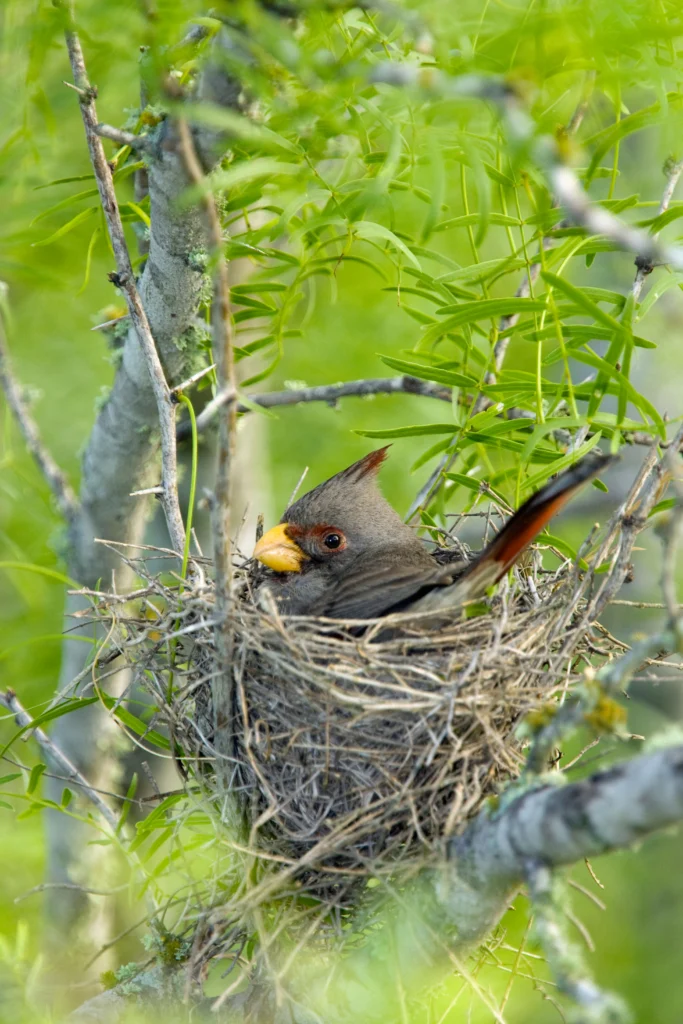
The female Pyrrhuloxia builds her nest within dense brush, particularly thorny mesquite, which provides some protection from predators. Her rather shallow cup-shaped nest is made of twigs, strips of bark, and coarse grasses, and lined with rootlets, hair, and other soft materials.

Eggs & Young

A Pyrrhuloxia clutch is usually two to three eggs, which the female incubates for about two weeks. The male brings her food while she’s on the nest. Both parents feed the young after they hatch, and they fledge within a few weeks.