Overview
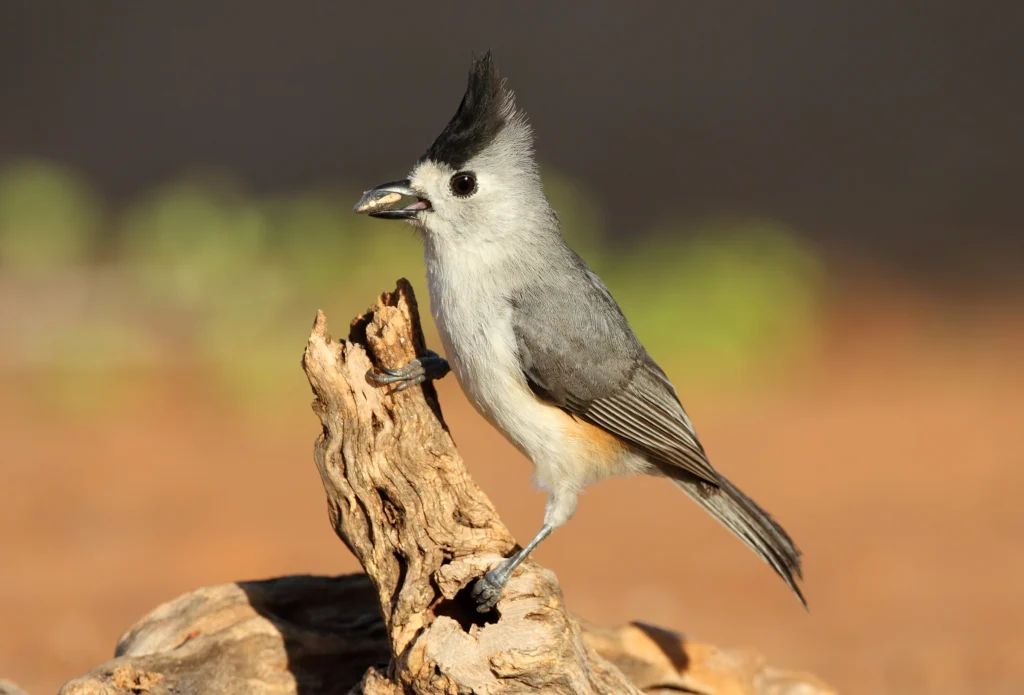
Arid lands, sometimes called drylands, might seem rather empty at first glance. But deserts and shrubsteppe (low-rainfall grasslands) habitats are hardly barren and can actually be teeming with life. Any species that grows or lives in these environments must be adapted for a life of extremes, particularly in the desert, where they endure searing daytime temperatures, frigid nights, and long stretches of time without water.
Despite the challenges of life in the desert, many bird species have made these habitats their home for at least a portion of the year.
Habitat Description
Desert habitats are defined by their lack of precipitation — they receive no more than 10 inches of rain per year. Most are hot in the daytime, often well over 100 degrees Fahrenheit, and extremely dry. That dryness makes it hard to trap heat close to the ground, so nighttime temperatures can plummet to below freezing. These rapid and extreme temperature shifts can wreak havoc on rocks, causing them to fracture and tumble, a process that has repeated for millions of years and resulted in a landscape of sand and dust. What little water exists in deserts often comes from underground aquifers.
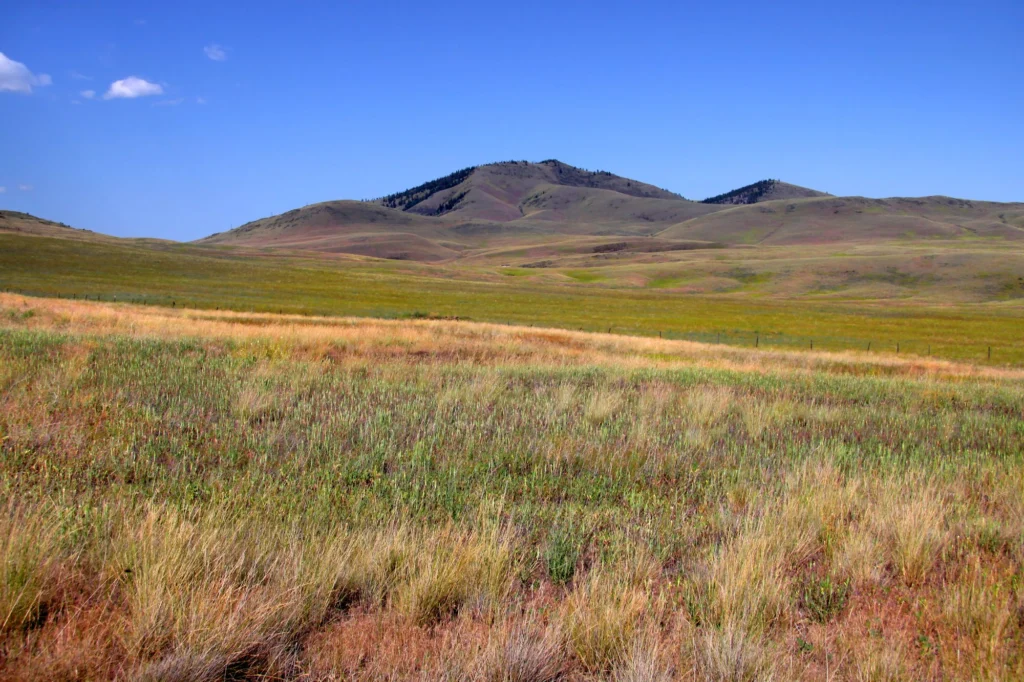
Shrubsteppe habitats are similarly dry, but they receive and retain enough moisture to allow a cover of grasses and shrubs to flourish. Like deserts, trees rarely grow here (“steppe” is derived from the Russian word referring to a flat, grassy plain). The soil in shrubsteppe habitats is cryptobiotic, composed of cyanobacteria, lichens, algae, microfungi, and other elements that enrich soil, aid in the retention of water, and support plant growth.
Gallery


Habitat Variations
Subtropical Deserts
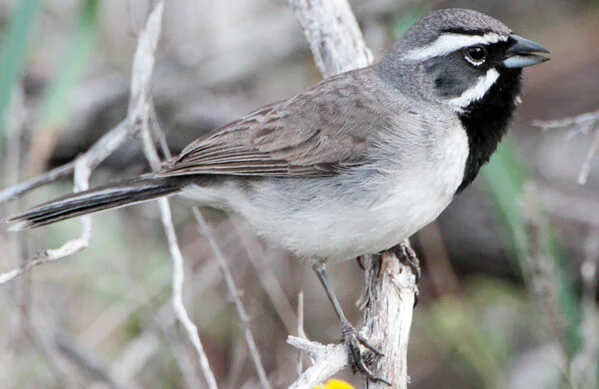
The hottest deserts on Earth are found in the subtropical zone and are what most people think of as deserts. Subtropical deserts like the Chihuahuan Desert have scorching summers and cooler winters with little rain. When precipitation does fall, it’s often in intense bursts.
Coastal Deserts
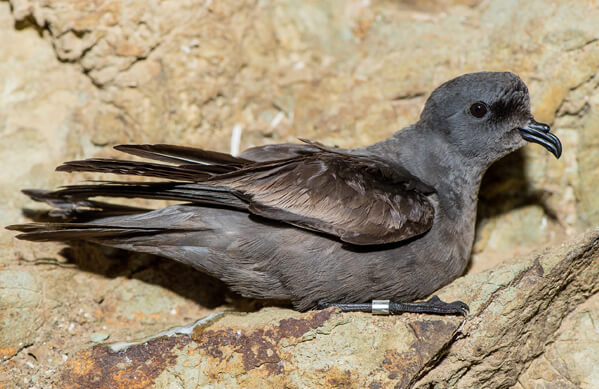
Coastal deserts like the Atacama Desert in Chile are found on the western edges of land masses. The direction of winds off the coast prevents moisture from reaching these deserts, making them among the world’s driest. They experience cool winters and warm summers.
Cold Winter Deserts
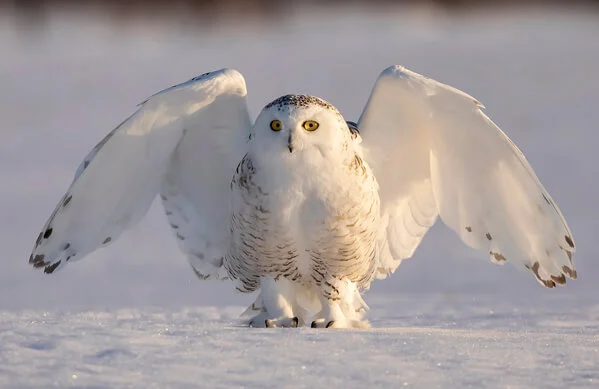
Cold winter deserts like the Great Basin Desert in the western U.S. experience dry summers. In the winter, temperatures drop dramatically and the area receives snow, which makes up the majority of the precipitation the area will see all year.
Threats to Arid Lands & Birds
Climate Change
Even deserts have their limits when it comes to heat. Rising temperatures are putting a strain on the “biocrust” (layers of microbes that fuel much of the life found in desert and shrubsteppe environments) and killing off vegetation. In deserts, sand and dust storms are increasing, along with the rate of uncontrolled fires. Changing weather patterns are leading to prolonged drought and disrupting rainfall.
Habitat Loss & Fragmentation
Deserts are becoming increasingly desirable real estate, but it comes at a real cost to biodiversity. To live in the desert requires the building of roads, water systems, and other infrastructure that displaces wildlife, degrades habitat, and reduces the connectivity of habitat. In shrubsteppe environments, overgrazing can lead to soil erosion, and the development of energy operations, especially oil and gas drilling, fragment the land.
Human Activities
When people develop and move into desert and shrubsteppe habitats, they are competing for scarce resources, including water. In desert environments, development has led to the diversion of water sources to areas inhabited by people, making a resource already in short supply even harder to come by. Other activities like off-roading can be detrimental to sensitive habitats.
Invasive Species
In shrubsteppe environments, the proliferation of invasive plants like cheatgrass and tumbleweeds compete with native plants for nutrients and water, often have little nutritional value for native wildlife, and can contribute to disrupting fire cycles. While shrubsteppe habitats have historically experienced periodic fires that are beneficial for plantlife, the overabundance of dried stalks of dead, non-native plants is tinder for potentially dangerous fires.
Conservation Efforts
Solutions
See All Solutions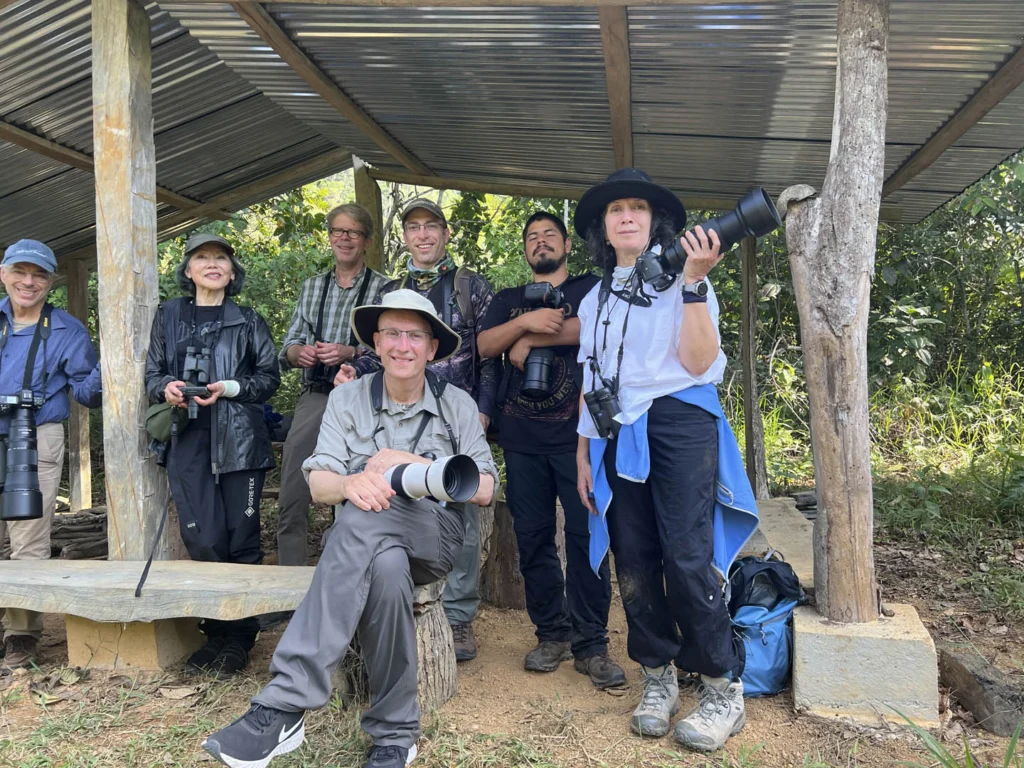
Partnerships
We form partnerships across borders to develop and implement science-backed conservation plans that conserve habitat, restore ecosystem processes, and improve habitat for birds and people.
Conservation Efforts
Arid lands are vital for birds. Through our rigorous scientific work and work with dedicated land owners, our conservation efforts has results in over 10 million acres saved for birds.
Birds from Arid Habitats
Arid lands are home to birds with incredible adaptations for extreme environments. Find out about the species that tough it out in these rugged habitats.