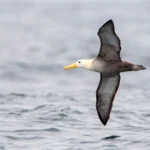
Seabirds Know No Boundaries
The creation of marine protected areas (MPAs) is one important tool for conserving marine ecosystems. These government-defined regions apply many of the same principles used to protect sensitive ecosystems and species on land to ocean habitats.
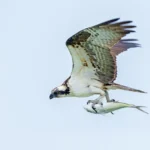
“A Red Alarm Bell”
In recent years, Osprey researchers and observers have noticed fewer chicks surviving as starvation sets in, due to a lack of Atlantic menhaden, the small and shiny fish the birds rely on. This year, people around the Chesapeake Bay watched chicks starve and nests fail, and the Bay’s Ospreys raise...
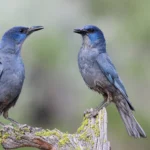
What's Behind the 2026 Pinyon Jay Irruption?
Pinyon Jays – an iconic bird of the American West known colloquially as piñonero or blue crow – are showing up in spots far outside of their normal range this year. Bird irruptions like this are always exciting – but also worrisome. What’s behind the birds straying so far from their regular...

From Coast to Coast, States Take Action to Reduce Harmful Chemicals
Along with our partners, American Bird Conservancy has been advocating for and gaining traction on groundbreaking bills in states across the country to rein in the threat of neonics and other chemicals while putting much-needed guardrails on their use. The record number of pesticide-related bills mo...
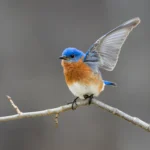
Six States Joining Bird City Network
In 2025, more than 275 communities participated in BCN within its 16 programs. They completed more than 3,500 actions to improve habitat, reduce threats, engage people, and promote sustainability.

Grassland Restoration Helps Birds in Minnesota
Grasshopper Sparrows, Bobolinks, Western Meadowlarks, and other grassland birds that returned to western Minnesota and northern Iowa this spring found hundreds of acres of improved habitat thanks to a partnership between ABC, the Student Conservation Association, and the U.S. Fish and Wildlife Servi...
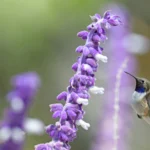
Finding and Protecting the Chilean Woodstar's Last Habitats
The Azapa Valley was the historical stronghold for the Chilean Woodstar, but habitat loss has resulted in the local extinction of the tiny hummingbird. Conserving the woodstar’s only two remaining sites in the Vítor and Camarones valleys is necessary to prevent its population from declining furth...