


How the Farm Bill Works for Birds
Today, the Farm Bill impacts conservation actions across millions of acres, and is a vital resource in the effort to address the crisis facing North American birds.

Corvus corax
Omahkáí'stoo (Blackfoot)
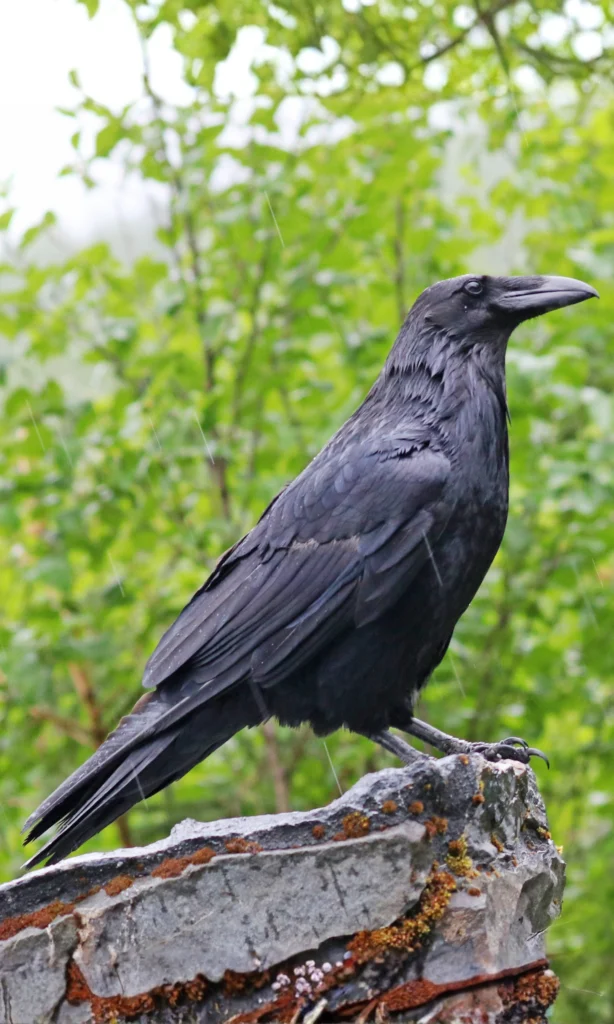
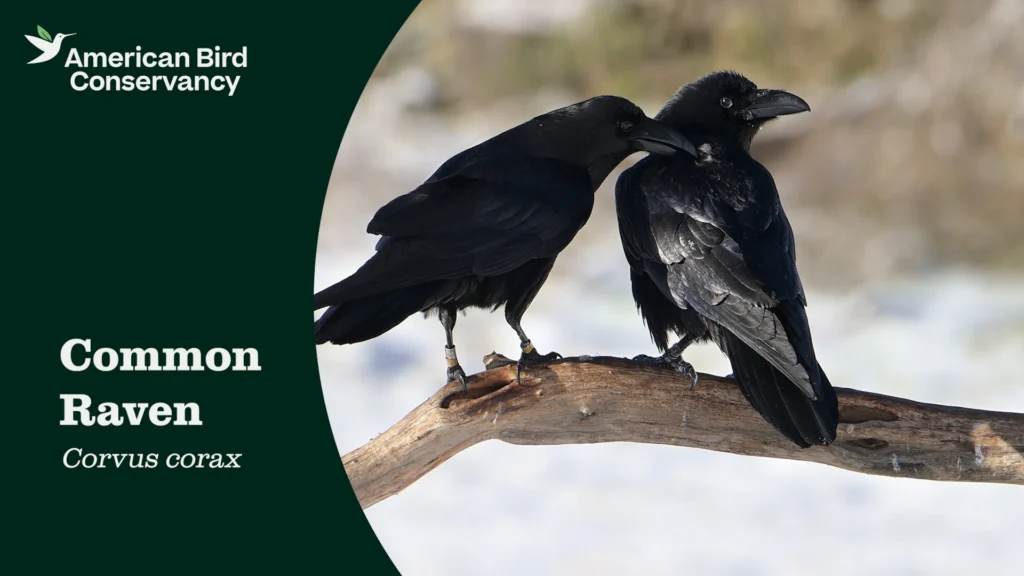
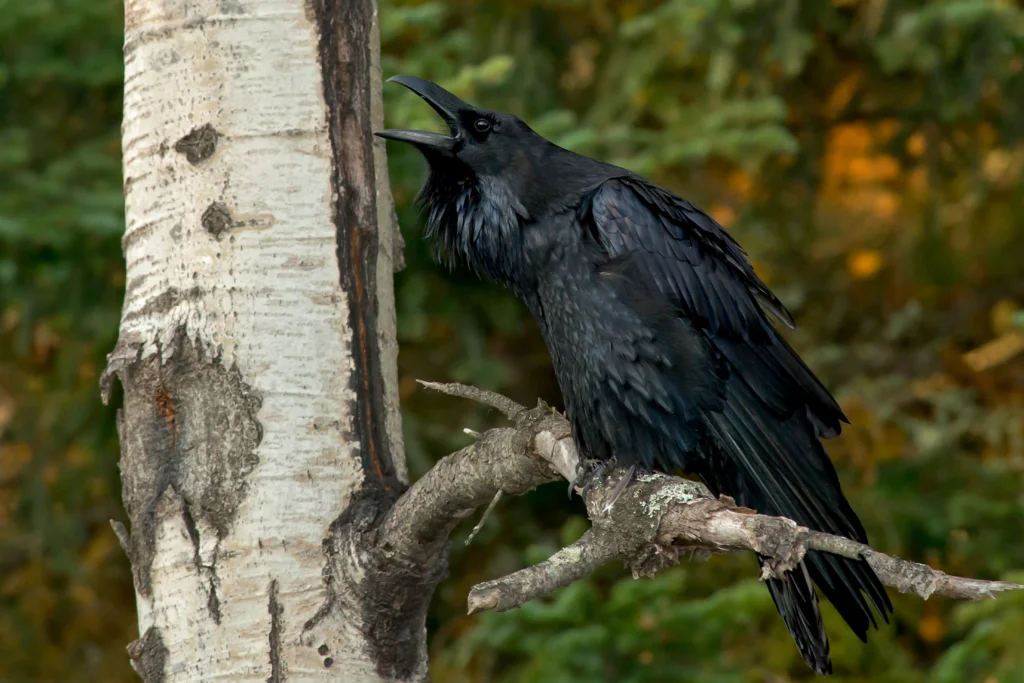
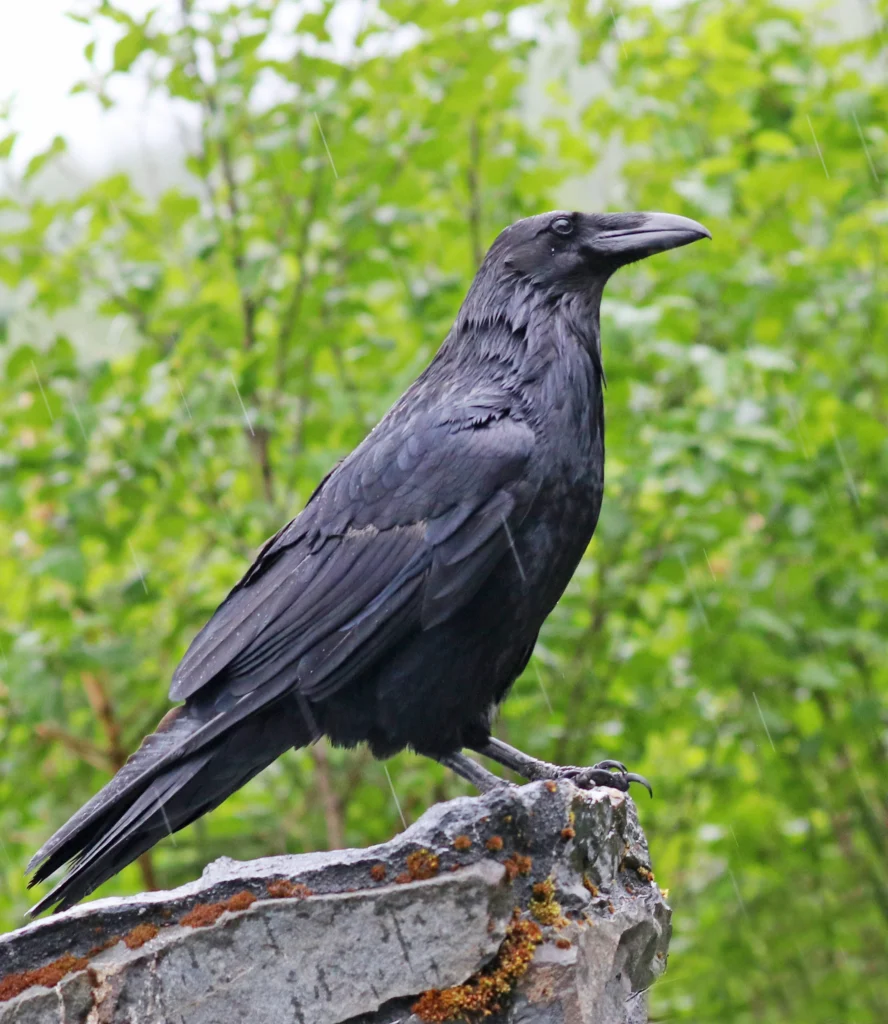
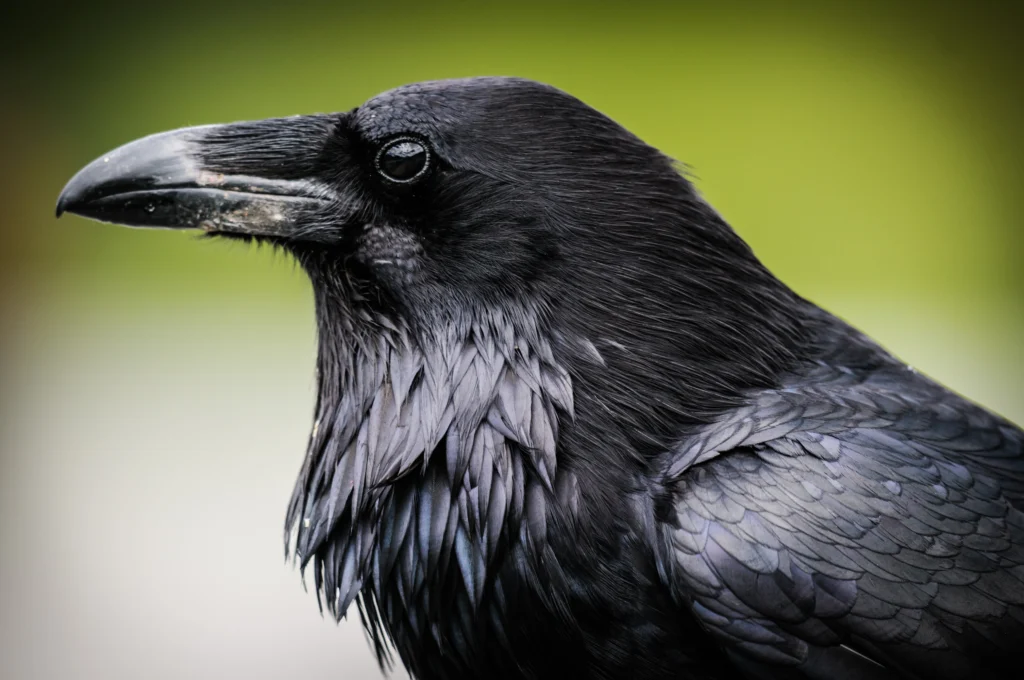
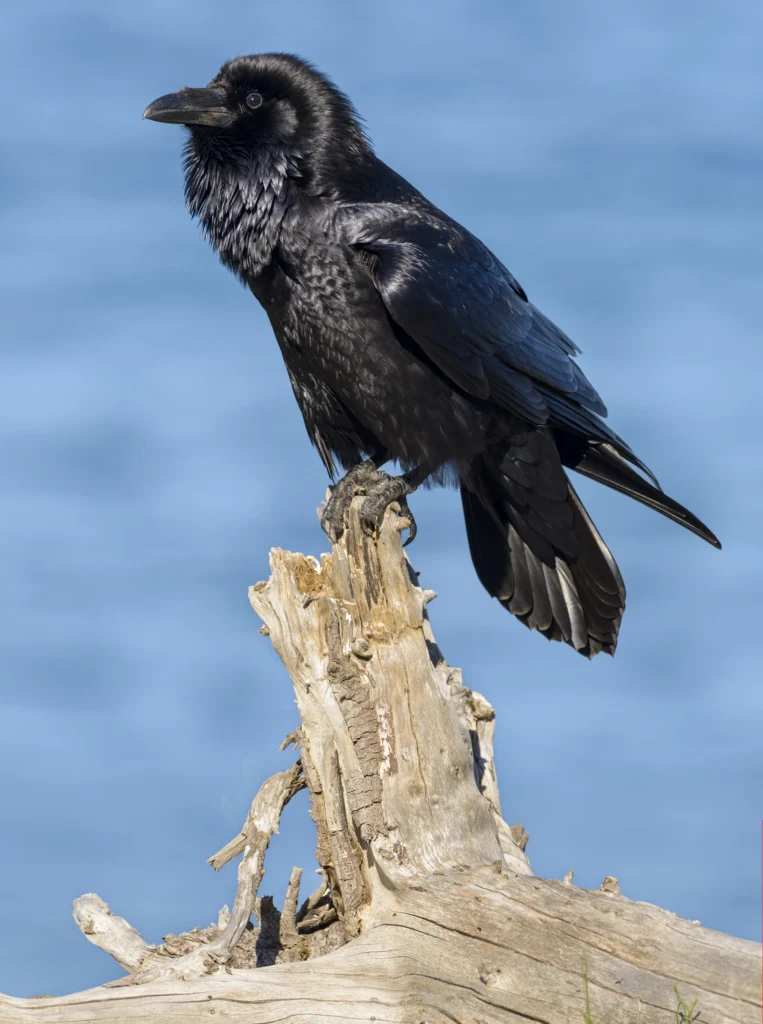
The intelligent and sociable Common Raven has been the subject of mythology, folklore, and literature through the ages. Different Indigenous American cultures variously portray the raven as a sly trickster, a guide and helper to humans, or a culture hero that helped create the world. Many European cultures associate the raven with death and doom, likely stemming from a very real association with ravens scavenging from carcasses on the battlefield and those who died during the Black Plague. Swedish folktales depict ravens as the ghosts of those who have been murdered, and old German stories describe ravens as damned souls.
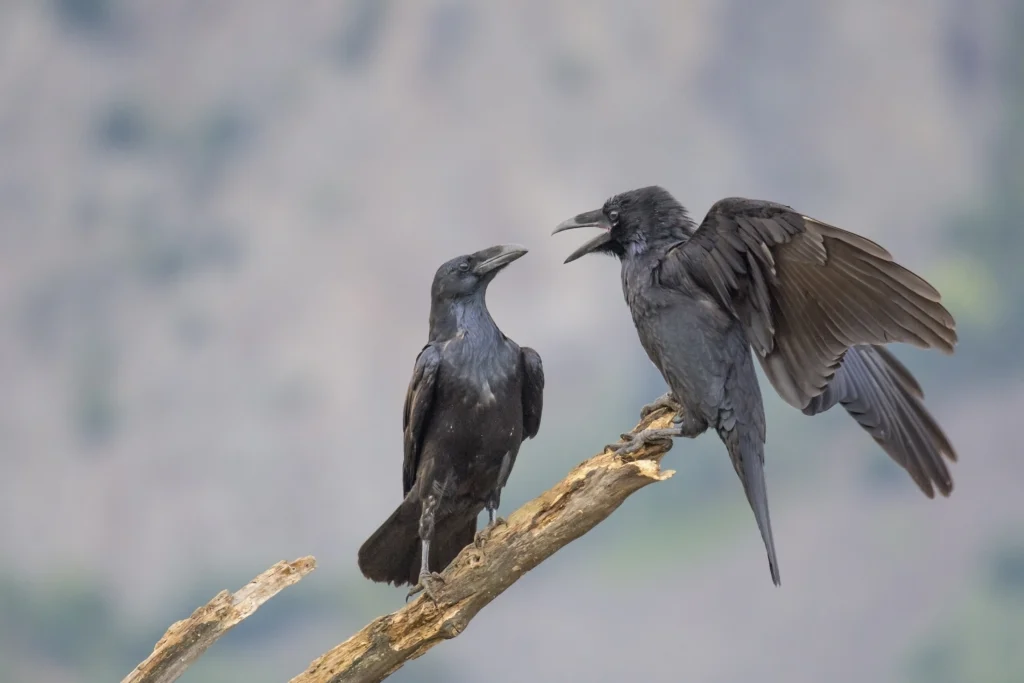
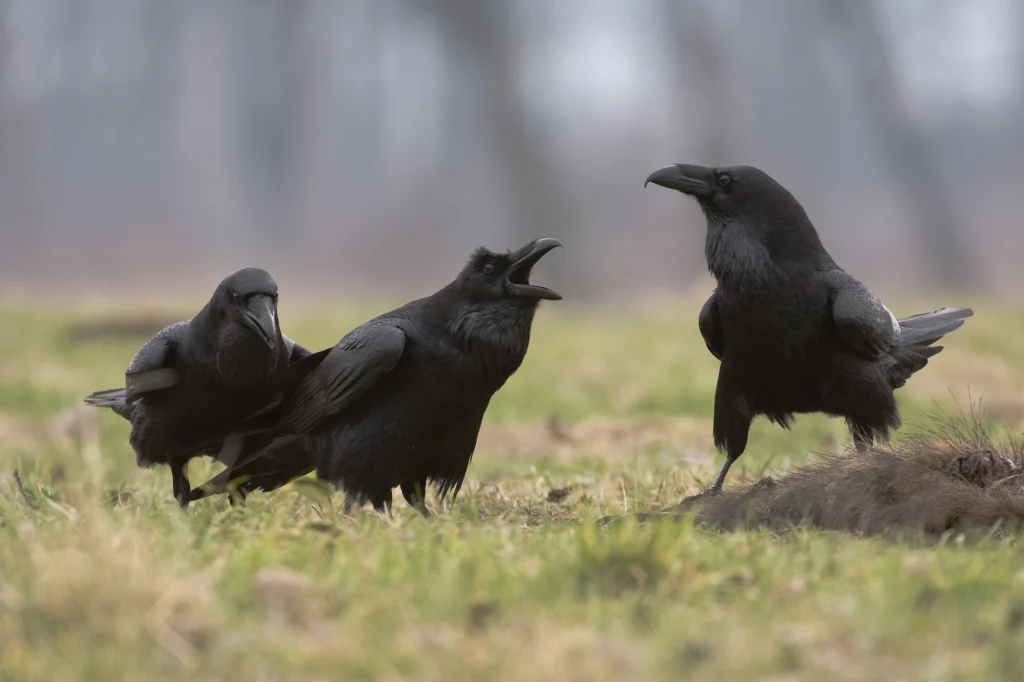
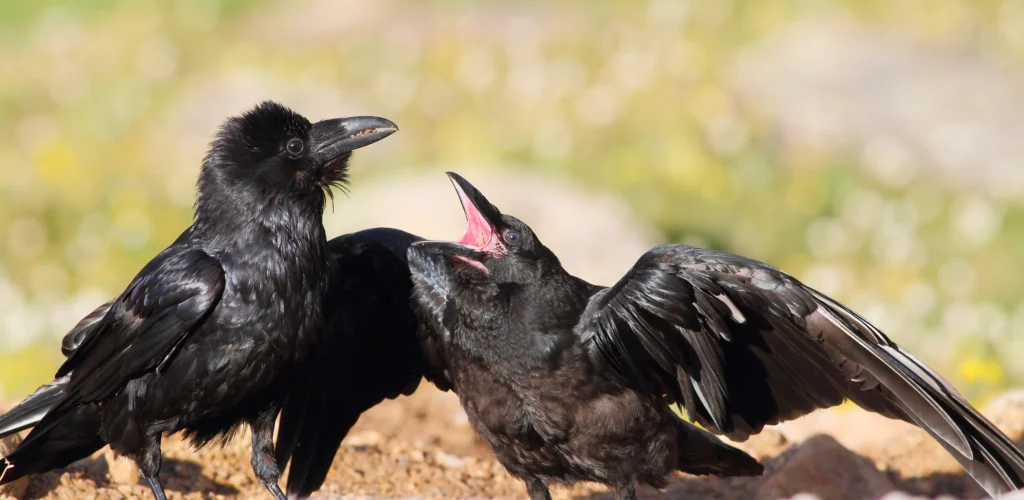
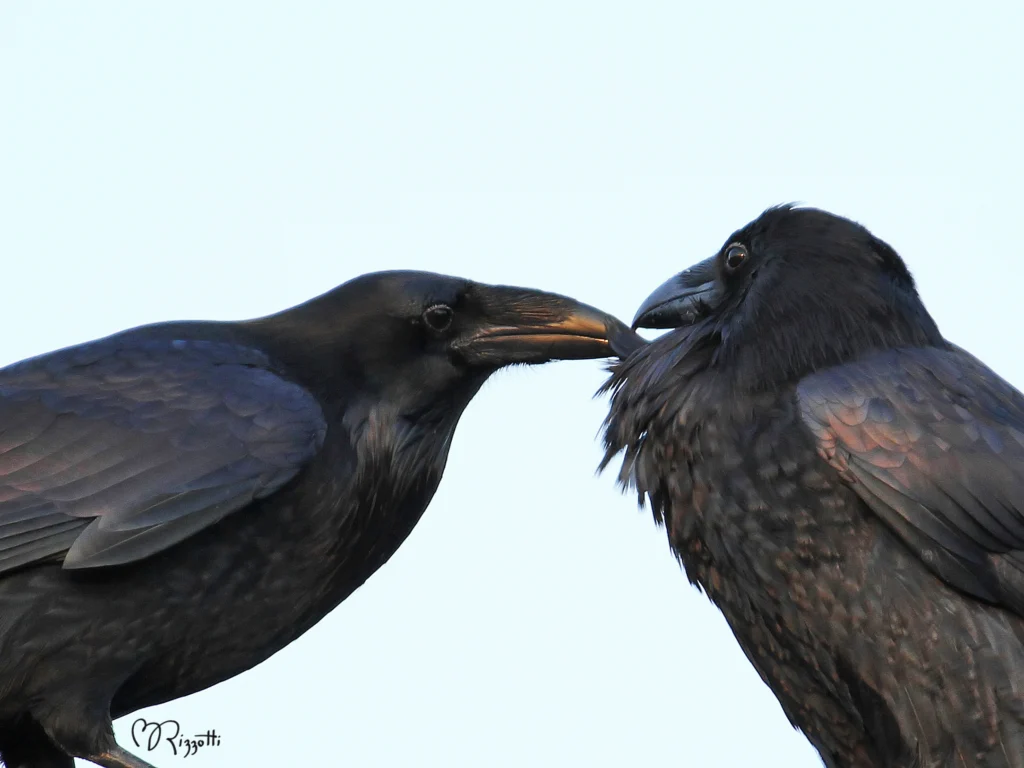
Ravens are also renowned for their intelligence. Their brains are among the largest of any bird species, and they display excellent problem-solving ability. Biologist Bernd Heinrich, known for his studies of raven behavior, argues that the raven is one of only four known animals (along with bees, ants, and humans) that demonstrate “displacement,” the ability to communicate about events not in the here-and-now. Ravens have been observed demonstrating this capacity when a lone bird discovers a large carcass guarded by a mated pair of ravens. The lone raven is thought to return to the roost and communicate the find to other birds, and the next day, a flock of unmated ravens will fly to the carcass and chase off the pair.
Although raven populations are globally stable, some populations have been harmed or eradicated entirely by human activities. As highly intelligent opportunists, ravens sometimes come into conflict with humans, and are often persecuted as a result. In other areas, timber logging and expanding development has increased suitable habitat for ravens. Previously driven out of the eastern forests, raven populations have grown under federal protection from the Migratory Bird Treaty Act. Persecution persists, but not nearly to the extent it once did.
Intelligent and opportunistic, Common Ravens can thrive in the presence of humans, taking advantage of the buffet offered up by our garbage cans, agricultural land, and roadkill. Their ability to survive in a range of conditions is a testament to their adaptability, but it can also lead to direct conflict between Common Ravens and humans. In some contexts, ravens are considered pests, particularly as their numbers have grown. Active population management by conservationists helps to mitigate human-raven conflicts, but ravens can still face persecution from individuals, and have historically been driven out of some parts of their range.
The Common Raven is adaptable, but the species isn’t immune to the threat of habitat loss or degradation. Heavy logging in the eastern forests of the U.S. in the early 20th century led to declines in the raven’s population. However, in some cases, degrading habitat quality that leads to the presence of more resources, such as landfills that provide food and bridges that offer shelter, can benefit Common Ravens.
While raven populations are healthy overall, they are vulnerable in some parts of their range. Ravens need our help to overcome the undeserved assumptions that have led to their persecution, and to be recognized for the intelligent, resourceful, and culturally significant birds they are. Science-backed active population management solutions to human-wildlife conflicts to create the conditions for both humans and wild birds to coexist and thrive.
Common Ravens are often misunderstood. Though they are sometimes characterized as pests, ravens appear in the myths and stories of cultures around the world. They also have a role to play in supporting healthy ecosystems. ABC supports outreach and education to help dispel misconceptions about ravens and reconnect people with these remarkable birds. Traditional Ecological Knowledge emphasizes the raven’s role as a scavenger in maintaining healthy ecosystems and reducing the spread of disease, the species’s incredible intelligence, and the robust communication skills of ravens.
Active population management programs carried out by professionals can address the overabundance of Common Ravens in some areas. These science-backed approaches reduce the conflicts that can arise when ravens in search of resource-rich environments end up in agricultural lands, neighborhoods, and other places where their presence can cause problems for people.
Specific Area
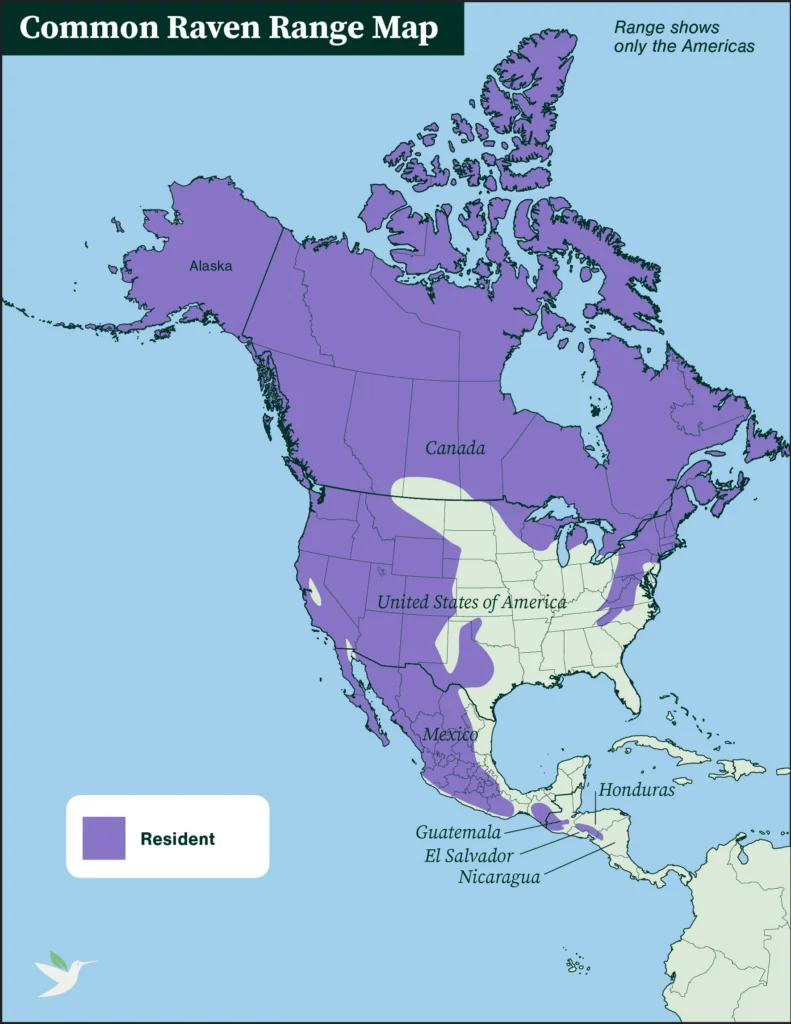
Arctic North America south to Nicaragua; absent in the southeastern and midwestern United States
Range Detail
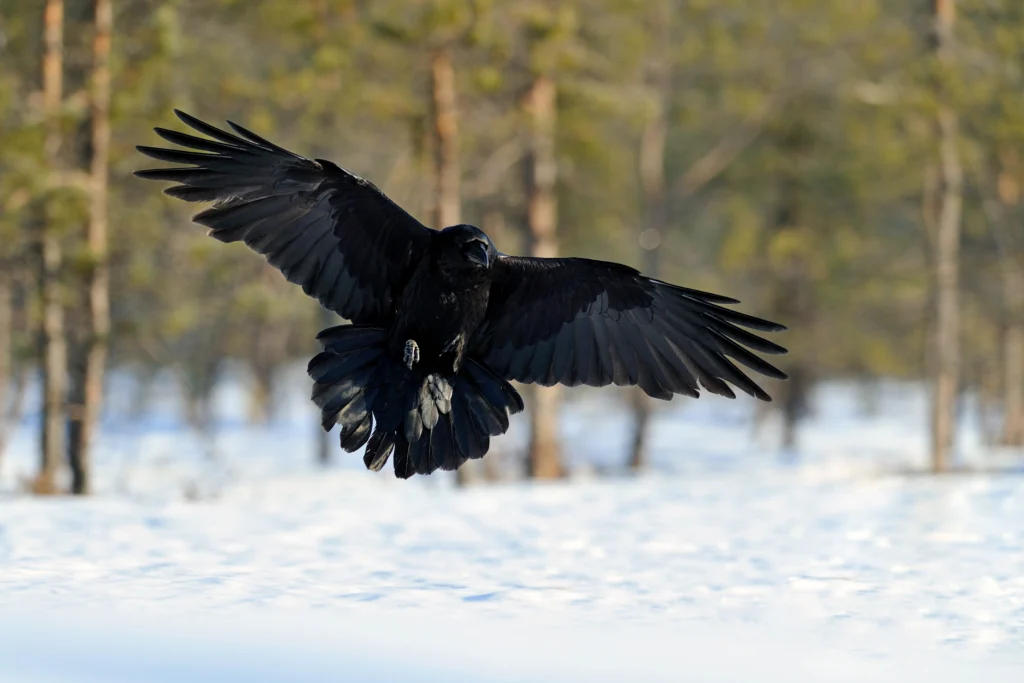
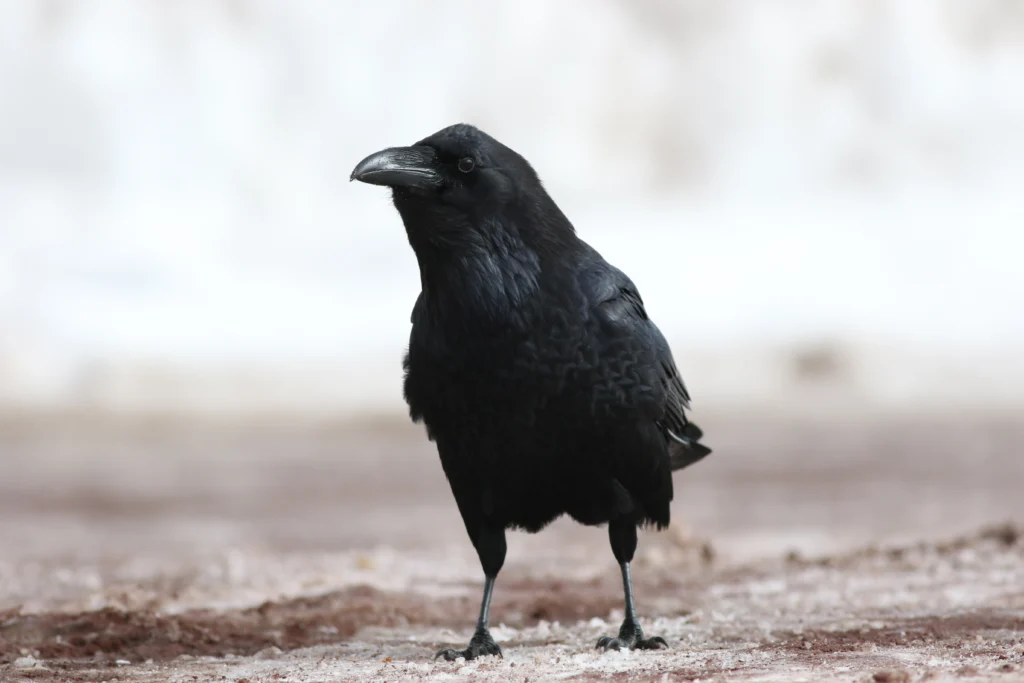
The Common Raven lives year-round throughout the Northern Hemisphere. In the Americas, it’s found from Alaska and the Canadian Arctic Archipelago to northernmost Nicaragua. This species is not typically found in the southeastern and midwestern United States. Though not migratory, ravens will roam more widely in the nonbreeding season, sometimes outside of their typical range.
Related News & Stories



Join the flock! Your donation helps preserve the habitats that birds need to survive.