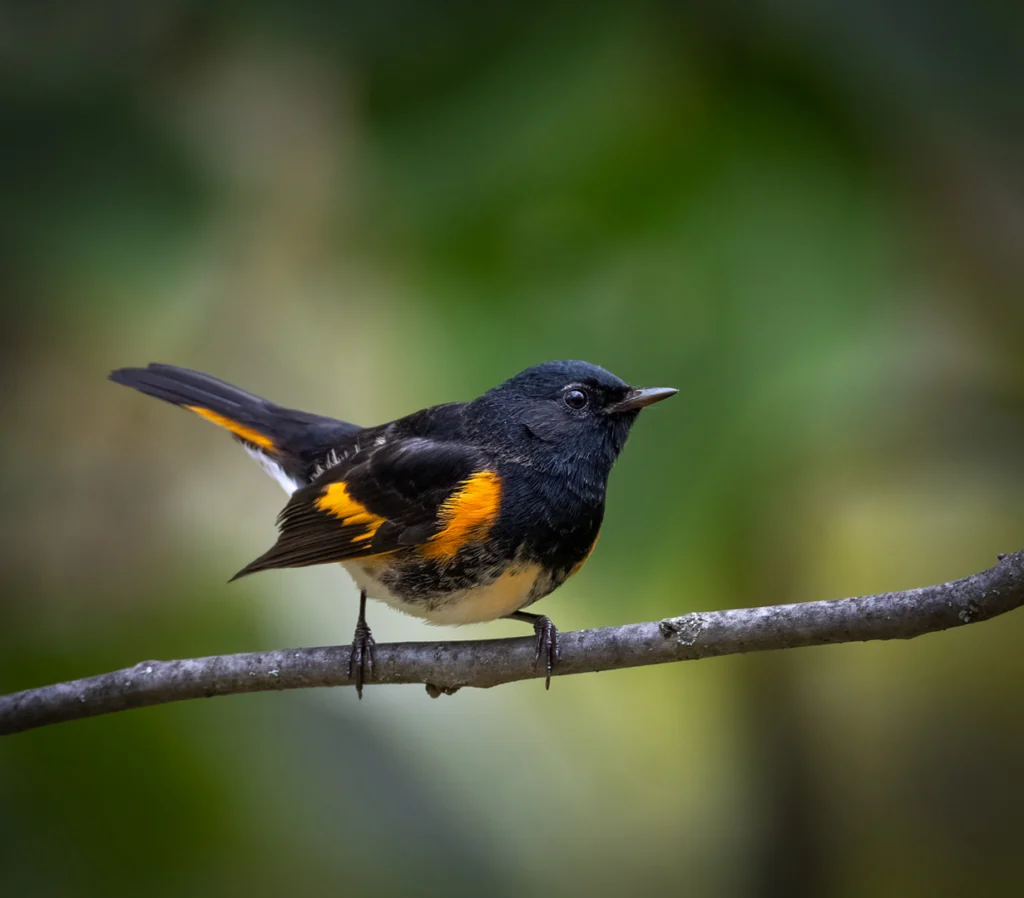
Gapapagos Island. Photo by Drosera74, pixabay.

Galápagos Petrel

Pterodroma phaeopygia

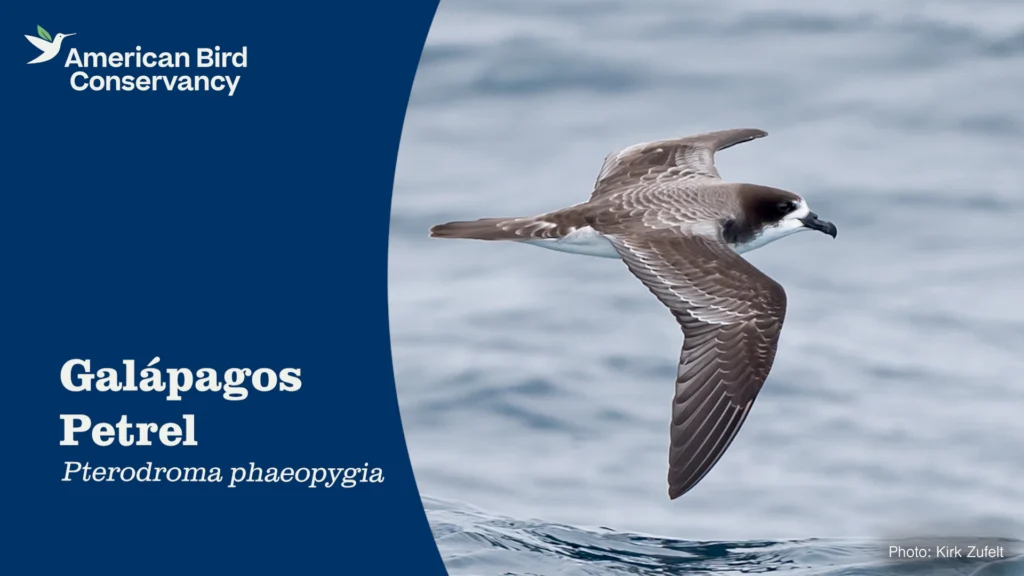
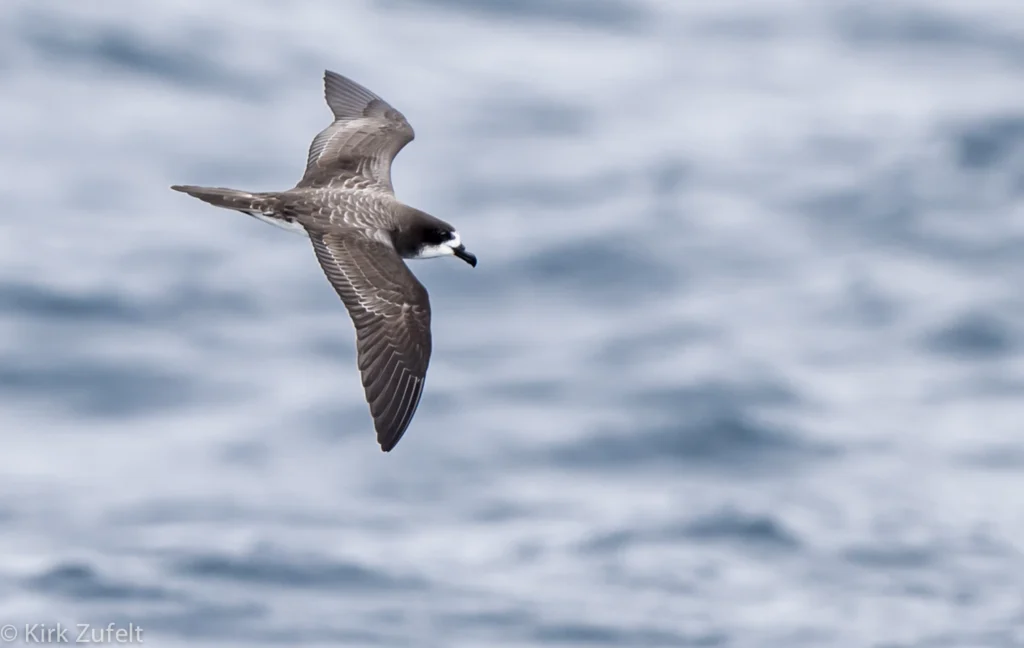
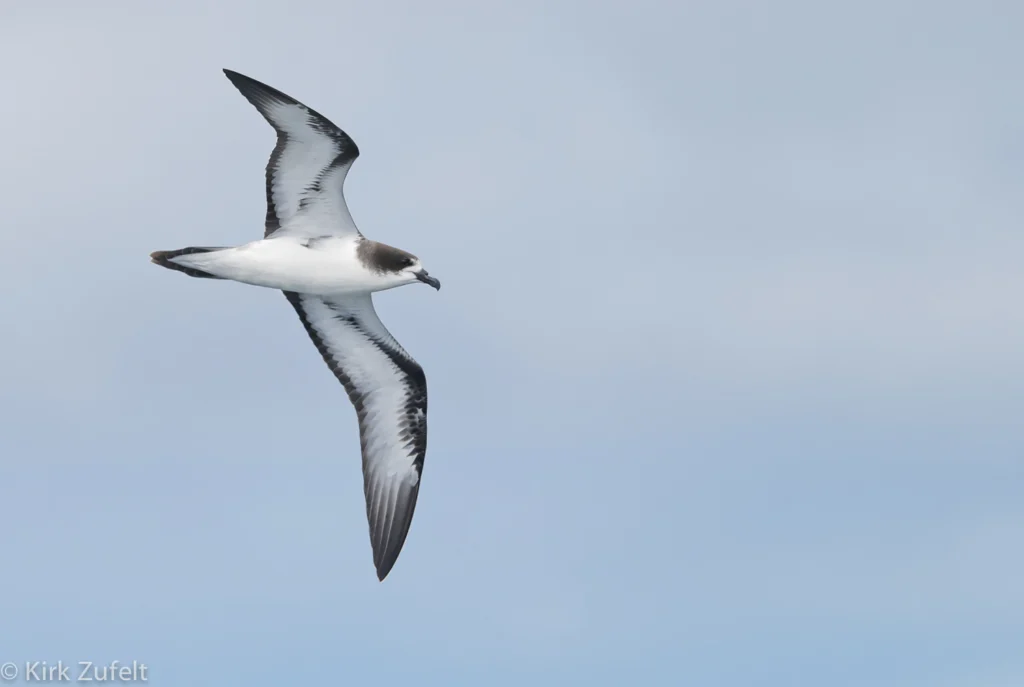
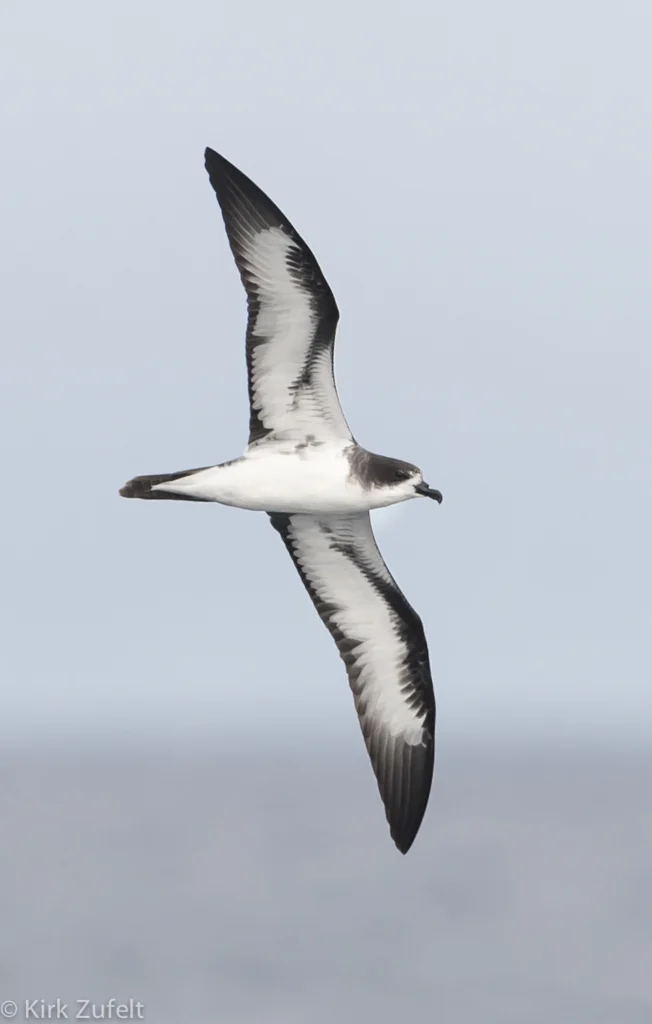
Galápagos Petrel. Photo by Kirk Zufelt.

Galápagos Petrel

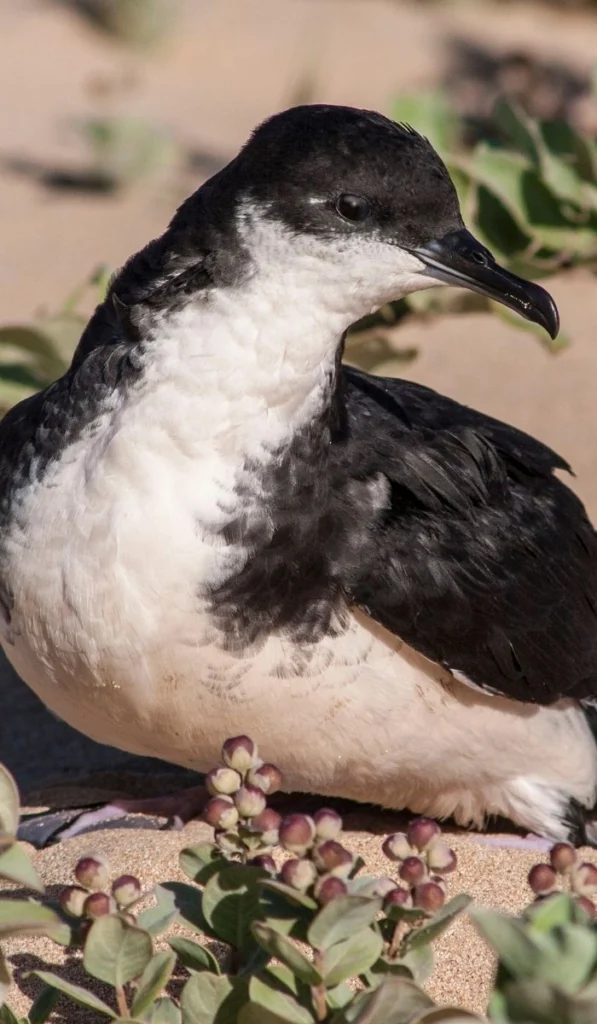
Galápagos Petrel. Photo by Kirk Zufelt.

Pterodroma phaeopygia

Overview

Conservation Status
Population Trends
Decreasing
Population Size
6,000–15,000
Family
Petrels
Shearwaters
Location
Islands
Migration Pattern
Varied
Migration Distance
Medium Distance
Also Known As
  • Patapegada (Spanish)
  • Petrel de Galápagos (Spanish)

About

The swift-flying Galápagos Petrel is known by locals as “patapegada,” or “web-footed one.” Once lumped together with the Hawaiian Petrel into a species known as the Dark-rumped Petrel, these two seabirds were split into unique species in 2002 by the American Ornithologists Union based on differences between the two species’ vocalizations, morphology, and genetics.

With long wings and a distinctive flight pattern, the Galápagos Petrel is part of a larger group of seabirds known as “gadfly” petrels. Gadfly petrels are named for their erratic twisting and turning flight, which makes them look as if they’re trying to escape from gadflies (horseflies). The Galápagos Petrel is well suited for an aerobatic life over the waves. Like many other pelagic birds, their long, narrow wings allow both buoyancy in the air and a high degree of maneuverability, taking advantage of air currents over the water while enabling these birds to nimbly pluck prey items from the water. This flight style is sometimes referred to as “active soaring.” Compared to the steady, stable flight of “passive soaring” birds like the Golden Eagle, these petrels are quite active indeed. Interestingly, both the eagle and petrel readily take advantage of carrion, although the context and requirements to do so for each bird are quite different!
Threats

The Galápagos Petrel faced disastrous declines of up to 80 percent when non-native mammals and plants were introduced to the Galápagos Islands. The Galápagos Petrel was listed under the U.S. Endangered Species Act in 2010 due to this drastic decrease. Although the Galápagos Islands are both an Ecuadorian National Park and a World Heritage Site, continued control of introduced predators on these islands, along with the minimization of ongoing human impacts, are important for the species’ continued survival.

Invasive Predators

Introduced mammals such as dogs, cats, pigs, and rats have found the burrow-nesting petrels to be easy prey. After their introduction to the island, these non-native species quickly decimated whole Galápagos Petrel colonies, eating adults as well as chicks and eggs.

Cats & Invasive Species

Collisions

The Galápagos Petrel, like other seabirds, can be attracted to or disoriented by bright lights at night. As a result, these birds often collide with powerlines and communications towers as adult petrels travel to and from their nesting burrows at night.

Bird Collisions and Communications Towers

Conservation Strategies & Projects

The Galápagos Petrel needs our help to overcome the threats it faces. American Bird Conservancy’s Marine Program is working with partners to reduce the many threats facing Galápagos Petrel and other seabirds. We have collaborated with partners on successful predator-proof fencing programs in Hawaiʻi that may offer a model to protect petrel colonies in the Galápagos. Additionally, we continue to urge the United States to sign onto the Agreement on the Conservation of Albatrosses & Petrels.

Improve Habitat

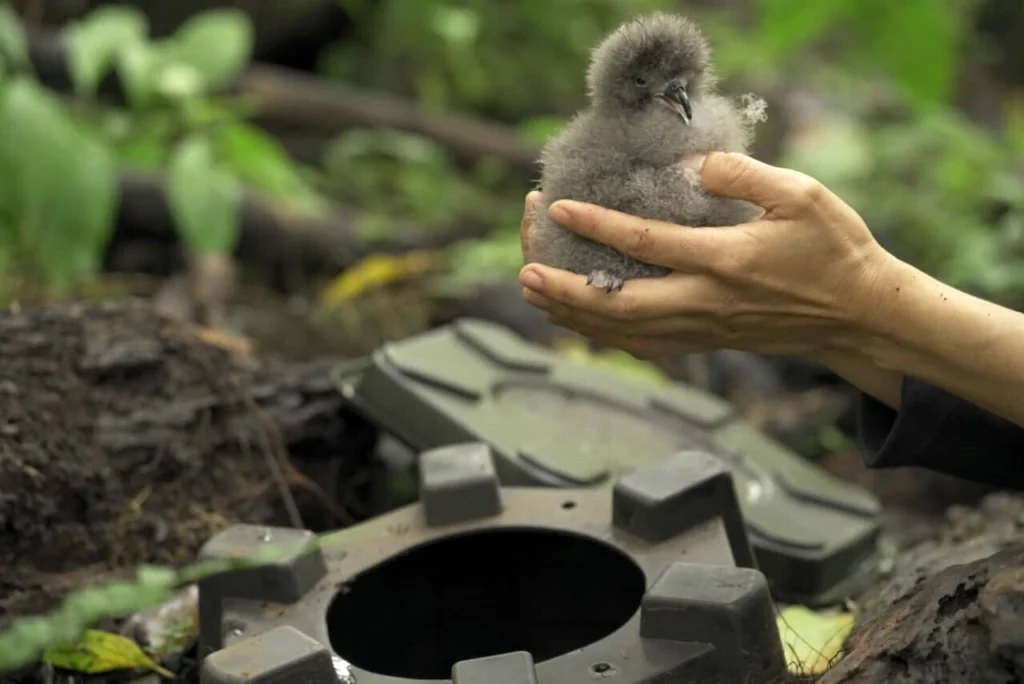
In partnership with Conservation International, conservationists at Universidad San Francisco de Quito, and local Galápagos farmers, ABC has helped to create nesting habitat for Galápagos Petrels by installing artificial burrows on the edges of agricultural land. These burrows are intentionally placed in areas where nesting birds will be safe from disturbance from human activity and trampling by livestock, helping these birds to raise their young in a safe environment.

Aid for a Struggling Galápagos Seabird — on Private Lands, in Artificial Burrows

Making Communication Towers Safer

The simple solution to reducing bird fatalities from communications towers is to use flashing lights. Unlike steady-burning lights, which can attract and disorient birds, flashing lights pose little danger. In fact, their use can reduce nighttime bird fatalities by as much as 70 percent.

Making Communication Towers Safer

Bird Gallery

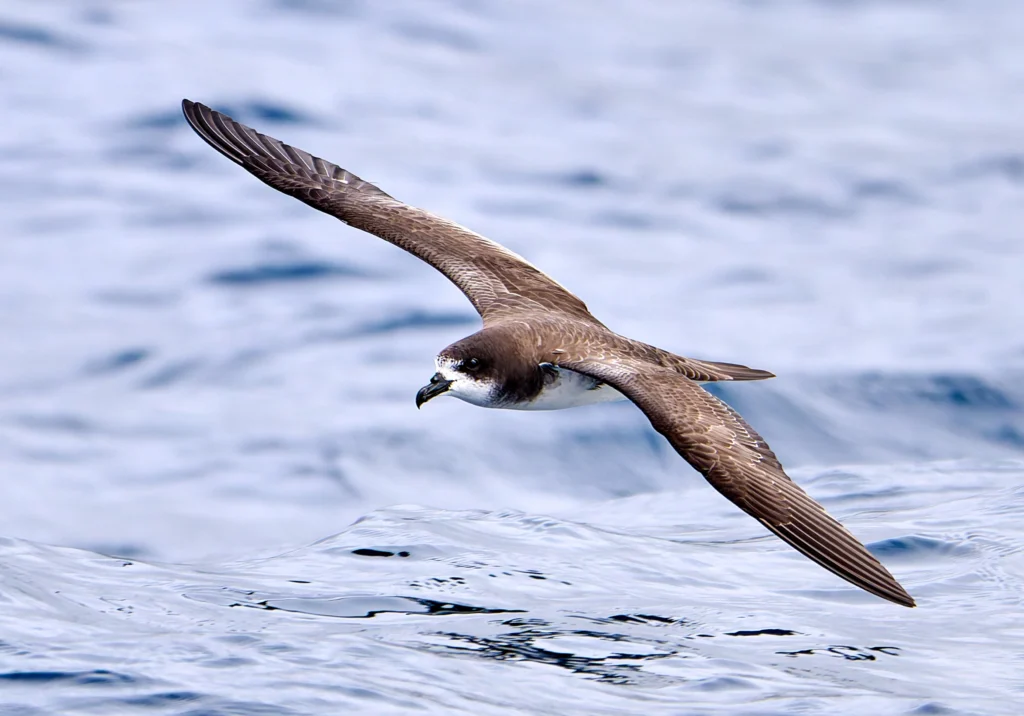
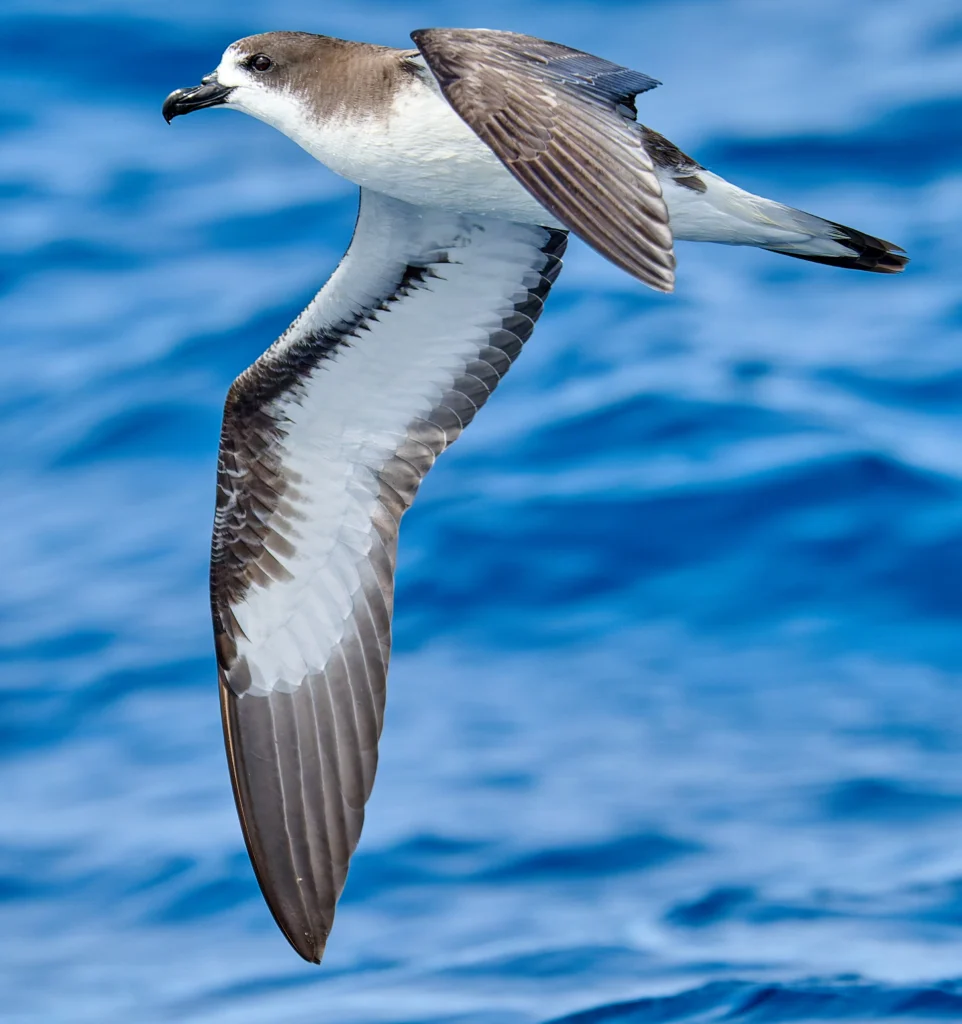
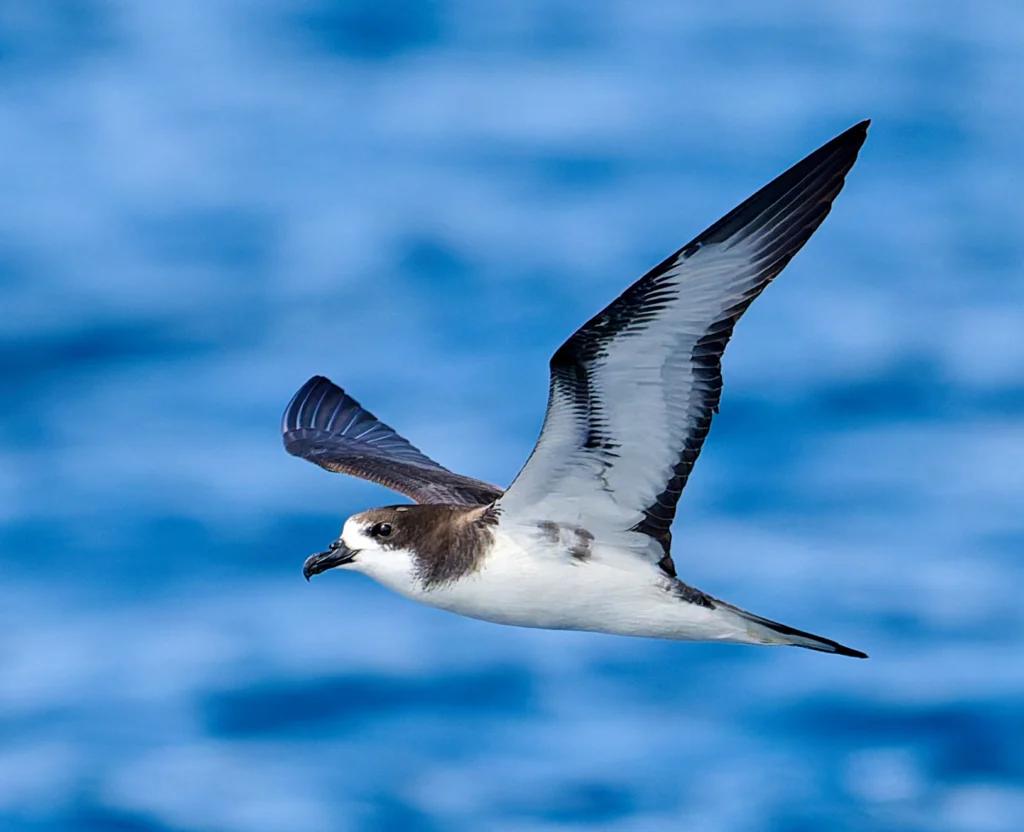
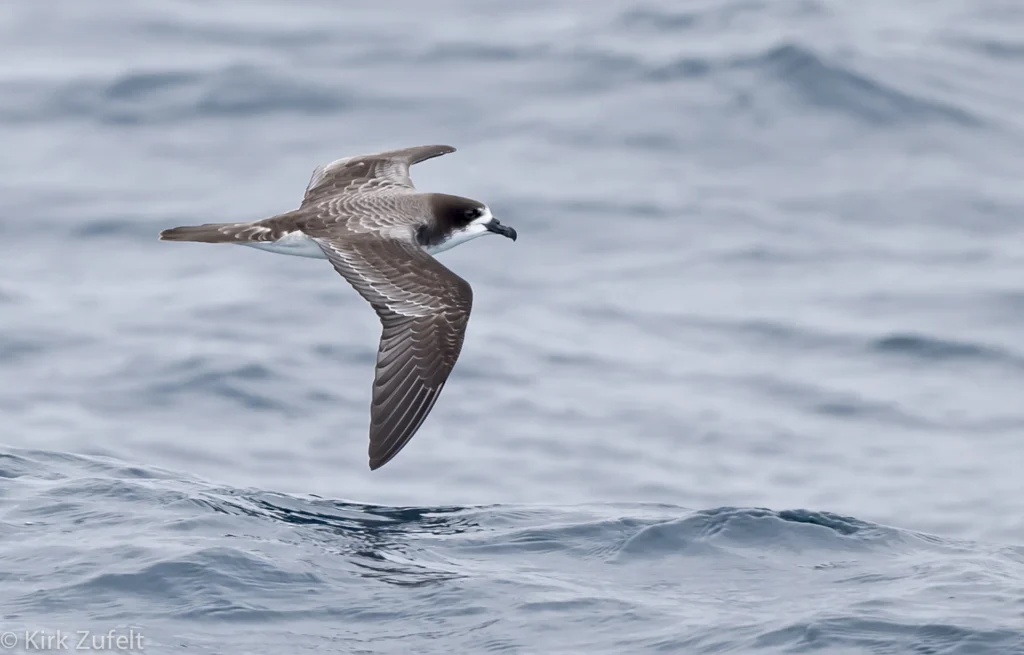
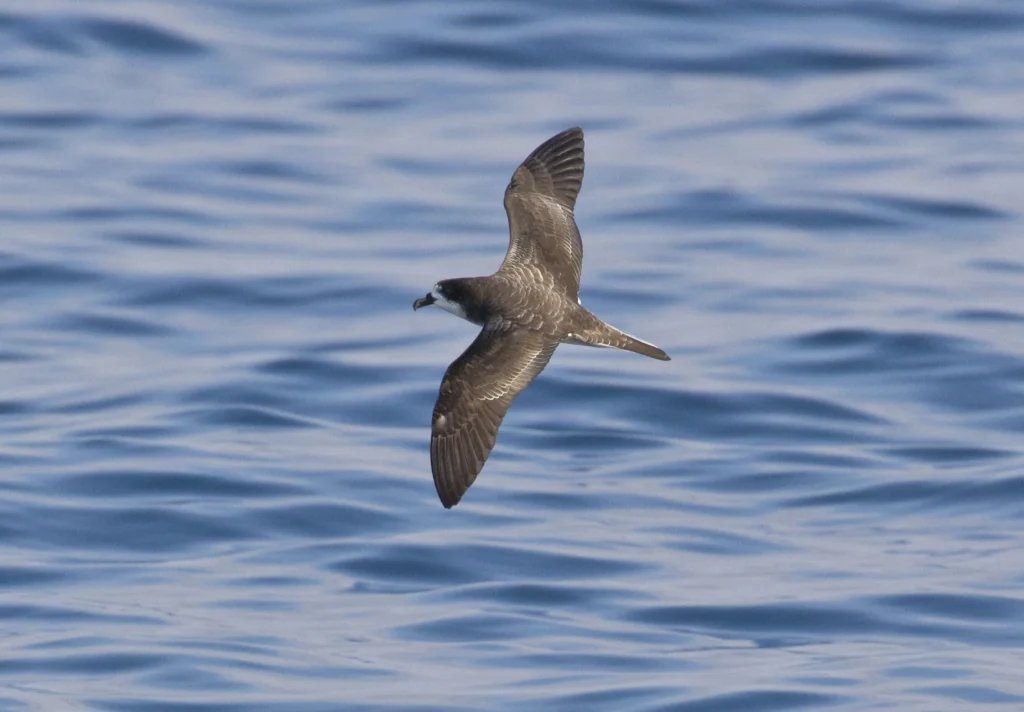
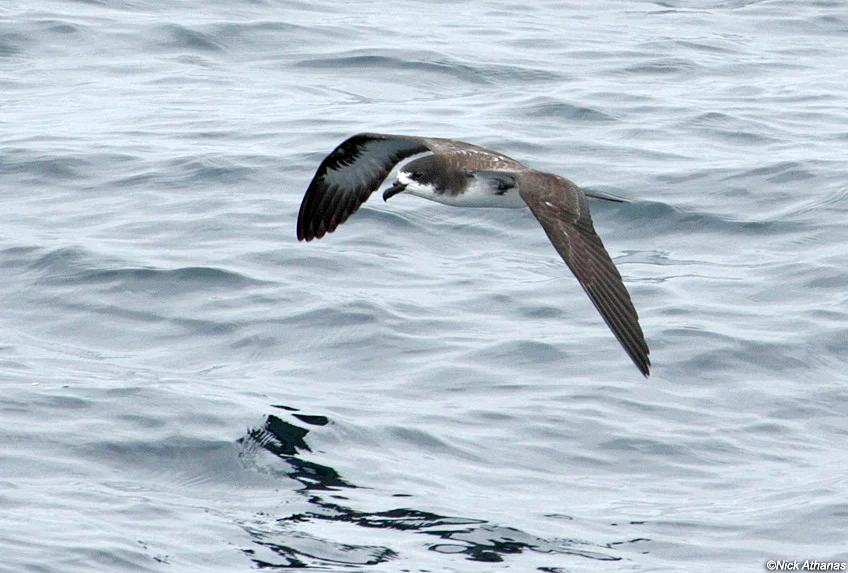
The Galápagos Petrel is a relatively large and slender seabird, mostly white below and dark chocolate-brown to charcoal-gray above. The female and male are alike, with a white forehead and lower half of the face, and a dark cap that extends back and wraps around the sides of the neck. Seen from below, the dark wing tips, as well as the leading and trailing edges of the wings, contrast strongly with the white body feathers. On the half of the wing closest to the body, the dark color of the leading edge angles diagonally across the wing towards the feet.

Sounds

The Galápagos Petrel gives a range of nasal cackles, squawks, hoots, and growls. Researchers have identified seven discrete call types given in different contexts, mostly during the breeding season and near nesting colonies. Some research suggests that the longer, more drawn out hoots and growls calls may be sex-specific, with females giving the harsher growls and males the more musical hoots.

Calls

Credit: Jacob Guachisaca Salínas, XC631249. Accessible at www.xeno-canto.org/631249.

Habitat

The Galápagos Petrel breeds in the lush, misty highlands of the tall Galápagos. For the rest of the year, this bird ranges over the open ocean, rarely approaching land.

  • Breeding colonies are at the highest elevations the islands offer, from about 600 to 2,500 feet

Range & Region

Range & Region


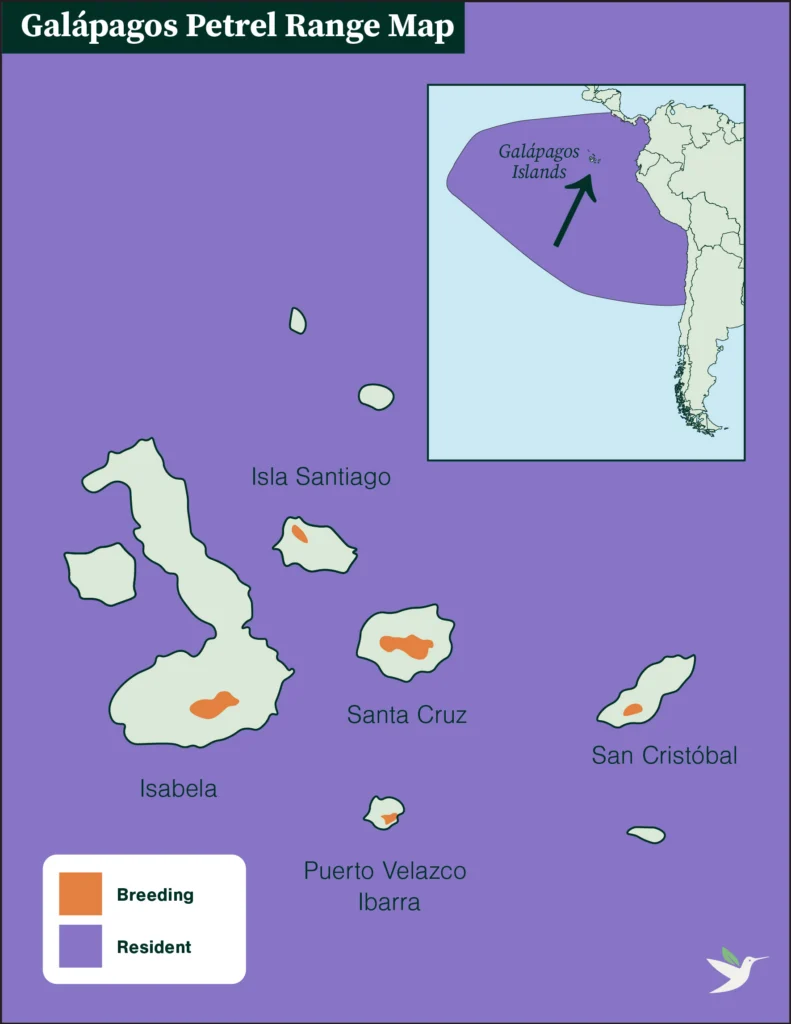
Galapagos Petrel range map.

Specific Area
Galápagos Islands and tropical Pacific Ocean

Range Detail
The Galápagos Petrel breeds in the central highlands of Santa Cruz, Floreana, Santiago, San Cristóbal, and Isabela Islands, five islands of the Galápagos Islands archipelago in the Pacific Ocean off the coast of Ecuador. In the nonbreeding season, this species ranges widely throughout the Pacific Ocean between about 10° N and 20º S, and from the South American coast to about 120º W longitude.

Did you know?
Though not widely separated geographically, Galápagos Petrel populations between the islands are fairly distinct, forming three separate groups across the five islands that are different from each other both in terms of their genetics and their vocal behavior.

Range
Islands
Migration Pattern
Varied
Migration Distance
Medium Distance

Life History

Like the Waved Albatross and other seabirds, Galápagos Petrels spend much of their lives at sea, foraging from western Central America to northern South America. They return to the humid highland areas of Santa Cruz, Floreana, Santiago, San Cristóbal, and Isabela islands for their nesting season, which runs from mid-April through October.

Diet

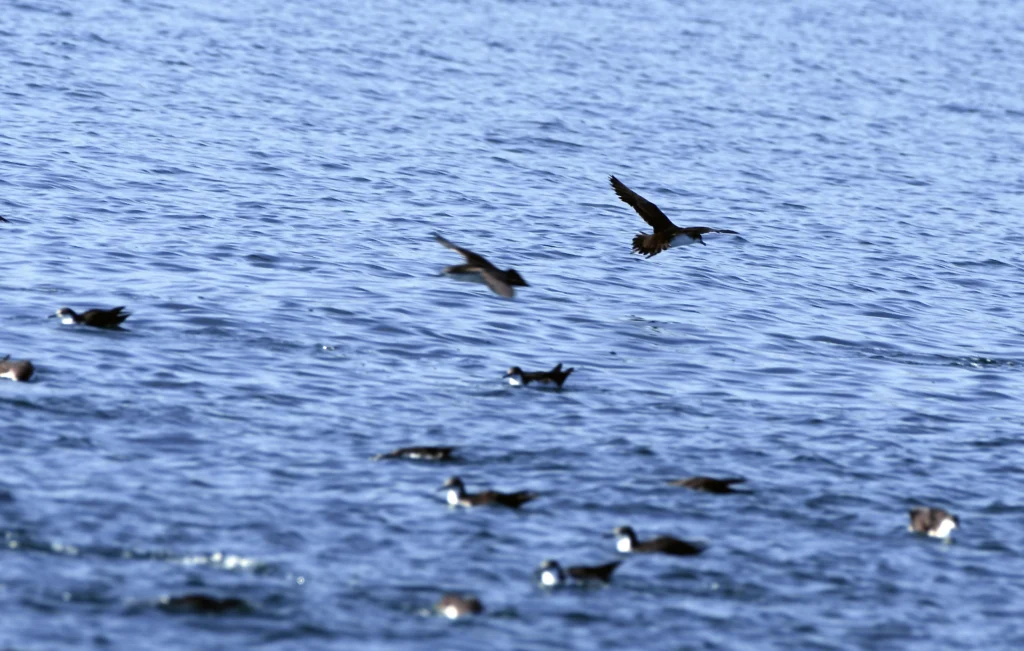
Galápagos Petrels forage by plucking food items from the surface of the water, either on the wing or while floating on the waves. They will eat living animals as well as carrion, especially squid and octopuses driven up to the surface by feeding dolphins, porpoises, and tuna. They also take some fish and crustaceans. Though mostly solitary at sea, Galápagos Petrels will join mixed-species flocks with other seabirds at dolphin foraging aggregations.

Courtship

Little research has focused on courtship behavior in this species, but biologists’ observations suggest that courtship mostly takes place in the vicinity of the nest site. Early in the breeding season, Galápagos Petrels fly and call persistently at night, especially after dusk and just before dawn. The specific function of this behavior is unknown, but it may help these largely solitary birds find their mates after many months at sea.

Nesting

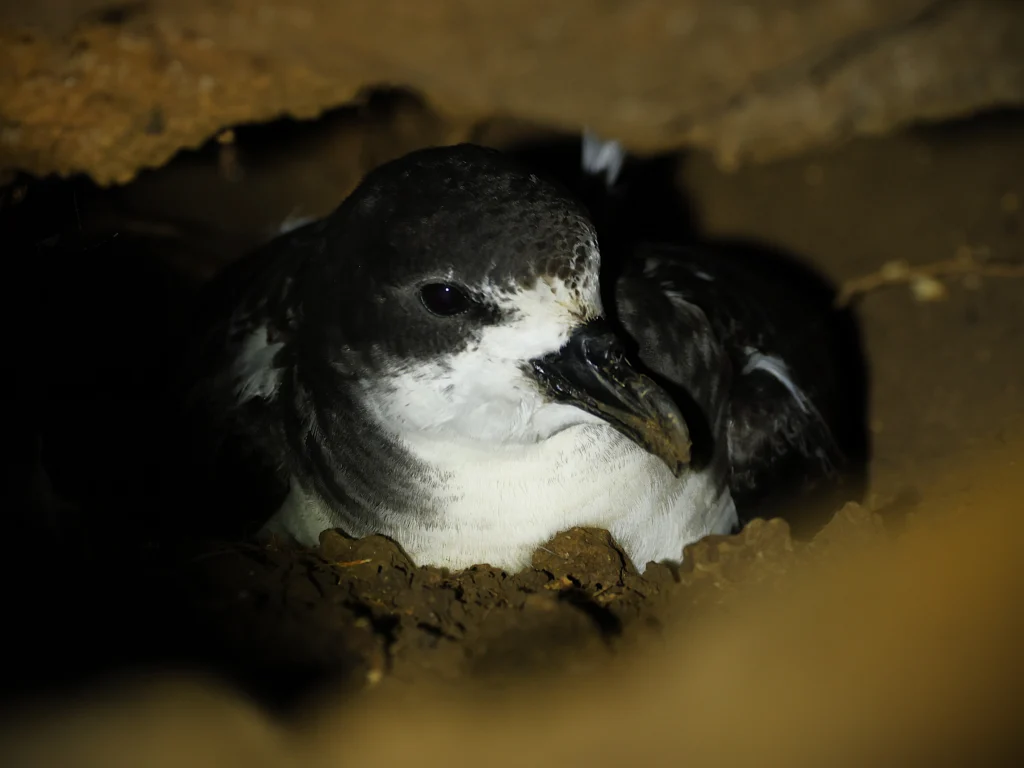
The rocky, volcanic terrain of the Galápagos Islands provides plenty of natural cavities for burrow sites; mated pairs may dig their own or use an existing crevice in a crater or sinkhole. Galápagos Petrels will also use artificial nest burrows that are placed in areas less prone to human disturbance. These birds are extremely faithful to their nest sites, with pairs often returning to the same cavity or burrow year after year. The petrels fly into their nesting areas after sunset, where their noisy, acrobatic courtship flights carry on into the wee hours of the night.

Eggs & Young

Once the female lays her single egg, the male petrel begins incubation, allowing the female to fly out to sea to feed and regain energy. The pair takes turns tending the egg, then share chick-feeding duties, regurgitating seafood to nourish their ever-hungry offspring. Petrel pairs usually remain faithful to the same nest site and mate for many years.