Celebrating a Win for Seabirds As Proposal for Rocket Test Site Is Suspended

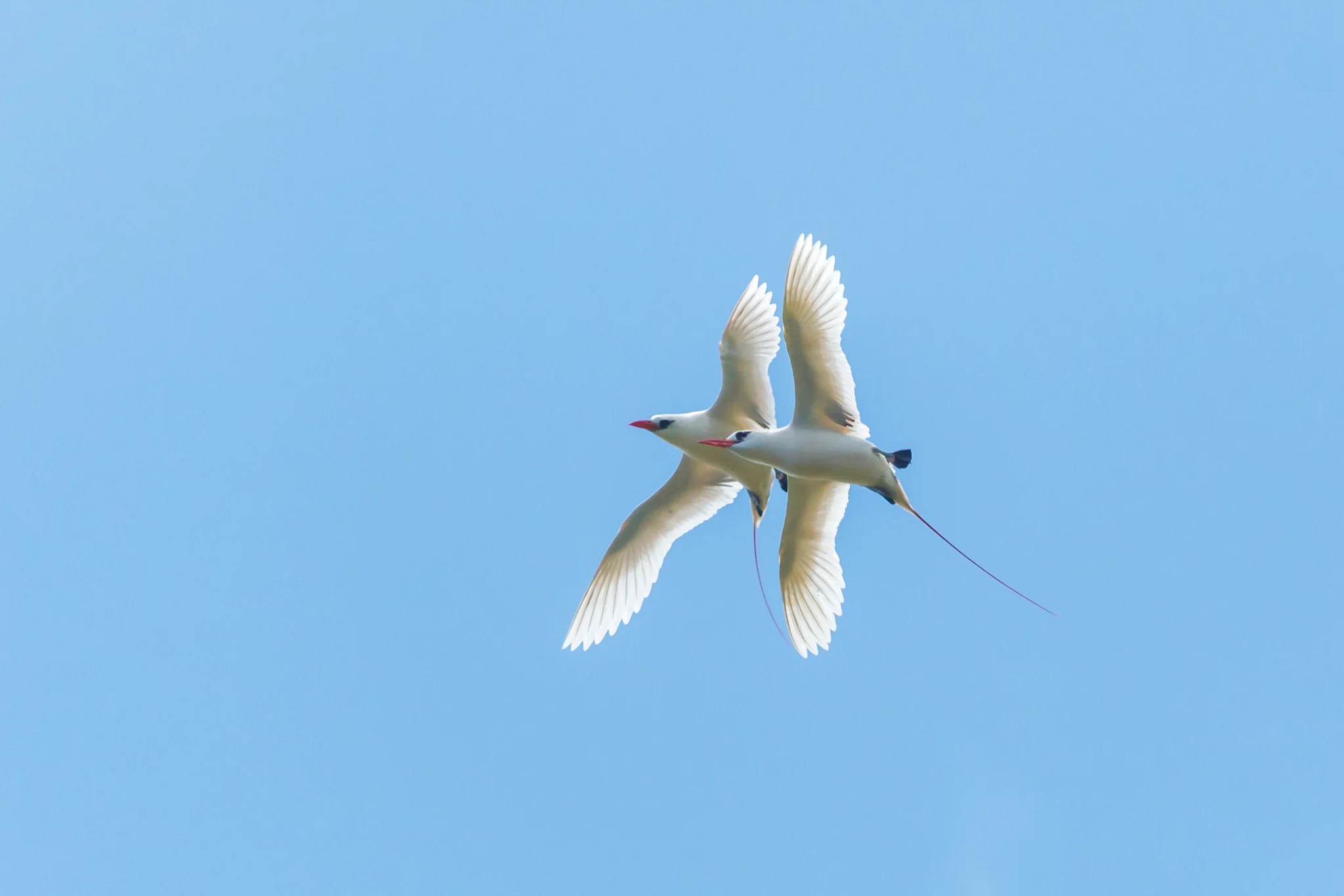
Nearly half of the world’s Red-tailed Tropicbirds breed on Johnston Atoll. Photo by Meghan Cassidy, CC BY-SA 4.0.

Celebrating a Win for Seabirds As Proposal for Rocket Test Site Is Suspended

Leer En Español
Press Releases
Listen to this article

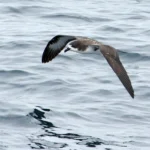
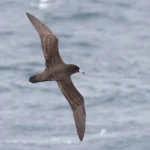
Johnston Atoll is a tiny speck in the Pacific Ocean — approximately 1,400 kilometers southwest of Hawaiʻi. For most people, it’s just a name lost in the blue expanse of the map. But for over a million seabirds, among the most endangered groups of birds in the world, Johnston Atoll is something else entirely: home.

And, luckily, after fast action by American Bird Conservancy (ABC) and partners, Johnston Atoll National Wildlife Refuge will remain a bird sanctuary for now.
The Threat

The U.S. Department of the Air Force (DAF) issued a notice earlier this year proposing the construction and operation of two commercial rocket landing pads on Johnston Atoll National Wildlife Refuge. A Draft Environmental Assessment (EA) with a Draft Finding of No Significant Impact (FONSI) — a document explaining why an agency believes a proposed project will have minimal impacts on the environment — was anticipated for public review.

ABC was among the first organizations to sound the alarm about the potential threat to this seabird haven in the Pacific, raising awareness of the project globally while voicing that a FONSI was entirely inadequate. ABC proactively met with SpaceX, offering to work with the company and the Air Force to find an alternative site (an offer we remain committed to), and also requested that the DAF prepare a full Environmental Impact Statement to better assess the potential hazards posed by the project.

Following the public concern and request to study the real impacts of the project, the DAF announced that the project was suspended. This news means this critical bird habitat will remain for the birds.

A Haven in the Middle of Nowhere

Johnston Atoll is more than just land — it’s a sanctuary. The atoll is essential habitat for at least 1.5 million tropical seabirds representing 14 species that forage in the vast central Pacific Ocean each year. This includes the world’s largest colony of Red-tailed Tropicbirds (Koaʻeʻula) — almost half of the world’s breeding population. The islands are necessary for breeding and nesting, and are the only solid ground some of these birds, which spend most of their lives on the open ocean, will ever see in their lifetime.

With limited disturbance, the atoll has become one of the Pacific’s most important refuges for birdlife.

Why Birds Need It

Seabird populations around the world are under pressure from habitat loss, ocean pollution, overfishing and fisheries bycatch, and climate change. Nesting areas like Johnston Atoll are rare jewels, offering safety from non-native predators and relative freedom from human activity.

There are few places like Johnston in the world. Isolated with limited human presence, these unique spots must be recognized for the strongholds they are and protected as such.

Nature Reclaims the Runways

Johnston Atoll exemplifies the success of investments in conservation. In recent decades, the U.S. government dedicated funding to the atoll’s restoration, resulting in the first successful eradication of invasive yellow crazy ants, which spray formic acid, harming and even killing nesting seabirds and their chicks.

The restoration followed years of nuclear weapons testing and disposal of chemical weapons. In 2004, the U.S. military left the atoll after removing most buildings and closing its airstrip, making boat transport the only way to access it.   The very space once designed for war now serves as a bastion of biodiversity.

Since 2004, seabird numbers have increased dramatically on Johnston Atoll, one of the few bright spots for seabirds globally. Native plants are returning where asphalt once dominated. Old runways are now covered with ground-nesting seabirds.

The Path Forward

The U.S. Fish and Wildlife Service now manages Johnston Atoll as part of the Pacific Islands Heritage Marine National Monument. With the Air Force officially backing out of developing the atoll for rocket launches for now, there’s hope that long-term conservation can continue.

And for the birds circling above the turquoise water, calling out over the coral shallows, it’s clear: This is still their sky.

A New Twist in This Story

Weeks after the news of the suspension of development on Johnston Atoll, an Executive Order was released, seeking to exempt rocket launches from environmental review. ABC will analyze the order and its legality, which could impact not only Johnston Atoll, but places like Texas, where previous rocket launches have destroyed prime nesting habitat for struggling species such as the Snowy Plover and Northern Bobwhite. While the development suspension is a win for seabirds and Johnston Atoll remains safe for now, ABC will continue to monitor the situation to help ensure seabirds are protected from future threats.

Birds need our voices now more than ever. Find out how you can take action for birds.

American Bird Conservancy

American Bird Conservancy (ABC) takes bold action to conserve wild birds and their habitats throughout the Americas. Inspired by the wonder of birds, we achieve lasting results for the bird species most in need while also benefiting human communities, biodiversity, and the planet’s fragile climate. Our every action is underpinned by science, strengthened by partnerships, and rooted in the belief that diverse perspectives yield stronger results. Founded as a nonprofit organization in 1994, ABC remains committed to safeguarding birds for generations to come. Join us! Together, we can do more to ensure birds thrive.

American Bird Conservancy - Media Contact

Journalists, get breaking bird conservation news delivered right to your inbox by joining ABC’s media list. Get in touch by emailing media@abcbirds.org