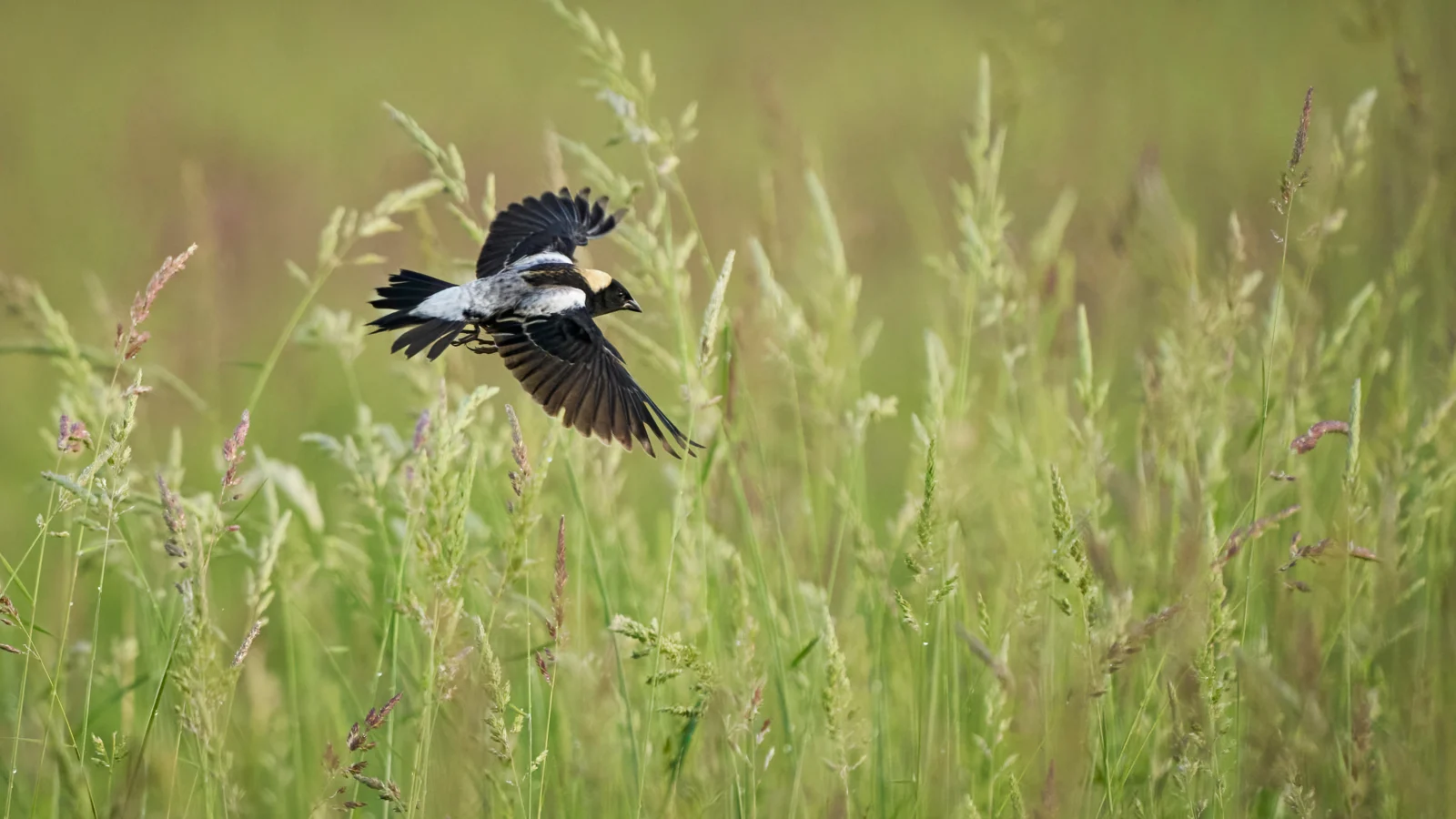
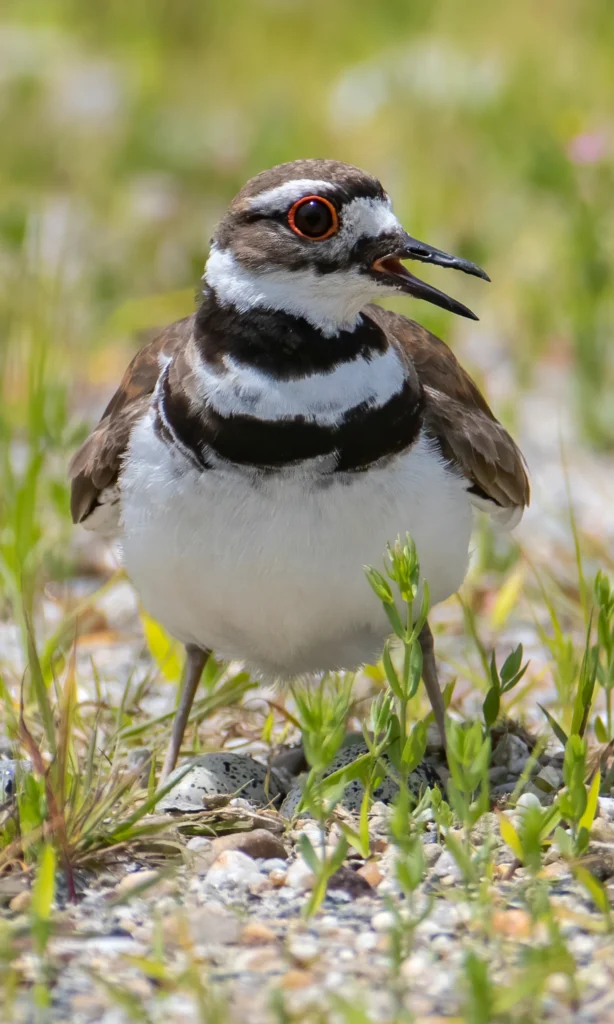
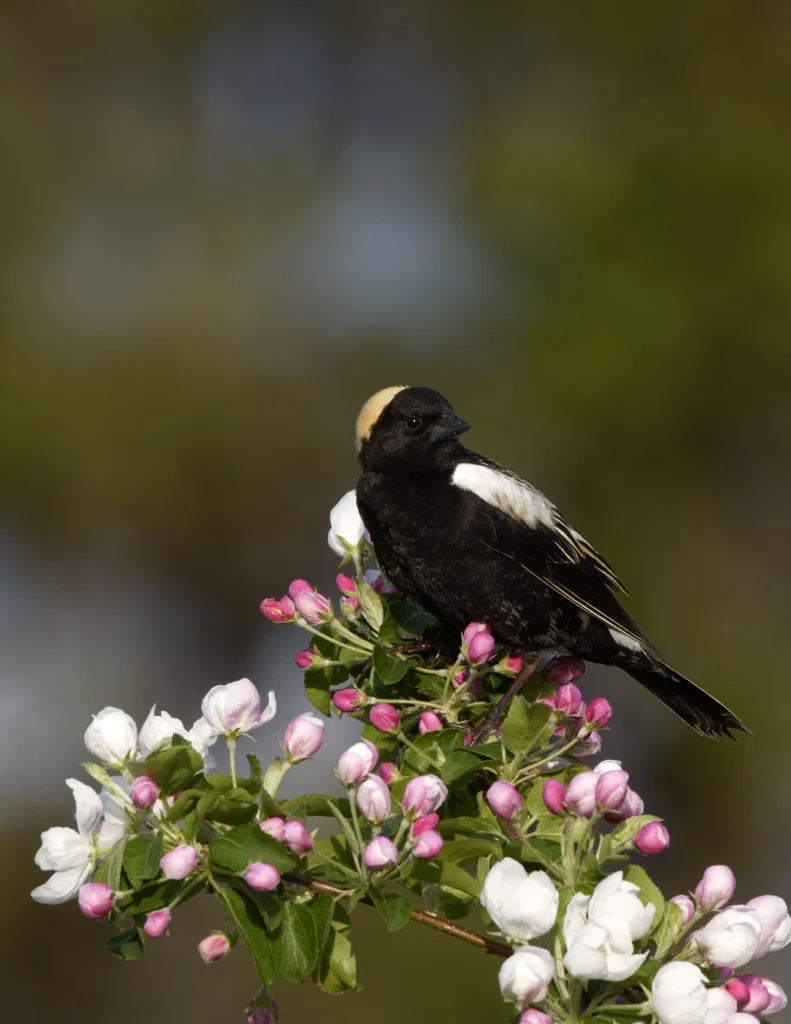
Grasshopper Sparrows, Bobolinks, Western Meadowlarks, and other grassland birds that returned to western Minnesota and northern Iowa this spring found hundreds of acres of improved habitat thanks to a partnership between ABC, the Student Conservation Association, and the U.S. Fish and Wildlife Service.
The partners coordinate a project dubbed the Invasive Species Strike Teams, which began in 2025 and will continue through 2029. Each summer, six interns led by Grace Rau, Invasive Species Coordinator for ABC at Big Stone National Wildlife Refuge, monitor and treat invasive plants on federal lands in the region, especially on remnant prairies (grasslands that have never been plowed). In the first two years, the Strike Teams cleared invasive species, including Siberian elm, Russian olive, and common buckthorn, from more than 400 acres of prairies and grasslands.
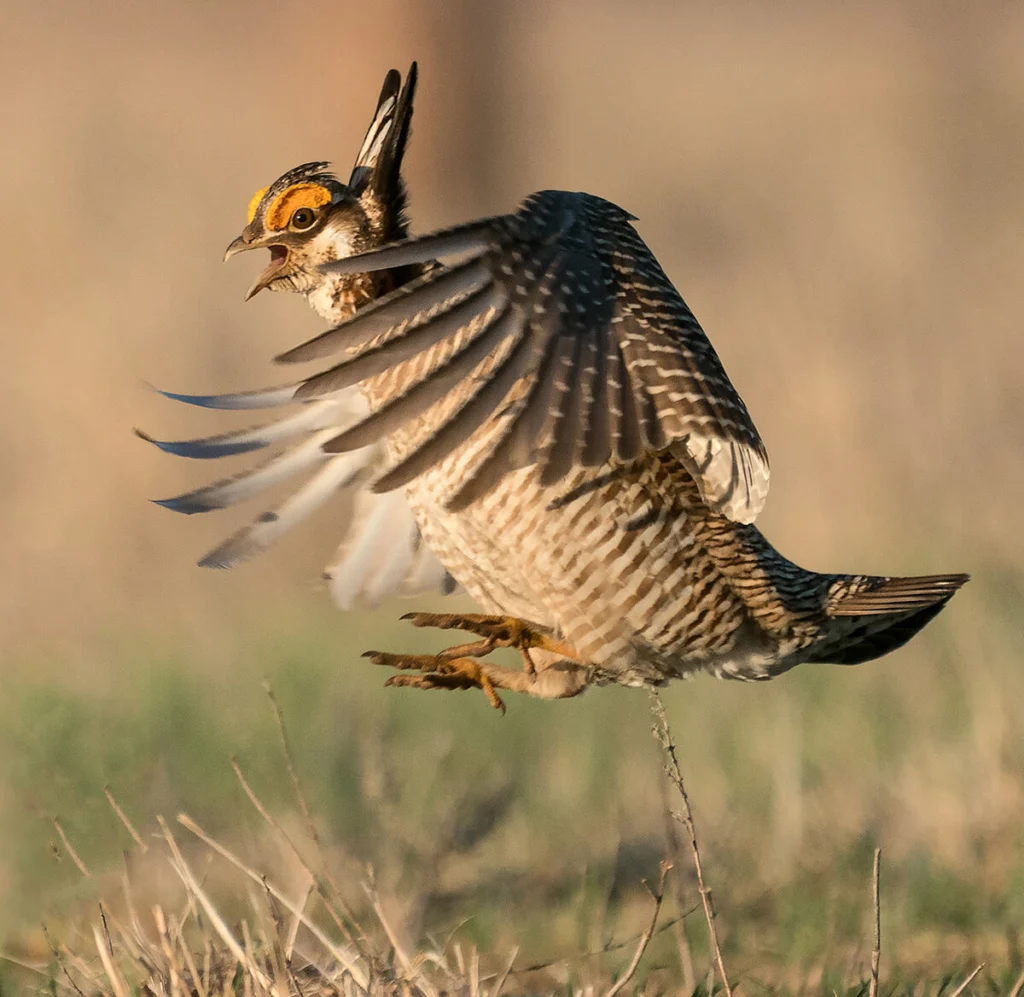
By removing invasive plants, native prairie grasses and flowers that grassland birds depend on regenerate, creating a win-win for plants and birds. Other species that benefit include the Greater Prairie-Chicken and LeConte’s Sparrow.
A related project that Rau leads is helping restore habitat for the Minnesota state-endangered ball cactus, which grows in crevices of granite outcrops that are being shaded out by invasive shrubs and lost to granite quarrying in western Minnesota. The cactus produces pink flowers and is a popular plant for bees and other pollinators. Removing invasive plants from outcrops also helps the Common Nighthawk, which nests on the ground.
“The Strike Teams are an amazing cohort of emerging conservation professionals who monitored over 2,000 acres of federal land in 2025, exceeding program goals,” Rau said. “Their passion and dedication to restoring grassland habitat is what continues to drive the program forward. We have been able to accomplish so much in two years, I am excited to see what we can do in the next three.”