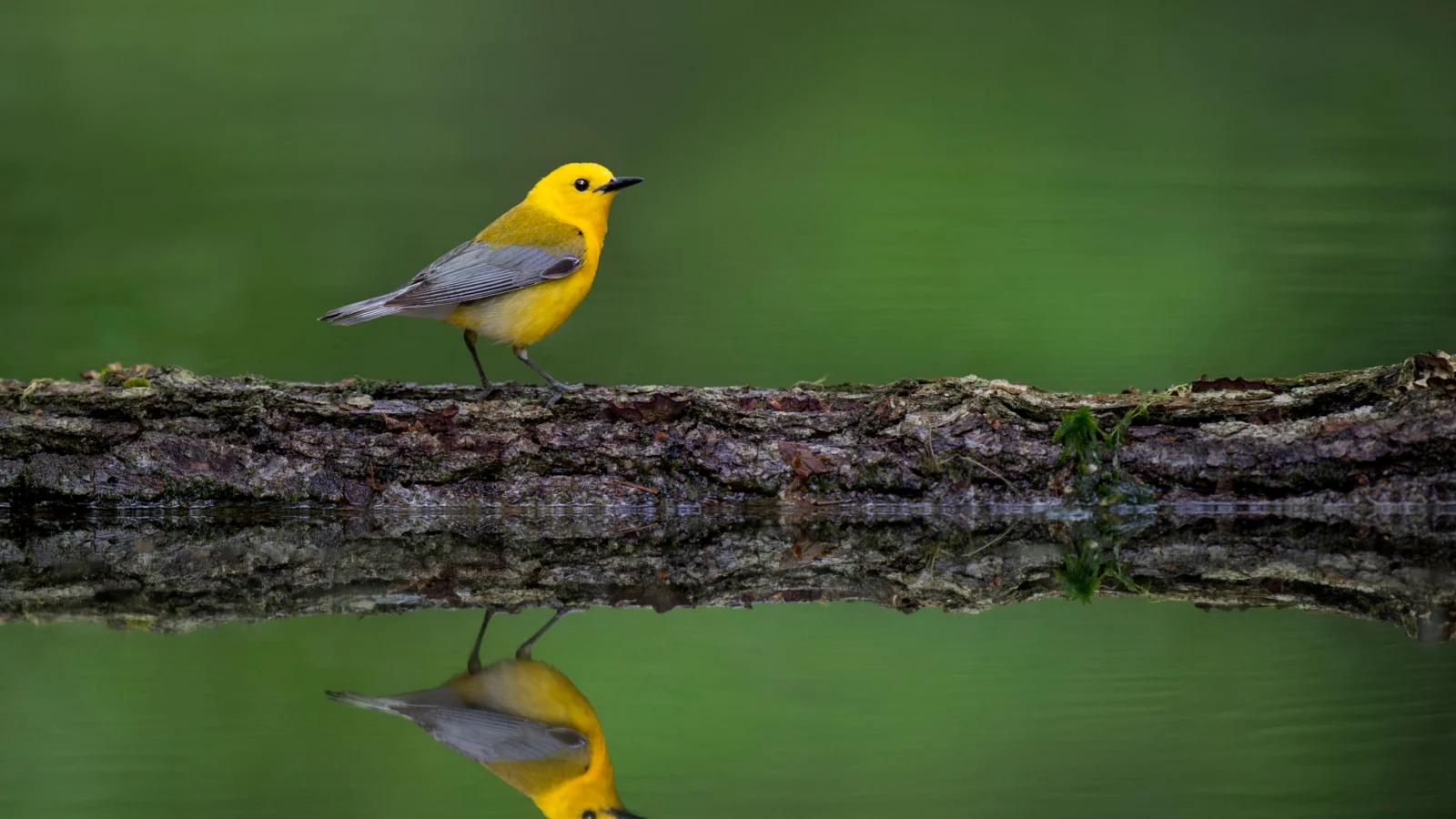
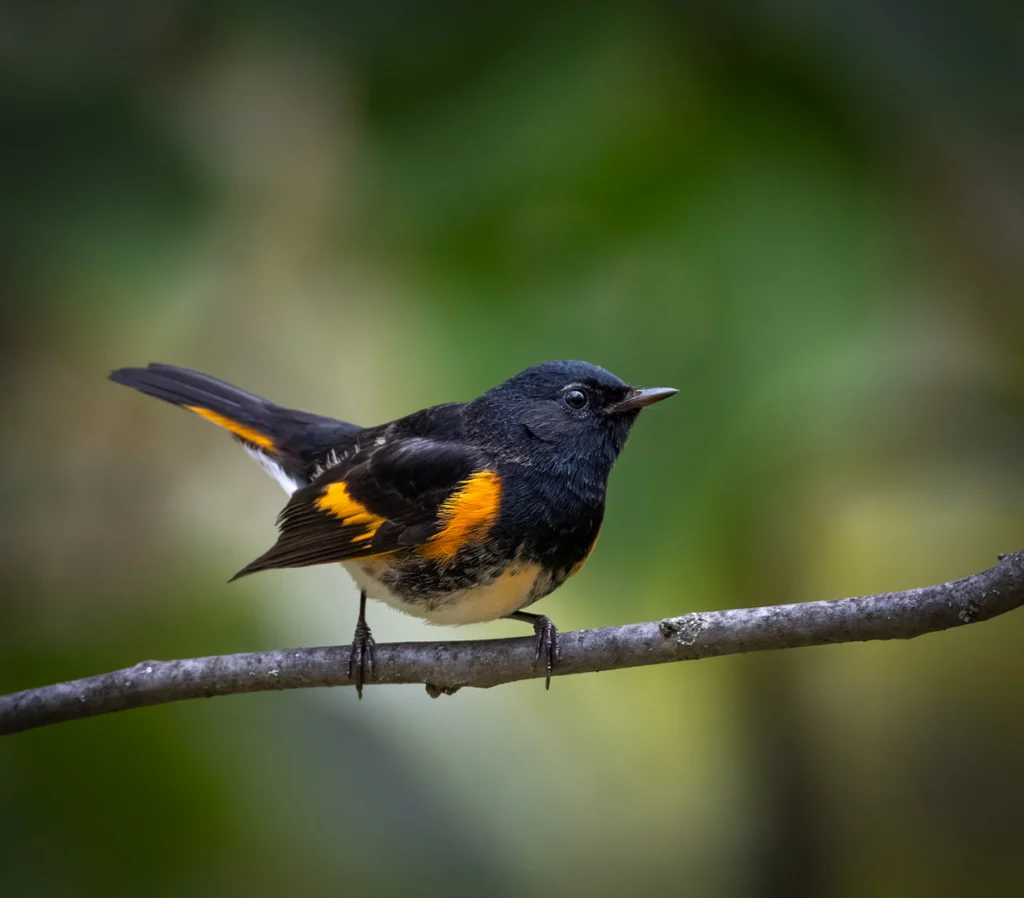
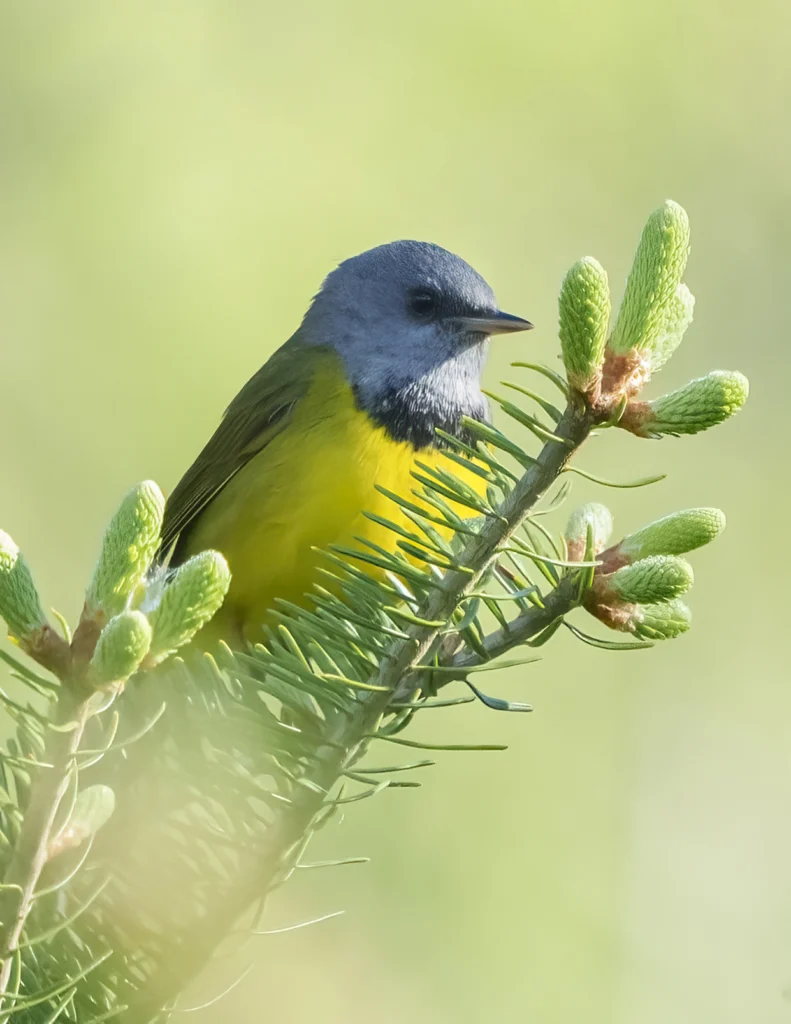
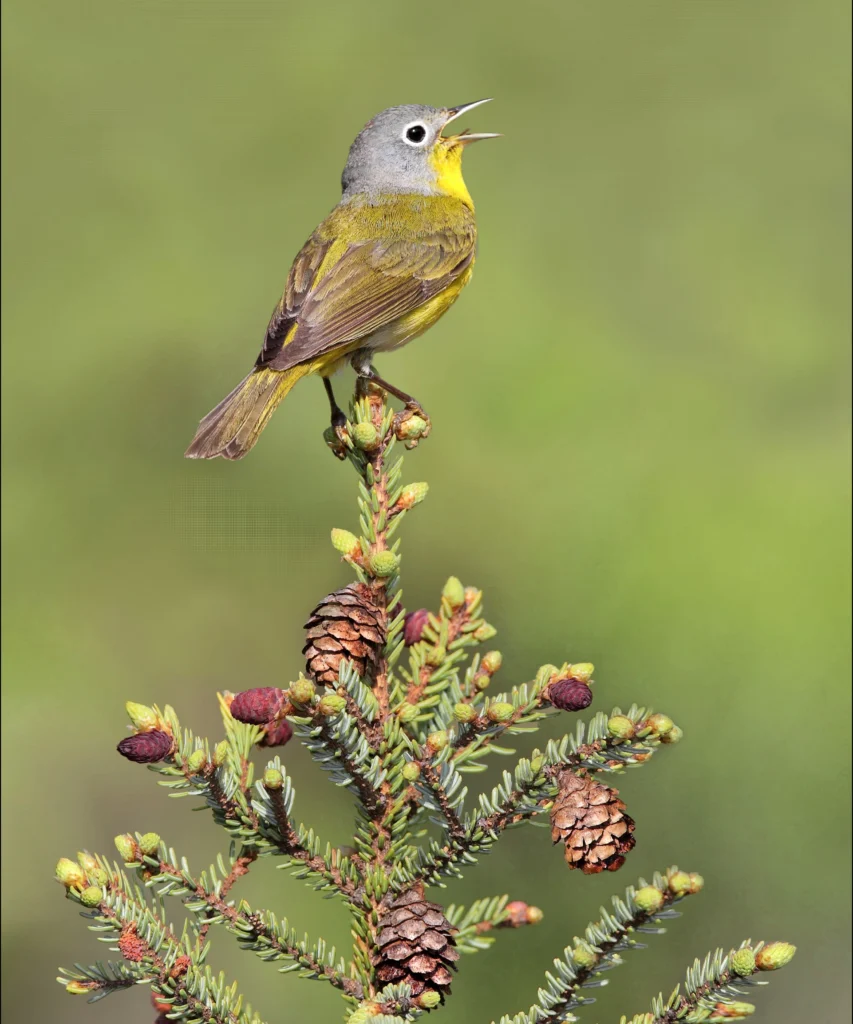
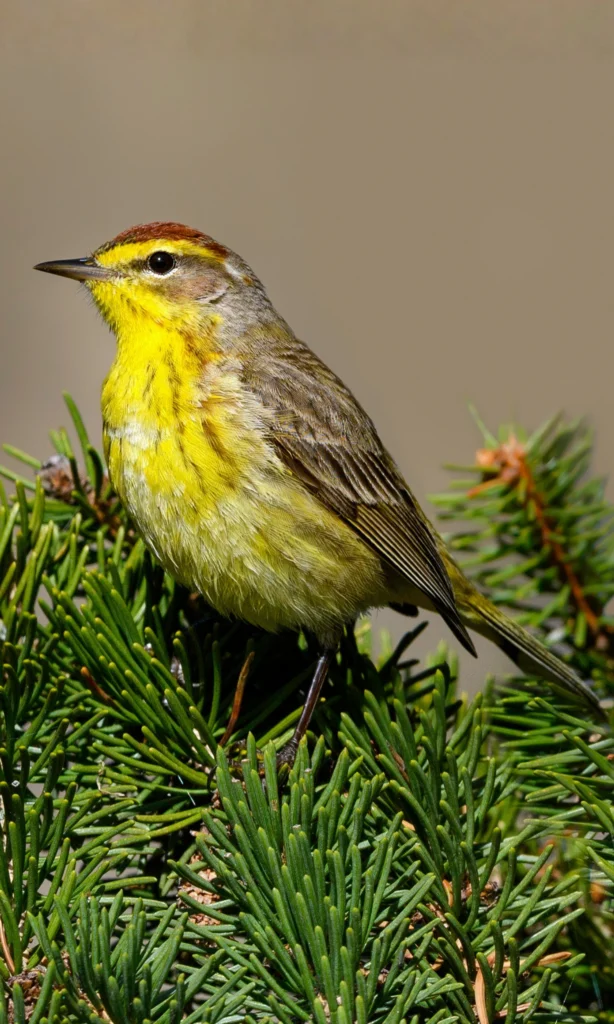
In the dark, somewhere over the open water of western Lake Erie, a warbler bound for Canada’s northern forests searches for land. Then a stretch of woods, marsh, and field rises out of the lake, a place to rest and refuel after the long crossing. For many birds, Pelee Island has likely been exactly that for thousands of years.
But now, a 600-foot tower strung with guy wires and lit through the night is planned for the island.
Pelee Island, Ontario, sits where the Atlantic and Mississippi Flyways meet, two of the busiest bird migration corridors in the United States, a short flight north of Ohio’s Magee Marsh, often known as the “Warbler Capital of the World.”
More than 300 species have been documented there. Many songbirds migrate at night, when a tower’s lights and wires are most dangerous. If the tower moves forward, warblers and other migratory birds would face the risk of colliding with the structure or its guy wires, or of circling its lights until they are exhausted.
American Bird Conservancy (ABC), Pelee Island residents, the Pelee Island Bird Observatory, Black Swamp Bird Observatory, and others are urging the Canadian government to assess the tower’s impact on birds before construction, which is slated for 2027. Advocates say the tower should be built somewhere other than the middle of a bird highway. But if it must go on the island, they say, it should be designed to protect the birds that pass through.
“It would be a huge threat to safe passage for all the birds going over Pelee Island if this tower were to be built there,” said Hardy Kern, ABC’s Director of Policy and Government Affairs. It would turn “a place that birds have known to be safe for thousands of years” into somewhere “very dangerous for them,” he said.
The 600-foot (183-meter) tower with steady-burning lights is planned by DRW, a Chicago-based trading firm, to carry trading data between Chicago and New Jersey. It is not a cell tower. Communication towers are estimated to kill 6.8 million birds a year in the U.S. and Canada, and tall, guyed, steadily lit towers are among the worst offenders. One 2011 study found guyed towers killed 16 times more birds than unguyed towers of similar size.
Steady-burning lights add to the danger by attracting and disorienting birds that migrate at night. Christine Sheppard, ABC’s Glass Collisions Program Senior Director, said birds circling a lit tower strike the wires.
“It’s like they’re going through a cheese grater,” she said. “They hit the wires, and it hurts them.”
Sheppard said towers with flashing lights have far fewer collisions than those with steady-burning ones, and that Federal Aviation Administration (FAA) studies found flashing lights pose no added risk to pilots.
“The key thing is for them to use flashing lights,” she said. “Ideally, they would move the tower because it’s in a really terrible place.”
No government has assessed the proposed Pelee Island tower’s effects on birds. A study commissioned by DRW did not examine bird collisions, and its bird surveys consisted of two counts in June and July 2025, outside migration. In the U.S., new towers over 450 feet require a federal environmental assessment.
“Putting one of these known threats to birds in a really important migratory pathway is a bit like building a playground in the middle of the interstate,” Kern said. “You just don’t do it.”
On October 6, the Pelee Island Bird Observatory asked the Impact Assessment Agency of Canada to designate the project for an impact assessment, which would weigh the tower’s effects and alternatives, including relocating the project to other sites. ABC supports the request and submitted letters to the agency requesting that the Observatory’s request be fulfilled. The agency’s public comment period closed November 16, and a decision is due January 19, 2027.
“Our ask is that ideally the tower is not built on Pelee Island, and if it has to be built there, that they take as many bird-saving precautions as possible,” Kern said, “because if it’s built right now, exactly as they’re proposing to do it, it’s going to kill a lot of birds as they’re going north and south.”