Overview
About
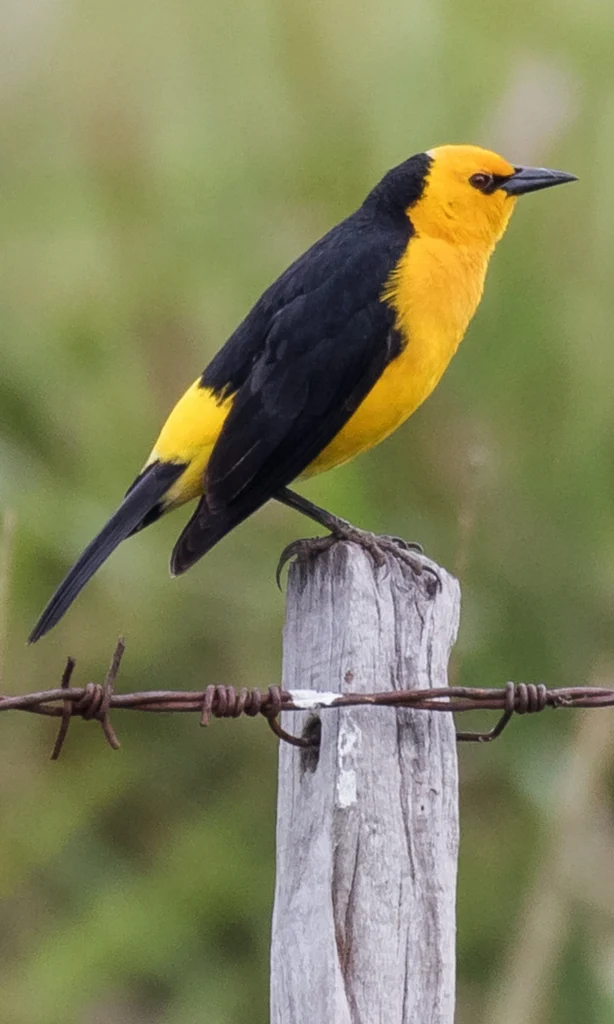
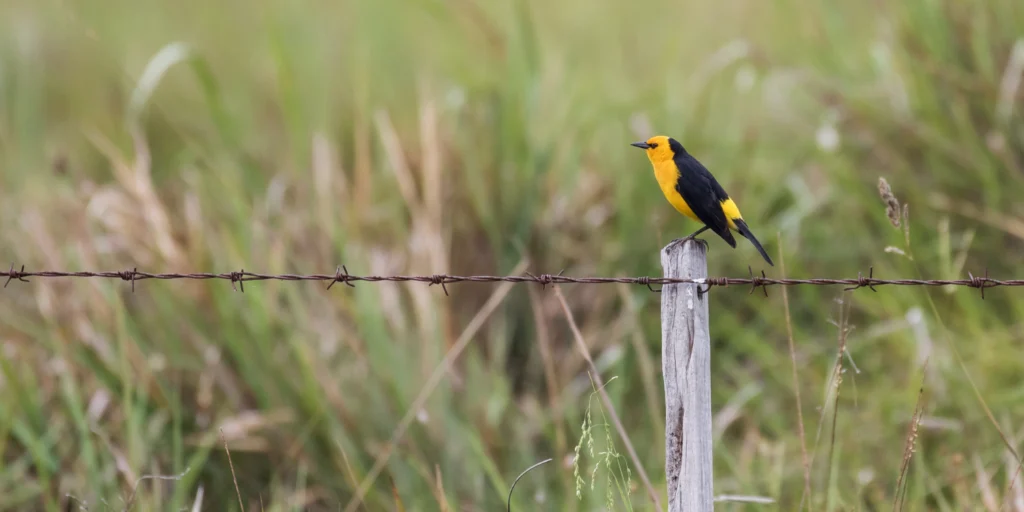
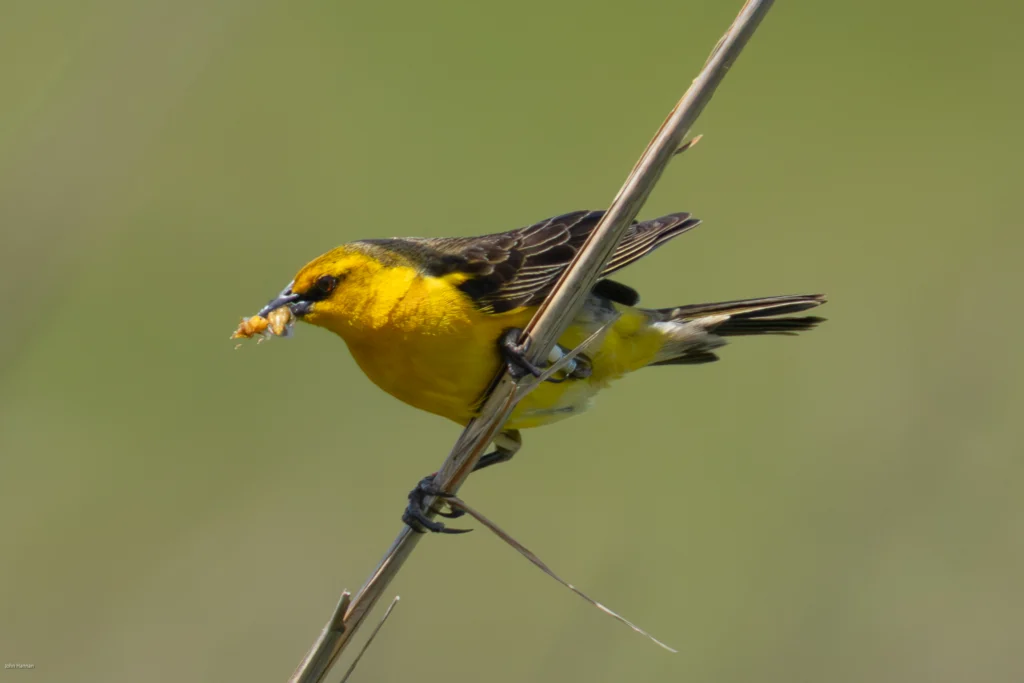
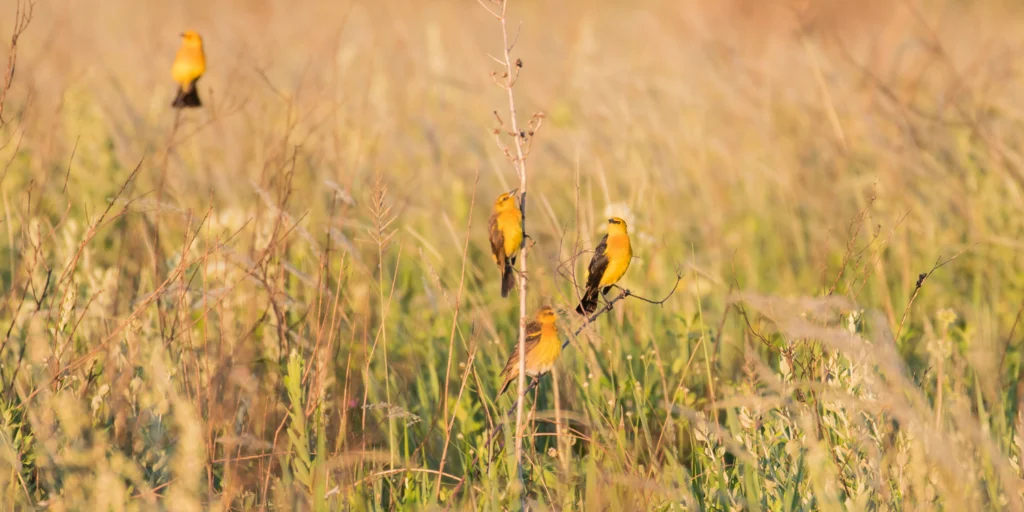
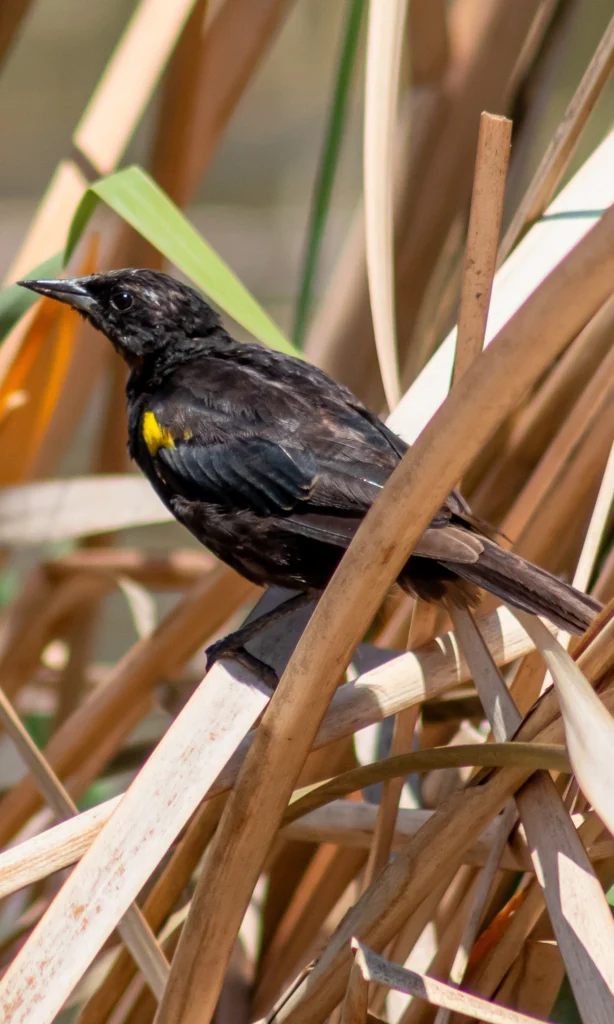
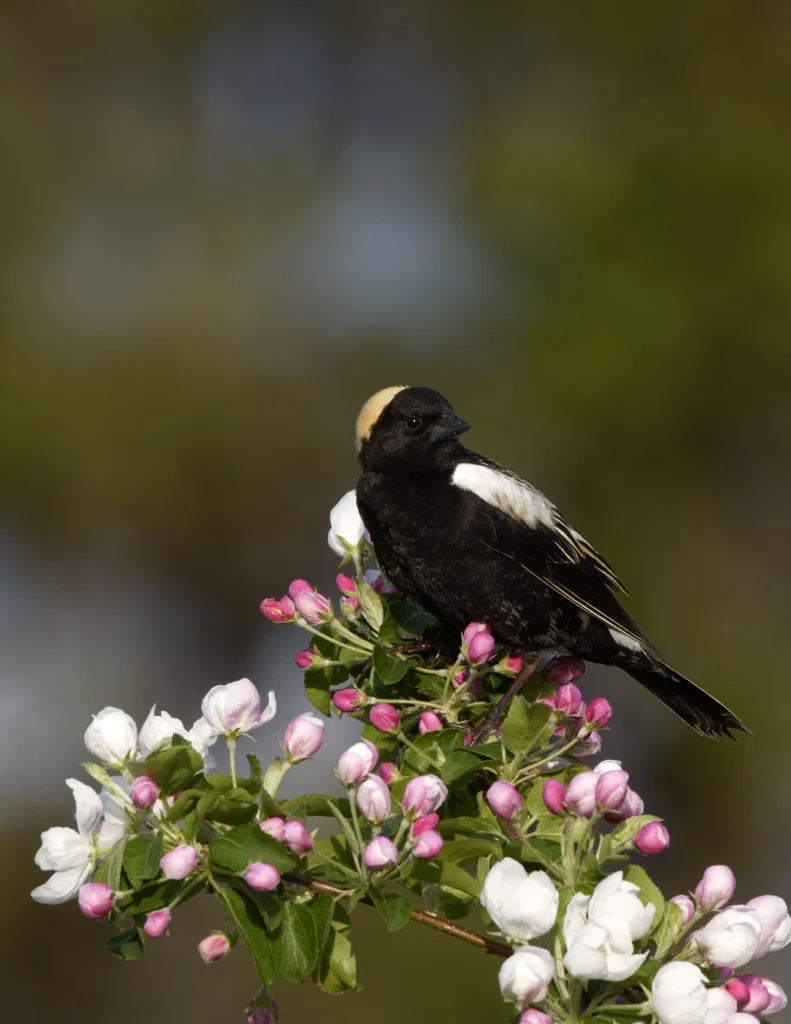
The Saffron-cowled Blackbird is a rare and declining species of the marshes and grassland in the Pampas, vast plains covering a portion of southern South America, east of the Andes. Males are a striking combination of black tail, wings, and back, and bright yellow underparts, rump, and head, with a black patch extending from the back up to the top of the head. A short black stripe extends from the bill to the eye, appearing as a narrow black mask. Females are similar, with the glossy black colors replaced by a rich, dark brown.
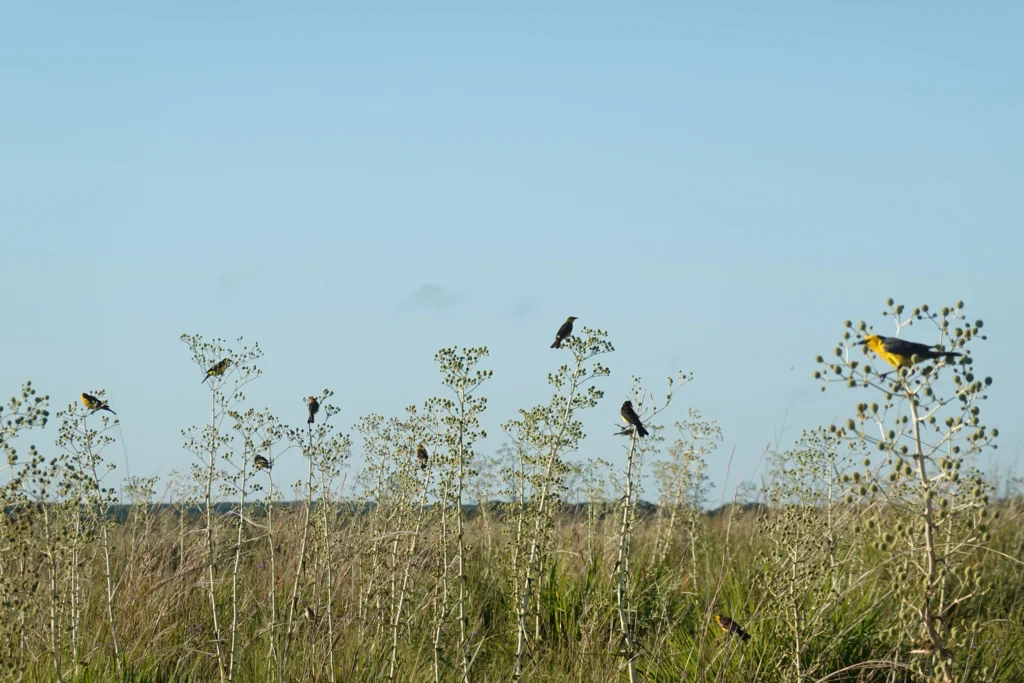
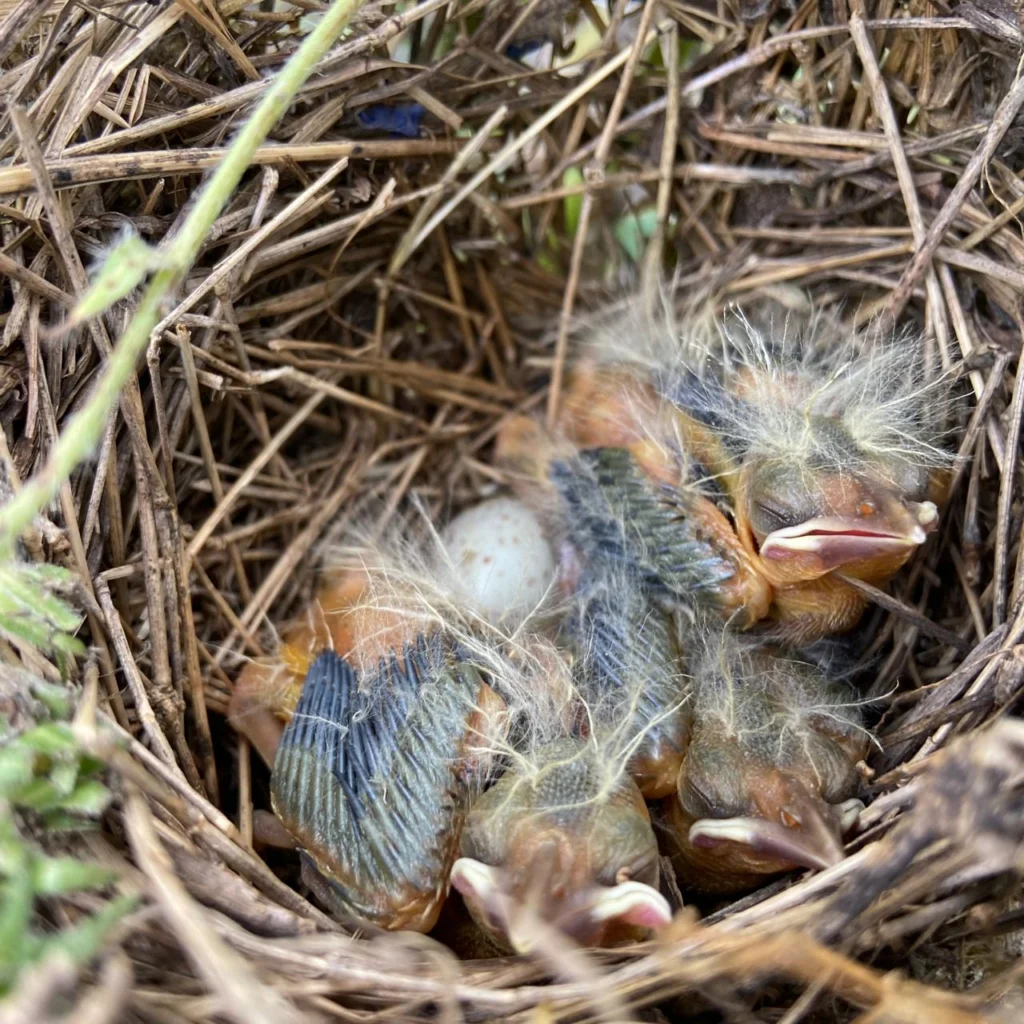
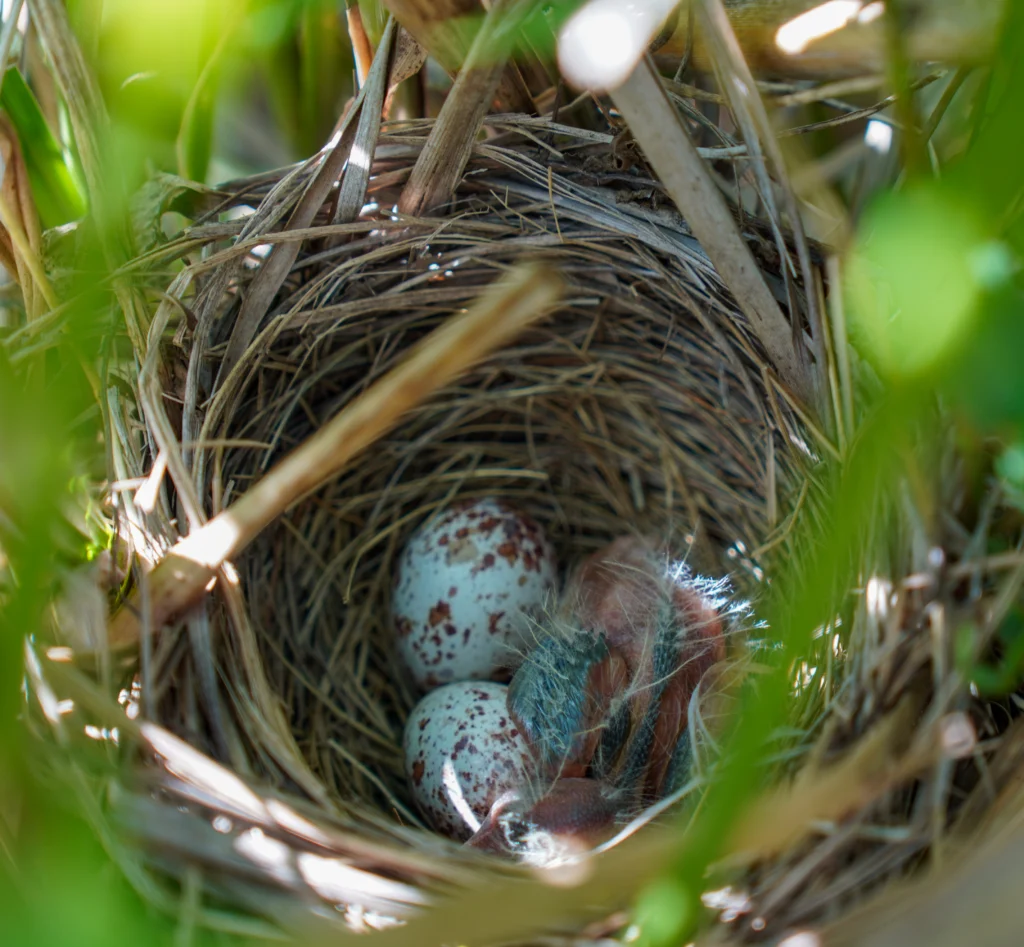
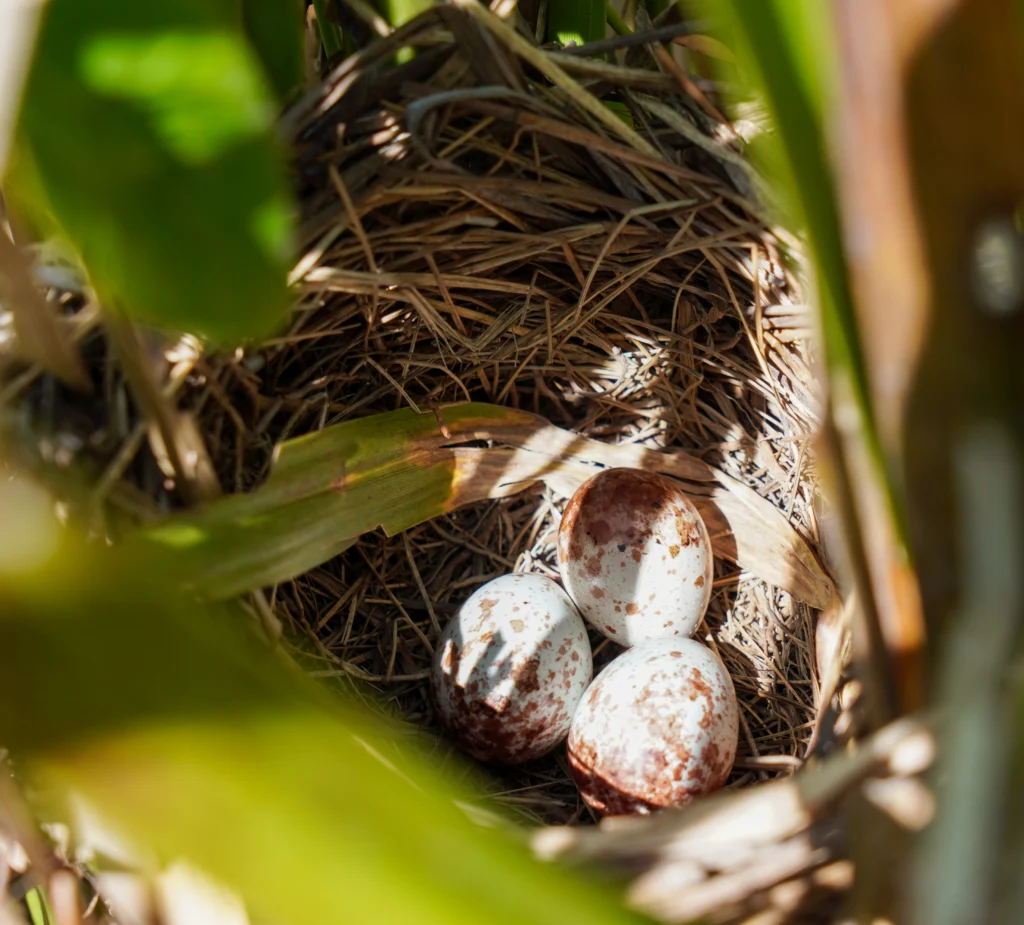
Though breeding pairs will sometimes nest far from their nearest neighbors, this species often breeds in large colonies of up to 40 pairs, all breeding in synchrony. Interestingly, this species seems to be a cooperative breeder, with additional males helping to feed young in the nest and after fledging – an uncommon strategy across the animal kingdom.
As land is converted for agriculture and livestock, the grassland and marsh landscape on which the Saffron-cowled Blackbird depends is disappearing, with remaining patches becoming increasingly fragmented. As a result, its geographic range has shrunk, populations are decreasing, and this now rare bird is listed as Endangered by the International Union for Conservation of Nature (IUCN). Establishing protected areas for this species, considered a symbol of Argentina’s grasslands, is critical to securing its survival.
Threats
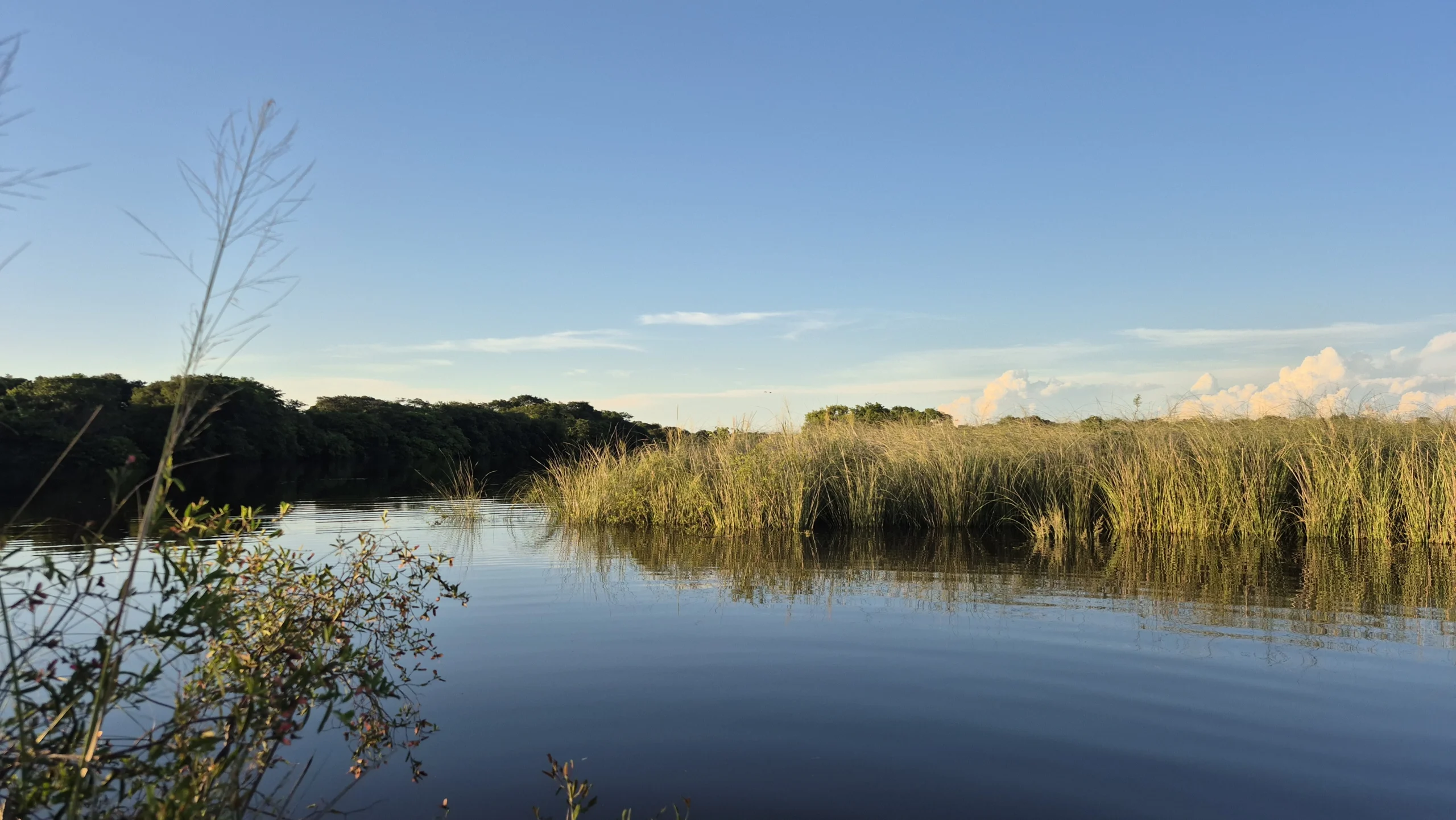
The fertile plain of the Pampas, where the Saffron-cowled Blackbird resides year-round, is considered one of the most threatened and degraded habitats in South America. The continued encroachment of agriculture, especially timber plantations, the draining of wetlands, and the burning of grassland for cattle all contribute to fragmenting and destroying the habitat that this species requires. Additionally, trapping for the pet trade can have a huge impact on breeding populations, destroying entire breeding colonies in a single season.
Habitat Loss
The expansion of agriculture and grazing land for livestock has greatly reduced the habitat available to this species. Additionally, remaining populations have become increasingly fragmented, limiting gene flow and making this species less resilient to environmental change.
Conservation Strategies & Projects
Birds need our help to overcome the threats they face, and for many species, including the Saffron-cowled Blackbird, the most urgent threat is habitat loss. Since its founding over 30 years ago, ABC has worked with partners and local communities to protect over 1.3 million acres of land in more than 130 reserves, spread across 15 countries. These reserves help to protect over 3,000 bird species, more than a quarter of all bird species in the world.
Creating & Maintaining Reserves
ABC and partners have worked to acquire and protect a critical parcel of grassland in northeastern Argentina that now serves as a vital sanctuary for the Saffron-cowled Blackbird and other threatened species. This marks a significant milestone in the preservation of one of the most vulnerable ecosystems in Argentina, and the conservation of one of the Saffron-cowled Blackbird’s few remaining strongholds.
Bird Gallery
Sounds
Eduardo Quintanilla, XC872821. Accessible at www.xeno-canto.org/872821.
Hans Matheve, XC972544. Accessible at www.xeno-canto.org/972544.
Habitat
Range & Region
Range & Region
Specific Area
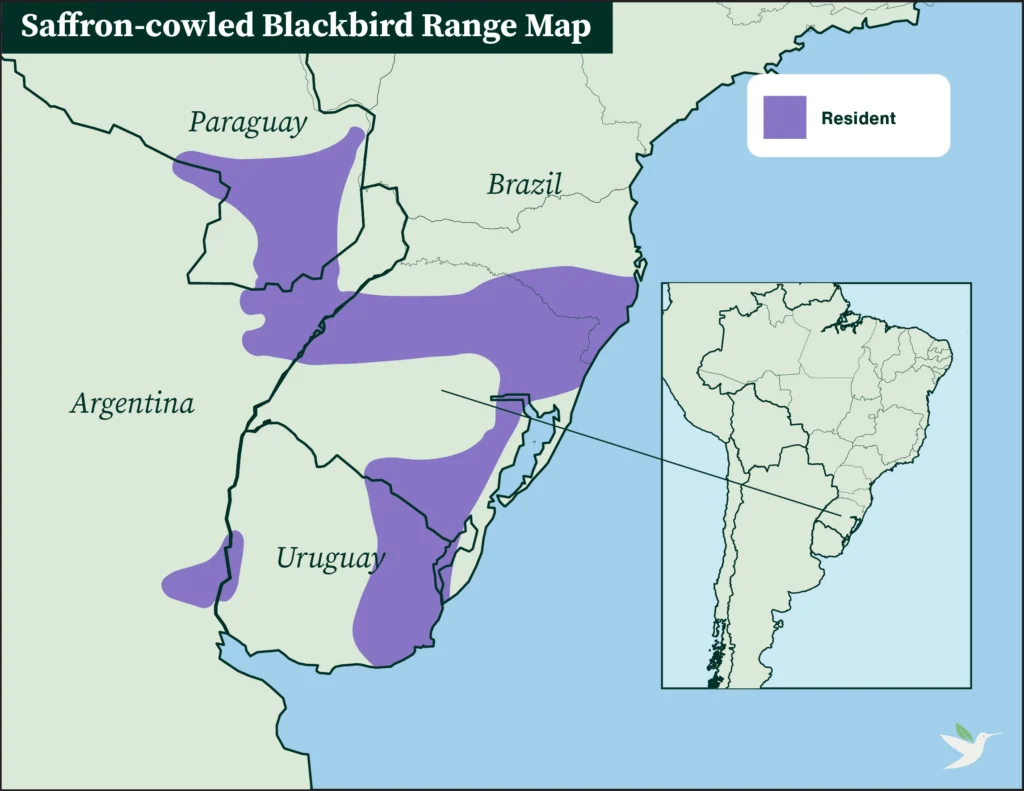
Paraguay, Brazil, Uruguay, and Argentina
Range Detail
Once widespread throughout the region, the Saffron-cowled Blackbird is now found from southeastern Paraguay and southeastern Brazil to Uruguay and northeastern Argentina.