Overview
About
The Yellow-winged Blackbird is a conspicuous species of the Southern Cone of South America, congregating in colonies in marshes during the breeding season, and forming larger flocks in wetlands, grasslands, and agricultural fields the rest of the year. These birds are also extremely vocal, giving a startling variety of calls, including sharp and percussive sounds, clear and musical whistles, and a range of other rattling, chirping, whining, whirring, and gargling vocalizations. Their song in particular makes use of virtuosic trills, robotic whistles, and mechanical whirring or buzzing sounds, coming across as half bird, half sci-fi robot. This iconic song is also the source of one of the Yellow-winged Blackbird’s nicknames, “trile,” and some authors propose it may also be the origin of the name of the country Chile! As if to make the most of their raucous acoustic capacity, the males of an entire colony will sometimes sing together in one big, cacophonous chorus.
In addition to nesting together in the same space, Yellow-winged Blackbirds also synchronize their nesting in time. Most of the females in a colony will lay within several days of each other. As a result, most of the nests in the colony will be on the same timeline, with eggs and nestlings developing at about the same time across the marsh.
Researchers have found that synchronized nests, as well as nests with more nearby neighbors, are less likely to be parasitized by the Shiny Cowbird (Molothrus bonariensis). This may be due to a “safety in numbers” effect, where more nests at the right stage of development are available to be parasitized, so that each individual nest is less likely to be the unfortunate one chosen by a female cowbird. But there may be a “power in numbers” effect in play as well. Yellow-winged Blackbirds are notoriously aggressive toward nest parasites, and larger flocks of blackbirds all defending their nests at the same time may make their colony particularly inhospitable for cowbirds.
Threats
While the global population has not been formally assessed, the Yellow-winged Blackbird is fairly common across most of its range, and its populations are considered stable. However, this bird’s habitat requirements are quite specific, relying on marshes with emergent vegetation to breed, and threats to these marshes are threats to the Yellow-winged Blackbird, as well.
Loss of Marshland
Habitat loss is a universal threat to birds, and one that is particularly acute in the wetlands that Yellow-winged Blackbirds call home. Wetlands and marshes are vulnerable to disturbance from pollution, recreational use, and urban and commercial development. Without wetlands, these birds might not be able to breed successfully.
Pesticide Contamination
Yellow-winged Blackbirds often inhabit agricultural areas where pesticides and herbicides are used. As a result, these birds may inadvertently eat contaminated insects and seeds. In addition, pesticides may concentrate in runoff from pastures and fields into the marshes where these birds breed, affecting chicks and adults alike.
Conservation Strategies & Practices
Even common birds like the Yellow-winged Blackbird need our help to overcome the threats they face. At ABC, we’re inspired by the wonder of birds and driven by our responsibility to find solutions to meet their greatest challenges. With science as our foundation, and with inclusion and partnership at the heart of all we do, we take bold action for birds across the Americas.
Avoid Pesticides & Toxins
Pesticides are a global threat to birds that use agricultural areas, or eat seeds or insects that are affected by pesticide use. In the U.S., ABC works with partners at the state and federal levels to call for the regulation or cancellation of the pesticides and toxins most harmful to birds. We develop innovative programs, like working directly with farmers to use neonicotinoid coating-free seeds, advancing research into pesticides’ toll on birds, and encouraging millions to pass on using harmful pesticides.
Create & Maintain Reserves
Ensuring the persistence of wetland habitat is crucial for the survival of species like the Yellow-winged Blackbird. Working with dozens of partners and local communities throughout Latin America and the Caribbean, ABC supports a growing network of protected areas in more than a dozen countries. Totaling more than 1.3 million acres, nearly one-third of the world’s birdlife (more than 3,000 species) is protected by an ABC-supported reserve.
Bird Gallery
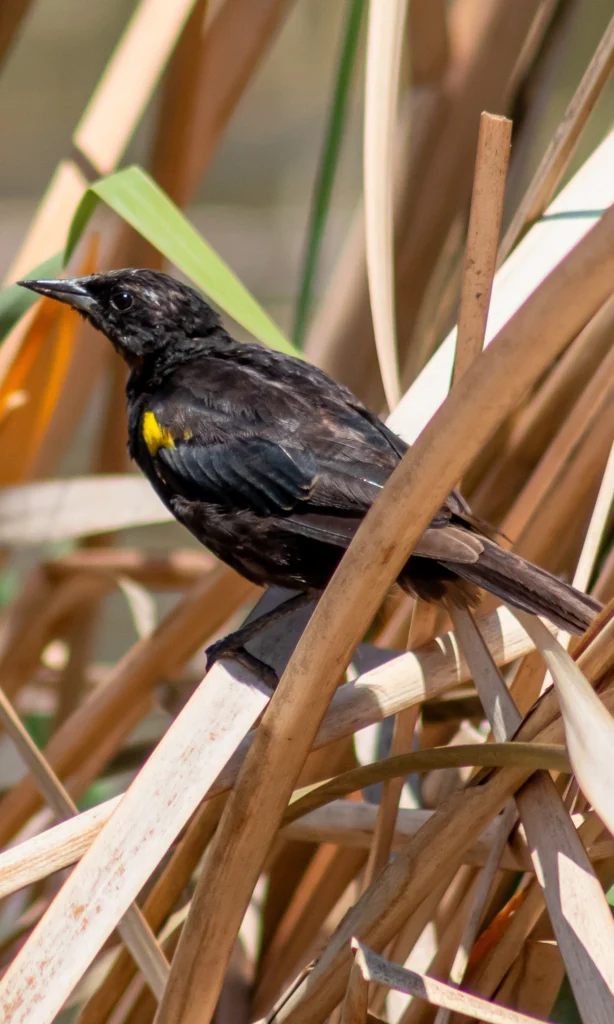
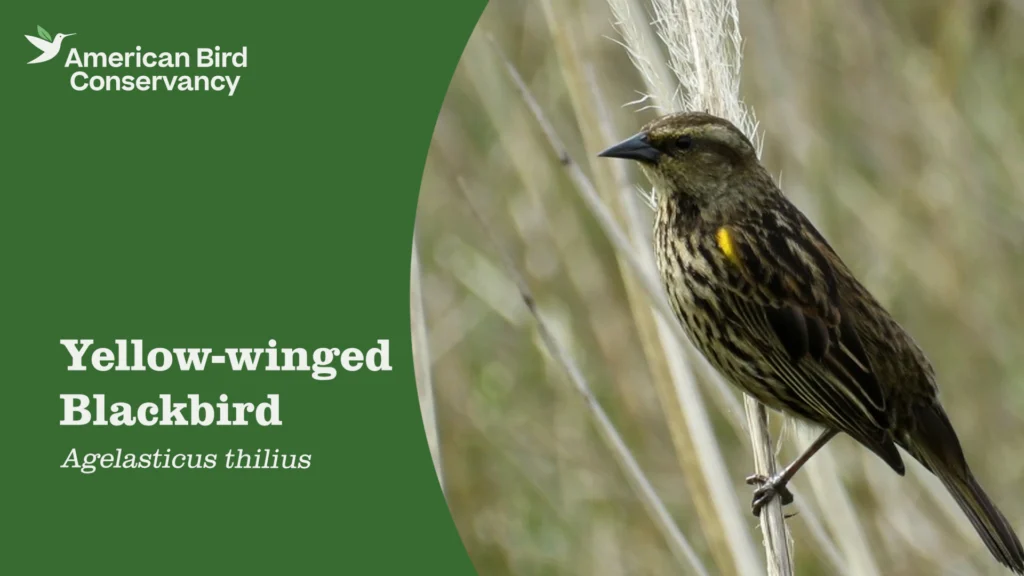
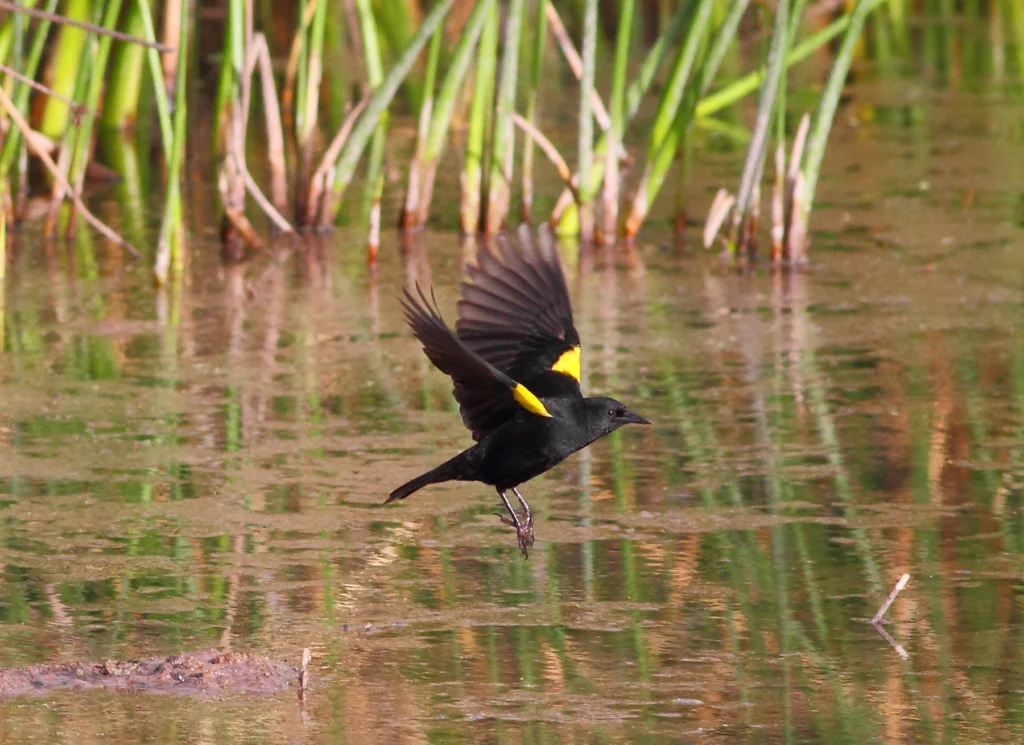
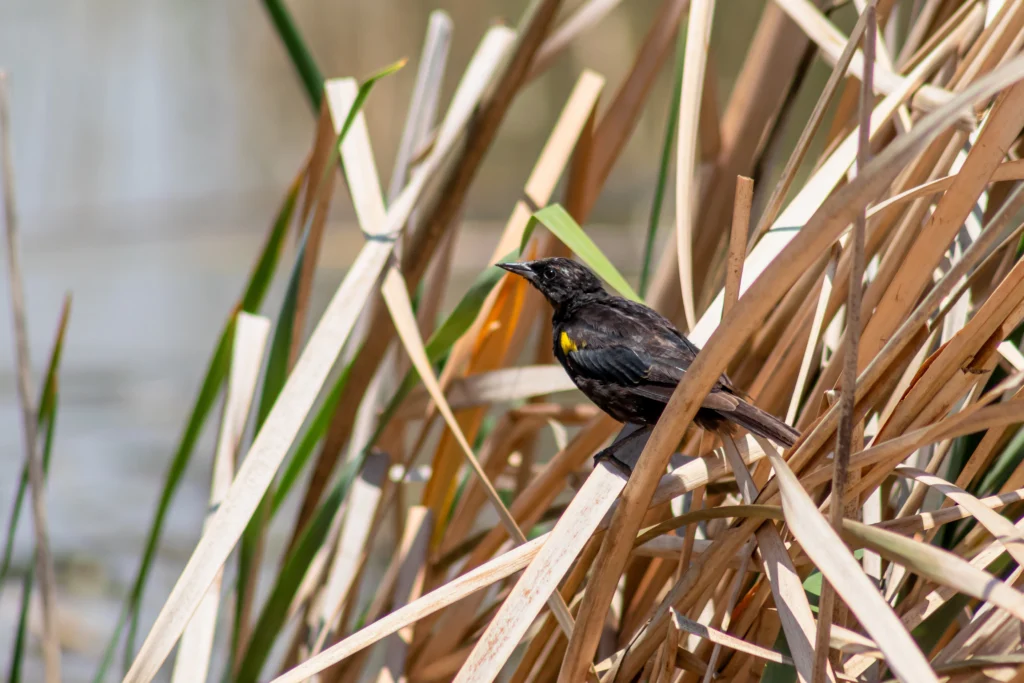
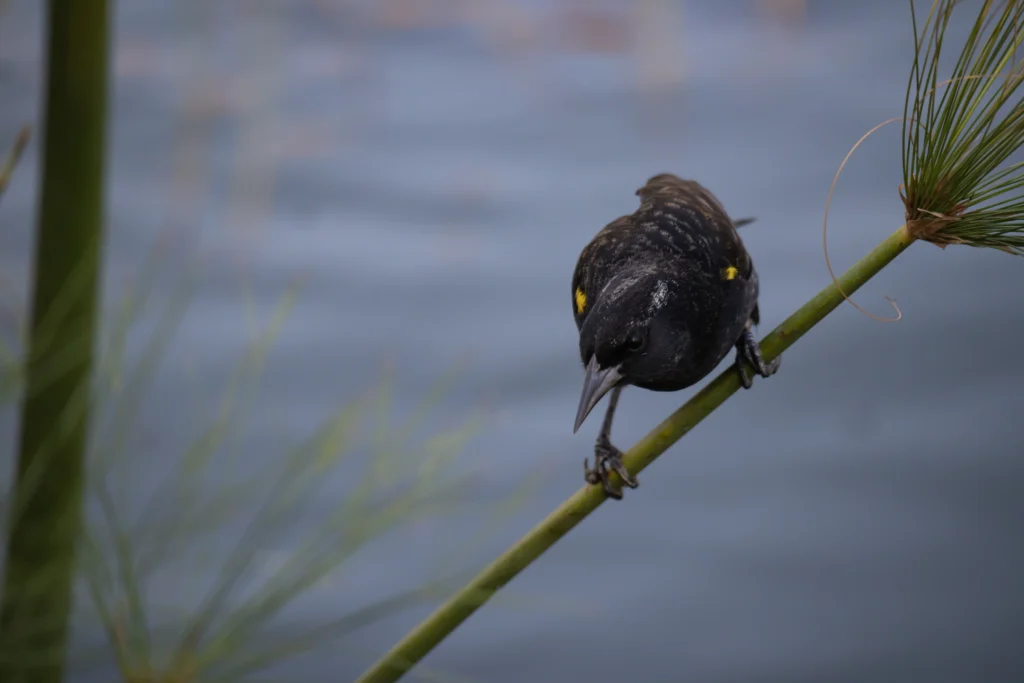
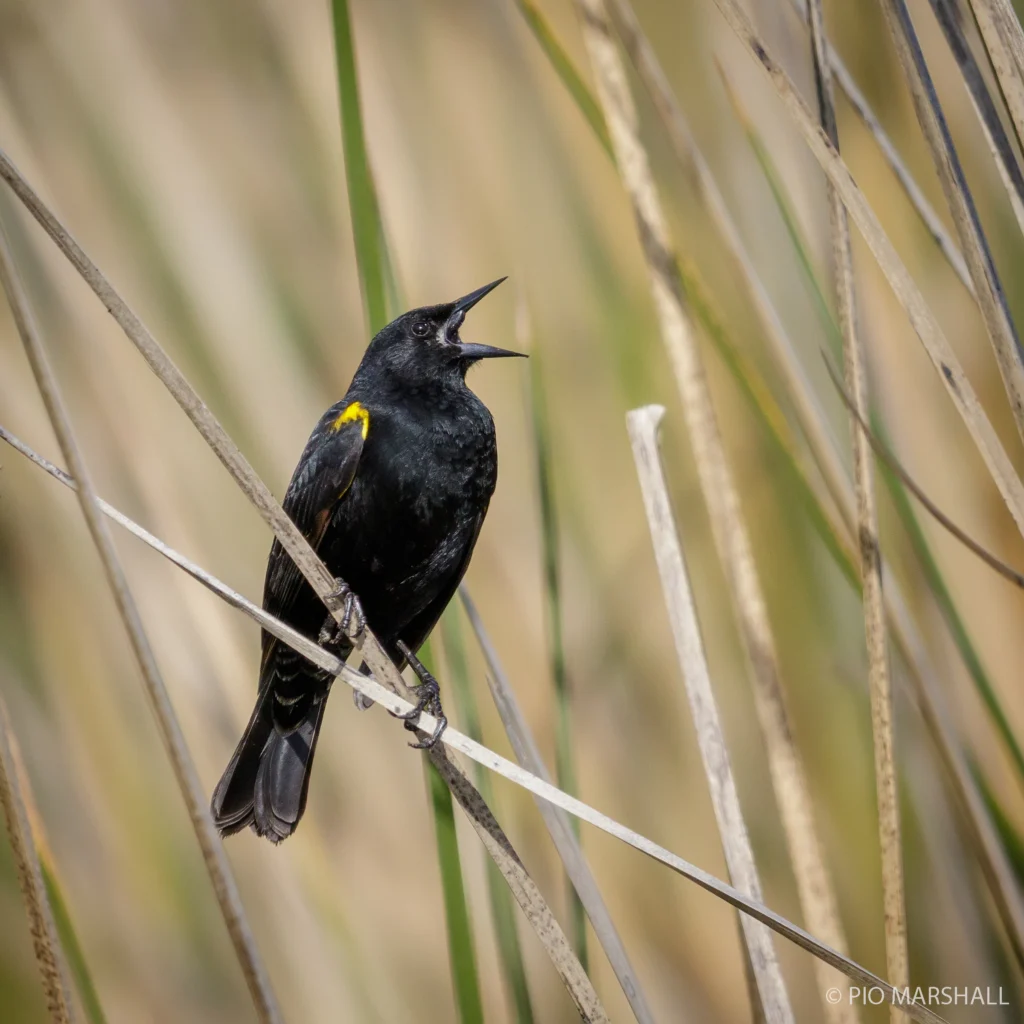
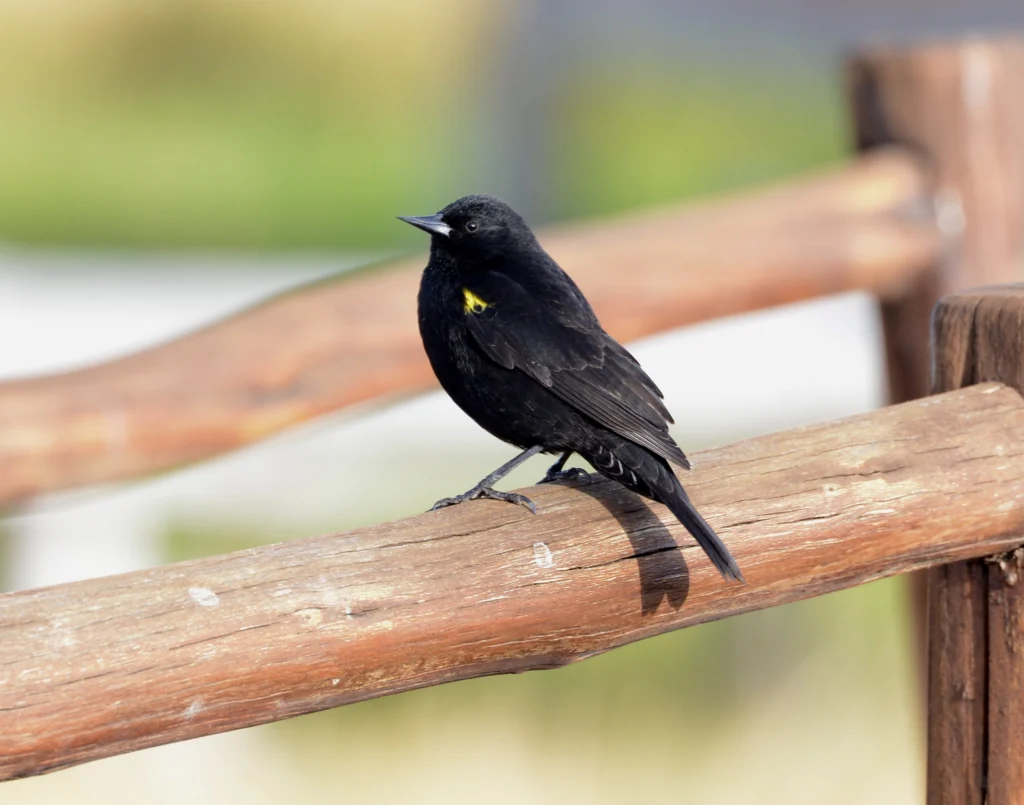
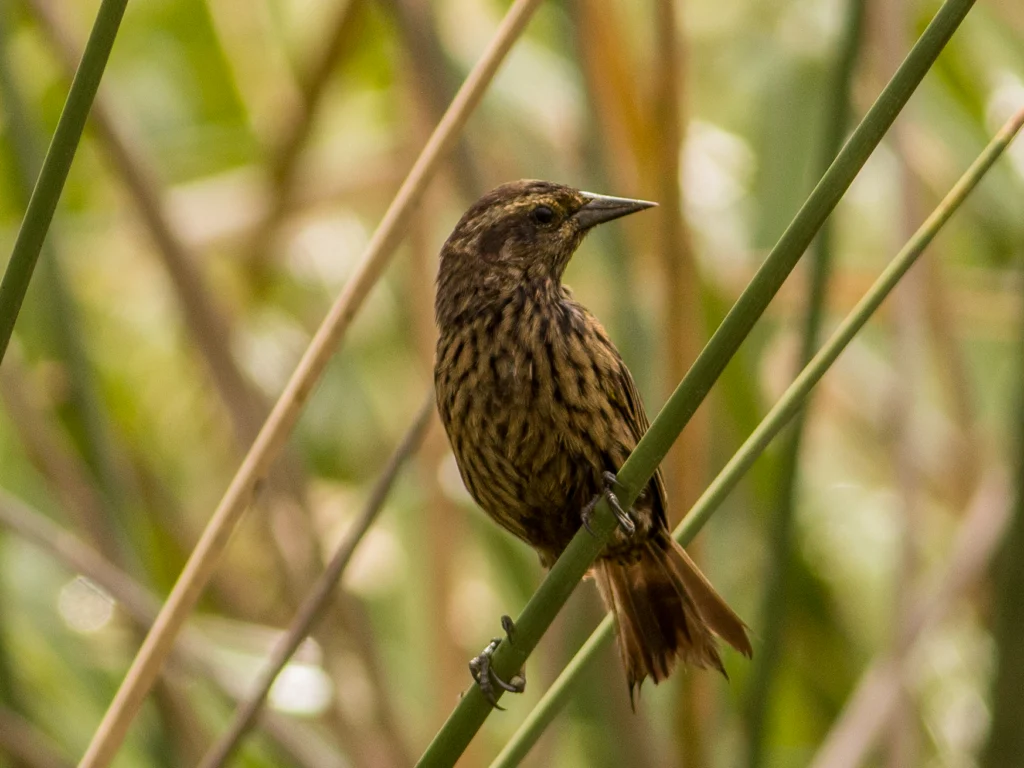
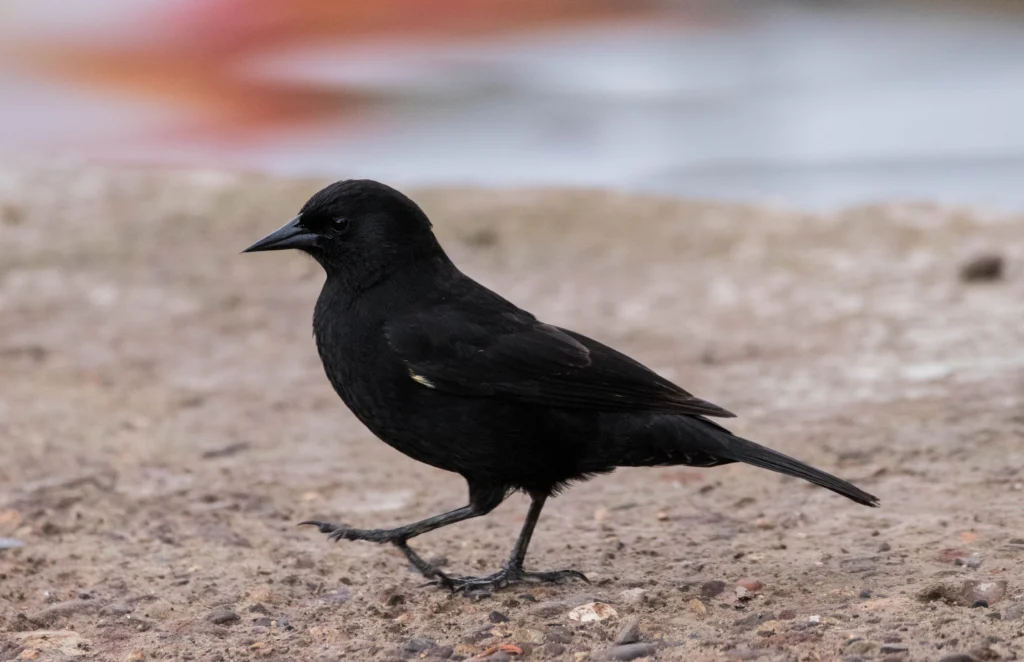
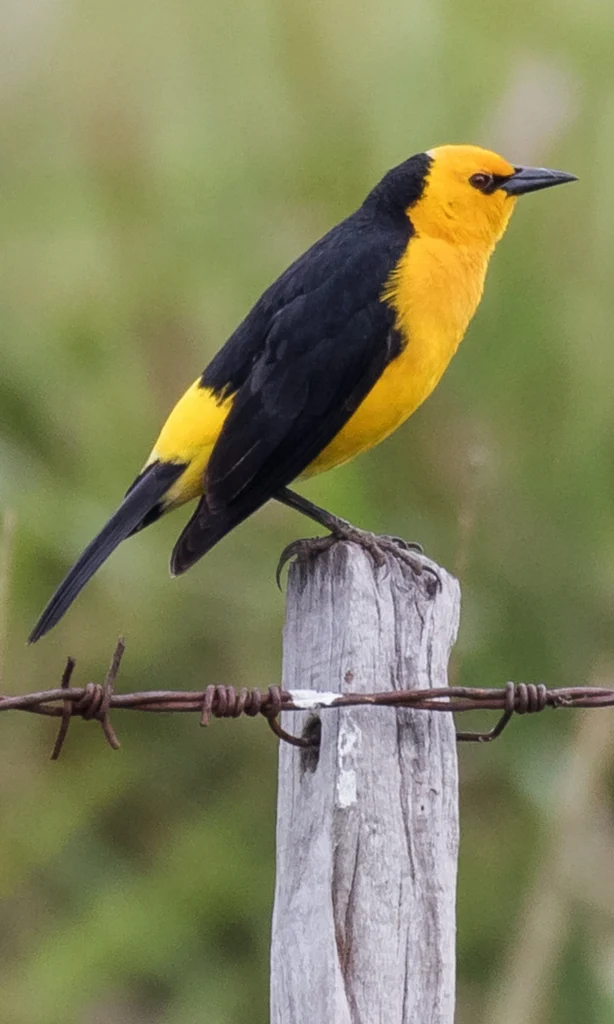
The Yellow-winged Blackbird is sexually dimorphic, with breeding males entirely black except for their striking yellow shoulders (also known as epaulets) and underwings, and females cryptically colored in shades of cream and chocolate brown. When males molt after the breeding season, the new feathers are edged with chestnut brown, creating a scaled pattern that contrasts with the black. These brown edges wear off by the start of nesting season, producing the characteristic black-and-yellow breeding plumage. All birds have black eyes and legs, and sharp conical bills.
Sounds
Like many other blackbird species, the Yellow-winged Blackbird has an extensive vocal repertoire that includes several song types and an array of calls that range from harsh and percussive to clear and musical. The characteristic song is composed of several short whistled notes followed by a nasal buzz or trill, often descending in pitch towards the end. The nasal chep is another common call, given by both sexes.
Credit: Fernando Jacobs, XC200398. Accessible at https://xeno-canto.org/200398.
Credit: Peter Boesman, XC218230. Accessible at https://xeno-canto.org/218230.
Credit: Israel Aragon, XC14716. Accessible at https://xeno-canto.org/14716.
Habitat
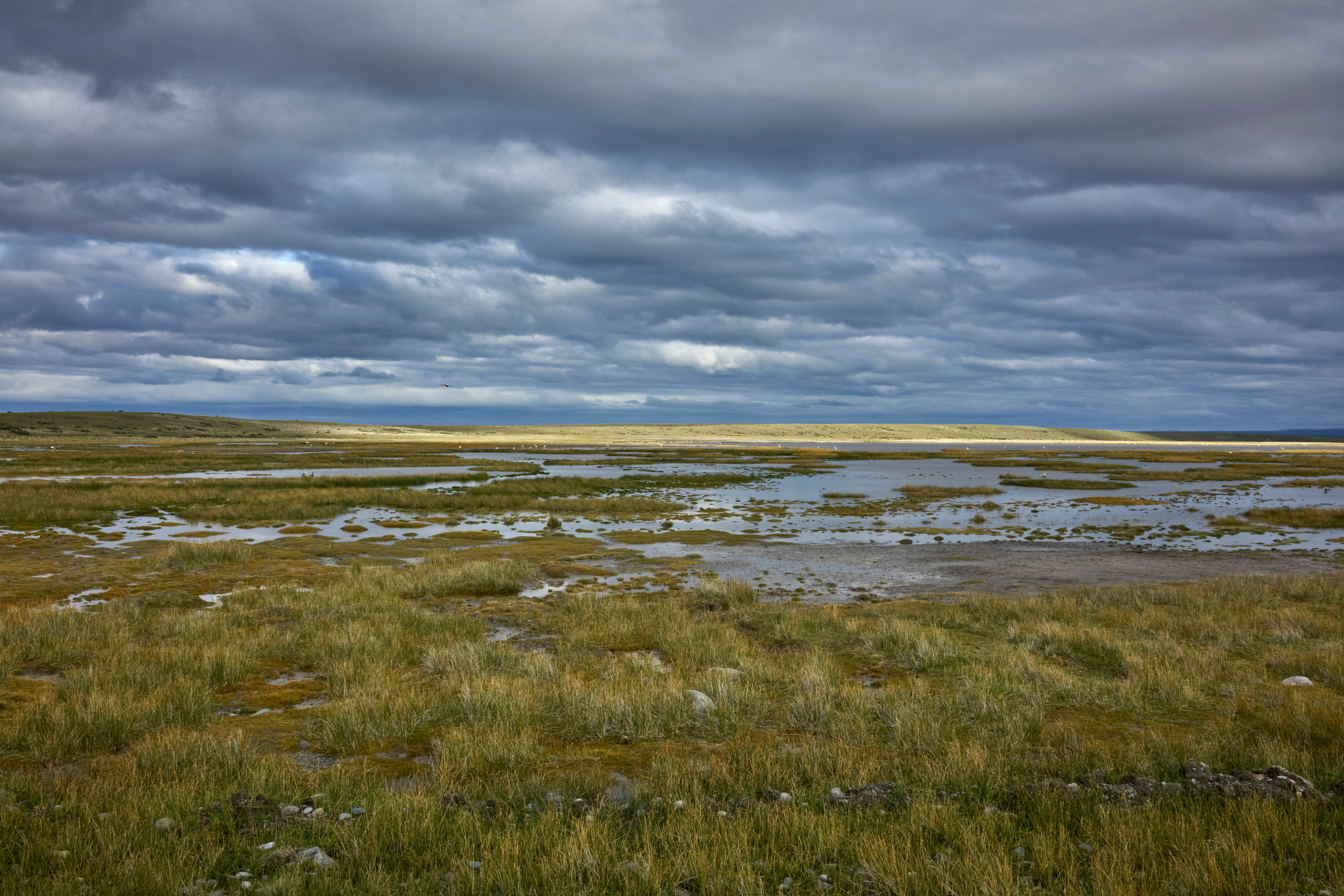
The Yellow-winged Blackbird is primarily a bird of wetlands and marshes, roosting and nesting in tall reeds, cattails, and bulrushes.
- Nonbreeding birds forage along shorelines and in grasslands, fields, and agricultural areas
Range & Region
Range & Region
Specific Area
Southern Cone of South America
Range Detail
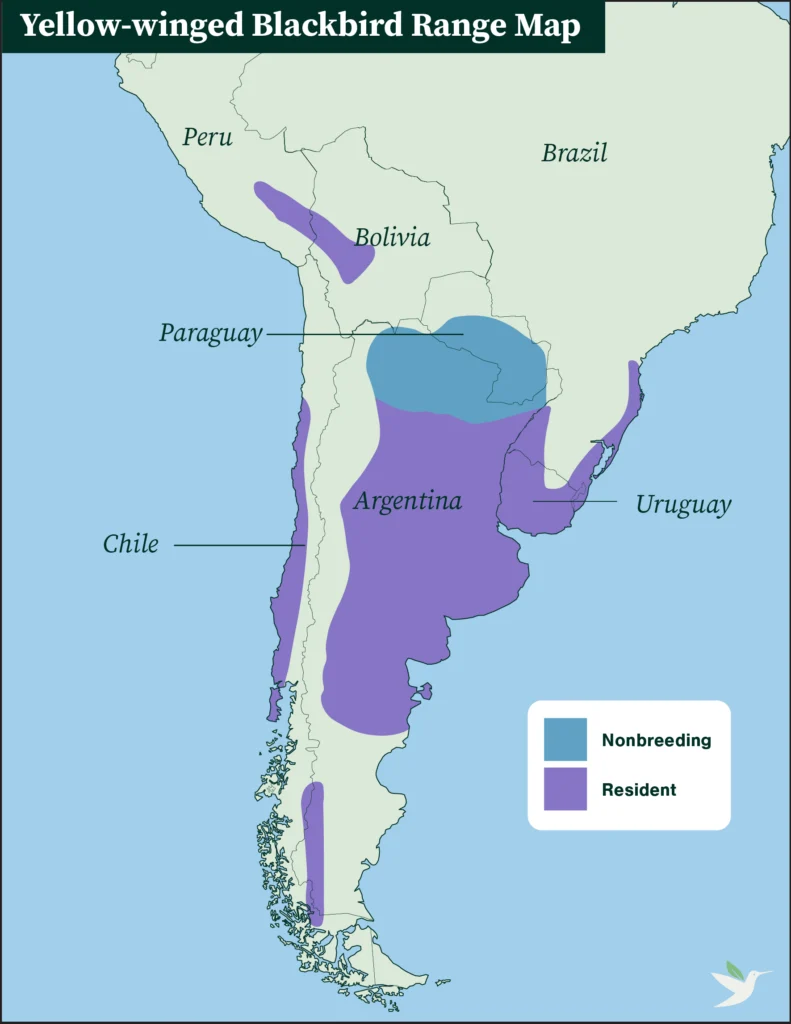
The Yellow-winged Blackbird has a wide range across the southern half of South America, living year-round in most of Uruguay, central Argentina, and southeastern Brazil. Some birds spend the nonbreeding season in northern Argentina and Paraguay. Separate populations inhabit the central coast of Chile, southern Patagonia, and the highlands of southern Peru and western Bolivia.
Did you know?
The Yellow-winged Blackbird breeds at higher elevations than any other bird in its family, with the alticola subspecies occasionally recorded as high as 13,000 feet above sea level. This subspecies, an isolated highland population in the Andean Altiplano of Peru and Bolivia, is quite distinct from the rest of the species. These birds are larger and darker in color, and females as well as males wear the yellow shoulder patches, or epaulets. The song is also different, with the Andean song typically described as drier and less nasal. The alticola subspecies is mostly found in marshes around Lake Titicaca.
Life History
The Yellow-winged Blackbird is a truly gregarious species, with most birds living in flocks in both the breeding and nonbreeding seasons. In fact, males are thought not to be territorial at all, defending their mates rather than specific foraging or nesting areas during the breeding season.
Diet
The Yellow-winged Blackbird forages in large flocks, taking a wide variety of insects, especially beetles, caterpillars, and flies. These birds also eat seeds, primarily from native grasses and sedges.
Courtship
Courtship in this species is not well-described. However, male Yellow-winged Blackbirds aggressively defend their mates from other males using a “song spread” display, similar to the North American Red-winged Blackbird, where the defensive male sings while spreading his wings to expose his yellow shoulder patches.
Nesting
The female builds the nest alone, an open cup built from reeds and cattails. She constructs her nest to incorporate a stem within a patch of emergent marsh vegetation, most commonly southern bulrush (Schoenoplectus californicus). Yellow-winged Blackbirds nest colonially, and individual nests may be only a few feet apart.
Eggs & Young
The female lays two to four white or pinkish eggs with black markings, which she incubates on her own for two weeks. After hatching, both parents feed the nestlings until they fledge 10-12 days later. While females may feed the nestlings more than males, males also defend the nest and follow the female around, presumably to prevent her from being harassed by other males.