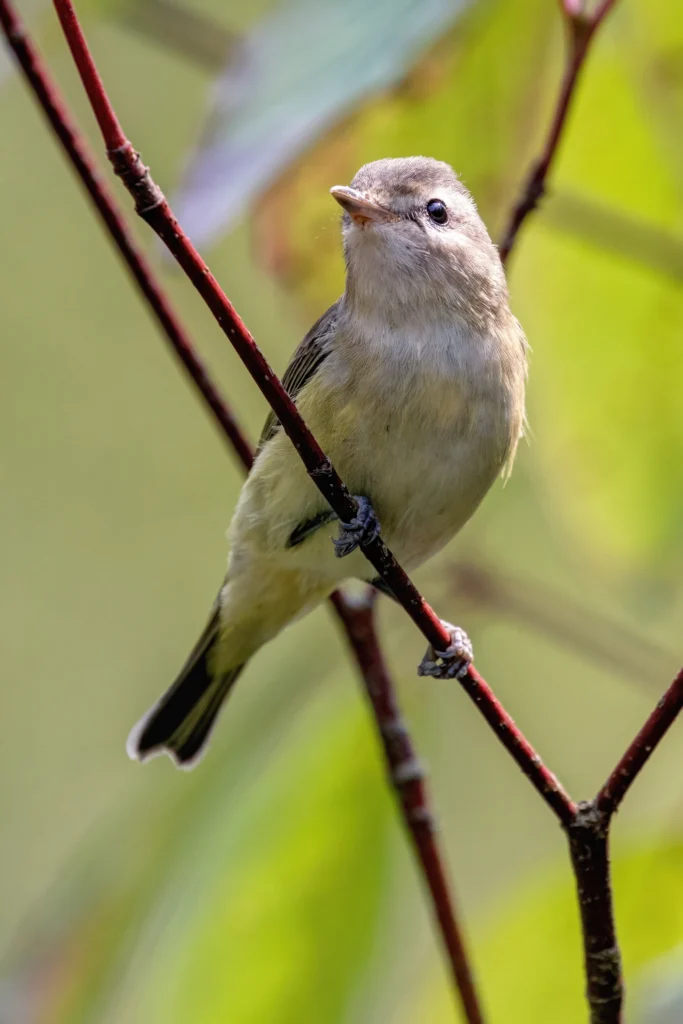
Eastern Warbling Vireo

Vireo gilvus

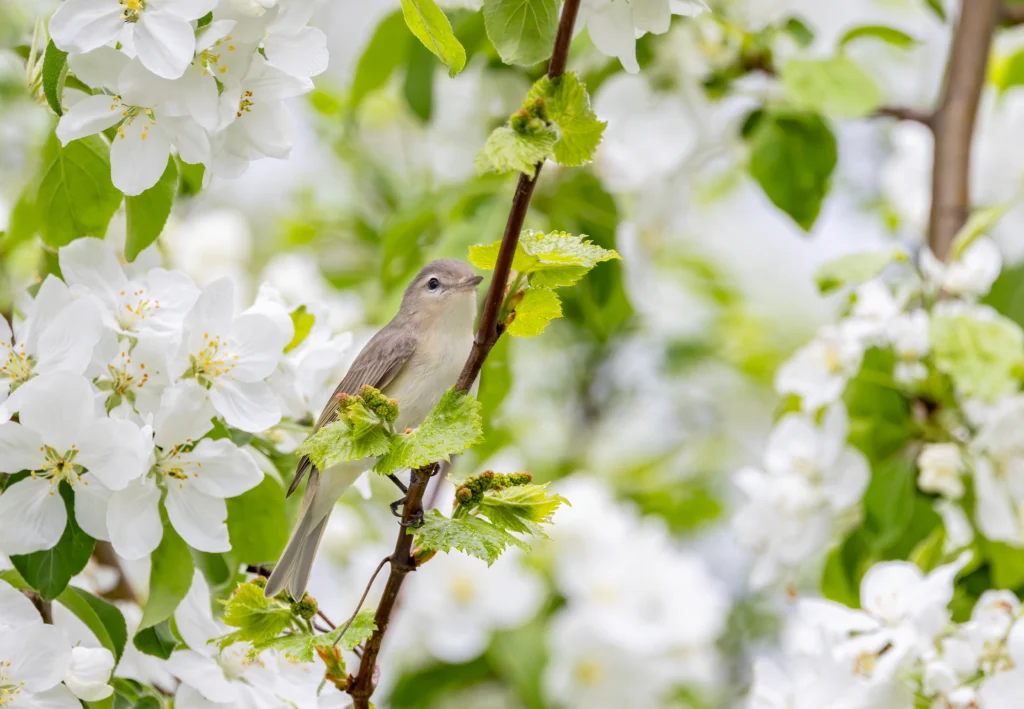
Eastern Warbling Vireo. Photo by Agami Photo Agency, Shutterstock.

Eastern Warbling Vireo

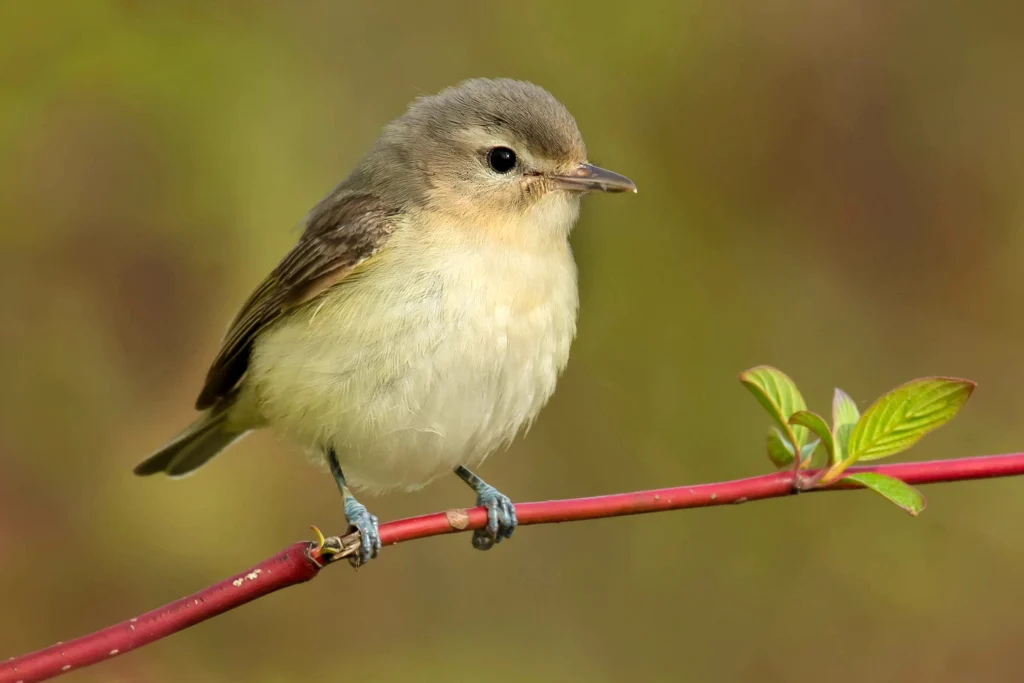
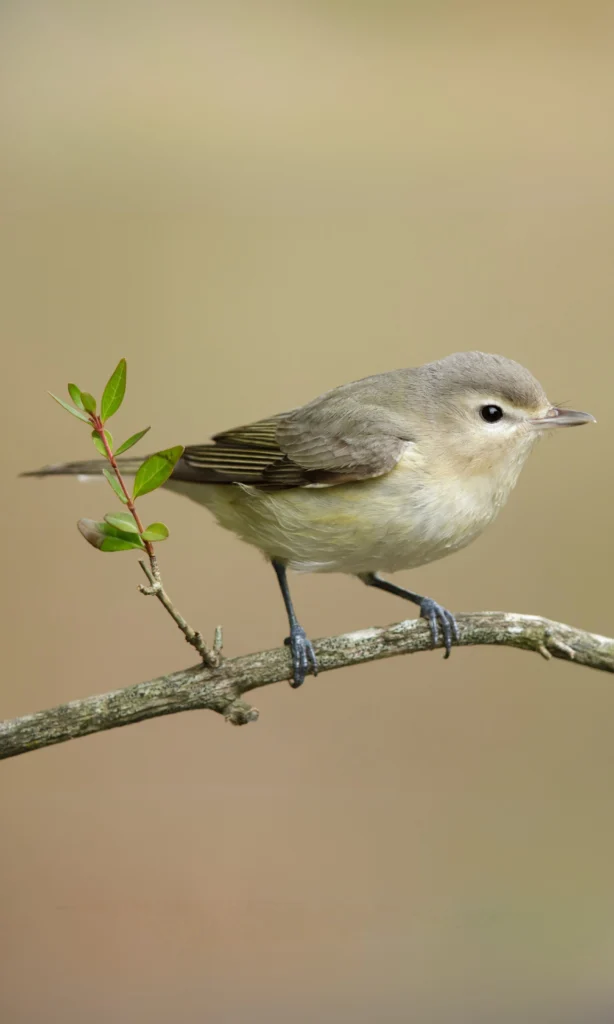
Eastern Warbling Vireo. Photo by Agami Photo Agency, Shutterstock.

Vireo gilvus

Descripción general

Estado de conservación
Tendencias demográficas
Creciente
Tamaño de la población
Desconocido
Familia
Vireos
Ubicación
América del norte
Patrón de migración
Latitudinal
Distancia de migración
Media Distancia
También conocido como
  • Vireo Gorjeador Oriental (Spanish)
  • Vireo Cantor (Spanish)

Acerca de

The Eastern Warbling Vireo is a quintessential species of spring and summer across much of eastern North America. This rather drab bird is often hard to spot, hidden up high among the leaves of tall deciduous trees, but its buoyant, easygoing song is hard to miss. One of the most persistent singers through summer, this vireo’s song is considered by many ornithologists and naturalists to be among the most beautiful in its range. Males do most of the singing, but females sing as well — an unusual trait among songbirds in temperate regions. Even more unusual, these birds will even sing while sitting on their nests!

Unfortunately for the vireos, Brown-headed Cowbirds seem to cue in on this species’ habit of singing from the nest. Cowbirds are “brood parasites,” laying their own eggs in the nests of other species, often resulting in the death of some or all of the host’s young. Female cowbirds are quite crafty, even using the movements of parent birds to determine the location of a nest; the more often a parent uses the same paths to and from the nest, the more likely cowbirds are to find it. However, Eastern Warbling Vireos are remarkably efficient at removing cowbird eggs, often puncturing the offending eggs with their bills before discarding them.  Studies of this behavior showed that these vireos seem to recognize cowbird eggs by differences in the pattern of speckles on the shell — and get rid of them 90-100 percent of the time!
Amenazas

Eastern Warbling Vireo populations are increasing overall, and the species does not appear to be at immediate risk. However, these migratory insectivores still face a variety of threats, especially from insecticides and hazards they encounter during migration.

Pesticides in Trees

The Eastern Warbling Vireo is fairly adaptable and will forage and nest in non-native trees used in landscaping. However, they run into trouble when trees are sprayed with pesticides. Eggs and nestlings can be harmed if sprayed directly, but even if these trees are just used for foraging, the loss of their insect prey can negatively impact these birds.

Pesticidas y toxinas

Collisions During Migration

There is some evidence that Eastern Warbling Vireos are at risk of collisions with structures such as radio towers and wind turbines. The switch to renewable energy sources is better for our planet’s fragile climate, but without proper siting, it can come with steep costs to birds.

Choques de vidrio

Estrategias y prácticas de conservación

Even common birds like the Eastern Warbling Vireo need our help to overcome the threats they face. At ABC, we’re inspired by the wonder of birds and driven by our responsibility to find solutions to meet their greatest challenges. With science as our foundation, and with inclusion and partnership at the heart of all we do, we take bold action for birds across the Americas.

Evite los pesticidas y las toxinas.

ABC works with partners at the state and federal levels in the U.S. to call for the regulation or cancellation of the pesticides and toxins most harmful to birds. We develop innovative programs, like working directly with farmers to use seeds not pre-treated with neonicotinoid pesticides, advancing research into pesticides’ toll on birds, and encouraging millions to pass on using harmful pesticides.

Pesticidas y toxinas

Repensar las turbinas eólicas

If not sited properly, wind turbines and other large structures like radio towers can spell disaster for migrating birds. ABC’s science-backed approach to Bird-Smart wind energy identifies the most critical areas for birds and provides guidance to the wind industry to support safer wind solutions for birds.

Repensando las turbinas eólicas

Galería de aves

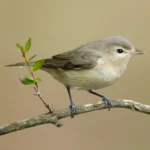
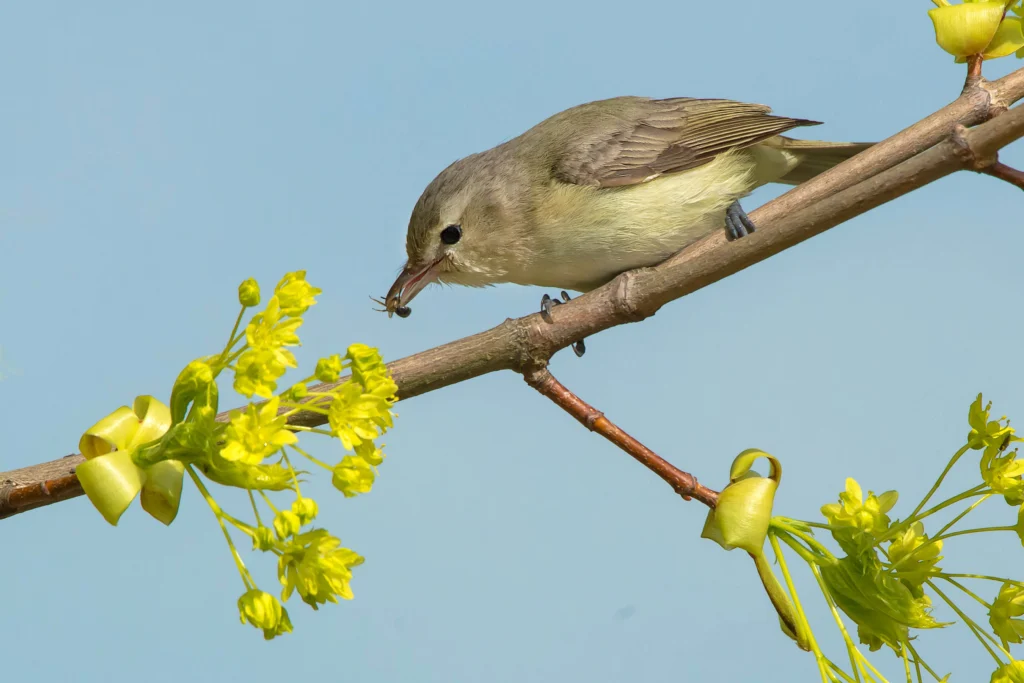
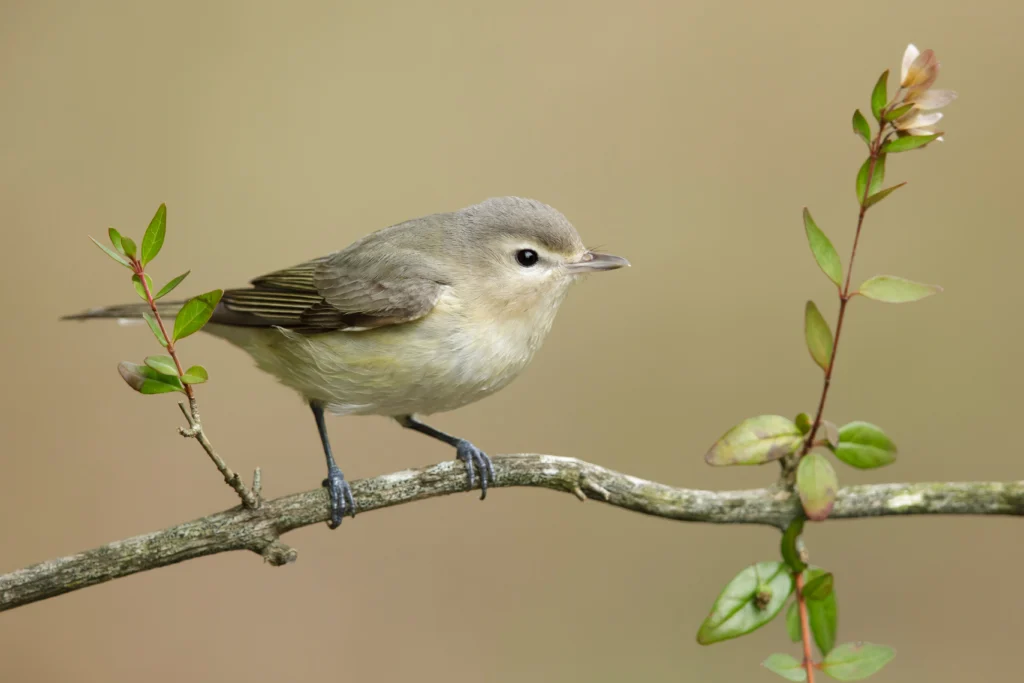
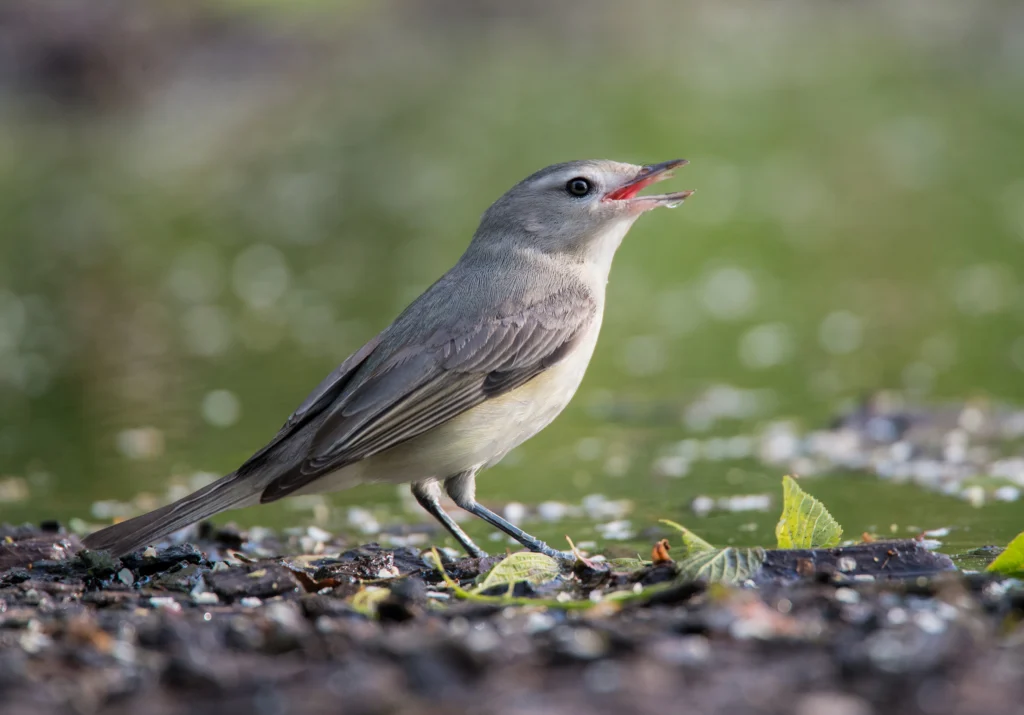
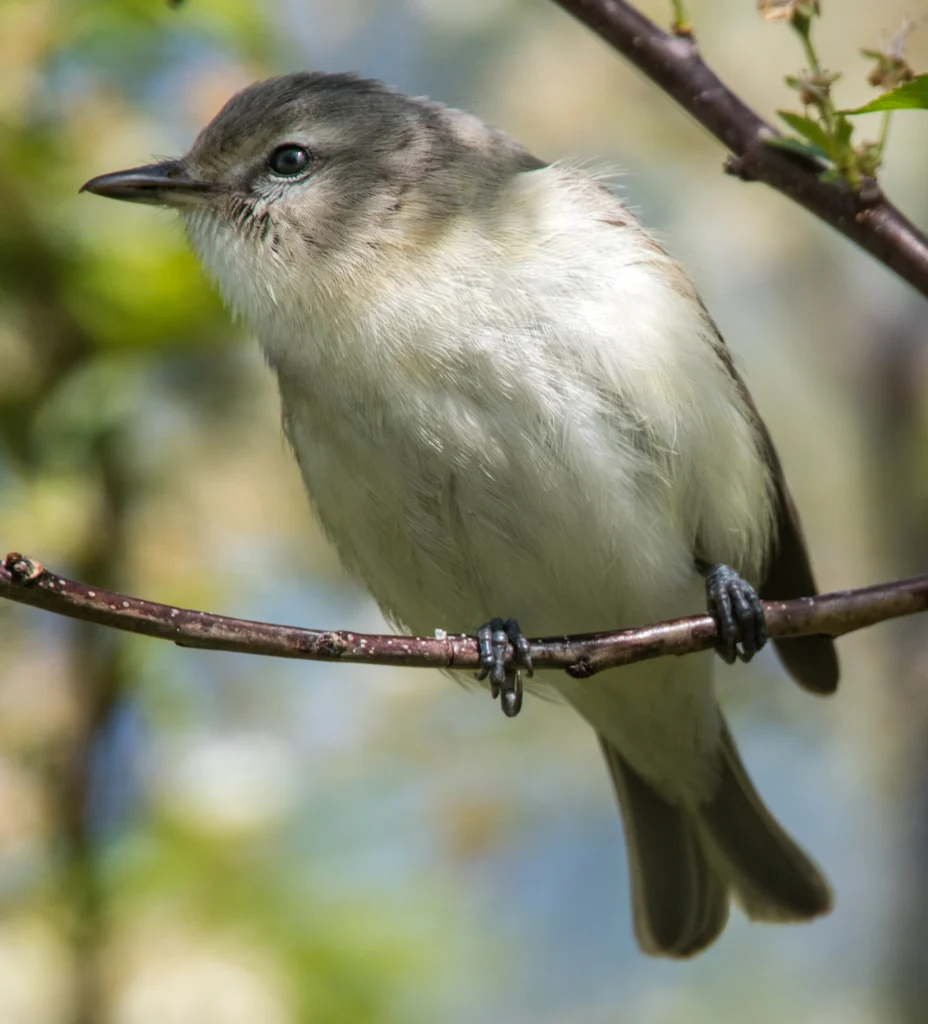
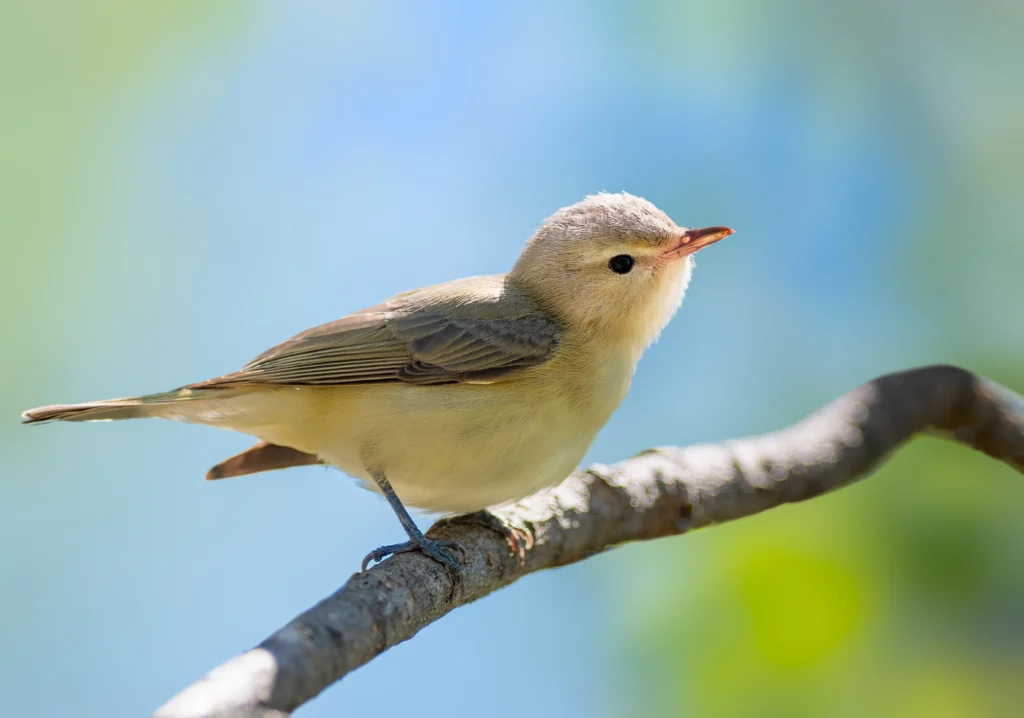
The plumage of the Eastern Warbling Vireo is drab and cryptic. The upperparts, from crown to tail, are an unornamented gray-brown. The underparts are pale, off-white to very light gray, sometimes with yellowish flanks. Perhaps the most noteworthy feature of this bird’s plumage is the gray-brown stripe running across the head and through the eye. This feature is highlighted by a pale arc above the eye (the “eyebrow” or supercilium) and a similar pale patch below the eye. This bird is extremely similar to the Western Warbling Vireo, but may have a slightly thicker and paler bill, a more greenish back and more yellowish flanks, and a shorter “eyebrow” that doesn’t extend far beyond the eye. However, these differences may be extremely difficult to use in the field, and the two species are best differentiated by their song.

Sonidos

The Eastern Warbling Vireo is well known among naturalists and bird lovers for its cheerful, leisurely song. Though Eastern and Western species both have the name Warbling Vireo, it is for the song of the Eastern species that this bird was named, and the origin of the popular transcription of the song as some variation of, “if I could see it, I would squeeze it, I would squeeze it, it would squirt.” By comparison, the song of the Eastern species is often described as being more “sing-songy,” staying more consistently at a lower pitch, then ending with a final higher-pitched note that, as though the bird is asking a question. Both species also give a number of different calls, most of which fall into two categories. Eeah calls are slow and relatively low pitch, with a harsh or nasal quality. Vit calls are rapid upslurred notes with a nasal or metallic quality.

Canción

Credit: Stanislas Wroza, XC1014884. Accessible at https://xeno-canto.org/1014884.

Eeah Call

Credit: Stanislas Wroza, XC1014882. Accessible at https://xeno-canto.org/1014882.

Vit Call

Credit: Stanislas Wroza, XC1012723. Accessible at https://xeno-canto.org/1012723.

Hábitat

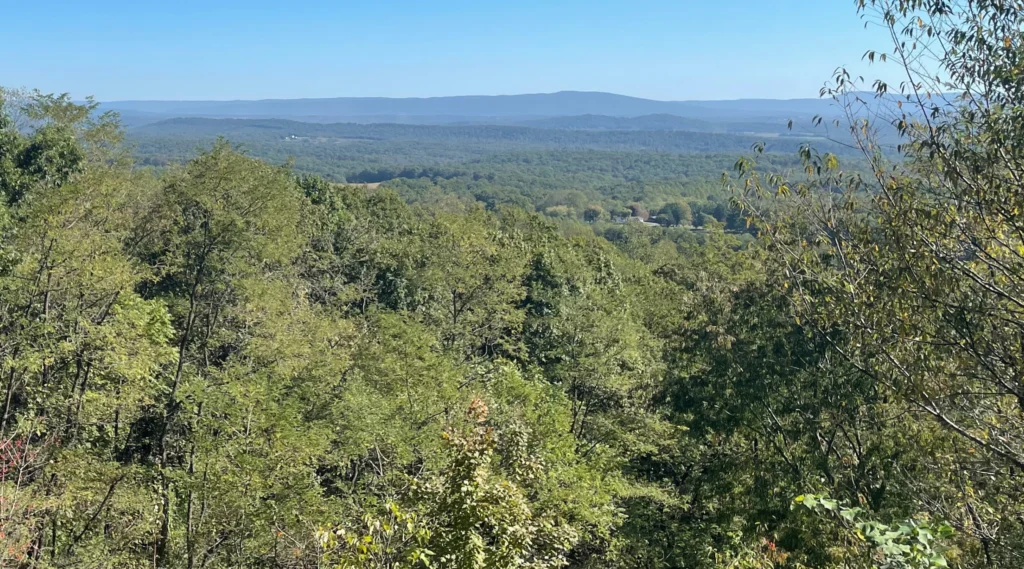
The Eastern Warbling Vireo is a bird of deciduous forest, favoring tall trees and an open canopy. However, these birds will also use shrubby habitats in the nonbreeding season and during migration.

  • In breeding season, prefers riparian trees, such as cottonwood, sycamore, and willow
  • Sometimes breeds in developed areas, such as golf courses and wooded areas next to farmland
  • In the nonbreeding season, still prefers open canopy, but will use a range of habitats with trees and shrubs

Rango y región

Rango y región


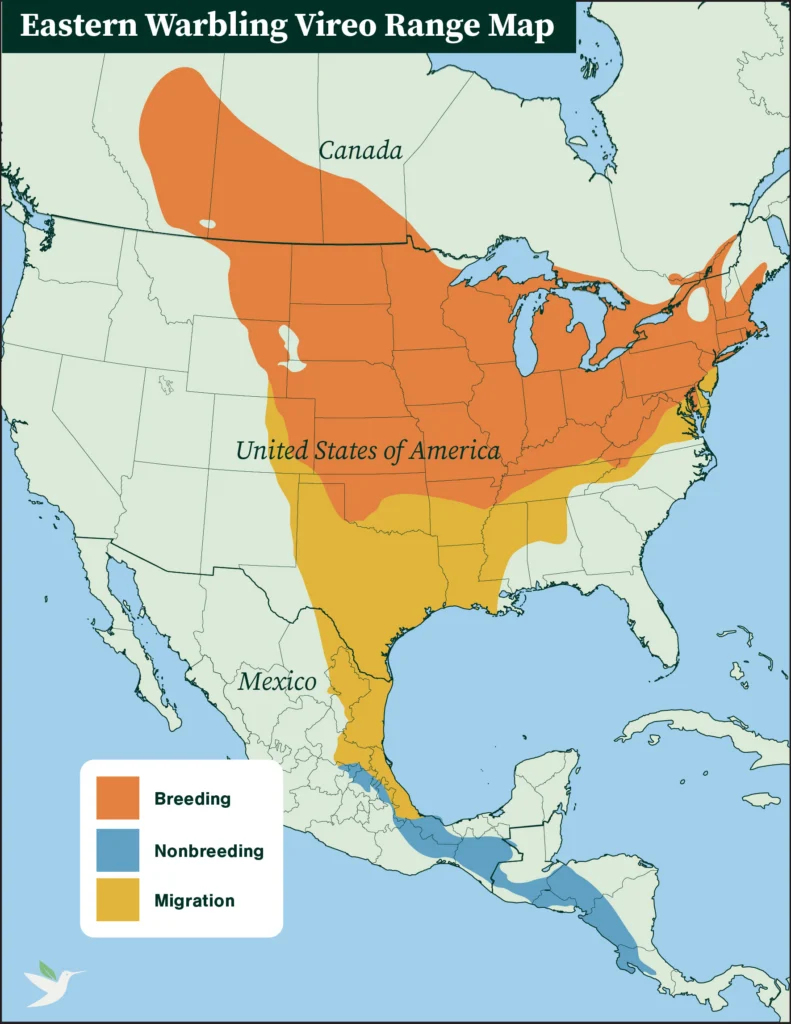
Eastern Warbling Vireo range map.

Área específica
Eastern North America; Central America

Detalles de la gama
The Eastern Warbling Vireo breeds from Alberta south to Oklahoma, and east to the Atlantic Coast, although not in the Deep Southeast. In the nonbreeding season, these birds migrate through Texas and the Deep South to southern Mexico and into Central America as far south as Costa Rica.

¿Sabías?
Until 2025, both Eastern and Western Warbling Vireo were considered to be one species — the Warbling Vireo — with a range that extended clear across the continent. The one species was split into two based on differences in song, plumage, behavior, body measurements, and genetics. Though quite similar, the two species are thought to have diverged about 2 million years ago, separated during Pleistocene glaciation and forced into different habitats.

Rango
América del norte
Patrón de migración
Latitudinal
Distancia de migración
Media Distancia

Historia de vida

The Eastern Warbling Vireo is a generous singer, with males broadcasting their song from the day they return to their breeding grounds and well into the summer. Multiple “neighbor” birds on adjacent territories can often be heard locked in countersinging exchanges, something like a heated exchange where each male takes his turn to demonstrate his singing ability, then assesses his rivals as they do the same. Though territorial when nesting, Eastern Warbling Vireos regularly join mixed-species foraging flocks on their nonbreeding grounds in Mexico and Central America.

Dieta

The Eastern Warbling Vireo eats insects almost exclusively, which they glean from leaves in the upper canopy or catch mid-air. Caterpillars are their most common prey, but these birds eat a range of insects and occasionally other invertebrates from the foliage of broadleaf trees. They will sometimes eat small fruits, especially in the nonbreeding season.

Noviazgo

Courtship in this species is poorly documented, but pair members often chase each other before the male performs a relatively simple courtship display. This display involves the male spreading his tail and “weaving” his body back and forth as he approaches the female. Females also give a specific courtship call, a type of Eeah call, often in a loose duet with the male as he sings.

Anidación

Vireos are well-known for their distinctive nests, suspended from their rim between forked branches, with the nest cup hanging below. Eastern Warbling Vireos typically build their nests in the small outer twigs of broad-leaved trees, especially cottonwood and maple. Nests are woven from plant fibers, including grasses and bark strips, which the female weaves around the forking twigs before building the hanging cup. Nests are lined with feathers, rootlets, leaves, and grasses, and bound together with insect silk and spiderwebs. Females are usually alone in building the nest, but males may sometimes bring material.

Huevos y crías

The female lays three or four white, sparsely speckled eggs, which the male and female take turns incubating. The nestlings hatch after two weeks, blind and mostly unfeathered. Both parents help to brood and feed the young. During both incubation and brooding, parents take shifts, coordinating using specific calls and possibly song — an unusual aspect of this bird’s behavior, and one well-documented in the scientific literature. The nestlings grow rapidly and fledge after another two weeks, often to the encouragement of their parents’ Eeah llamadas.