Western Bluebird

Sialia mexicana

Dakáakshuakaate (Apsáalooke)

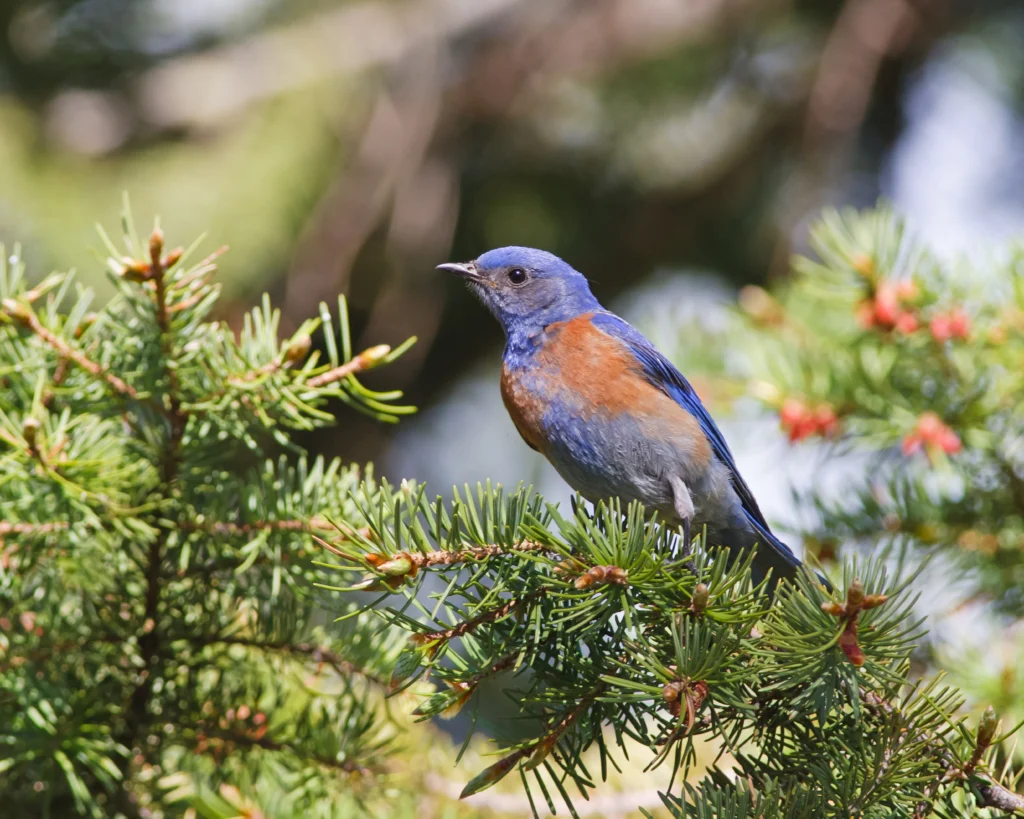
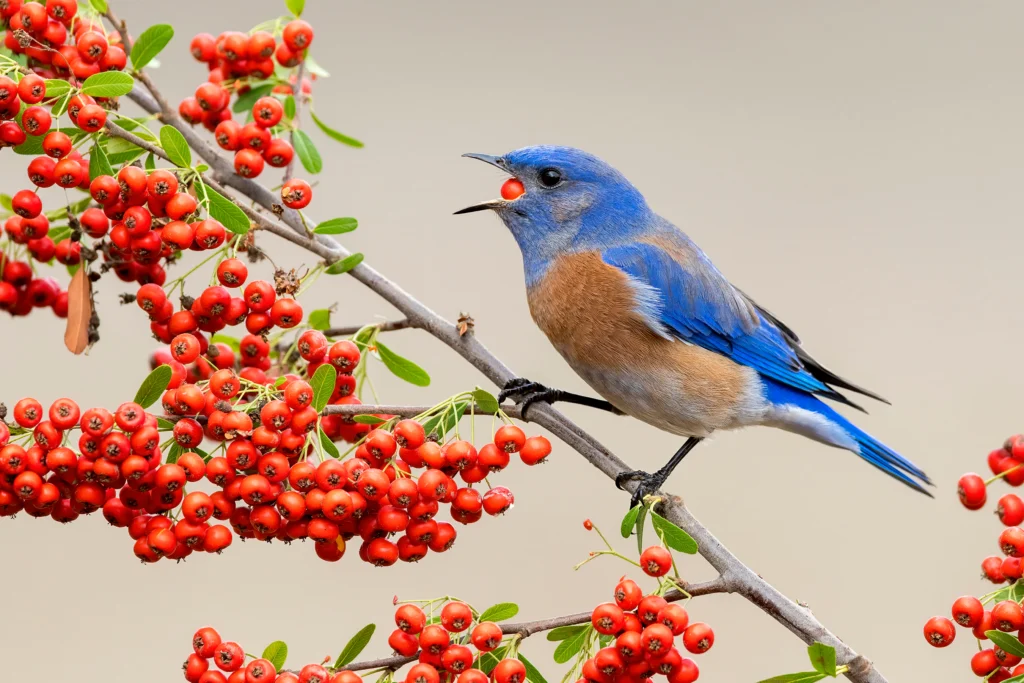
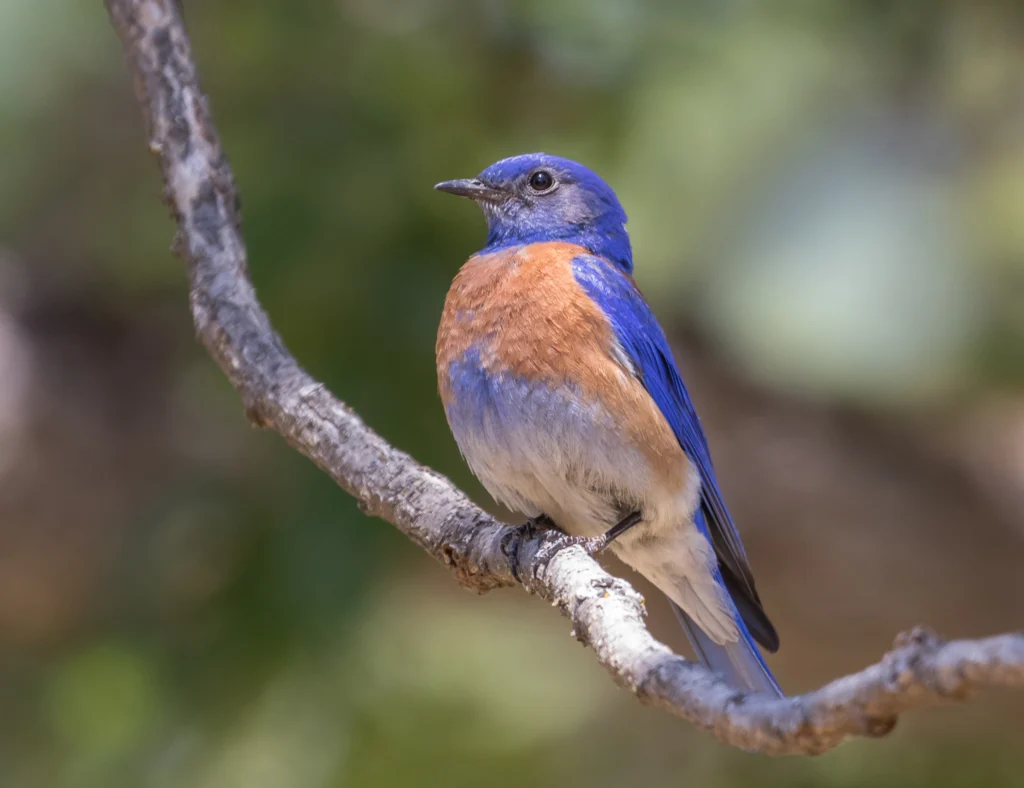
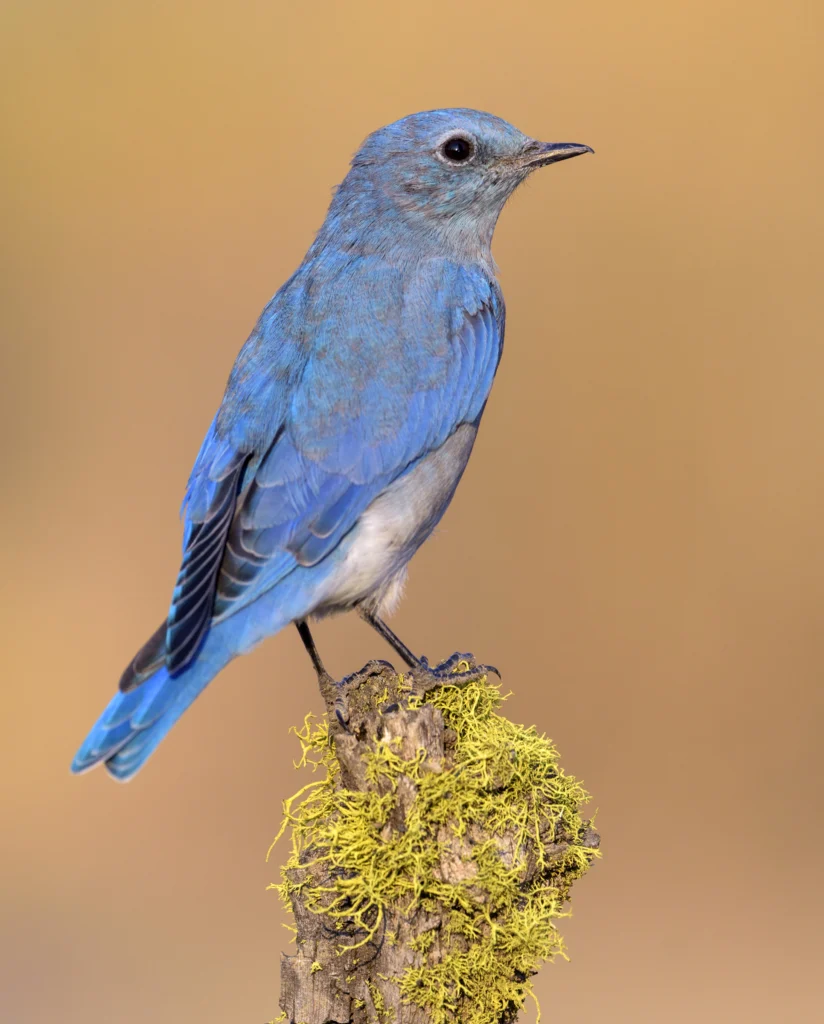
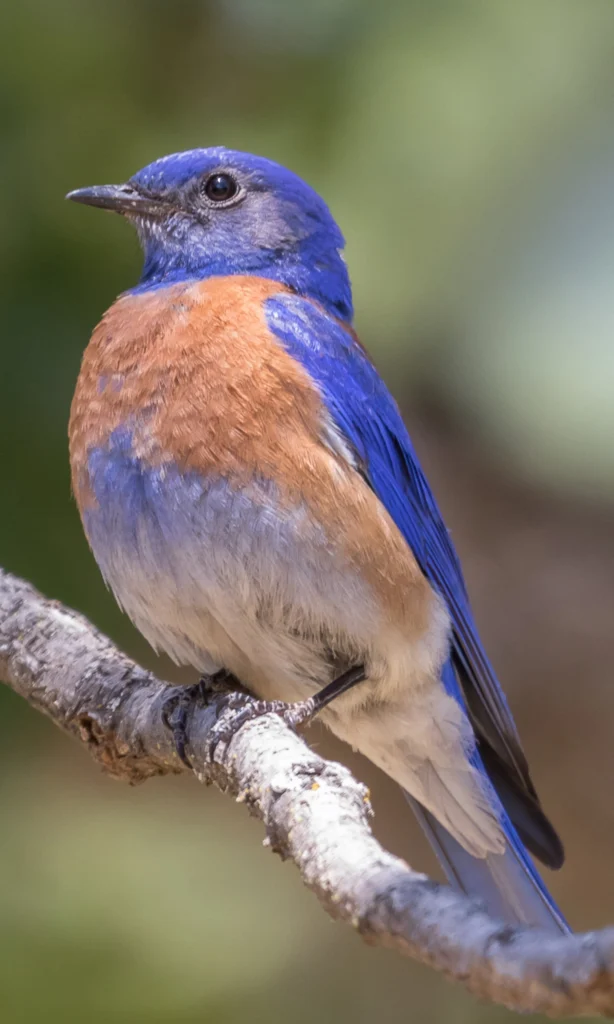
Western Bluebird. Photo by Hayley Crews, Shutterstock.

Western Bluebird

Western Bluebird. Photo by Hayley Crews, Shutterstock.

Sialia mexicana

Descripción general

Estado de conservación
Tendencias demográficas
Creciente
Tamaño de la población
7.1 million
Familia
Zorzales
Ubicación
América del norte
Patrón de migración
Latitudinal
Distancia de migración
Distancia corta
También conocido como
  • Azulejo Garganta Azul (Spanish)

Acerca de

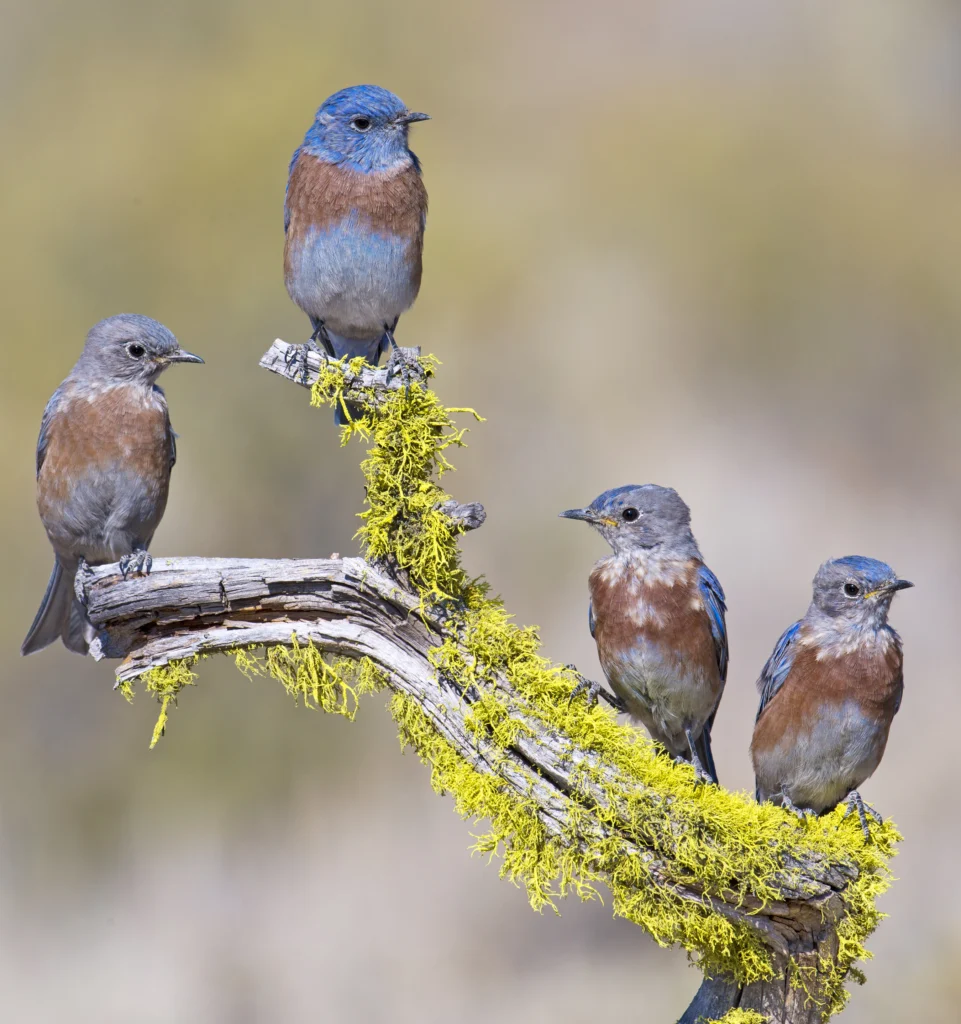
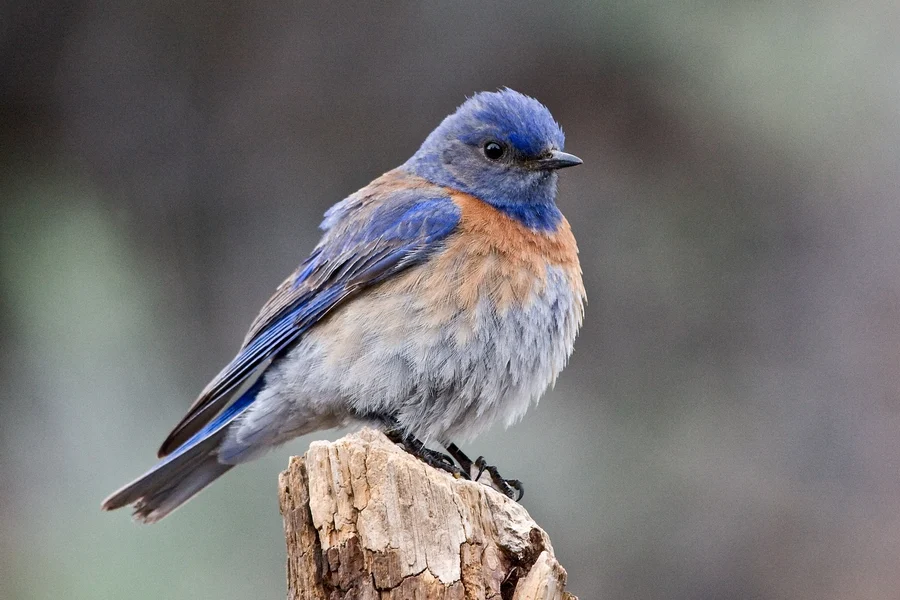
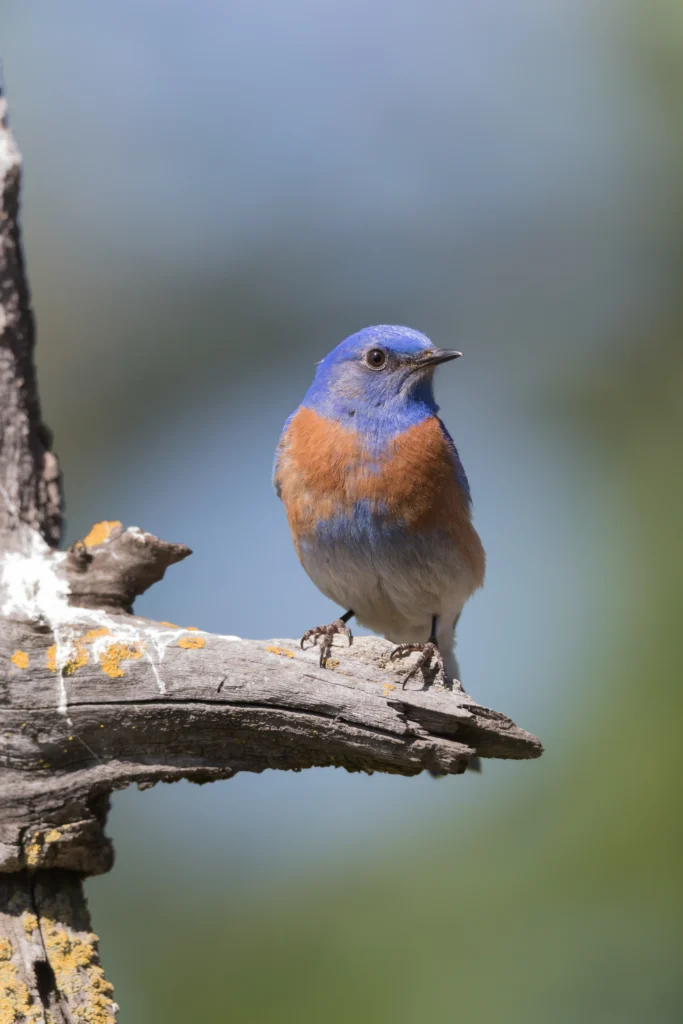
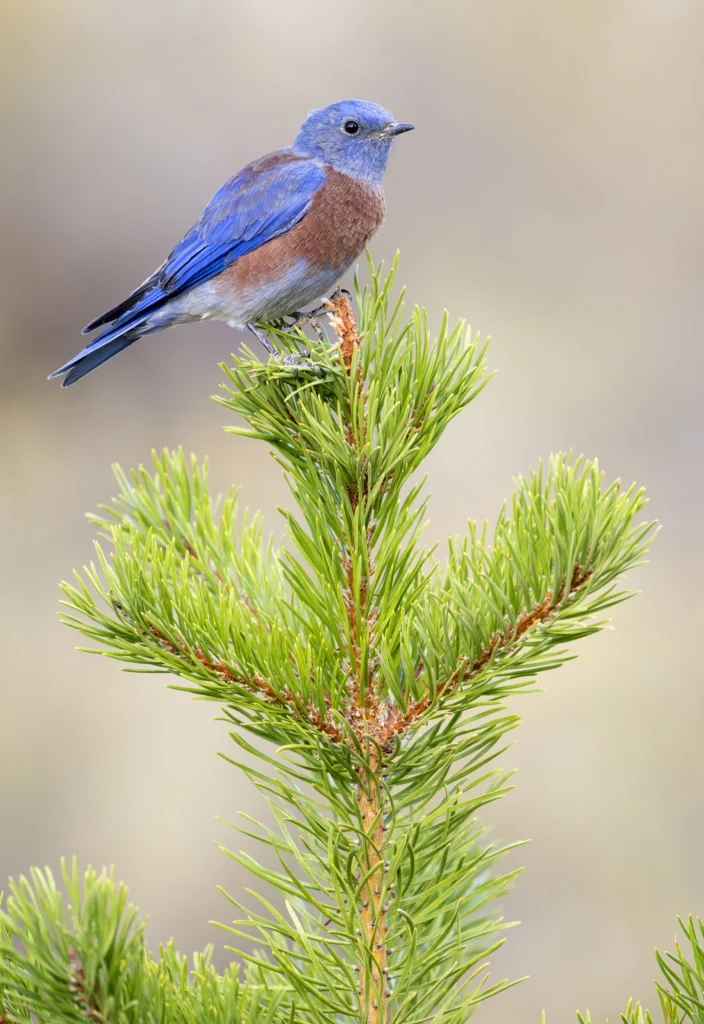
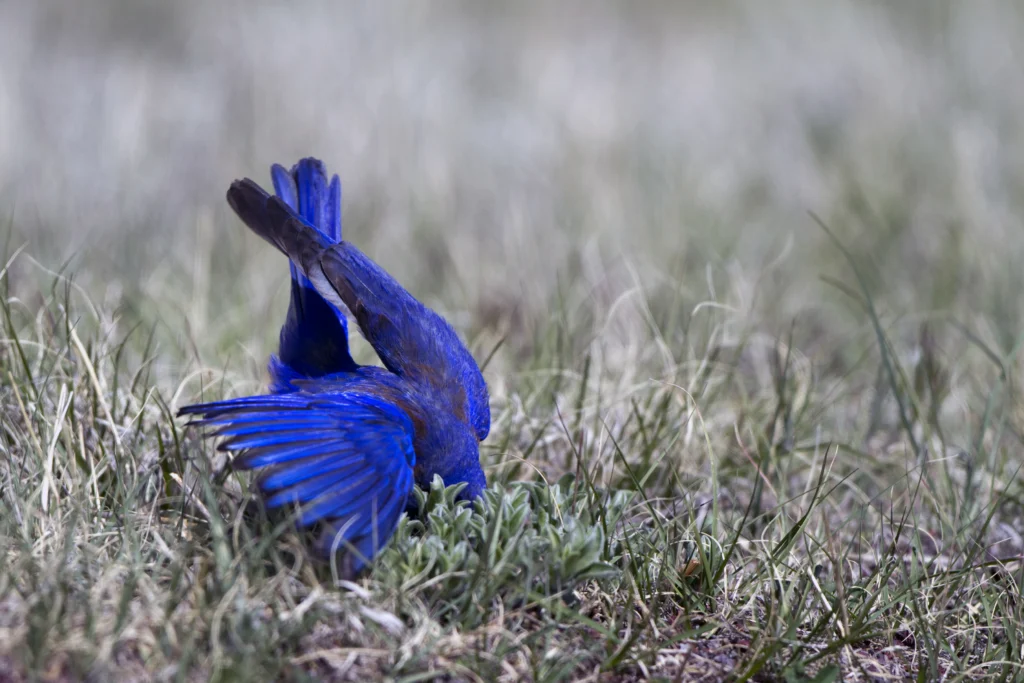
The Western Bluebird is a beautiful thrush of woodland and savanna, found across much of the western United States and the interior of Mexico. With their shades of deep rust and lustrous sky-blue, these birds are a delight to watch as they swoop from low perches to pounce on ground-dwelling insects. These birds are fairly adaptable, readily using nest boxes and perches provided by humans, and are frequently spotted on barbed wire fences on agricultural land.

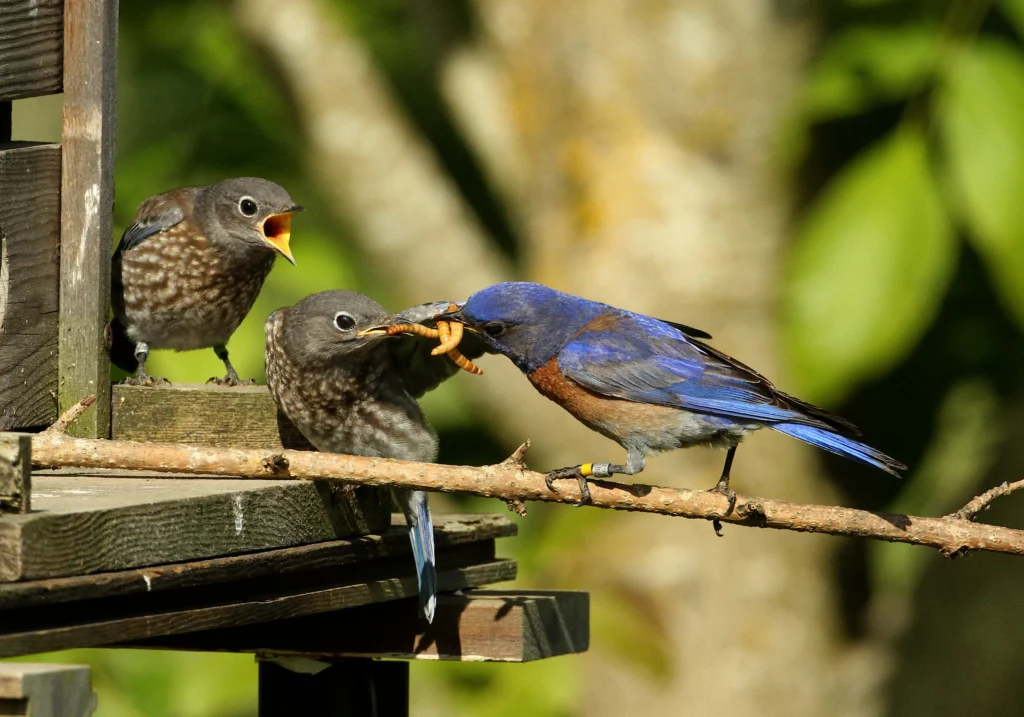
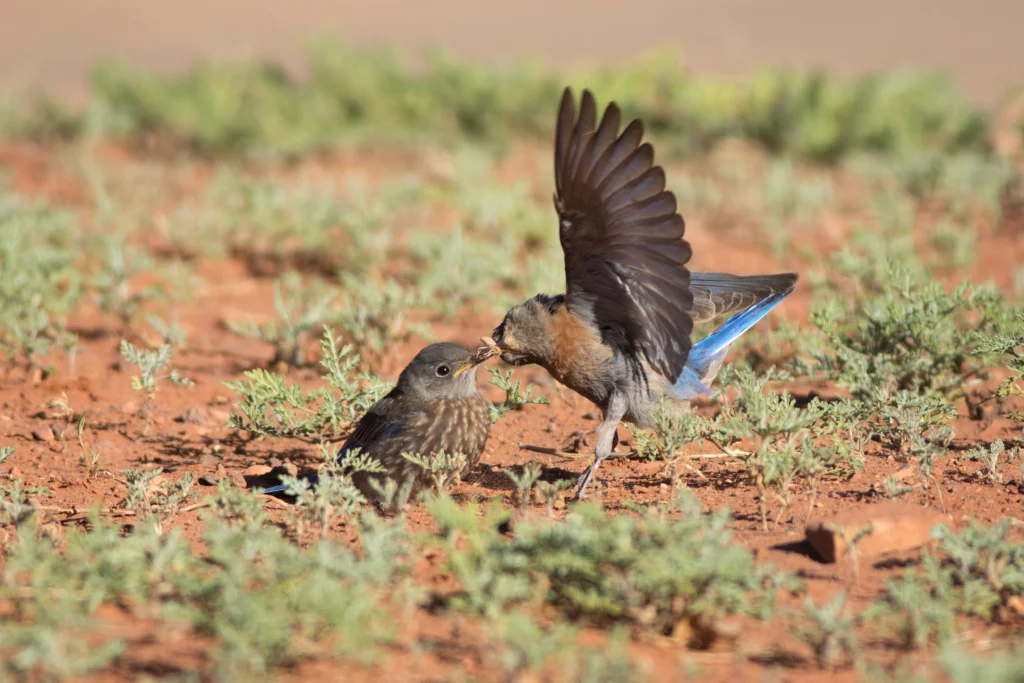
With large eyes, a short bill, and a round shape, these birds look quite cute. However, both males and females are aggressively territorial, and males in particular are known to pin rivals to the ground and peck at them viciously. This might sound excessive, but these birds have good reason to be defensive. Aside from defending food resources and much sought-after nesting cavities, paired birds, typically males, will sneak onto their neighbors’ territories in search of an interested female to mate with. This benefits the female by increasing the genetic diversity in her nest, and the sneaky male gets insurance on his genes by not placing all his eggs in one basket. But, from an evolutionary perspective, this is bad news for the female’s mate, who may end up providing parental care for offspring that are not related to him.

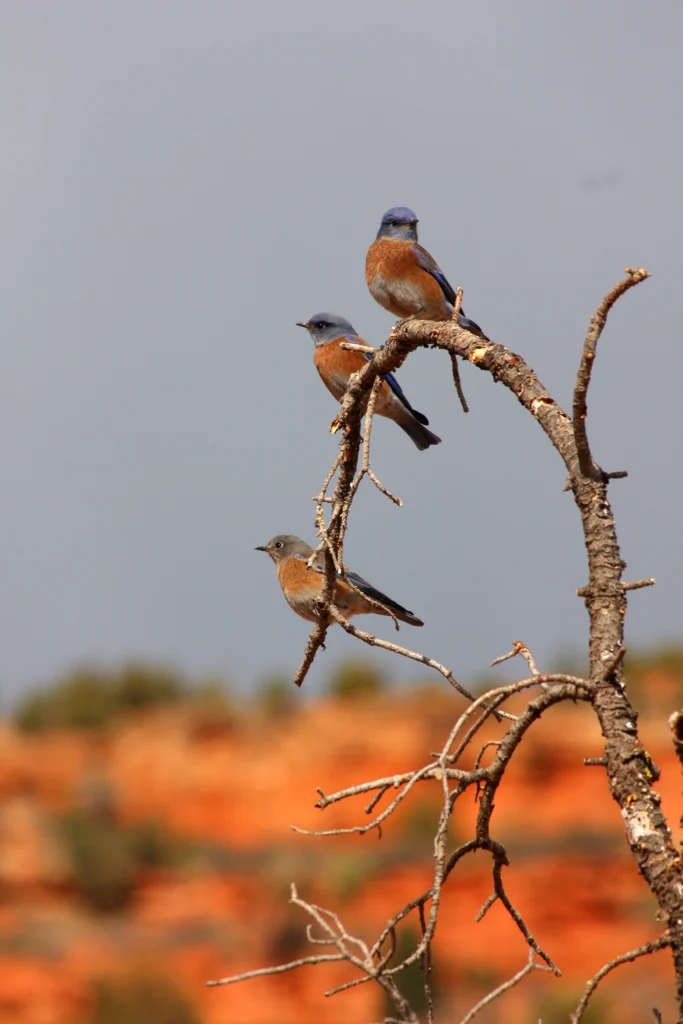
By the end of the breeding season, however, Western Bluebirds form large flocks with their neighbors. Additionally, pair bonds between a male and female tend to be long-lasting. Apparently, these beautiful little birds don’t hold grudges.
Amenazas

Common and fairly widespread, the Western Bluebird is not considered a species of conservation concern. However, like most birds, they face threats due to human activities of the past and present, including salvage logging, fire suppression, and the introduction of invasive cavity-nesting species like the House Sparrow and European Starling.

Removal of Dead Trees

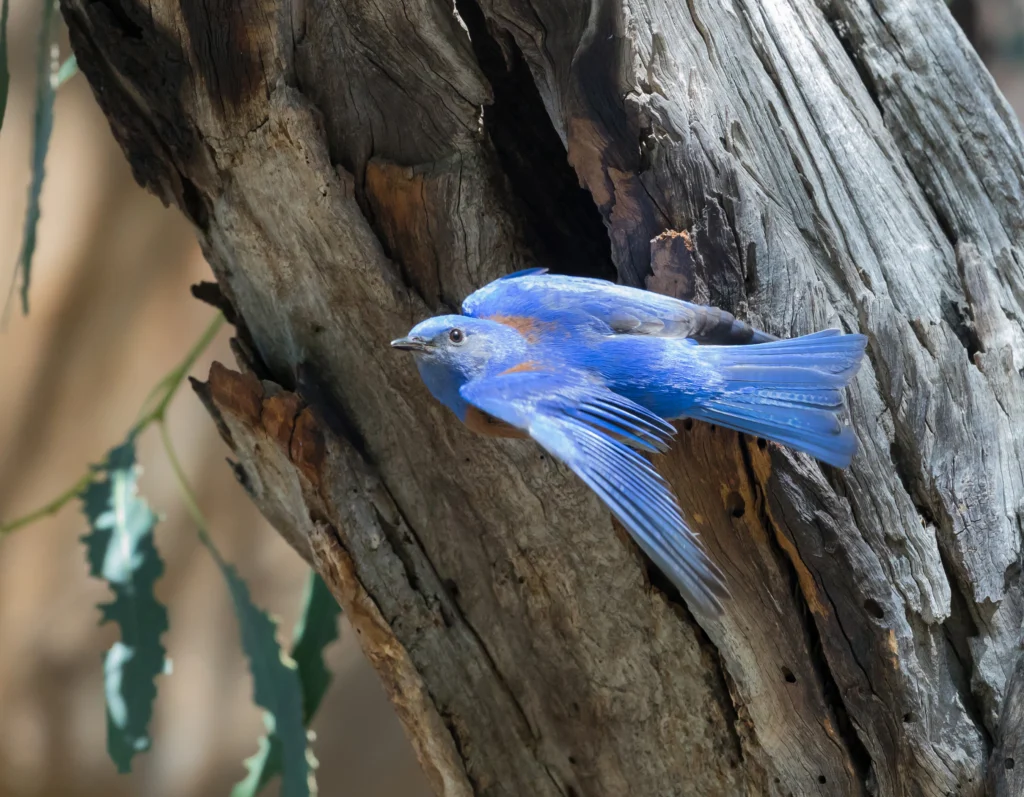
As secondary cavity nesters, breeding Western Bluebirds rely on either naturally occurring cavities or those created by woodpeckers. Although living trees sometimes offer suitable nesting spaces, the majority are excavated in dead trees by woodpeckers. Removing dead trees leaves few nest sites available to bluebirds and other secondary cavity nesters.

Fire Suppression

Historically, periodic fires were a common occurrence throughout much of the West. However, for many decades, fires were not allowed to burn over large areas, ultimately leading to forests growing thicker, closing the openings used by birds like the Western Bluebird. At the same time, fewer fires meant fewer standing dead trees, inhibiting the reproduction of cavity-nesting species like the Western Bluebird.

Estrategias y prácticas de conservación

Even relatively common species like the Western Bluebird need our help to overcome the threats they face. ABC has supported efforts to return the Western Bluebird to the San Juan Islands, where it had previously been extirpated. ABC also led the charge to end the threat caused by open, standing pipes, which can trap and kill cavity nesters like the Western Bluebird. With science as our foundation, and with inclusion and partnership at the heart of all we do, we take bold action for birds across the Americas.

Mejorar el hábitat

Habitat is the foundation for birds’ survival. ABC works across vast landscapes in North America where many of our priority species breed. Working closely with the Migratory Bird Joint Ventures (JVs) and other partners, we have improved more than 9.7 million acres of bird habitats in the places where birds need us most — from the Great Lakes to the Chihuahuan Desert.

Restaurando el hábitat

Galería de aves

Hábitat

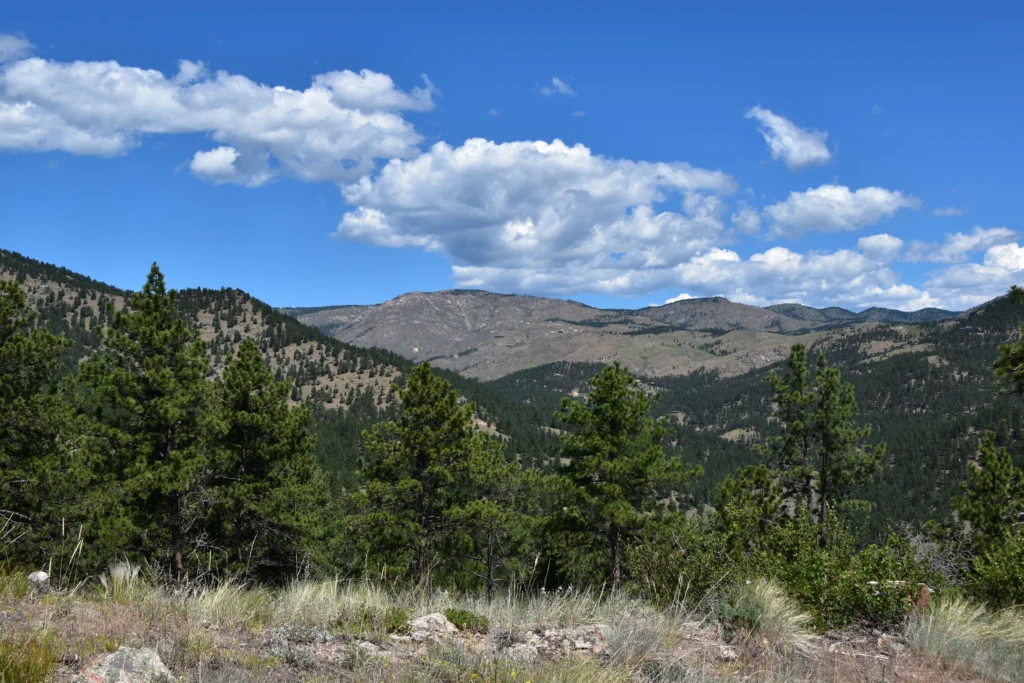
The Western Bluebird is a species of open woodlands and forest edges, in both the breeding and nonbreeding season. They also take well to disturbed environments, such as burned woods, moderately logged areas, and even farm or pasture with substantial trees and low perches.

Rango y región

Rango y región


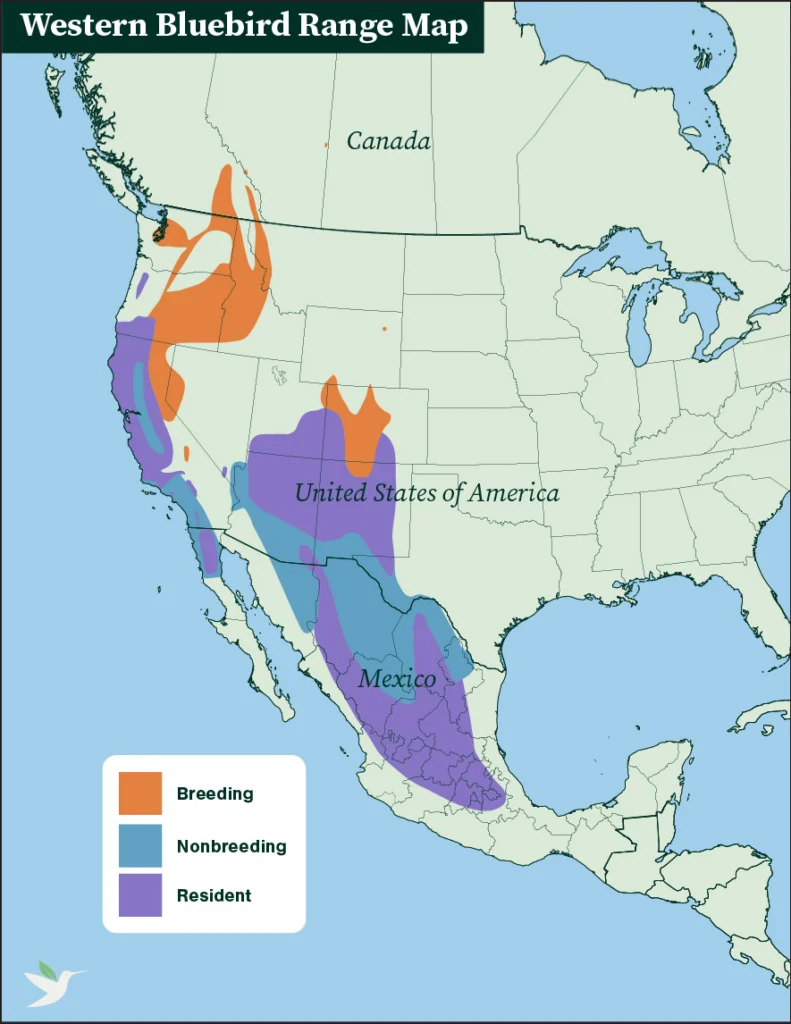
Western bluebird range map.

Área específica
América del Norte occidental

Detalles de la gama
The Western Bluebird is found year-round in much of California, the Four Corners region of the American Southwest, and central Mexico. In the breeding season, birds also move into eastern Oregon, Washington, southern British Columbia, and much of Idaho and Colorado. In the nonbreeding season, some populations fly to northern Mexico, southern Arizona, New Mexico, and West Texas, as well as the southern coast and Central Valley of California.

Rango
América del norte
Patrón de migración
Latitudinal
Distancia de migración
Distancia corta