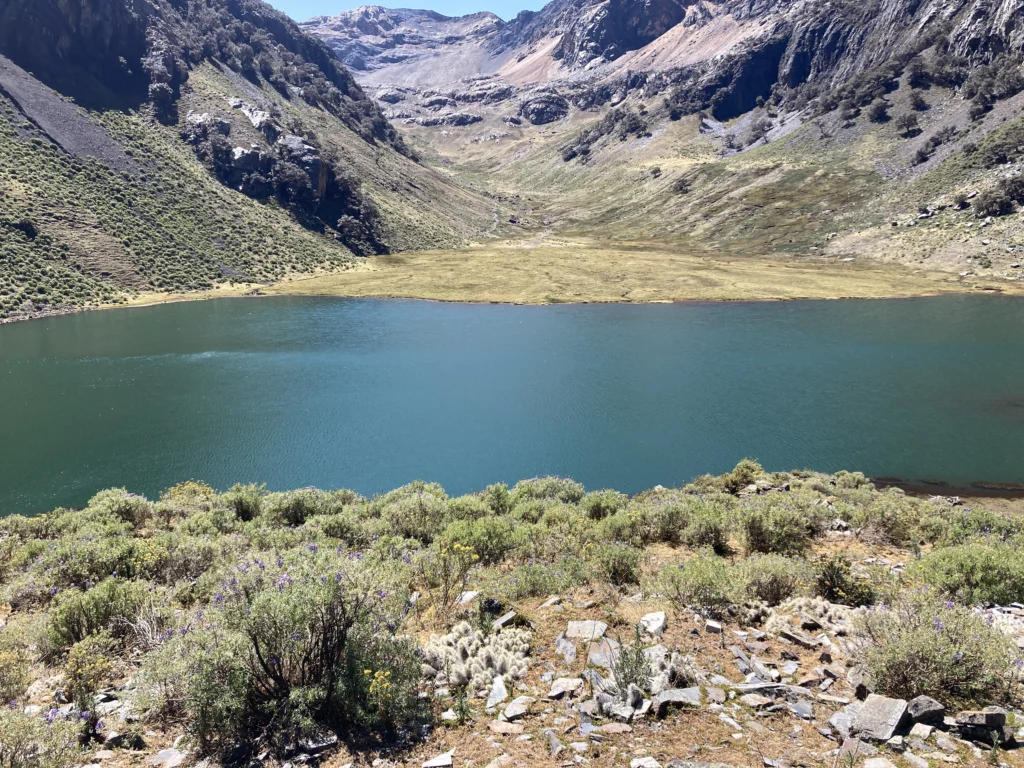
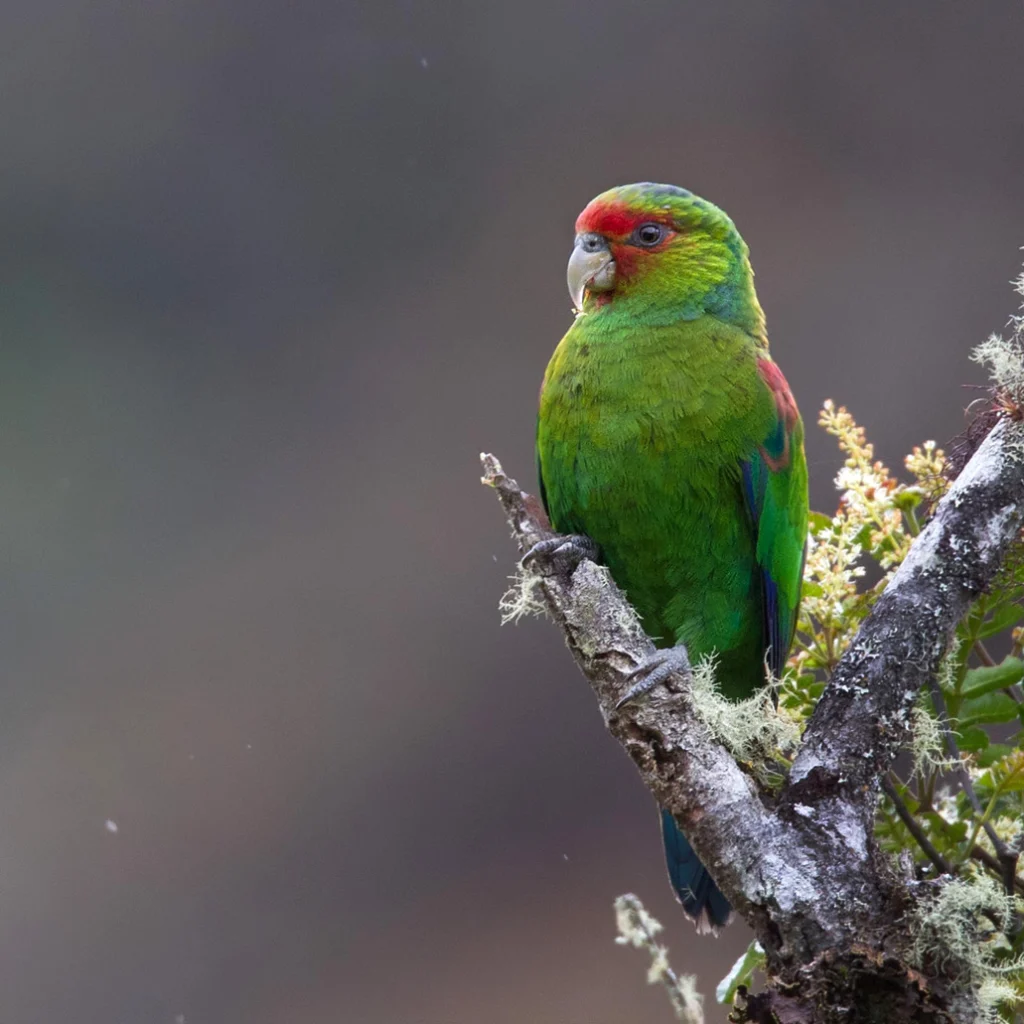
Glacial lakes, grasslands, scrublands, and Polylepis forests are just some of the high Andean ecosystems that now enjoy greater protection, thanks to the establishment of the Rimay Cóndor Environmental Conservation Area (ACA) in Aquia, a department of Ancash, Peru.
The Rimay Cóndor ACA spans 42,007 acres (17,000 hectares), where approximately 275 species of flora, 91 species of birds, 8 species of mammals, 2 species of reptiles, and 1 species of amphibian can be found. Endemic, threatened, and fragile ecosystem-associated species inhabit this area, such as the Tit-Tyrant de pecho ceniza (Anairetes alpinus), the Rufous-breasted Warbling-Finch (Poospiza rubecula), and the White-cheeked Cotinga (Zaratornis stresemanni).
The ACA will protect water regulation in the Alto Pativilca sub-basin, considered one of the most ecologically and functionally important hydrographic units in the Áncash and Lima regions, where water infiltration, storage, and gradual discharge occur.
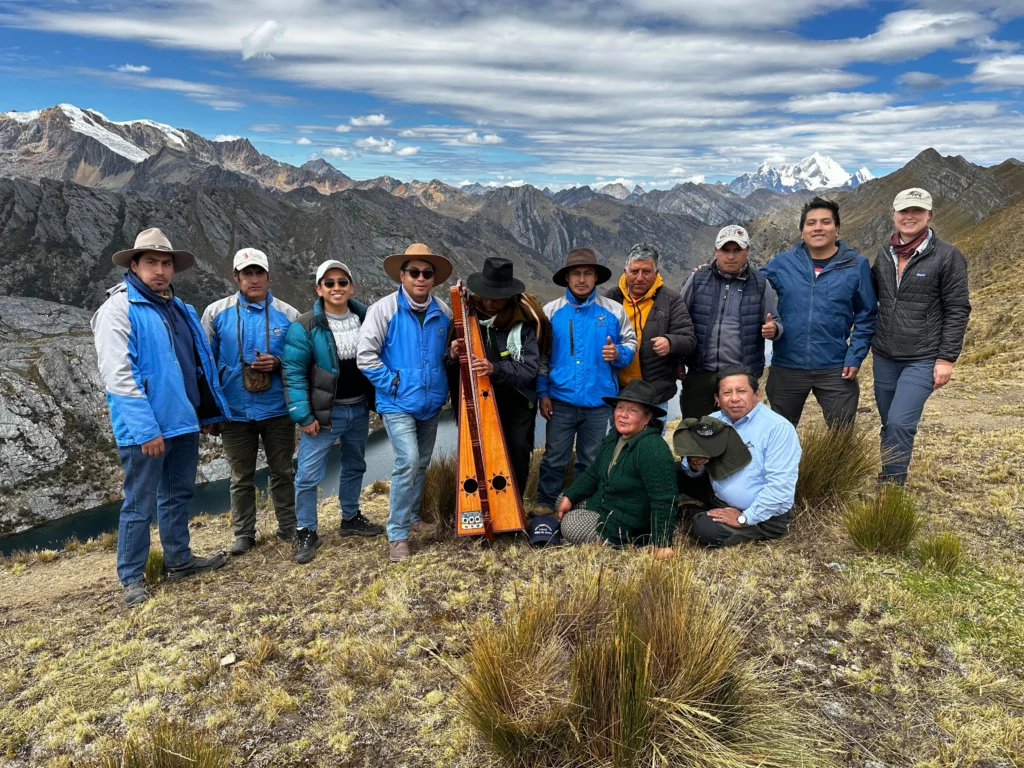
The establishment of this ACA is the result of the commitment and joint work of the community members of the Indigenous people of Aquia, water authorities, the local government, and the technical coordination of ECOAN, with the support of the Conserva Aves y Acción Andina initiatives.
Conservation Led by and for the Community
For the Aquia Indigenous people, carrying out conservation activities is not something new. For more than 30 years, they have been planting native species, regulating grazing, implementing protective fences, establishing agroforestry systems, and raising awareness about conserving native species through their community governance.
In a joint effort by the community, its grassroots organizations, and organized companies, along with irrigation and drinking water boards and educational institutions, community members have planted more than 650,000 native Polylepis trees, marking historic milestones such as 150,000 trees planted in a single day.
Polylepis forests are essential for the conservation of water resources, as they capture water and regulate its flow to the lower basins, ensuring its availability for people in the area.
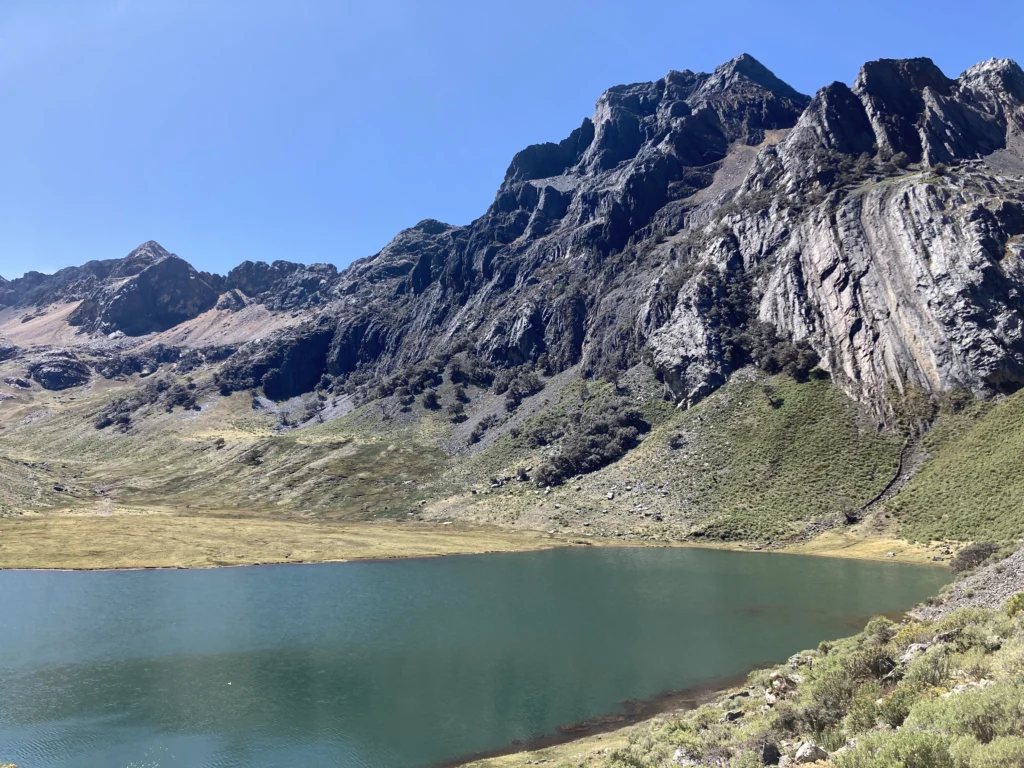
The location of this new protected area is strategic, situated between the Cordillera Blanca, the Cordillera Huallanca, and the Huayhuash Reserved Zone corridor. This creates a natural corridor that connects landscapes, biodiversity, and ecosystem services that sustain essential ecological processes.
The Rimay Cóndor Conservation Area (ACA Rimay Cóndor) has great potential for ecotourism, geotourism, and community-based rural tourism. With the protection now afforded to the territory, it will be possible to address threats such as mining-related environmental liabilities, pasture degradation due to overgrazing, glacial retreat, and extreme weather events.
“This is a beautiful place that will conserve our quenuales (Polylepis forests) and serves us as a water source,” said doña Rita Robles, a member of the Vista Alegre sector. “As the phrase goes, ‘I am the little tree that lives in the high peaks and provides water for all the valley.’”
Conserva Aves in Peru
These conservation efforts are carried out within the framework of Conserva Aves, an initiative led by the American Bird Conservancy, National Audubon Society, BirdLife International, Birds Canada, and the Latin American and Caribbean Environmental Funds Network (RedLAC). In Peru, the initiative has achieved the protection of more than 300,000 hectares by supporting 13 local partners.
Conserva Aves’s national partners in Peru are Profonanpe and ECOAN. The project to declare the Rimay Condor an ACA is led by ECOAN and the communities of Aquia, with the partnership assistance of American Bird Conservancy and financial support from Bezos Earth Fund.
This story was originally published by Conserva Aves and is republished with permission.