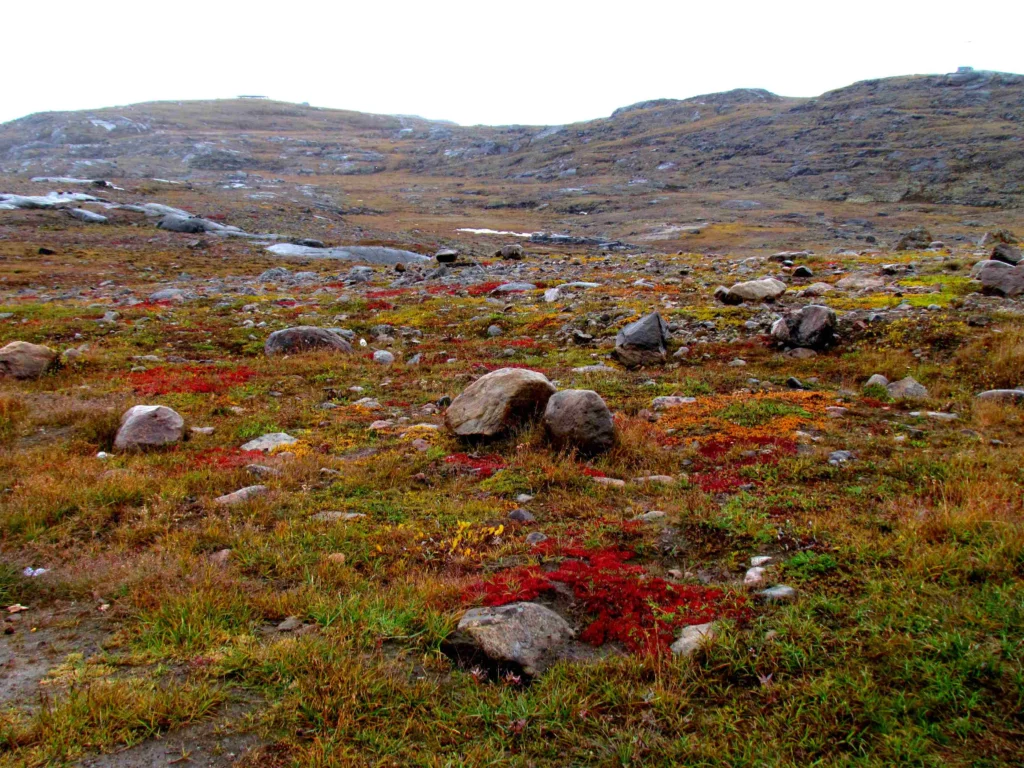
Covering an estimated 10 percent of Earth’s surface, primarily in the Northern Hemisphere, tundra occurs in polar and alpine (mountainous, high-elevation) areas. In both situations, cold temperatures, strong winds, snow cover, and short growing seasons result in open landscapes that give the biome its name, which is derived from the Sami word tūndar, meaning “treeless hill.” (The Sami culture is centered in the tundra of northern Scandinavia.) Permafrost, perennially frozen soil, is a ubiquitous feature in these areas, and in place of trees, tundra regions are rich in dwarf shrubs, grasses, herbaceous plants, mosses, ferns, and lichen.
Within North America, Arctic tundra covers northern Alaska, Yukon, the Arctic islands of Canada, portions of the mainland of the Northwest Territories, Nunavut, and northern Quebec. The terrain across this broad mantle of land is highly variable, ranging from vast plains, rolling lowlands, and ice-covered lakes to flat-topped mountains and snow-free uplands. Expansive wetlands are common, particularly in shield or bedrock regions of eastern and central Canada.
The North American tundra is the homeland of many Indigenous peoples, including the Aleut, Yupik, and Inupiat in Alaska, and the Inuit (Inuvialuit) in Canada, who depend on healthy populations of fish, mammals, and birds for subsistence harvesting.
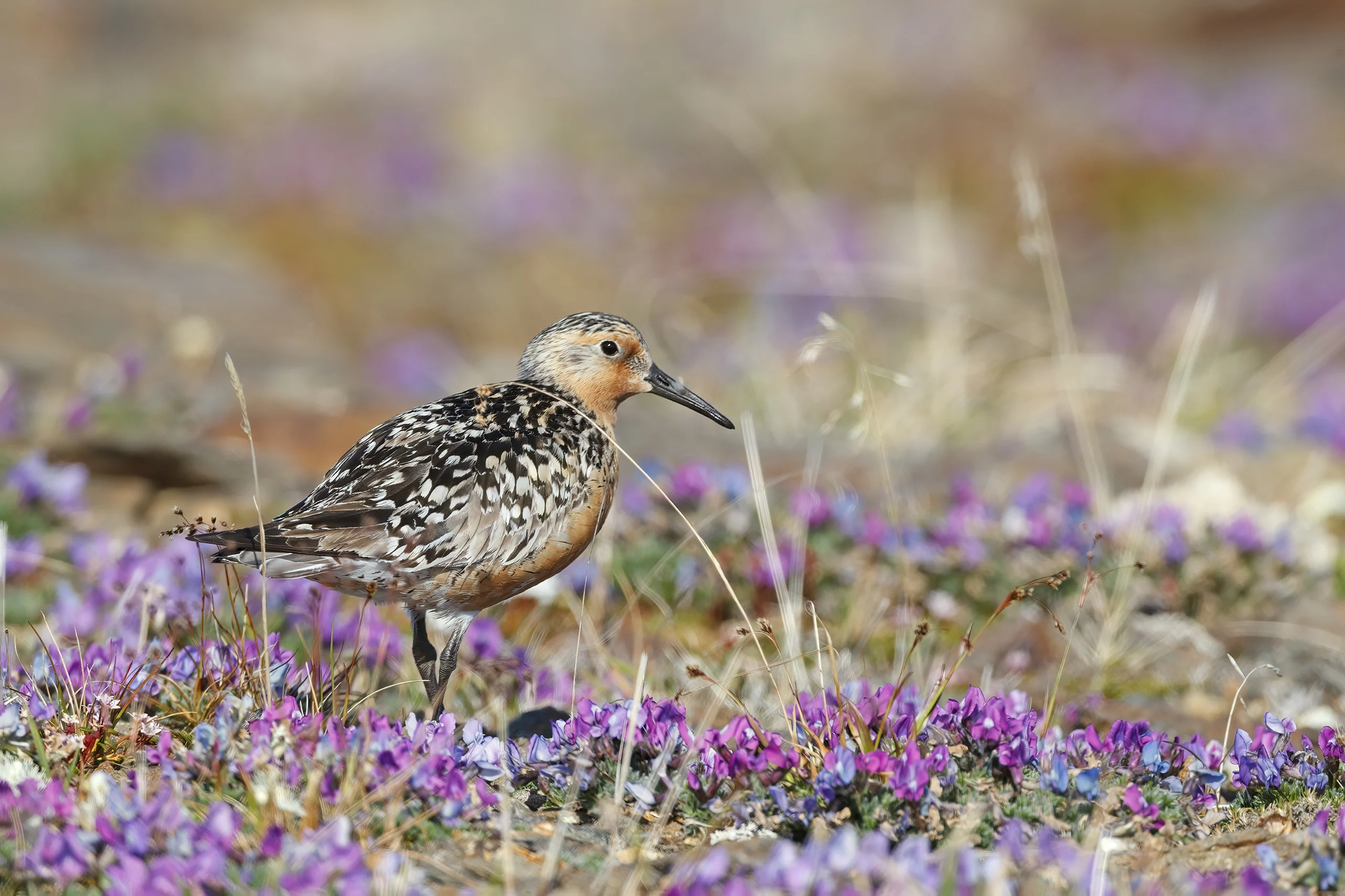
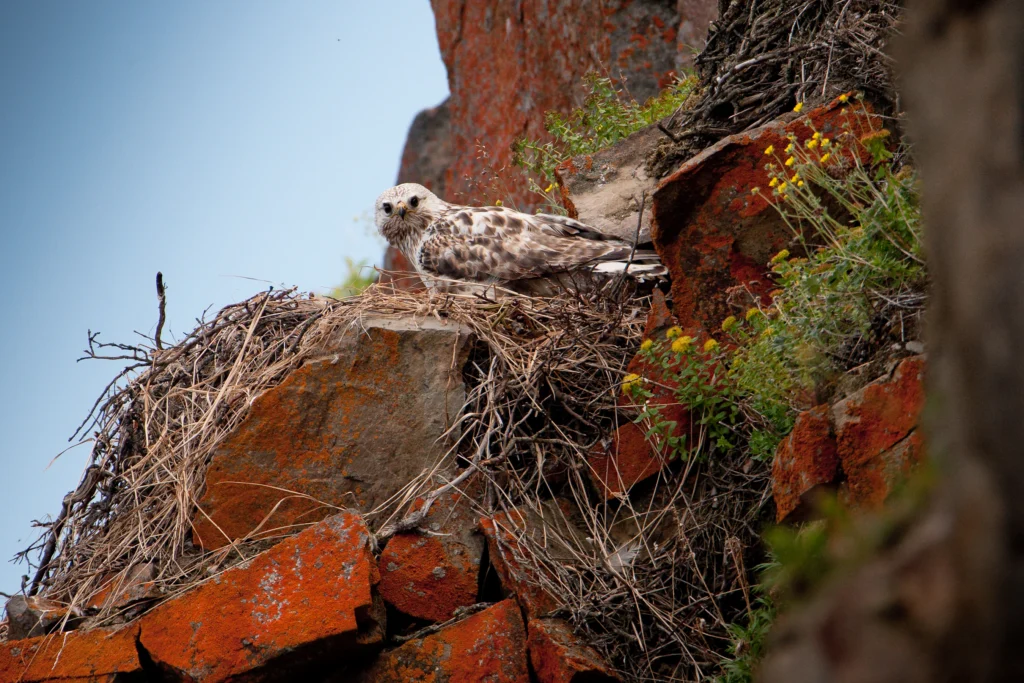
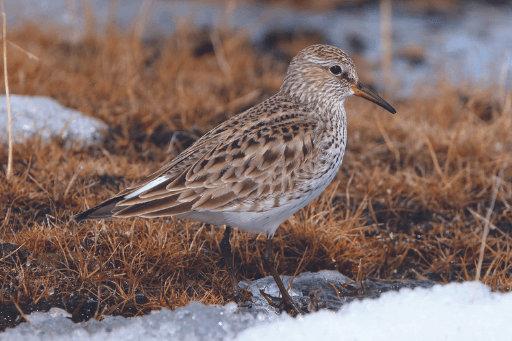
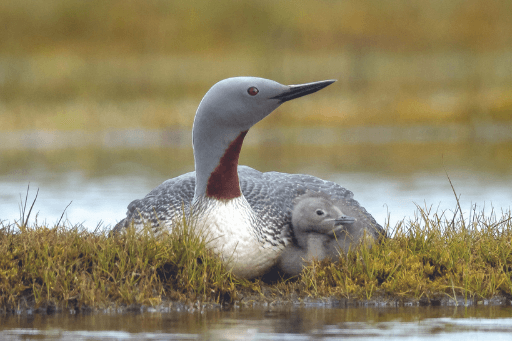
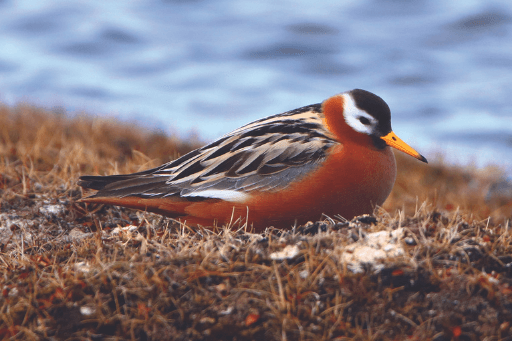
Bird populations are particularly abundant there, especially during productive summer periods, when more than 135 species breed across North American tundra. (Across the world’s Arctic region, the figure may reach 200 species.) Geese and shorebirds often dominate tundra bird communities, but other representative species include Yellow-billed and Red-throated Loons, Long-tailed Duck, King Eider, Peregrine Falcon, Parasitic Jaeger, Snowy Owl, Willow and Rock Ptarmigans, Hoary Redpoll, Lapland Longspur, and Snow Bunting.
Together, the tundra’s unique fauna, inaccessibility, and extreme physical environments lend to its mystique. But the Arctic tundra warrants our attention for more practical reasons as well because it plays a global role in carbon-cycling and temperature regulation.
Permafrost — a subsurface mixture of frozen sediment and organic matter — is the common thread unifying tundra habitats. Because it remains frozen year-round, with only a thin surface layer that briefly thaws each summer, permafrost serves as a carbon sink, effectively locking away surplus carbon in long-term cold storage, as sub-zero temperatures hinder decomposition and the release of greenhouse gases. Wetlands are particularly important in this regard: They make up an estimated 60 percent of Arctic tundra habitats and store particularly large amounts of carbon and other nutrients, while also providing a figurative oasis on the typically dry landscape.