


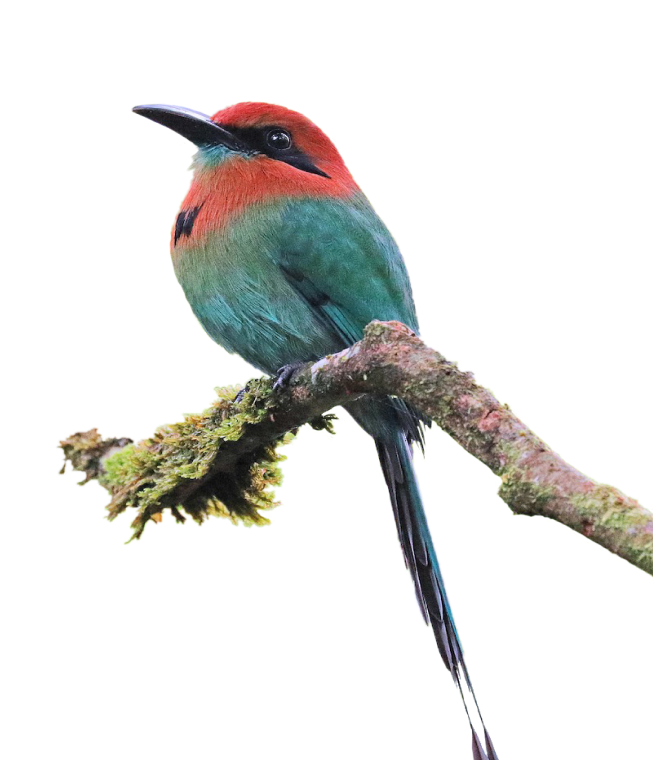

¿Los colibríes migran?
Durante los meses de verano, se pueden encontrar colibríes en casi toda Norteamérica. La gran mayoría de los colibríes migran a México o Centroamérica durante la temporada no reproductiva.

Sialia sialis
Ozhaawashko-bineshiinh (Anishinaabe)
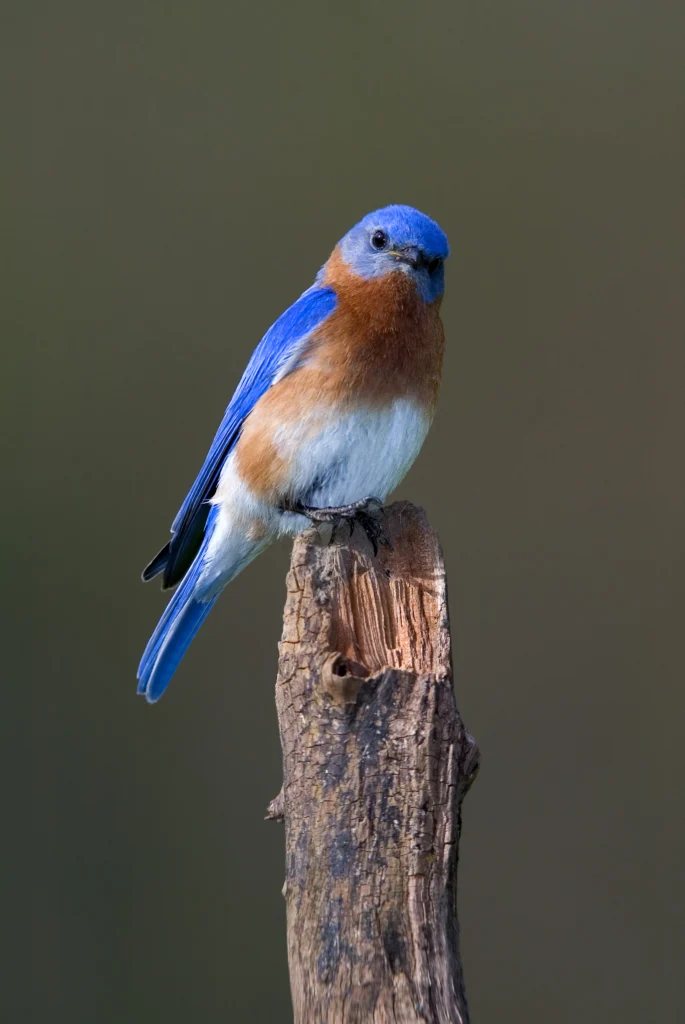
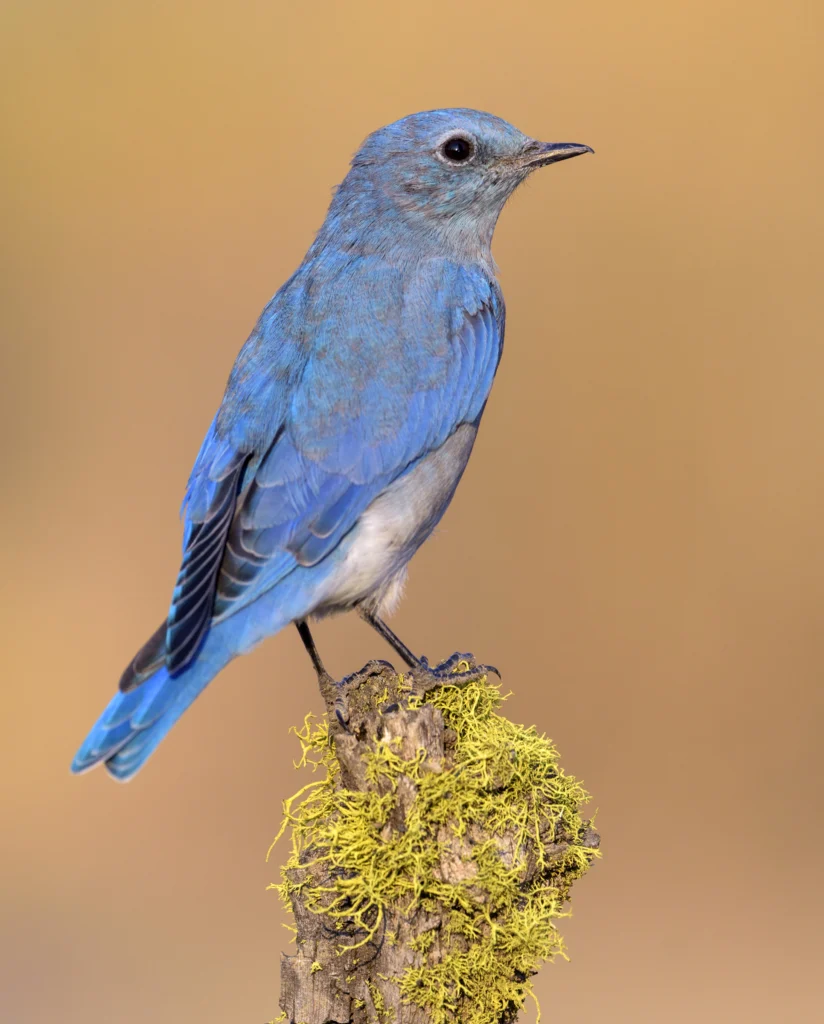
The vibrant colors and soft, musical warbles of the Eastern Bluebird are a welcome sight on a cold, snowy day. Bluebirds have long been considered harbingers of spring, from Mexico to the eastern United States, and their willingness to nest in open, human-modified habitats makes them popular among birders and non-birders alike.
Eastern Bluebird populations plunged in the early 20th century, when non-native House Sparrows and European Starlings were introduced into the United States. Both of these invasive species are also cavity-nesters and much more aggressive than bluebirds, so they quickly took over suitable nest cavities and habitats.
Fortunately, concerned citizens stepped in to halt bluebird declines. Organizations such as the Sociedad Norteamericana del Azulejo y Sialis have been instrumental in encouraging bluebird conservation through education, promotion of artificial nest boxes, and establishment of bluebird nest box trails, which are protected and monitored by a network of volunteers.
While Eastern Bluebird populations are healthy and increasing, this species still faces numerous threats. Birds living in developed areas, whether agricultural or urban, are at higher risk from pesticides as well as predation from outdoor cats.
Eastern Bluebirds are common in agricultural areas, which provide them with their ideal foraging habitat, as well as convenient perches in the form of fences, from which they fly to the ground to capture their insect prey. However, insects are often poisoned with pesticides, which Eastern Bluebirds end up consuming and feeding to their young.
Outdoor cats are one of the leading human-caused drivers of bird population declines. Cats kill billions of birds each year, and species like the Eastern Bluebird that live near humans are especially vulnerable.
Birds need our help to overcome the threats they face. At ABC, we’re inspired by the wonder of birds and driven by our responsibility to find solutions to meet their greatest challenges. We work to protect the Eastern Bluebird and other species from the effects of pesticides, particularly lethal varieties such as chlorpyrifos and neonicotinoids. Other ABC programs, including Cats Indoors and Collisions, recommend measures to benefit bluebirds and many other bird species.
ABC colabora con socios a nivel estatal y federal en EE. UU. para exigir la regulación o la prohibición de los plaguicidas y toxinas más dañinos para las aves. Desarrollamos programas innovadores, como trabajar directamente con agricultores para que utilicen semillas sin recubrimiento de neonicotinoides, impulsar la investigación sobre el impacto de los plaguicidas en las aves y alentar a millones de personas a dejar de usar plaguicidas dañinos.
Cats make wonderful companions, but they’re safest (and bluebirds are, too) when they’re kept indoors or under the control of their owners. ABC advocates for responsible cat ownership, encouraging millions of pet owners to take steps to keep their cats contained and advocating for policies that benefit birds, cats, and human health.

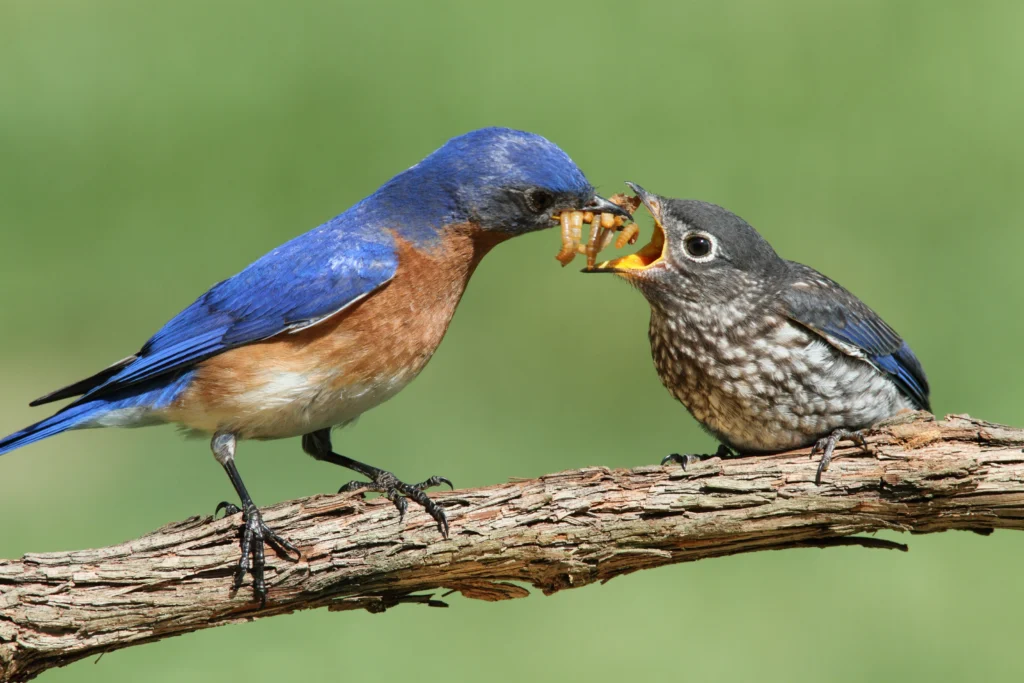
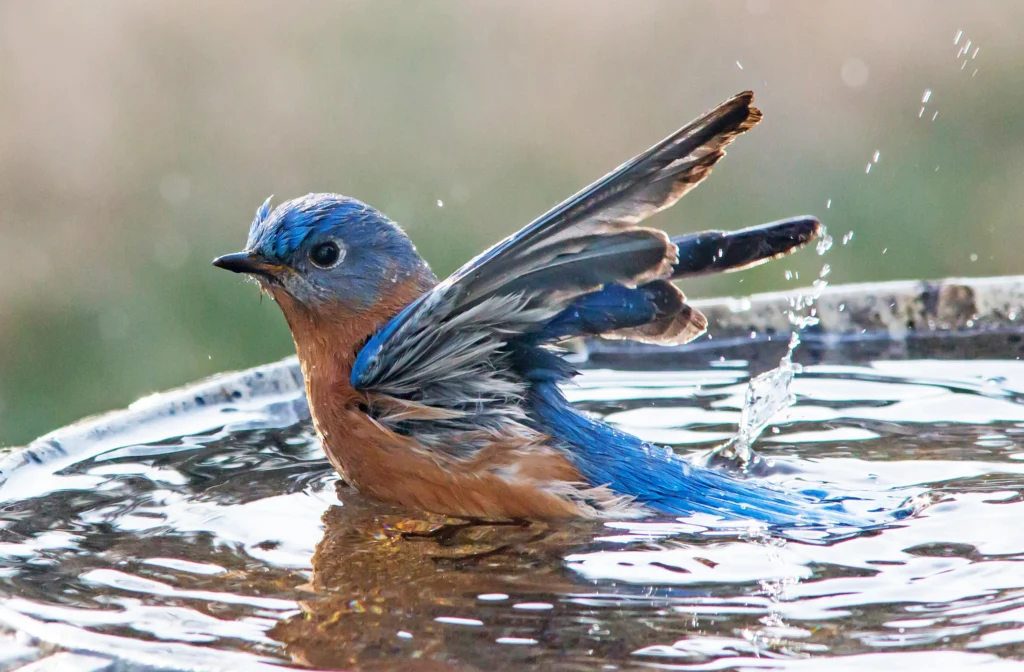
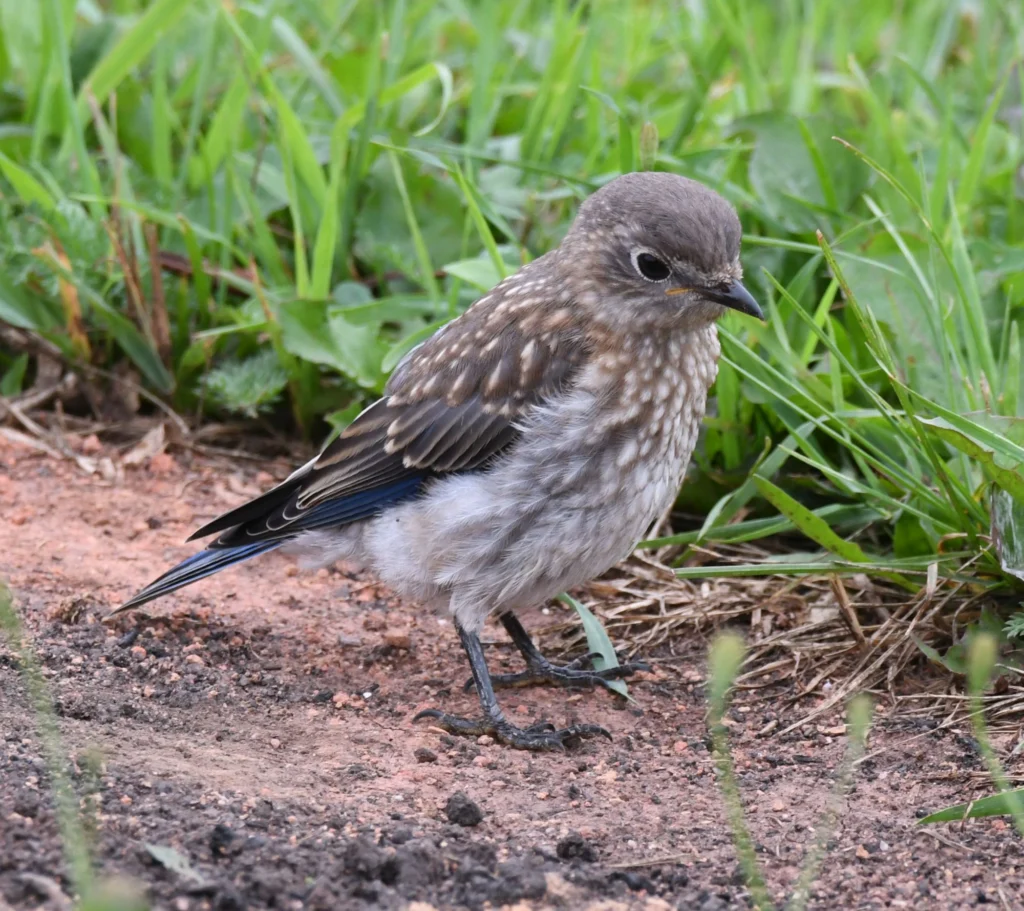
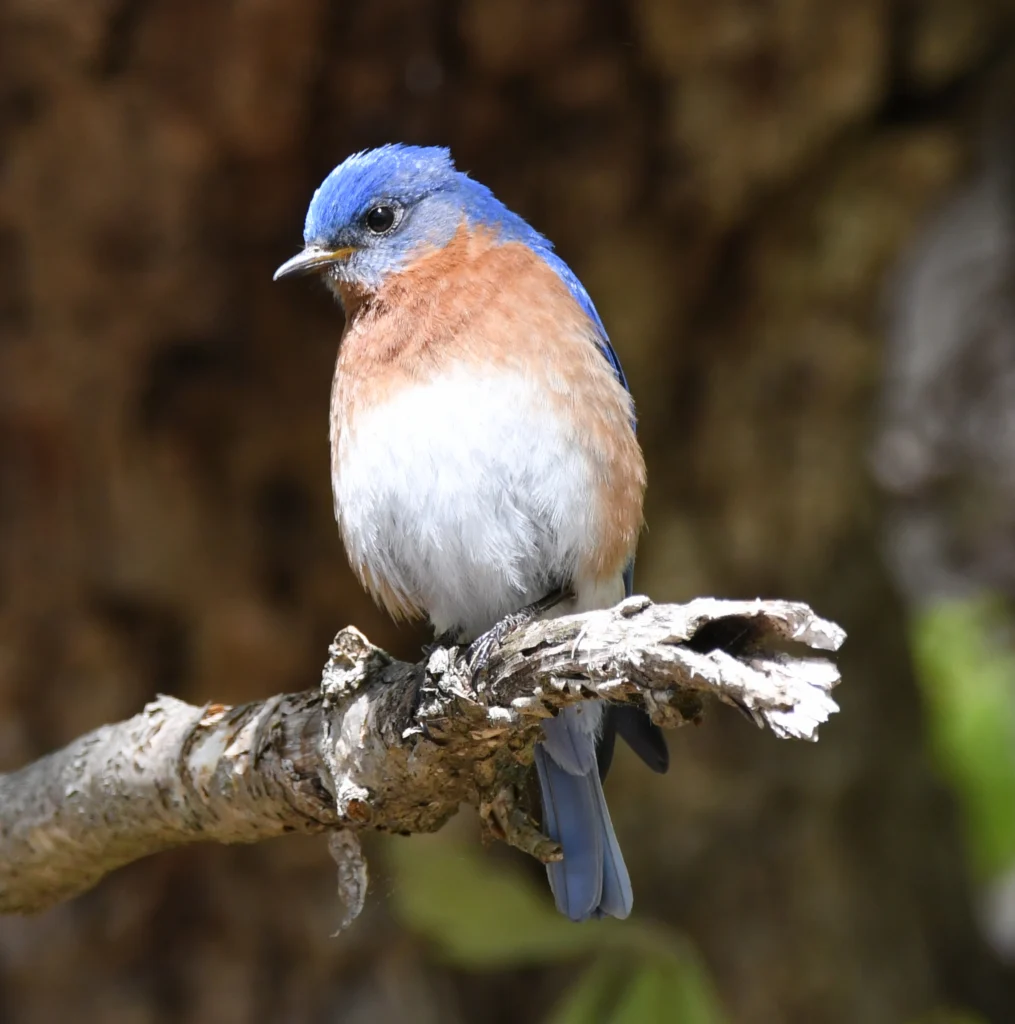
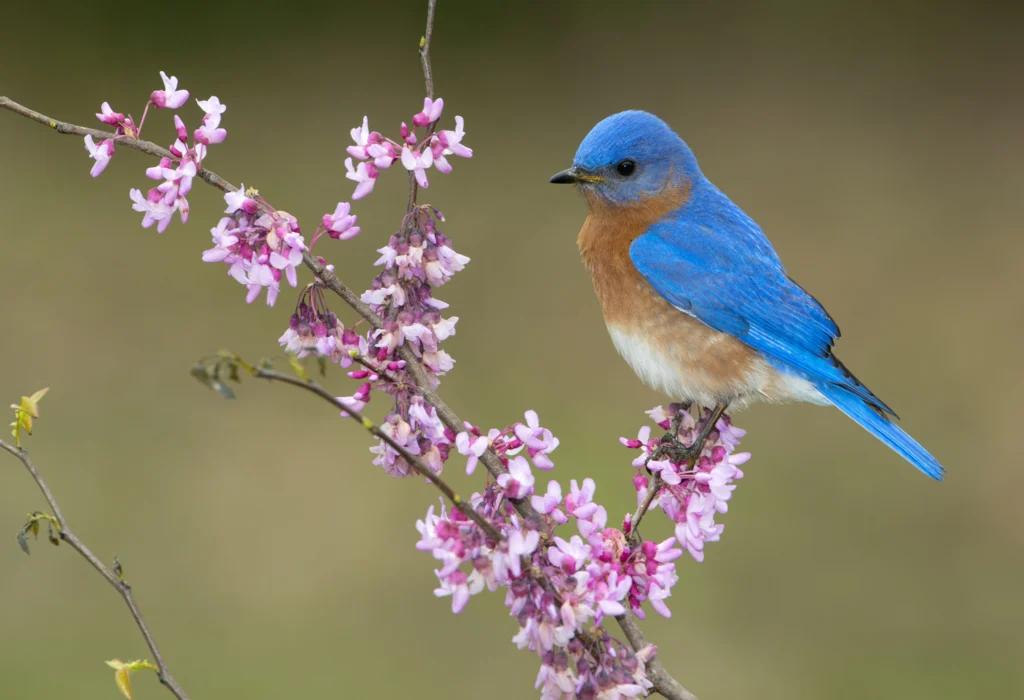
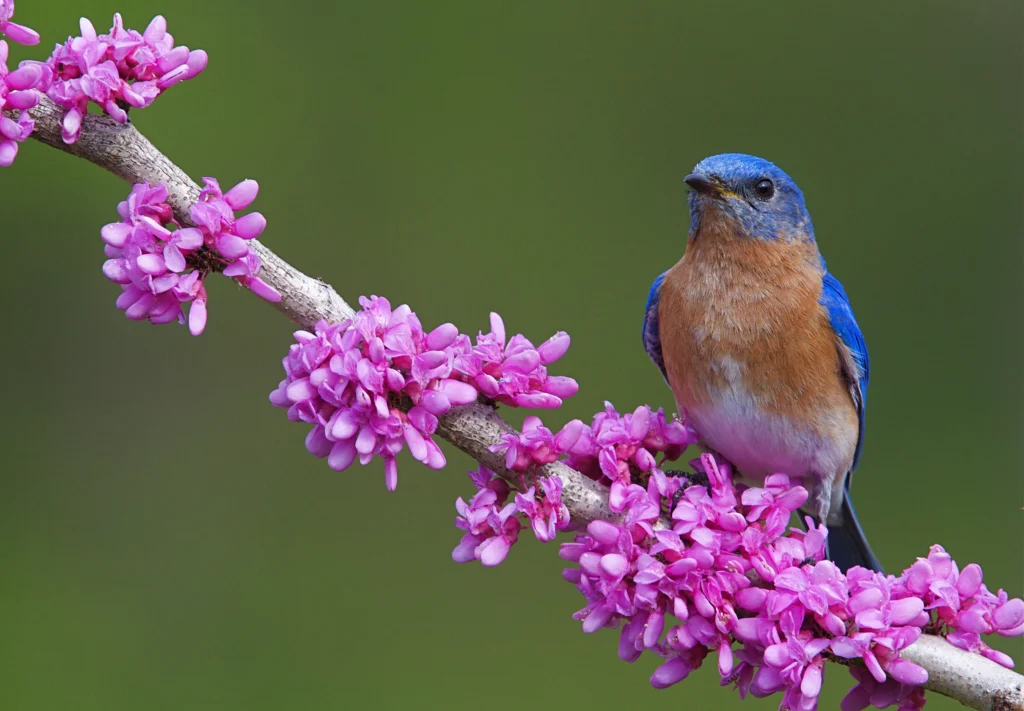
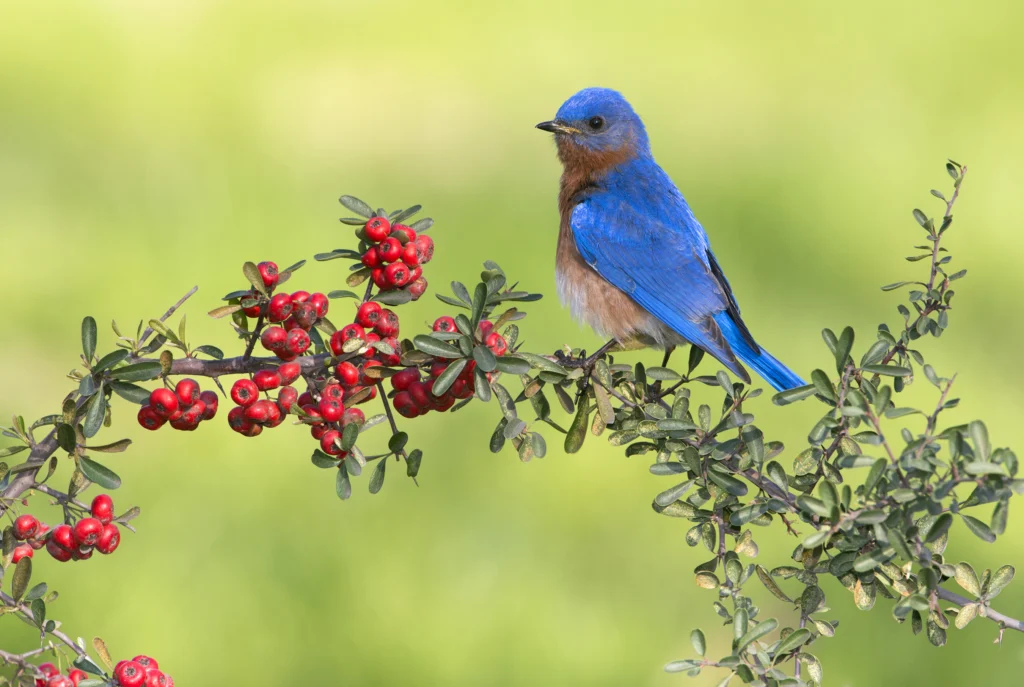
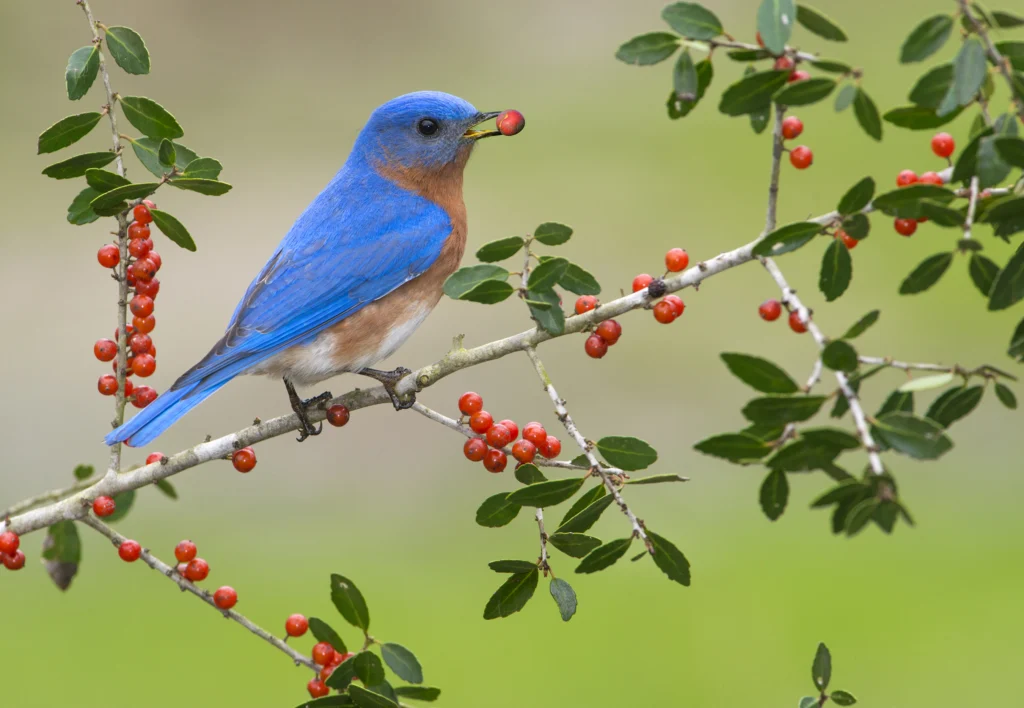
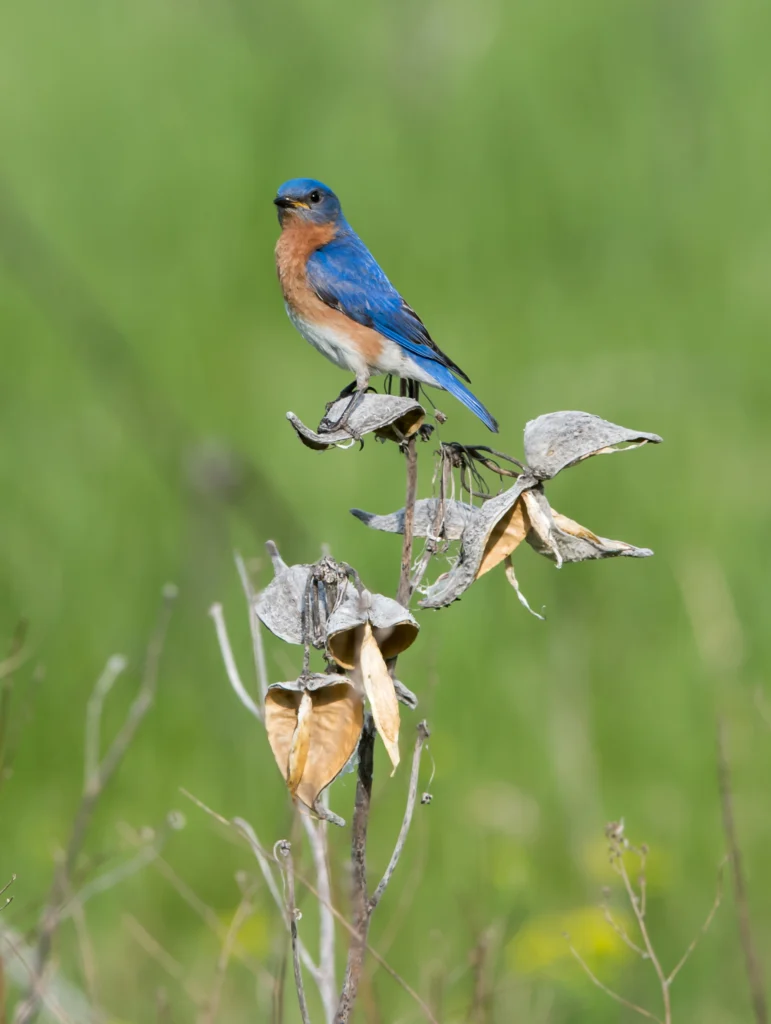
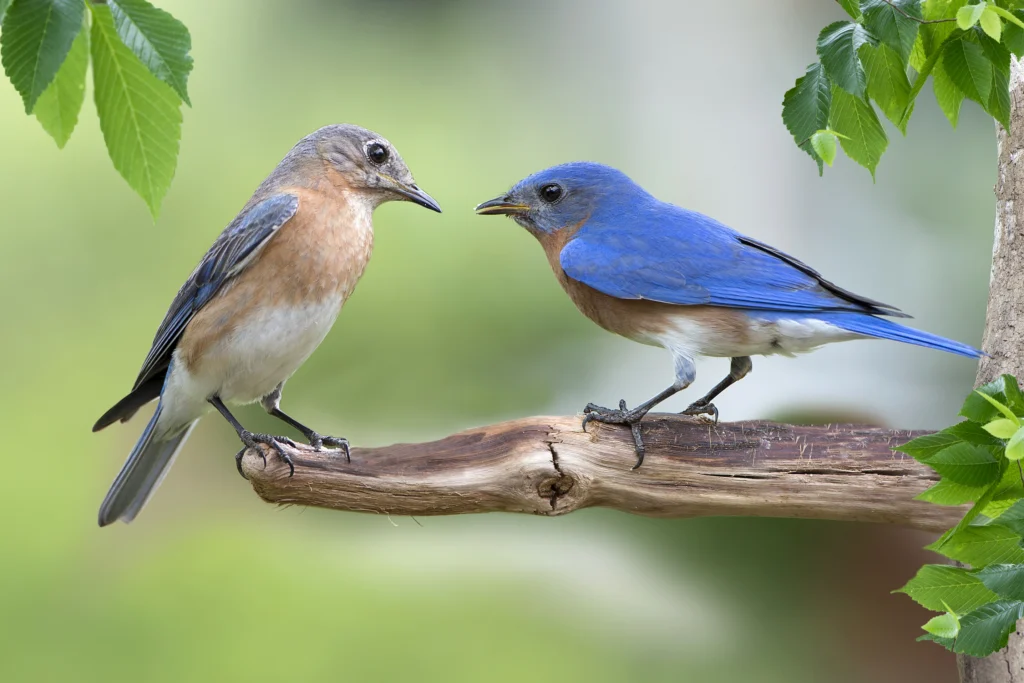
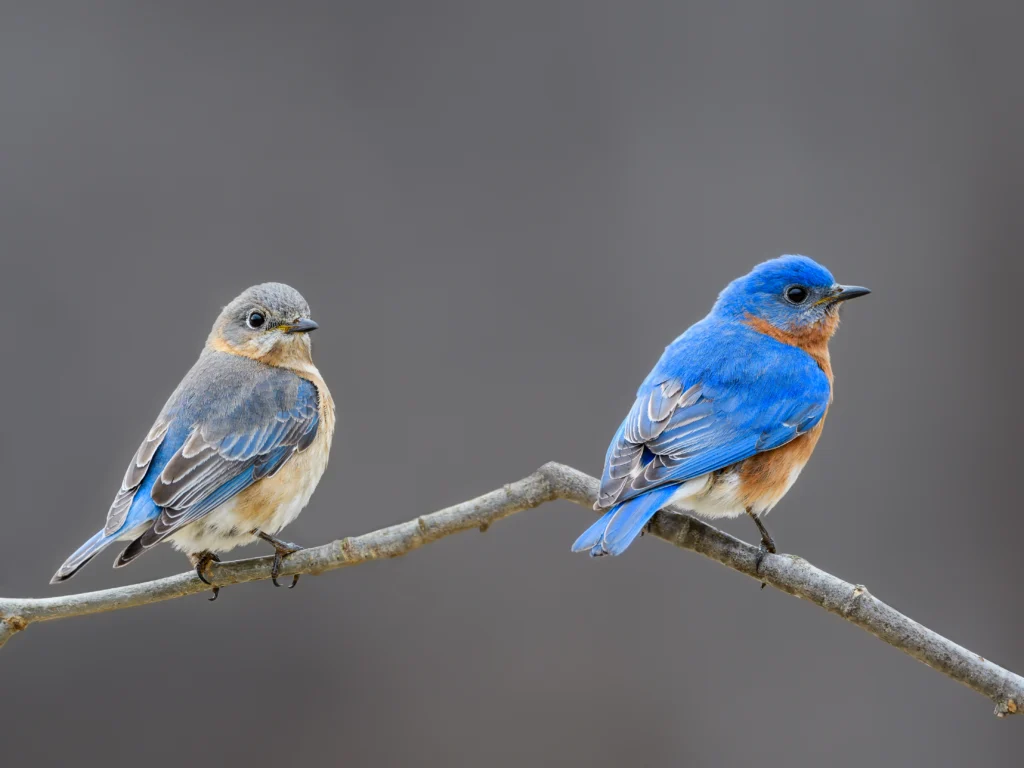
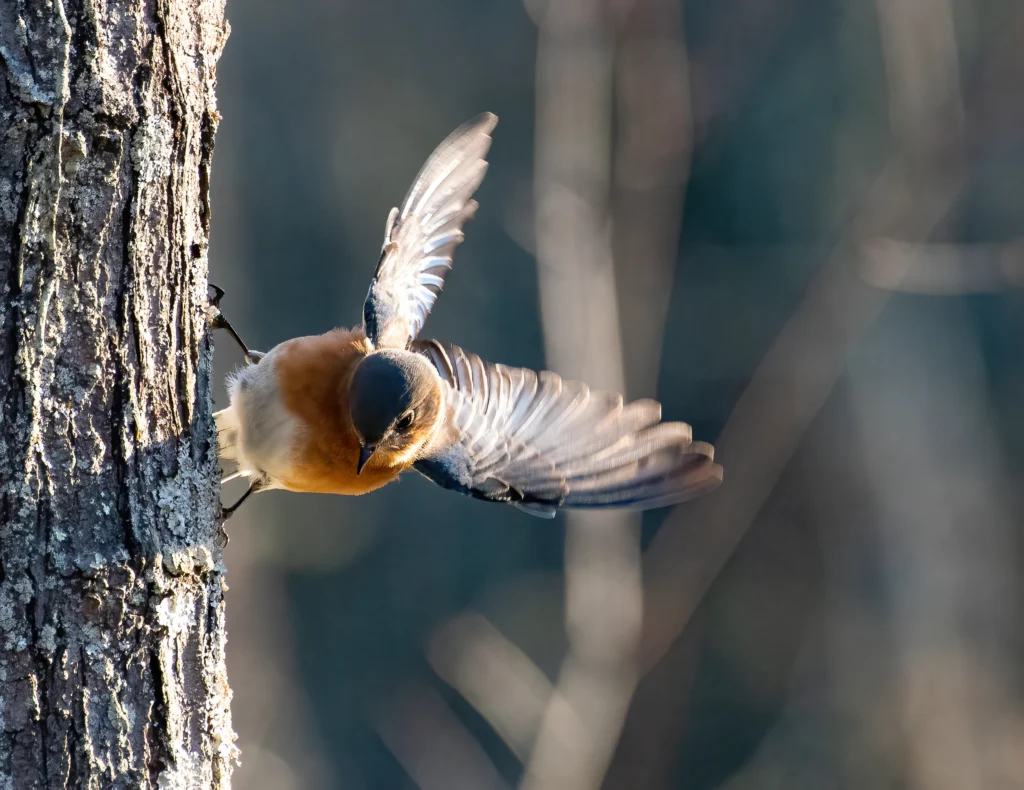
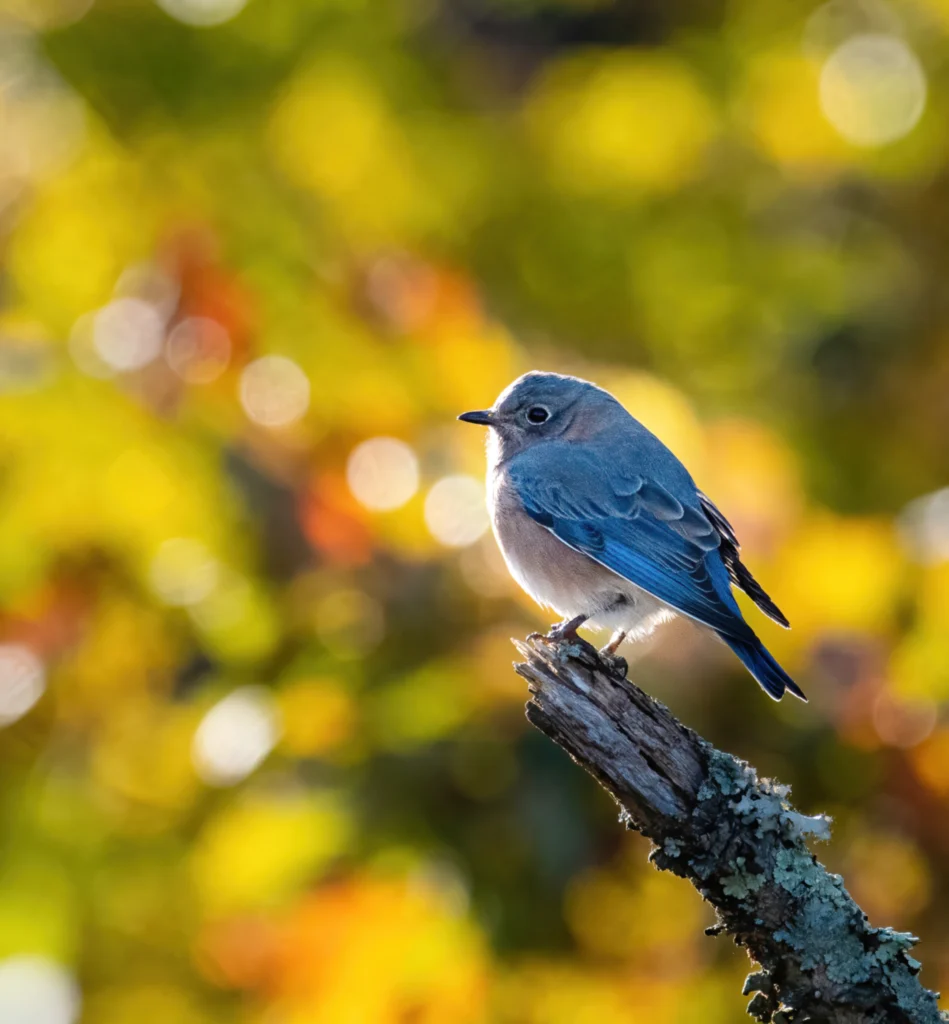
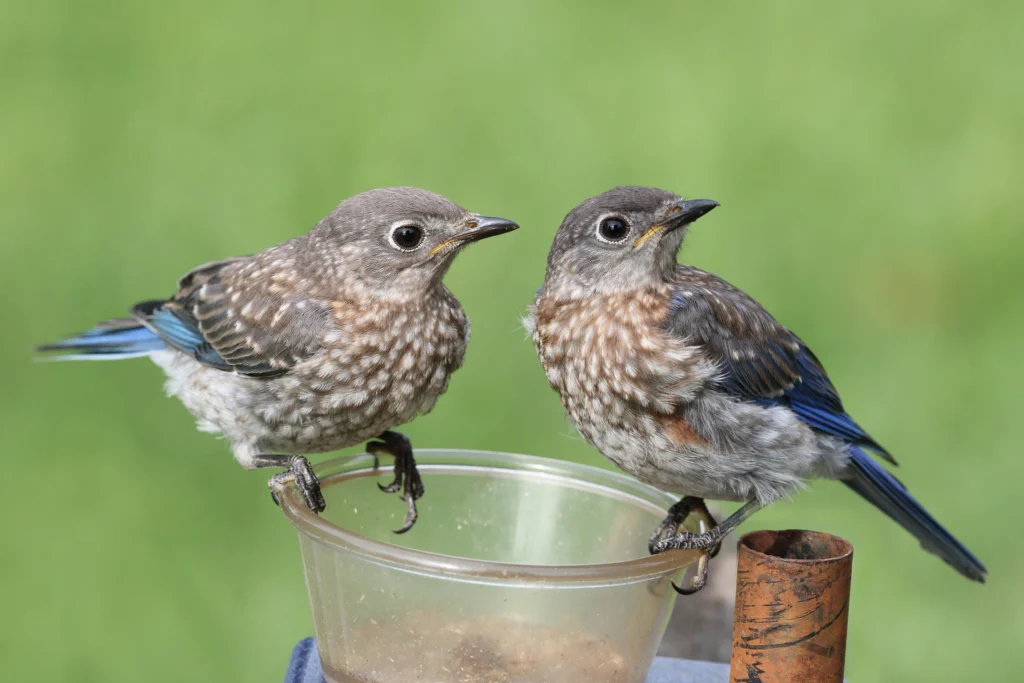
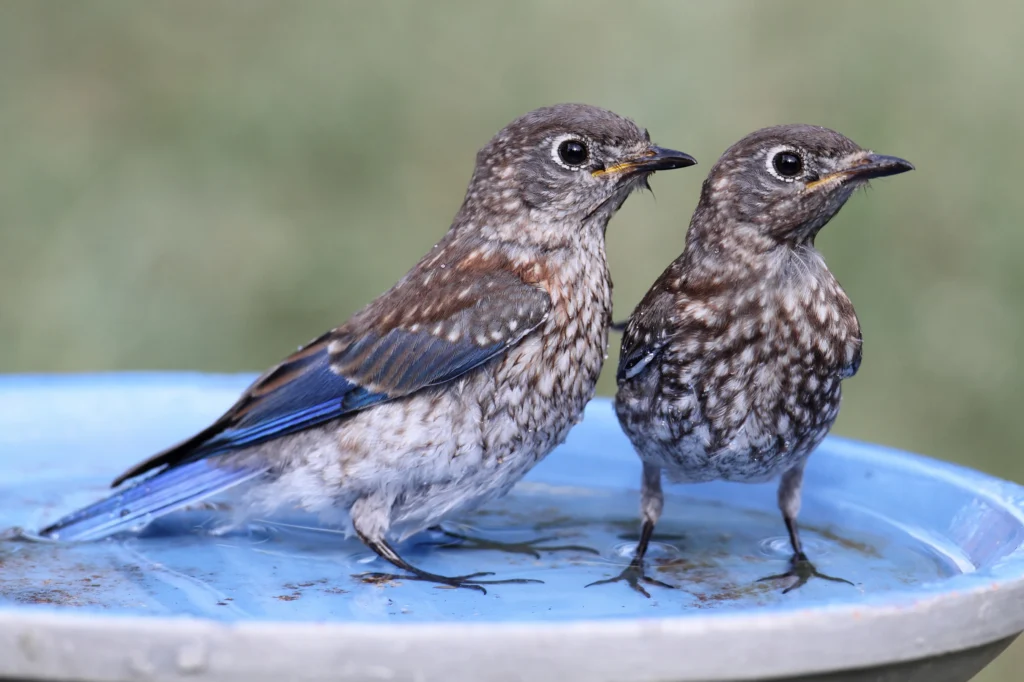
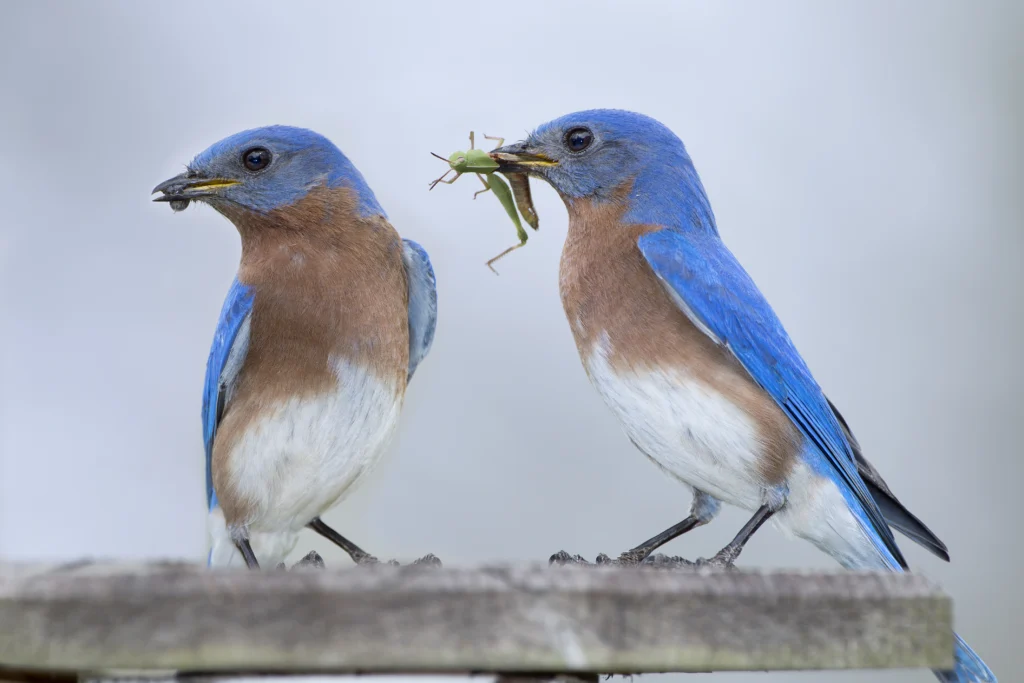
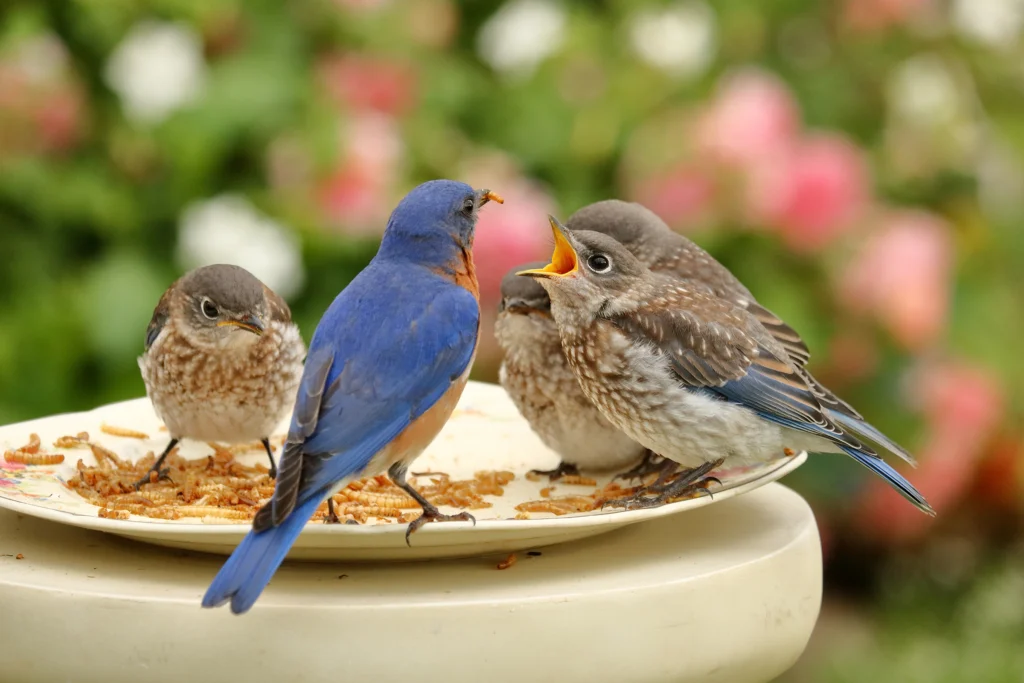
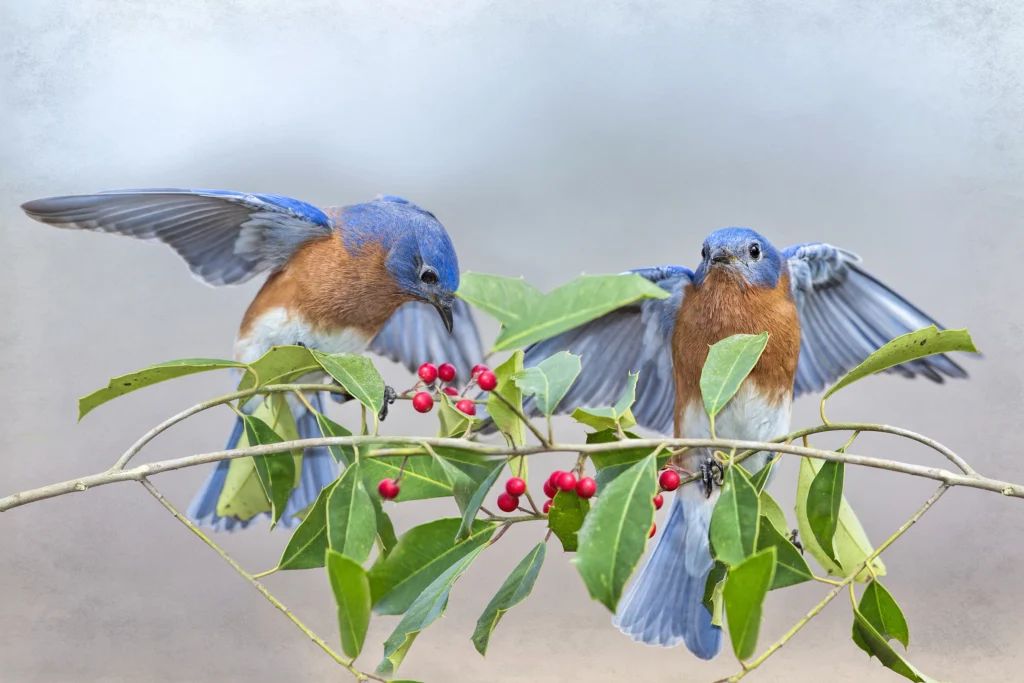
The Eastern Bluebird forages in open habitat near trees, such as savannas and forest clearings, as well as pastures, parks, golf courses, and backyards. Though this species probably occupied a wide range of habitats before colonization, they have adapted well to large-scale agriculture and development, especially where nest boxes are provided.
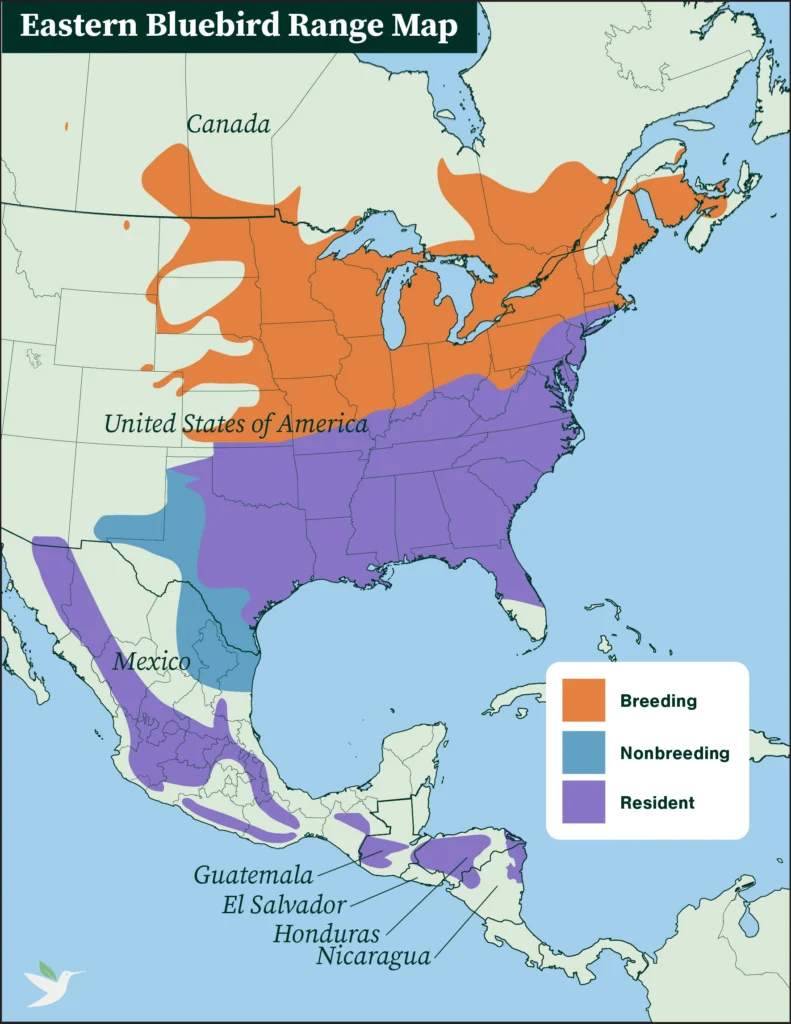
Área específica
Mexico, northern Central America, eastern United States, southeastern Canada
Detalles de la gama
The Eastern Bluebird has the largest range of the three bluebird species, covering the eastern half of the U.S., southeastern Canada, and portions of Mexico south to Nicaragua. In the U.S., the Eastern Bluebird’s range extends to eastern Colorado. Those in the northern portion of the range migrate south following the breeding season.
The Eastern Bluebird’s diet is made up of insects such as crickets, grasshoppers, and beetles, as well as fruit, especially during the winter. The birds hunt for insect prey using a “sit and wait” strategy, similar to flycatchers like the Phoebe negra. Once a bluebird spots prey, it drops down from its perch to snatch it from the air or the ground. Bluebirds also love mealworms, sunflower seeds, and suet, and will readily visit feeders for them.
Male Eastern Bluebirds attract a female by advertising a cavity on their territory. He does this by taking nesting material to a potential nest site and carrying it in and out of the cavity, then perching above the cavity and waving his wings. In some populations, males also feed their mates frequently, even before females begin incubating.
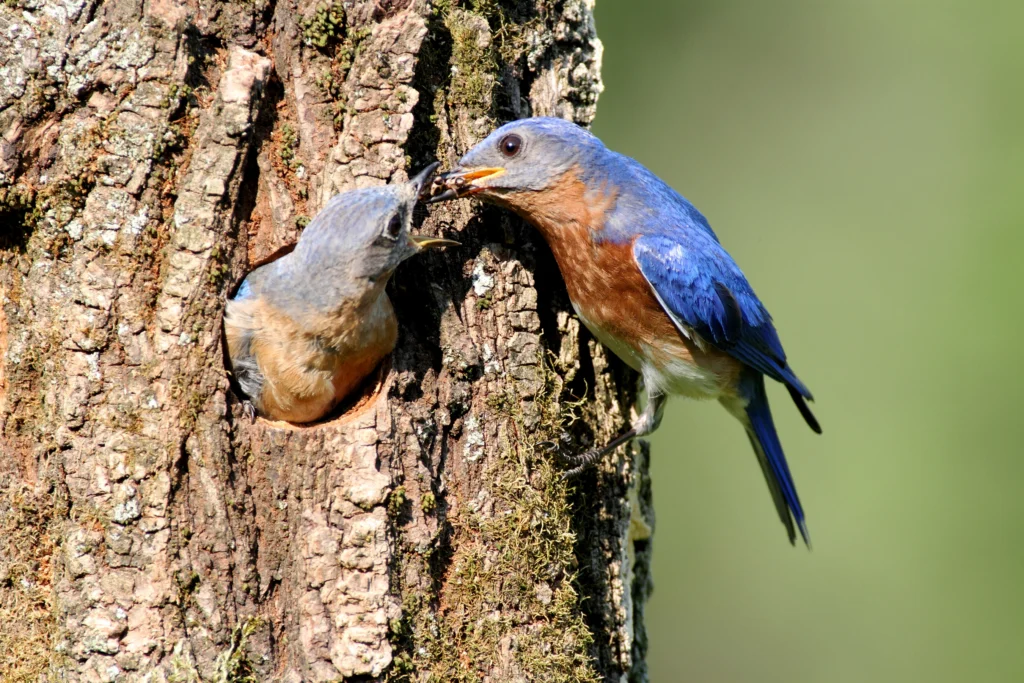
The Eastern Bluebird, like the Carbonero de montaña y Loro de cara roja, is a “secondary” cavity-nesting species. Since their beaks and feet are not strong enough to dig out nesting holes, they simply reuse cavities created by bigger birds such as woodpeckers. Bluebirds will also accept artificial nest boxes, a habit which was instrumental in rescuing the species. Within the cavity, the female builds a nest of grasses, pine needles, hair, and other soft materials.
Clutch sizes are variable, with females typically laying between two and seven pale blue eggs. Bluebirds usually raise two broods per season. The female incubates alone, but both male and female feed the nestlings. Occasionally, the adults are assisted by a son from the previous year.
Noticias e historias relacionadas


¡Únete a la bandada! Tu donación ayuda a preservar los hábitats que las aves necesitan para sobrevivir.


