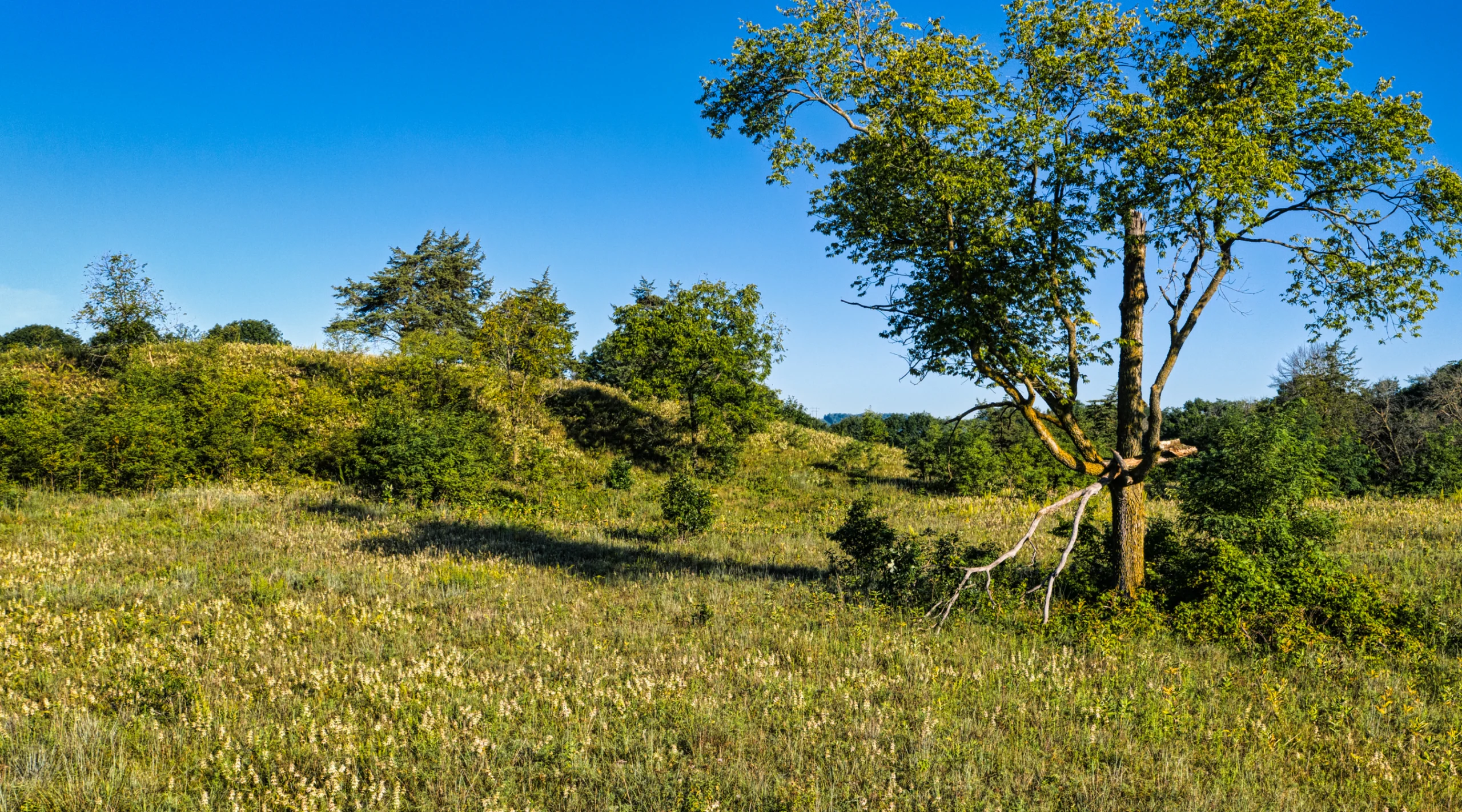
Tree on a Grassland under Clear Blue Sky. Photo by Tom Fisk, Pexels.

Bobolink

Dolichonyx oryzivorus

Itikiboro (Arawak)

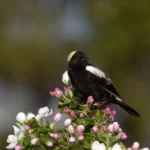
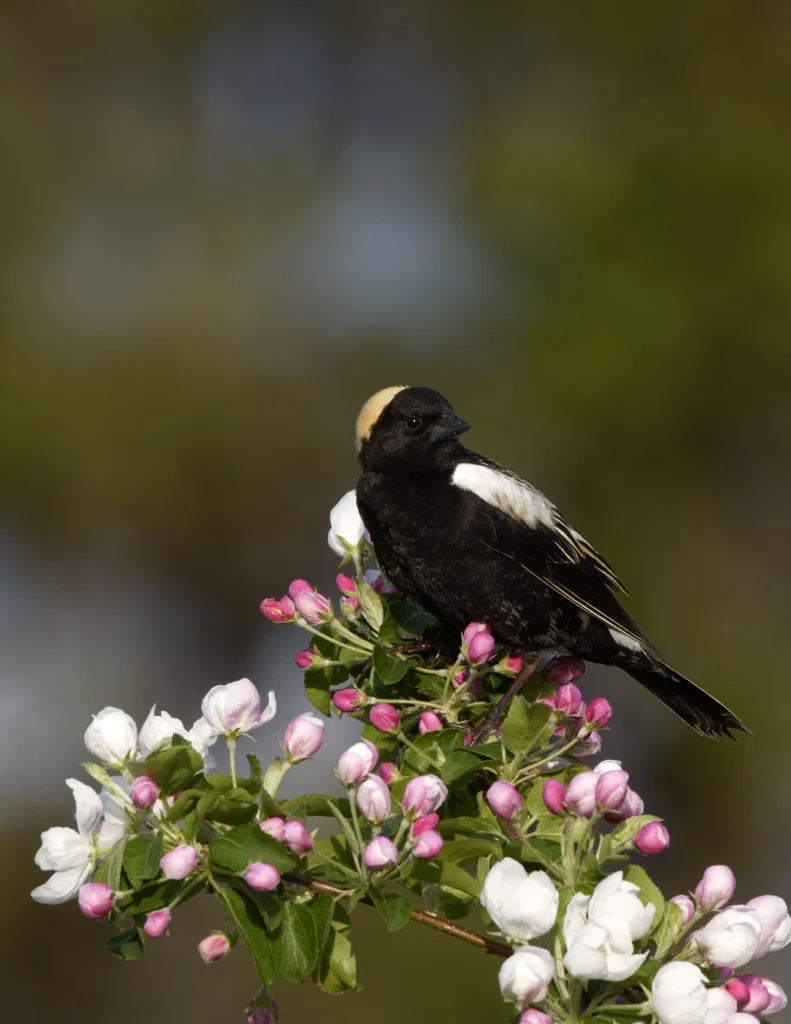
Bobolink male on crabapple flowers. Photo by Paul Rossi.

Bobolink

Bobolink male on crabapple flowers. Photo by Paul Rossi.

Dolichonyx oryzivorus

Descripción general

Estado de conservación
Tendencias demográficas
Decreciente
Tamaño de la población
10 million
Familia
Mirlos
Orioles
Troupials
Ubicación
América del norte
Sudamerica
Patrón de migración
Latitudinal
Distancia de migración
Larga distancia
También conocido como
  • Chopî-para (Guarani)
  • Charlatán (Spanish)
  • Skunk Bird (from Hidatsa)
  • Triste-pia (Portuguese)

Acerca de

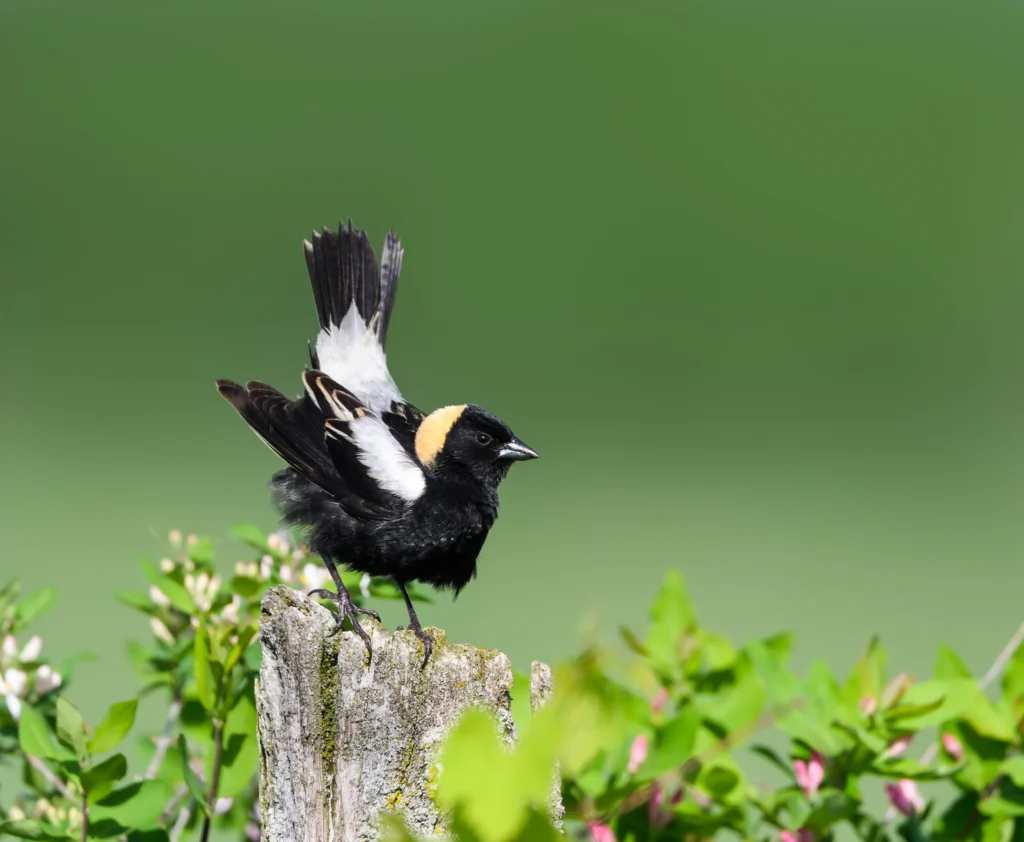
The bubbling song of the Bobolink, which has inspired poets from Emily Dickinson to William Cullen Bryant, ushers in spring across the grasslands of the northern United States and southern Canada. Unlike less conspicuous grassland breeders such as the Alondra occidental o El gorrión de Worthen, the male Bobolink, with his flashy black-and-white breeding plumage, seems to be wearing a “backwards tuxedo.” No other North American songbird is black underneath and white on the back.

The Bobolink’s species name oryzivorus means “rice-eating,” and refers to this bird’s taste for grains, especially during migration and on its nonbreeding grounds. Bobolink flocks can number in the thousands and consume large quantities of grains. As a result, these birds are sometimes considered agricultural pests, particularly on their wintering grounds, and are often shot. Bobolinks are known as “butter birds” in Jamaica, where the plumped-up migrants are sometimes harvested for food as they pass through.
Amenazas

Grasslands are considered to be the most endangered terrestrial ecosystem on Earth. As a result, grassland bird species have been steadily declining as habitat is lost to development and conversion to agriculture. A Estudio de 2019 showed that grassland bird species such as the Bobolink, Dickcissel, and Henslow’s Sparrow experienced a 53 percent reduction in population — a loss of more than 720 million birds — since 1970.

Vanishing Grasslands

Changing agricultural practices and urban development are steadily eroding the remaining grasslands that Bobolinks depend on. While Bobolinks have historically occupied hayfields in North America, much of this land is being converted to corn and alfalfa production — crops which do not support Bobolinks. Additionally, many hay producers have begun mowing earlier and more frequently, destroying the habitat where these birds nest, and in many cases, the nests and nestlings as well.

Pérdida de hábitat

Fire Suppression

Historically, grasslands were maintained by fire regimes that consisted largely of regular, low-intensity burns. Started naturally or intentionally by Indigenous land stewards, these fires prevented the encroachment of woody plants into the prairies, thereby maintaining this productive and biodiverse biome. Since colonization and agricultural expansion, fires have been suppressed across the Great Plains, allowing trees and woody shrubs to gradually turn prairies into woodlands.

Poisoning by Pesticides

Pesticides take a heavy toll on Bobolinks in several ways. They can be harmed by direct poisoning from pesticides by ingesting contaminated insects or pesticide-treated seeds. The loss of insect prey to pesticides sprayed on crops and lawns is an indirect — but no less serious — threat to Bobolinks and other grassland birds.

Pesticidas y toxinas

Estrategias y proyectos de conservación

Vulnerable birds like the Bobolink need our help to overcome the threats they face. At ABC, we’re inspired by the wonder of birds and driven by our responsibility to find solutions to meet their greatest challenges. With science as our foundation, and with inclusion and partnership at the heart of all we do, we take bold action for birds across the Americas.

Crear y mantener reservas

Bobolinks need protection from habitat loss at all stages in their yearly cycle. Migrating Bobolinks find refuge at the Reserva Natural Barba Azul, where ABC and Bolivian partner Asociación Armonía protect over 27,000 acres of habitat for the Critically Endangered Guacamayo de garganta azul and many other species.

Creación y mantenimiento de reservas

Evite los pesticidas y las toxinas.

ABC is also working to help the Bobolink and other grassland birds through our Pesticides program. We are fighting to block or restrict dangerous pesticides such as carbofuran and neonicotinoids that are widely used in agriculture, homes, and gardens. Recently, ABC started a program that works with farmers to understand and remove barriers to growing crops with seeds not treated with neonicotinoids, which pose an immediate threat to birds like the Bobolink that depend on seed as part of their diet. In addition, we advocate for key Farm Bill provisions such as the Conservation Reserve Program, which encourages grassland conservation on working farms.

Pesticidas y toxinas

Mejorar el hábitat

Conserving grassland birds means conserving their grasslands. To accomplish this, ABC and our partners work with farmers, ranchers, and community members to restore and improve grassland habitat. From the largely agricultural Piedmont region of Virginia to the Northern Great Plains, we are helping landowners use conservation practices to steward their land ecologically by setting aside some areas for habitat, planting native grasses and forbs, and haying later in the season after birds have finished nesting. Similar work could greatly benefit the Bobolink on its wintering grounds in Argentina and other parts of South America.

Trabajando la tierra para trabajar por las aves

Galería de aves

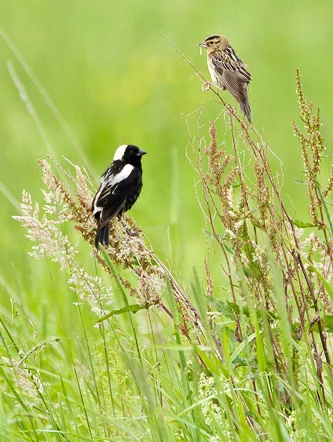
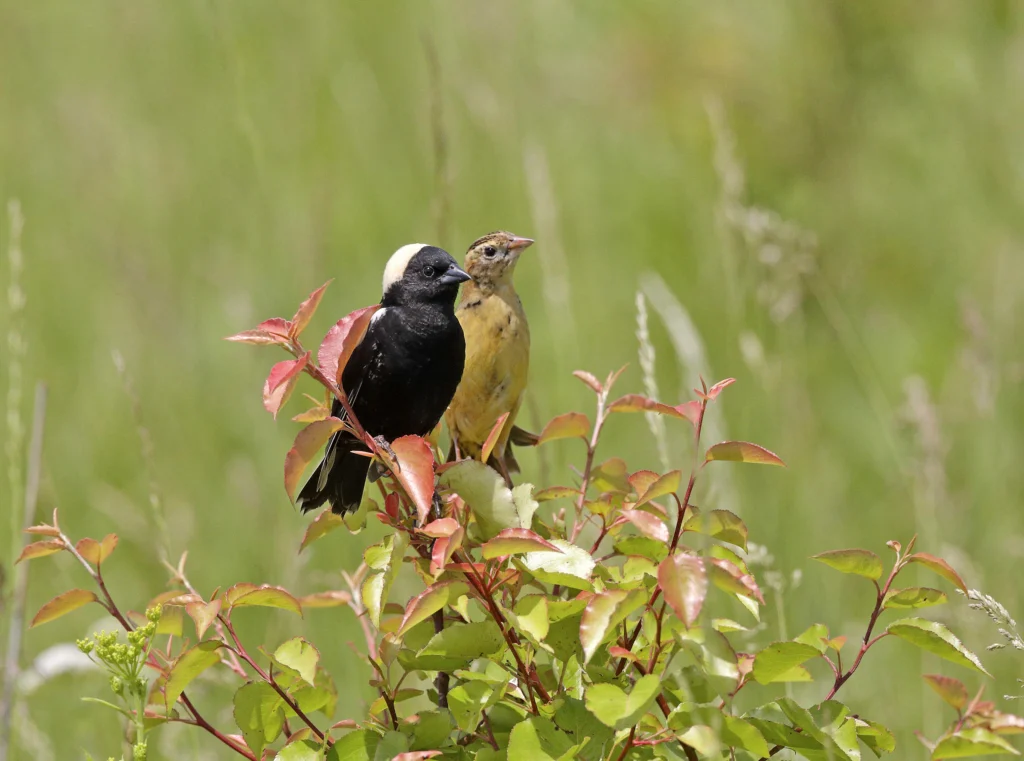
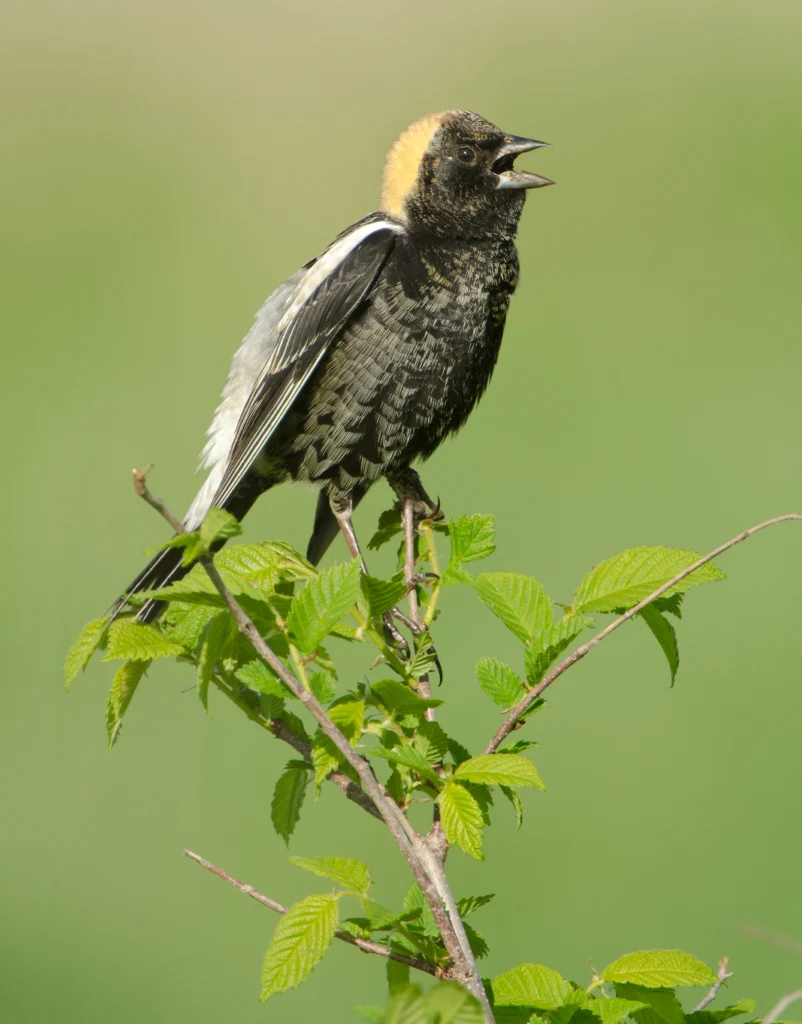
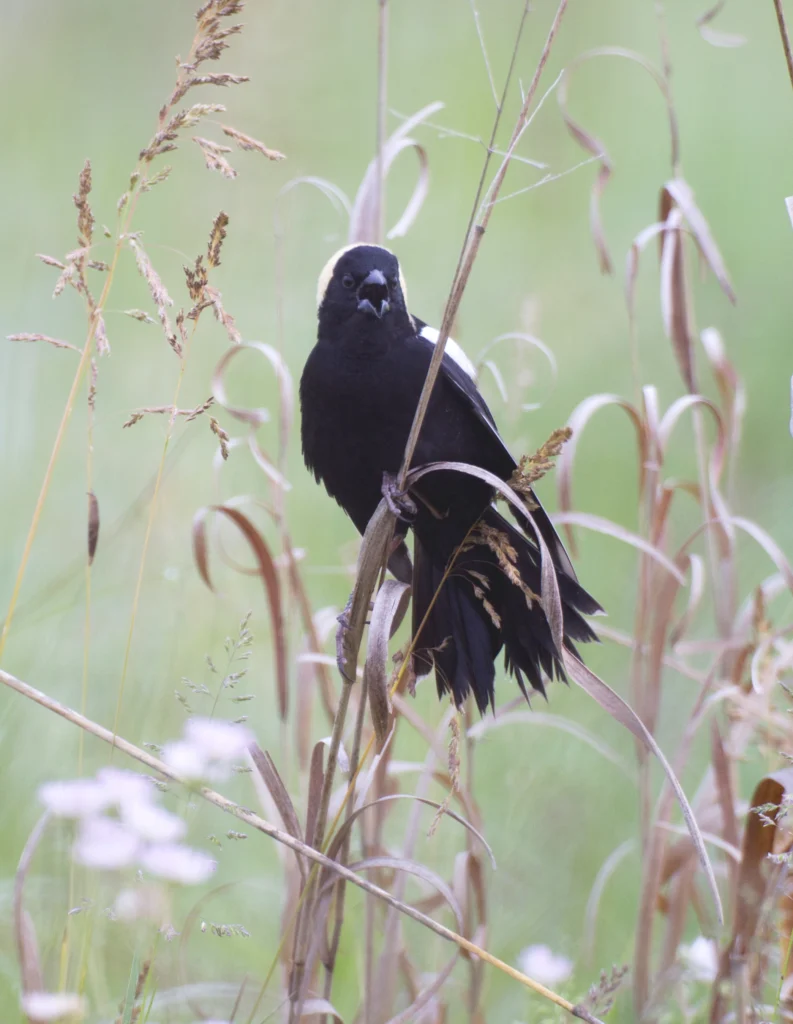
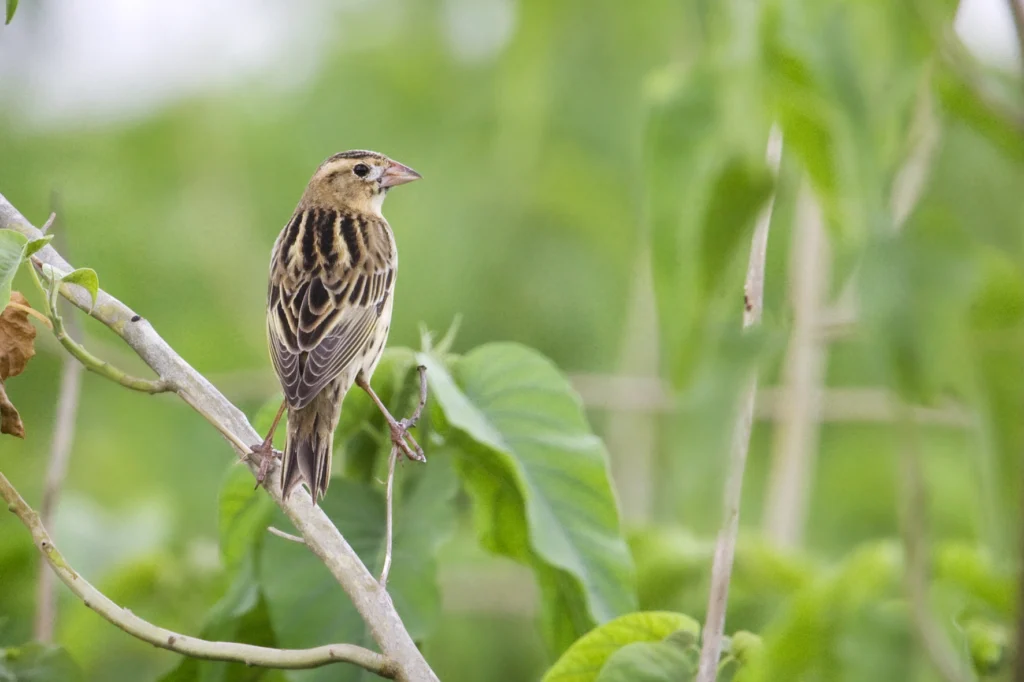
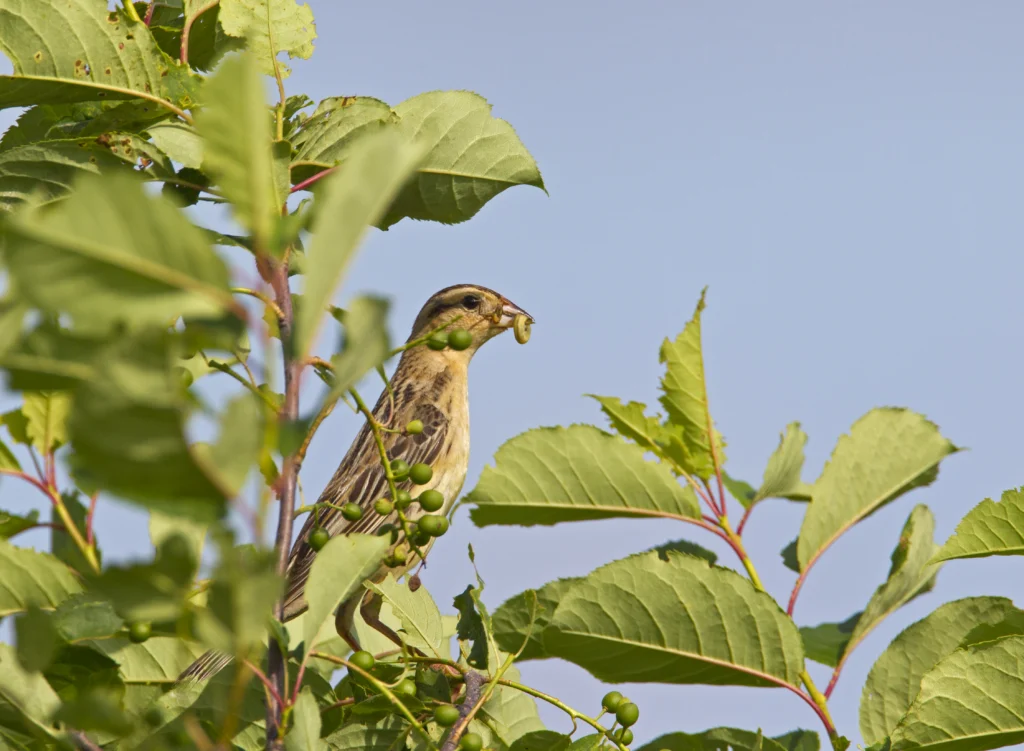
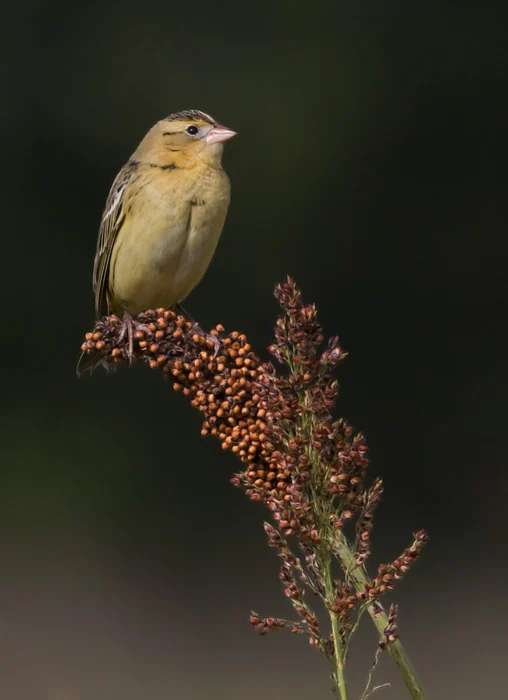
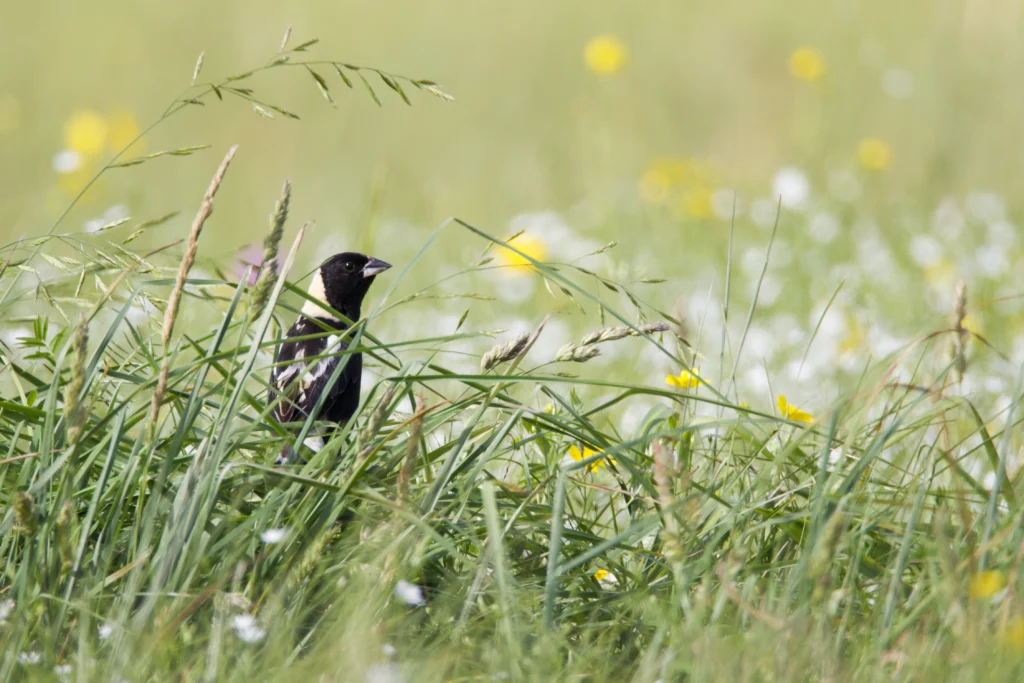
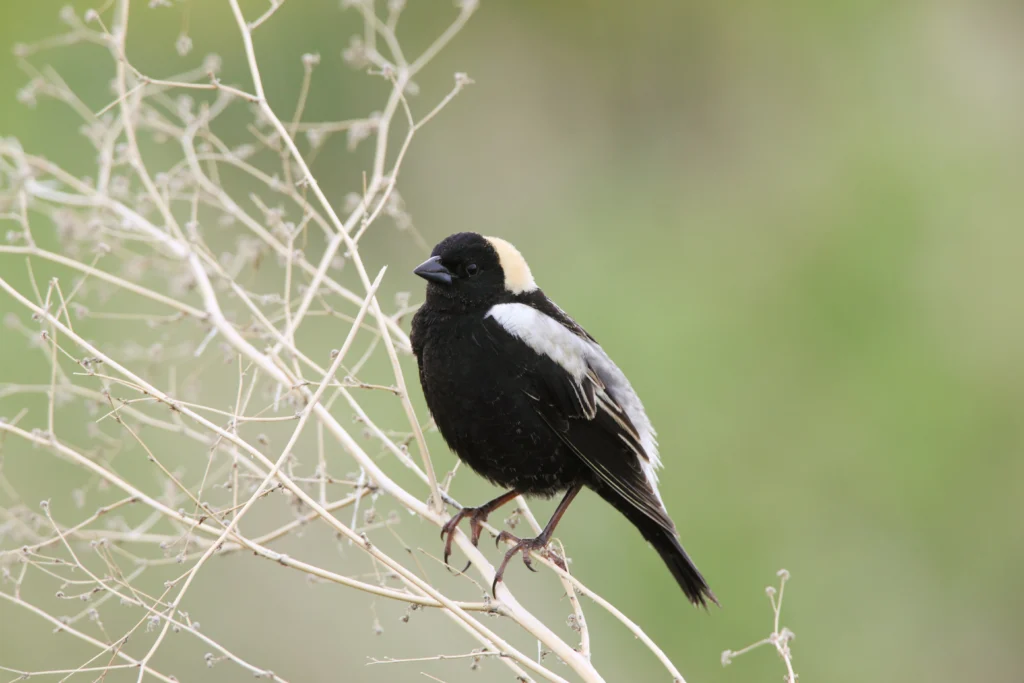
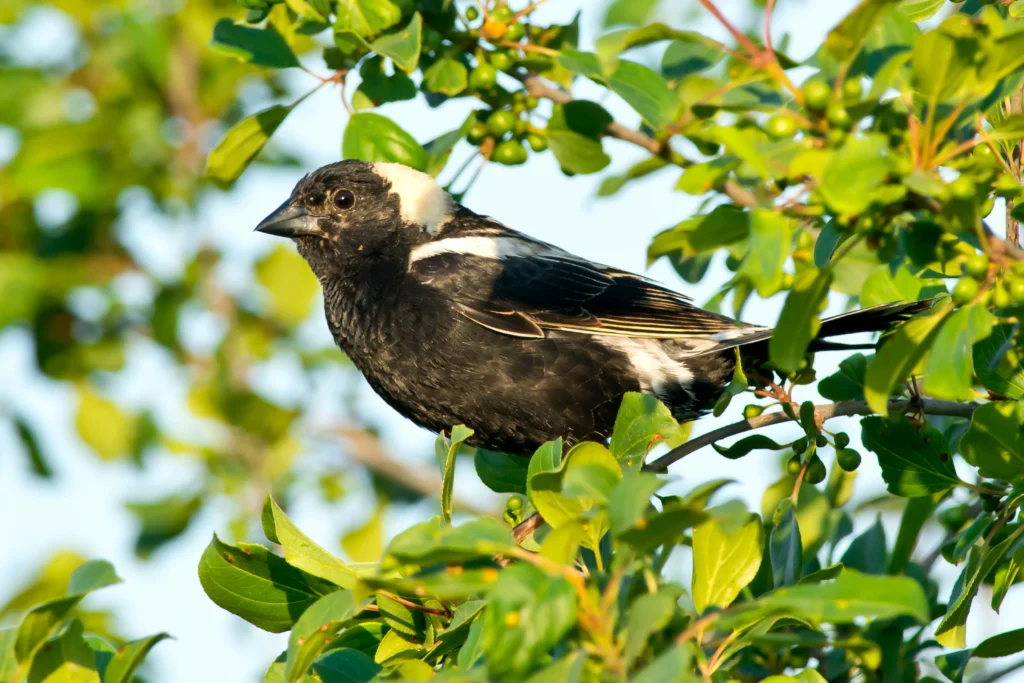
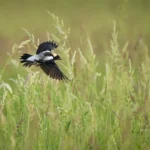
In breeding plumage, the male Bobolink is unmistakable. His head and underparts are pure black, contrasting with the white rump, lower back, and shoulders — a reversal of the usual countershading pattern of most birds. Additionally, the nape is a pale golden-yellow. Females and nonbreeding males are patterned to match the dry grasses of their preferred habitat, with dark brown stripes on the wings, back, tail, and flanks breaking up the warm buffy yellow that covers the body. Prominent dark stripes from the bill over the crown and running back from the eye stop abruptly at the noticeably unmarked nape. The nonbreeding males look almost nothing like their breeding-season selves!

Sonidos

The song of the male Bobolink is distinctive, virtuosic, and utterly unforgettable — a disorienting stream of whistles, gurgles, squeaks, and other sounds delivered so rapidly and covering so much sonic ground it can sound like two birds singing at once. Bobolinks also give a variety of other calls in different contexts, including a quick, nasal, ascending pink given year-round by both sexes, used as a nocturnal flight call during migration and possibly a general contact call at other times of the year.

Canción

Credit: Nathan Hentze, XC333314. Accessible at www.xeno-canto.org/333314.

Pink Call

Credit: Paul Marvin, XC147289. Accessible at https://xeno-canto.org/147289.

Hábitat

The Bobolink is a striking bird of prairie and pasture, preferring open habitats with substantial cover. In the nonbreeding season, this bird is reliant on seed, and flocks often congregate in agricultural areas.

  • Breeds in hay and fallow fields, meadows, and tallgrass prairie
  • Spends nonbreeding season in grasslands, marshes, and on cropland

Rango y región

Rango y región


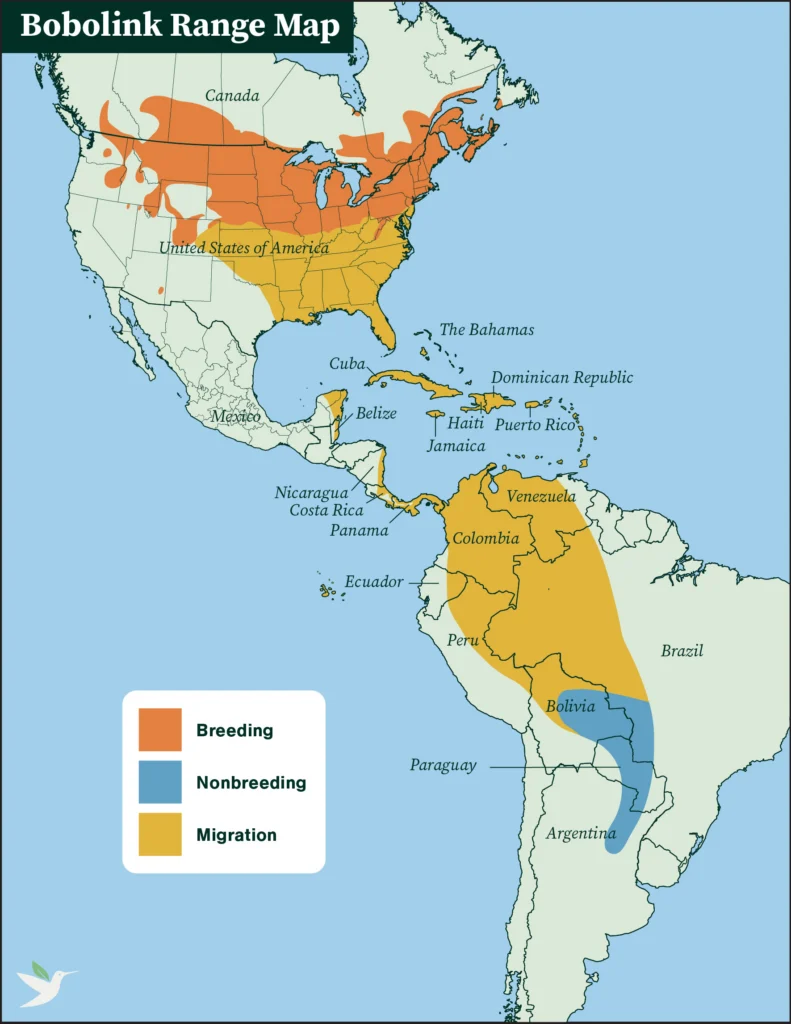
Bobolink range map by ABC

Área específica
Southern Canada, northern United States, central interior of South America

Detalles de la gama
The Bobolink breeds in native grasslands and agricultural fields across southern Canada, and in the United States from eastern Washington and Oregon through the upper Midwest and northeastern states, with nesting documented as far south as central Kansas, northern Kentucky, and the Appalachian foothills of West Virginia and Virginia. Most Bobolinks winter east of the Andes in the grasslands (or pampas) of southwestern Brazil, Paraguay, and Argentina. Geolocator data revealed that Bobolinks often pause for several weeks in grasslands in Venezuela, Colombia, or Bolivia before continuing on to wintering areas.

¿Sabías?
Como el Aguja hudsoniana y Nudo rojo, the Bobolink is a champion long-distance migrant, traveling roughly 12,000 miles round-trip to and from southern South America every year. During its lifetime, a Bobolink may travel the same distance as four or five laps around the world!

Rango
América del norte
Sudamerica
Patrón de migración
Latitudinal
Distancia de migración
Larga distancia

Historia de vida

Male Bobolinks arrive on the breeding grounds ahead of the females, and compete for territories through fluttering, hovering flight displays, ritualized displays, and song. As part of establishing their territories, males perform a “parallel walk” display in which neighboring males walk side by side along the border separating their two territories. Along the way, males may sing at each other, display their brightly colored rumps, and perform various other ritualized movements and behaviors. This display is performed for up to three hours at a time, for two to three days.

Dieta

During the breeding season, Bobolinks eat seeds and a variety of larval and adult insects and spiders, as well as snails. Young birds are fed invertebrates, as they need the protein to grow quickly. This species feeds on the ground or low in vegetation. During migration and winter, Bobolinks become almost entirely granivorous (seed-eating), feeding on wild and domesticated rice, sorghum, oats, and other grains.

Noviazgo

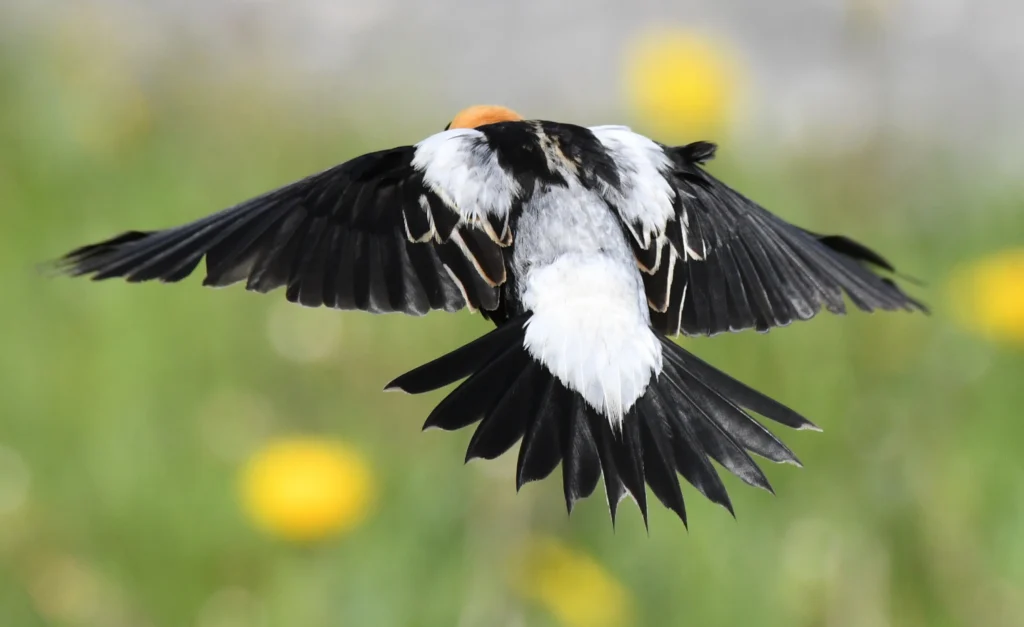
Male Bobolinks have a repertoire of displays that they use to court mates. Males commonly display from perches with tails spread and wings drooped to display large white shoulder patches, their bills pointed down to show off their golden-yellow napes. The “song-flight” involves a characteristic fluttering flight style with the white rump and shoulder patches displayed, which the male performs while singing an extended song.

Anidación

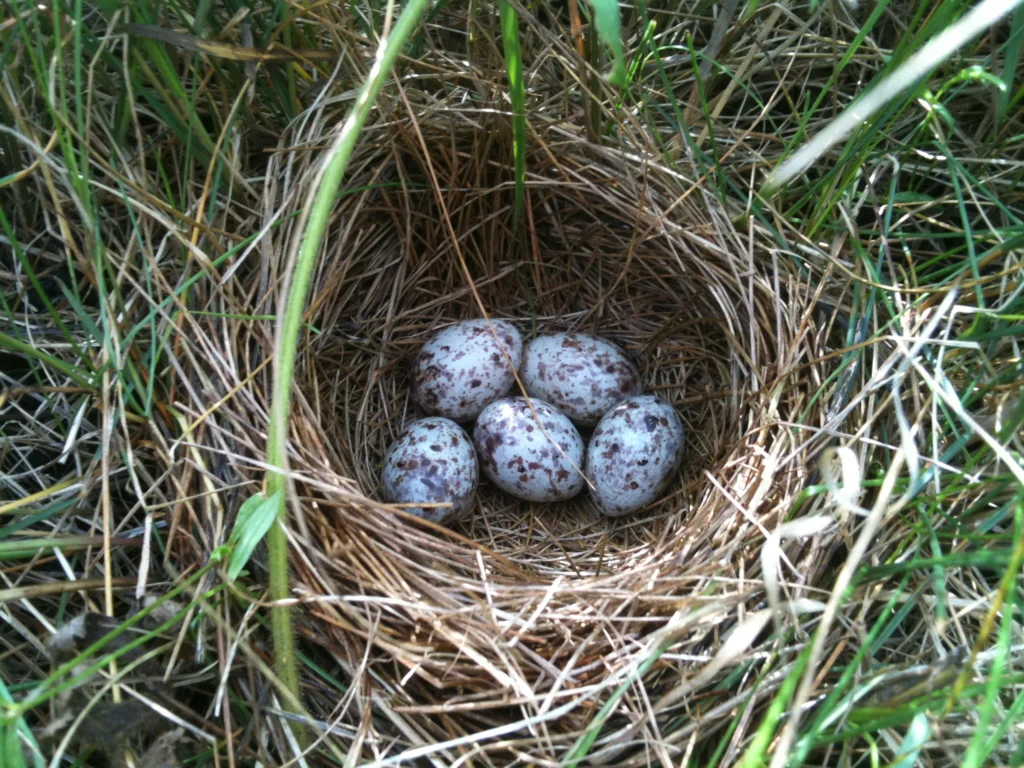
After mating, the female builds her cup-shaped nest on a bare patch of ground (which she may clear herself), well-hidden in dense vegetation. The nest is primarily constructed of grasses and stems, and lined with finer grasses. Bobolinks are polygynous, meaning that a male may have several mates per breeding season, all nesting within his territory. A female may also mate with many males (called polyandry), so a single Bobolink clutch may have multiple fathers.

Huevos y crías

The female alone incubates her clutch of five to seven eggs, which hatch after 12 to 13 days. Both social parents feed the nestlings, with several reports of additional “helper” adults feeding at the nest as well. Young leave the nest about eight to 14 days after hatching, and stay hidden until they can fly. Parents are strong defenders of their nest, and males especially will perform elaborate distraction displays: singing, running around on the ground like a rodent, and feigning broken wings until he has led the would-be nest robber up to 100 meters from the nest, before flying back to the nest.