Headed to the Beach? Follow These Tips for a Bird-Friendly Visit

¿Vas a la playa? Sigue estos consejos para una visita amigable con las aves.

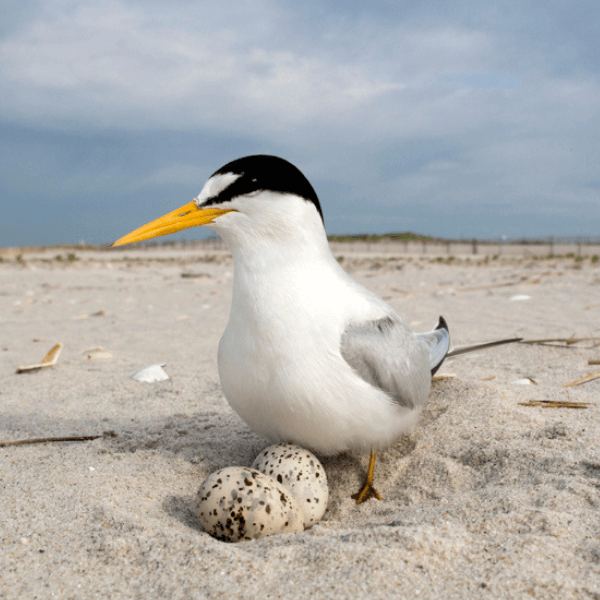
Least Tern. Photo © Michael Stubblefield.

¿Vas a la playa? Sigue estos consejos para una visita amigable con las aves.

Read in English
Para los pájaros
Escuchar este articulo

Memorial Day in the United States marks the unofficial end of spring bird migration and beginning of summer. Millions of people and birds alike will be sharing the beach this weekend, and American Bird Conservancy (ABC) is urging beachgoers to be mindful of shorebirds that have already begun to nest and raise their young along the shore.


Long before people were using beaches for various forms of recreation, beaches were productive nesting areas for Wilson’s Plover, Snowy Plover, Least Terns, and Black Skimmers, along with many other birds.

Humans can make it more challenging for shorebirds to nest successfully. Eggs and chicks risk being trampled underfoot or run over by vehicles. Young birds can be killed by predators when they are flushed from their nests or foraging areas by people or off-leash pets that get too close. Disturbed parent birds can be distracted from taking care of their chicks or abandon their nests altogether.

La ABC recomienda a los bañistas que ayuden a las aves costeras manteniéndose a una distancia segura y evitando los lugares marcados como zonas de anidación. En playas e islas donde las aves anidan y crían, recuerden "pescar, nadar y jugar a 50 yardas de distancia".“

Consejos para compartir la playa y ayudar a las aves costeras

Mira dónde pisas. Beach-nesting birds lay their eggs directly on the sand, and those eggs are camouflaged to blend in with their surroundings. ABC recommends that beachgoers avoid areas where large congregations of birds occur.

Pay attention to signs. Visitors should respect areas that are roped off or marked with signs indicating that beach-nesting birds are in the vicinity.

Teach children to play responsibly and avoid shorebird nesting areas. Anime a los niños a aprender sobre las aves y a estar atentos a ellas. Pídales que jueguen a una distancia prudencial de las aves que anidan para evitar molestar a las familias. Una buena manera de identificar las zonas que deben evitarse es buscar señales de "zona de anidación" en la playa o zonas con cercas temporales.

Recoge plástico. Las aves pueden morir por contaminación plástica Cuando lo ingieren accidentalmente o se enredan en él. Para reducir el plástico en la playa, deseche el sedal de forma adecuada, deseche correctamente las botellas y envases de plástico y recoja la basura que encuentre en la orilla.

No alimentes a las gaviotas. Gulls like the Ring-billed and Laughing Gull are observant opportunists, and feeding them will soon draw in even more of these seaside scavengers. That’s bad news for shorebirds, because gulls are after more than just your fries — they will also eat eggs and vulnerable chicks on the ground when given the chance. Human food is also a choking hazard and lower in nutrients than gulls’ natural diet; eating it can make them more susceptible to disease.

Keep your dogs on leashes — or at home. Free-roaming dogs mimic natural predators in the eyes of a bird, causing stress and even direct harm to nests, chicks, and adult birds. Dogs can also overheat and/or become dehydrated at the beach, so for their safety as well as that of the birds, consider keeping them at home.

Conozca las señales. Los bañistas a menudo no distinguen entre un ave que simplemente está posada en la arena y otra que cuida huevos, un nido o polluelos. Sin embargo, ciertas señales y comportamientos indican la presencia de aves anidando. Estas aves suelen graznar con fuerza, lanzarse en picado sobre intrusos percibidos o fingir estar heridas para alejarte del nido. Si observas alguno de estos comportamientos, aléjate de las aves hasta que dejen de parecer inquietas.

Stay close to the water. Most nesting birds tend to use higher parts of the beach, away from the surf. It should be possible to avoid conflict with beach nesters so long as people remain close to the water and away from the dunes or areas behind dunes.

Taking these actions will do far more than allow these beach-nesting birds to survive. They will profoundly improve your beach-going experience with an increased awareness of place and appreciation of nature.

Different regions have different species nesting on the beaches, but many have similar behaviors and reactions to being disturbed. Knowing what species you might encounter will help you avoid harming the birds, and it can make your beach trip even more fun.
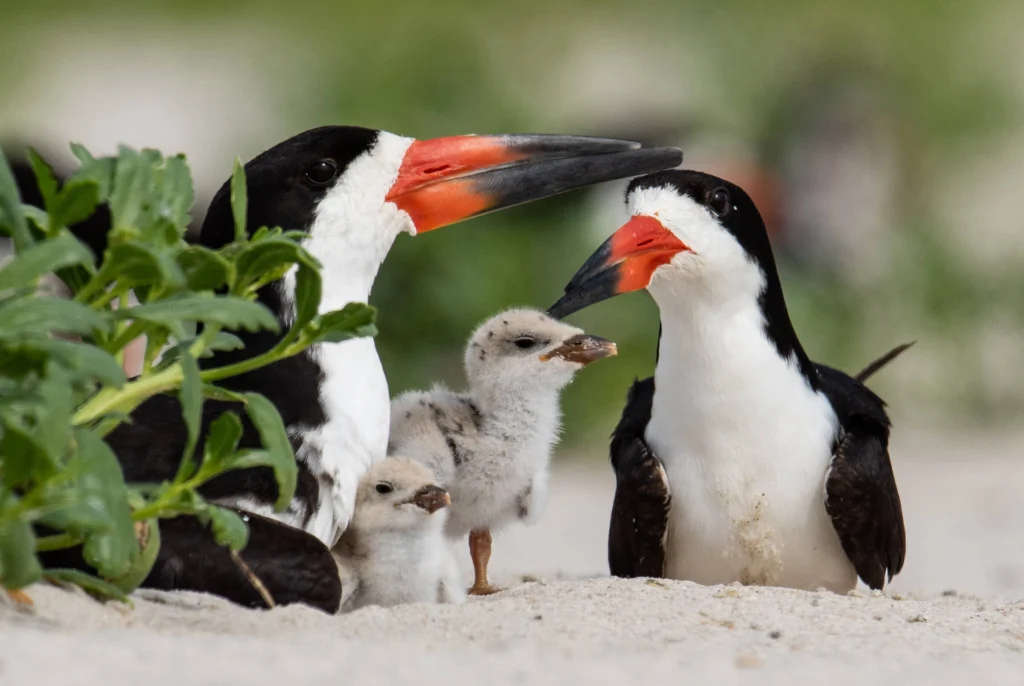
Black Skimmer pair with chicks. Photo by Harry Collins Photography, Shutterstock.
Black Skimmers. Photo by Harry Collins Photography/Shutterstock.

Aves de la Costa del Golfo

Least Terns, our smallest tern species, and Black Skimmers nest in colonies along the Gulf Coast. Least Terns are known for their tendency to fly low and hover over prey in the water, and Black Skimmers have a remarkable foraging strategy, using its longer lower mandible to skim the water for fish. Wilson’s and Snowy Plovers maintain single-pair territories, but can often be found within Least Tern colonies. Best spotted as they scurry along the waterline in search of food, both plover species are small, but the Wilson’s is a bit larger, and also boasts a larger bill. American Oystercatchers, unmistakable shorebirds of considerable size with prominent orange bills and orange-ringed eyes, tend to be more spread out and favor both beach habitat and islands covered with oyster shells (especially along the upper coast of Texas). Beaches along the Gulf Coast also serve as important migratory staging areas where hundreds of birds gather as they make their way north to breed.

Aves de la Costa Atlántica

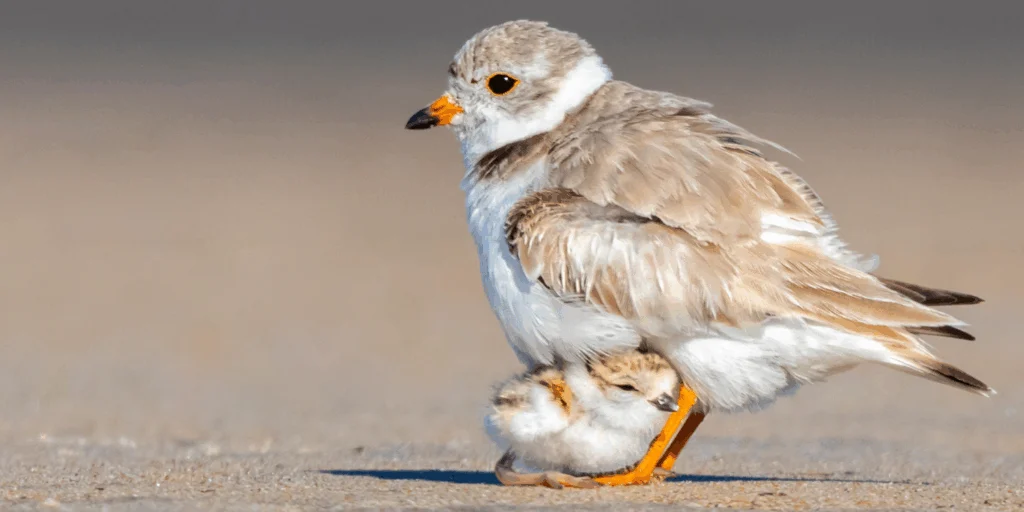
Federally Threatened Piping Plovers can be found on Atlantic Coast beaches extending from North Carolina to Maine. They are especially concentrated along the northeastern coast, notably along the beaches of Long Island, New York, and the southern Delmarva Peninsula. Other species you might encounter include the Least Tern, Black Skimmer, American Oystercatcher, and Wilson’s Plover. The Red Knot, a chunky migratory shorebird, times its journey to its Arctic breeding grounds to coincide with the spawning of horseshoe crab eggs in the Delaware Bay. In May and June, knots gather by the thousands to feast on the crab eggs to fuel the last (and longest) leg of their travels. Knots stopping by the Bay have already endured a grueling migratory journey, with some coming from as far away as Tierra del Fuego.

Aves de la costa del Pacífico

Western beaches host populations of the federally Threatened Western Snowy Plover, Endangered California Least Tern, and the Black Oystercatcher (which is more frequently found on rocky rather than sandy beaches). While the terns tend to be colonial in their nesting habits, the plovers are more spread out, often favoring sites where rivers enter the ocean. Plovers are difficult to spot. Their tiny size and pale brown plumage help them blend in seamlessly with the sandy habitats they favor.

Aves de los Grandes Lagos

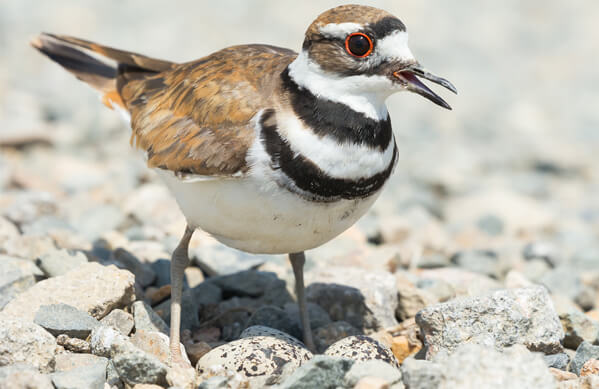
Killdeer nest on and near beaches.
Killdeer. Photo by Keneva Photography/Shutterstock.

Inland beaches are also crucial habitats for shorebirds, and the Great Lakes area shouldn’t be overlooked. Federally Endangered Great Lakes Piping Plovers are making a comeback and expanding their range to include historic nesting areas, including places like Illinois and Ohio. Other shorebird species, such as the Killdeer, also rely on these areas. The beaches of the Great Lakes are important stopover sites for many shorebird species during migration.

Shorebirds Need You!

Piping Plover adult and chick, Photo by Matt Filosa/Shutterstock
Chorlito playero adulto y polluelo. Foto de Matt Filosa/Shutterstock

You can help American Bird Conservancy conserve shorebirds and seabirds throughout the Western Hemisphere by making a tax-deductible gift now!

Find ways to take action on bird-friendly legislation via the ABC Action Center »