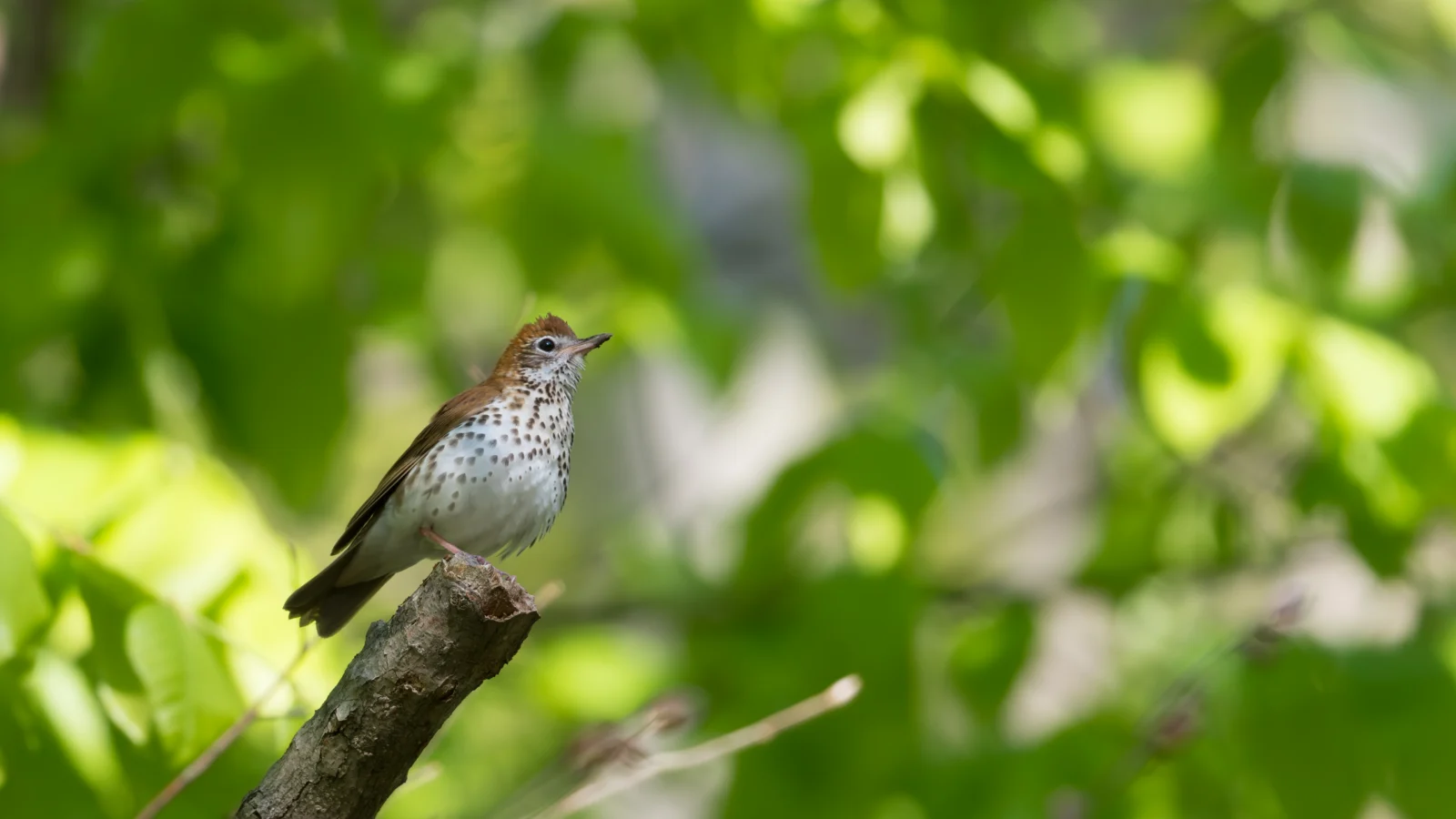
A Wood Thrush perches on a branch against a leafy green forest background. The Wood Thrush is among the many species that would be impacted by the rollback of the Roadless Rule.

The Rollback of the Roadless Rule Puts Birds at Risk

Zorzal de bosque. Foto de John C. Mittermeier.

The Rollback of the Roadless Rule Puts Birds at Risk

Read in English
Noticias
Escuchar este articulo

The Roadless Area Conservation Rule has conserved nearly 60 million acres of pristine forests across the United States for a quarter of a century. These forests are protected from unnecessary road construction, unsustainable timber harvests, and energy development, allowing vulnerable species to find a foothold in an otherwise shrinking landscape. At the time the rule was adopted in 2001, the forests covered by the Roadless Rule contained habitat for approximately 25 percent of animal species and 13 percent of plant species designated as Endangered in the United States.

“The Roadless Rule is one of the most important — and most popular — land conservation measures enacted in the country’s history,” said Brian Brooks, American Bird Conservancy’s Vice President of Advocacy and Threats Programs. “It had huge public support at the time it was created. Ninety percent of the 1.6 million comments submitted to the U.S. Forest Service in 2001 favored Roadless Area protections, and 25 years later, it remains a popular conservation measure.”

The Roadless Rule has supported the conservation and restoration of habitat for species from warblers to wolverines and, importantly, has prevented the fragmentation of large tracts of forested public lands. For 25 years, the Roadless Rule has safeguarded fragile ecosystems and protected biodiversity in some of the last undisturbed pockets of backcountry.

Now, the U.S. Department of Agriculture (USDA) has moved to rescind the Roadless Rule, giving the public a narrow window to weigh in during a comment period that closes on September 21. The rollback would open up 45 million acres of unfragmented forest in more than two-thirds of states to road construction, unsustainable logging, and other development activities. That’s an area larger than the state of Oklahoma and a massive potential loss of vital habitat.

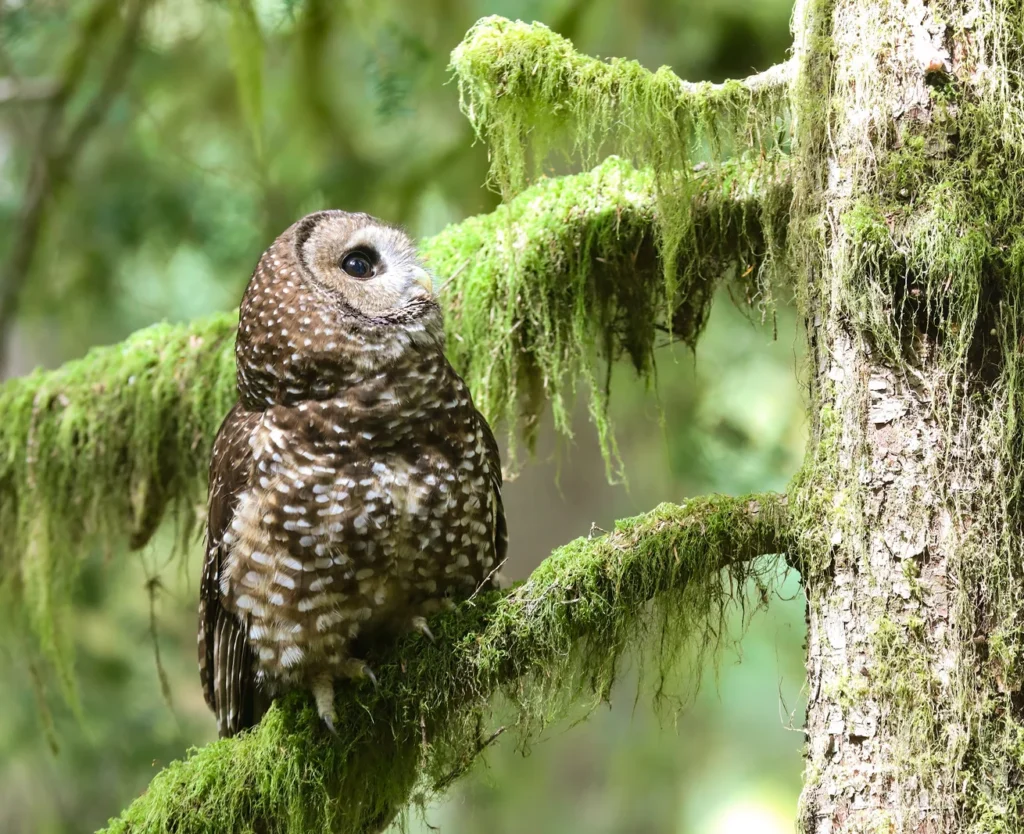
Northern Spotted Owl. Photo by Scott Carpenter.

Take Action Today

Submit your comment to the USDA opposing the Roadless Rule rescission.

Rescinding the Roadless Rule comes with other risks. “A popular refrain from those in support of rescinding the Roadless Rule is that it suppresses the Forest Service’s ability to fight wildfires, but roadless areas see far less wildfire activity than heavily roaded areas,” said Brooks.

Analysis shows that of all the wildfire ignition points identified over the past half century, just 3 percent occurred in Roadless Rule areas. Conversely, 90 percent of all wildfires start within half a mile of a road, likely due to increased human activity along roadways. Under the Roadless Rule, wildfire suppression activities, including the construction of roads for emergency situations, are permitted.

At the time the Roadless Rule was enacted, it was considered an economic necessity. The U.S. Forest Service was facing an $8.6 million maintenance backlog for the extensive road system already in place: Nearly 370,000 miles of roads wind through national forests. That backlog was a significant liability for American taxpayers, and it has only grown. Many of the roads that currently cross our national forests are badly eroded, which can lead to landslides and contribute to habitat degradation.

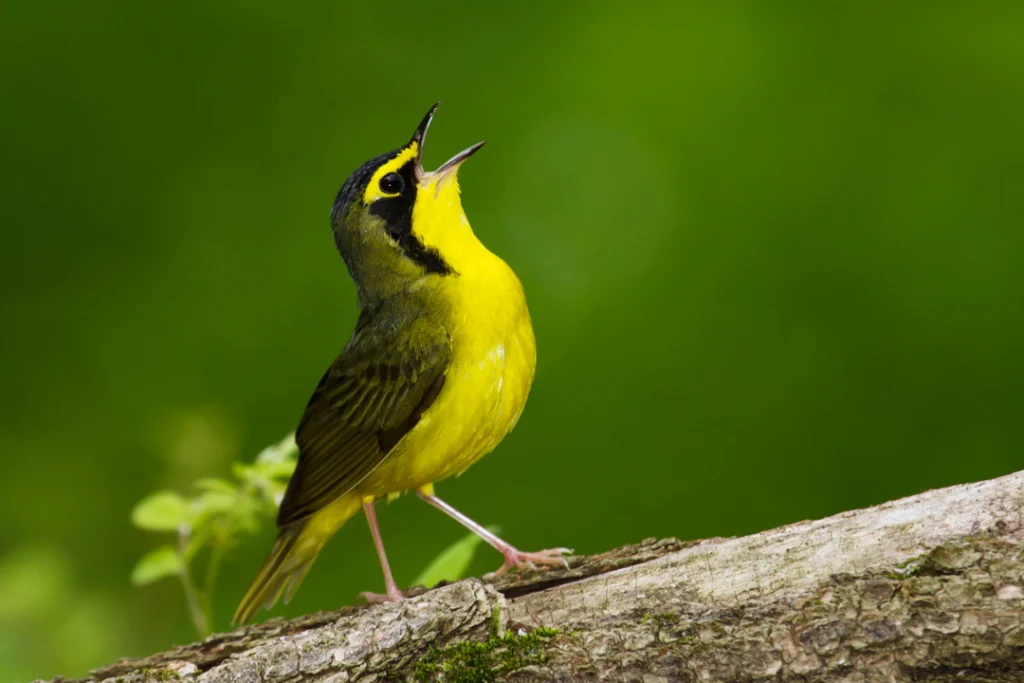
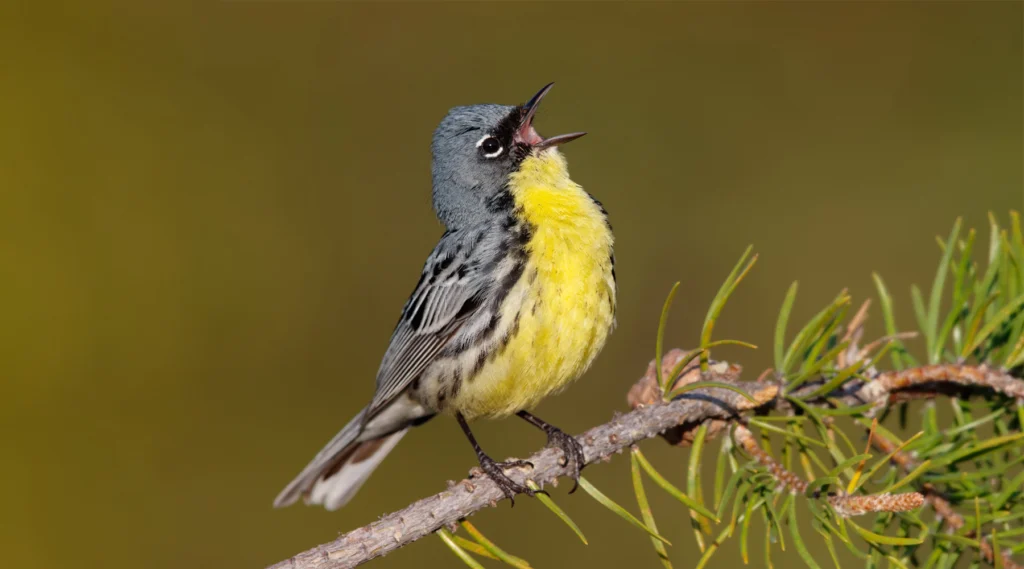
A Kentucky Warbler sings from its perch. The Roadless Rule conserves the large, unfragmented tracts of forest this species needs on the breeding grounds.
Kentucky Warbler. Photo by Frode Jacobsen.

pérdida de hábitat, including fragmentation and degradation of habitat due to road-building, represents the single largest threat to bird species and the greatest driver of population declines.

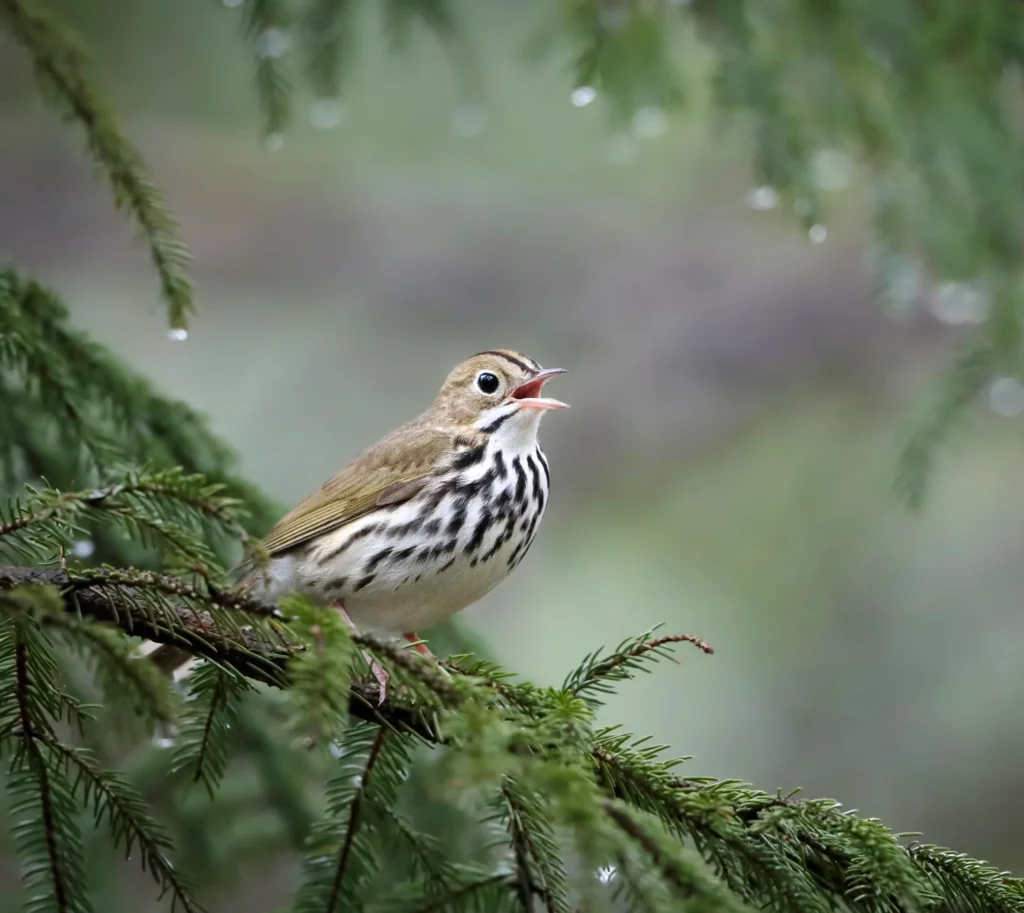
In the Pacific Northwest, the federally Threatened Marbled Murrelet, a small seabird, makes its nest in the branches of ancient trees in the region’s old-growth forests, habitat it shares with the Threatened Northern Spotted Owl. Farther south, the Cuco piquigualdo occidental clings on in shrinking and increasingly isolated riparian areas. And in the forests of the eastern U.S., Neotropical songbirds in decline — among them the Zorzal de bosque, Kentucky Warbler, and Ovenbird — return each spring to stake out expansive breeding territories, their songs providing the soundtrack to summer. All of these species require large, unfragmented tracts of forest for survival. The construction of roads and unsustainable logging in their habitats on public lands could drive further declines.

“Losing the Roadless Rule would result in more risk to already vulnerable species in every corner of the country,” said Brooks. “It would also mean the loss of beloved places for people and vital habitats for wildlife.”

The headwaters of the country’s largest rivers, which supply clean drinking water to millions, are located in roadless areas. These forests provide other ecological services, including mitigating climate change impacts by storing carbon. These public lands provide another service, too: They are among the last places in our country that have not been significantly altered by the kinds of large-scale development and degradation that have come to dominate our landscapes. They are irreplaceable sites where people can recreate and connect with nature, offering a glimpse of the wilderness that is missing from the everyday lives of most.

The USDA needs to hear from you. Submit your comment by September 21 to help stop the harmful rollback of one of our landmark conservation measures.
Speak Up for Birds

Submit a comment to the USDA by September 21.

Ovenbird. Photo by Joshua Galicki.