Habitat Protections Redefined Under Endangered Species Act Rulemaking

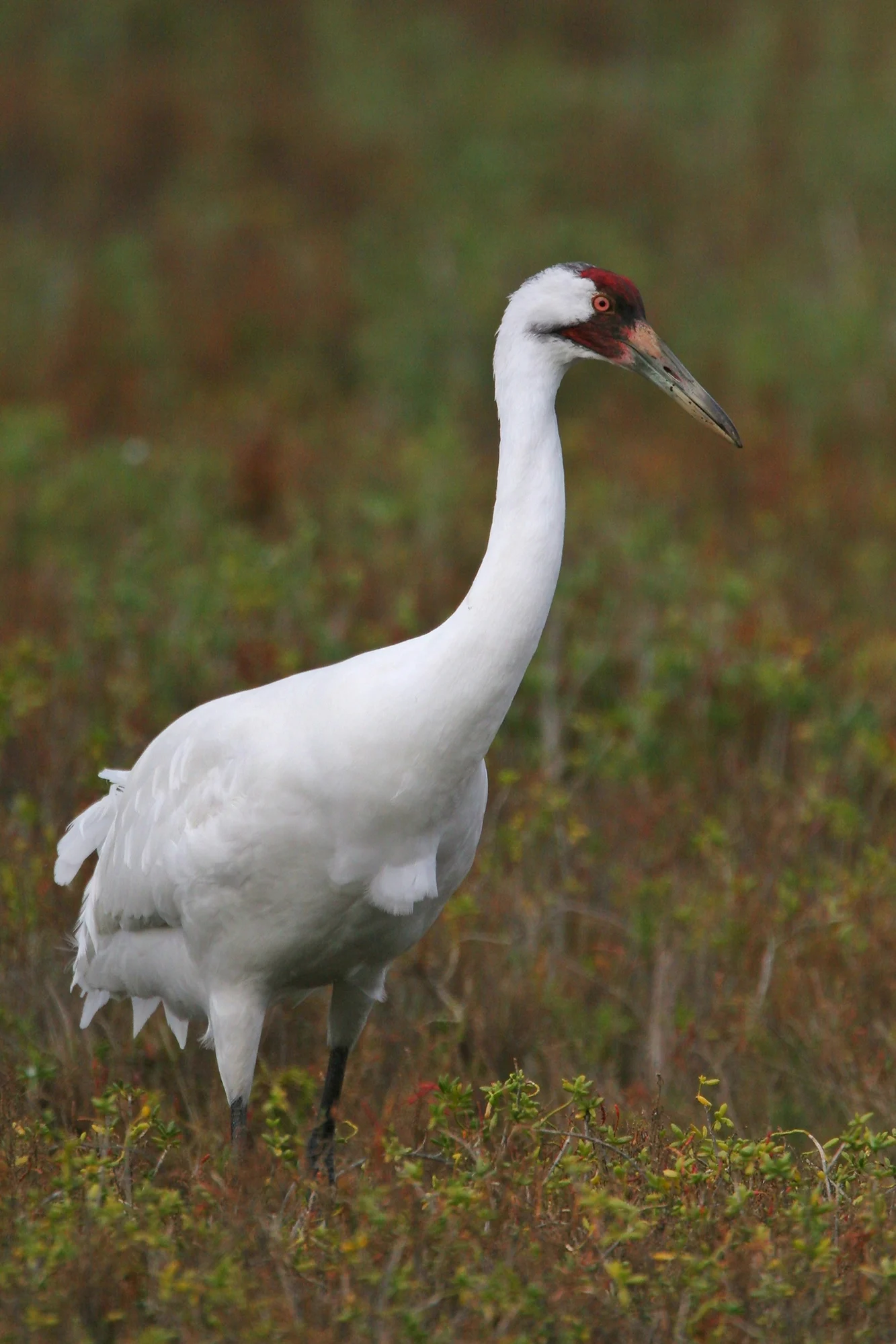
Whooping Crane. Photo by Greg Lavaty/texastargetbirds.com.

Habitat Protections Redefined Under Endangered Species Act Rulemaking

Read in English
Escuchar este articulo

On Friday, July 17, the Department of the Interior finalized new Endangered Species Act regulations that change how species are listed and protected. The rules will make it harder to designate “critical habitat” for listed species and give greater weight to potential economic impacts when making some listing decisions.

The regulations also eliminate the blanket 4(d) rule, which previously gave Threatened species the same default protections as Endangered species, potentially affecting birds such as Red-cockaded Woodpeckers and Florida Scrub-Jays.

“The ESA has been extraordinarily successful in preventing extinctions. If critical habitats are not designated or economic impacts become a primary consideration, species conservation could be significantly impacted,” said Michael J. Parr, President of American Bird Conservancy. “Without sufficient habitat and broad protections for the birds most in need, it will be much more challenging to recover endangered species.”

The regulations follow the Department of the Interior’s recent decision earlier this month to redefine “harm” under the Endangered Species Act. For years, projects that caused major habitat degradation were legally considered to harm endangered species, and this kind of harm was prohibited. In fact, it was a lynchpin of how the Act helped endangered species survive. This has been revoked, and major habitat degradation is no longer prohibited. This opens the way to make it legal to harm the habitat of listed species, the places crucial for their continued existence.

“Habitat loss and degradation are the primary drivers of bird declines; it’s what’s led many species to be listed under the ESA in the first place,” said Parr. “It’s going to be much more challenging to conserve endangered species if we’re unable to protect and restore their habitats.”

Conservación de Aves de Estados Unidos

American Bird Conservancy (ABC) toma medidas audaces para conservar las aves silvestres y sus hábitats en todo el continente americano. Inspirados por la maravilla de las aves, logramos resultados duraderos para las especies más necesitadas, a la vez que beneficiamos a las comunidades humanas, la biodiversidad y el frágil clima del planeta. Todas nuestras acciones se basan en la ciencia, se fortalecen con alianzas y se basan en la convicción de que las perspectivas diversas producen resultados más efectivos. Fundada como organización sin fines de lucro en 1994, ABC mantiene su compromiso con la protección de las aves para las generaciones futuras. ¡Únete a nosotros! Juntos, podemos hacer más para garantizar el bienestar de las aves.
American Bird Conservancy - Contacto con los medios

Periodistas, reciban las últimas noticias sobre conservación de aves directamente en su bandeja de entrada uniéndose a la lista de medios de ABC. Contáctenos por correo electrónico. media@abcbirds.org