Descripción general
Acerca de
For better or worse, Turkey Vultures have a reputation that precedes them, and they’re rarely cited as people’s favorite birds. They look odd, eat rotting carcasses, don’t sing, don’t have pretty feathers, and are fairly common over most of the Western Hemisphere. However, they arguably do more for the environment than most of the classic favorites — bluebirds, cardinals, and other colorful backyard visitors. Its Latin name provides a clue to the Turkey Vulture’s importance. The genus name of this species, Cathartes, means “cleanser” or “purifier” (it’s related to the word catharsis), and this is indeed a title they earn. In eating carrion, Turkey Vultures provide several valuable services. By removing rotting flesh from the landscape, they do a lot to prevent the spread of some pretty nasty diseases, including rabies, anthrax, and brucellosis. When they ingest infected meat, the Turkey Vulture’s ridiculously strong stomach acid destroys the viruses and bacteria that cause these and other diseases. With a pH of less than 1, these vultures’ gastric juices are about 100 times stronger than a human’s, and roughly equivalent to battery acid.
Turkey Vultures also play an important role in recycling the nutrients acquired by other animals and stored in their tissues. As vultures eat and defecate their way across the landscape, they incidentally redistribute these nutrients to the soil, where they can be taken up by plants, fungi, and bacteria, and gradually feed upwards into the broader food web.
There are two other vultures in the United States and Canada — the Black Vulture and the Critically Endangered California Condor. The first is smaller and the second far larger than the Turkey Vulture, yet both species can out-muscle it for carrion, as do other species, including King Vultures (in the tropics) and Red-tailed Hawks. Black Vultures and California Condors rely on their eyesight to spot carrion, but Turkey Vultures both watch and smell their way to meals. Compared with most other vultures, Turkey Vultures have enlarged olfactory bulbs that give them a super-keen sense of smell, which they tap to locate carcasses other birds miss. But competitors are always watching: In areas where both Black and Turkey Vultures coexist, the smaller Black Vultures often follow Turkey Vultures to meals, then crowd out the larger bird. Some research indicates Turkey Vultures may favor smaller carcasses, which they can consume quickly after arriving on the scene. Turkey Vultures also step aside for the far-larger California Condor, but benefit when it’s their turn because the rare giant can tear open tougher hides that its smaller cousin cannot.
Amenazas
In recent decades, Turkey Vulture populations have grown in many areas. The species’ breeding and wintering ranges have expanded as well. Population estimates are not available for Central and South America, but these birds remain common across their extensive range. However, Turkey Vultures do face some widespread threats. Lead poisoning is one of the greatest. Rodenticides also pose a threat, poisoning vultures that they eat contaminated rodents. Turkey Vultures can also be killed or injured by leg-hold traps set to catch mammals.
Lead Poisoning
Turkey Vultures, like other scavengers including Golden y Águilas calvas, are extremely vulnerable to poisoning from lead ammunition. When feeding on animals killed with lead shot, vultures can ingest the pellets (or shards of pellets) lodged in the animal’s tissues. Lead poisoning can have a broad range of effects on Turkey Vultures, hindering their ability to fly, digest food, reproduce, and fight off infections. It only takes a dozen lead shotgun pellets to kill a bird of their size.
Persecution
Although most people understand and appreciate the natural cleaning services performed by vultures and other scavengers, Turkey Vultures are still sometimes killed due to unwarranted fears that they spread disease, or because they are mistakenly believed to be a threat to young livestock. In fact, Turkey Vultures do not kill animals larger than an insect or minnow (even this is rare), and actually prevent disease by consuming carrion before other animals can interact with it. In doing so, they actually eliminate diseases, including brucellosis, an infamous disease of cattle. Far from being a threat to livestock, they are not only harmless but also extremely beneficial!
Vehicle Collisions
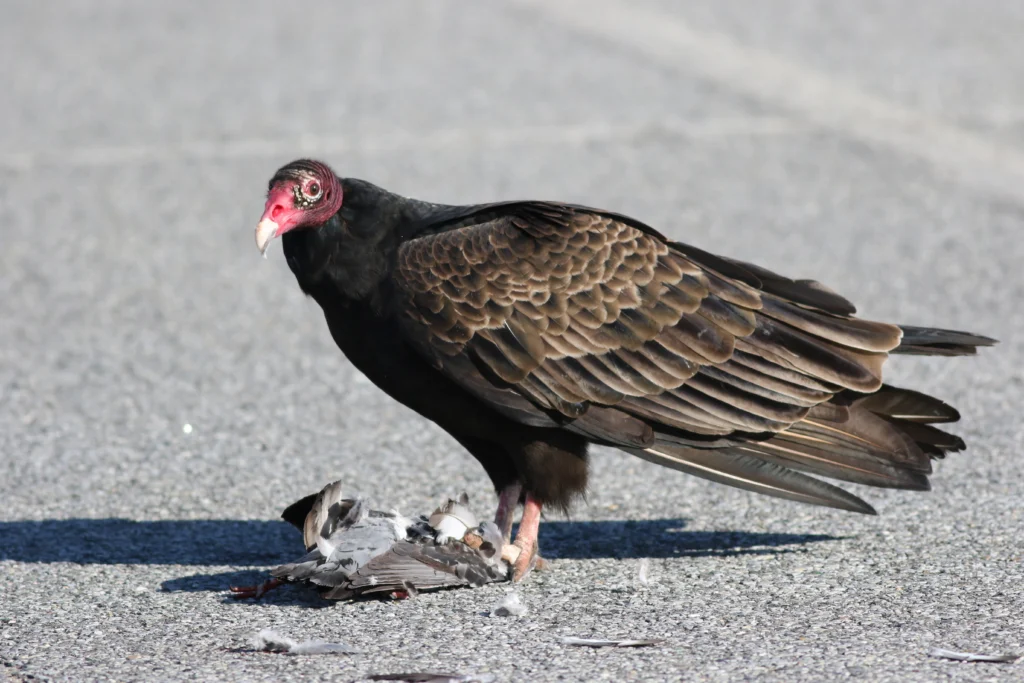
As scavengers, Turkey Vultures have to be resourceful and opportunistic, taking food where they can find it. One of the most consistent places to find carrion in the modern world is along busy roads. Unfortunately, when vultures congregate around roadkill on busy highways, they also run the risk of being hit.
Estrategias y proyectos de conservación
Though Turkey Vulture populations remain stable and have even increased in some areas, these birds still need our help to overcome the threats and misperceptions they face. At ABC, we’re inspired by the wonder of birds and driven by our responsibility to find solutions to meet their greatest challenges. With science as our foundation, and with inclusion and partnership at the heart of all we do, we take bold action for birds across the Americas.
Evite los pesticidas y las toxinas.
Because of lead shot’s deadly impact on raptors such as the Turkey Vulture and Golden Eagle, ABC continues to encourage hunters to use non-lead alternatives. We have also advocated for more transparency about how toxins in the environment, including metals like lead, impact birds and other wildlife.
Galería de aves
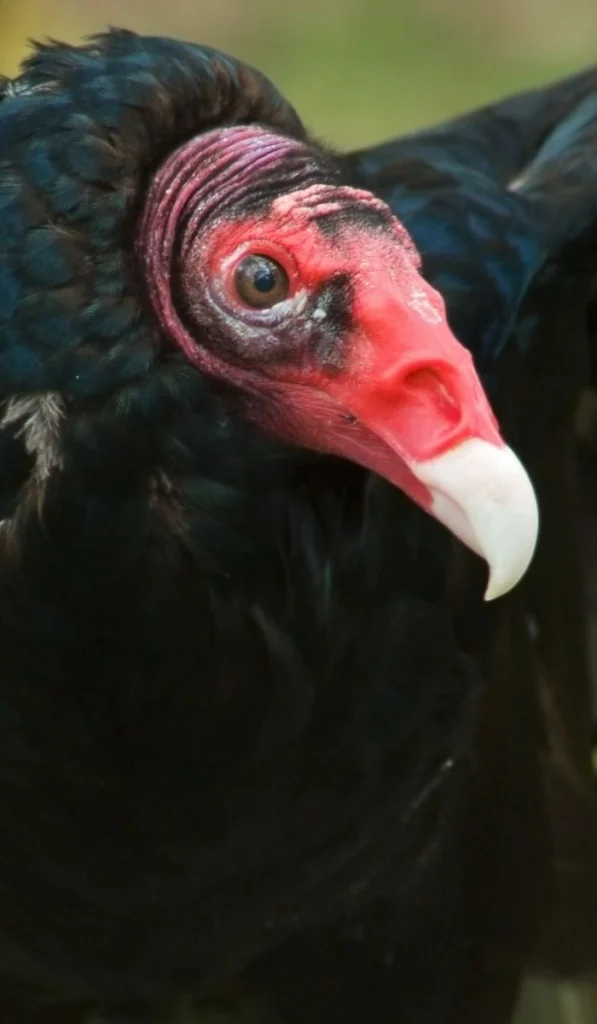
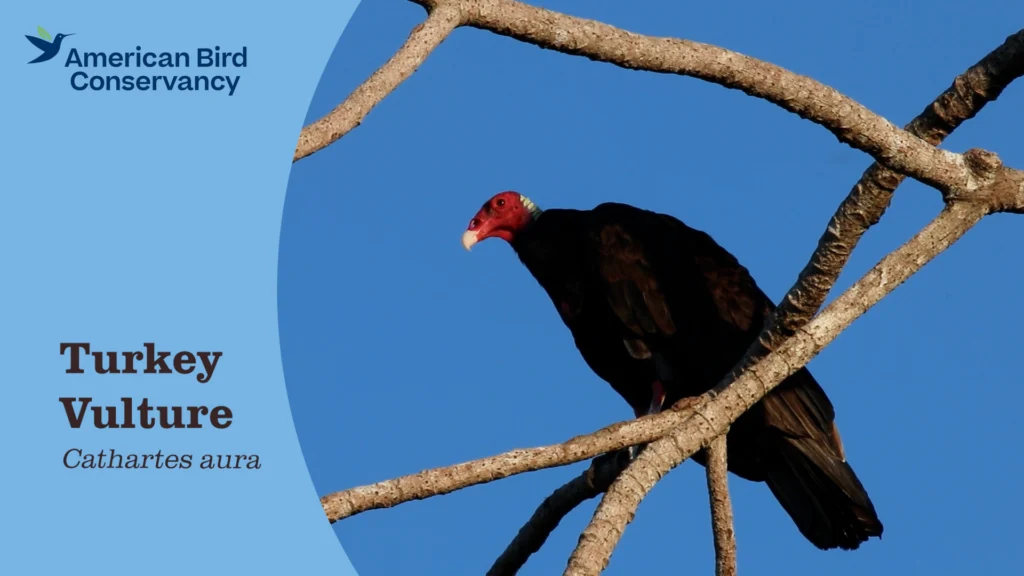
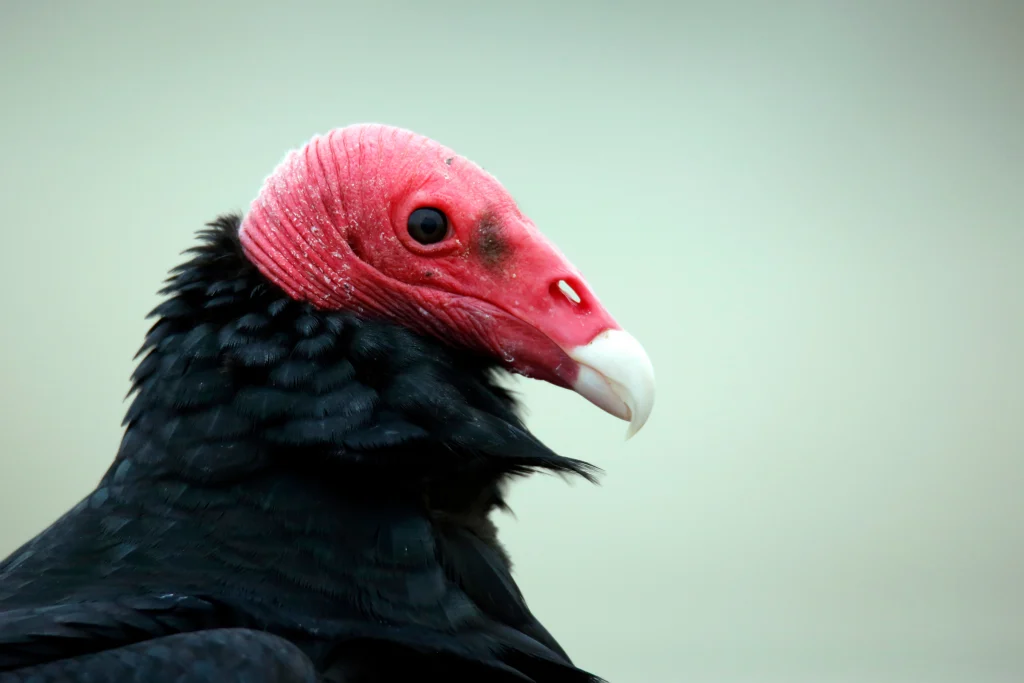
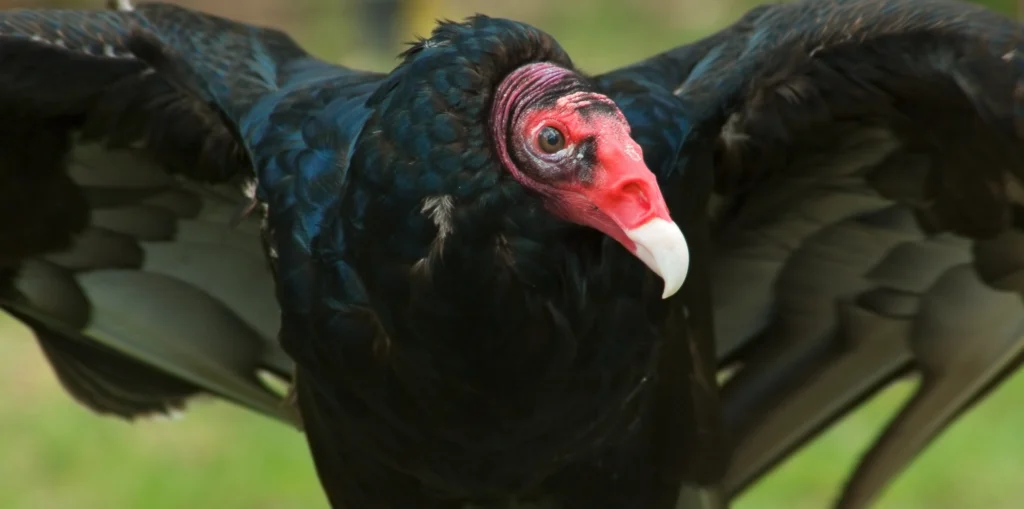
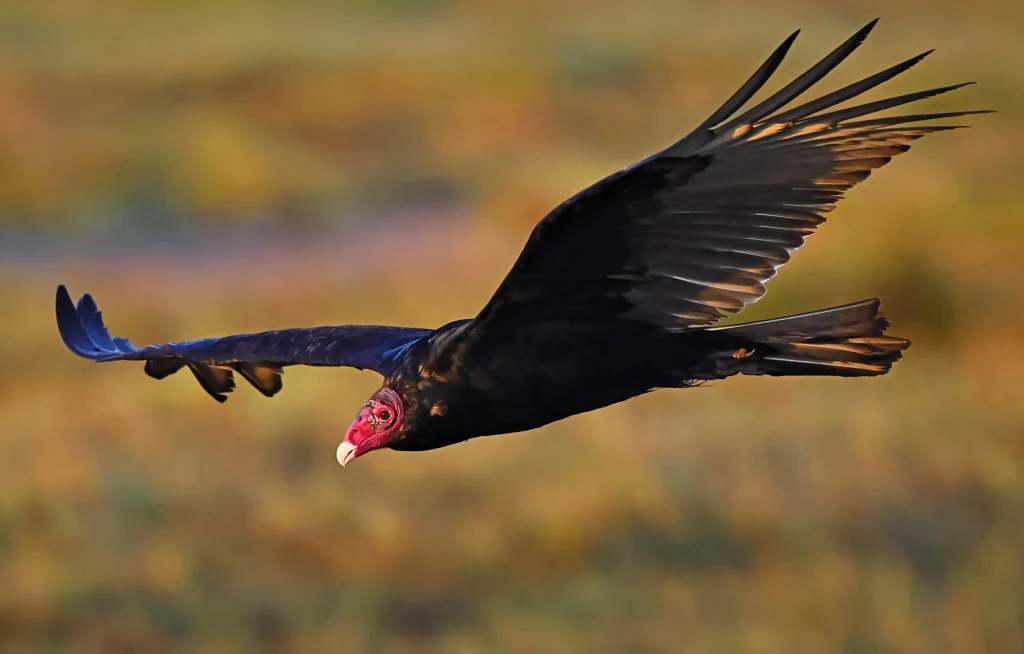
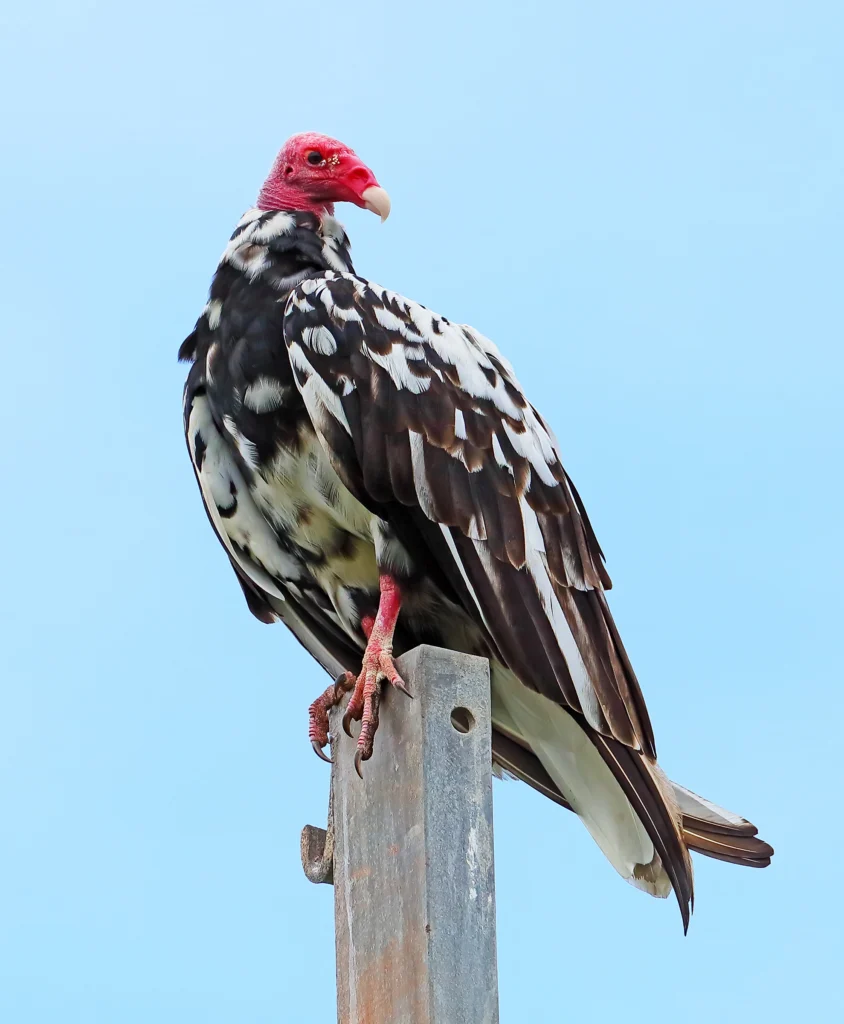
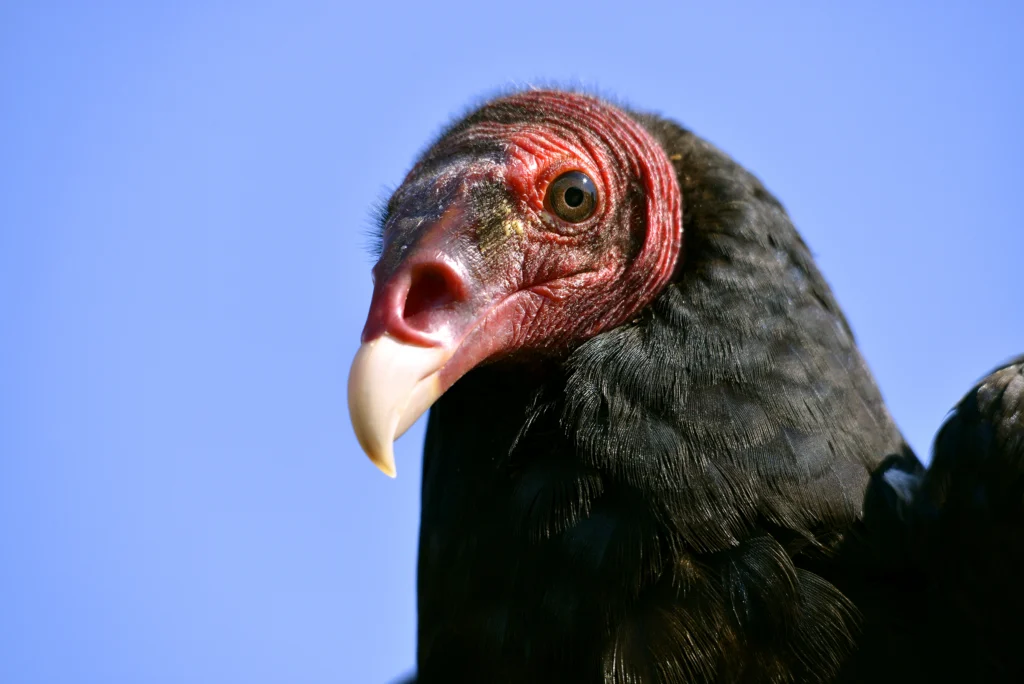
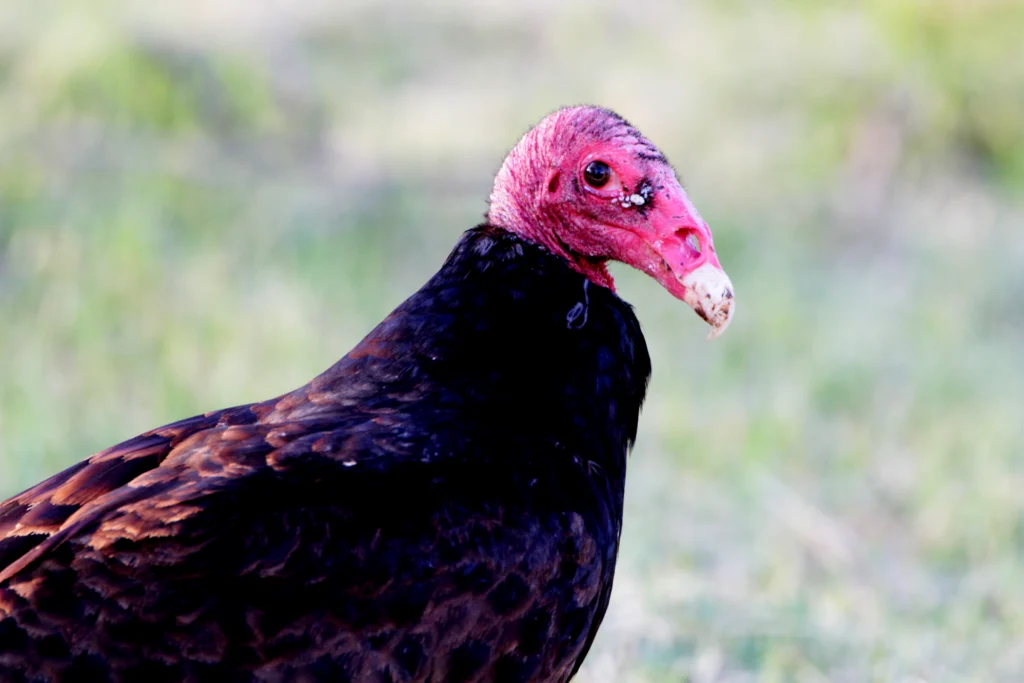
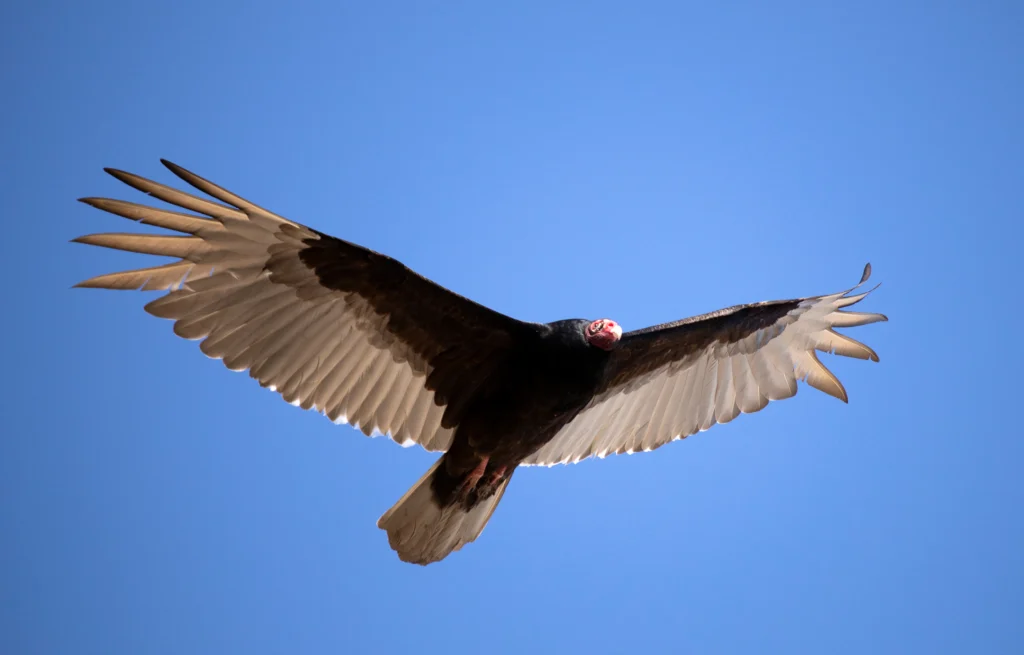
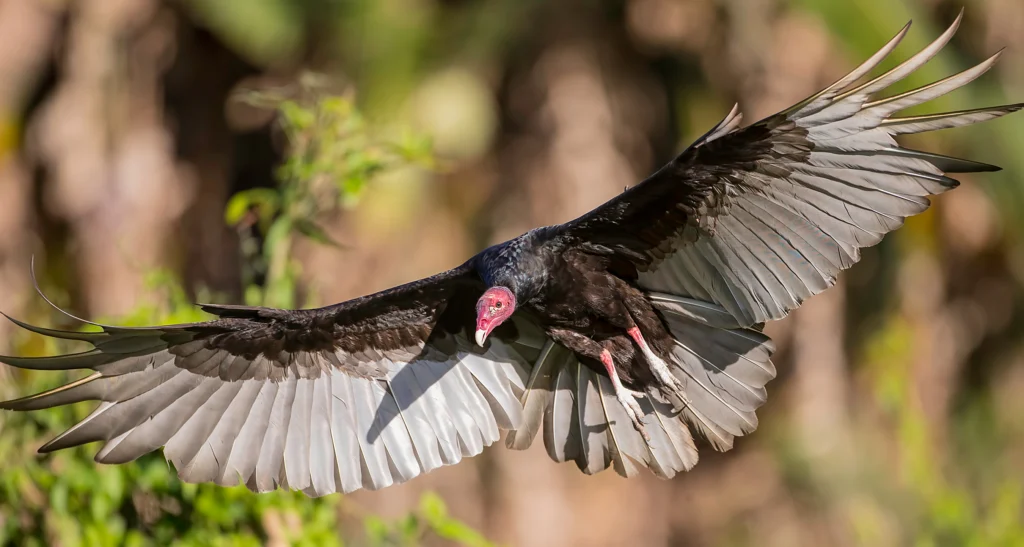
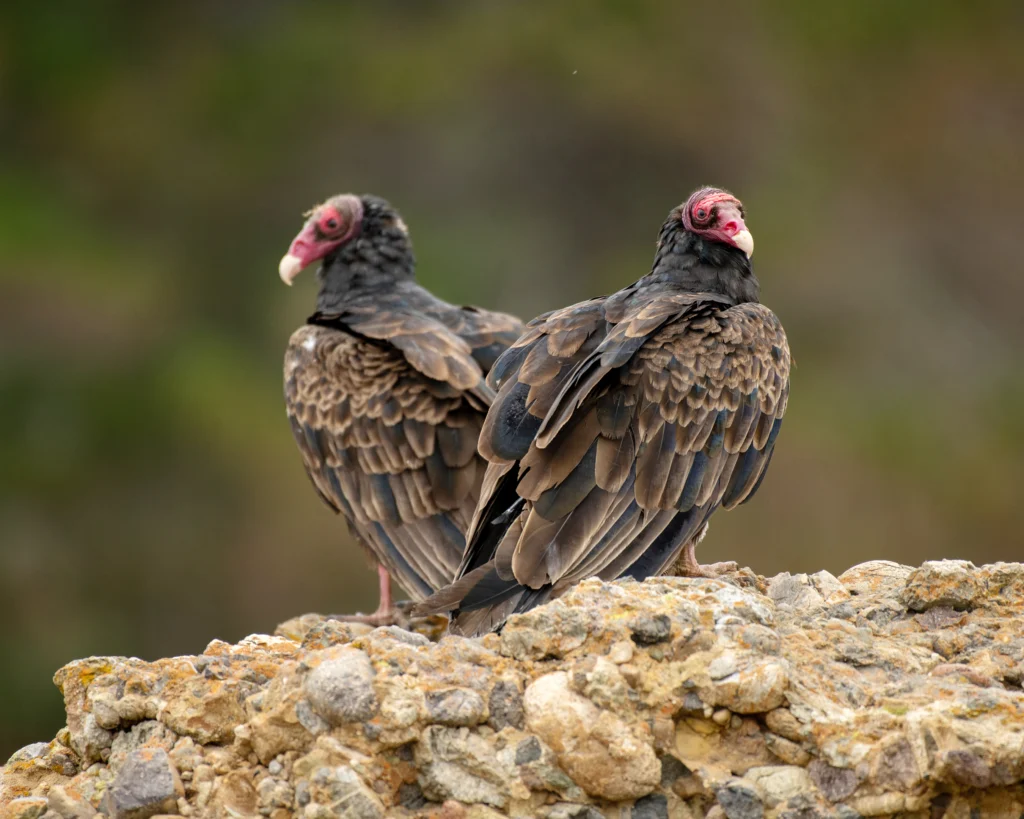
With its bright red featherless head and bone-white bill, the Turkey Vulture is unmistakable at close range. However, for most of us, these birds are more often seen soaring overhead, forcing us to rely on larger-scale features. The Turkey Vulture’s feathers are mostly dark chocolate brown, sometimes nearly black, with one exception. The undersides of the flight feathers on the wings and tail are a silvery gray, contrasting distinctly against the dark plumage of the body and the leading edges of the wings. Turkey Vultures have notably long and broad wings, which they often hold in a shallow “V” shape as they soar. Holding their wings in this configuration gives the vultures a characteristic teetering, unstable-looking flight, easily recognizable at great distances. The heads of young Turkey Vultures are gray, and these juveniles are sometimes mistaken for Black Vultures, which have shorter tails and mostly black wings.
Sonidos
Observers rarely hear Turkey Vultures make sounds, other than the movement of their wings through the air if the birds are close by. In fact, none of the Western Hemisphere’s vultures in the family Cathartidae have a syrinx, the bird version of our mammalian voice box, or larynx. As such, the vultures’ vocal abilities are pretty limited. Turkey Vultures do sometimes vocalize, though: When scuffling over food, or at the nest site, they may hiss, wheeze, growl, or grunt.
Credit: Andrew Spencer, XC381486. Accessible at www.xeno-canto.org/381486.
Hábitat
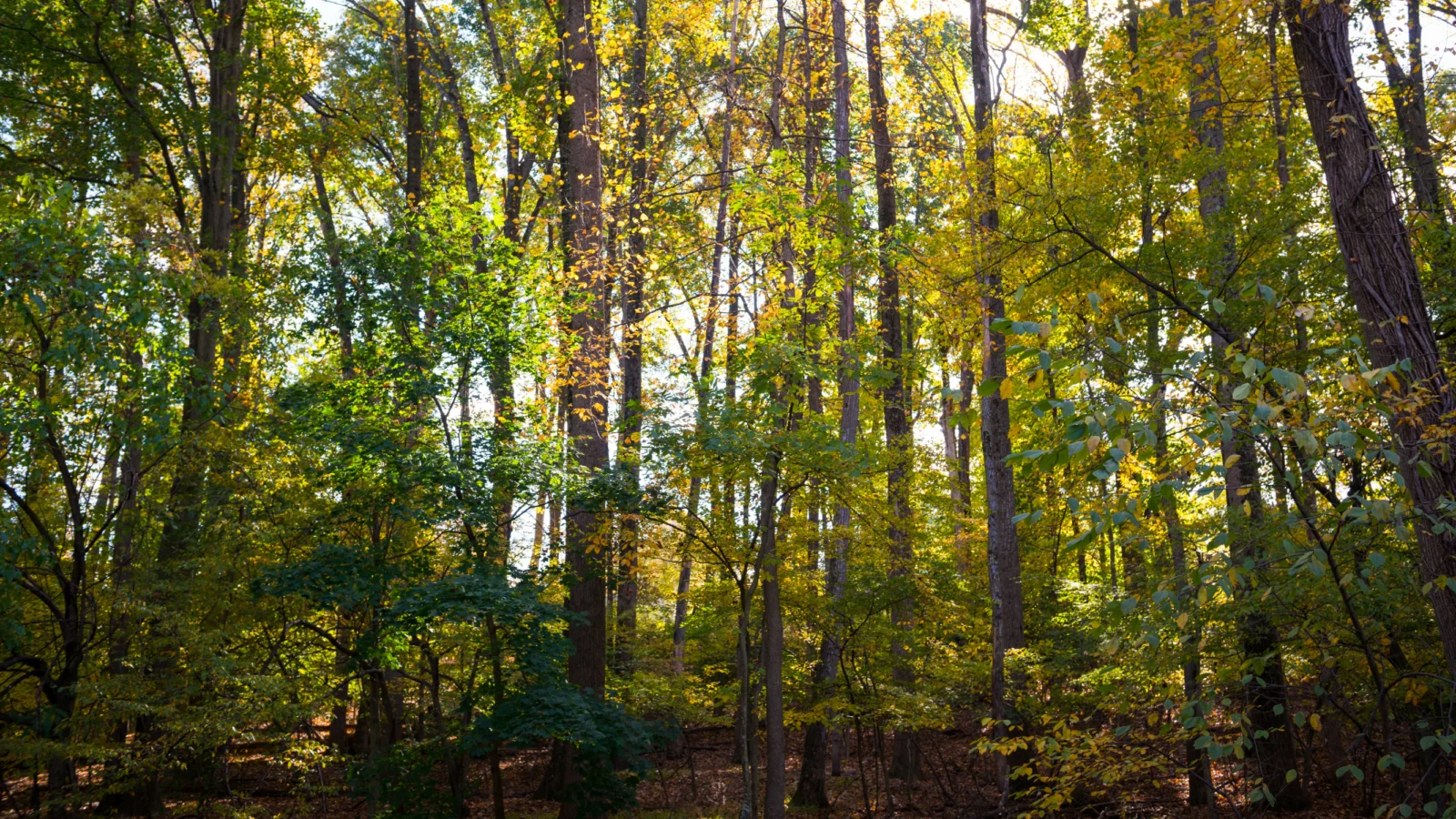
The Turkey Vulture ranges widely and will use almost any habitat type at some point during the year. However, they prefer elevated perches to roost overnight, and so are typically found in areas with tall trees or other structures.
- Forages year-round over open landscapes, including beaches, grasslands, deserts, agricultural areas, and often along highways where they are attracted to roadkill
- In the breeding season, uses open landscapes with nesting sites, such as rock outcrops, dead trees, or abandoned buildings
Rango y región
Rango y región
Área específica
Most of North and South America; the Caribbean
Detalles de la gama
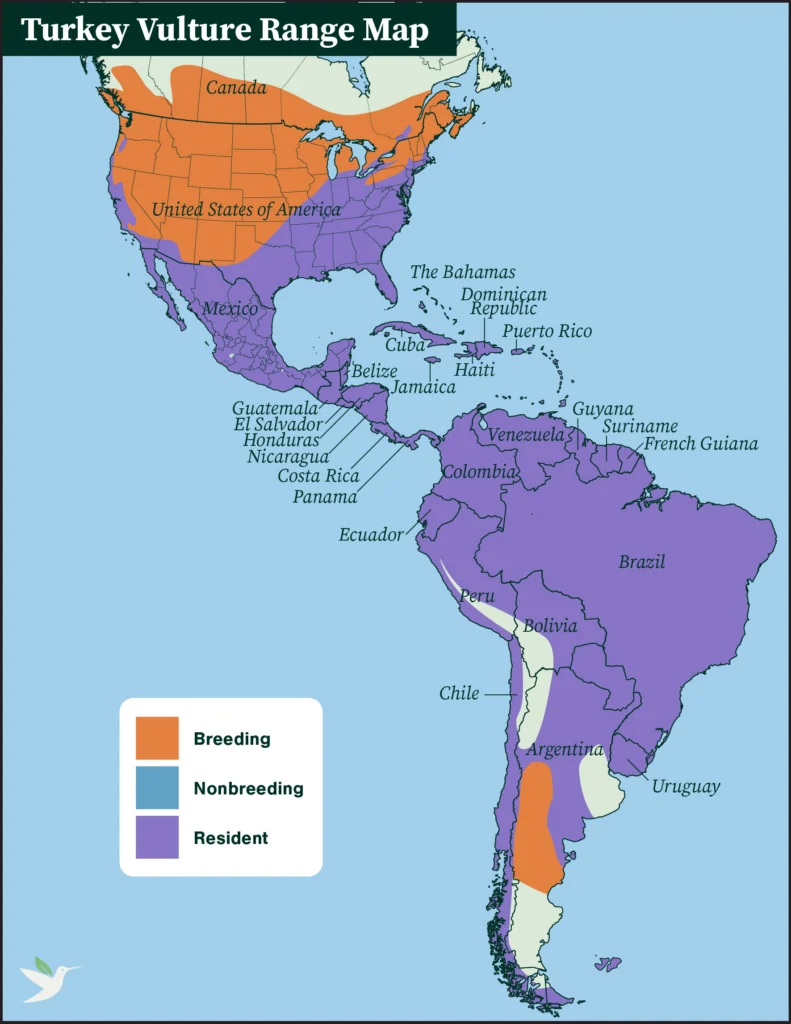
The Turkey Vulture is extremely widespread, ranging from southern Canada to Tierra del Fuego. Turkey Vultures are found year-round throughout the mid-Atlantic, Southeast, Gulf Coast, Great Lakes Region, much of the Pacific Coast of the United States, and the Caribbean. This bird’s year-round range extends south throughout Mexico, Central America, and most of South America, including the Falkland Islands, with a small migratory breeding population in the Southern Cone. In North America, migratory birds range from New Brunswick and New England across southern Canada, the Midwest, and the Intermountain West to the Pacific Coast of Oregon, Washington, British Columbia, and Vancouver Island. Turkey Vultures are absent from the High Andes and some regions of the Southern Cone in Argentina.
¿Sabías?
During migration periods, large numbers of Turkey Vultures pass through concentration points. For example, on average, 1.5 million pass over Veracruz, Mexico each fall, part of the massive “River of Raptors” migration.
Historia de vida
Turkey Vultures are masters of working smart instead of hard. Their long, broad wings give them excellent lift, allowing them to ride thermals high into the sky and soar over immense distances without a single wingbeat. To make the most of the warm rising air of thermal updrafts, they usually hang out at their roost until late morning, once the sun has had enough time to warm the air and create the right conditions. And they have what must be one of the most energy-efficient diets in the animal kingdom. They don’t have to hunt or catch anything; they just glide leisurely down out of the sky to an already-dead pile of protein. Without doubt, the Turkey Vulture is one of the smartest workers around.
Dieta
Turkey Vultures feed almost entirely on carrion, with a noted preference for fresher finds. Many of their meals are mammalian, from dead mice to cattle, but they also eat dead invertebrates, fish, amphibians, and reptiles. In times of shortage, they may eat some rotting vegetation as well. On rare occasions, Turkey Vultures eat live prey, such as small mammals that have been trapped, insects, or minnows stranded in drying pools.
Noviazgo
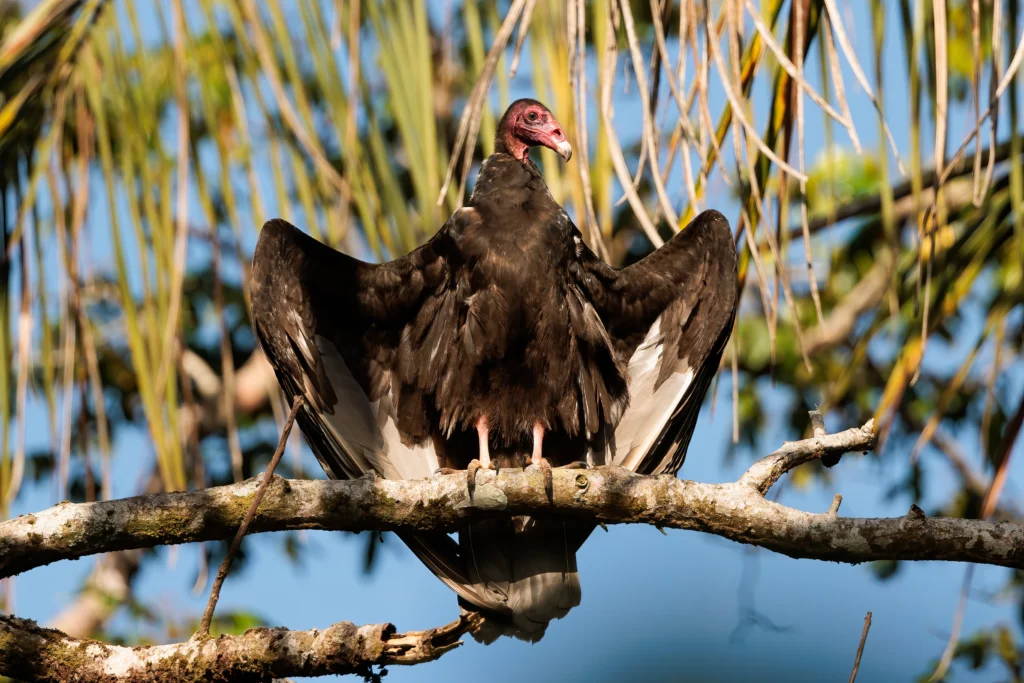
Turkey Vultures are thought to mate for life, although the longest study to track this was only five years. In courtship, the male vulture will perform a Wing Spreading Display for a prospective mate where he holds his wings out and rocks side to side, raising each foot in alternation. He may also walk back and forth in front of her, and may give a low groaning sound. Pairs will also sometimes chase one another in flight.
Anidación
Turkey Vultures don’t make a formal nest, but rather the female usually lays in a dark, sheltered location. In the West, this bird usually nests in rocky locations — on cliffs, in caves, or among large boulders. In the East, nests may be in rocky areas, in thickets, in large tree cavities, on large logs or stumps, or in brush piles. Sometimes Turkey Vultures nest atop abandoned hawk nests or in vacant buildings, or even in junked cars. One thing these varied nesting situations have in common: Turkey Vultures usually choose places far from regular human activity.
Huevos y crías
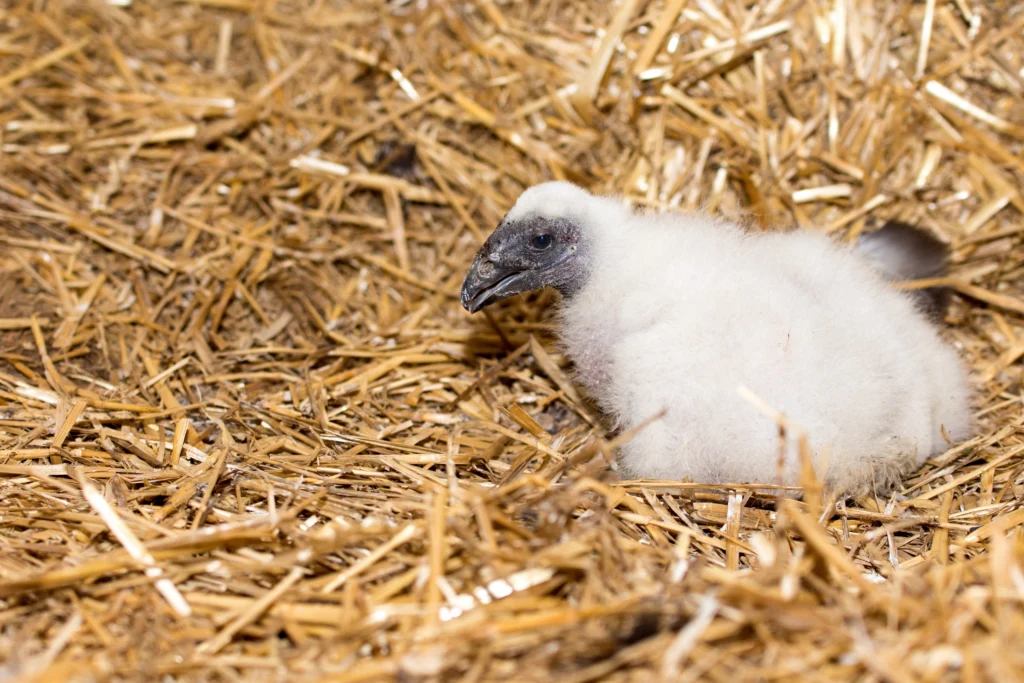
Females lay two white speckled eggs, each approximately the size of a chicken egg. The parents take turns incubating their eggs for 30 to 40 days. Once they hatch, nestlings receive regurgitated meals from their parents. It takes nine to ten weeks (rarely as few as six) for young to be able to fly.