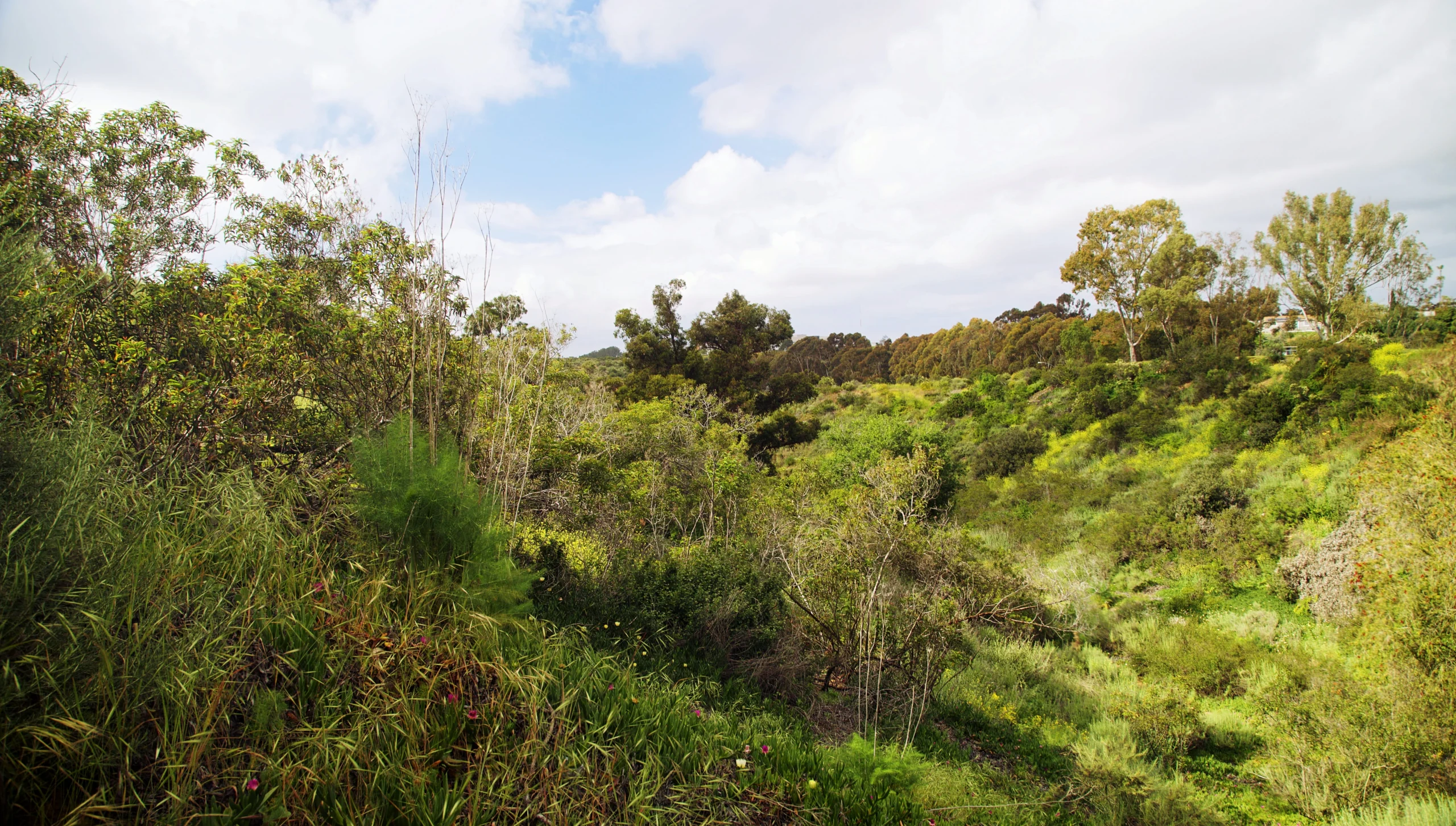
Tecolote Canyon in San Diego, California. Photo by Sean Dooley, Shutterstock.

Charla de pecho amarillo

Icteria virens

Yellow-breasted Chat. Photo by Tessa Nickels.

Charla de pecho amarillo

Yellow-breasted Chat. Photo by Tessa Nickels.

Icteria virens

Descripción general

Estado de conservación
Tendencias demográficas
Estable
Tamaño de la población
17 million
Familia
Charla de pecho amarillo
Ubicación
América del norte
Patrón de migración
Latitudinal
Distancia de migración
Media Distancia
También conocido como
  • Buscabreña (Spanish)
  • Reinita Grande (Spanish)
  • Chipe Parlanchín (Spanish)
  • Chipe Arriero (Spanish)

Acerca de

At first glance, the Yellow-breasted Chat seems to be a mishmash of many bird families: its larger size and stout bill resemble a Scarlet Tanager’s, while its skulking habits and complex vocalizations seem more like those of a thrasher or mockingbird. Taxonomically, this bird was considered an unusual wood warbler in the family Parulidae. However, in 2017, the American Ornithologists Union gave this bird its own family — Icteriidae — based on its unique physical and genetic features. It is considered to be related to the blackbirds and meadowlarks of the Western Hemisphere.

Among birders, the Yellow-breasted Chat is best-known for two features of its behavior: its habit of staying hidden at most times within the thickest vegetation available, and its loud, wild, weird song and flight display. In 1953, ornithologist Arthur Cleveland Bent described the Chat’s song as a “medley of strange sounds, musical and otherwise, catcalls, whistles, and various bird notes coming from points now here, now there in the bushes” — sounds which would “betray the presence of this furtive and elusive clown among birds.” The song is indeed a strange and wonderful mix of cackles, clucks, whistles, and hoots. Only males are known to sing, and they do so from deep inside the densest cover. A male chat may sometimes sound as if he’s laughing at the frustrated birders trying to locate him.
Amenazas

Although this species is considered to be globally stable, this obscures population fluctuations across the continent. In much of the eastern United States and the species’ range in Canada, declining populations have caused states and provinces to designate the species as threatened, endangered, or of special concern. Like so many other bird species, the Yellow-breasted Chat is threatened by habitat loss. Changing land use and maturing forests are eliminating much of the shrubland that this species requires year-round.

Disappearing Shrublands

If not maintained by regular disturbance, the shrublands and young forests this species requires will eventually give way to dense, mature forest. Natural disturbances, such as fire and extreme weather, historically created a patchwork of habitat types, including shrublands and forest of different ages. However, fire suppression allows all forests to continually grow and mature, replacing shrubby and open areas. Similarly, the removal of shrubs and thickets in heavily grazed rangeland and agricultural areas excludes the Yellow-breasted Chat from broad areas within its range.

Pérdida de hábitat

Estrategias y proyectos de conservación

Birds like the Yellow-breasted Chat need our help to overcome the threats they face. At ABC, we’re inspired by the wonder of birds and driven by our responsibility to find solutions to meet their greatest challenges. With science as our foundation, and with inclusion and partnership at the heart of all we do, we take bold action for birds across the Americas.

Mejorar el hábitat

Habitat is the foundation for birds’ survival. ABC works across vast landscapes in North America where many of our priority species breed. Working closely with the Migratory Bird Joint Ventures (JVs) and other partners, we have improved more than 9.7 million acres of bird habitats in the places where birds need us most — from the Great Lakes to the Chihuahuan Desert. Yellow-breasted Chats can benefit from habitat restoration efforts for another bird of young, open forest — the endangered Reinita alidorada. Forest management that creates and preserves semi-open habitat benefits the Yellow-breasted Chat as well.

Restaurando el hábitat

Galería de aves

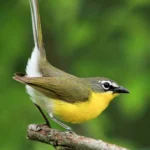
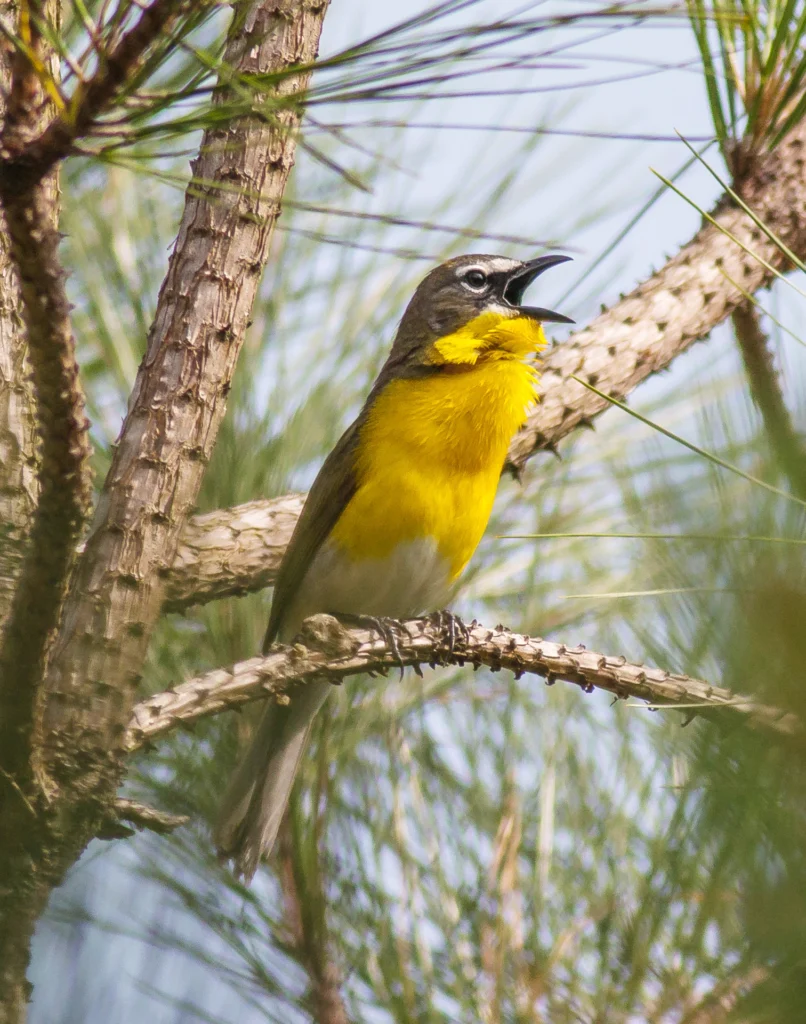
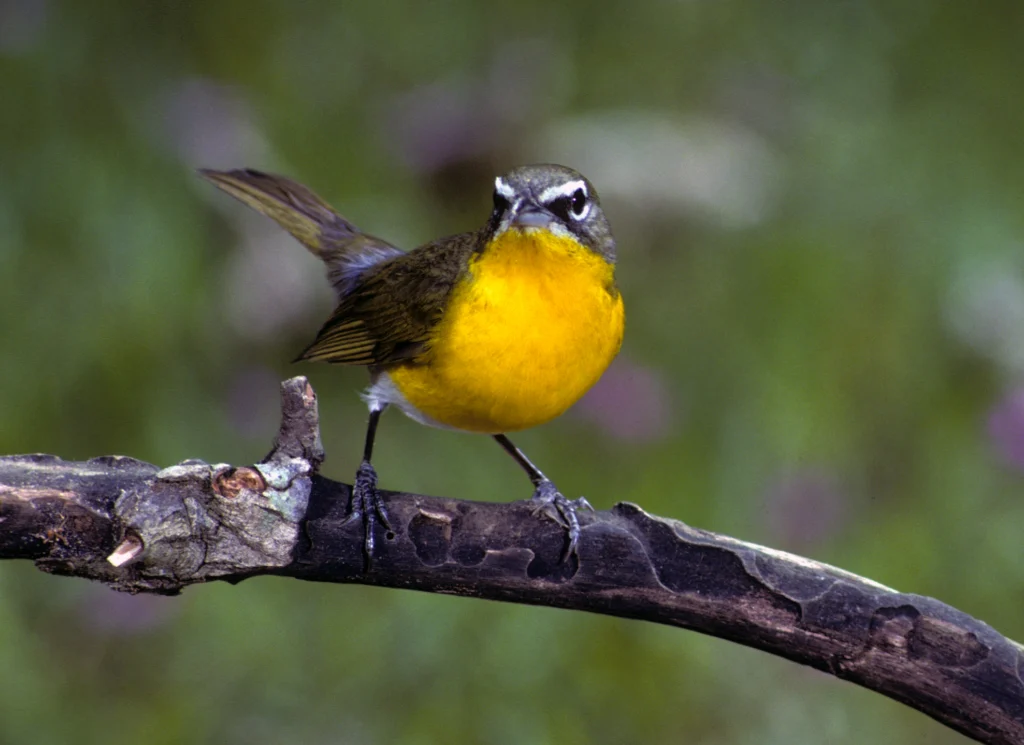
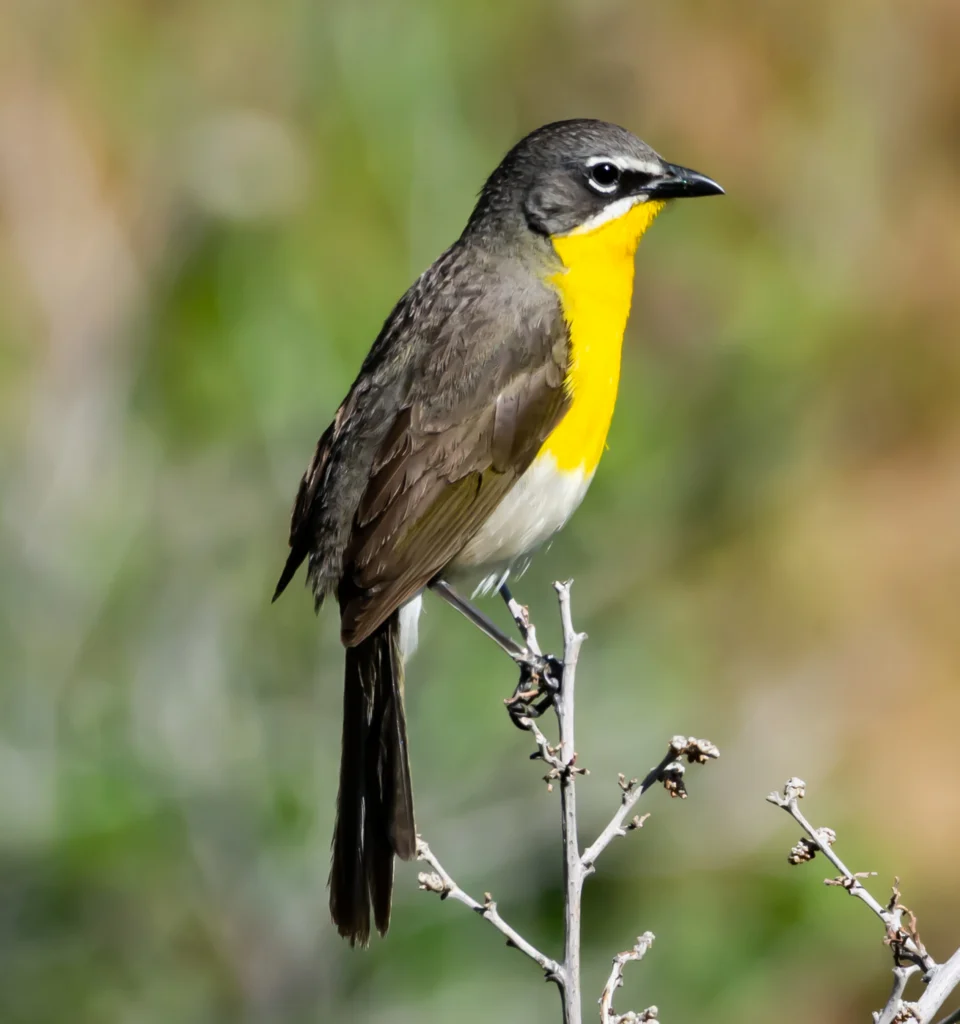
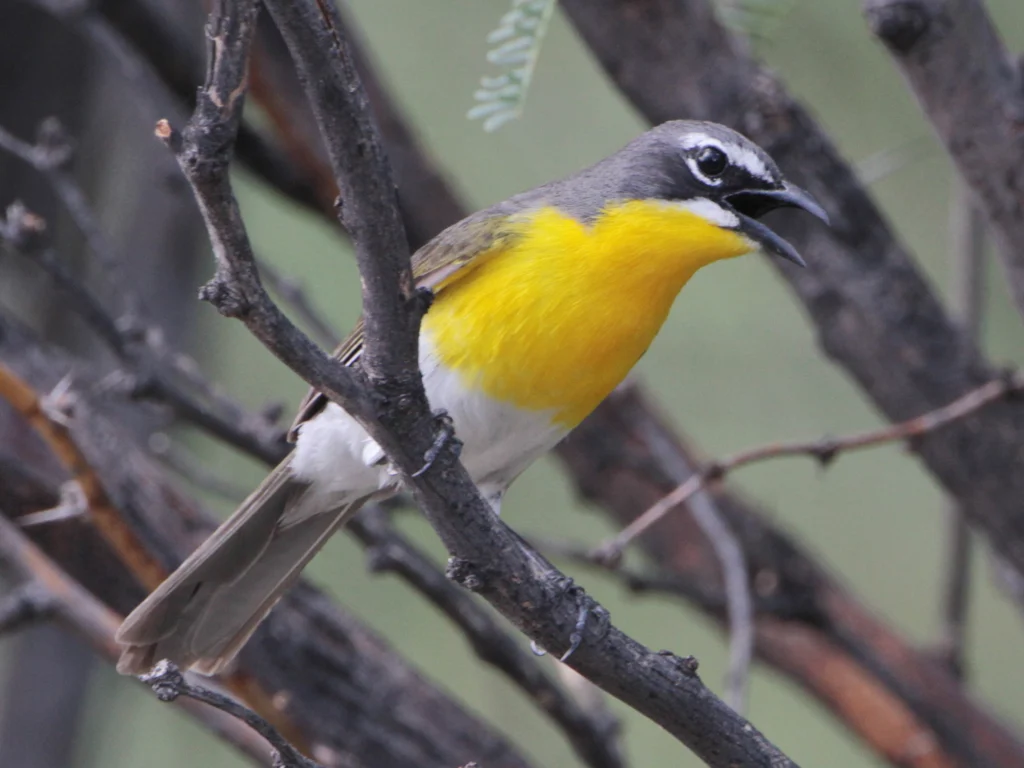
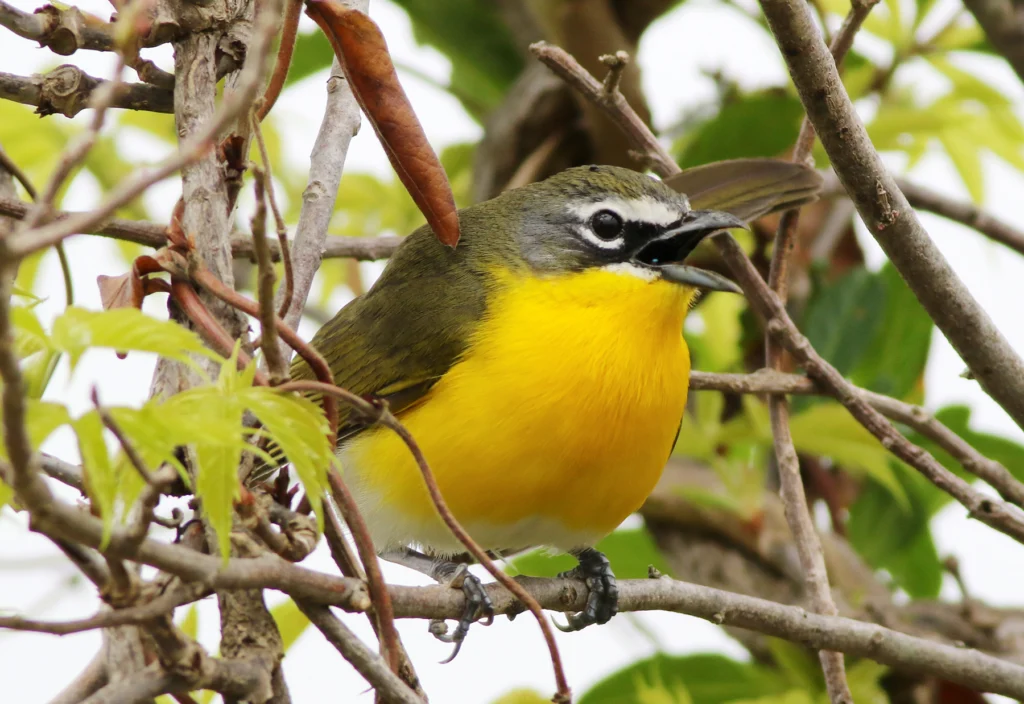
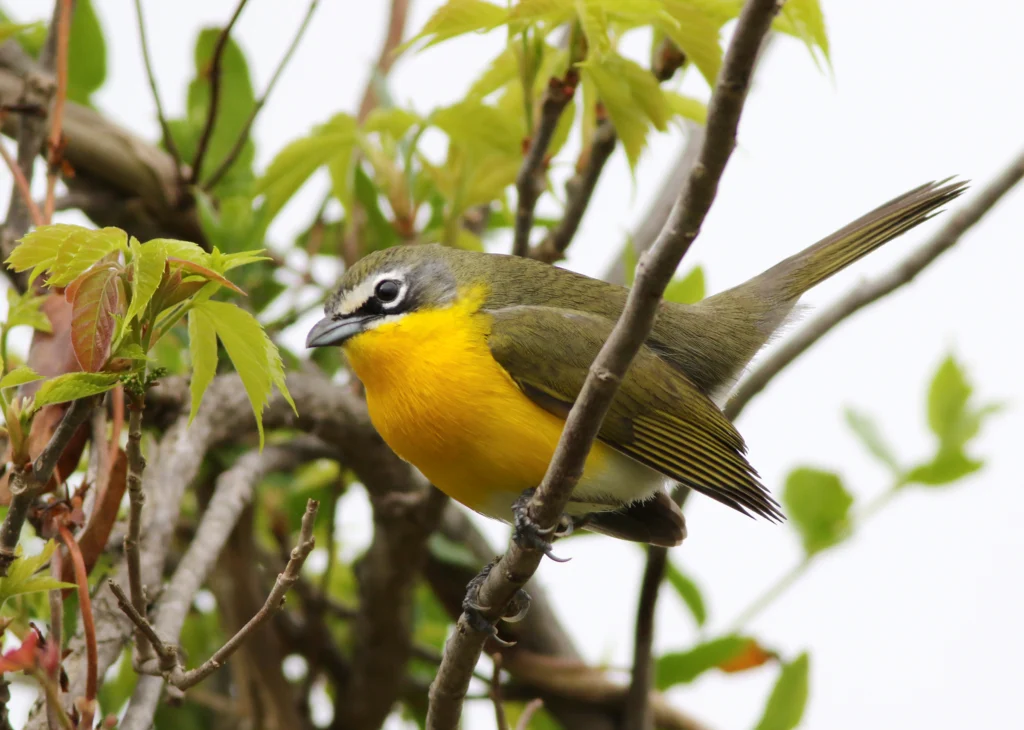
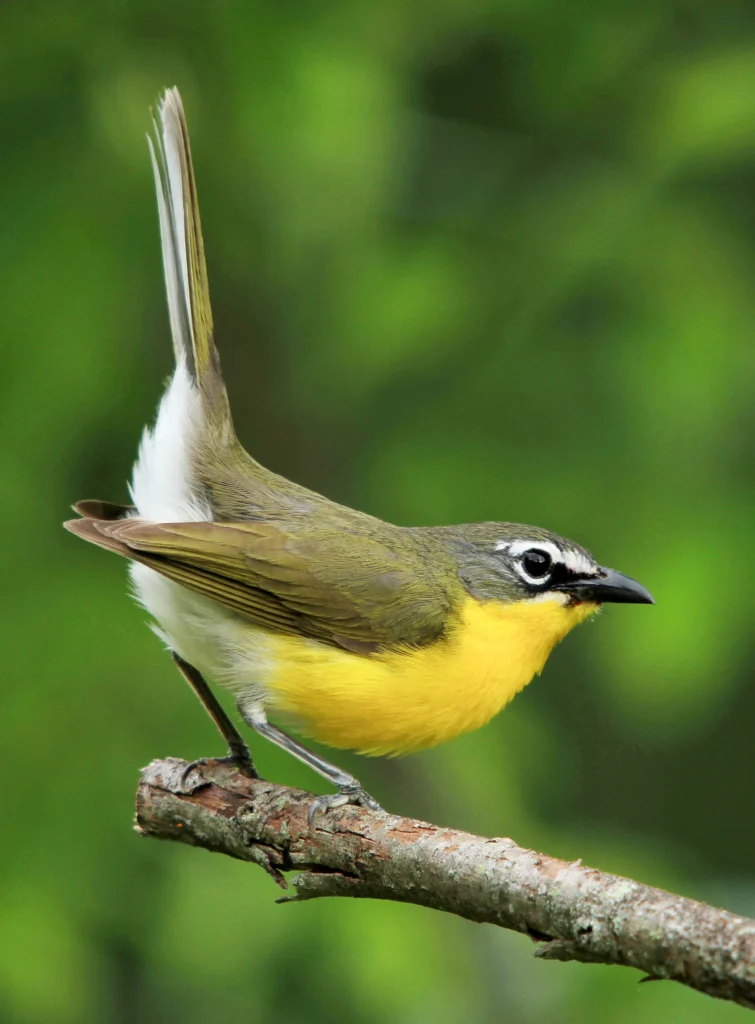
The Yellow-breasted Chat is simply colored: olive-brown to gray above, with a yellow throat and breast, and a white belly and undertail. Both sexes have white upper and lower eyelids, a white “eyebrow” running from above the eye to the beak, a small black patch directly between the eye and beak, and a white “mustache” between this black patch and the yellow of the throat. The sexes are similar, but these facial features are more pronounced in males.

Sonidos

The song of the male Yellow-breasted Chat is a loud, long, and widely varied sequence of notes and phrases, given singly or in series, and separated by brief pauses, similar to a mockingbird or thrasher. Similar to these mimics, chats may also include mimicry of other birds’ vocalizations in their songs. Male chats also sing specific whistle notes or whistle songs, but only at night. Both sexes also give several calls, including a descending nasal mewing or whining zheer, a light percussive tuk, and a sharp chuck reminiscent of many blackbird species, apparently given only on the nonbreeding grounds.

Canción

Credit: Richard E. Webster, XC766370. Accessible at https://xeno-canto.org/766370.

Zheer Call

Credit: Richard E. Webster, XC936168. Accessible at https://xeno-canto.org/936168.

Hábitat

The Yellow-breasted Chat is the definitive skulker, moving and foraging deep within dense thickets and scrub within semi-open forest or along forest edges. Tellingly, observers often characterize the chat’s preferred habitat as “impenetrable.”

  • Found in riparian areas, young forest, and along forest openings
  • Also uses human-altered areas such as regenerating clearcuts, powerline cuts, old fields, and hedgerows
  • Uses similar habitat during migration and on nonbreeding grounds

Rango y región

Rango y región


Área específica
Southern Alberta and Saskatchewan, the United States, Central America

Detalles de la gama
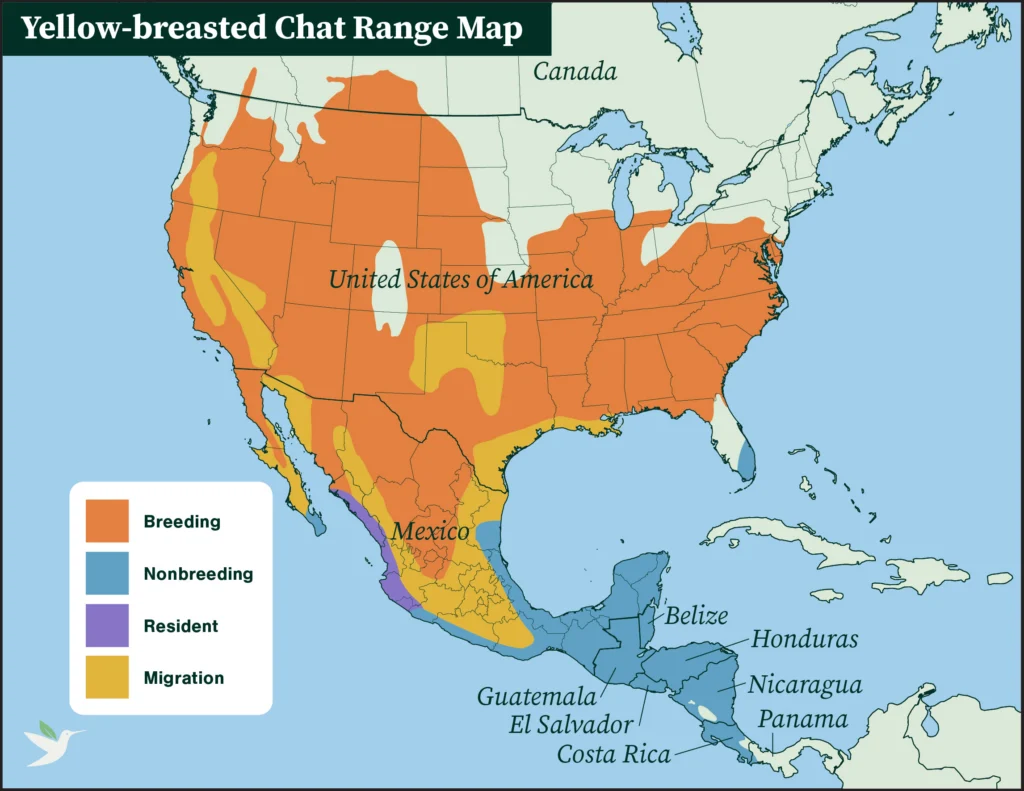
The Yellow-breasted Chat breeds in southeastern Alberta, southern Saskatchewan, throughout the United States, and across much of Mexico. These birds spend the nonbreeding season in the southern tips of Florida and Baja California, along both coasts of Mexico, and throughout the Yucatán Peninsula and Central America south to Panama.

¿Sabías?
For many species, the nonbreeding season is a time when birds forgo territoriality and form flocks, often with multiple species. This is not the case for the Yellow-breasted Chat. On their nonbreeding grounds, these birds forage alone, and males and females each hold their own individual territories.

Rango
América del norte
Patrón de migración
Latitudinal
Distancia de migración
Media Distancia

Historia de vida

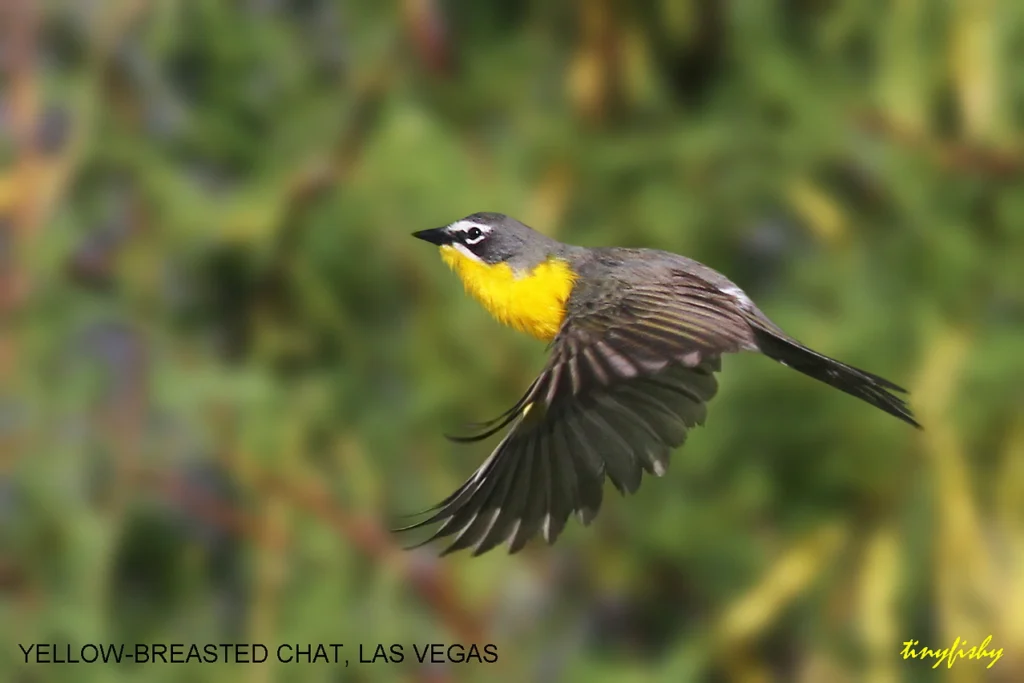
Although they are notoriously sneaky, the male Yellow-breasted Chat becomes uncharacteristically conspicuous when establishing his territory in spring. First singing from an exposed perch, he then launches into an eye-catching display flight, continuing to sing while hovering with slow, deep wingbeats, head raised, and legs dangling — looking for all the world like an oversized, oddball butterfly or bumblebee. Although comical to human spectators, these displays are believed to help the male chat attract a mate or to establish territorial boundaries.

Dieta

Yellow-breasted Chats eat many types of insects, including ants, bees, wasps, grasshoppers, and beetles. Unusual for a songbird, the chat may grip food items with its large, strong feet as it eats. It also feeds on fruit, particularly blackberries, strawberries, and grapes. Chats are rarely seen or heard while feeding, preferring to stay deep under cover while searching for food.

Noviazgo

Due to their surreptitious behavior, courtship in this species is infrequently observed and poorly understood, with only a few courtship postures and movements noted anecdotally. What is clear, however, is that these socially monogamous birds are highly promiscuous. Both males and females go on “forays” into other territories at night during the breeding season, with the result that about a third of all the young in a given season were sired by a male other than their social father.

Anidación

Unsurprisingly, the nests of this bird are extremely inconspicuous, hidden deep within large patches of dense thicket and scrub. The female builds a bulky cup of stems, dead leaves, and grasses, which she lines with finer grasses and stems. Usually, females place their nests within a few feet of the ground, but occasionally up to 10 feet.

Huevos y crías

Female chats usually lay three to five eggs, which they incubate for 10 to 12 days. While only females incubate, both parents feed the young for 7 to 10 days before they fledge. Yellow-breasted Chat nests are frequent targets of Brown-headed Cowbirds, which lay their own eggs in the nests of other species. Sometimes chats will abandon nests with cowbird eggs, but are not known to remove cowbird eggs from their nests. Even if the nest is not abandoned, chats sometimes manage to raise one or two of their own nestlings along with the cowbird.