What do Águilas calvas, California Condors, and Eastern Black Rails have in common? They’re wildly different birds occupying habitats from interior forests to coastal marshes, but they are all examples of the Endangered Species Act at work.
Since it was signed into law in 1973, the ESA has become an incredibly effective tool for preventing extinctions. A remarkable 99 percent of all species listed under the ESA since its creation have avoided extinction, and it has been responsible for some incredible conservation comebacks.
The ESA’s strength comes from its focus on rigorous recovery plans, the designation of habitat critical for species to endure, its “citizen-suit” provision that empowers the public to ensure the Act is carried out effectively, and the shared responsibility it established among federal agencies for conserving at-risk species. It not only conserves habitat in ways that benefit the listed species but can advance landscape-scale conservation goals, too.
More than 50 years on, the ESA has helped species as different as cacti and condors begin the road to recovery and avoid extinction. Learn how this landmark conservation law came into being, how it works, what it does for birds, and how to protect and strengthen it.
Decades of Conservation Laws Gave Us the ESA
Though the ESA is perhaps the best-known conservation law in the United States, it was not the first.
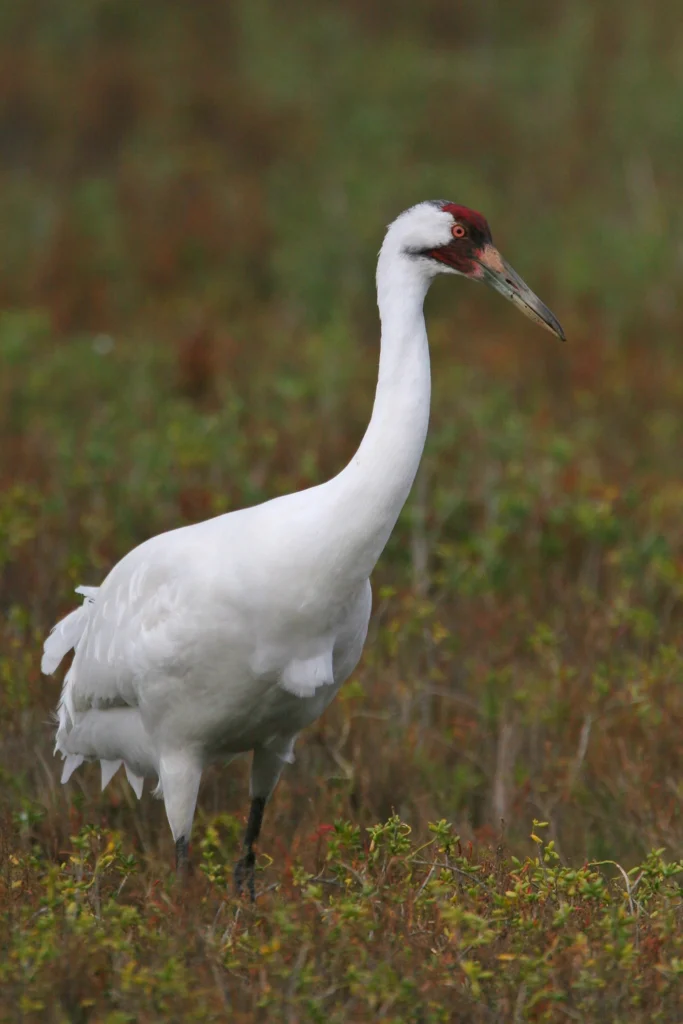
In the early 1900s, public awareness of the decline of well-known and recognizable bird species was growing. Whooping Cranes had disappeared from their main breeding grounds, their flocks thinned out to a couple dozen birds or fewer. Massive Snowy Egret colonies had been decimated in the pursuit of extravagant plumes for the day’s fashions. And in 1914, the last known Passenger Pigeon died, and another species blinked out.
Members of the public bore witness to these losses. This experience, along with the writings of scientists and conservationists, raised the alarm about species in crisis across the country. In the decades that followed, Congress passed a series of laws chipping away at the problem of extinction: the Lacey Act (1900) regulating commercial animal markets, the Migratory Bird Treaty Act (1913), the Bald and Golden Eagle Protection Act (1940), and the Endangered Species Preservation Act of 1966 — the precursor to the ESA — to name only a few.
The Endangered Species Preservation Act created a list of endangered species, criminalized harming those species, and made it possible for the federal government to acquire land critical to conserving listed species through the Department of the Interior.
The ESA built on this foundation, bolstering the government’s authority and responsibility to add species to the list, granting agencies more power to protect species, designating “critical habitats,” and enhancing legal protections for listed species. The ESA was passed by the United States Congress with overwhelming bipartisan support and signed into law in 1973 by President Richard Nixon.
How a Species Gets Listed
A species receives ESA protections by being added to the federal list of endangered and threatened species. The U.S. Fish and Wildlife Service (USFWS) or the National Oceanic and Atmospheric Administration’s National Marine Fisheries Service (NMFS) can initiate a listing. However, a proposal, or “petition,” to list a species can also come from members of the public or state agencies.
Petitioned species being considered for listing as “Threatened” or “Endangered” under the ESA are evaluated based on evidence of one or more of five criteria:
- The species has lost habitat, or its habitat is degraded.
- The species is at risk of overexploitation for commercial, scientific, recreational, educational, or other purposes.
- Disease or predation threatens the species’s survival.
- Existing regulatory protections (such as state-level protections) are insufficient to conserve the species.
- Other factors, from natural disasters to human-caused disturbances, threaten its existence.
Upon receiving a petition to list a species, USFWS or NMFS must review the submission within 90 days and determine if listing might be appropriate. If an application for listing moves forward, the agency announces the potential listing in a “proposed rule,” beginning a one-year process of gathering scientific or commercial information (regarding the sale or trade of the species) to support or oppose the application. The ESA requires agencies to consider only these two categories — listing decisions, according to the original text of the ESA, should not be influenced by potential economic impact.
After one year of gathering and evaluating evidence, if a candidate species is found to require Endangered Species Act protections, USFWS or NMFS issues a final rule adding the species to the list as either a threatened or endangered species. Distinct population segments are also eligible for protection.
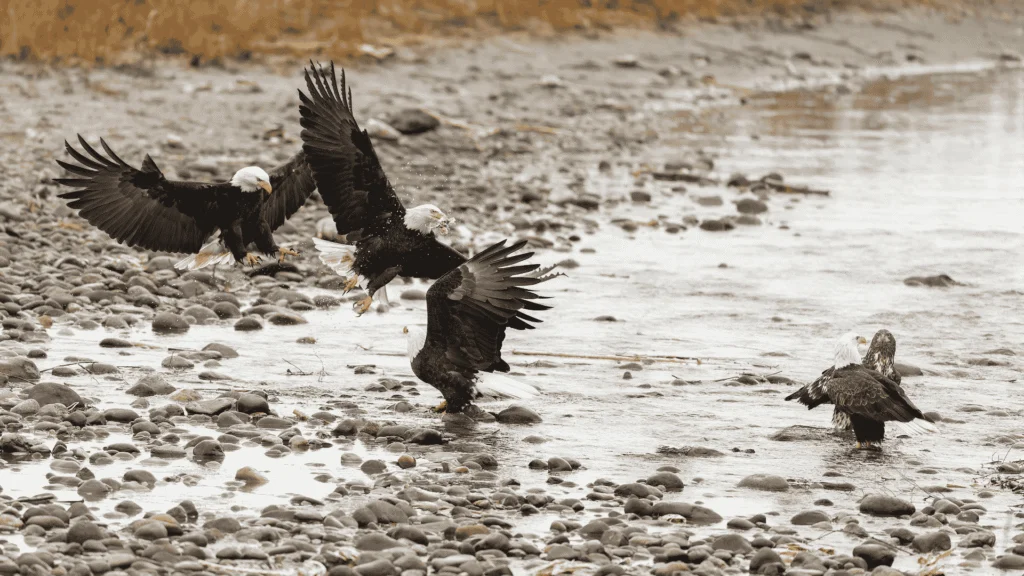
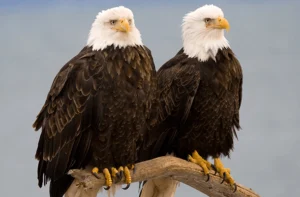
Both the Bald Eagle and California Condor were already protected by the Endangered Species Preservation Act, the precursor to the ESA, when the ESA was signed into law in 1973. They both had been driven to perilously low numbers in the mid-20th century due to persecution, and then in the following decades suffered from a near-total collapse in successful breeding due to the effects of the pesticide DDT. At their lowest, Bald Eagle breeding pairs numbered only an estimated 417 in the lower 48 states, and the California Condor had been reduced to just 22 birds total.
The Eastern Black Rail, a subspecies of the Black Rail found in Southeastern and Gulf Coast states, was recently added to the list as a threatened species in 2020. Secretive and seldom-seen, the sparrow-sized rail’s population has plummeted by more than 90 percent in recent decades. Unfortunately, it took more than a decade for the little marsh bird to receive ESA protections, in part because the habitat it relies on is frequently eyed for development and water diversion.
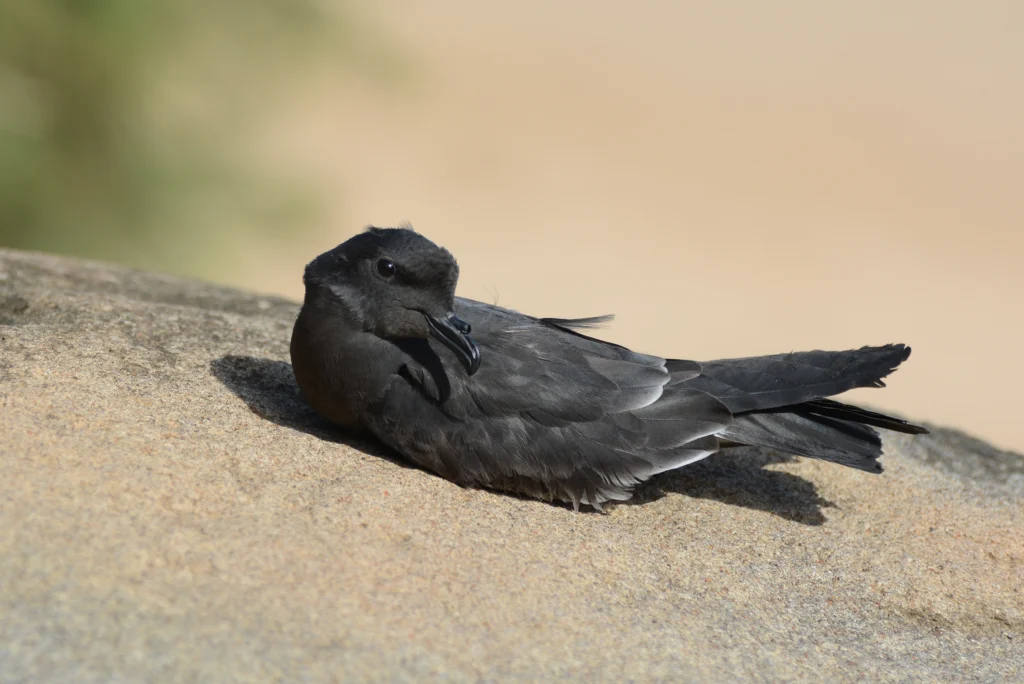
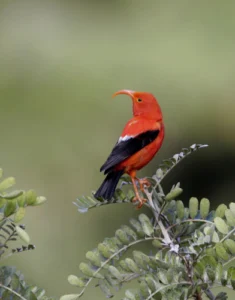
The ESA listing process is crucial for birds. Recent listings have protected the Elfin-woods Warbler, Mt. Rainier White-tailed Ptarmigan, ʻIʻiwi, Band-rumped Storm-Petrel, Cactus Ferruginous Pygmy-Owl, and Black-capped Petrel. Unfortunately, political interference has marred the listing process, often pitting development interests against scientific findings.
Planning for a Comeback
To be listed, most species must have a recovery plan, a science-backed roadmap to stabilizing the species and preventing further declines. These plans identify specific management actions necessary for the species’ recovery and are tailored to that species’ needs based on the best available science. Recovery plans can include actions such as habitat protection, captive breeding and reintroduction programs, and monitoring and research. Recovery plans are required to identify site-specific actions, criteria for evaluating effectiveness, and estimates of time and costs.
Under the ESA, a species listing also includes a designation of critical habitat — areas deemed vital for the preservation of the species. Critical habitat can encompass areas currently used or occupied by the species, but also includes areas that could prove essential to the species if the species’ range expands. Recognition of the necessity of habitat to conservation — something that was missing in previous conservation laws — made the ESA an effective, ecosystem- and landscape-level conservation tool.
The recovery plans for the Bald Eagle and California Condor were created shortly after DDT was banned, and focused on helping these struggling species stabilize and maintain genetic diversity among their small populations. The ESA and amendments to another conservation law, the Bald and Golden Eagle Protection Act of 1940, strengthened protections for nesting Bald Eagles to reduce disturbances at sensitive nest sites and created captive breeding and reintroduction programs. These protections helped Bald Eagles recover so spectacularly that the species was “delisted” (removed from the endangered species list) in 2007.
The California Condor’s comeback has been slower, but an ESA recovery plan that established a captive breeding program helped make the California Condor the first bird species to be upgraded from Extinct in the Wild to Critically Endangered by the International Union for Conservation of Nature (IUCN) Red List.
The Eastern Black Rail’s recovery plan is still in progress. This enigmatic marsh bird has lost upwards of 90 percent of its historic range as the wetland habitats it relies on have been drained, destroyed, and degraded. Wetlands face ongoing threats from rising sea levels, eroding coastlines, oil and gas development, and increasing storm activity. The cards are stacked against the Eastern Black Rail. Avoiding further loss of individuals and protecting remaining suitable habitat will be key to the bird’s recovery.
Agency Cooperation and Avoiding Jeopardy
The duty to support the conservation of listed species isn’t limited to USFWS and NMFS. Other federal agencies are also tasked with using their authority to this end, and must work with USFWS and NMFS to ensure their own agency actions won’t jeopardize (or threaten) the existence of listed species.
During the time that the Bald Eagle was protected under the ESA, hypothetically, the Bureau of Reclamation, which is responsible for constructing dams, would have had to consider the potential impacts its project would have on the species. In this hypothetical example, USFWS would review the Bureau of Reclamation’s plan, determine any potential risk to Bald Eagles in the area, and issue an opinion. The intended goal of this process is to avoid jeopardy, a situation where one federal agency’s actions can reasonably be expected to have an impact on the recovery of a protected species.
In the rare instances that USFWS or NMFS makes a jeopardy determination on a proposed action, the agency issuing the opinion consults with the agency proposing the project to find alternatives to avoid jeopardy. In the hypothetical example of a new dam construction project, USFWS might find that the proposed action would negatively impact critical habitat for Bald Eagles, but could offer guidance on how to safeguard that habitat and avoid harm.
Federal agencies are bound by the determinations and recommendations of the USFWS and NMFS, but due to shifting priorities of administrations and different interpretations of the ESA, legal challenges often arise. The expertise of the USFWS and NMFS is often favored by the courts, making it important for nongovernmental organizations to serve as watchdogs.
Defining Harm, Take, and Mitigation
Under the ESA, it is illegal to harass, harm, wound, hunt, capture, kill, or otherwise disturb a listed species, all encompassed by a single term: “take.” “Incidental take” describes the unintentional taking of a species, and covers activities where some take might be expected. Private landowners can apply for permits to “take” a listed species if the take is associated with an activity that is otherwise lawful. Wind tower operators, for example, can obtain incidental take permits to account for the potential unintended, unavoidable loss of listed species, such as bats and birds, that may collide with wind turbines. In another example, incidental take permits may be issued for development projects that could disturb listed species like the Eastern Black Rail.
“Mitigation” refers to any actions taken to “avoid, minimize, and compensate” for negative impacts on threatened and endangered species that might result from a project. A project might be able to avoid or minimize negative impacts with proper siting relative to critical habitat or by planning construction or other activities around sensitive life cycle events like nesting, for example. When negative impacts cannot be avoided, projects must compensate for harm or take. Compensation can take many forms, including providing resources for stewardship of additional suitable habitat for an impacted species.
The ESA also includes a regulatory definition for harm: “habitat modification or degradation where it actually kills or injures wildlife by significantly impairing essential behavioral patterns, including breeding, feeding, or sheltering.” This definition reinforces the ESA’s designation of “critical habitat,” recognizing that the habitats needed by a species throughout its lifecycle are intrinsic to its survival, and modifying or destroying those habitats represents a grave threat to the species.
These three — take, mitigation, and harm — work together to form the preventative side of the ESA. Take and incidental take details what actions may directly result in loss of species. Mitigations outline ways to reduce take, or make up for any unavoidable loss of species. Harm helps identify indirect ways species may be impacted, and ways to mitigate that. All three are important for ensuring that existing populations of ESA-listed species are negatively impacted as little as possible.
Review, Recovery, and Delisting
The ultimate goal of the ESA is to help species’ populations recover. Recovery plans are created and carried out with the intention of helping a species reach a point where they no longer need the protections of the ESA. USFWS and NMFS determine progress on species recovery through periodic reviews. During these 5-year reviews, USFWS and NMFS examine current data on a species and assess its progress relative to its recovery plan. Generally, a species that is still struggling and fails to meet the criteria of its recovery plan will likely remain on the list, but one that has successfully fulfilled its recovery plan will be delisted.
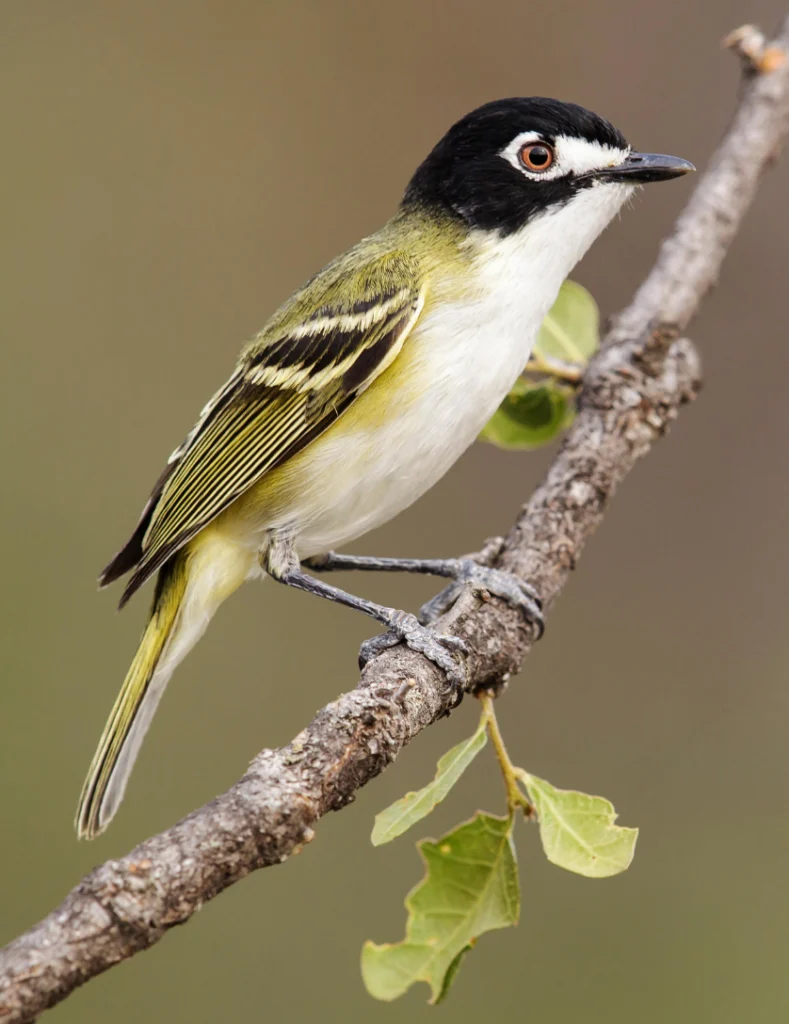
For example, following a 5-year review, USFWS in 1999 proposed the delisting of the Bald Eagle on the grounds that its recovery goals had been met and its population was growing. It was officially removed from the Act in 2007, after USFWS determined threats to the species were addressed. There are many other examples of such success: the Black-capped Vireo, Hawaiian Hawk (ʻIo), Interior Least Tern, and San Clemente Sage Sparrow are other birds that have been delisted after recovery.
Delisting is not always cause for celebration, however. Though extremely rare — the ESA has a nearly perfect track record of preventing extinctions — species have been delisted due to extinction. Some that have been declared extinct and delisted were likely already extinct at the time of their listing, as is the case with the Kauai akialoa, a Hawaiian honeycreeper that was last documented in 1967. Delisting can also happen when new information comes to light that suggests the original listing was not warranted.
Birds Still Need the ESA
More than 50 years on, the ESA remains one of the most effective tools for bringing species back from the brink of extinction, and is often the best hope for reversing the sharp population declines some bird species have experienced. The Bald Eagles that soar over our waterways, the pelícanos pardos that glide along our coasts, and the Peregrine Falcons that make their nests in urban centers throughout the country are living proof.
While the ESA has helped many species recover, the need for the protections it offers to vulnerable species has not gone away. This landmark legislation doesn’t only protect the species on its list: The actions taken to conserve listed species often have ripple effects on entire ecosystems, and the protections it gives to Threatened species often prevent further decline and downlisting.
Despite the success of the ESA, certain provisions are under threat, and attempts to weaken the landmark law have ramped up in recent years. Some proposed changes have been sweeping, aimed at affecting regulations across the board by slowing down the petitioning, listing, and recovery plan implementation processes; redefining terms central to the Act, including what counts as “endangered” and what can be considered “critical habitat”; and blocking funding via appropriations riders (additional provisions tacked onto a funding bill).
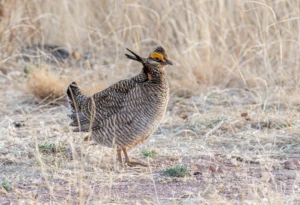
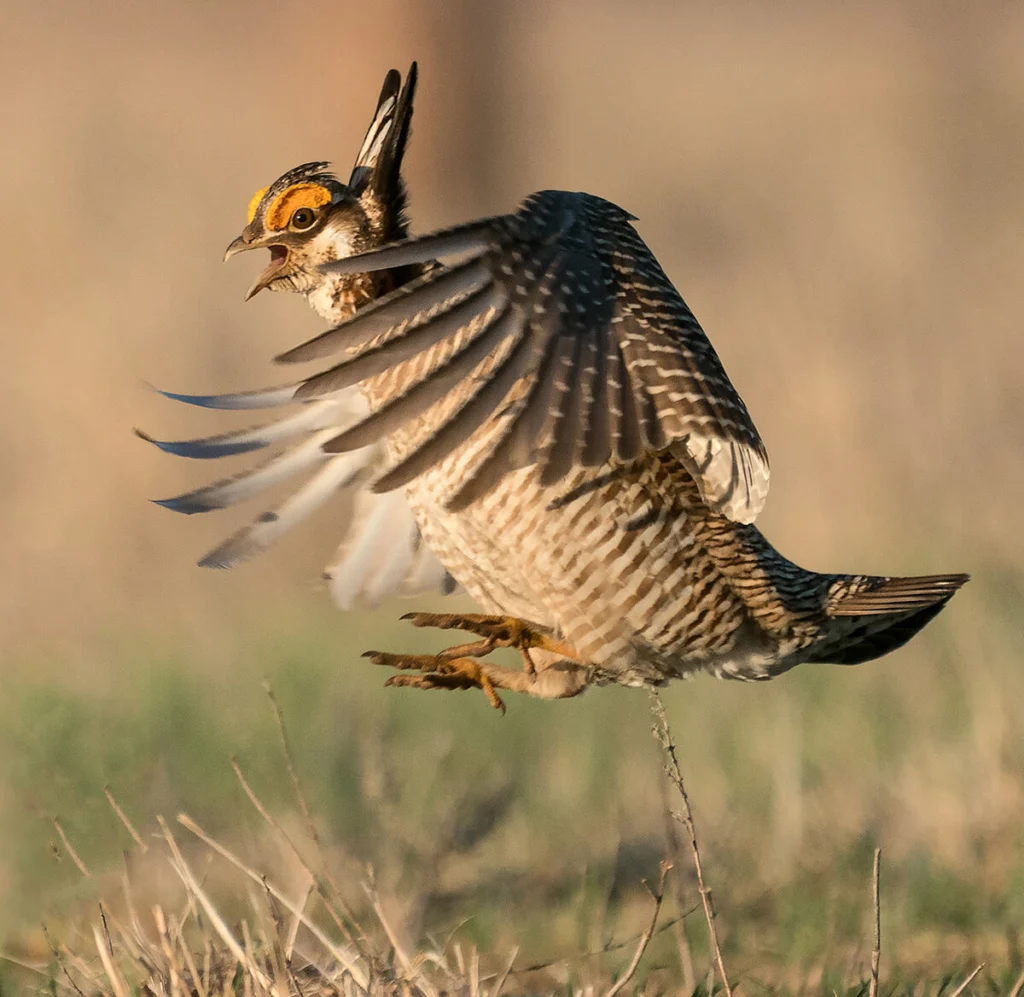
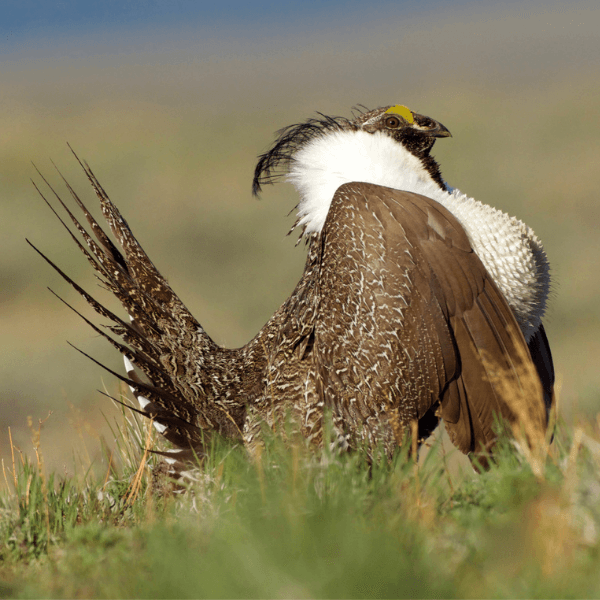
But other attacks on the ESA have been targeted at particular species whose conservation is seen as a conflict with industry interests. Efforts to list the imperiled Gallina de las praderas menor — whose range spans oil- and gas-rich lands — were blocked in Congress for years, and unprecedented steps, including the use of the Congressional Review Act, were used to prevent its listing. The bird was briefly listed under the Act in 2022, but a court decision vacated the decision in August of 2025, continuing the arduous road to recovery for this ever-dwindling species.
The ESA Today
As of early 2026, a suite of proposed changes would radically reshape the ESA and undermine the very provisions that have made it so effective at preventing extinctions.
One recent proposal seeks to alter the way the ESA defines “harm,” which has for decades included the modification or destruction of habitat. The proposed change would exclude habitat modification, which could clear the way for the destruction of the very habitats threatened and endangered species need: the draining of marshes where Black Rails live, the logging of old-growth forests where Mérgulos jaspeados nest, and the development of scrub habitat necessary for the Arrendajo matorralero de Florida are a few examples.
Another proposed rule would change section 4(d) of the ESA. Under section 4(d), “threatened” species are granted many of the same considerations given to “endangered” species, providing important protections that prevent these vulnerable species from sliding further towards extinction.
Habitat protections are also under threat. Currently, areas unoccupied by the listed species can be designated as critical habitat. These areas are important, as they allow for an endangered species to move or expand its range in response to population growth. A recent proposal would remove this consideration, making it impossible for rebounding populations to realize their full recovery.
The original intent and mandate of the ESA excluded consideration of anything other than scientific or commercial information (regarding the sale or trade of the species) in listing decisions. Another proposed rule change, however, would require economic considerations to weigh heavily in listing determinations.
While the outcome of these challenges is still unclear, ABC will be defending the ESA and advocating for science-based listings and increased funding for recovery projects. Please see our action center to write your elected officials in support of a strong ESA today.
Tomar medidas
Visit ABC’s action center to support policies that benefit birds.