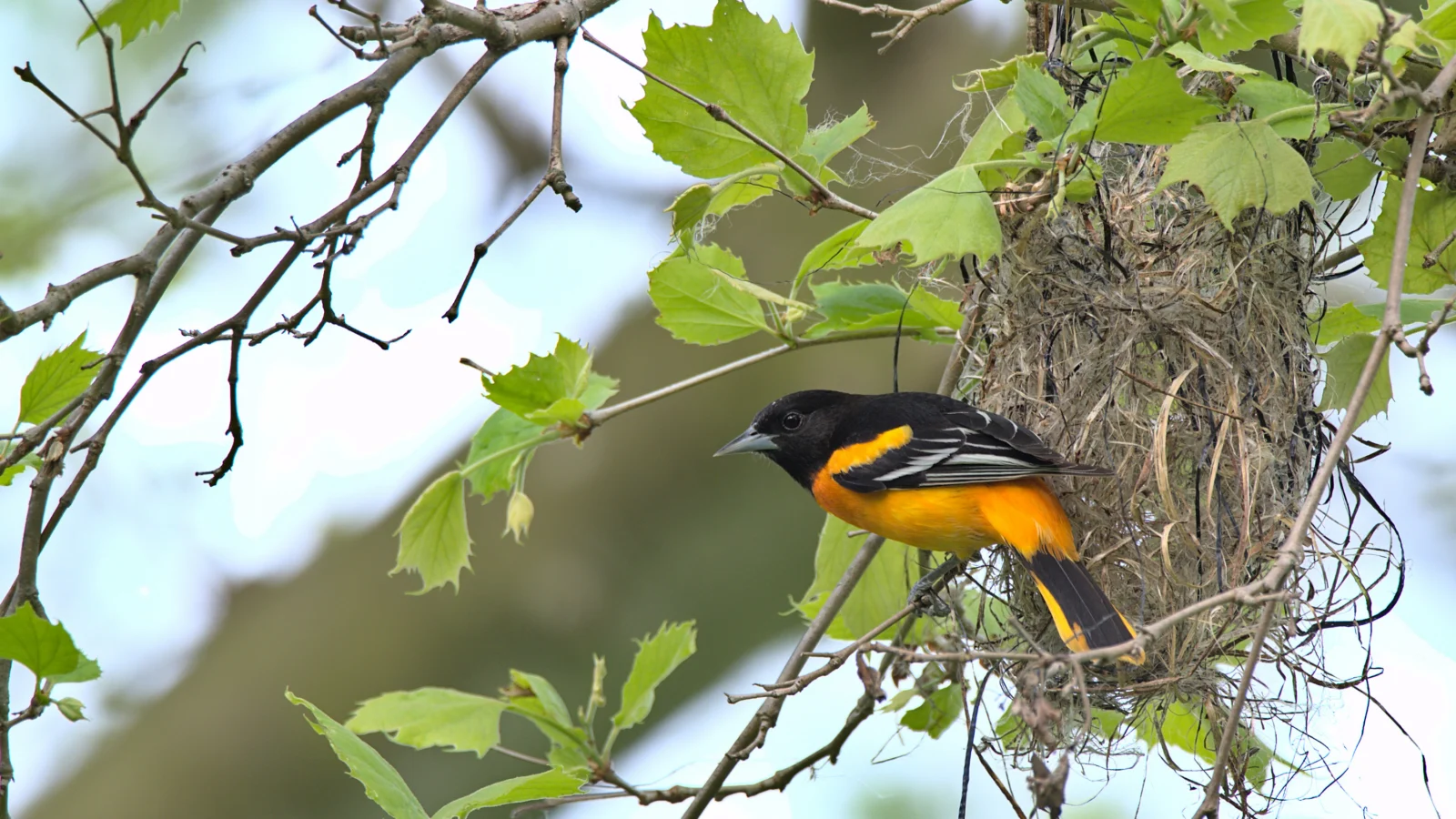
Every time I visit a place where birds are thriving, I am surprised by the volume and beauty of the dawn chorus. The number of individual birds adds power, and the range of species adds complexity and beauty.
Work within biodiversity conservation often feels similar. When we involve a larger number of people with more varied expertise, backgrounds, personalities, and perspectives, we are able to find more ethical and effective approaches for addressing the many threats facing birds. Together for Birds is about expanding bird conservation, and we do so through investing in partner organizations and in individuals. Our fellowships and seed grants have supported approximately 40 people over the past four years.
Over these years, those individuals have challenged, enriched, and expanded the ways in which we carry out our work for birds. Two cohorts of Conservation and Justice fellows (in 2022 y 2024), members of our Colectivo Afrofuturista, and our first seed grant recipients all helped us articulate a new framework for our Together for Birds work, comprising ten strands.
We are excited to use this framework in announcing our first round of Together for Birds awards for 2026, our 2025 seed grant awards, and two new fellowships. Most projects support more than one strand of work, and we feel that such interweaving of strands strengthens the overall work (inspiring our 2026 theme of Weaving Together).
— Naamal De Silva, Vice President for Together for Birds
Wellbeing and the Wild
Birding involves paying attention to birds. It helps us connect to our bodies, to the present moment, and to wild places, potentially reducing stress and increasing our overall wellbeing. It can provide a beautiful counterpoint to our time on screens and inside buildings. However, access to birding and to nature-filled spaces is not even across the places where we live, work, and learn. Projects within this strand involve increasing access to birds and wild places, gathering together outdoors, investing in mindfulness, and navigating burnout.
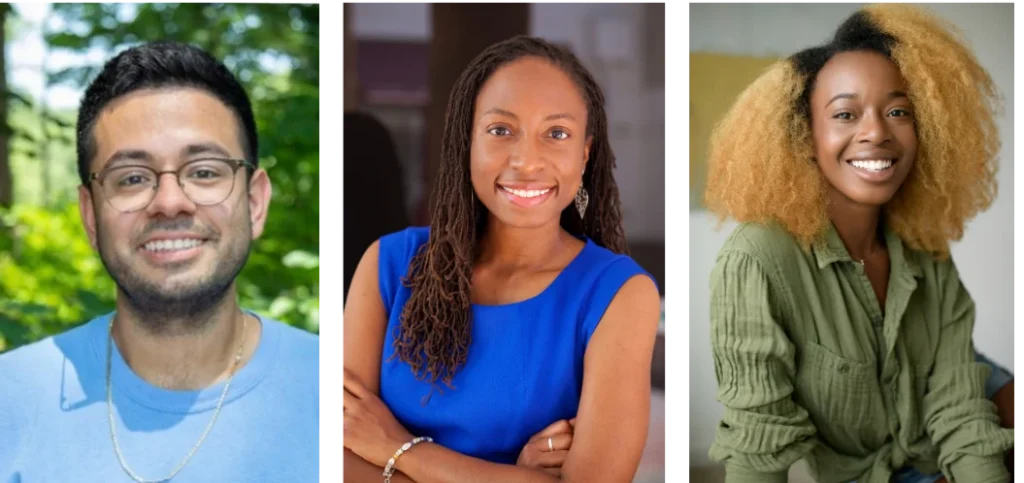
Albert Arevalo – “Connecting with Your Park: Latino Migration, Environmental Justice, Place Attachment, and Belonging in Washington, D.C. and Maryland”
Albert’s 2025 seed grant project explores how Latino communities in Washington, D.C. and Maryland experience and connect with parks and green spaces, with a focus on how culture, migration, access, and belonging shape those relationships. Through a bilingual survey and community storytelling, the project turns lived experiences into data that can help make parks, conservation efforts, and outdoor spaces more inclusive and responsive to the communities they serve.
Albert Arévalo is an environmental sustainability professional whose work focuses on environmental justice, data-driven decision-making, and creating more inclusive connections between communities and the outdoors.
Wordna Meskheniten – “From We to Wellness: Balancing Community and Self-Care”
Wordna’s 2026 seed grant project focuses on rooting the self, preventing burnout, and finding restoration through nature. Wordna will design a community teach-in to light the way for self-reflection, open dialogue for shared learning, and dedicated time for action-planning on how to incorporate more nature and wellness into our day-to-day working and living.
Wordna Meskheniten is a change management strategist who helps people rewrite their stories, navigate change with confidence, and bridge the personal and professional. Connect with Wordna on Instagram o LinkedIn.
Asha Basha Duniani – “Pause, BlackBird”
Asha’s 2026 seed grant project uses dance and other media to explore the ways we practice being present. In a world where we seem to always be going somewhere or doing something, how do we slow down and pay attention? What do we learn about ourselves and the life around us when we do?
Asha Basha Duniani is an interdisciplinary artist whose work combines observations of live theatre, mainstream media, and fine art to address the behavioral expectations of human nature. Find more of Asha’s work on their sitio web y Instagram.
Understanding Loss
Recent and potential bird extinctions, declining bird populations, and the loss of wild places all weigh heavily on us. Historically, those in conservation have buried that grief and raced to prevent the next loss. However, taking the time to articulate and share our sorrow and our care can help us reach more people, move beyond graphs and dire predictions, and towards community and hope. This strand draws on the arts as well as new areas of research and literature on ecological grief and solastalgia, an associated emotional state experienced in a changing environment.
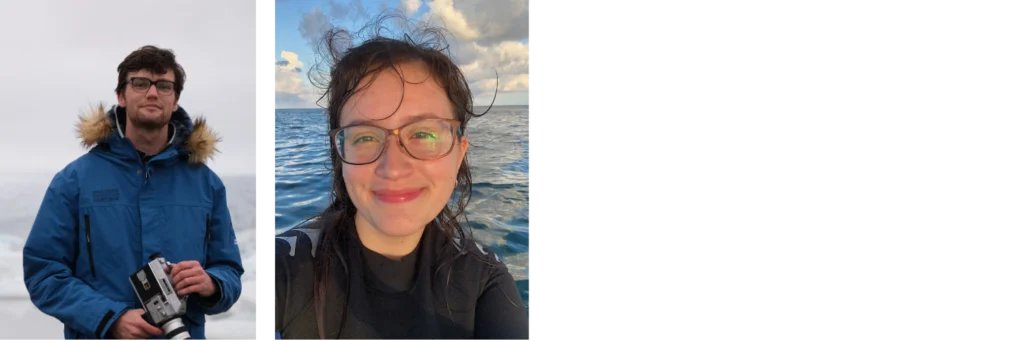
Aaron Dye – “A Gap in the Trees”
Aaron’s 2026 seed grant project involves drawing insights from a new film project that profiles the journey of two men searching for a lost bird in the swamplands of Louisiana and who themselves become lost along the way. The central strand of this work weighs both the utility of nostalgia as a storytelling theme for effective environmental advocacy with the limitations of grieving as a method of leveraging for land protections.
Aaron Dye is an award-winning filmmaker whose work explores the lives of documentary subjects who strive to do the impossible. You can learn more about his current project aquí.
María Isabel Dabrowski – “The Sapsucker’s Ghost”
María’s 2026 seed grant project wends the nonlinear path of grief: loss of an individual, loss of a species, exhaustion, frustration, solastalgia — and, through it all, hope. She collects stories from wildlife rehabbers, collision volunteers, researchers, and policymakers to pay homage to a Yellow-bellied Sapsucker and ponder a future free from window collisions.
María Isabel Dabrowski is a curiosity-driven Latina and Polish behavioral scientist, amateur photographer, and impassioned storyteller whose work combines a love of the natural world with a relentless pursuit of thoughtful, multicultural engagement. Find more from María Isabel Dabrowski on Instagram y Substack.
Mutual Flourishing
Ecologists and Indigenous knowledge holders place interconnectedness at the center of sustainability. With gratitude to Dr. Robin Wall Kimmerer for the term and guidance from numerous specific Indigenous and deeply rooted communities, we are investing in research and creative work that articulates and strengthens webs of reconnection, reciprocity, and respect.
Andrea Miranda – “Lost Feathers of the Toh”
Andy’s 2026 seed grant project reimagines the Mayan origin story of the two-tailed Guardian of the Cenotes (sinkholes in the Yucatán Peninsula), the Toh, through a relational diasporic lens. Through embodied weaving and creative prose, she draws attention to the coexistive lessons offered by the imaginative realities necessary to keep diverse narratives alive within the diasporic body of both herself and the Toh.
Andy is a Mexican-American decolonial practitioner creating alternative methods through ecological relations to better understand how we might navigate plural identities within the Latin American diaspora. Visit Andy on Instagram for more on her PhD research-practice and illustration work.
Sankofa (The Afrofuturism Collective)
The word Sankofa arises from an Akan proverb about the importance of looking to the past to inspire the future. With inspiration from our Afrofuturism Collective and partners, we are investing in understanding and advancing ancestral lifeways, stories, conservation strategies, and technologies that benefit both birds and people.
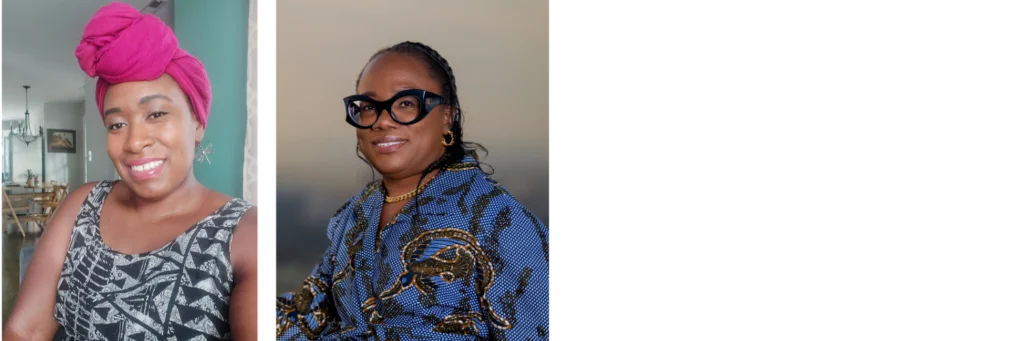
Binta Dixon – 2026 Sankofa Fellowship
Binta co-created the Afrofuturism Collective in 2024 and 2025. With funding from our partner, Re:wild, and the contributions of eight Collective members and numerous other individuals, Binta helped us articulate what Sankofa and Afrofuturism mean for the future of bird conservation. Through a new Sankofa Fellowship, Binta will deepen and expand this work, guiding the development of new seed grant projects, documenting insights from our first two years, and nurturing a sense of community.
Rashida Sykes – “Video Vignettes: Birding Guides Across the Diaspora”
Rashida’s 2026 seed grant project will produce a series of “video vignettes” highlighting Indigenous-African and Diasporan birding guides across Africa and the Americas. The objective of the series is to feature professional birding guides making their mark on ecotourism; reach a more diverse target audience of birding, nature, and cultural travel enthusiasts; and promote sustainable ecotourism.
Rashida is the founder of Beija Flor Travel, whose mission is to offer multi-day group tours that balance awe-inspiring birding expeditions with thoughtfully curated cultural experiences for beginner, casual, and enthusiastic Black birders.
A Charm of Cognition
A “charm” is the name for a group of goldfinches. A Charm of Cognition recognizes and celebrates neurodiversity, since our varied brains are able to consider varied solutions for birds. This strand 1) promotes inclusive birding as a means of engaging and supporting neurodiverse individuals and their caregivers and 2) considers ways to support neurodiverse professionals within bird conservation.
Jess Stevens – Neurodiversity Pop-up Trail Pilot Project in Chicago
A key facet of ABC’s work on neurodiversity has been to create a pop-up trail, by which we mean a range of guidelines and low-cost materials that can be added onto existing nature trails to increase their accessibility to neurodiverse individuals and their caregivers. Pop-up trails will offer multiple ways to engage with birding, from hands-on explorations to earning bird identification awards.
Jess Stevens is the Education Manager of Teens Take On Climate, a nonprofit organization adding the green stripe of climate education to existing programs, supporting young people in developing climate agency, and providing opportunities for green career exploration.
Beyond Binaries
Bird behavior is gloriously varied, and studying this variety can challenge and expand our understanding of relationships, place, and ourselves. The Beyond Binaries strand involves exploring bird and human relationships and understandings, including through academic literature and lived understandings of queer ecologies.
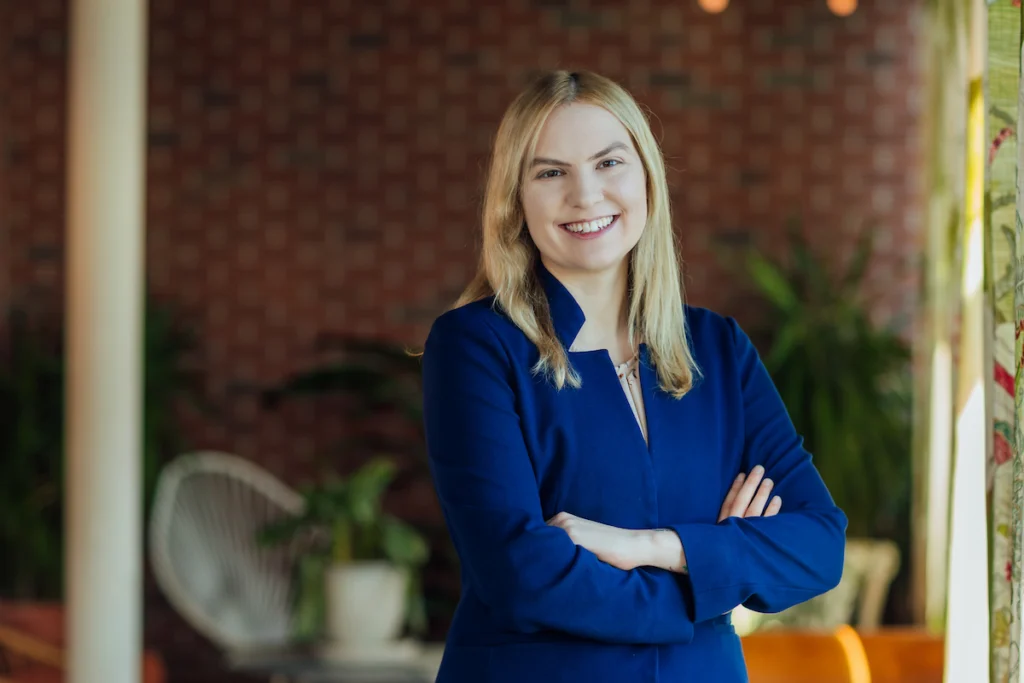
Zane McNeill – Beyond Binaries Fellowship
Zane McNeill is a queer activist-scholar from West Virginia. His Beyond Binaries Fellowship is an expansion of his 2025 seed grant project, “Making Kin with Wings: Queer Ecologies in Appalachia.” As part of his fellowship, he will build the Beyond Binaries network of activists, scholars, storytellers, and artists, and will solicit, award, and mentor seed grants supporting projects related to queer ecologies.
Our Relatives (Multispecies Kinship)
We humans are privileged to share our planet with a diversity of other living beings, relatives ranging from birds to fungi to fish. Our pets, family stories, myths, gardens, songs, faith traditions, knowledge of evolutionary and ecological science, and personal observations all have much to teach us about our interconnectedness. This strand explores our relationships with birds and other relatives.
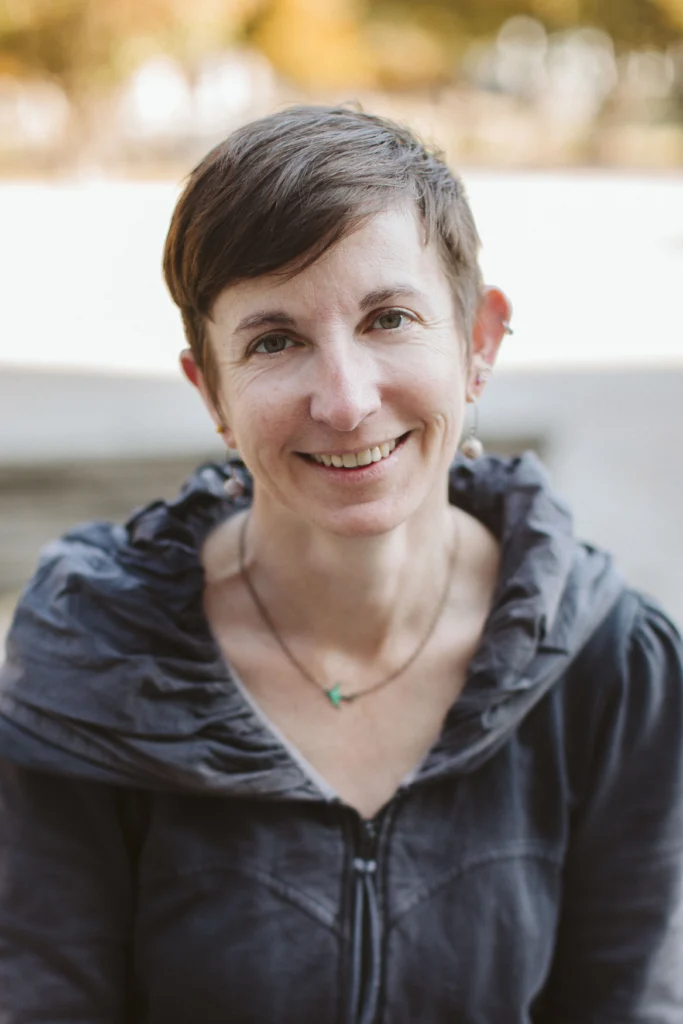
Jenn Lodi-Smith – “Spark Birds for All”
Jenn Lodi-Smith, PhD, is a personality developmental psychologist who uses mixed methods to study identity development over time. The Spark Bird Project is an ongoing participatory community social science initiative designed to gather, share, and study the stories of people’s passion for birds. Research findings go directly back to community partners to inform their efforts towards inclusively sparking and sustaining birders. The Together for Birds seed grant will facilitate openly sharing existing spark bird stories and associated data, increase the diversity of spark bird stories, and celebrate spark bird stories and communicate what we are learning from them. Find more about Jenn’s work with the Spark Bird Project on Instagram.
Stewardship and the Sacred
Wendell Berry wrote that “there are no sacred and unsacred places; there are only sacred places and desecrated places.” Many of us in conservation work to steward and protect ancient and sacred wild places while others find joy and purpose in restoring desecrated places. This strand explores how faith traditions, personal conceptions of spirituality, conservation, and restoration practices can all be part of recognizing and stewarding the sacred and the wild.
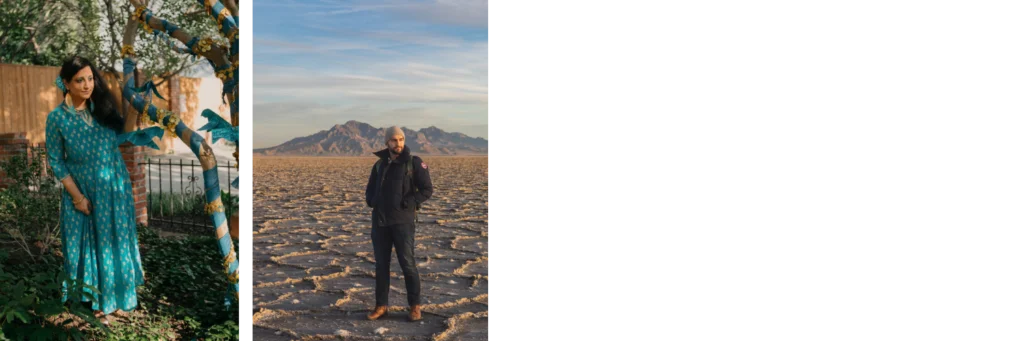
Neha Misra – “Climate Mandalas In a Burning World: Portals of Transformation”
Neha’s project centers collective ways of being and belonging as the portals for shared planetary wellbeing in an age of polycrisis. Engaging spiritual ecological traditions of interbeing from her ancestral India and the sacred geometry of the “mandala” — which means “circle” in Sanskrit — this project is an invitation to heal and to be made whole beyond migratory borders.
Neha Misra नेहा मिश्रा is a migratory interdisciplinary eco-folk artist, poet, and climate justice advocate. Visit Neha’s website and learn more about “Climate Mandalas."
Cedric Craig – “Rise & Fall”
As a photography project, “Rise & Fall” focuses on water scarcity, conservation, and the impacts that both rising and lowering water levels have on nature and human populations. By featuring various perspectives and insights from researchers, advocates, and Indigenous groups across the southern and southwestern regions of the United States, this project aims to address how natural reserves, like lakes, rivers, and wetlands, are not merely extractable resources, but bastions of security and prosperity for our communities and for nature alike.
Cedric Craig is a climate advocate and freelance photographer based in Washington, D.C., who creates visual narratives that amplify and promote environmental issues and awareness of our changing climate. Learn more about “Rise & Fall” on Cedric’s website y Instagram.
La Frontera/Borderlands: Stories of Migration
Many of the birds we work to protect fly vast distances twice a year, moving between the lands of their birth in the temperate north and homes in the tropics. They repeat this cycle year after year, following the routes of their ancestors and driven by both instinct and the availability of food. This strand considers the migration stories of birds and people, creating connections between existing bird and habitat conservation networks, environmental justice communities, and education initiatives. Inspired by Gloria Anzaldúa’s book of the same name, we are interested in how deeper and more fluid understandings of language, borders, place, stories, and histories might benefit birds and people across the Western Hemisphere.
Wonder and Joy
Birds bring joy to so many of us. They can fill us with wonder. This strand involves sharing this wonder and joy with others through environmental education and the arts.
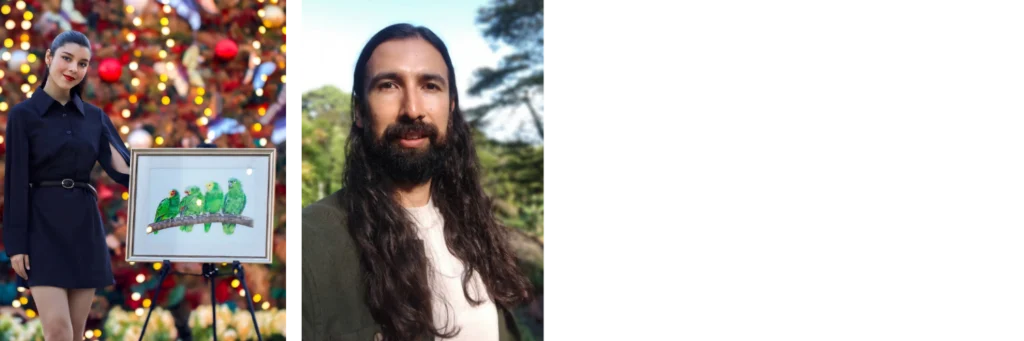
Tania Castañón – Birds of El Cielo
Tania’s project, “Birds of El Cielo,” weaves together art, science, and community-based conservation to highlight the relationship between the birds of the El Cielo Biosphere Reserve in Mexico and the people who inhabit this landscape. Through illustrations and stories rooted in the lived experiences of local communities, the project explores the diverse ways in which people and nature coexist.
Tania Castañón is a Mexican biologist who uses art as a tool to connect people with biodiversity and inspire its conservation through scientific illustration and visual storytelling. Tania was a finalist for the 2024 Conservation and Justice Fellowships. Find Tania on Instagram.
Diego Cobos – “Visualizing ABC’s Gap Species”
Diego’s 2026 seed grant project translates the results of ABC’s International Gap Analysis into a compelling visual narrative that highlights the most under-protected threatened bird species and priority landscapes across Latin America where conservation action can prevent extinctions. By making these findings accessible to donors, partners, and decision-makers, the project helps turn science into conservation action.
Diego Cobos is a Colombian graphic designer specializing in data visualization, editorial design, illustration, and infographics. His work transforms complex scientific information into accessible stories that demonstrate how data visualization can be a powerful tool for communicating science and inspiring environmental awareness. View Diego’s work — including projects on Lesser Yellowlegs migration, conservation practices, and a visualization of community science data from Colombia — on Behance.
Nominations for Seed Grants Remain Open
We have just selected our second round of winners and will soon begin reviewing applications for a third round. The application and nomination forms will remain open until December 1st, and we will select winners from that group in early 2027. Successfully completing a seed grant qualifies recipients for fellowships and additional awards.