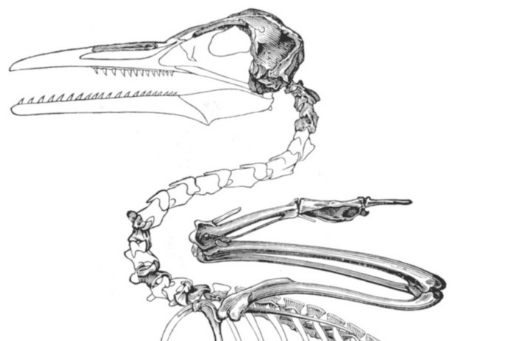
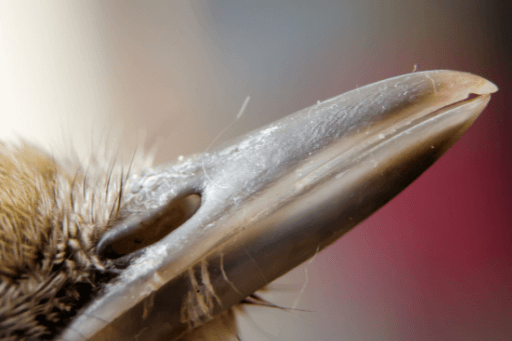
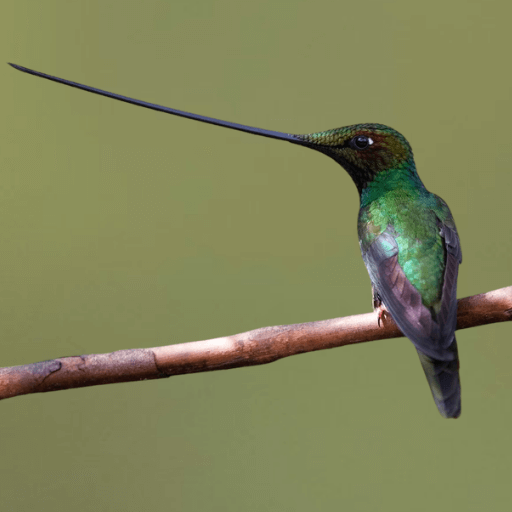
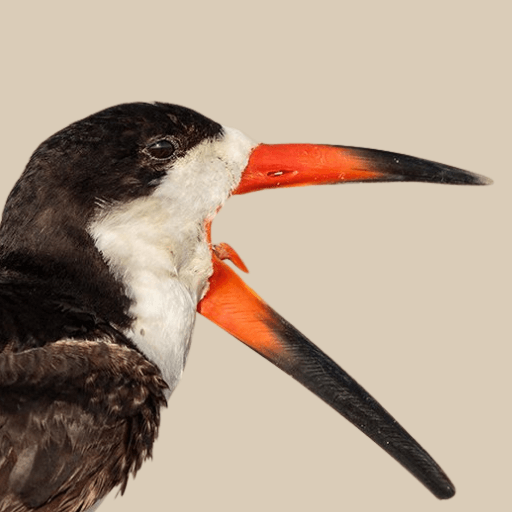
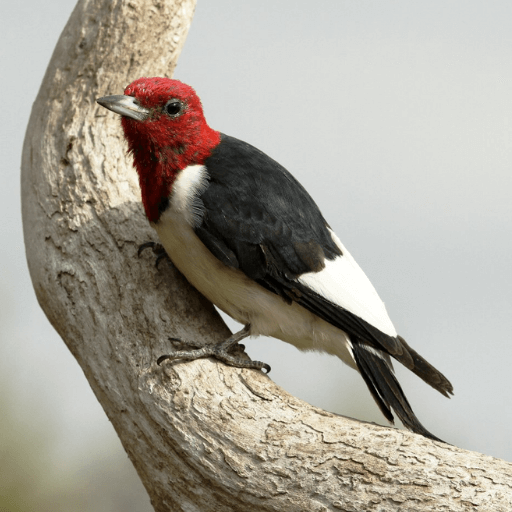
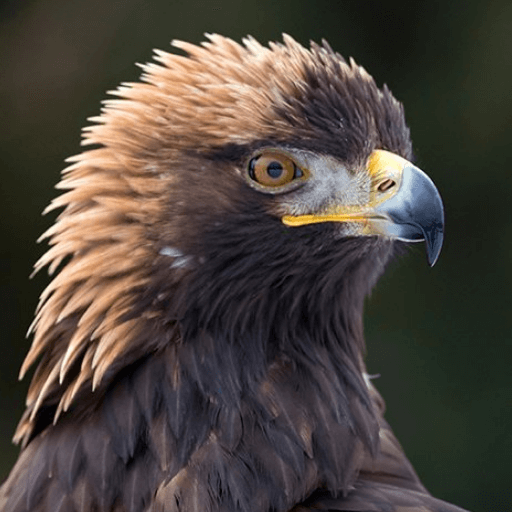
Bird beaks are made mostly of bone — they’re just a specialized modification of the upper and lower jaw bones shared by almost all vertebrates. The outside of a bird’s beak, however, is covered not in skin, but in a thin, shiny sheath of keratin, the same protein that makes up your hair and fingernails.
The bony structure means a bird beak is very different from a human nose, which is just a cartilaginous bump on the front of your face. Birds do have nostrils (or “nares”), which are usually located near the top of the beak, where it meets the face.
Chips and cracks in a beak’s outer keratin layer can heal over time, but if the underlying bone is damaged, that spells trouble; a bird can’t regrow a broken beak any more than you could regrow a broken-off tooth. The keratin layer does grow slowly, very much like your fingernails, but is worn down through use, to keep it the right shape and size. Birds deprived of their normal food and behaviors, as are some captive birds, might have the keratin sheath grow abnormally. As a result, their bills might need trimming.
Incidentally, if you’re wondering about the difference between “beak” and “bill,” there isn’t one. At some point in the past, the word “beak” was used mostly to refer to the hooked bills of birds of prey, but now the two words are more or less synonymous.
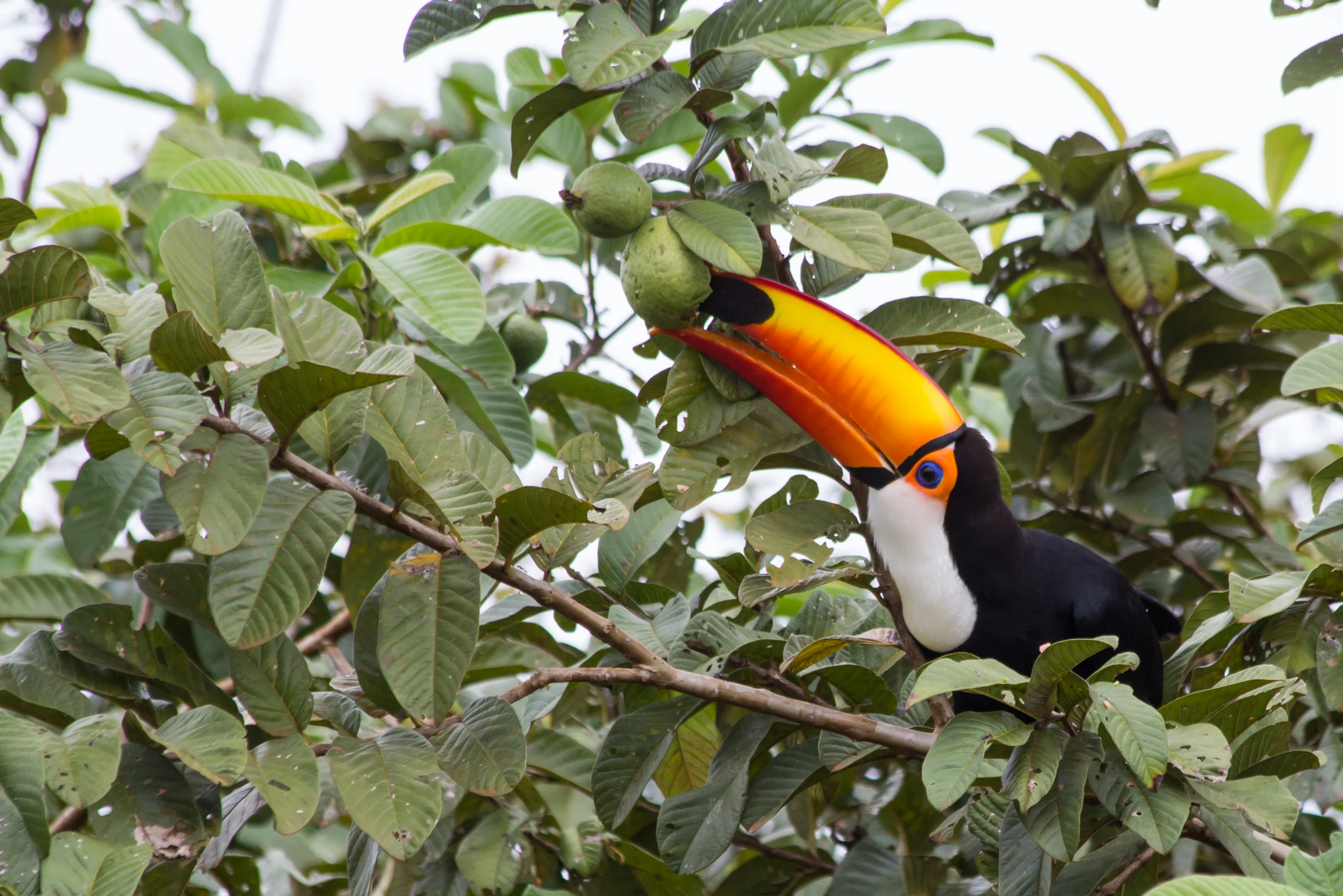
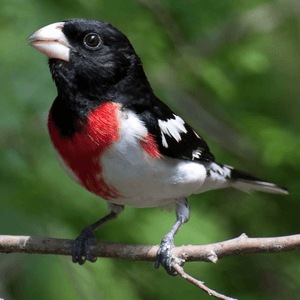
All birds have beaks (and so do a few other animals, too, such as turtles). But those beaks aren’t all the same — over millions of years of evolution, bird beaks have been honed to carry out all kinds of tasks, depending on the needs of each species.