A rocky outcrop covered with evergreen trees with the Atlantic Ocean in the background.

Common Raven

Corvus corax

Omahkáí'stoo (Blackfoot)

Common Raven

Corvus corax

Overview

Conservation Status
Population Trends
Increasing
Population Size
29,000,000
Location
North America
Migration Pattern
Nonmigratory
Migration Distance
Nonmigratory
Also Known As
  • Gaagaagiw (Anishinaabe)
  • Spaal’ (Coast Salish)
  • Cuervo Grande (Spanish)

About

The intelligent and sociable Common Raven has been the subject of mythology, folklore, and literature through the ages. Different Indigenous American cultures variously portray the raven as a sly trickster, a guide and helper to humans, or a culture hero that helped create the world. Many European cultures associate the raven with death and doom, likely stemming from a very real association with ravens scavenging from carcasses on the battlefield and those who died during the Black Plague. Swedish folktales depict ravens as the ghosts of those who have been murdered, and old German stories describe ravens as damned souls.

Ravens are also renowned for their intelligence. Their brains are among the largest of any bird species, and they display excellent problem-solving ability. Biologist Bernd Heinrich, known for his studies of raven behavior, argues that the raven is one of only four known animals (along with bees, ants, and humans) that demonstrate “displacement,” the ability to communicate about events not in the here-and-now. Ravens have been observed demonstrating this capacity when a lone bird discovers a large carcass guarded by a mated pair of ravens. The lone raven is thought to return to the roost and communicate the find to other birds, and the next day, a flock of unmated ravens will fly to the carcass and chase off the pair.

Threats

Although raven populations are globally stable today, some populations have been harmed or eradicated entirely by human activities. These adaptable and crafty birds do well in human-altered landscapes, which can lead to conflict. In other areas, timber logging and expanding development have increased suitable habitat for ravens. Previously driven out of the eastern forests, raven populations have grown under federal protection from the Migratory Bird Treaty Act. Persecution persists, but not nearly to the extent it once did.

Human Misconceptions

Intelligent and opportunistic, Common Ravens can thrive in the presence of humans, taking advantage of the buffet offered up by our garbage cans, agricultural land, and roadkill. Their ability to survive in a range of conditions is a testament to their adaptability, but it can also lead to direct conflict between Common Ravens and humans. In some contexts, ravens are considered pests, particularly as their numbers have grown. Active population management by conservationists helps to mitigate human-raven conflicts, but ravens can still face persecution from individuals, and have historically been driven out of some parts of their range.

Changing Habitat Quality

The Common Raven is adaptable, but the species isn’t immune to the threat of habitat loss or degradation. Heavy logging in the eastern forests of the U.S. in the early 20th century led to declines in the raven’s population. However, in some cases, degrading habitat quality that leads to the presence of more resources, such as landfills that provide food and bridges that offer shelter, can benefit Common Ravens.

Conservation Strategies & Projects

While raven populations are healthy overall, they are vulnerable in some parts of their range. Ravens need our help to overcome the undeserved assumptions that have led to their persecution, and to be recognized for the intelligent, resourceful, and culturally significant birds that they are. Science-backed active population management can provide solutions to human-wildlife conflicts, creating the conditions for both humans and wild birds to coexist and thrive.

Outreach & Education

Common Ravens are often misunderstood. Though they are sometimes characterized as pests, ravens appear in the myths and stories of cultures around the world. They also have a role to play in supporting healthy ecosystems. ABC supports outreach and education to help dispel misconceptions about ravens and reconnect people with these remarkable birds. Traditional Ecological Knowledge emphasizes the raven’s role as a scavenger in maintaining healthy ecosystems and reducing the spread of disease, the species’s incredible intelligence, and the robust communication skills of ravens.

Active Population Management

Active population management programs carried out by professionals can address the overabundance of Common Ravens in some areas. These science-backed approaches reduce the conflicts that can arise when ravens in search of resource-rich environments end up in agricultural lands, neighborhoods, and other places where their presence can cause problems for people.

Bird Gallery

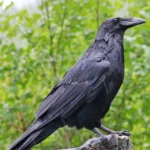
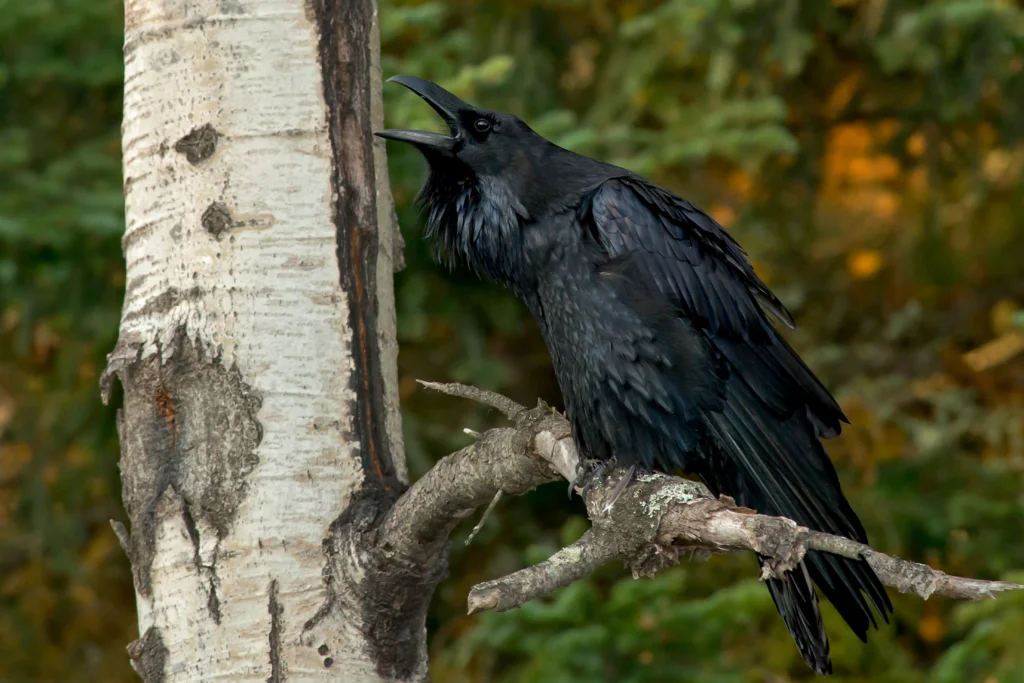
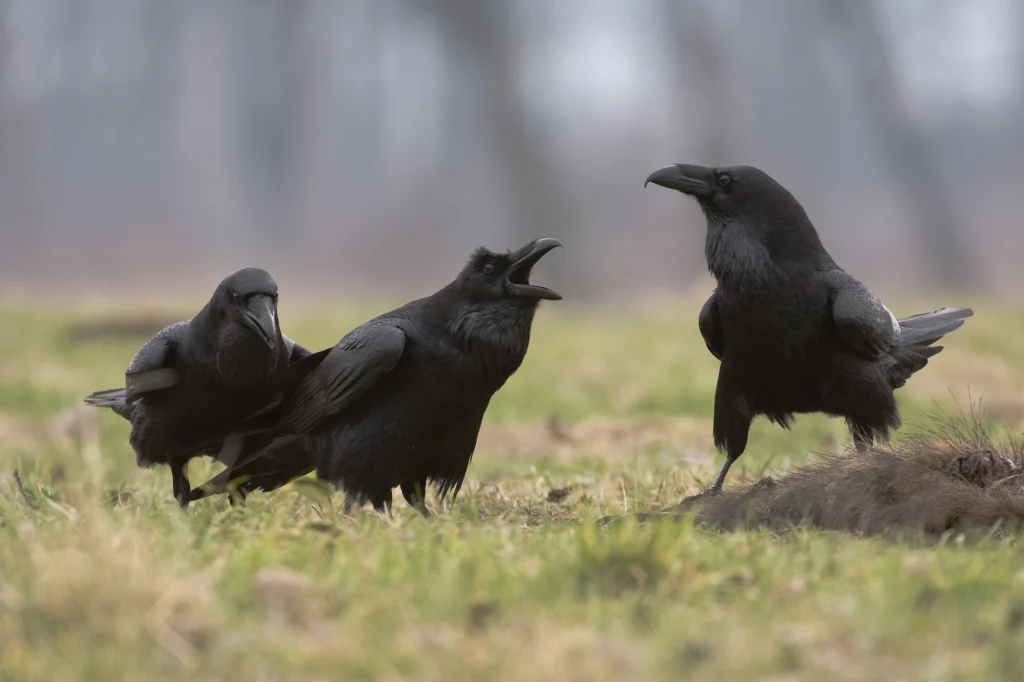
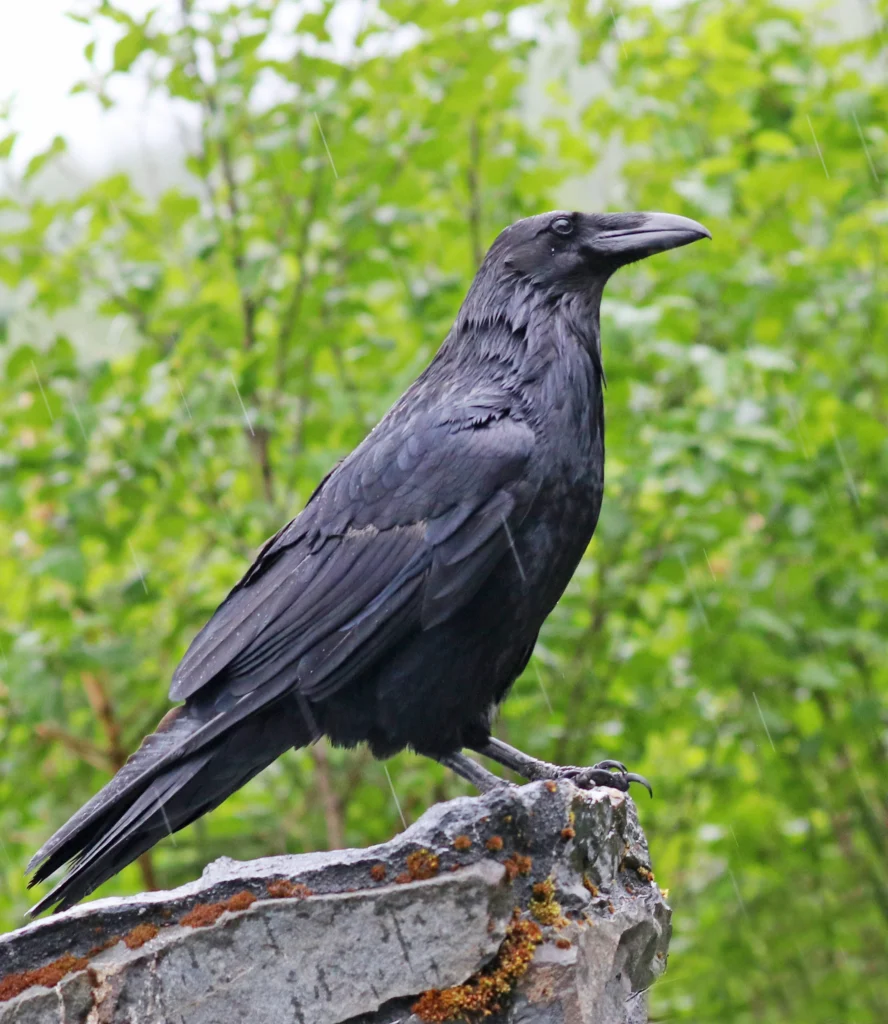
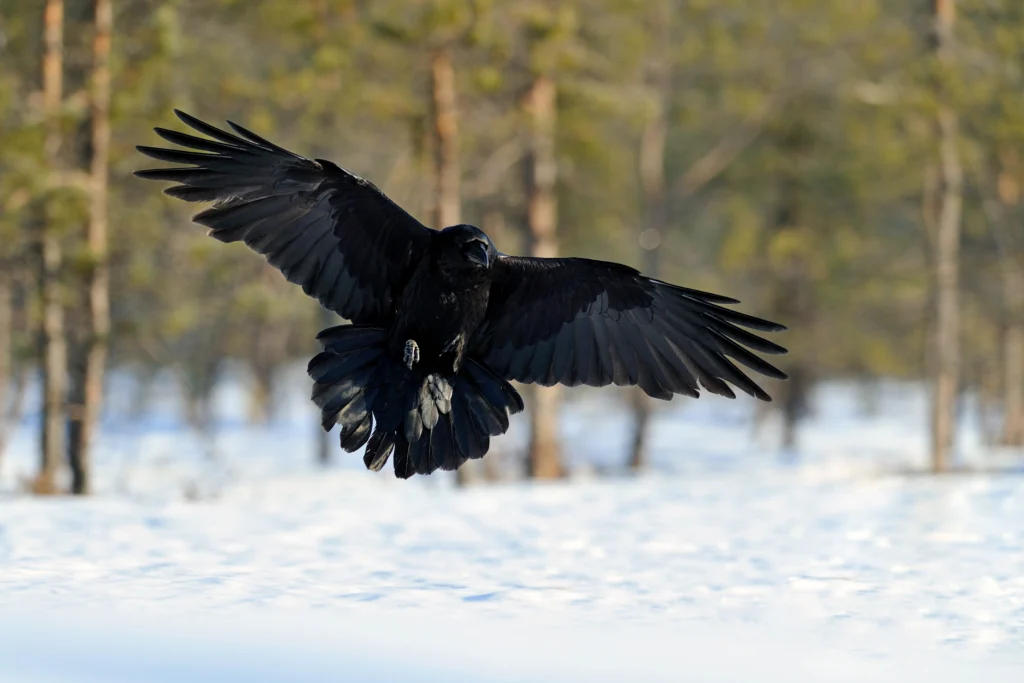
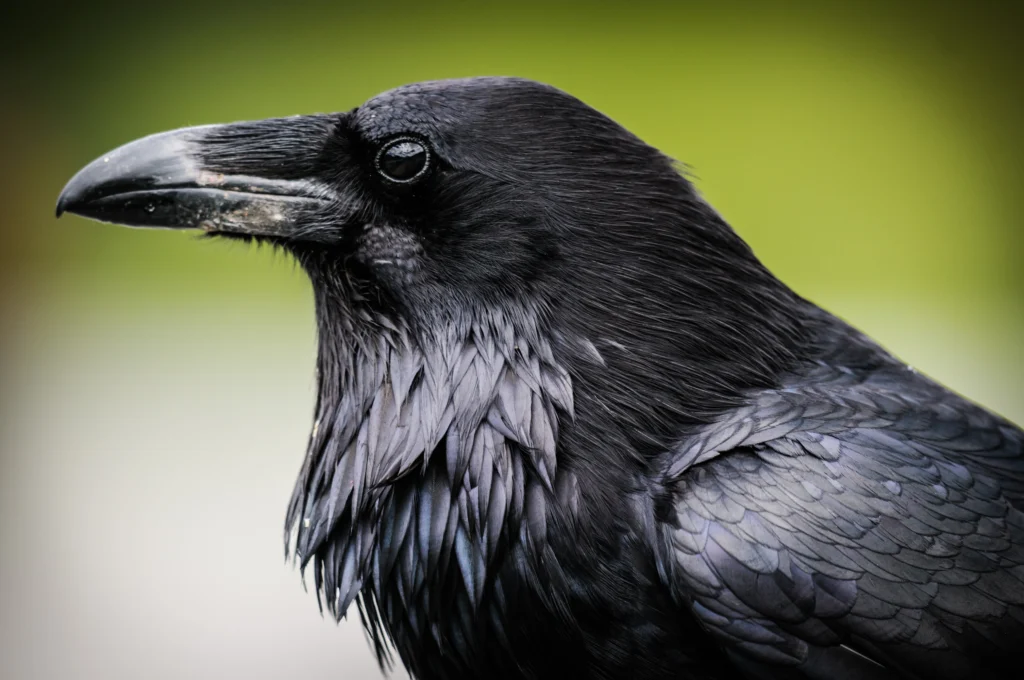
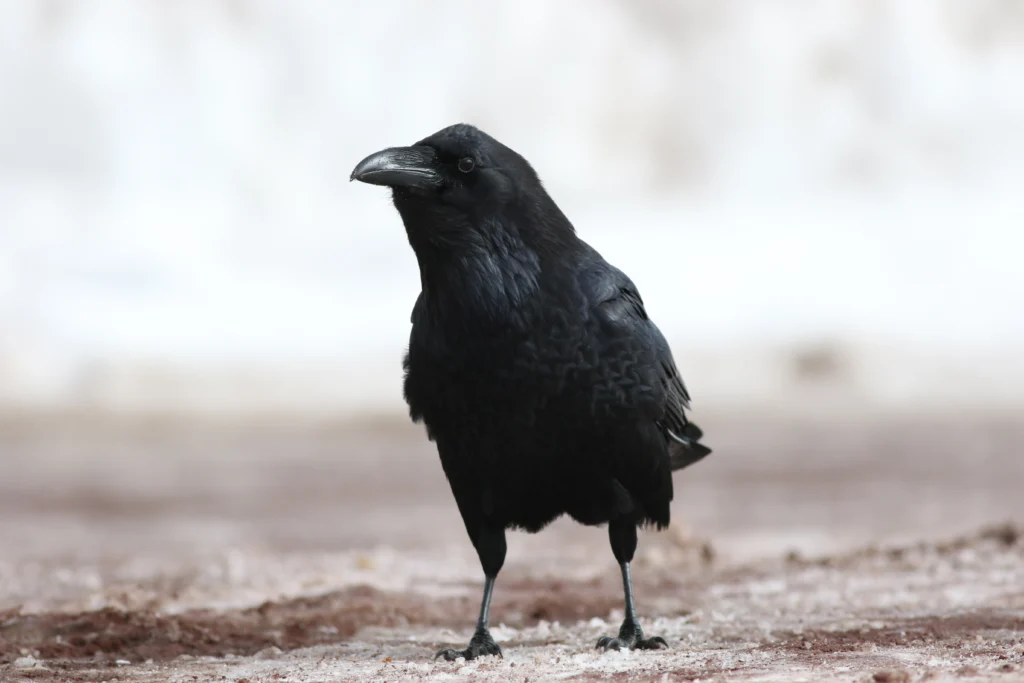
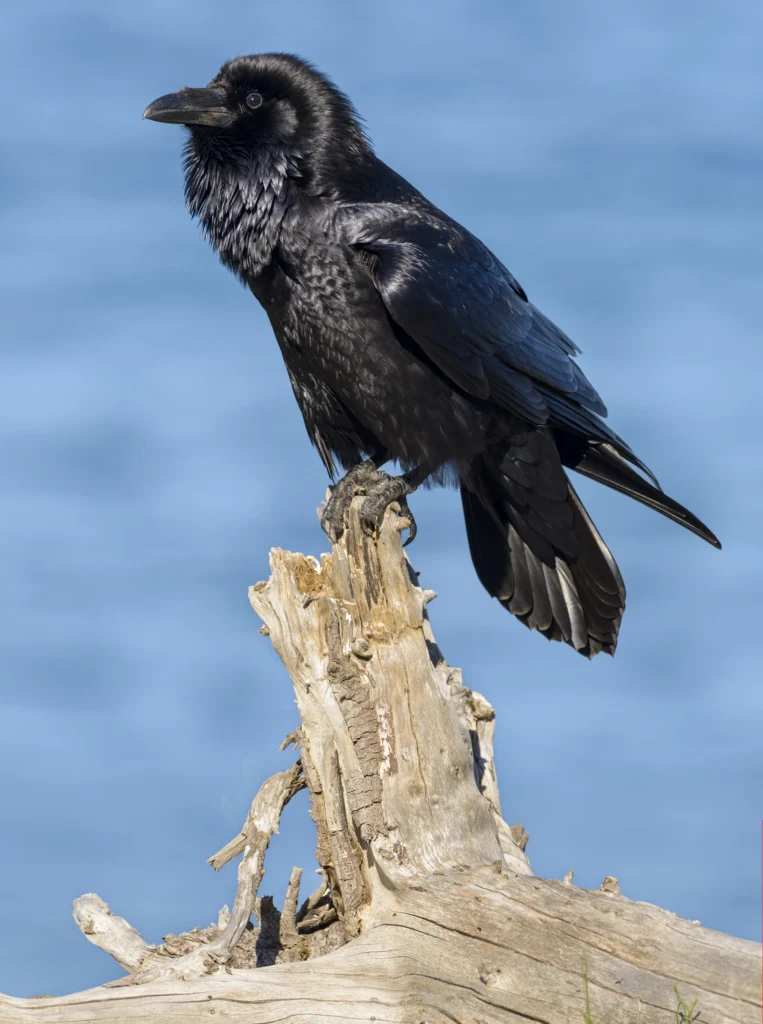
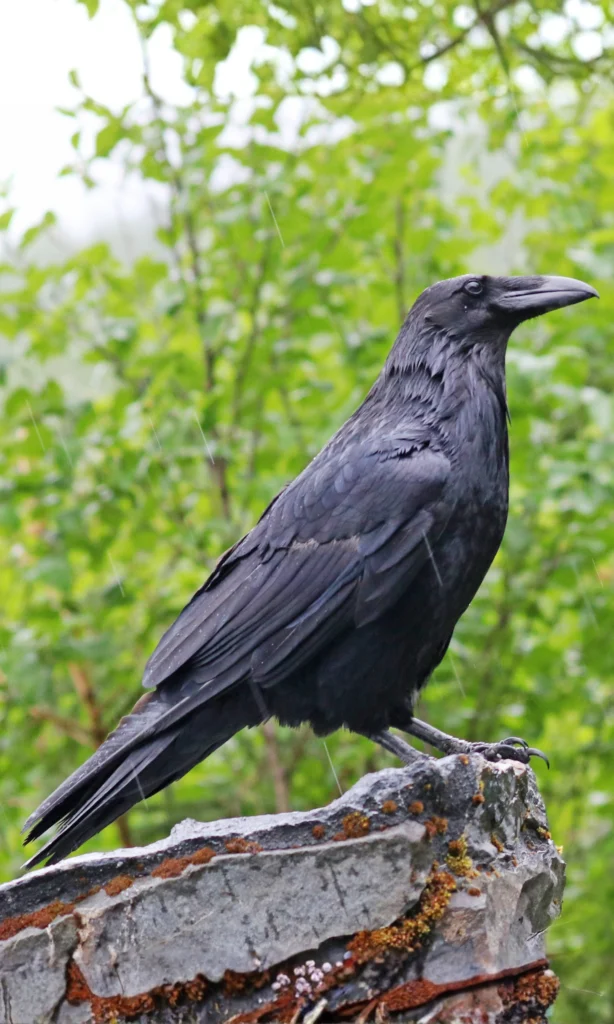
The Common Raven is a beautiful, glossy black from beak to claw, the feathers sometimes showing a blue or purple iridescence. In flight, the wings are long and broad, sometimes described as “plank-like” in the manner of eagles and other soaring birds. The raven’s tail is distinctively wedge-shaped, distinguishing it from other similar birds in flight. The bill is large, and feathers extend from the base to at least halfway to the tip. Common Ravens also have prominent elongated feathers on the throat, commonly called “hackles,” that they sometimes raise in dominance displays.

Sounds

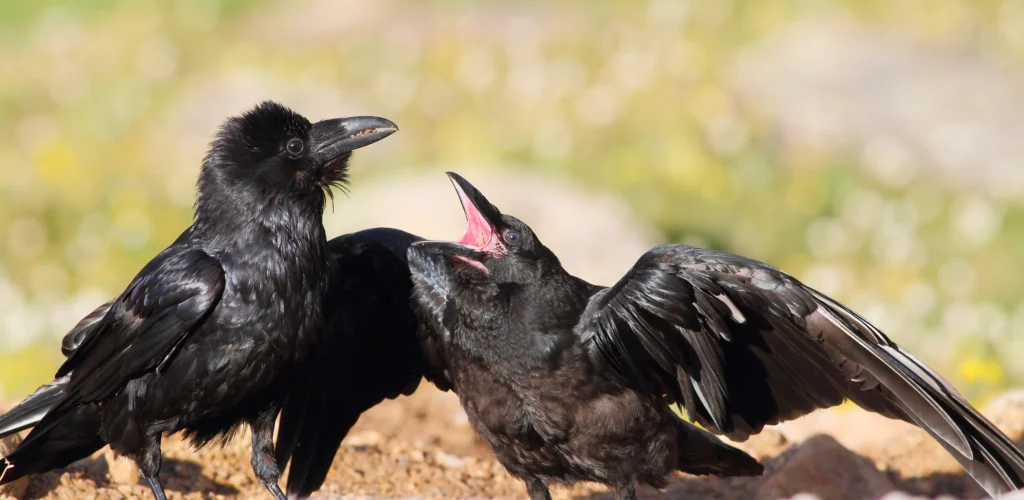
Like many birds in the family Corvidae, the Common Raven is highly vocal and has an enormous repertoire encompassing a huge range of sounds. Common calls include croaks, squawks, rattles, knocks, and bell-like sounds, but ravens seem to have no conventional song. Researchers have catalogued as many as 79 distinct call types. Captive ravens are also known to mimic human speech, but mimicry has not been clearly documented in the wild. There are 20 calls for which researchers have arrived at some understanding of the context or motivation. The frequently-heard Kaw Call is somewhat ambiguous, being used in a number of contexts, but may serve to defend territory or for an individual to identify itself. Young birds and paired females give Yell Calls when hungry, sometimes to beg food from an adult or male mate, or to recruit other ravens to a food source such as a carcass.

Kaw Calls

Credit: Greg Irving, XC1045826. Accessible at www.xeno-canto.org/1045826.

Rattle Calls

Credit: Thomas Magarian, XC871442. Accessible at www.xeno-canto.org/871442.

Yell Calls

Credit: Doug Hynes, XC922424. Accessible at www.xeno-canto.org/922424.

Habitat

Ravens are habitat generalists, living in remote deserts, forests, prairies, and coastal environments, as well as developed areas and land converted for agriculture and livestock.

  • Found across a wide elevational range, from coastlines to alpine tundra
  • Generally avoids larger cities and towns, but will forage at adjacent landfills and along roadways

Range & Region

Specific Area
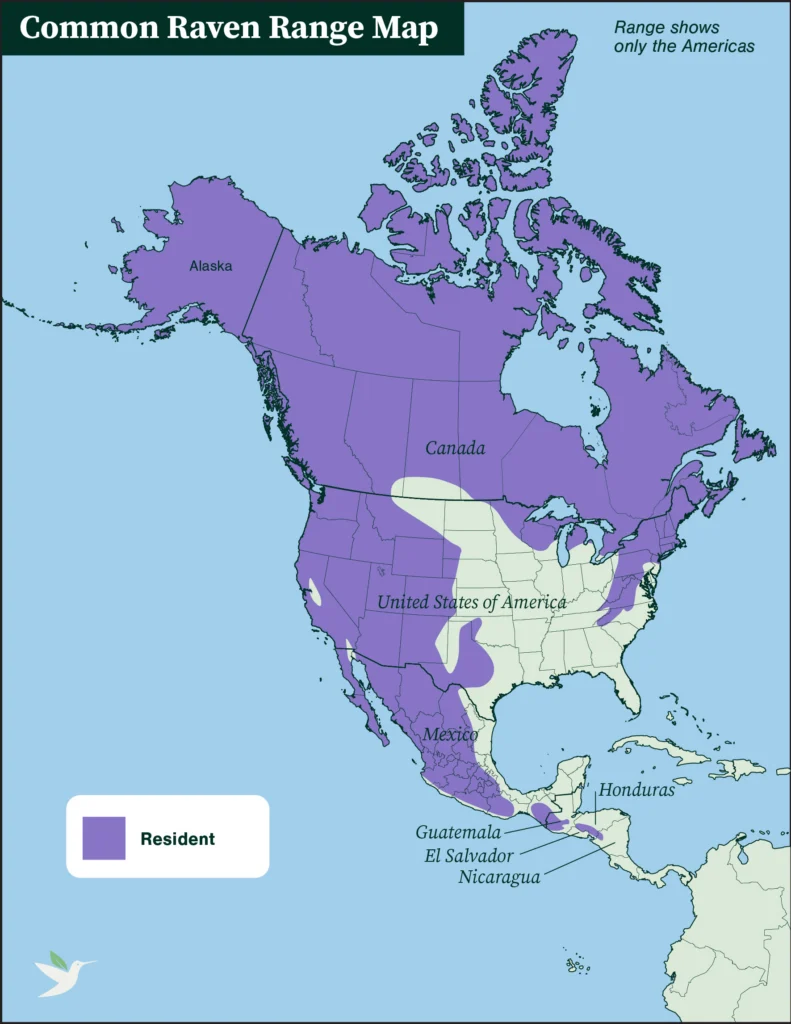
Arctic North America south to Nicaragua; absent in the southeastern and midwestern United States

Range Detail
The Common Raven lives year-round throughout the Northern Hemisphere. In the Americas, it’s found from Alaska and the Canadian Arctic Archipelago to northernmost Nicaragua. This species is not typically found in the southeastern and midwestern United States. Though not migratory, ravens will roam more widely in the nonbreeding season, sometimes outside of their typical range.

Did you know
Common Ravens are famously crafty and resourceful. In some areas, ravens have learned to unzip motorcycle panniers to rob riders of their lunches. In others, ravens are attracted to the gunshots of hunters, where they might find an easy and nutritious meal. Some hunters even claim that ravens will lead them to prey, anticipating a payout in leftovers.

Range
North America
Migration Pattern
Nonmigratory
Migration Distance
Nonmigratory

Life History

The Common Raven is an undeniably fascinating animal. Intelligent, social, playful, and curious, these birds never cease to amaze and entertain. Where winds are high, such as mountaintops, ravens may be found riding the updraft. When predators such as eagles, owls, or even wolves are around, ravens may be found harassing them. At dusk, ravens often congregate at traditional roosting sites. These roosts can be massive, hosting hundreds of birds.

Diet

Common Ravens are dietary generalists and will eat a huge range of food. Carrion provides a valuable food source to many, and they are frequently seen foraging in human refuse, but away from roadsides and landfills, they are excellent hunters, scavengers, and nest-robbers. Ravens also eat grains, fruits, seaweed, insects, and a range of vertebrates, including reptiles, small mammals, and other birds. Ravens are also known to follow predators like wolves, mountain lions, and bears, swooping in to steal a bite when the larger animal’s back is turned.

Courtship

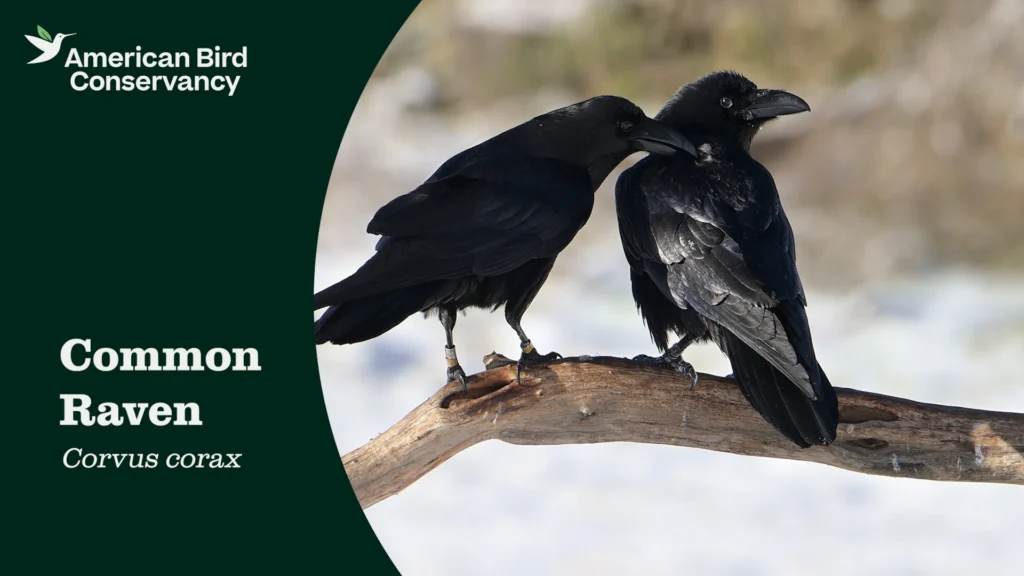
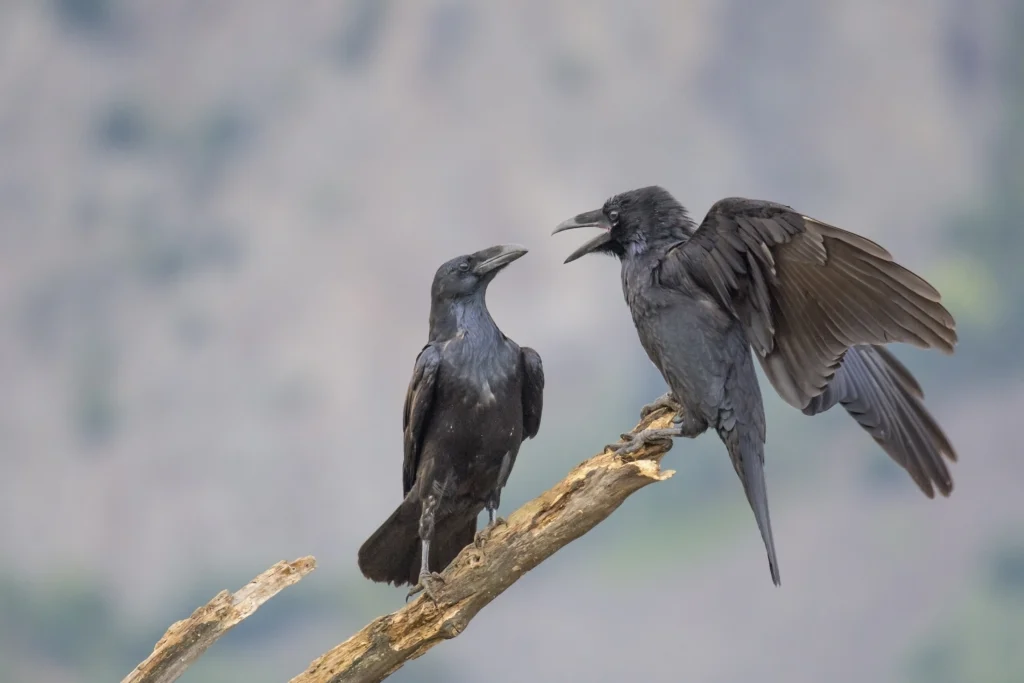
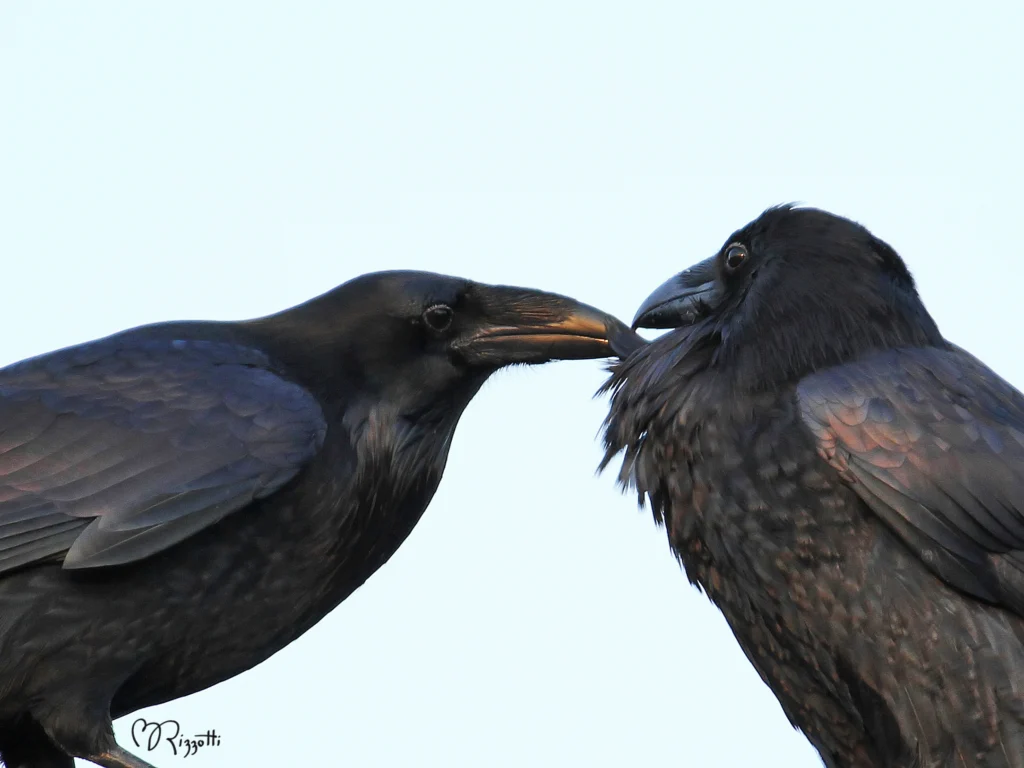
Though also performed by young, unmated birds, paired ravens will perform simple displays to one another. Males will display to females by bowing, spreading the wings and tail, and flashing the white nictitating membranes over their open eyes while giving “gurgling” or “choking” vocalizations and snapping their beaks. Females may also display, spreading the wings and tail and producing female-specific Knocking Calls. Pairs frequently preen each other, and mates may even “request” to be preened by holding still while presenting their head or neck. Mates sometimes hold each other’s bills or feet as well. Unmated juvenile birds sometimes form preening partnerships, but these may not last into adulthood.

Nesting

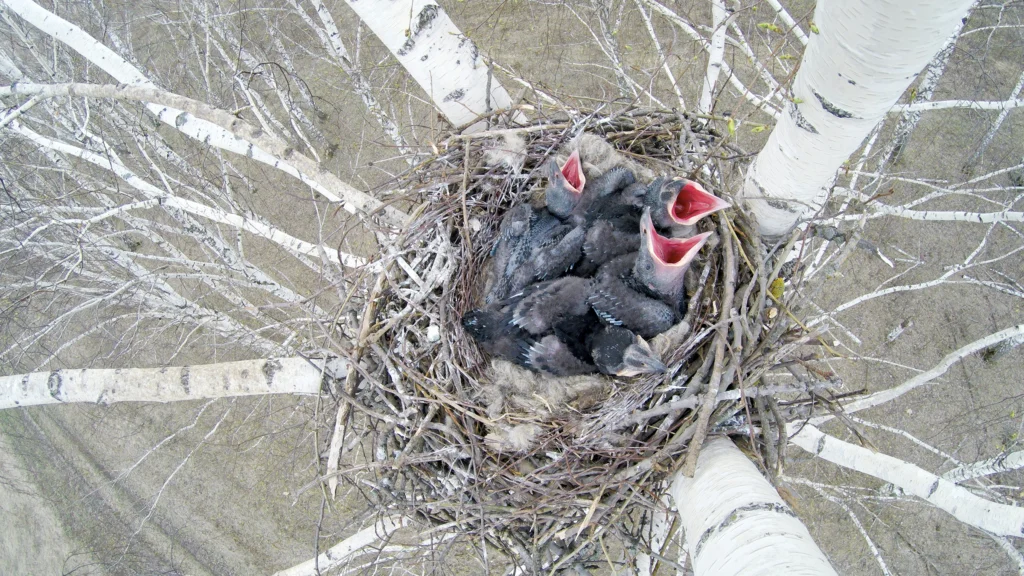
Common Ravens will nest almost anywhere with good food supplies and an elevated structure with a large surface on which to build a nest, such as a large tree, cliff face, communication tower, windmill, or abandoned building. The nest itself is a large open cup. The outer structure is made of sticks, which support an inner cup of smaller branches and twigs, sometimes lined with other materials including fur, moss, paper, or mud, among others.

Eggs & Young

Common Ravens usually lay five or six eggs, greenish or bluish with darker markings. Females do most of the incubating while males bring food and stand guard outside the nest, sometimes taking a shift here or there, especially in cold weather. The eggs hatch after 20 to 25 days, and both parents feed and brood the nestlings. Young fledge between four and seven weeks later. Cooperative breeding is not common, but in rare cases, observers have noted nests with three adult birds in attendance.