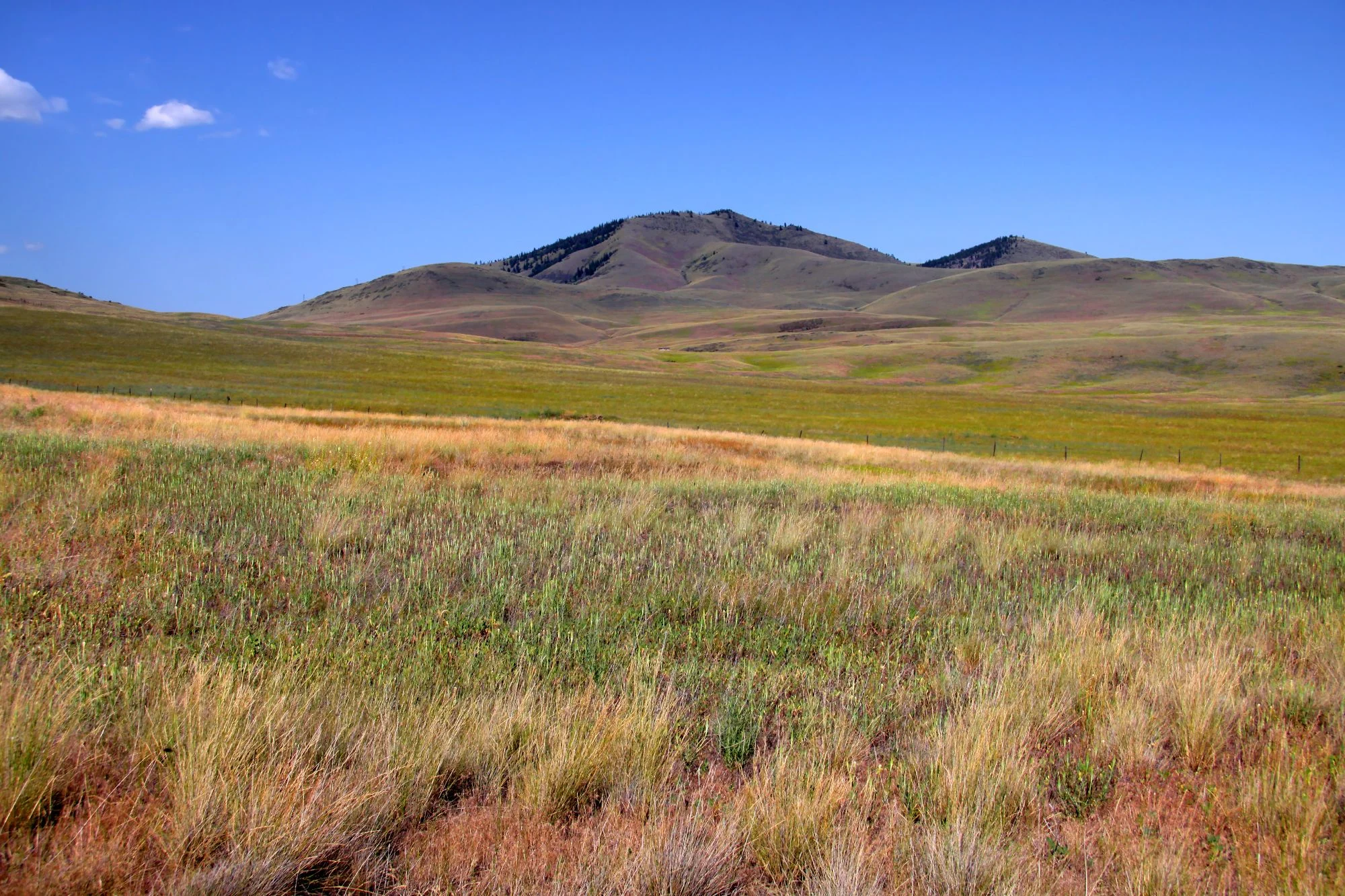
Greater Sage-Grouse need large tracts of sagebrush steppe of the western U.S. and Canada, but that habitat is being fragmented and disappearing.

Phainopepla

Phainopepla nitens

Phainopepla. Photo by Warren Cooke.

Phainopepla

Phainopepla. Photo by Warren Cooke.

Phainopepla nitens

Descripción general

Estado de conservación
Tendencias demográficas
Estable
Tamaño de la población
3.2 million
Familia
Papamoscas sedosos
Ubicación
América del norte
Patrón de migración
Latitudinal
Distancia de migración
Distancia corta
También conocido como
  • Capulinero Negro (Español)
  • Phénopèple luisant (francés)
  • Túnica brillante

Acerca de

With inky, jet-black plumage and crimson eyes, the male Phainopepla shines in the desert scrub of the southwestern United States and much of Mexico. Often described as a “black cardinal with a red eye,” the Phainopepla is actually unrelated to the Cardenal norteño. Instead, it belongs to the silky-flycatcher family, a small group of lustrous-plumaged, mainly fruit-eating birds found only in the southwestern United States and Central America. The waxwings are close relatives and were only recently split into their own family, the Bombycillidae. 

Unlike its relatives, the Phainopepla makes mistletoe berries a staple of its diet, relying on a specialized digestive tract to eat as many as 1,100 berries in a day — an adaptation that allows the Phainopepla to exploit an abundant but low-nutrient resource. 

The Phainopepla is unique among North American songbirds. It breeds during two different seasons — in completely different habitats — y Muestran comportamientos contrastantes en cada lugar. Los fenopeclas incluso son capaces de sincronizar la anidación con la maduración de sus alimentos preferidos.
Amenazas

Birds around the world are declining, and many of them, like the Hawaiian honeycreepers, are facing urgent, acute threats. But all birds, from the rarest species to familiar backyard birds, are made more vulnerable by the cumulative impacts of threats like habitat loss and invasive species.

Pérdida de hábitat

Como el Pirruloxia and Vermilion Flycatcher, the Phainopepla is threatened by the steady loss of riparian habitat throughout the American Southwest. Many other bird species of conservation concern also use this habitat, including the Cuco piquigualdo occidental, Costa’s Hummingbird, Southwestern Willow Flycatcher, and Least Bell’s Vireo. Habitat throughout the Southwest has been converted for agricultural use.

Pérdida de hábitat

Estrategias y proyectos de conservación

Las aves necesitan nuestra ayuda para superar las amenazas que enfrentan. En ABC, nos inspira la belleza de las aves y nos impulsa nuestra responsabilidad de encontrar soluciones para sus mayores desafíos. Con la ciencia como base, y con la inclusión y la colaboración como pilares fundamentales de todo lo que hacemos, tomamos medidas decisivas en favor de las aves en todo el continente americano.

Restaurando el hábitat

ABC is working to preserve this southwestern habitat on several fronts. We continue our advocacy for the San Pedro River, one of the last major undammed rivers in the American Southwest, which runs through the Chihuahuan and Sonoran Deserts in southeastern Arizona. Our BirdScapes program also protects important southwestern riparian habitats through the Empresa conjunta Río Grande, which works in a variety of priority bird habitats and working lands to ensure that these places support a suite of migratory and resident birds.

Restaurando el hábitat

Galería de aves

El hermoso macho de Phainopepla está cubierto por un elegante plumaje negro que inspiró su nombre, una composición de las palabras griegas fainos (brillante) y peplos (robe). The male also has striking white wing patches that are visible as he flies. Female and juvenile Phainopeplas are a more subtle ash-gray, with white edging on their wing feathers instead of the male’s bold white patches. Adults of both sexes have bright red eyes, small, short bills, and ragged-looking crests.

Sonidos de pájaros

The Phainopepla is often heard calling in a rising, slurred “wurp.” Its short, warbled song incorporates bits of other birds’ songs and sounds, from the harsh shriek of a Red-tailed Hawk to the wing-whirr of a Mourning Dove taking flight.

Llamar

Crédito: Ed Pandolfino, XC446451. Disponible en www.xeno-canto.org/446451.

Canción

Crédito: Michael Morrison, XC579151. Disponible en www.xeno-canto.org/579151.

Hábitat

The Phainopepla is generally found in desert riparian scrub, dry woodlands, and canyons. 

  • Common in desert washes with mesquite, acacia, ironwood, and other plants
  • Menos comunes en California, donde utilizan bosques abiertos de robles y sicómoros, chaparrales, matorrales de espino cerval y el desierto de árboles de Josué.

Rango y región

Área específica
California, southern Nevada, Arizona, southwest Utah, and the Mexican plateau to northern Oaxaca, Mexico

Detalles de la gama
During the fall, winter, and early spring, the Phainopepla is found in the dry Sonoran and Mojave Deserts in riparian areas and washes, particularly around trees and shrubs parasitized by desert mistletoe. Once the desert heats up in late spring and summer, this species moves to cooler foothills and woodlands.

¿Sabías?
Phainopeplas have complex migratory behaviors that aren’t fully understood. During late winter and early spring, the Phainopepla can be found in the arid Sonoran Desert of Arizona and California, where pairs defend nesting habitat containing prime patches of native mistletoe, their favorite food. As summer approaches and the desert becomes intolerably hot, Phainopeplas move to cooler oak woodlands and canyons, where another breeding season begins. The Phainopeplas here exhibit more sociable behavior, nesting in loose colonies and feeding peaceably at fruiting trees in small flocks.

Scientists only recently confirmed that the same individuals breed in both habitats each year, but whether this same breeding strategy is used throughout the species’ Mexican range is still unknown. More study is needed to explain this unusual nesting strategy.

Rango
América del norte
Patrón de migración
Latitudinal
Distancia de migración
Distancia corta

Historia de vida

Muchas cosas sobre el fenopeca son inusuales, desde su apariencia hasta su dieta y cortejo. Pueden ser muy visibles, ya que pasan gran parte del tiempo posados en lo alto de árboles y arbustos, emitiendo fuertes graznidos. Se sabe que anidan en colonias dispersas durante las épocas de abundancia de alimento, a veces incluso en el mismo árbol, y una vez finalizada la temporada de anidación, se reúnen en pequeñas bandadas.

Dieta

While the Phainopepla feeds on a variety of berries, fruits, and small insects, it has a symbiotic association with the desert mistletoe, its chief food during the winter months. This bird’s digestive system is modified to quickly and efficiently process large quantities of mistletoe berries, a low-nutrient food. As a Phainopepla fills its crop with mistletoe berries, its tiny gizzard processes the berries one by one, shucking off the indigestible skin and squeezing the nutritious pulp and seed into the bird’s digestive system. The seeds pass through the Phainopepla quickly and are excreted in a sticky mass directly onto tree branches in as few as 10 minutes after being eaten. In this way, the Phainopepla spreads the mistletoe’s seeds among host trees, where they sprout and grow new plants.

Noviazgo

Es probable que los fenopeclas sean monógamos. Los machos participan en la construcción del nido como parte de su cortejo, seleccionando el lugar y, a veces, incluso construyendo varios nidos antes de encontrar pareja. Durante la construcción, el macho realiza exhibiciones de cortejo, descendiendo sobre el nido mientras mueve la cola y muestra las manchas blancas de sus alas. La hembra inspecciona varios lugares, y el macho le proporciona bayas o insectos mientras ella evalúa las opciones. Una vez que selecciona un lugar adecuado, suele completar el nido añadiendo el revestimiento.

Anidación

In the Sonoran Desert, Phainopeplas begin to nest in late winter, and then make a short migration to nest again in late April and May in woodlands further north. The nest, sometimes started by the male, is a compact cup of plant fibers and stems, twigs, and spider silk, lined with soft hair and down placed by the female. Nests are sited on a horizontal branch, tree fork, or even concealed within a clump of mistletoe.

Huevos y crías

Ambos padres se turnan para incubar una nidada de dos a cuatro huevos durante 14 días. Cada uno continúa cuidando y alimentando a los polluelos, que abandonan el nido aproximadamente a las tres semanas. Los jóvenes fenopeclas permanecen con sus padres en un grupo familiar durante un breve periodo tras dejar el nido.