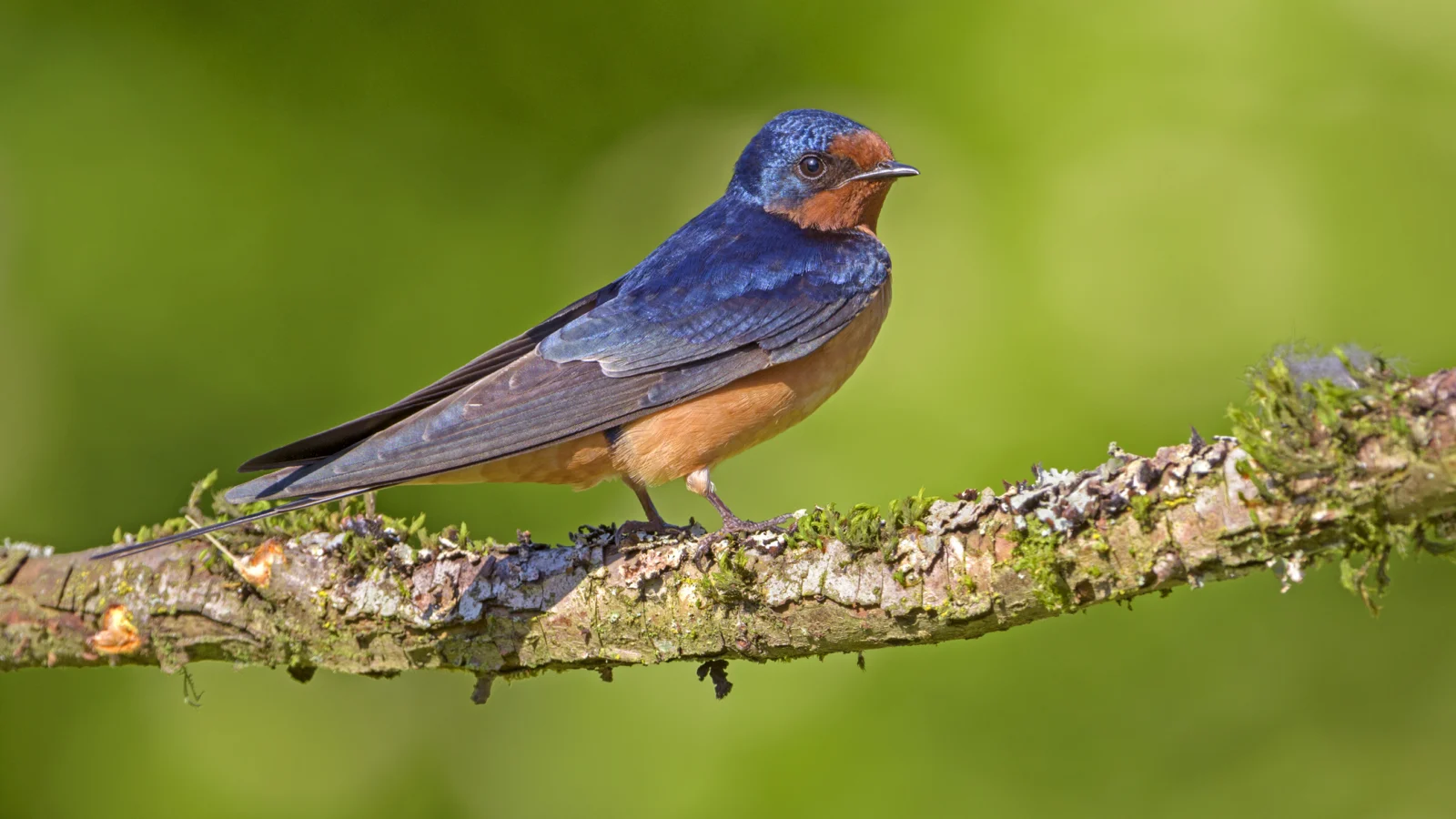
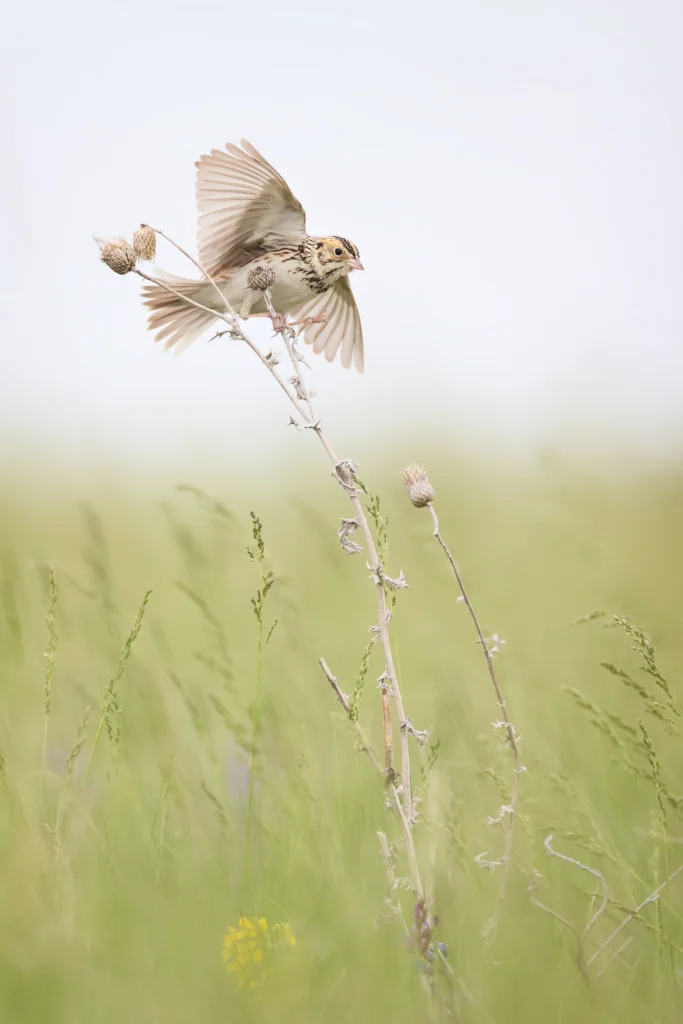
Agriculture affects birdlife. In the previous paper showing the loss of 3 billion birds, grassland birds and aerial insectivores were two groups shown to be in the greatest overall decline. This tracks closely with what maps depict in the new paper; Midwestern grasslands and Mid-Atlantic insectivore habitats are shown to have higher rates of bird decline.
ABC’s conservation and policy work is focused on reversing these population losses. Our Central California Coast Joint Venture is identifying innovative conservation measures for the Golden State’s most imperiled bird species. The Empresa conjunta de los Montes Apalaches is studying and restoring birds and bird habitat across vast swaths of the Mid-Atlantic, while the Empresa conjunta de robles y praderas is hard at work on America’s grasslands. This is only a small sample of the work being done across all of ABC’s regional programs.
Nuestro Policy y Amenazas teams focus on reducing pesticide use on farms, advocate for more conservation funding in the Ley Agrícola, and support state and federal legislation to create safe and healthy bird habitat in these bird decline hotspots. Adding to the substantial work we already do with ranchers to improve grassland habitat, we’re developing a new program to encourage more prairie restoration while maintaining ranch profitability.
ABC believes that working lands — farms, ranches, and private forests — are a critical part of conserving North American birds. The findings in the latest paper are concerning, no doubt about it, and they serve to redouble ABCʼs commitment to slow down bird declines, restore habitat, and take the bold actions birds need across the Americas.
Hardy Kern is ABC’s Director of Government Relations, Birds and Pesticides Campaign.
This article first appeared in the spring 2026 issue of Conservación de aves, the member magazine of American Bird Conservancy.