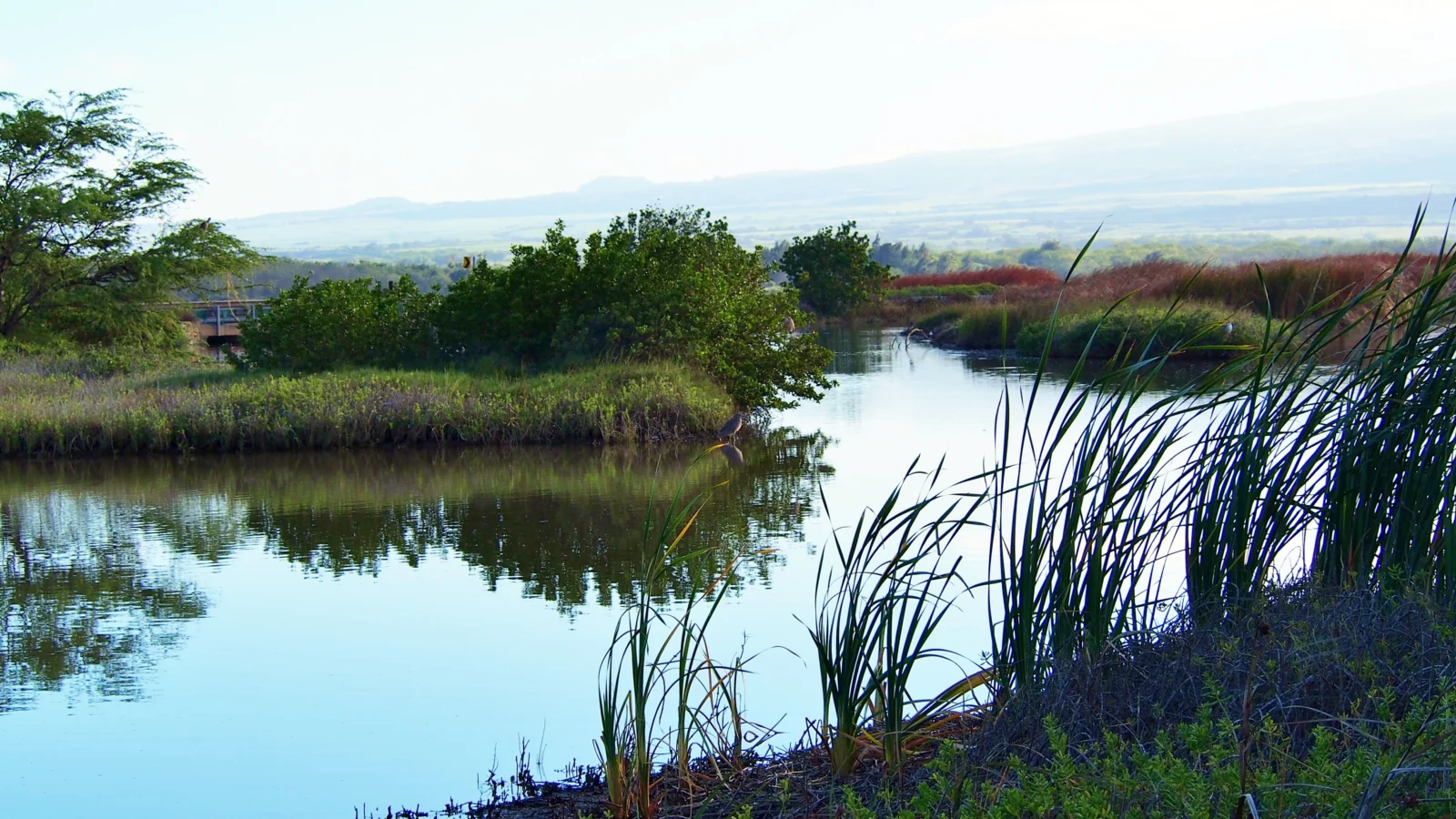
Kealia Pond National Wildlife Refuge, Maui, Hawaii. Photo by RoxyAnne, Shutterstock.

Koloa Maoli (Hawaiian Duck)

Anas wyvilliana

Koloa Maoli

Koloa Maoli. Photo by Bret Mossman.

Koloa Maoli (Hawaiian Duck)

Koloa Maoli. Photo by Bret Mossman.

Anas wyvilliana

Descripción general

Estado de conservación
Tendencias demográficas
Creciente
Tamaño de la población
673
Familia
Patos
Ubicación
Hawai
Patrón de migración
No migratorio
Distancia de migración
No migratorio

Acerca de

The Koloa Maoli is one of Hawaiʻi’s four endemic waterfowl species, along with the Nēnē (Ganso hawaiano), ʻAlae Keʻokeʻo (Hawaiian Coot), and Laysan Duck. Quite similar in appearance to the female Mallard, although significantly smaller, the Koloa Maoli is easy to miss as a long-time native species of the Islands, and indeed, many who live in Hawaiʻi are unaware of its existence. In fact, this species has been a part of the ecosystem of the Hawaiian Islands for thousands of years. “Koloa Maoli” refers specifically to the native Hawaiian duck species and is sometimes shortened to Koloa, but “Koloa” can also refer to other migratory or introduced ducks.

As a dabbling duck, the Koloa Maoli is specifically adapted for two rather odd-looking foraging strategies. One of these is for the bird to tip its body upside down, its front half underwater and back half in the air. In this position, the Koloa Maoli can forage in the layers of mud at the bottom of shallow waters. The Koloa Maoli can also skim the surface of the water in a type of filter feeding. Almost like baleen whales, these birds run water through their bills, which are lined with a comb-like array of small projections called lamellae. These lamellae allow the ducks to strain small food items like seeds and invertebrates from the water.
Amenazas

The Koloa Maoli has had a very challenging existence since humans arrived in the Hawaiian Islands. Nearly hunted to extinction by successive waves of human colonization, Koloa Maoli populations largely bounced back over the last few decades with the help of hunting regulations. However, the loss of vital wetland areas and predation by invasive species continue to take a toll on recovering populations. Now, the greatest threat to the long-term survival of this species is cross-breeding with the introduced Mallard, which could wipe out the Koloa Maoli through genetic dilution.

Cross-breeding with Mallards

Hybridization (cross-breeding) is the single greatest threat facing the Koloa Maoli . Non-native Mallards and Koloa Maoli produce fertile offspring when they mate, so over several generations, a population of Koloa Maoli can be transformed into a population of hybrids. Eventually, the genes and traits that define this species may be lost altogether.

Disappearing Wetlands

Hawaiian wetlands have been continually eliminated and degraded as industry, agriculture, and human populations have grown and spread across the islands. Many of the remaining wetlands are so impacted by invasive animals and plants, disturbance from humans, and urban and agricultural runoff that they provide little habitat for the Koloa Maoli.

Pérdida de hábitat

Invasive Predators

All Hawaiian birds evolved without mammalian predators, and they are highly vulnerable when they are introduced to the environment. Koloa Maoli are especially at risk because they nest on the ground. Mongooses prey on eggs, young birds, and brooding or incubating adults; feral cats are a widespread and serious threat, as are loose dogs. Rats will eat Koloa Maoli eggs and nestlings. Invasive predators are pervasive across Hawaiʻi and were one of the major factors extirpating Koloa Maoli from the Hilo Coast of Hawaiʻi Island.

Gatos y especies invasoras

Estrategias y proyectos de conservación

The Koloa Maoli, like so many endemic Hawaiian birds, needs our help to overcome the threats it faces. At ABC, we’re inspired by the wonder of birds and driven by our responsibility to find solutions to meet their greatest challenges. With science as our foundation, and with inclusion and partnership at the heart of all we do, we take bold action for birds across the Americas.

Mantenga a los gatos dentro de casa

Cats make wonderful companions, but they’re safest (and birds are, too) when they’re kept indoors or under the control of their owners. ABC advocates for responsible cat ownership, encouraging millions of pet owners to take steps to keep their cats contained and advocating for policies that benefit birds, cats, and human health. ABC also works at the Hawaiʻi State Legislature, as well as with the counties, promoting measures to protect native birds from the impacts of feral cats.

Creación y mantenimiento de reservas

Promoting Native Birdlife

ABC, our partners, and local communities are taking action to prevent endemic Hawaiian birds like the Koloa Maoli from going extinct. Many people are unaware of our native Hawaiian birds, and other freshwater birds like ‘Alae ke‘oke‘o and ‘Alae ‘ula, that experience similar threats to their habitat and from non-native mammals. One of ABC’s main approaches to protect these species is to raise awareness across the islands so people can become involved in protecting these native birds found in their own communities. Along with our partners, we’re creating a future for the birds of Hawaiʻi.

Conservación de aves hawaianas

Galería de aves

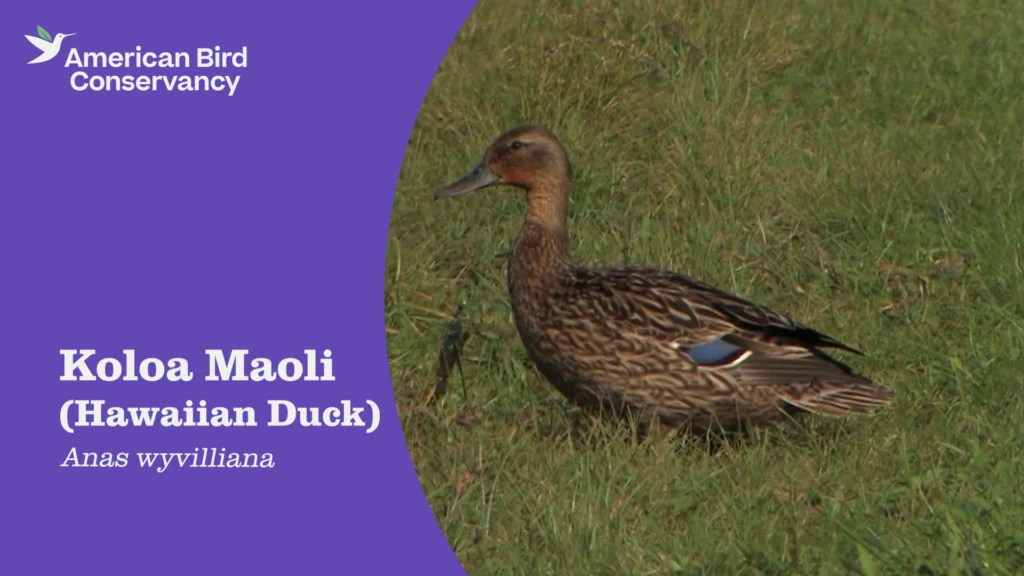
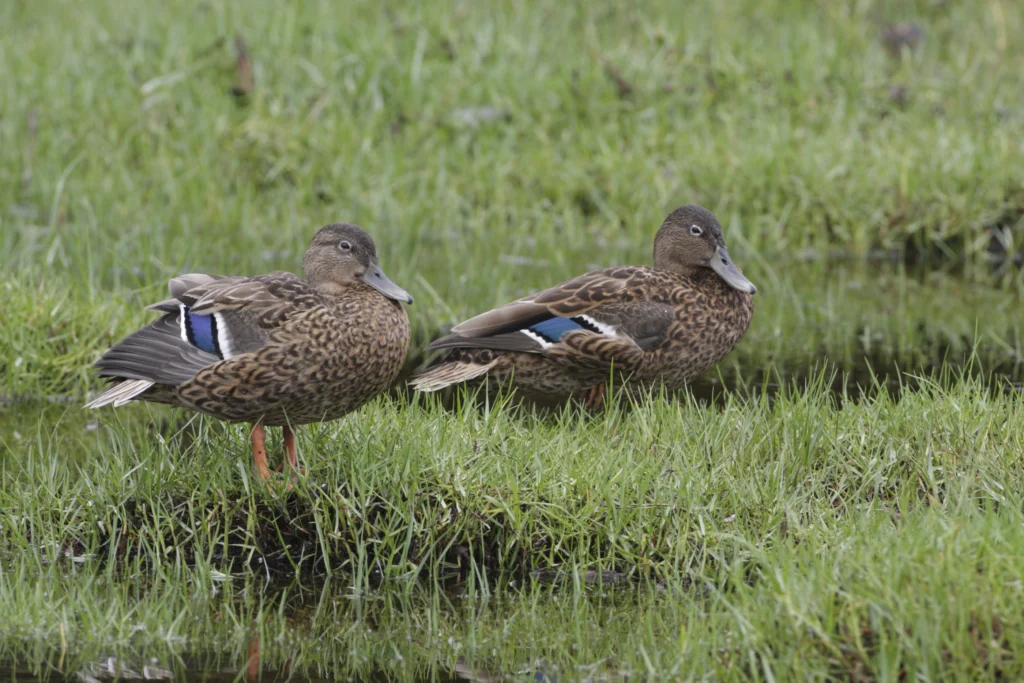
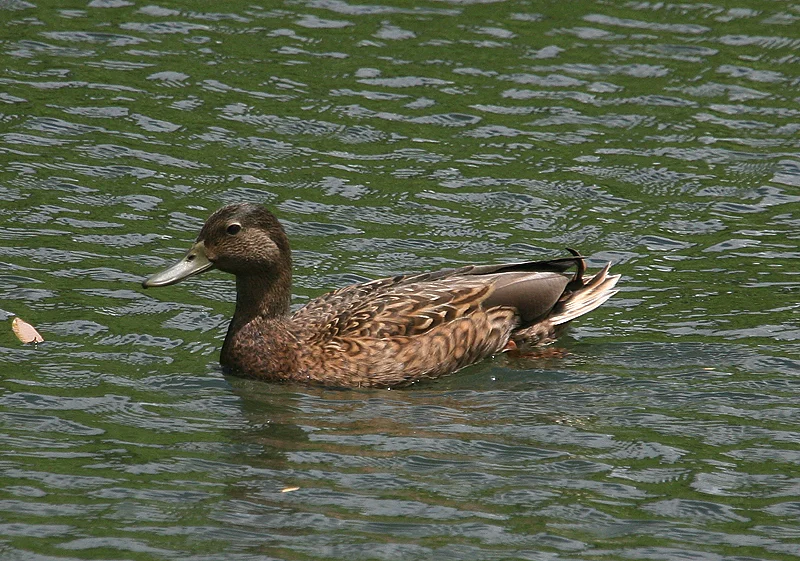
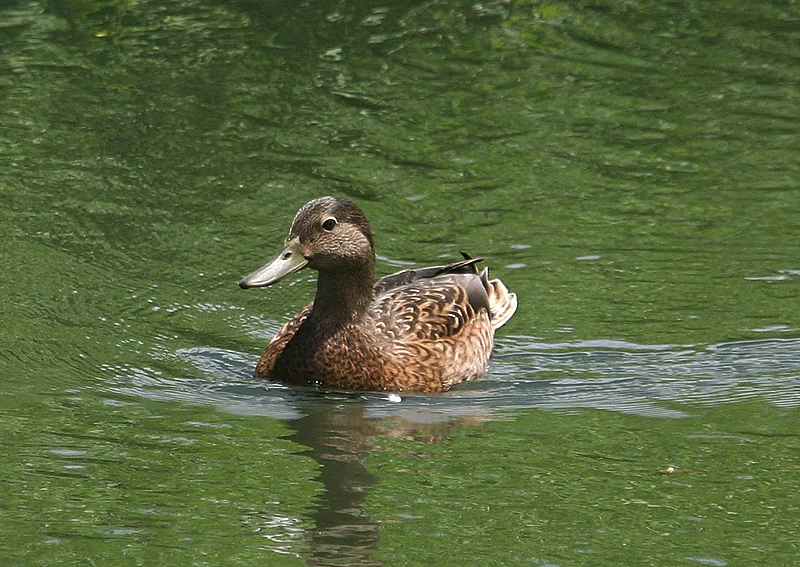
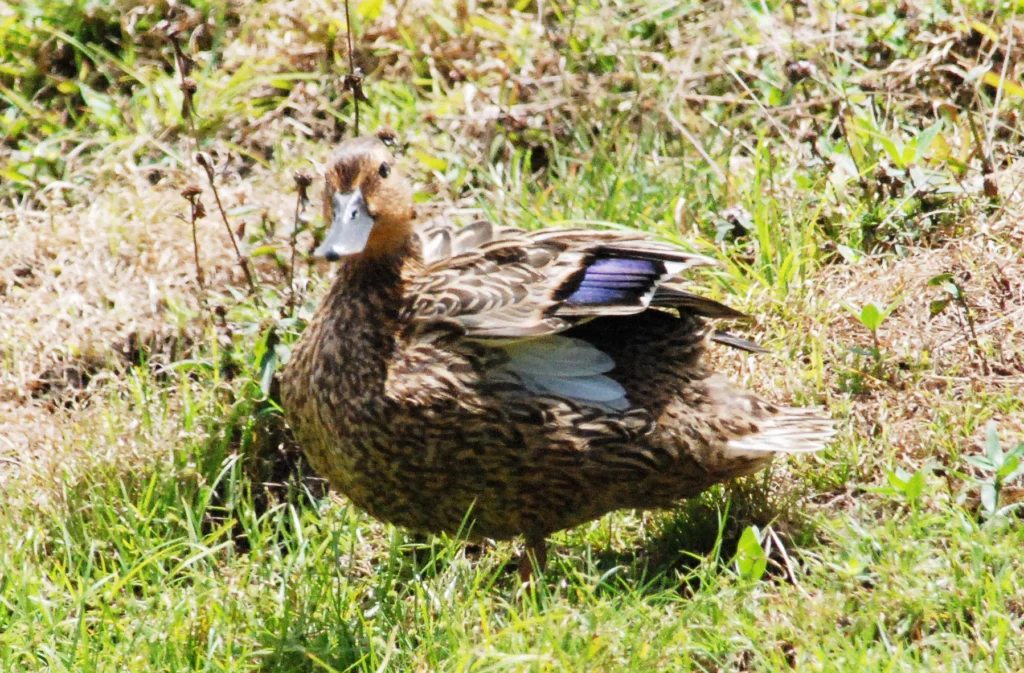
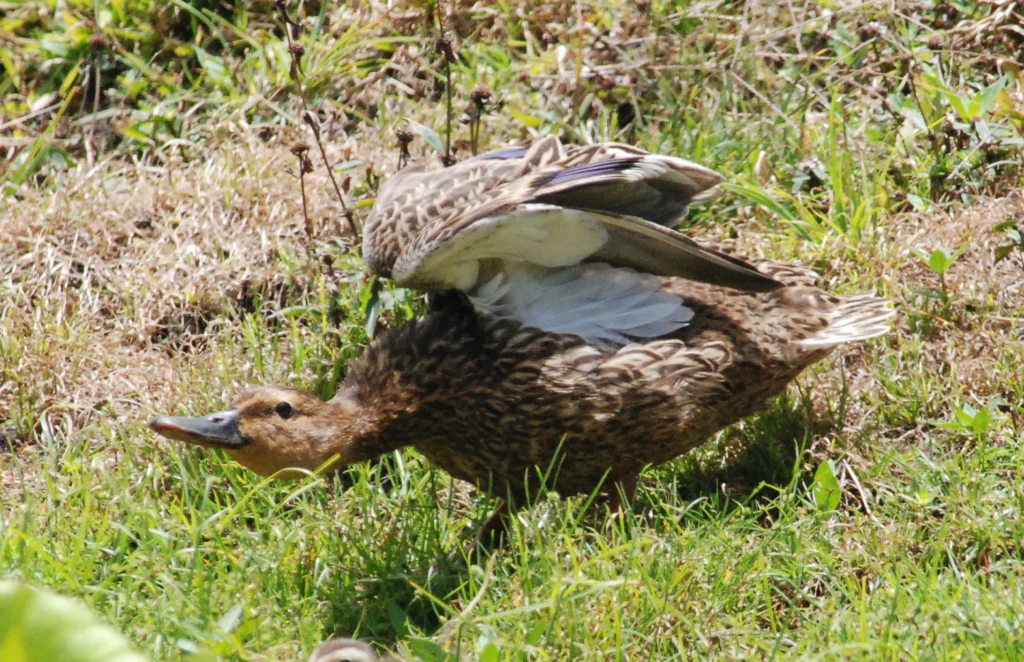
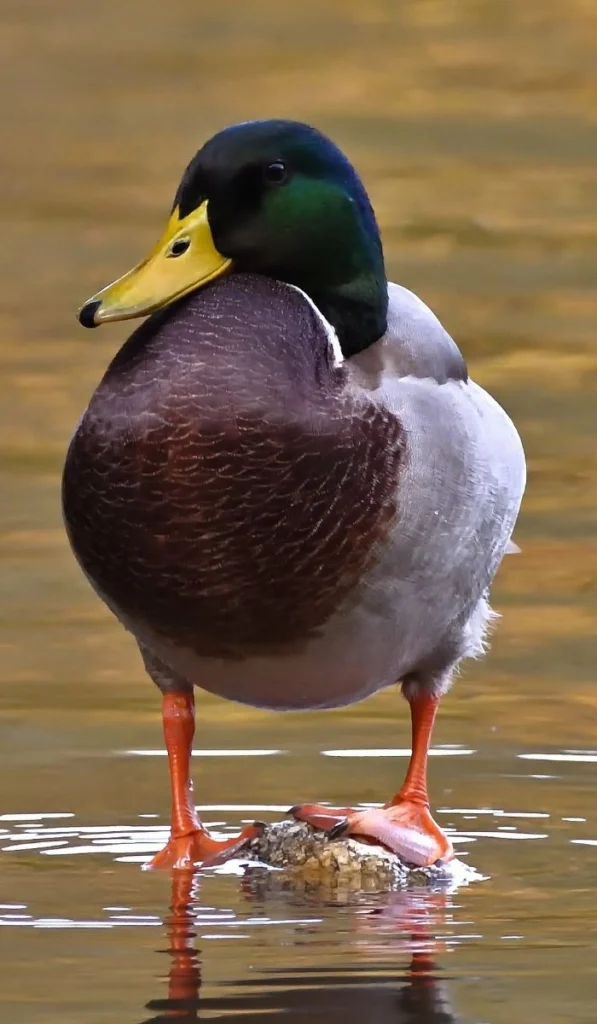
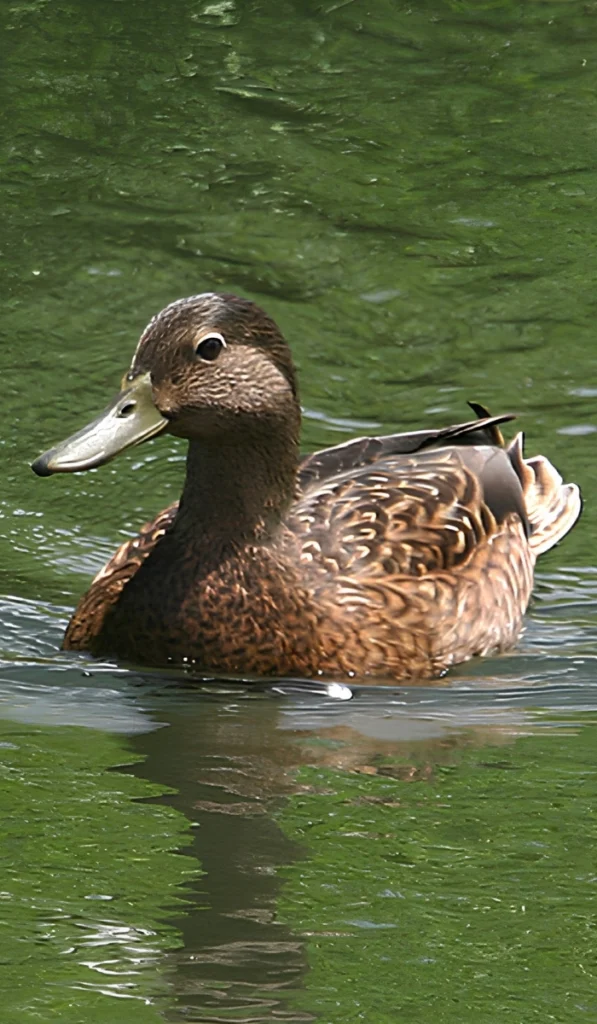
The male and female Koloa Maoli are fairly similar in appearance to a female Mallard or a male Mallard in eclipse plumage (the less flashy camouflage male Mallards molt into following the breeding season). The Koloa Maoli is smaller than a Mallard and darker overall, with a notably dark bill. The male has an olive-green to dusky gray bill, a dark brown head, and a distinctive pattern of alternating chestnut- and chocolate-brown chevrons on his breast, flanks, and back. Male Koloa Maoli also have straight tail feathers as opposed to the male Mallard’s curled tail. Many males also have a conspicuous white eyering. Female Koloa Maoli are lighter in color than males, with the bill color ranging to pale gray-green, and the speckling on the flanks and underparts does not form the neat chevron pattern seen on males.

Sonidos

Koloa Maoli are largely silent, and no dedicated studies of their vocalizations have yet been published. However, their calls are generally described as being similar to those of the closely related Mallard, although somewhat quieter. Females give a series of evenly spaced quacks when flushed. Males give a softer quack, as well as a “grunt-whistle” in display, similar to Mallards.

Female Calls

Credit: Phoenix Birder, XC503261. Accessible at www.xeno-canto.org/503261.

Hábitat

The Koloa Maoli uses a wide variety of freshwater habitats, both natural and human-made, from sea level to over 9,000 feet.

  • Often use fast-flowing mountain streams and pools, such as those at the bases of waterfalls
  • Seasonal temporary wetlands provide habitat for many Koloa
  • Will also use reservoirs, stock ponds, and aquaculture areas such as shrimp ponds and taro fields

Rango y región

Rango y región


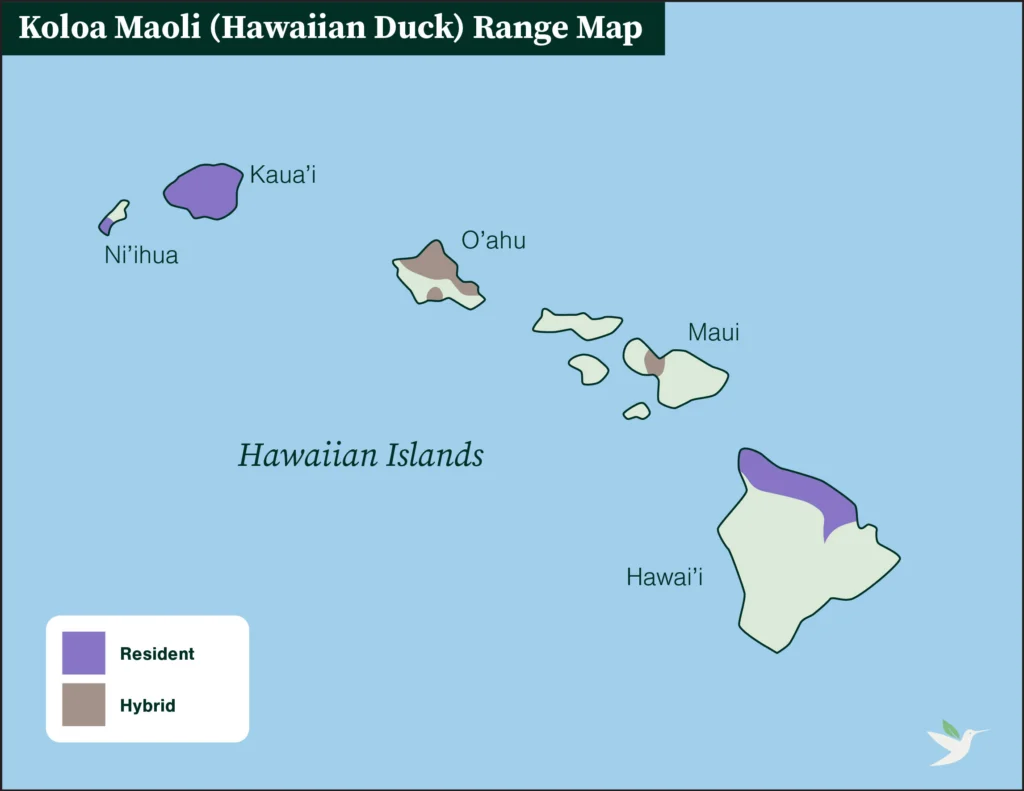
Koloa Maoli range map.

Área específica
Hawaiian Islands

Detalles de la gama
The Koloa Maoli is endemic to the Hawaiian Islands and is currently found on the islands of Hawaiʻi, Maui, Oʻahu, Kauaʻi, and Niʻihau. However, this species hybridizes with the non-native Mallard, and the populations on Maui and Oʻahu are mostly hybrids.

¿Sabías?
Though not migratory, Koloa Maoli will sometimes move up and down in elevation when resources are scarce, and will even move between islands. In the air, these ducks are agile and fast — one Koloa Maoli was clocked at 50 miles per hour!

Rango
Hawai
Patrón de migración
No migratorio
Distancia de migración
No migratorio

Historia de vida

Despite being a species of conservation concern, researchers have documented surprisingly little about the life history of this species, especially its breeding biology. However, much of what is known is similar to that of the Mallard and other closely related species of ducks in the genus Anas, so unknown aspects of the Koloa Maoli’s biology are probably similar to these other species.

Dieta

The Koloa Maoli is an omnivore, eating a range of small animals, plants, and seeds. Koloa Maoli eat a range of invertebrates, including freshwater molluscs, snails, and aquatic insects. They have also been documented to take tadpoles. They also eat algae and the seeds of grasses, bulrushes, and rice in agricultural settings.

Noviazgo

Courtship in this species is not well known, but some researchers have noted that this species engages in nuptial or courtship flights, similar to other species in the genus Anas, including the Mallard and teals. Early in the spring, unpaired Koloa Maoli females initiate these performances by suddenly taking flight, instigating surrounding males to follow in pursuit. These courtship flights are fast and aerobatic, with the birds flying evenly with one another in tight formation, and usually last for only a few minutes.

Anidación

Female Koloa Maoli build the nest on their own, a shallow bowl lined with grasses and often downy feathers that the female plucks from her breast. Females usually build their nests near water, but occasionally will nest quite far from the nearest water source. Nests are often built among bunchgrasses with overhanging vegetation.

Huevos y crías

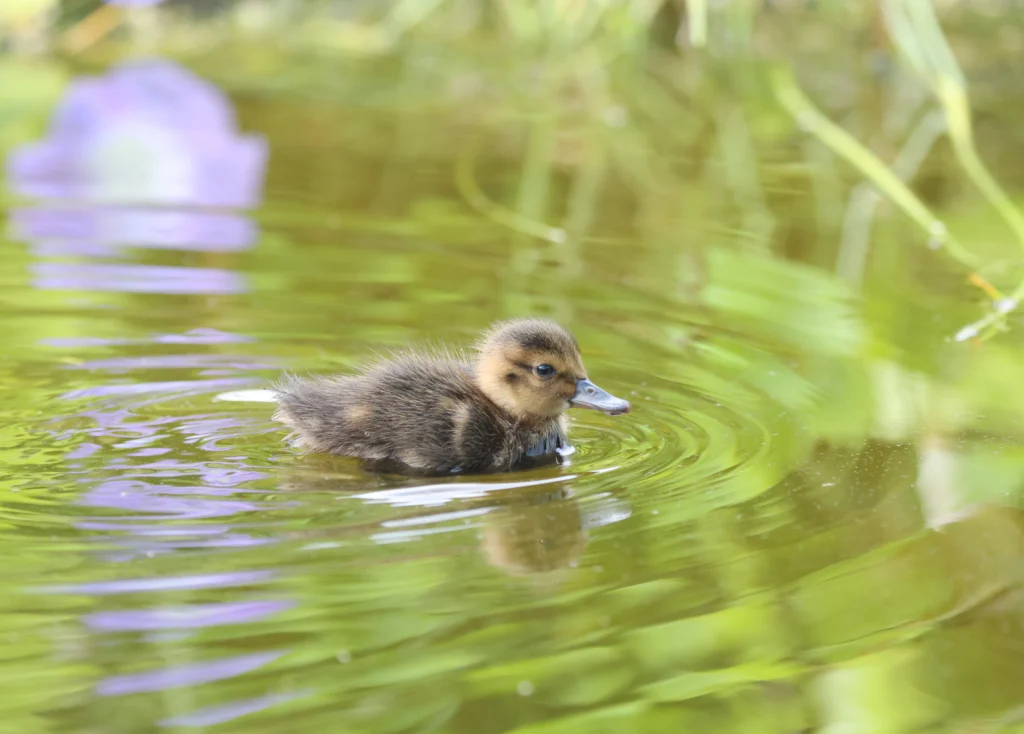
Females usually lay eight to ten pale buff or white eggs, which they incubate for about four weeks with no help from the male. Females are also alone in incubating their young. The incubation period is unknown for the Koloa Maoli, but related species incubate for three or four weeks. The precocial chicks are able to leave the nest and feed themselves shortly after hatching.