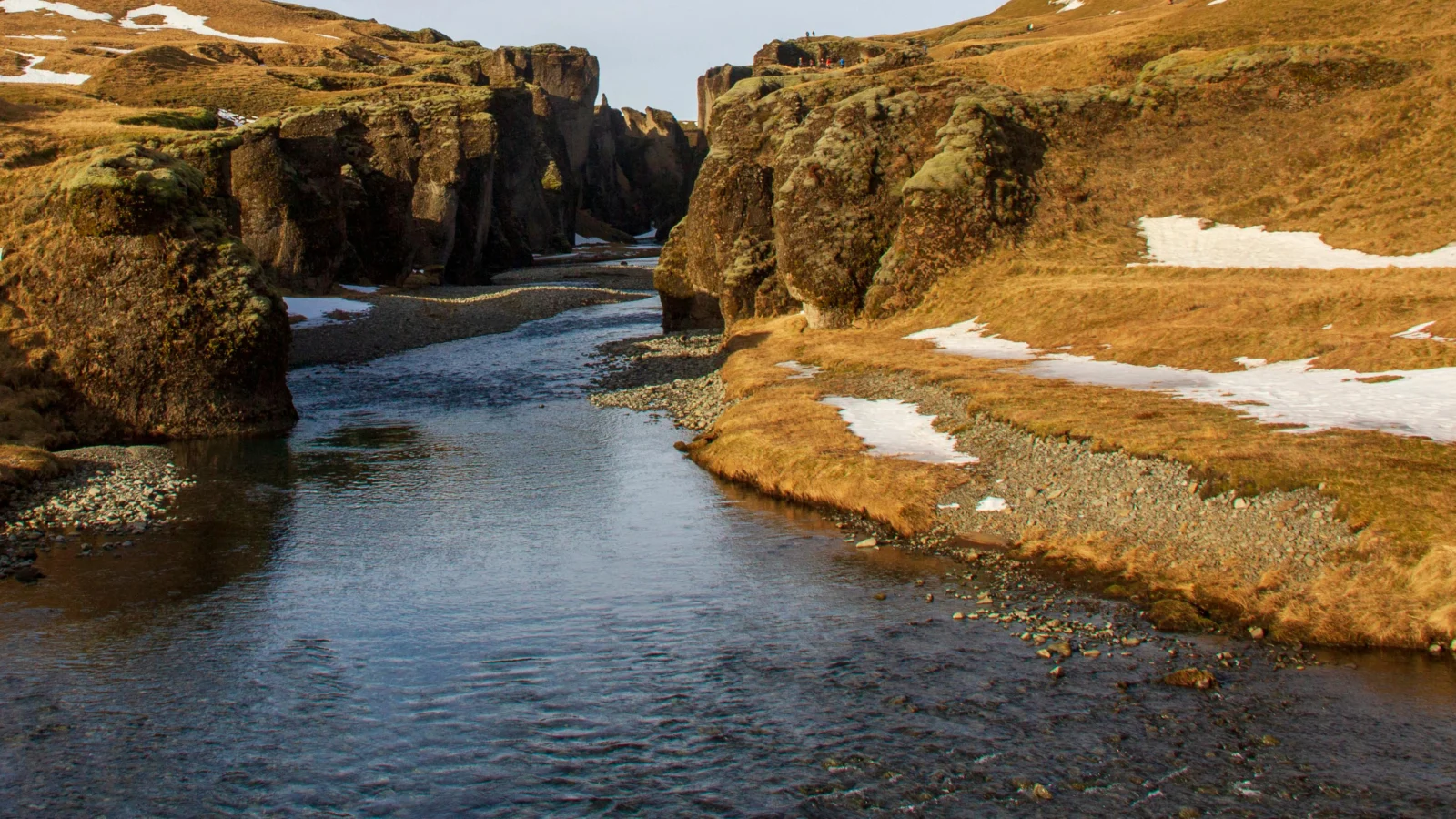
Icelandic Canyon Landscape in Early Spring. Photo by Nadja Pr, Pexels

Harlequin Duck

Histrionicus histrionicus

Pitapsq (Passamaquoddy)

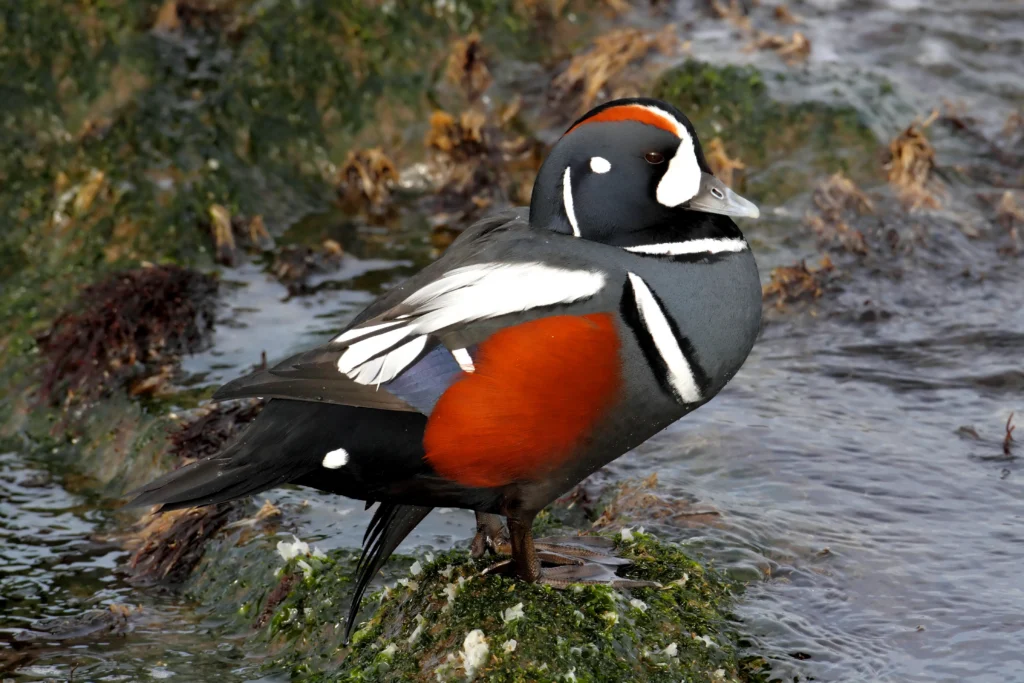
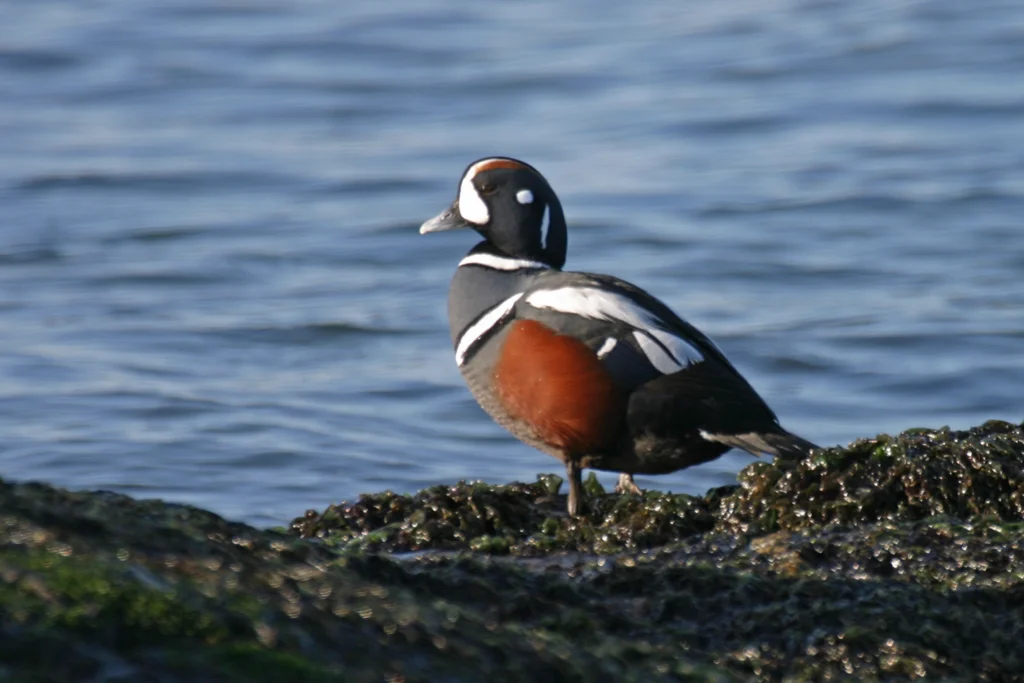
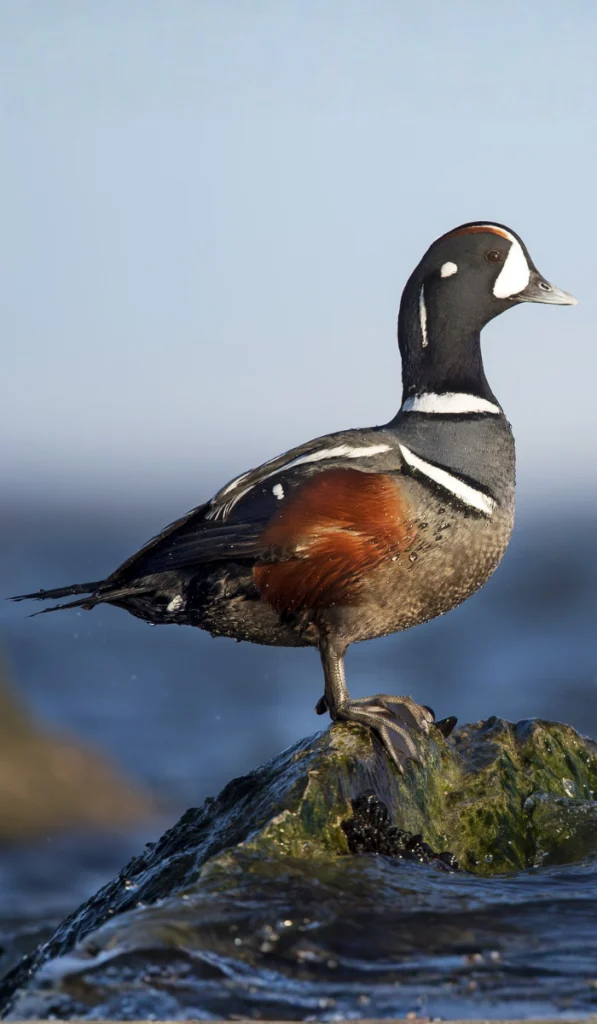
Harlequin Duck drake. Photo by Ray Hennessy, Shutterstock.

Harlequin Duck

Harlequin Duck drake. Photo by Ray Hennessy, Shutterstock.

Histrionicus histrionicus

Descripción general

Estado de conservación
Tendencias demográficas
Creciente
Tamaño de la población
230,000
Familia
Patos
Gansos
Waterfowl
Ubicación
U.S. and Canada
Patrón de migración
Variado
Distancia de migración
Distancia corta
También conocido como
  • Mountain Duck
  • Glacier Duck
  • Satjugiame Kotsiutik (Inuktitut)
  • Nutshipaustukueshish (Innu-Aimun)
  • Toornaviarsuk (Greenlandic)
  • Arlequin Plongeur (French)

Acerca de

The Harlequin Duck thrives in some of the most challenging aquatic environments that the mountains and seas have to offer. During their breeding season, these ducks are found in fast-flowing mountain streams, diving for aquatic insects with a fearlessness matched by no other North American waterfowl, and rivaled only by the distinguished American Dipper. These birds are quite at home in turbulent waters, and do in fact seem to prefer the roughest parts of the rivers and creeks where they are found.

In the nonbreeding season, Harlequin Ducks are essentially marine birds, with specialized adaptations for life on the ocean, including smooth, densely packed feathers that trap air — vital for insulation in the cold waters of the northern winter. This insulation also makes these ducks exceptionally buoyant, and they often resemble colorful little corks as they bounce to the surface after deep underwater dives for marine invertebrates, fish, and aquatic insects, their main foods.

These noteworthy ducks have garnered a number of common names. “Harlequin” comes from an Italian theatrical character of the same name, known for his brightly colored costumes. The nicknames “lords and ladies” and “painted duck” also refer to the vivid coloration of the males. Their rather odd squeaks are the source of two other colloquial names: “sea mouse” and “squeaker.”
Amenazas

Though current Harlequin Duck populations seem to be increasing overall, this bird used to be much more widespread. Even in the last 50 years, some local populations have severely declined or disappeared altogether. The Harlequin Duck is currently listed as Threatened in Maine, and is considered a Species of Special Concern in Canada and the western United States. The biggest threats to these stunning birds include loss of habitat due to hydroelectric projects, unsustainable logging and mining, and direct mortality due to oil spills near coastal areas. Additionally, recreation and boat traffic on rivers can disturb nesting birds.

Degradation of Watersheds

In western North America, unsustainable logging likely poses the greatest threat to breeding Harlequin Ducks. In addition to the loss of their preferred forested habitat and direct disturbance to nesting birds, logging can disrupt watersheds, with downstream effects on parents and their young. Logging and mining can also cause clear streams to become silty and inhospitable for the water-dwelling invertebrates that Harlequins eat. Like logging, hydroelectric projects also greatly change stream flow, which can make habitat unsuitable for nesting and foraging.

Pérdida de hábitat

Oil Spills

Oil spills put Harlequin Ducks at risk during their nonbreeding season. Harlequins are sea ducks at this stage in their annual cycle, and their preferred intertidal habitat is where oil accumulates after a spill. This can put Harlequins at direct risk from exposure to toxic oil, while also reducing the habitat available to these birds.

Estrategias y proyectos de conservación

Birds like the beautiful Harlequin Duck need our help to overcome the threats they face. At ABC, we’re inspired by the wonder of birds and driven by our responsibility to find solutions to meet their greatest challenges. With science as our foundation, and with inclusion and partnership at the heart of all we do, we take bold action for birds across the Americas.

Peticiones de apoyo y defensa

A través de la defensa, ABC garantiza que las aves tengan un lugar en la mesa. Abogamos por políticas y financiación que marcan la diferencia para las aves y los ecosistemas. Abordamos problemas complejos cuando las aves están en riesgo. Y ayudamos a quienes nos apoyan a convertirse también en defensores de las aves.

Peticiones y defensa de derechos

Galería de aves

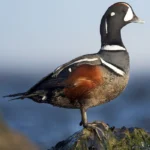
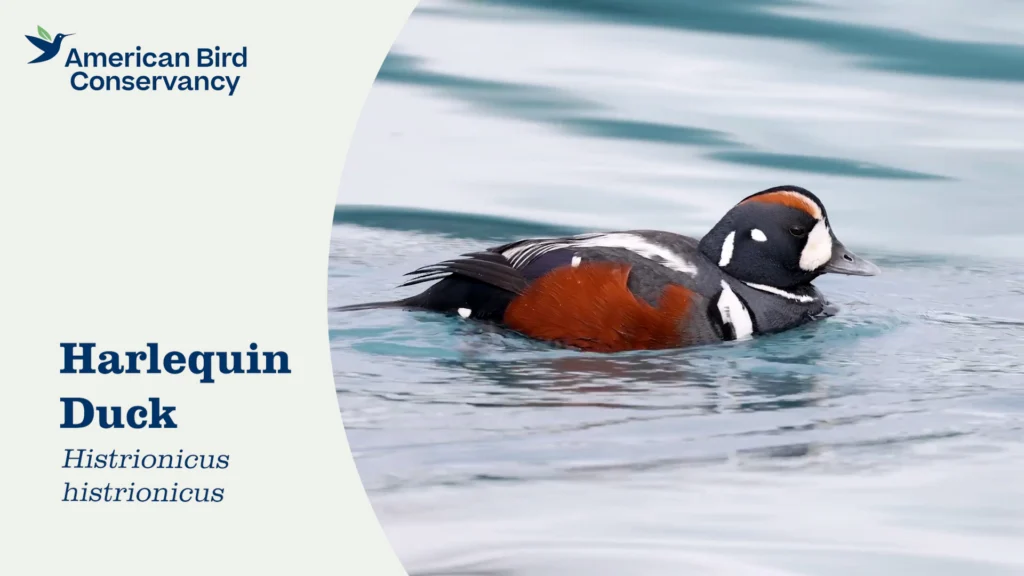
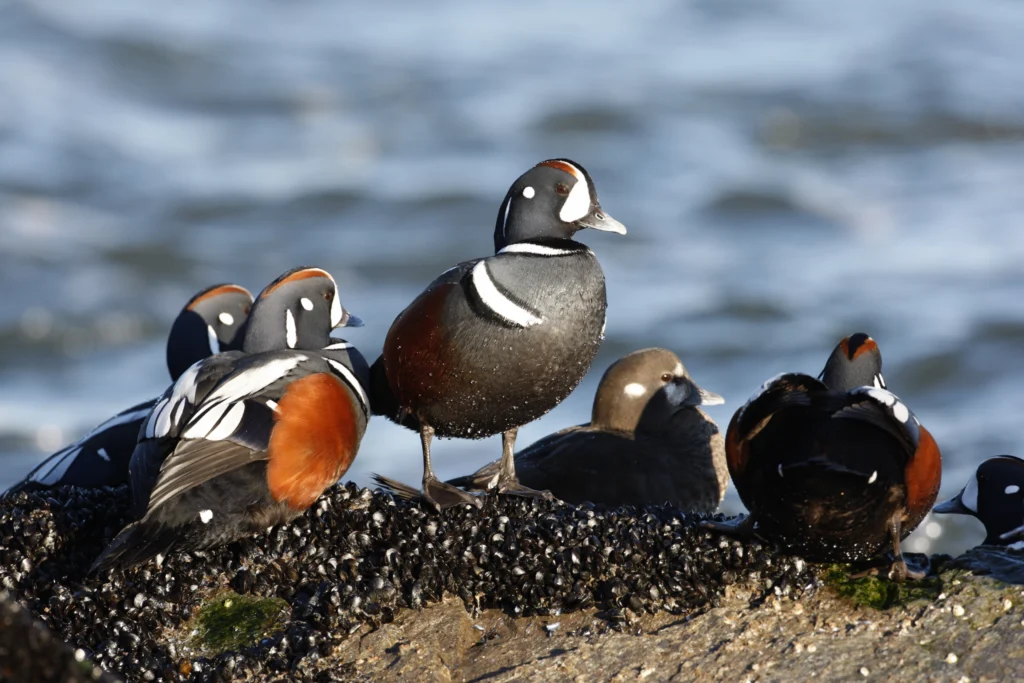
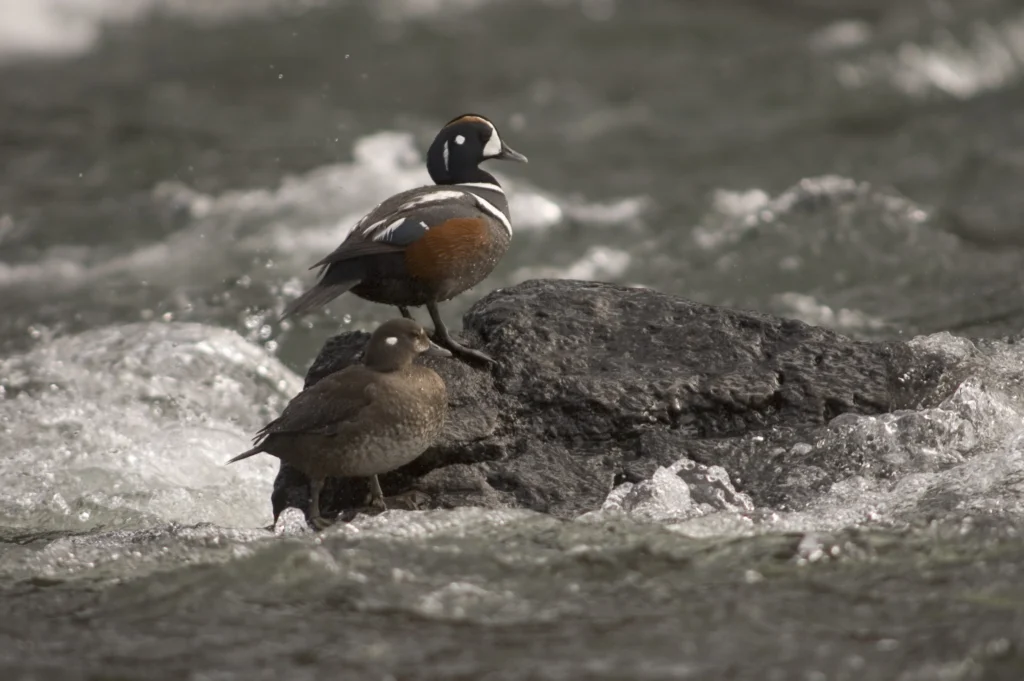
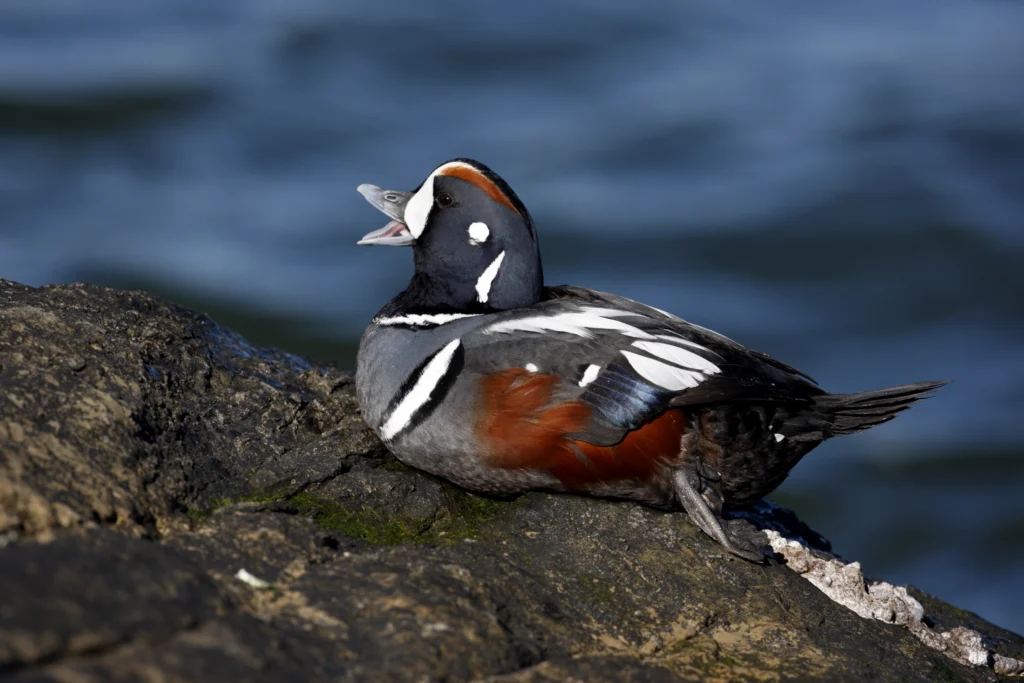
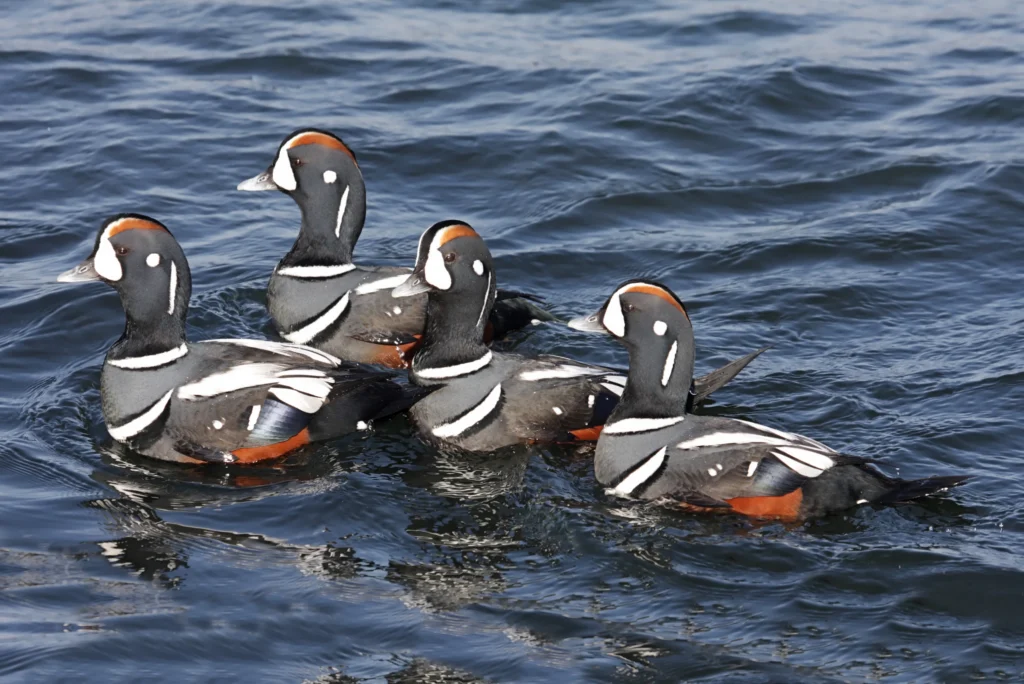
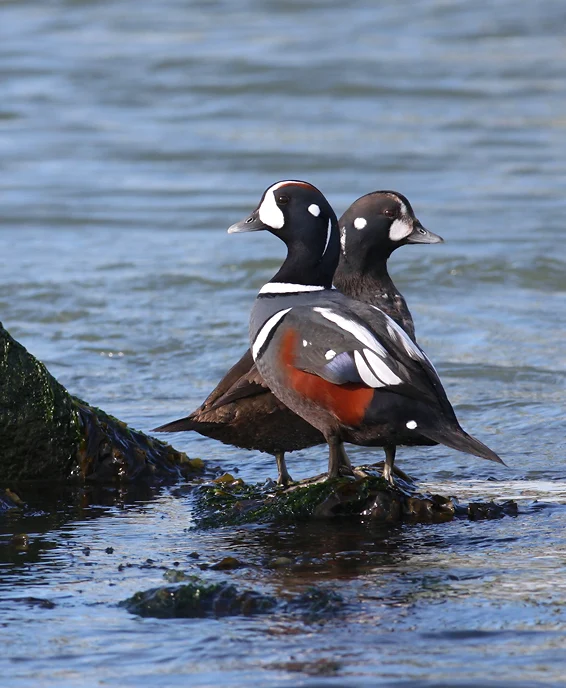
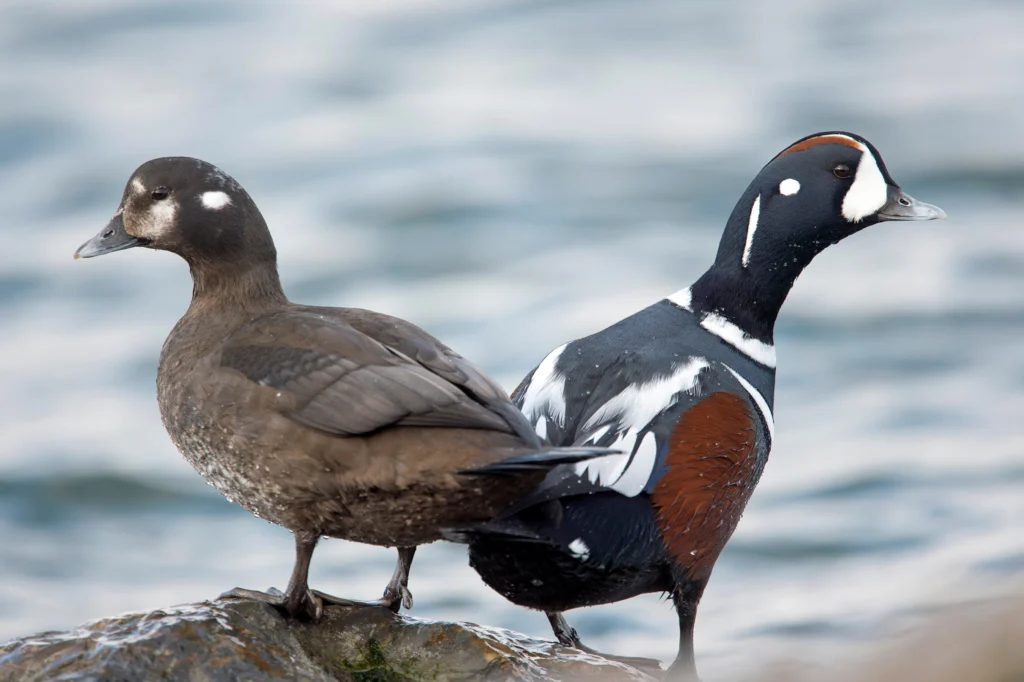
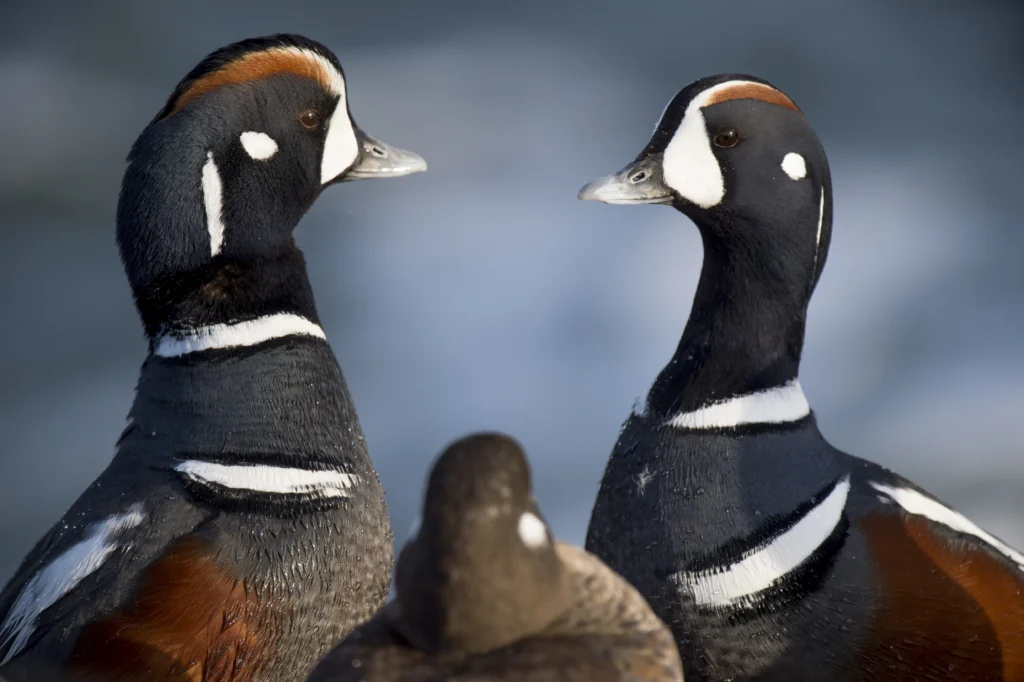
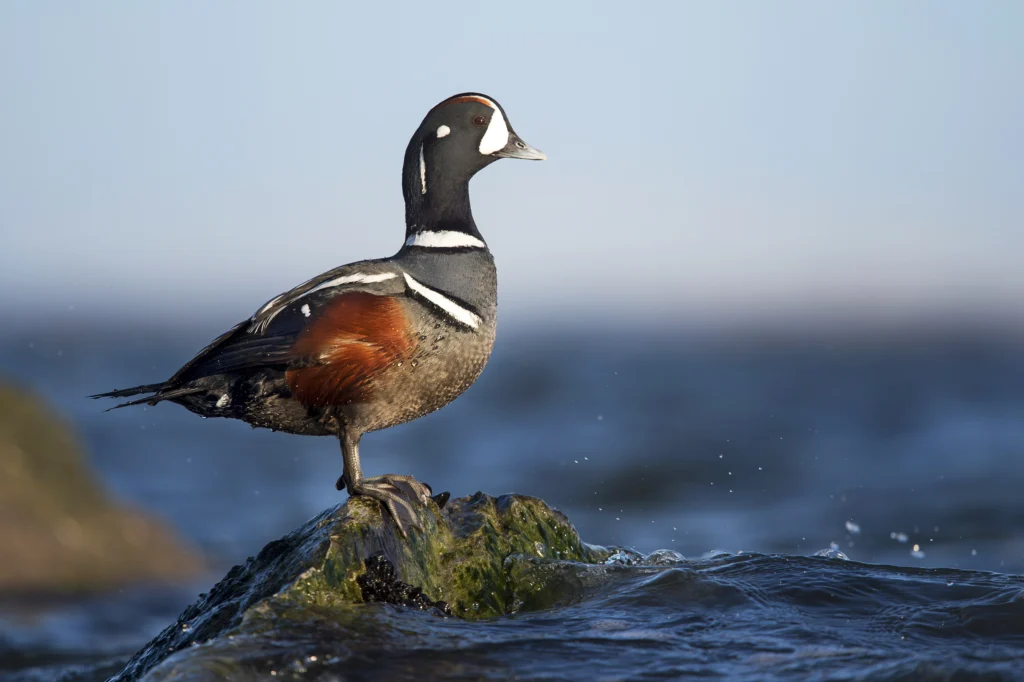
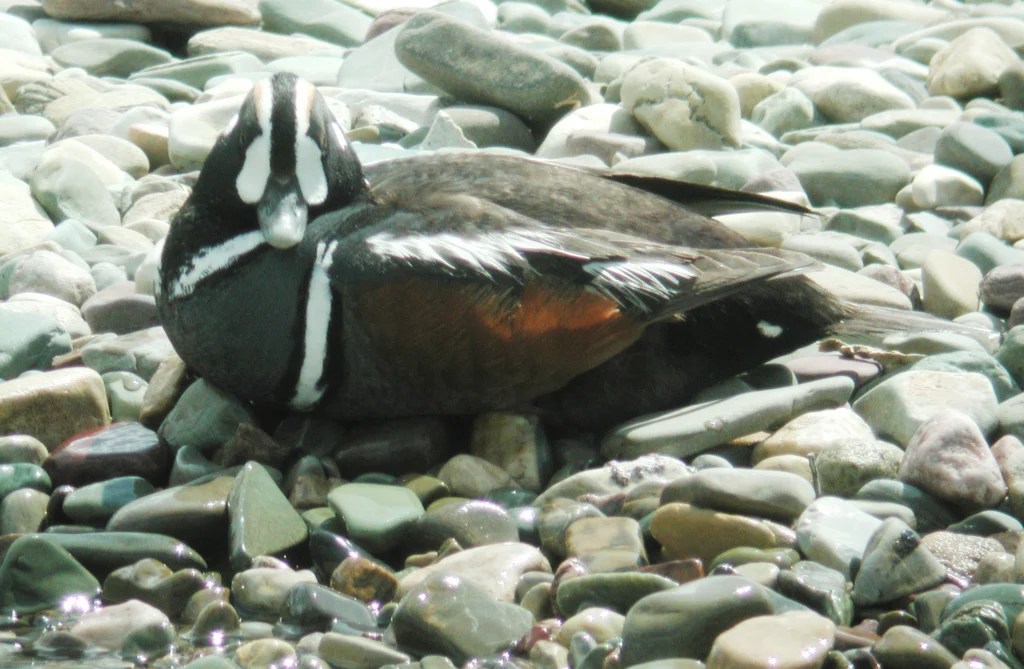
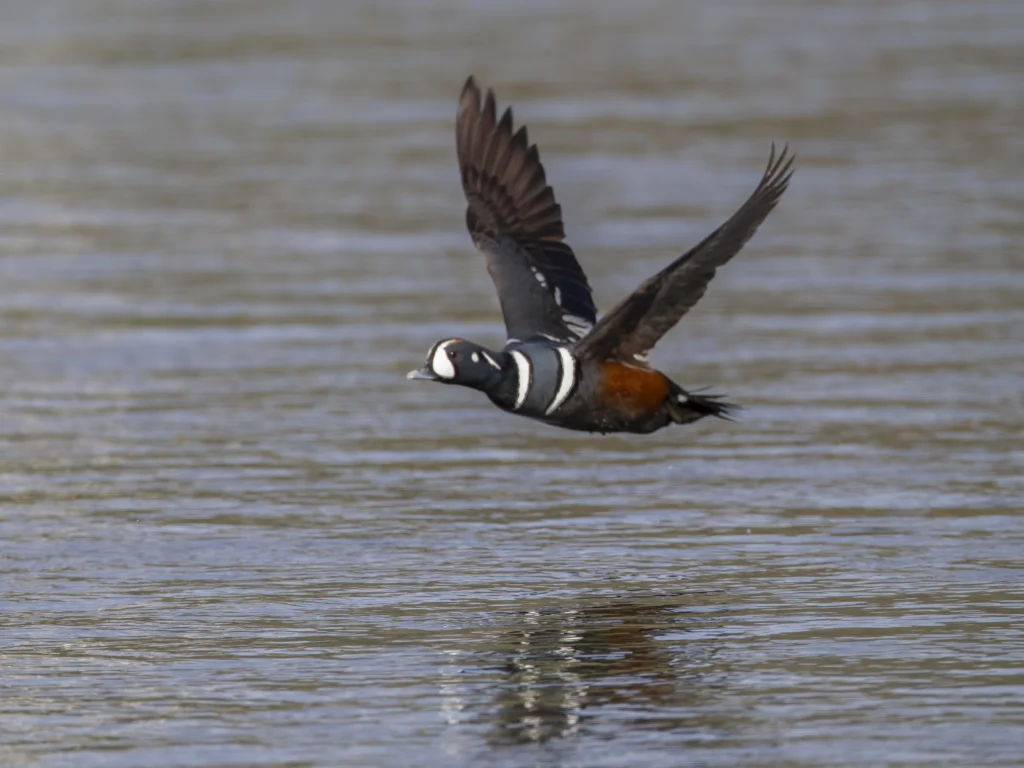
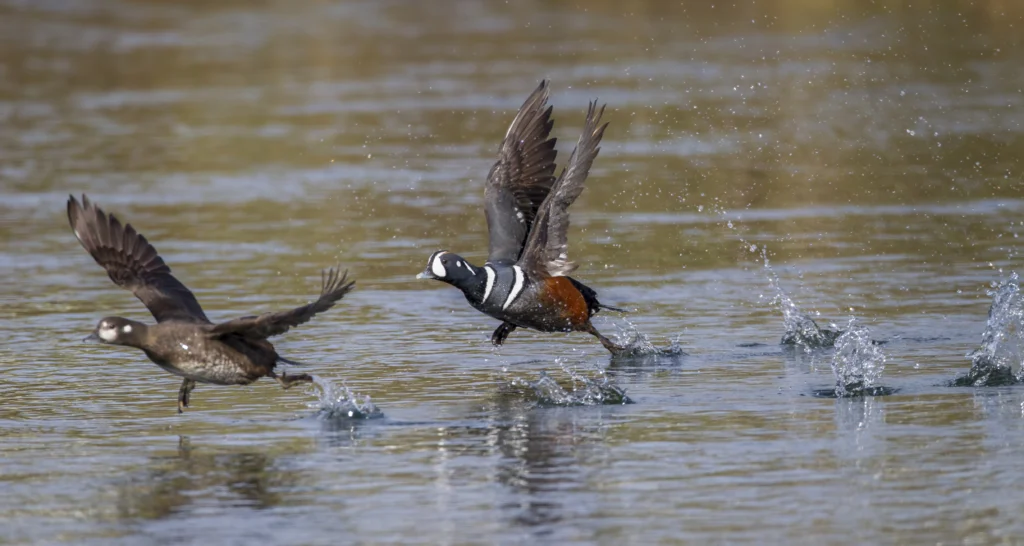
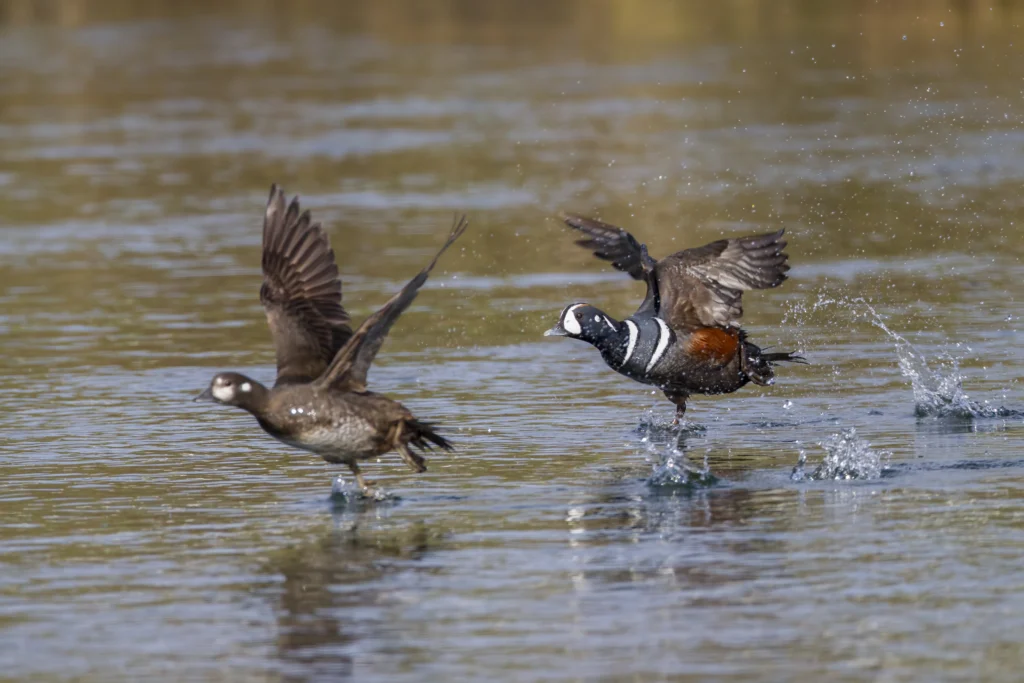
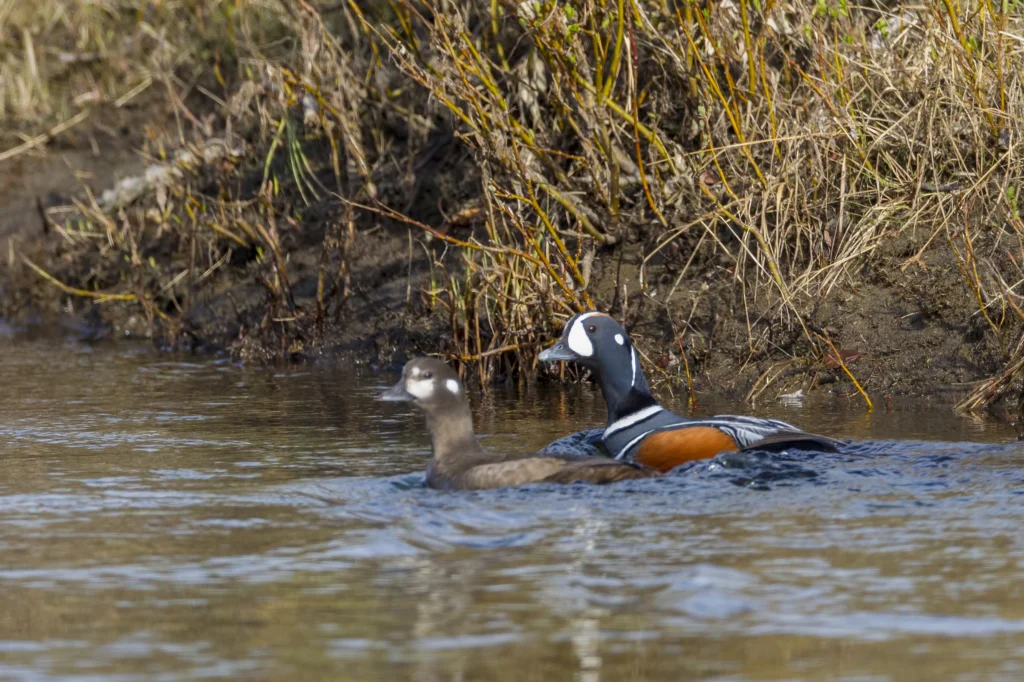
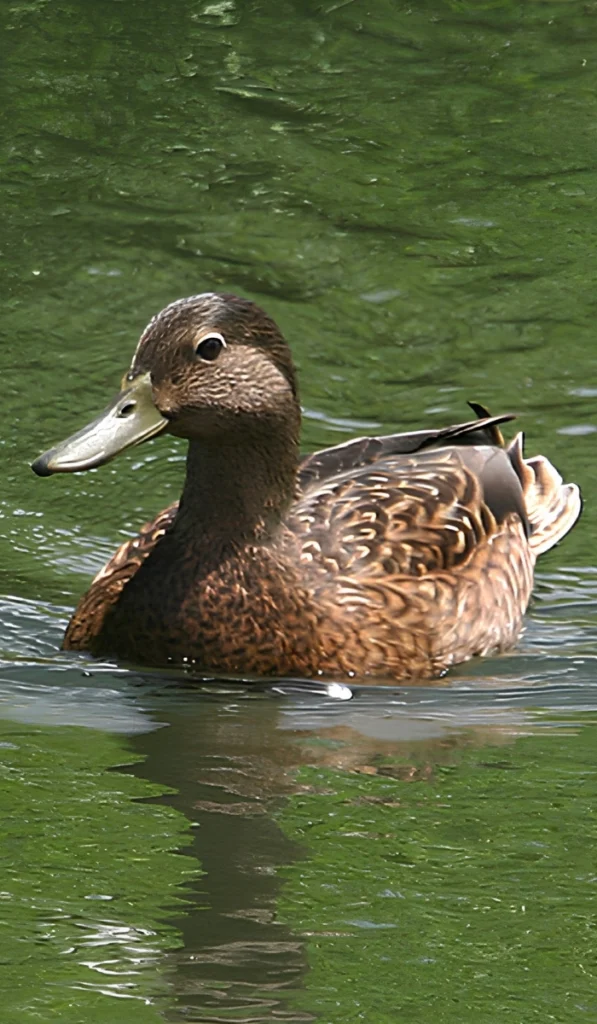
In breeding plumage, the male Harlequin Duck is unique and stunning: slate blue overall with contrasting spots and bands of white on the head, neck, chest, and back, mostly outlined in black, and patches of contrasting chestnut on the flanks and crown. The flight feathers on the middle of the open wing (also called secondaries) are iridescent purple-blue, as are the dark feathers on the breast. The nonbreeding plumage is similar in pattern, but the colors are darker and the contrast between different color patches is more muted. The female is far less flashy and is a warm brown overall with a pale belly. However, the female has a distinctive facial pattern, consisting of a small white spot in front of the eye, a larger circular spot behind the ear, and a pale triangle spreading from below the eye and extending outward across the base of the bill.

Sonidos

The Harlequin Duck has a fairly limited vocal repertoire, though this species calls more often than many other sea ducks. The most common call is a high, reedy squeak, sometimes described as mouse-like. The surprisingly high pitch of their calls may be an adaptation to communicate over the lower pitched sounds of the rushing rapids and pounding surf where these birds spend most of their time.

llamadas

Credit: Andrew Spencer, XC181783. Accessible at www.xeno-canto.org/181783.

Hábitat

The Harlequin Duck breeds along fast-flowing freshwater streams. In the nonbreeding season, these birds migrate to rocky coastlines in turbulent coastal waters.

  • Breeds in montane or subalpine forest, up to 6,200 feet
  • Also breeds along coastal streams
  • Mostly stays near the coastline in the nonbreeding season, but roosts on open water at least a half-mile from shore

Rango y región

Rango y región


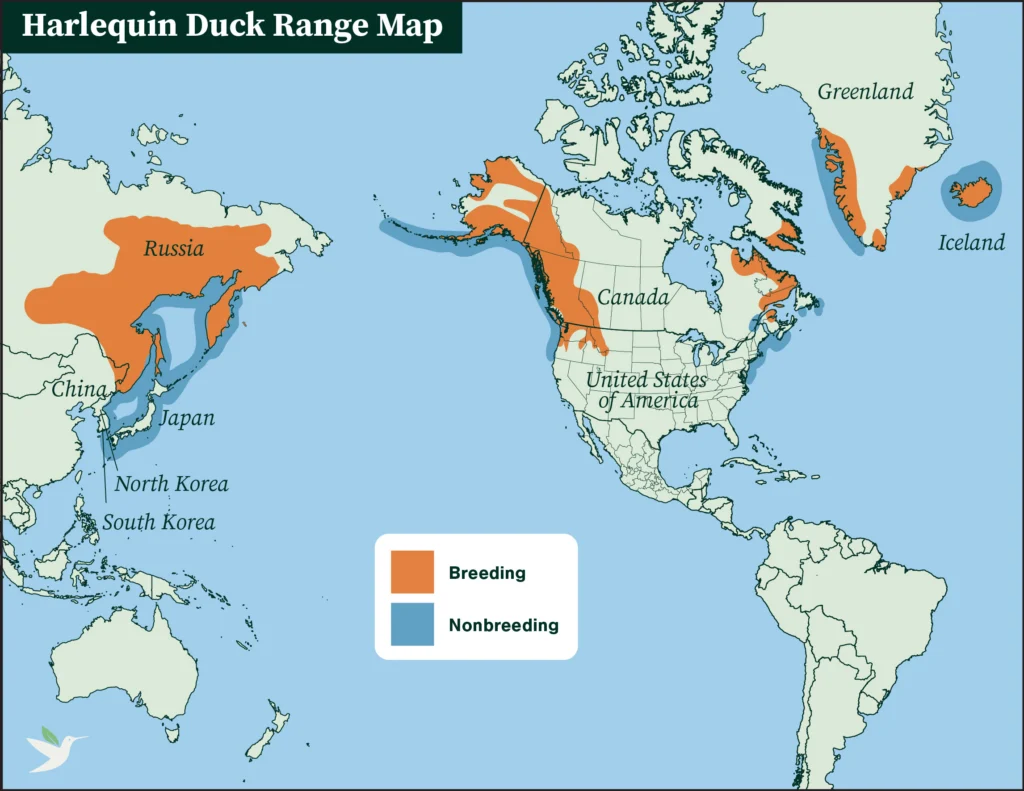
Harlequin Duck range map by ABC.

Área específica
Eastern Asia and Siberia; northwestern and northeastern North America; southern Greenland; Iceland

Detalles de la gama
The Harlequin Duck has a fairly broad distribution in the Northern Hemisphere. In Asia, these birds breed throughout eastern Siberia, and nonbreeding birds range along the coasts of the Kamchatka Peninsula and those surrounding the Sea of Okhotsk and Sea of Japan, south to the tip of the Korean Peninsula. In western North America, Harlequins breed throughout much of Alaska, the Yukon Territory, British Columbia, and south into the Pacific Northwest and the northern Rocky Mountains. In eastern North America, Harlequin Ducks breed in New Brunswick, Quebec, Newfoundland, southern Baffin Island, and southern Greenland. These birds spend the nonbreeding season along the Greenland Coast of Labrador Sea and the Atlantic Coast of mainland North America, from Newfoundland south to the Mid-Atlantic. Harlequin Ducks also breed throughout Iceland, wintering along the coast.

¿Sabías?
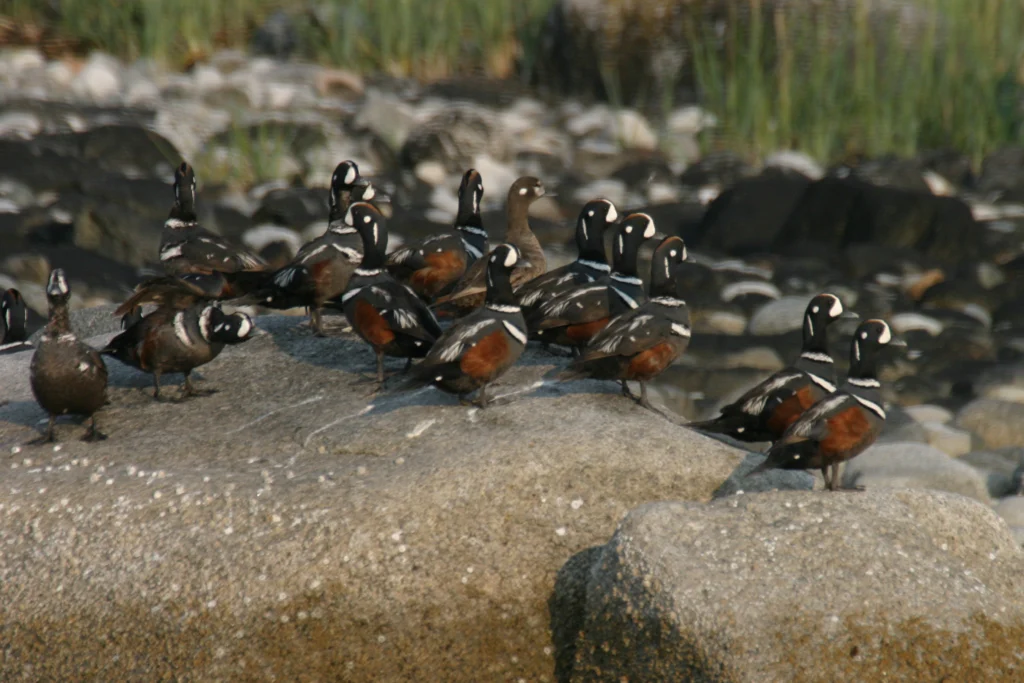
The Harlequin Duck is fairly social, even during parts of the breeding season. Most birds won’t breed until they are at least two years old, and spend much of the breeding season relaxing (“loafing” in ornithology lingo) communally in groups of up to 40 or 50 birds. The biologist who first described this behavior referred to these communal loafing areas as “clubs,” which individual birds would visit throughout the day.

Rango
U.S. and Canada
Patrón de migración
Variado
Distancia de migración
Distancia corta

Historia de vida

Handsome and hardy, Harlequin Ducks are built for life in rough waters. These strong swimmers are able to hold fast against the waves, bobbing along on the surface and making periodic dives for food. But their lifestyle comes with a cost: Harlequin Ducks are known to suffer broken bones as a result of crashing about in turbulent waters. These uncommonly social birds stick together, with pairs maintaining bonds throughout the year and many birds forming flocks both during and outside of the breeding season.

Dieta

Year-round, Harlequin Ducks feed primarily by diving to the rocky beds of creeks, rivers, or shallow coastal waters. In the breeding season, Harlequins mostly take aquatic insects from stony creekbeds, as well as fish eggs when they are available. In the nonbreeding season, they take a range of invertebrates from the seafloor, including crustaceans, mollusks, and occasionally fish.

Noviazgo

Harlequin Ducks are socially monogamous and form long-term pair bonds, which they essentially maintain year-round. Pairs only rarely split once they have formed, and, unlike most socially monogamous birds, Harlequins are sexually monogamous as well. As a result, most males only court females during their first breeding season, and courtship in general is not a major part of the annual cycle for this species. Given this, it is not surprising that courtship displays are fairly simple: Males perform a “head-nodding” display, where they repeatedly raise their bills and extend their necks.

Anidación

The female Harlequin Duck selects a nest site near the water with dense cover. She may choose to nest on the ground, a stump, a cliff ledge, a rocky crevice, or even in a tree cavity. The nest itself is lined with vegetation, including conifer needles, mosses, and leaf litter. Once she starts incubating, the female will also line her nest with dark downy feathers.

Huevos y crías

The female lays five or six pale creamy or buffy eggs that she alone incubates for about four weeks. When she leaves the nest, she will cover her eggs with down. Many researchers have noted the female’s secretive habits while incubating or brooding her young. A female Harlequin Duck will actively attempt to lure potential predators away from young. Afterward, she may move her young up to a mile away to protect them.