For two decades, neonicotinoid insecticides, or neonics, have been applied to hundreds of thousands of acres of crops planted every year in the United States. However, estudiar after study confirms that they offer little to no benefit for farmers while driving massive losses of biodiversity. The widely held belief is that without neonicotinoid-coated seeds, American farming would grind to a halt.
ABC’s Untreated Seed Pilot Program (USPP) is challenging that assumption.
Launched in 2025 with support from the One Hive Foundation and made possible by the Raines Family Fund, our new initiative provides financial incentives to growers who choose seed that has not been coated with neonicotinoids. We modeled USPP after a conservation incentive program offered through the U.S. Department of Agriculture, in search of answers to two questions: What would it take for farmers to switch from conventional practices to ones that are more beneficial for birds? And even if they did want to switch their seed, where could they find it?
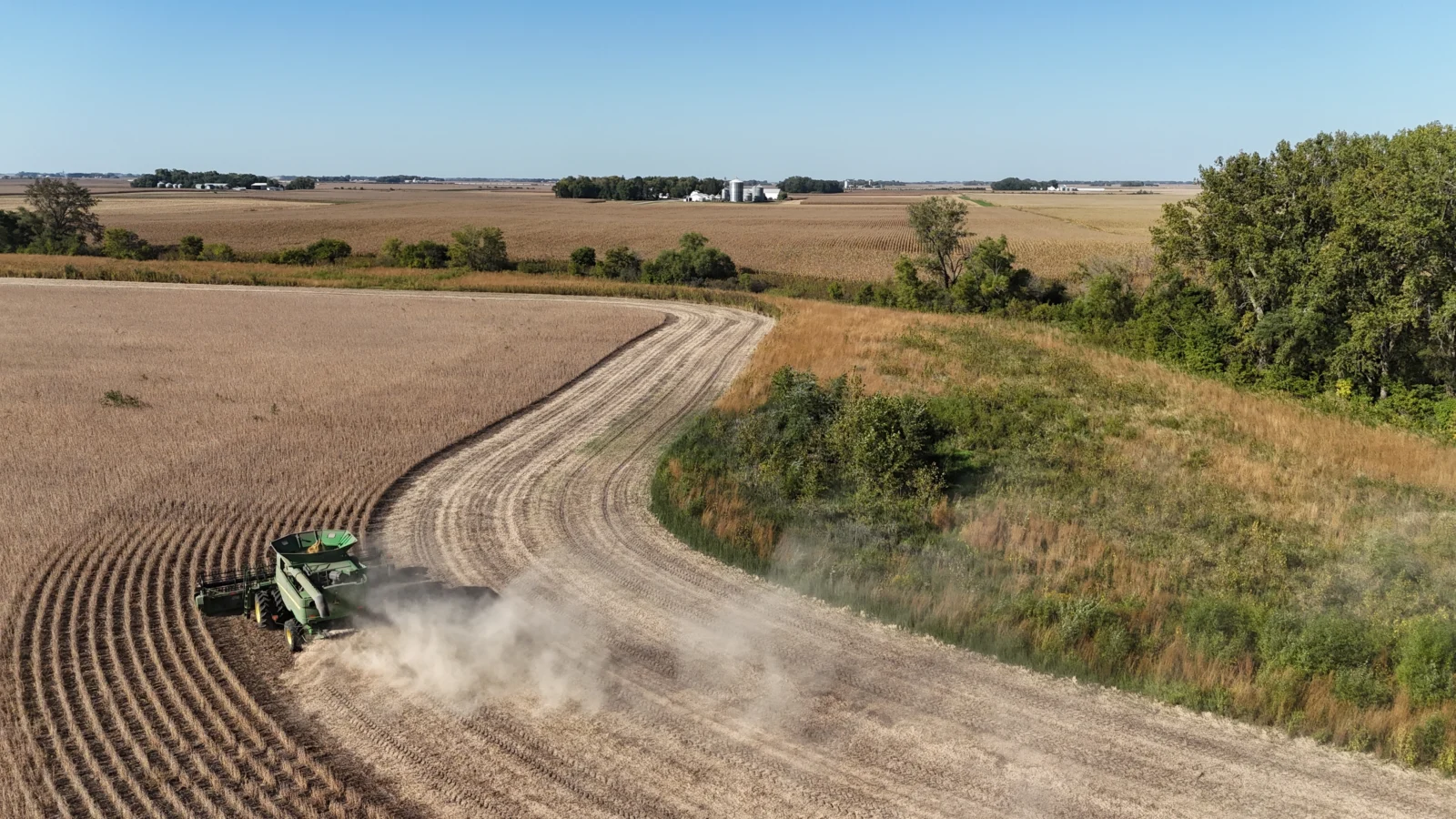
The response was significant. Between last year and this year, our growers planted a total of nearly 10,000 acres of crops across 17 states without using neonicotinoid seed coatings. The participating farms represented a diverse cross-section of American agriculture. Conventional, organic, regenerative, small-scale, and larger operations all took part. Importantly, participating farmers reported no known crop losses, helping dispel concerns that using untreated seed lowers productivity.
The high participation in the new program also revealed that many farmers are eager for more choice. Growers frequently reported difficulty finding untreated seed, particularly conventional corn hybrids, despite strong interest in using them. In response, ABC compiled one of the most comprehensive lists of neonicotinoid-free agricultural-crop seed suppliers available and soon will make the resource freely accessible to farmers nationwide.
Perhaps the program’s most significant contribution is the insight it provides policymakers. The data demonstrate that growers across the country are willing to adopt alternatives when practical options exist. Though we capped enrollment at 6,000 acres annually due to a fixed amount of incentive funds, growers had applied to enroll nearly 53,000 acres and 18 crop types total. This is not a niche issue for an activist farmer; this is something that is desperately desired by a huge swath of rural America.
This evidence is already informing discussions with state legislators, federal agencies, and agricultural organizations exploring ways to reduce reliance on neonicotinoids.
Rather than framing farmers as part of the problem, the USPP positions them as partners in the solution. By combining modest financial incentives, trusted local networks, and better access to untreated seed, we are showing that agricultural productivity and wildlife conservation do not have to be competing goals. In fact, as the program expands into its second year, it offers a promising model for how conservation can work alongside agriculture. Birds, farmers, pollinators, and the landscapes they support can coexist.
This article first appeared in the Summer 2026 issue of Conservación de aves, Revista miembro de ABC.
Hardy Kern is ABC’s Director of Government Relations, Birds and Pesticides Campaign.