Overview
About
The Northern Mockingbird is well-known for its powers of mimicry. Nicknamed the “American Nightingale,” this remarkable species has been recorded as learning the songs and calls of hundreds of other birds, as well as musical instruments, car alarms, and many other sounds. Its scientific name, which means “many-tongued mimic,” reflects this vocal prowess. John James Audubon paid tribute to the Northern Mockingbird’s talents, remarking: “There is probably no bird in the world that possesses all the musical qualifications of this king of song, who has derived all from Nature’s self.” In fact, scientists speculate that this ability may make male mockingbirds more attractive to prospective mates. One study in Texas showed that male mockingbirds with the largest repertoires had the most resource-rich territories, suggesting that the complexity and variety of an individual male’s repertoire may show his maturity and experience.
The Northern Mockingbird is known by many names in Central and South America, including local variants of Sinsonte or Centzontle, derived from the Nahuatl word for the species, Centzontlahtōleh, literally “possessor of 400 voices.” A precolonial Aztec legend equates this species to the spirit of a mysterious woman in the forest who would sing to the moon, and captivated a party of wealthy merchants traveling through the forest. Indeed, breeding male mockingbirds will often sing through the night, occasionally leaping into the air with exuberance, and unpaired males even sing 24 hours a day.
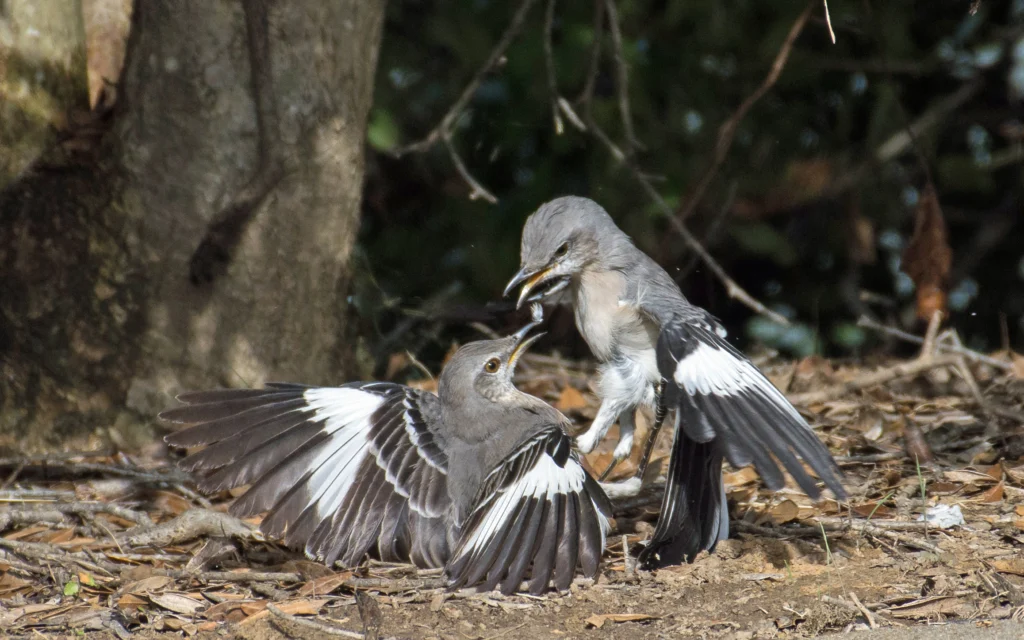
But this mockingbird’s charisma doesn’t stop with its song. Northern Mockingbirds are fearless, attacking hawks, crows, dogs, and even humans that they deem as threats. In fact, several researchers have noted that these birds will learn to recognize specific people who repeatedly intrude on their territories and mob them even while ignoring other human trespassers.
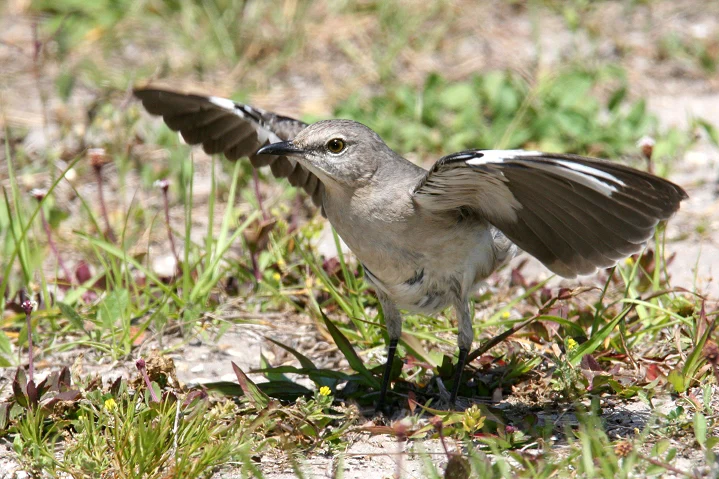
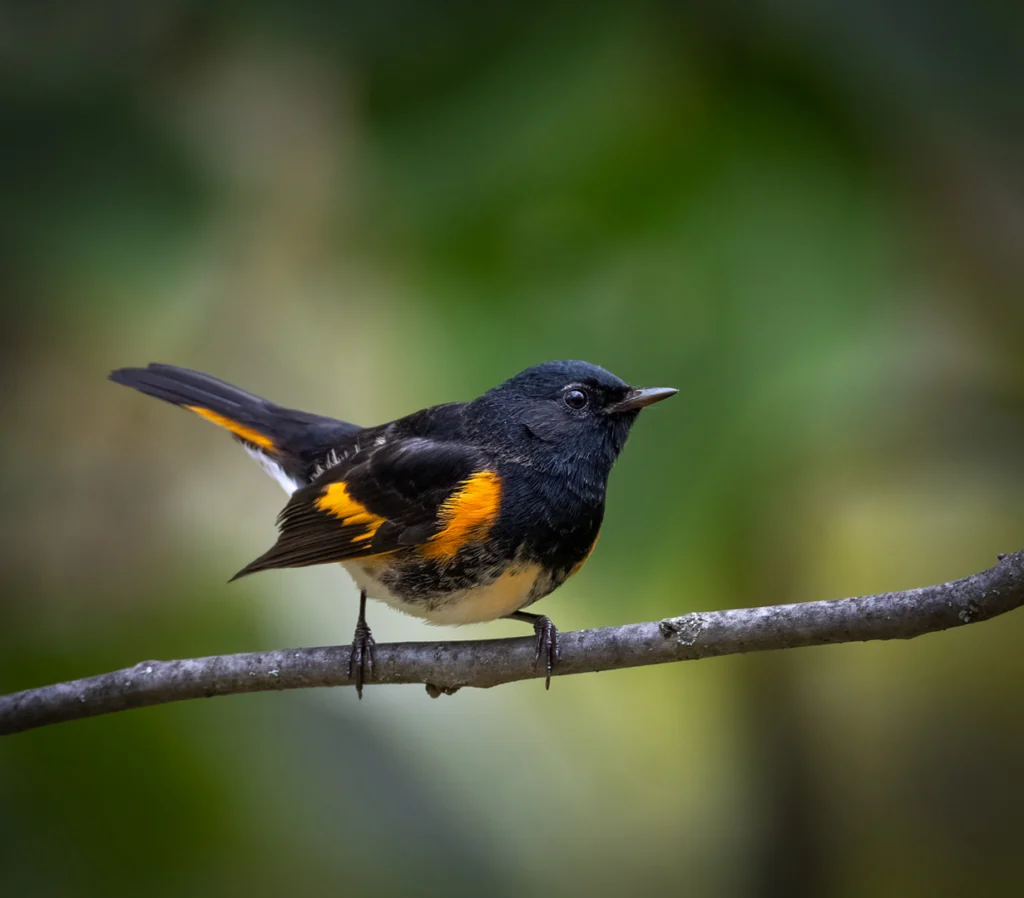
Northern Mockingbirds are highly active foragers, hopping and running over the ground after prey. They also pursue insects in mid-air, maneuvering after dragonflies and wasps with quick twists and turns. These birds also flash the conspicuous white patches on their wings and tail, an unusual foraging strategy similar to the American Redstart’s, designed to startle prey out of hiding.

Threats
Due to its singing skills, the Northern Mockingbird was once a popular cagebird. During the 19th century, its populations reached an all-time low along the East Coast, as many were captured as pets. It also suffered losses from egg collecting, another once-popular hobby, which was curbed by the passage of the Migratory Bird Treaty Act in 1918. However, this widespread species of suburbs and cities still faces a number of human-caused threats, including collisions with windows, poisoning by pesticides, and predation by outdoor cats. Partners in Flight has documented a 19 percent drop in Northern Mockingbird populations in the U.S. and Canada between 1970 and 2014.
Predation by Outdoor Cats
Domestic cats are one of the leading human-caused drivers of bird population declines. Free-roaming cats kill an estimated 2.4 billion birds each year. Species like the Northern Mockingbird that utilize human-modified environments are especially vulnerable, as these areas have higher concentrations of outdoor cats.
Window Collisions
Collisions take an enormous toll on birds. Common urban and suburban species like the Northern Mockingbird are at risk of hitting residential windows, in particular. More than a billion birds die in the U.S. each year alone, but the threat of collisions persists anywhere windows go untreated.
Pesticides and Pollution
Northern Mockingbirds inhabiting human-dominated landscapes are also vulnerable to pesticides and environmental pollutants. Studies have found that mockingbirds can accumulate pesticides in their blood, and that urban mockingbirds have much higher concentrations of lead in their blood compared with those in rural areas.
Conservation Strategies & Projects
Even common species like the Northern Mockingbird need our help to overcome the threats they face. At ABC, we’re inspired by the wonder of birds and driven by our responsibility to find solutions to meet their greatest challenges. With science as our foundation, and with inclusion and partnership at the heart of all we do, we take bold action for birds across the Americas.
Keep Cats Indoors
Cats make wonderful companions, but they’re safest (and birds are, too) when they’re kept indoors or under the control of their owners. ABC advocates for responsible cat ownership, encouraging millions of pet owners to take steps to keep their cats contained and advocating for policies that benefit birds, cats, and human health.
Preventing Glass Collisions
ABC has been a leader in the effort to reduce the devastating toll of glass collisions on birds. We’ve developed innovative methods for evaluating the effectiveness of collision deterrents, created resources to elevate our collective understanding of collisions and make solutions readily accessible, and advocated for bird-friendly policies in the U.S.
Avoid Pesticides & Toxins
ABC works with partners at the state and federal levels in the U.S. to call for the regulation or cancellation of the pesticides and toxins most harmful to birds. We develop innovative programs, like working directly with farmers to use neonicotinoid coating-free seeds, advancing research into pesticides’ toll on birds, and encouraging millions to pass on using harmful pesticides.
Bird Gallery
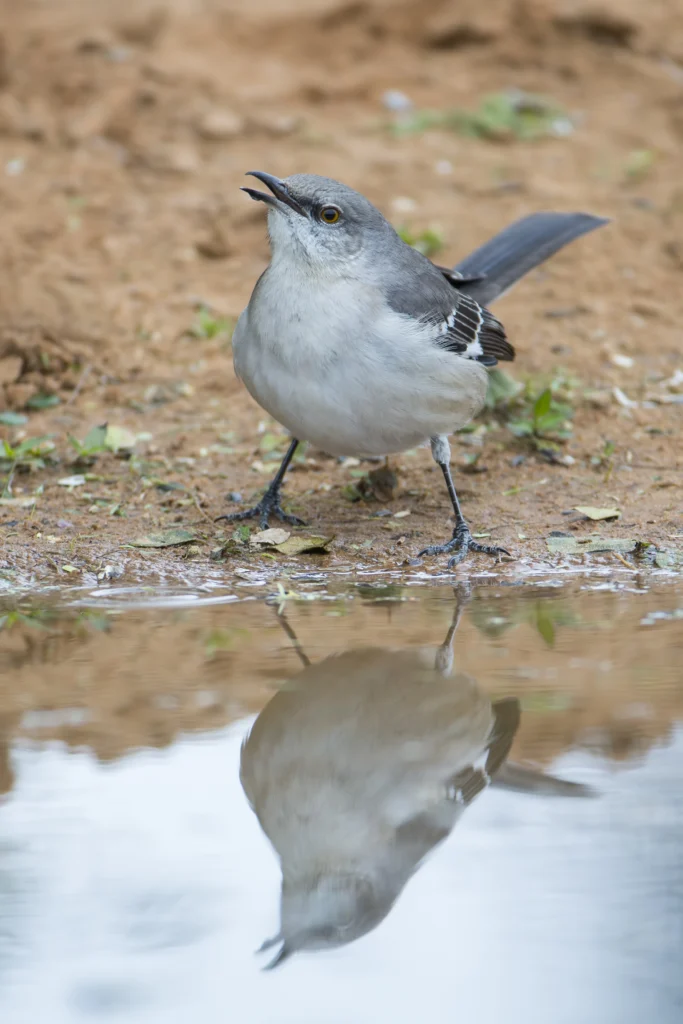
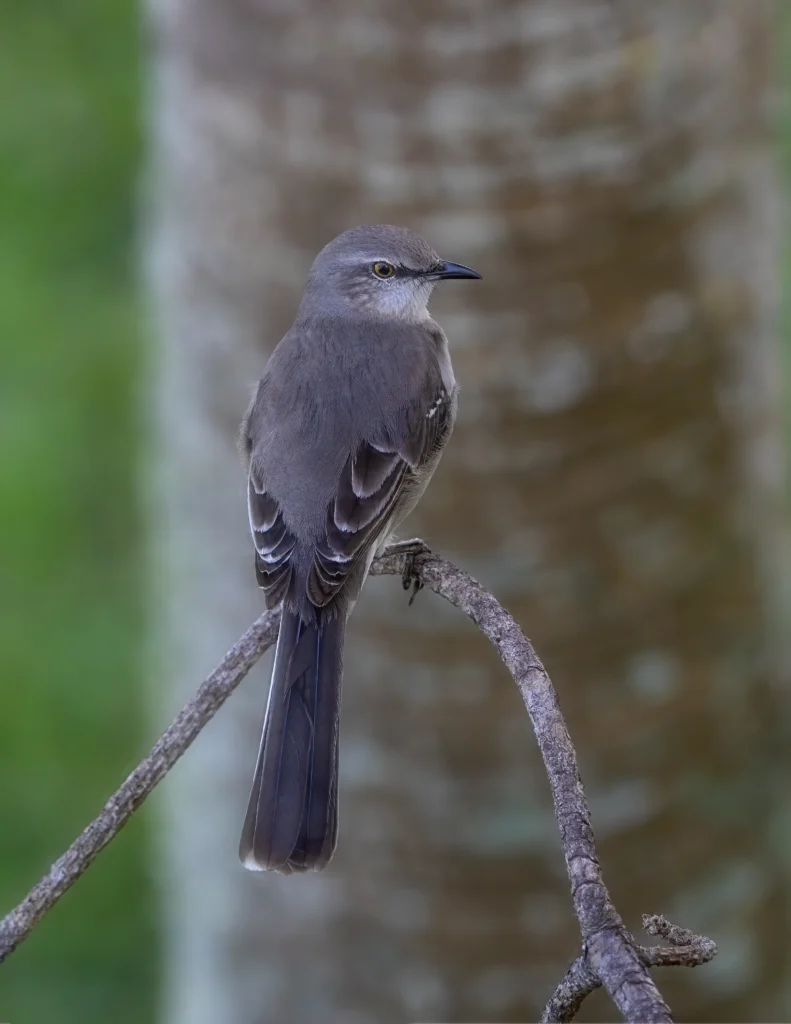
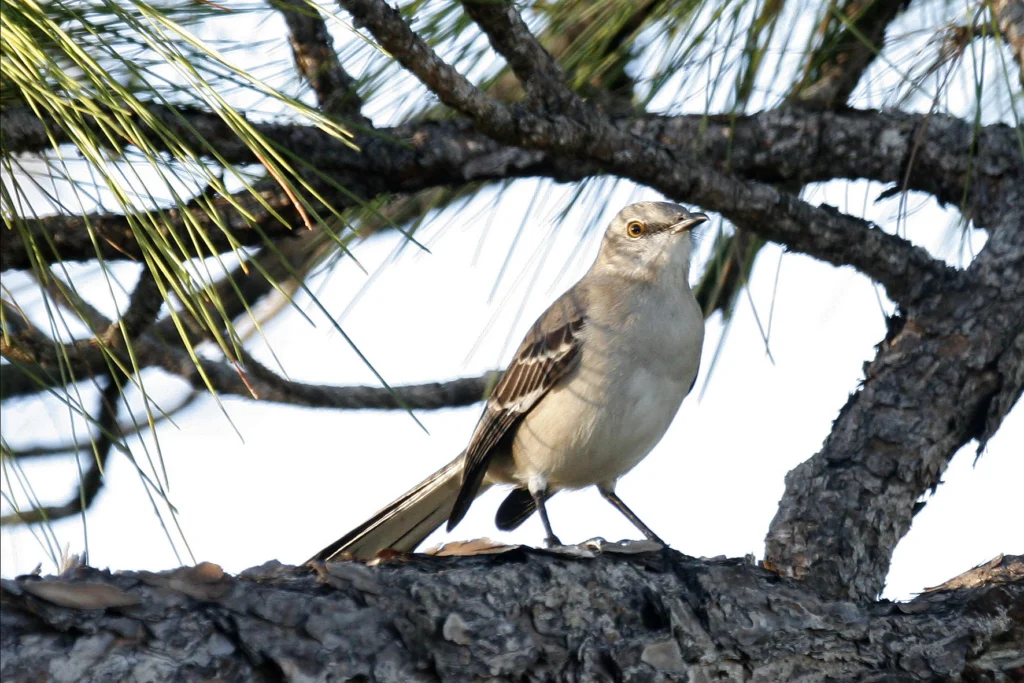
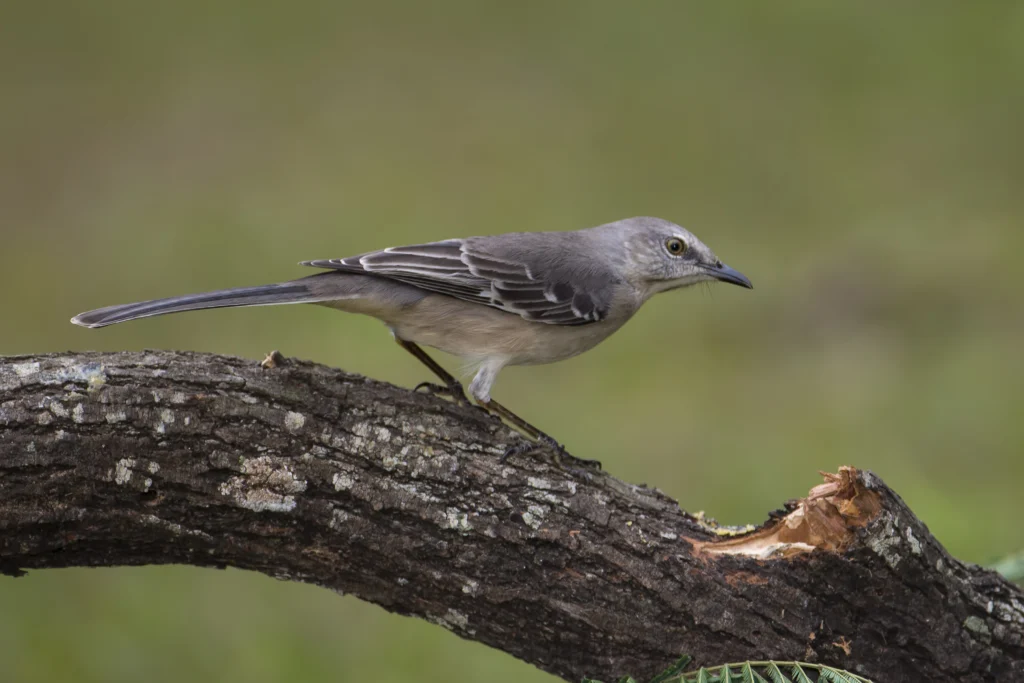
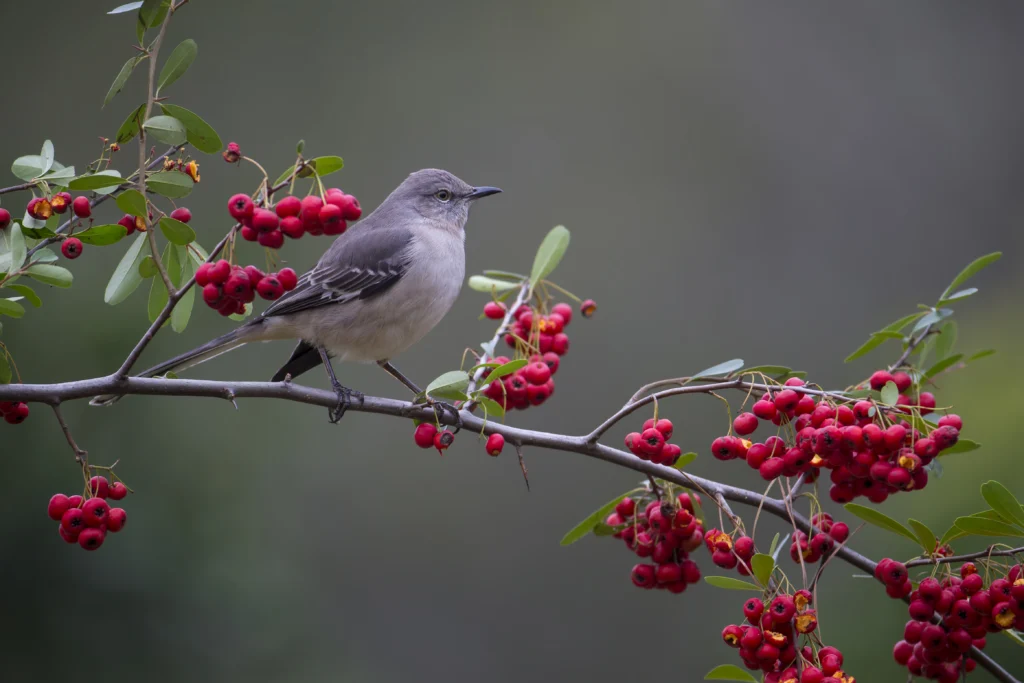
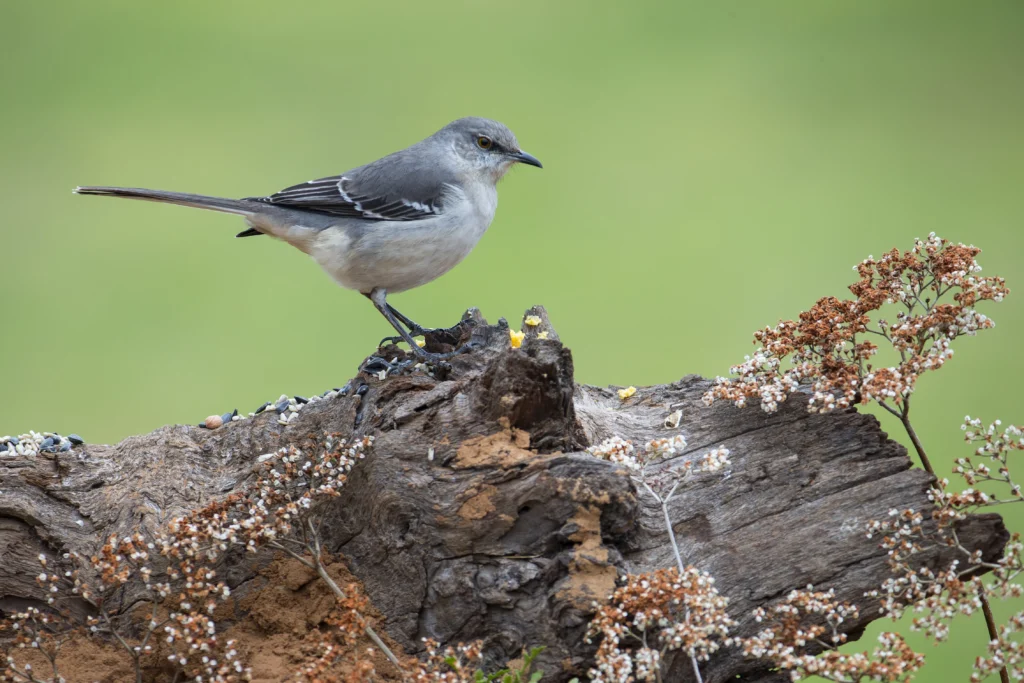
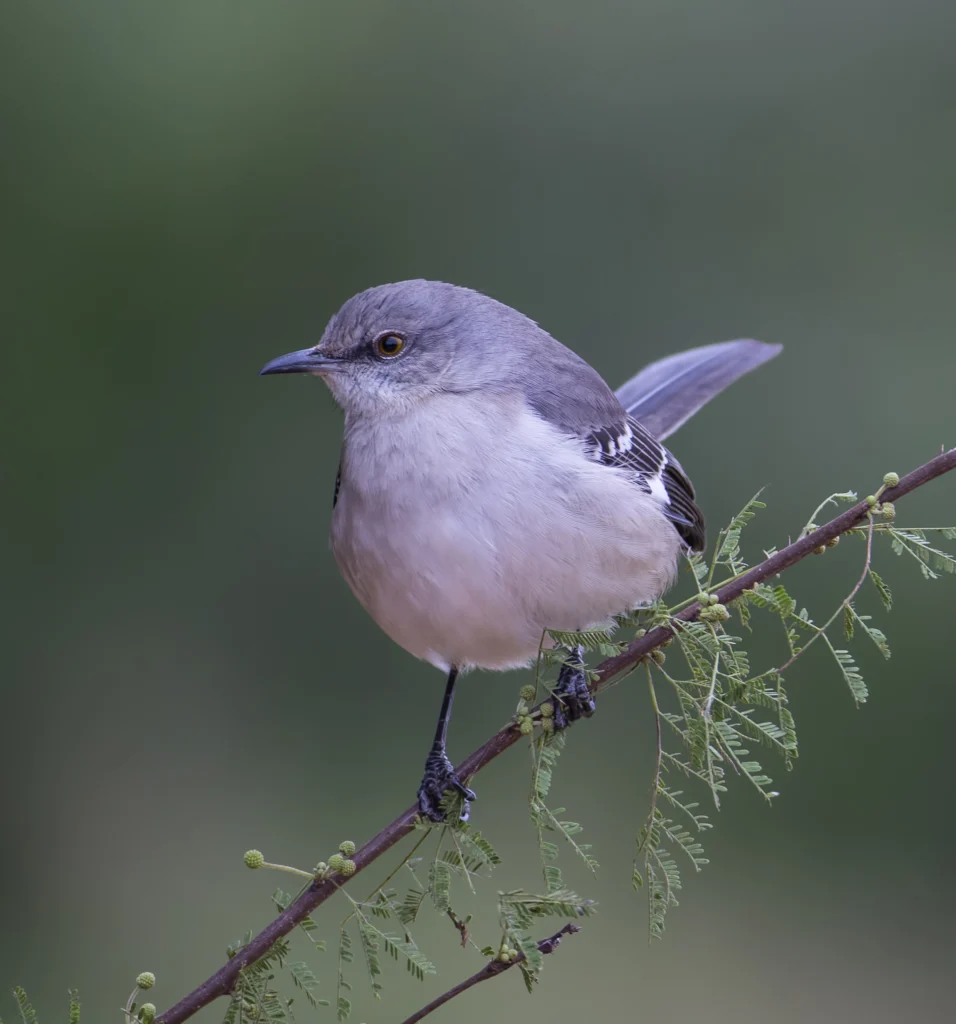
The Northern Mockingbird is distinctive across most of its range. Similar in size to the American Robin but with a slimmer profile, Northern Mockingbirds also boast much longer tails. Males and females share the same plumage year-round, gray-brown above and pale gray below. The wings and tail are a dark gray-brown, with large white patches on the wings and conspicuous white outer feathers on the tail.
Sounds
Despite its talent for mimicry, the Northern Mockingbird is not hard to identify by voice. Some syllables are the mockingbird’s own, and these are intermixed with sounds learned from the environment. Furthermore, each syllable is usually repeated three to five times, and birds will sometimes even transition between syllable types using invented intermediate sounds combining elements of each. Northern Mockingbirds also give a variety of calls, including warbles, buzzes, chirps, and a distinctive chewp note. These may be given alone or incorporated into song. Both males and females sing, but the male is a more active and persistent singer.
Credit: Mike Nelson, XC57040. Accessible at www.xeno-canto.org/57040.
Credit: Paul Marvin, XC161347. Accessible at www.xeno-canto.org/161347.
Habitat
The Northern Mockingbird is a habitat generalist and can be found in a wide range of open habitat with scattered vegetation.
- Common in developed areas, including gardens, cemeteries, and agricultural land
- Often uses forest edges and shrubby habitat
- Western populations often found in chaparral and desert scrub
Range & Region
Range & Region
Specific Area
Greater Antilles; southern Mexico north to Oregon, the Great Lakes, and the Maritimes
Range Detail
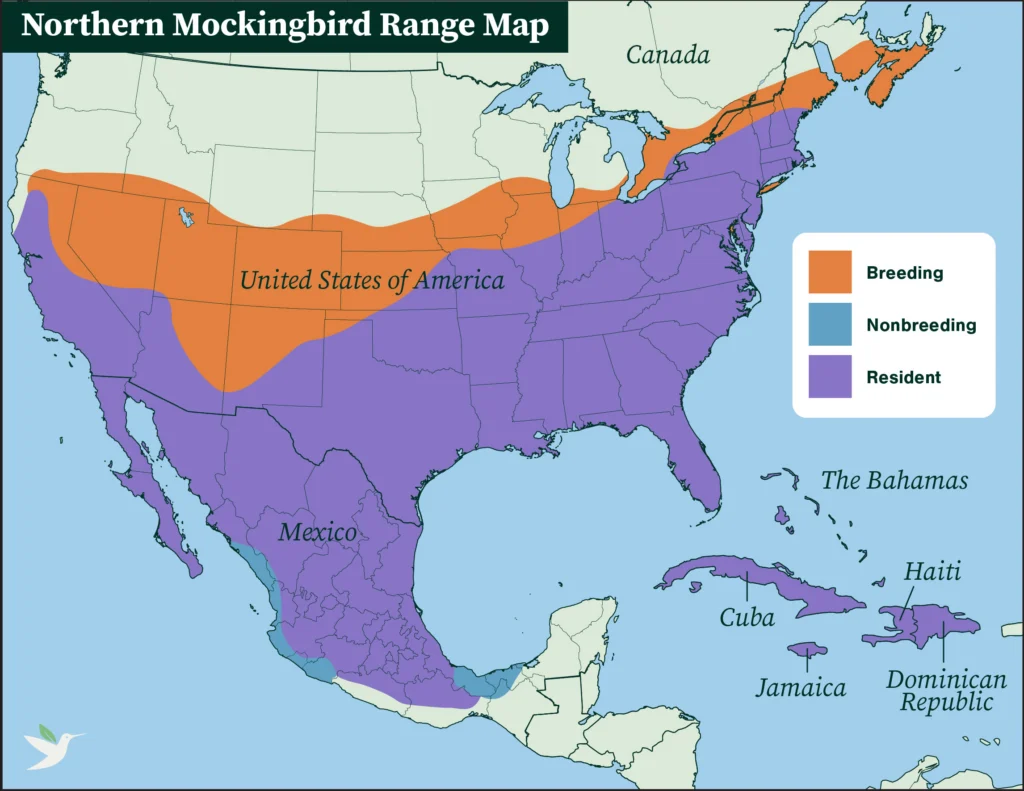
The Northern Mockingbird is widespread across North America, with breeding populations extending as far north as southern Oregon in the West and the Maritime provinces in the East, and south to Tabasco and Chiapas in southern Mexico. This bird is also a year-round resident throughout the Greater Antilles.
Did you know?
Originally a species strongly associated with the South, during the 20th century, the Northern Mockingbird expanded its range to the Canadian border, helped along by the introduction of invasive exotic shrubs such as the Multiflora Rose, which provided food and shelter favored by this species. Today, the Northern Mockingbird is found in more than half of the continental United States and in far-eastern Canada, in much of Mexico, and also in The Bahamas and on many Caribbean islands. It is also now found in Hawaiʻi, where it was introduced in the 1920s. Although it’s mainly a permanent resident, northernmost North American populations may move south during harsh winters.
Life History
Though best known for their virtuosic singing, Northern Mockingbirds are highly conspicuous in nearly every aspect of their life history. Foraging can take the form of aerobatic chases or even dance-like movements, exposing their broad white wing patches. Even while the female is nesting, males keep watch from high exposed perches that offer a commanding view of their surroundings. When intruders show up in the territory, mockingbirds will loudly and aggressively attack them, sometimes joined by numerous neighbors in raucous mobbing flocks as they chase much larger birds from the area.
Diet
An omnivore, the Northern Mockingbird splits its diet between invertebrates and fruits. Like many other birds, including the American Robin and Western Bluebird, it changes its menu with the seasons. During the spring and summer, mockingbirds eat mainly insects such as beetles, grasshoppers, caterpillars, ants, and wasps, switching to fruits and berries in the fall and winter. These birds are also known to visit backyard bird feeders for fruit, suet, and seed.
Courtship
A male first establishes his territory through incessant song, then attempts to woo a female with a range of displays. He may chase her, show off potential nest sites, and perform a flight display in which he launches from a high perch while singing, then parachutes slowly back down. The male may even begin multiple nests to entice a female.
Nesting
Northern Mockingbirds are typically monogamous, and pairs form long-term bonds, sometimes mating for life. Once the female selects her nest site (or a male’s partially built nest), she finishes the cup-shaped nest of twigs and other vegetation, lining it with finer grasses and human artifacts such as paper, foil, cotton, twine, and plastic. Mockingbirds are fiercely territorial around their nests, attacking and driving off intruders many times their size, including hawks, house pets, and even people.
Eggs & Young
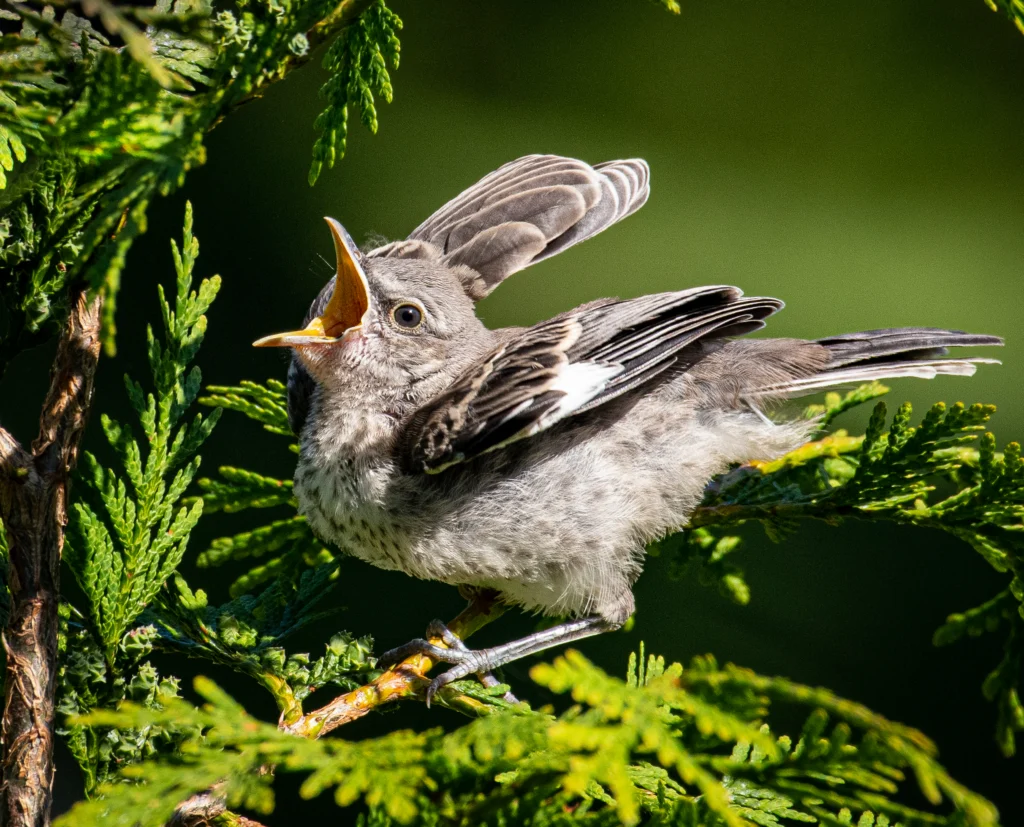
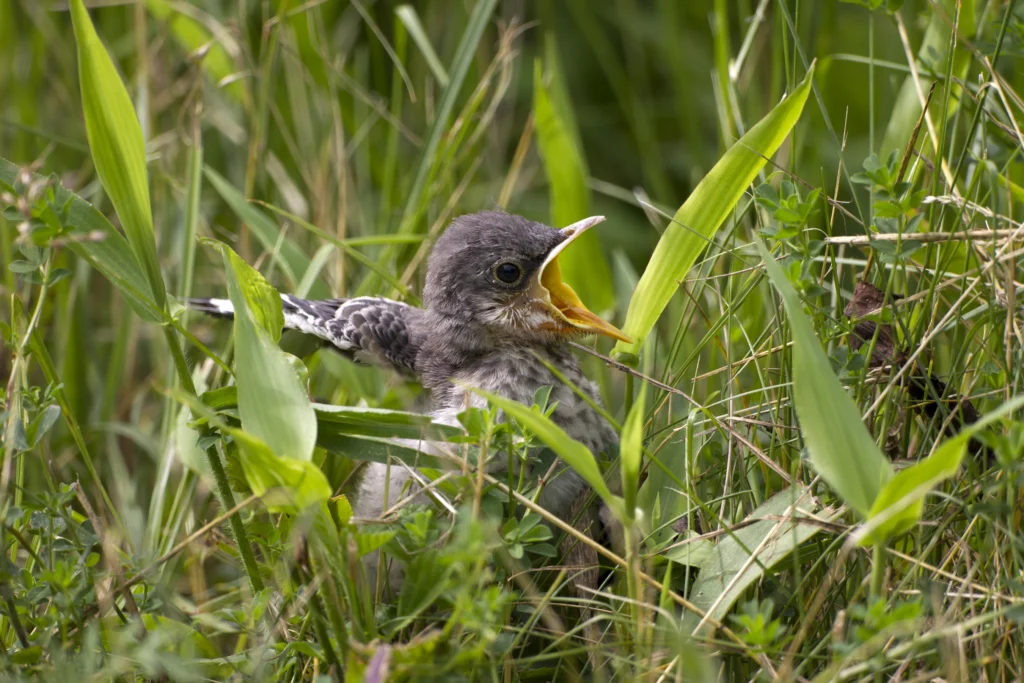
Northern Mockingbird pairs will raise two to four broods a year, each starting with an average of four red or brown spotted eggs. Females alone incubate their clutch until the eggs hatch after about two weeks. Both parents keep the nest clean and feed the nestlings, which typically fledge after 12 days. Mockingbirds build a new nest for each brood, and the male often begins building before the female has finished raising the brood from the previous nest. She will sometimes even lay eggs and begin incubating while the male continues to feed the previous fledglings.