Descripción general
Acerca de
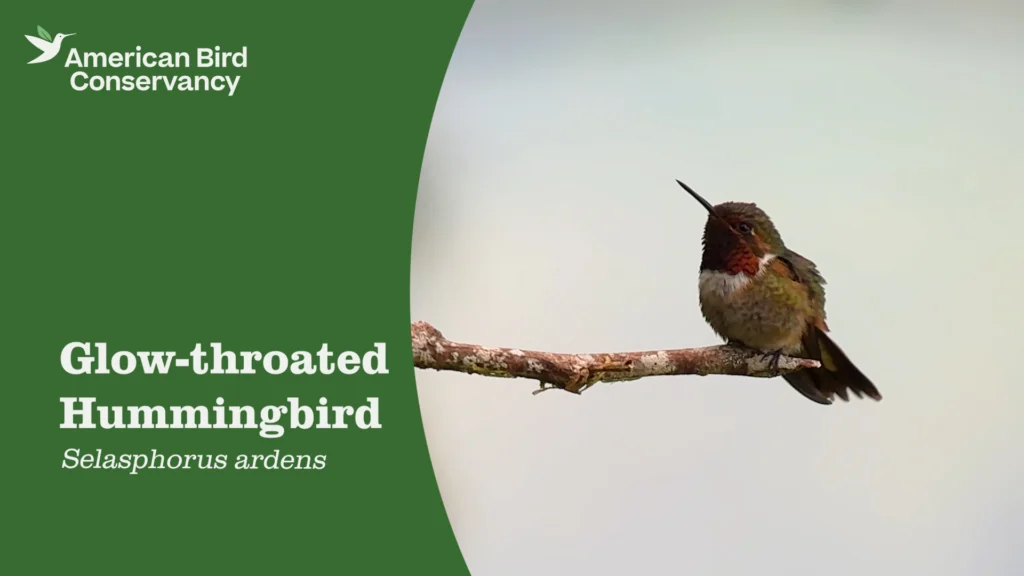
The Glow-throated Hummingbird is a lovely and rare species endemic to the mountains of central and western Panama. Sightings of this species are few and far between, and as a result, very little is known about its habits, life history, and basic biology.
The Glow-throated Hummingbird is a member of the genus Selasphorus, which comes from the Greek word selatos meaning “light” or “flame” and the suffix -phoros, which means “carrying.” With their rufous plumage and shining, fiery red throats, these flame-bearers certainly earn the title. The genus also includes several other notable light carriers, including the familiar Colibrí rufo and Mexico’s Bumblebee Hummingbird, one of the smallest birds in the world.
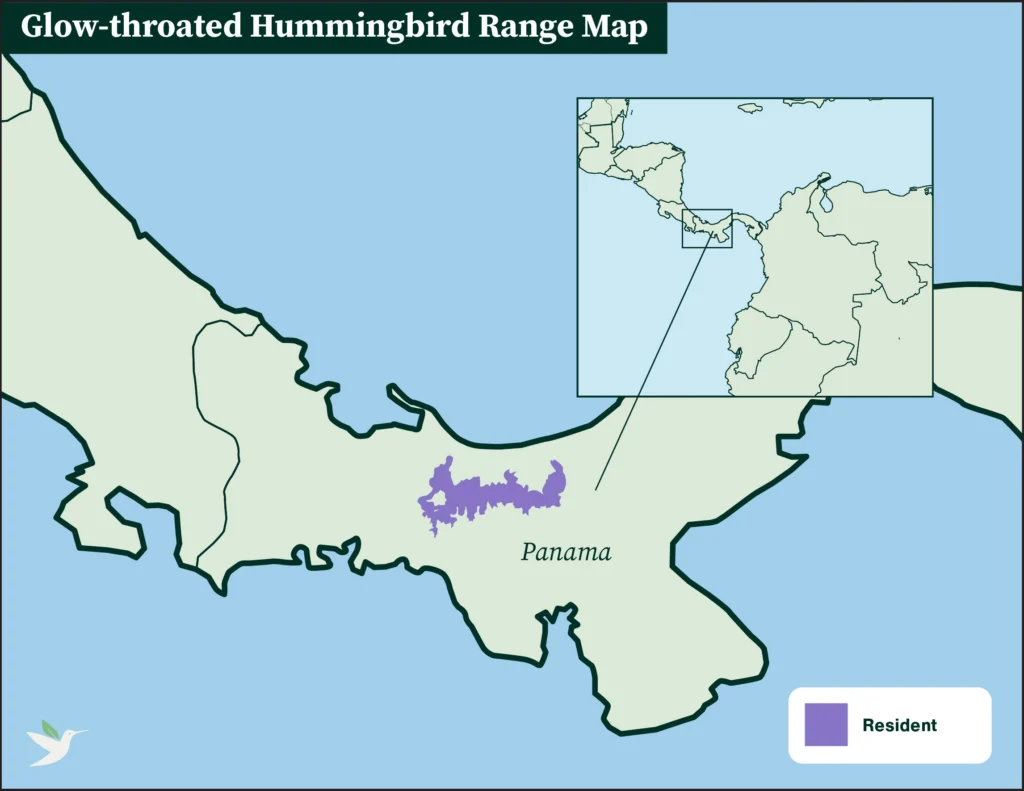
The Glow-throated Hummingbird, like many other endemic species, has a very restricted range and is limited to the Serranía de Tabasará and the Azuero Peninsula in Panama. The small areas it occupies are threatened by habitat loss, which, combined with its small population size, puts the Glow-throated Hummingbird at risk.
Amenazas
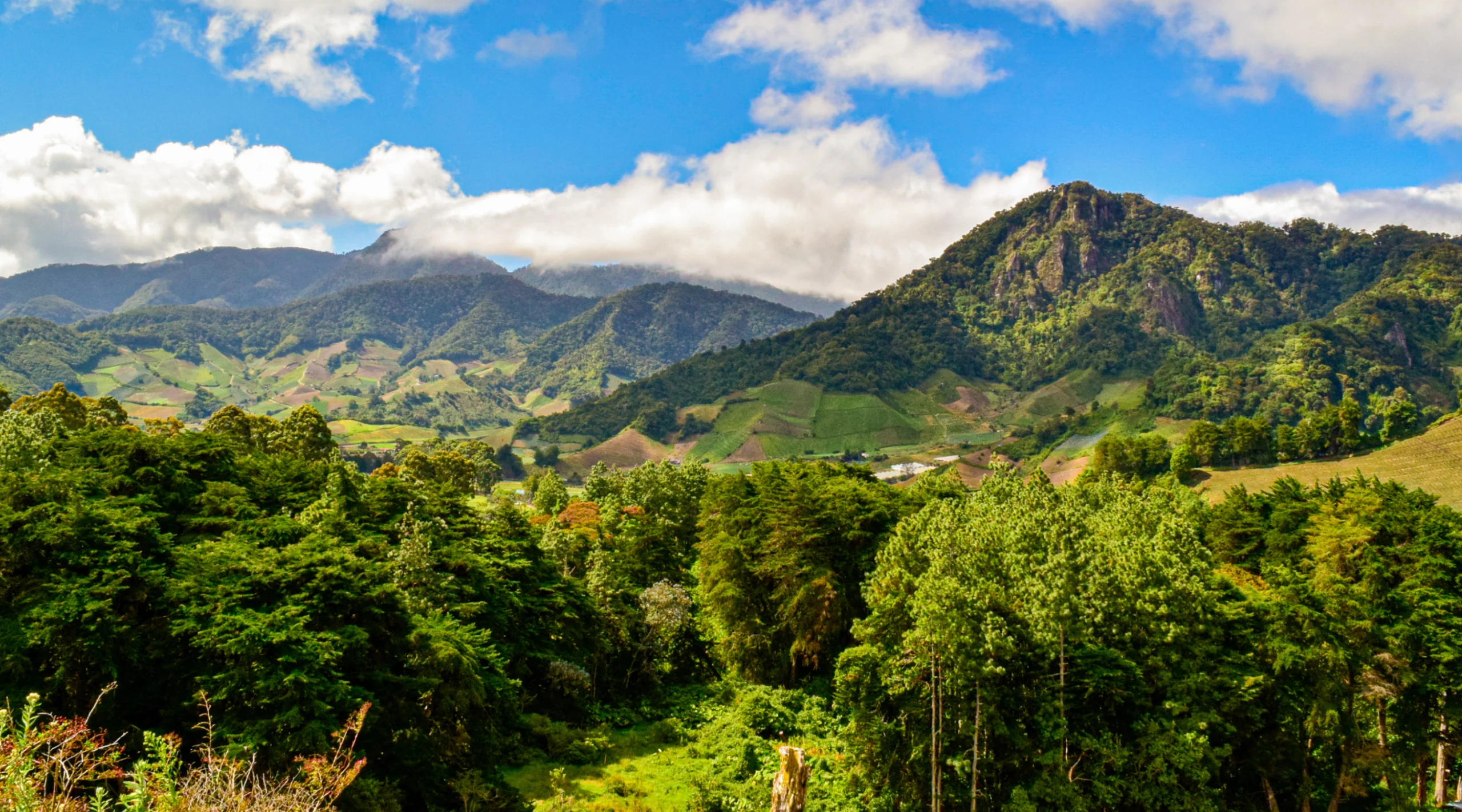
The forests that the Glow-throated Hummingbird depends on are disappearing fast. The primary culprit is the steady expansion of agriculture and the many consequences it brings. Climate change is also a concern, as the range of this mountain-dwelling species may be diminished by changes to the weather patterns and ecology in its habitat.
Expanding Agriculture
While the Glow-throated Hummingbird may survive in disturbed forest, agricultural areas where forest is removed altogether cannot support this species. There are a number of threats posed by agriculture in the region hosting this species: the expansion of coffee plantations and cattle pasture, overuse of pesticides, fires used for clearing land, and subsistence agriculture.
Estrategias y prácticas de conservación
Conserving rare and poorly known species can be especially challenging. We know very little about the Glow-throated Hummingbird’s habitat requirements, food plant preferences, and breeding behavior, making it difficult to assess this bird’s needs and make sure they are being met. However, what we can do is protect the areas where this species lives to ensure it has a place far into the future.
Creación y mantenimiento de reservas
One of the Glow-throated Hummingbird’s strongholds is also one of the most important conservation areas in Panama: the mountains of the Azuero Peninsula. While this Endangered hummingbird finds refuge in Cerro Hoya National Park, the surrounding forests are rapidly disappearing. With support from ABC, our partner, Panama Wildlife Conservation, is working to secure this landscape as part of the Ara Panama Sanctuary, to ensure the Glow-throated Hummingbird and other Endangered birds and mammals are able to thrive.
Galería de aves
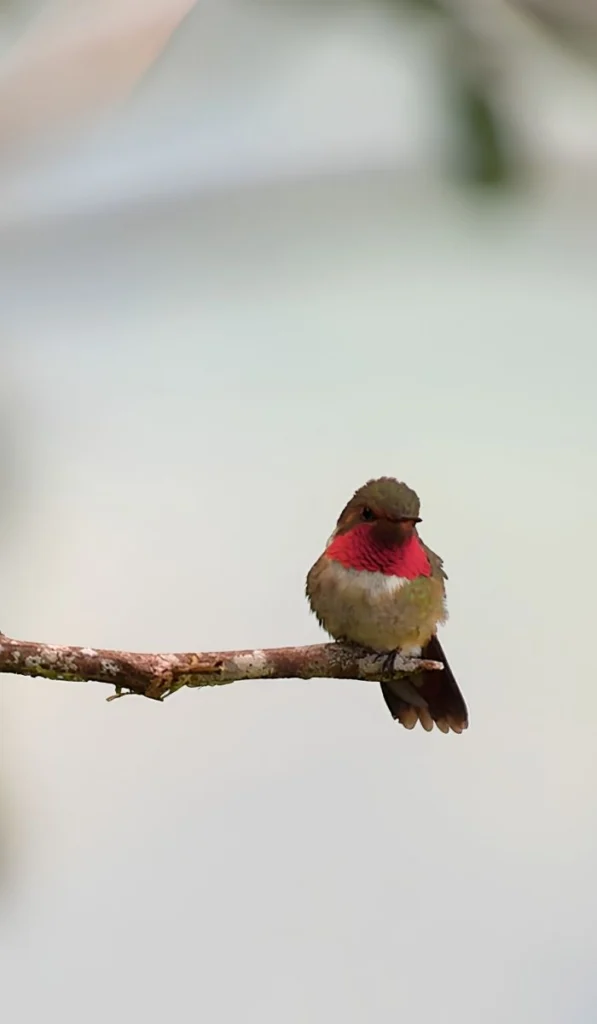
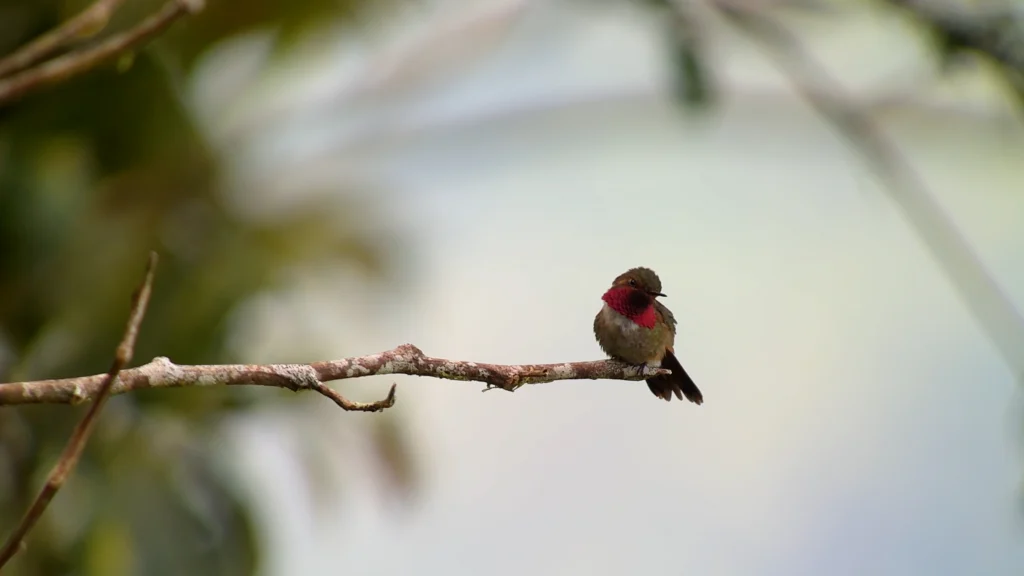
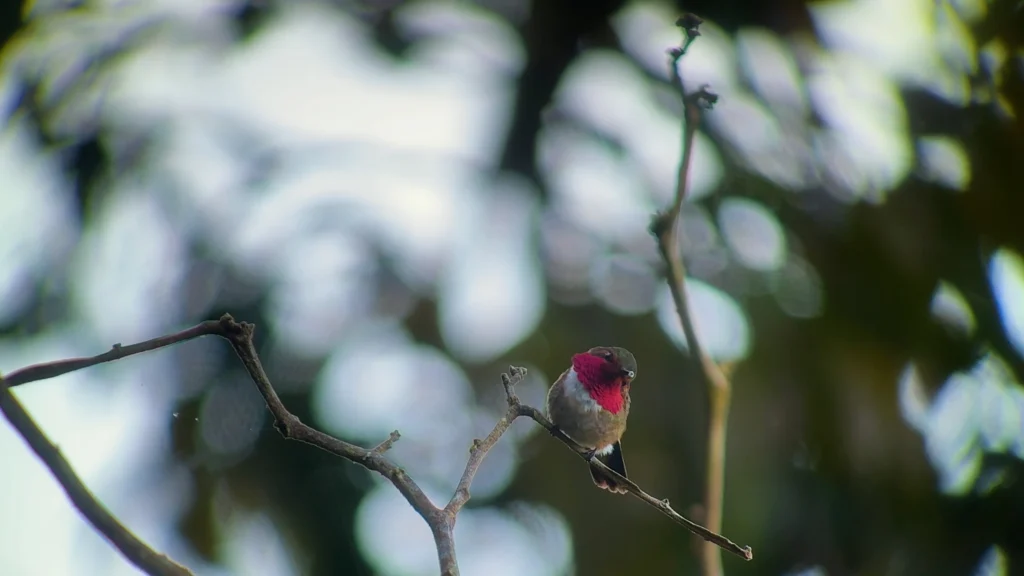
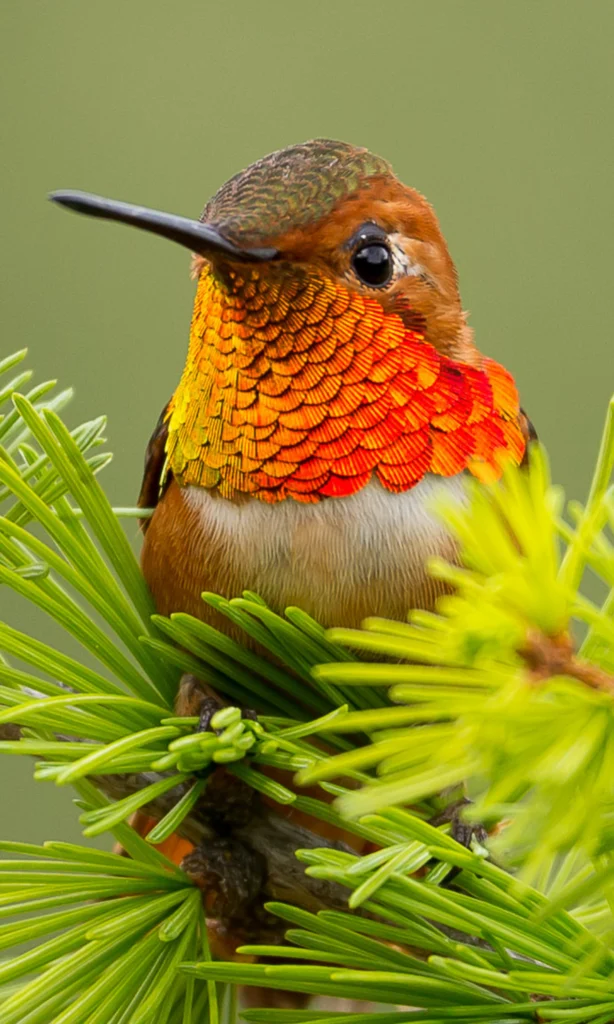
The male Glow-throated Hummingbird earns the species its name, with his shimmering pinkish-red throat feathers or “gorget,” bordered below by a broad white bib. Above, he is an iridescent bronzy green, with black tail feathers edged in rusty red. Below, he is a dusky green-gray, with a white stripe running down the center of his breast. Females lack the flashy gorget, but retain the iridescent upperparts. Below, females are mostly white, but with bright rufous flanks. Both sexes have a straight, relatively short black bill.
Sonidos
Researchers have not thoroughly documented the Glow-throated Hummingbird’s vocalizations. The most common calls given by this hummingbird seem to be a high, thin, percussive tic and a similar but slightly less percussive downsweep, both given in an extended sequence and varying somewhat in pitch. These calls are similar to those of the Calliope Hummingbird, a related species also in the genus Selasphorus.
Pedro Luis Castillo, XC1004706. Accessible at www.xeno-canto.org/1004706.
Hábitat
The Glow-throated Hummingbird is found in the humid highlands, where it seems to prefer shrubby vegetation in forest openings or at forest edges.
- Found between 2,400 and 6,000 feet
Rango y región
Rango y región
Área específica
Western and central Panama
Detalles de la gama
The Glow-throated Hummingbird is endemic to Panama, where it is only known from the Serranía de Tabasará and the Azuero Peninsula.
¿Sabías?
Two separate expeditions, one in 1994 and one in 2019, identified a probable population of Glow-throated Hummingbird in Cerro Hoya National Park on the Azuero Peninsula, well outside of the species’ established range during that timeframe. However, this species is so poorly understood that even with specimens in hand, researchers could not be sure of the birds’ identities! ABC partner Carole Turek captured excellent photos and videos of the Glow-throated Hummingbird on a recent expedition to the Azuero Peninsula, confirming its presence there.
Historia de vida
The habits and life history of this rare hummingbird are largely unknown. However, the Glow-throated Hummingbird’s closest relative, the Scintillant Hummingbird, is more widespread and better studied, and inferences from the life history of this species may be informative.
Dieta
There is no documentation in the scientific literature of this species’ diet or foraging habits. The Glow-throated Hummingbird certainly eats nectar and insects, like all hummingbirds. This bird’s short bill may allow it to forage on smaller flowers that are typically pollinated by insects, as observed in the Scintillant Hummingbird.
Noviazgo
There are no documented observations of courtship in this species. However, the male Scintillant Hummingbird, as well as others in the genus Selasphorus, performs flight displays to perched females, including dramatic dives with mechanical sounds produced by the feathers.
Anidación
No nests have been documented for this species, but nests are likely similar to other Selasphorus hummingbirds, such as the Scintillant: a neat cup of soft material bound with spiderweb and decorated with bits of lichen and moss.
Huevos y crías
Two eggs in a museum collection were attributed to the Glow-throated Hummingbird, but their identification is dubious. However, as with Scintillant and the other Selasphorus hummingbirds, the Glow-throated likely lays two white eggs. Generally, male hummingbirds attempt to mate with multiple females each season, and females alone raise the young.