

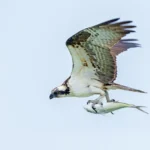
“A Red Alarm Bell”
In recent years, Osprey researchers and observers have noticed fewer chicks surviving as starvation sets in, due to a lack of Atlantic menhaden, the small and shiny fish the birds rely on. This year, people around the Chesapeake Bay watched chicks starve and nests fail, and the Bay’s Ospreys raise...
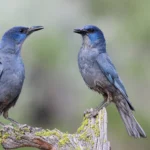
What's Behind the 2026 Pinyon Jay Irruption?
Pinyon Jays – an iconic bird of the American West known colloquially as piñonero or blue crow – are showing up in spots far outside of their normal range this year. Bird irruptions like this are always exciting – but also worrisome. What’s behind the birds straying so far from their regular...

From Coast to Coast, States Take Action to Reduce Harmful Chemicals
Along with our partners, American Bird Conservancy has been advocating for and gaining traction on groundbreaking bills in states across the country to rein in the threat of neonics and other chemicals while putting much-needed guardrails on their use. The record number of pesticide-related bills mo...
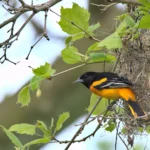
Together for Birds Awards Seed Grants and Fellowships
Every time I visit a place where birds are thriving, I am surprised by the volume and beauty of the dawn chorus. The number of individual birds adds power, and the range of species adds complexity and beauty. Work within biodiversity conservation often feels similar.
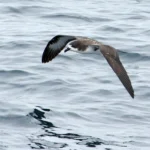
Advocating for a Rare Petrel
Much of Proaño’s job involves the Critically Endangered Galápagos Petrel, which nests only in the highlands of five Galápagos islands, including Proaño and Cruz’s home island of Santa Cruz.
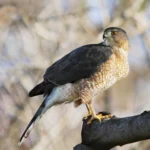
Namesake
Soon, we won’t be calling this bird a Cooper’s Hawk. Over the next few years, North American birds whose English-language names include honorifics — the names of people — will be changed.
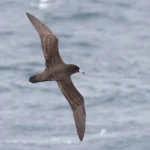
Going the Distance for Seabirds
At first glance, Ecuador and New Zealand (Aotearoa) don’t seem to have much in common. Located in opposite hemispheres, with more than 7,000 miles of open ocean between them, the two countries share little in the way of language, food, history, or culture. Yet they do share a surprising number of ...